Can Phosphatidylcholine Lift the Brain Fog and Fatigue of Long COVID and ME/CFS?
March 5, 2026
PhosphatidylcholineLong COVIDME/CFS
Share:
Disclaimer: The information provided here is for educational purposes only and is not intended as medical advice. It should not be used to diagnose, treat, cure, or prevent any medical condition. Instead, use it as a starting point for discussion with your healthcare provider. Always consult with a qualified healthcare provider before starting any new medication, supplement, device, or making changes to your health regimen.
Months or even years after recovering from an initial viral infection, many people find themselves fighting a daily battle against debilitating symptoms. The profound, unrefreshing fatigue, the sudden spikes in heart rate upon standing, and the thick, suffocating brain fog that makes simple tasks feel monumental—these are the hallmarks of complex chronic conditions like Long COVID, myalgic encephalomyelitis/chronic fatigue syndrome (ME/CFS), and dysautonomia. If you are living with these invisible illnesses, you know the frustration of searching for answers in a medical system that often lacks the tools to understand the root cause of your suffering. However, emerging research into the metabolic and cellular changes that occur in these conditions is finally shedding light on why these symptoms persist.
One of the most exciting areas of this research focuses on lipid metabolism and the structural integrity of our cells. Scientists are discovering that chronic viral infections and prolonged immune activation can severely damage the delicate membranes that protect our cells and mitochondria. At the center of this cellular repair process is a vital nutrient called phosphatidylcholine (PC). Far more than just a simple building block, phosphatidylcholine is a dynamic molecule that dictates how our cells communicate, how our brain produces essential neurotransmitters, and how our liver processes fats and toxins. By understanding the profound role this phospholipid plays in our biochemistry, we can begin to see how targeted nutritional support might help rebuild the foundation of our cellular health and alleviate some of the most challenging symptoms of chronic illness.
What is Phosphatidylcholine?
The Architect of the Cellular Membrane
To truly understand the power of phosphatidylcholine, we must first look at the fundamental structure of human biology. Every single cell in your body—from the neurons in your brain to the hepatocytes in your liver—is encased in a protective barrier known as the cellular membrane. This membrane is not a rigid wall; rather, it is a fluid, dynamic lipid bilayer that controls what enters and exits the cell. Phosphatidylcholine is the most abundant phospholipid in mammalian cells, making up approximately 40% to 50% of the total phospholipids in these membranes, according to biochemical research. It is primarily concentrated in the outer leaflet of the lipid bilayer, where it provides the essential structural integrity and fluidity required for the cell to function properly and survive environmental stressors.
However, phosphatidylcholine is far from a biologically inert building block. It is a highly active, metabolically dynamic molecule that plays a crucial role in intracellular signaling. Through the action of specific cleaving enzymes—such as phospholipase D (PLD) and phospholipase C (PLC)—phosphatidylcholine is continuously broken down to generate critical lipid second messengers, including phosphatidic acid and diacylglycerol. These messengers are essential for initiating complex signaling cascades, regulating vesicle trafficking, and even controlling apoptosis, which is the programmed death of damaged cells. Without a constant, robust supply of phosphatidylcholine, the cellular membrane becomes rigid and dysfunctional, leading to a breakdown in communication between cells and a failure of basic biological processes.
The Precursor to Acetylcholine and Brain Communication
Beyond its structural role, phosphatidylcholine serves a uniquely critical function in the central nervous system. It acts as the body's primary storage pool for choline, an essential nutrient that the brain desperately needs to synthesize acetylcholine. Acetylcholine is a major neurotransmitter responsible for memory formation, learning, sustained attention, and the regulation of the autonomic nervous system. In a healthy body, cholinergic neurons constantly release acetylcholine to facilitate clear thinking and proper neuromuscular control. When circulating levels of free choline in the bloodstream drop too low, these neurons activate an emergency protocol. The enzyme phospholipase D hydrolyzes the phosphatidylcholine directly from the neuronal cell membrane, liberating free choline into the cytoplasm so it can be immediately converted into acetylcholine by the enzyme choline acetyltransferase.
This dual reliance on phosphatidylcholine for both membrane structure and neurotransmitter synthesis creates a precarious balancing act in the brain. In 1985, researchers proposed the "autocannibalism" hypothesis to explain the cognitive decline seen in neurodegenerative diseases. This hypothesis suggests that when the brain's demand for acetylcholine is exceptionally high, or the supply of dietary choline is inadequate, cholinergic neurons are forced to "cannibalize" their own cellular membranes to maintain neurotransmitter release. Prolonged degradation of membrane phosphatidylcholine without adequate resynthesis causes severe alterations in membrane fluidity, ultimately leading to impaired cellular function, neuronal death, and the profound cognitive dysfunction often described by patients as brain fog.
The PEMT Pathway and Methylation
The human body has two primary ways of acquiring phosphatidylcholine. The first is through the diet, utilizing the CDP-choline (Kennedy) pathway. The second is through internal synthesis via the phosphatidylethanolamine N-methyltransferase (PEMT) pathway. The PEMT enzyme, located in the liver on the endoplasmic reticulum, catalyzes the conversion of another lipid, phosphatidylethanolamine, into phosphatidylcholine. This is achieved through three sequential methylation reactions. The methyl donor for all three of these reactions is S-adenosylmethionine (SAMe). Because it takes three molecules of SAMe to create one molecule of phosphatidylcholine, the PEMT pathway is one of the largest consumers of methyl groups in the entire human body, inextricably linking cell membrane synthesis to the complex web of folate and one-carbon metabolism.
This endogenous synthesis is incredibly important because it is the only way mammals can create choline from scratch when dietary intake is insufficient. Furthermore, as the PEMT enzyme strips methyl groups from SAMe, it generates S-adenosylhomocysteine (SAH), making this pathway a primary physiological driver of circulating homocysteine levels. If the methylation cycle is disrupted—whether by genetic variations, chronic inflammation, or nutrient deficiencies—the body's ability to synthesize its own phosphatidylcholine is severely compromised. This forces the body to rely entirely on dietary sources, which are often inadequate, setting the stage for widespread cellular dysfunction, liver stress, and neurological impairment.
How Long COVID and ME/CFS Impact Lipid Metabolism
The Breakdown of the Kennedy Pathway
For individuals living with Long COVID and ME/CFS, the profound fatigue and cognitive impairment are not simply the result of being "tired"; they are the downstream effects of severe metabolic and cellular dysfunction. Recent breakthrough lipidomic studies have revealed that the pathways responsible for synthesizing and maintaining cellular membranes are deeply dysregulated in these post-viral conditions. A landmark 2021 metabolomic study analyzed the blood plasma of ME/CFS patients and found widespread evidence of peroxisomal dysfunction and significantly decreased levels of plasma phospholipids, particularly phosphatidylcholines. This finding confirmed a breakdown in the Kennedy pathway, the primary route the body uses to synthesize phosphatidylcholine from dietary choline.
When the Kennedy pathway fails, the body cannot produce enough phosphatidylcholine to repair the daily wear and tear on cellular membranes. This lipid toxicity closely resembles a "hypometabolic state," where the body intentionally downregulates its energy production to survive a perceived ongoing threat. A 2023 study by López-Hernández et al. utilized untargeted lipidomic analysis on post-COVID-19 patients two years after their initial recovery and found similar results. The researchers identified abnormal levels of phosphatidylcholines and sphingomyelins that persisted long after the acute infection had cleared. This sustained lipid dysregulation drives meta-inflammation and contributes directly to the chronic neurological symptoms, such as brain fog and chronic headaches, that plague Long COVID patients.
Mitochondrial Dysfunction and the Cell Danger Response
The depletion of phosphatidylcholine has a catastrophic impact on the mitochondria, the microscopic powerhouses responsible for generating adenosine triphosphate (ATP), the energy currency of the cell. Mitochondria are encased in a double lipid membrane that relies heavily on phosphatidylcholine for its structural integrity. When a chronic viral infection or severe physical stress triggers the Cell Danger Response (CDR), the body shifts its resources away from normal cellular metabolism and toward cellular defense. This defense mechanism involves the deliberate generation of reactive oxygen species (ROS) to eradicate pathogens. However, if the CDR gets stuck in the "on" position, this oxidative stress begins to damage the host's own tissues, a process known as lipid peroxidation.
Lipid peroxidation aggressively attacks the polyunsaturated fatty acids within the mitochondrial membranes, destroying the phosphatidylcholine layer. As the mitochondrial membrane becomes damaged and leaky, the electron transport chain—the complex series of proteins that actually produce ATP—loses its efficiency. Electrons leak out, creating even more oxidative stress, and ATP production plummets. This vicious cycle of membrane damage and energy failure is a primary driver of the debilitating, unrefreshing fatigue and post-exertional malaise (PEM) experienced by patients with ME/CFS and Long COVID. Without adequate phosphatidylcholine to repair these mitochondrial membranes, the cells simply cannot generate the energy required for normal daily functioning.
Endothelial Senescence and Persistent Inflammation
The vascular system is also deeply impacted by the dysregulation of lipid metabolism. The endothelium, the thin layer of cells lining the blood vessels, requires a healthy supply of phosphatidylcholine to maintain its protective barrier. Recent research papers suggest that acute viral infections like SARS-CoV-2 can induce endothelial cell senescence, a state where the cells stop dividing but refuse to die. These senescent cells adopt a senescence-associated secretory phenotype (SASP), releasing a constant stream of pro-inflammatory, pro-oxidant, and procoagulant molecules into the bloodstream. This chronic endothelial inflammation contributes to the reduced cerebral blood flow, microclot formation, and orthostatic intolerance frequently seen in dysautonomia and POTS.
Furthermore, the depletion of phosphatidylcholine exacerbates the activation of mast cells, which are key players in the immune system's inflammatory response. In conditions like mast cell activation syndrome (MCAS), mast cells become hyper-reactive, releasing histamine and other inflammatory mediators inappropriately. A healthy, fluid cellular membrane is required to properly regulate the receptors on the surface of mast cells. When the membrane is rigid due to a lack of phosphatidylcholine, receptor signaling becomes erratic, potentially lowering the threshold for mast cell degranulation. This interconnected web of mitochondrial failure, endothelial senescence, and immune dysregulation highlights exactly why restoring lipid membrane health is so critical for chronic illness recovery.
Phosphatidylcholine: Supporting Cellular Repair and Cognitive Function
Halting "Autocannibalism" in the Brain
Supplementing with high-quality phosphatidylcholine offers a direct mechanistic intervention to support the pathways disrupted by chronic illness. In the context of neurological symptoms, providing the body with an abundant source of exogenous phosphatidylcholine can effectively halt the process of neuronal "autocannibalism." When you ingest this phospholipid, it is absorbed and transported through the lymphatic system, eventually crossing the blood-brain barrier. Once in the brain, it provides a massive, readily available pool of choline. The brain no longer needs to destroy its own cellular membranes to harvest the choline required for acetylcholine synthesis. This preservation of the neuronal membrane structure is vital for maintaining proper cell-to-cell communication and mitigating the severe cognitive dysfunction associated with Long COVID.
By fueling the production of acetylcholine, phosphatidylcholine directly supports the brain's attentional networks. Acetylcholine modulates the signal-to-noise ratio in the cortex, allowing individuals to filter out distractions, sustain focus, and process information more efficiently. This is particularly relevant for patients struggling with the thick, disorienting brain fog of Long COVID. Furthermore, clinical trials, such as the 1993 study by Ladd et al., have demonstrated that acute administration of phosphatidylcholine can significantly improve explicit memory and serial learning tasks, particularly in individuals who are experiencing cognitive deficits. By restoring the cholinergic system, phosphatidylcholine helps lift the fog and restore mental clarity.
Restoring Liver Health and Fat Metabolism
The therapeutic benefits of phosphatidylcholine extend far beyond the brain, playing an absolutely critical role in hepatic (liver) function and systemic fat metabolism. The liver is the body's primary detoxification organ, constantly filtering out toxins, metabolic waste, and the byproducts of chronic inflammation. To perform this monumental task, liver cells (hepatocytes) require a constant supply of phosphatidylcholine to repair their membranes and protect against oxidative stress. Clinical studies, such as the MANPOWER study, have shown that supplementing with polyenylphosphatidylcholine can significantly improve liver echogenicity and reduce fat accumulation in patients with non-alcoholic fatty liver disease (NAFLD), a condition that frequently co-occurs with metabolic dysfunction in chronic illness.
At a molecular level, phosphatidylcholine is the only phospholipid absolutely required for the hepatic assembly and secretion of very low-density lipoproteins (VLDL). The liver uses VLDL to package triglycerides and export them into the bloodstream for use by other tissues. If the liver lacks sufficient phosphatidylcholine, it cannot properly package these fats, causing lipids to become trapped within the liver cells, triggering steatosis (fatty liver) and systemic metabolic gridlock. By providing the necessary structural components, phosphatidylcholine supplementation ensures that the liver can efficiently process and transport fats, reducing hepatic stress and supporting overall metabolic health. Additionally, prospective pilot studies have shown that phosphatidylcholine therapy actively enhances the body's internal antioxidant capacity, significantly increasing the production of vital enzymes like superoxide dismutase (SOD) and glutathione peroxidase (GPx).
Overcoming Genetic Roadblocks (MTHFR and PEMT)
For many patients with complex chronic conditions, genetic variations can create significant roadblocks to recovery. Two of the most impactful genetic variants involve the MTHFR (methylenetetrahydrofolate reductase) and PEMT enzymes. Individuals with a loss-of-function single nucleotide polymorphism (SNP) in the PEMT gene, such as the rs12325817 variant, have a drastically reduced ability to synthesize their own phosphatidylcholine internally. Research by Dr. Steven Zeisel has shown that women with this variant have a 25-fold higher risk of developing organ dysfunction when placed on a low-choline diet, as their bodies simply cannot produce enough choline to meet their metabolic needs.
This genetic vulnerability is compounded in individuals with MTHFR variants, such as C677T, which impair the primary folate methylation pathway. To compensate for poor MTHFR activity, the body activates a secondary methylation pathway that heavily relies on betaine, a derivative of choline. This compensatory mechanism severely drains the body's choline reserves, skyrocketing the dietary requirement for phosphatidylcholine. By supplementing with a high-quality, pre-formed phosphatidylcholine product, patients can effectively bypass these genetic bottlenecks. The supplement provides the exact end-product the body is struggling to produce, relieving the burden on the methylation cycle, supporting healthy homocysteine levels, and ensuring that both the brain and the liver have the structural lipids they need to heal.

Symptoms Phosphatidylcholine May Help Manage
Neurological and Cognitive Symptoms
Because phosphatidylcholine plays such a foundational role in both cellular structure and neurotransmitter synthesis, its depletion can manifest as a wide array of debilitating symptoms. Supplementation targets these symptoms at their mechanistic root.
Severe Brain Fog and Cognitive Dysfunction: By providing the choline necessary for acetylcholine synthesis, phosphatidylcholine supports the brain's attentional networks, helping to improve focus, clear mental confusion, and restore the ability to process complex information.
Memory Impairment and Forgetfulness: The cholinergic system is vital for memory consolidation. Supplementing with phosphatidylcholine helps halt the "autocannibalism" of neuronal membranes, preserving the structural integrity required for short-term memory retention and recall.
Neurological Fatigue and Mental Exhaustion: When the brain lacks the structural lipids to maintain efficient signaling, it requires significantly more effort to perform basic cognitive tasks. Restoring membrane fluidity helps reduce the metabolic cost of thinking, alleviating profound mental exhaustion.
Autonomic Nervous System Dysregulation: Acetylcholine is a primary neurotransmitter of the parasympathetic nervous system (the "rest and digest" system). Supporting acetylcholine production may help balance autonomic tone, potentially easing symptoms of dysautonomia and rapid heart rate.
Systemic and Metabolic Symptoms
The systemic impact of phosphatidylcholine deficiency is equally profound, particularly concerning energy production, liver function, and the body's ability to manage inflammation.
Post-Exertional Malaise (PEM) and Physical Fatigue: By repairing the damaged lipid bilayers of the mitochondria, phosphatidylcholine helps restore the efficiency of the electron transport chain, supporting cellular ATP production and reducing the severity of energy crashes after exertion.
Sluggish Liver Function and Toxin Buildup: Phosphatidylcholine is essential for the creation of VLDL, which transports fats out of the liver. Supplementation prevents lipid accumulation, supports bile production, and aids the liver in efficiently filtering out metabolic waste and environmental toxins.
Systemic Inflammation and Oxidative Stress: As a highly bioavailable source of polyunsaturated phospholipids, phosphatidylcholine helps replace oxidized, damaged cell membranes throughout the body, while simultaneously boosting endogenous antioxidant enzymes like glutathione peroxidase to neutralize free radicals.
Methylation Cycle Disruptions: For individuals with MTHFR or PEMT genetic variations, providing pre-formed phosphatidylcholine relieves the immense metabolic burden on the methylation cycle, supporting healthy gene expression, neurotransmitter balance, and homocysteine regulation.
Practical Considerations: Forms, Dosing, and Absorption
Understanding Bioavailability and Lymphatic Transport
When considering supplementation, the form and bioavailability of the nutrient are just as important as the dosage. Phosphatidylcholine boasts exceptionally high bioavailability, primarily due to how it is metabolized and transported in the human digestive system compared to synthetic, water-soluble choline salts. When ingested orally, more than 90% of phosphatidylcholine is absorbed from the intestinal lumen. In the digestive tract, it is temporarily hydrolyzed by pancreatic enzymes, absorbed into the intestinal mucosal cells, and then rapidly reassembled into intact phosphatidylcholine molecules. This efficient process ensures that the vast majority of the supplement is successfully taken up by the body.
What makes phosphatidylcholine truly unique is its transport mechanism. Unlike free choline, which directly enters the portal vein and is immediately subjected to first-pass metabolism in the liver, newly reformed phosphatidylcholine is incorporated into chylomicrons—specialized lipid transport vehicles. These chylomicrons are secreted directly into the lymphatic system, bypassing the liver's initial filtration. This lymphatic transport allows the phosphatidylcholine to be efficiently distributed directly to systemic tissues, including the heart, muscles, and, crucially, across the blood-brain barrier to support neurological function. This superior pharmacokinetic profile makes it an incredibly effective way to raise systemic choline levels and repair cellular membranes.
Optimal Dosing and Dietary Sources
While the FDA has not established a specific Recommended Daily Allowance (RDA) for phosphatidylcholine, they have established an Adequate Intake (AI) for its active component, choline, which is 550 mg/day for men and 425 mg/day for women. However, clinical research, particularly studies involving pregnant women or individuals with genetic variations, suggests that optimal intake may be significantly higher. For example, the landmark Cornell University study demonstrated that 930 mg/day of choline was required to significantly improve cognitive processing speed in infants. For general health and cognitive support, common oral supplement doses of phosphatidylcholine range from 840 mg to several grams per day, depending on the concentration of the product.
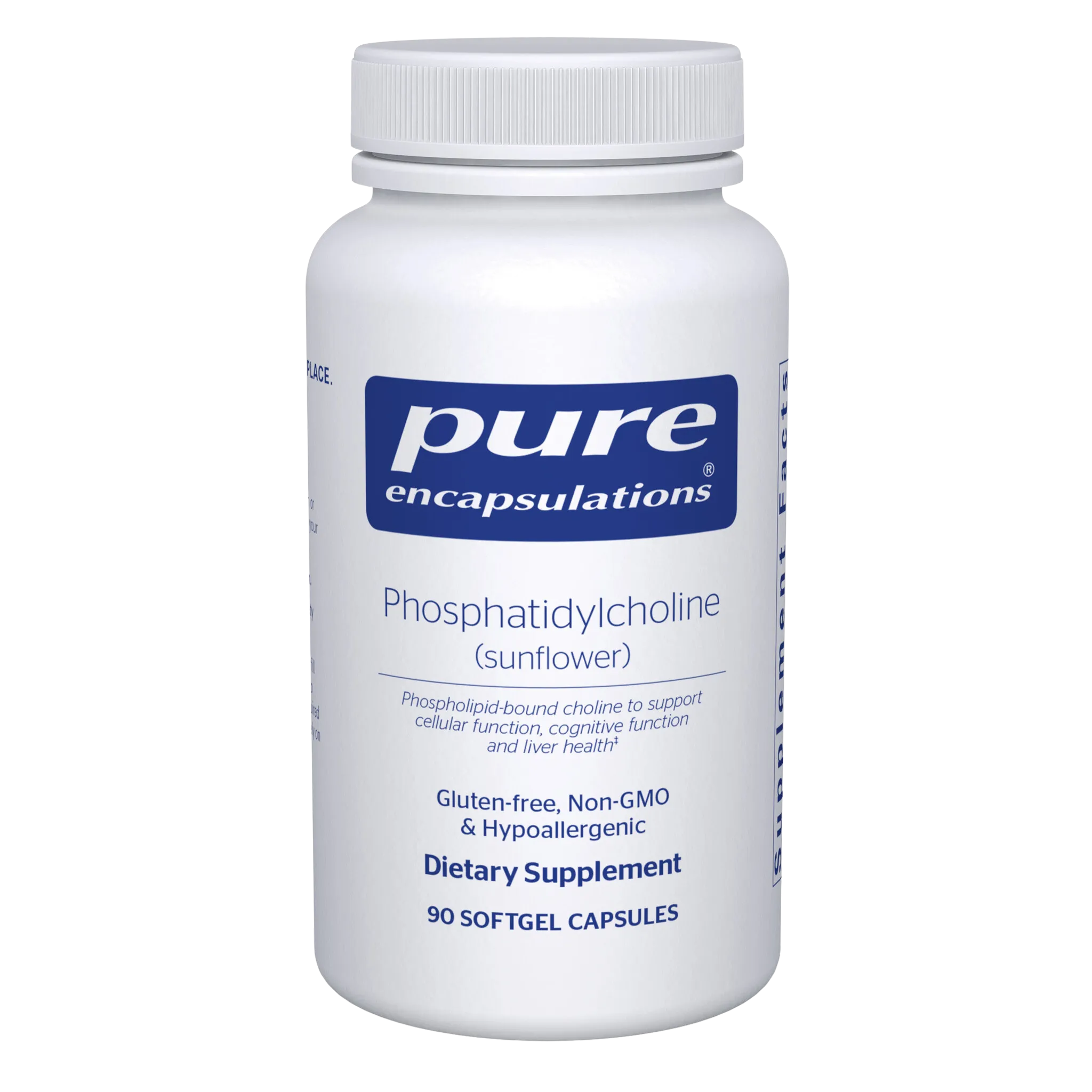
It is important to distinguish between purified phosphatidylcholine and standard commercial "lecithin." Lecithin is a broad term for a fatty mixture that contains phosphatidylcholine, but standard soy or sunflower lecithin supplements generally only contain 10% to 20% actual phosphatidylcholine. To achieve therapeutic doses without consuming excessive amounts of fat, it is crucial to choose a high-quality, purified phosphatidylcholine supplement. Pure Encapsulations' formula provides 550 mg of total phosphatidylcholine per serving, offering a concentrated, highly bioavailable dose. For optimal absorption, it is generally recommended to take phosphatidylcholine softgels with a meal that contains some healthy fats, as this stimulates the release of bile and pancreatic enzymes necessary for proper lipid digestion.
Safety, Side Effects, and Drug Interactions
Oral phosphatidylcholine holds a Generally Recognized As Safe (GRAS) status and is exceptionally well-tolerated by most individuals, even at higher therapeutic doses. Because it is a naturally occurring lipid that the body recognizes and utilizes daily, adverse reactions are rare. The most commonly reported side effects are mild gastrointestinal distress, such as bloating, loose stools, or mild nausea, particularly when taken on an empty stomach. Unlike extremely high doses of synthetic pure choline salts, purified phosphatidylcholine does not typically cause the "fishy" body odor associated with excessive choline metabolism, making it a much more pleasant option for long-term daily use.
However, because phosphatidylcholine acts as a direct precursor to acetylcholine, it can interact with medications that manipulate the cholinergic system. Patients taking acetylcholinesterase (AChE) inhibitors—medications often prescribed for Alzheimer's disease or severe dysautonomia (like pyridostigmine)—should consult their physician, as combining these drugs with phosphatidylcholine can cause an additive effect, excessively raising acetylcholine levels and increasing the risk of cholinergic side effects like severe nausea or a slowed heart rate. Conversely, phosphatidylcholine may antagonize or decrease the effectiveness of anticholinergic medications, such as certain antihistamines, antispasmodics, or tricyclic antidepressants, which are designed to block acetylcholine receptors. Always consult with a knowledgeable healthcare provider before adding a new supplement to your regimen, especially if you are managing complex chronic conditions with multiple prescription medications.

Follow the Science
Lipidomic Breakthroughs in Post-Viral Illness
The scientific understanding of how chronic viral infections impact cellular metabolism has advanced rapidly in recent years, largely due to the advent of sophisticated lipidomic profiling. A pivotal 2021 study by Che et al. provided concrete evidence of peroxisomal dysfunction and a profound dysregulation of the CDP-choline (Kennedy) pathway in patients with ME/CFS. By analyzing 888 metabolic analytes, the researchers discovered significantly decreased levels of plasma phospholipids, explicitly highlighting the depletion of phosphatidylcholines. This research provided a crucial mechanistic explanation for the compromised cellular energy and delayed tissue repair that characterizes the disease, validating the physical reality of the patients' symptoms.
Building on this foundation, a 2023 study by López-Hernández et al. applied untargeted lipidomic analysis to post-COVID-19 patients two years after their initial recovery. The findings were striking: abnormal levels of phosphatidylcholines and sphingomyelins persisted long after the acute infection, correlating strongly with ongoing symptoms of brain fog, chronic fatigue, and neurological inflammation. These studies collectively demonstrate that the depletion of structural lipids is not a transient artifact of acute illness, but a sustained metabolic roadblock that prevents the body from returning to homeostasis. This scientific consensus strongly supports the rationale for targeted lipid replacement therapy to rebuild damaged cellular infrastructure.
Clinical Trials on Liver Health and Cognition
The clinical efficacy of phosphatidylcholine has been extensively documented in large-scale trials, particularly concerning hepatic health and fat metabolism. A 2022 prospective pilot study by Abenavoli et al. demonstrated that phosphatidylcholine therapy not only reduced liver stress markers (ALT and AST) by over 50% but also actively enhanced the body's internal antioxidant capacity, increasing superoxide dismutase (SOD) and glutathione peroxidase (GPx) levels by nearly 48%.
In the realm of cognitive function, research consistently highlights the importance of choline availability. A double-blind, placebo-controlled trial published in Clinical Neuropharmacology investigated the acute effects of phosphatidylcholine on explicit memory in healthy adults. The researchers found that a single dose of phosphatidylcholine resulted in a significant improvement in explicit memory during a serial learning task, with the most profound improvements occurring in individuals who initially exhibited slower learning rates. This suggests that phosphatidylcholine is highly effective at normalizing cholinergic deficits and optimizing the brain's ability to process and retain new information, a critical benefit for those suffering from post-viral cognitive dysfunction.
The Impact of Maternal Supplementation
Some of the most compelling evidence for the profound developmental impact of phosphatidylcholine comes from maternal supplementation studies. A landmark randomized, double-blind, controlled feeding study conducted at Cornell University investigated the effects of high-dose choline supplementation during the third trimester of pregnancy. Mothers were given either 480 mg/day or 930 mg/day of choline. The results were remarkable: infants born to mothers in the 930 mg/day group exhibited significantly faster information processing speeds and reaction times at 4, 7, 10, and 13 months of age.
Even more astoundingly, a 7-year follow-up of these same children revealed that those in the high-choline group demonstrated a significantly superior ability to maintain sustained attention over long, challenging tasks compared to the control group. This research underscores the absolute necessity of adequate phosphatidylcholine for the structural development of the brain's attentional networks. When combined with the knowledge that genetic variations in the PEMT gene can drastically increase a woman's dietary choline requirements, these studies highlight the critical importance of targeted supplementation to ensure optimal neurological outcomes, both in development and in the repair of adult neurological function post-infection.
The Path Forward
Validating the Metabolic Reality of Chronic Illness
Living with a complex chronic condition like Long COVID, ME/CFS, or dysautonomia is an exhausting journey, often made harder by a medical system that struggles to quantify invisible symptoms. When standard blood tests return "normal" results, it is easy to feel dismissed or to question the reality of your own experience. However, the emerging science of lipidomics and cellular metabolism provides profound validation. Your profound fatigue, your brain fog, and your autonomic instability are not in your head; they are the result of measurable, physiological disruptions at the deepest cellular level. The breakdown of the Kennedy pathway, the depletion of phosphatidylcholine, and the subsequent mitochondrial distress are real, physical barriers to your recovery. Understanding this biochemistry is the first empowering step toward reclaiming your health.
Integrating PC into a Comprehensive Strategy
While the science behind phosphatidylcholine is incredibly promising, it is important to remember that no single supplement is a magic cure for complex chronic illness. True healing requires a comprehensive, multi-layered approach. Phosphatidylcholine serves as a foundational tool—a way to provide your body with the raw materials it desperately needs to rebuild damaged cellular membranes, support liver detoxification, and fuel the production of vital neurotransmitters like acetylcholine. However, this nutritional support must be combined with aggressive pacing to manage post-exertional malaise, meticulous symptom tracking, and a collaborative relationship with a knowledgeable healthcare provider who understands the nuances of post-viral conditions. By addressing the structural integrity of your cells, you create a stronger, more resilient foundation upon which all other therapies can build.
If you are struggling with severe brain fog, unrefreshing fatigue, or signs of metabolic and liver stress, supporting your cellular membranes may be a critical missing piece of your management puzzle. Always consult with your healthcare provider to ensure that this supplement is appropriate for your specific medical history and current medication regimen.