Can Ortho Biotic® Powder Support Gut Health and Immunity in Long COVID and ME/CFS?
March 6, 2026
Ortho BioticProbioticsLong COVID
Share:
Disclaimer: The information provided here is for educational purposes only and is not intended as medical advice. It should not be used to diagnose, treat, cure, or prevent any medical condition. Instead, use it as a starting point for discussion with your healthcare provider. Always consult with a qualified healthcare provider before starting any new medication, supplement, device, or making changes to your health regimen.
In the wake of a viral infection, many patients find themselves battling a bewildering array of lingering, debilitating symptoms that seem to affect every system in their body. For individuals living with Long COVID, myalgic encephalomyelitis/chronic fatigue syndrome (ME/CFS), dysautonomia, and mast cell activation syndrome (MCAS), the search for answers often leads to a surprising origin point: the gastrointestinal tract. The gut is not merely a digestive organ; it is the epicenter of the human immune system, a primary producer of neurotransmitters, and a critical barrier protecting the bloodstream from toxins and pathogens. When this delicate ecosystem is disrupted by viral persistence, chronic stress, or immune dysregulation, the resulting "gut dysbiosis" can drive a vicious cycle of systemic inflammation, profound fatigue, and neurological impairment.
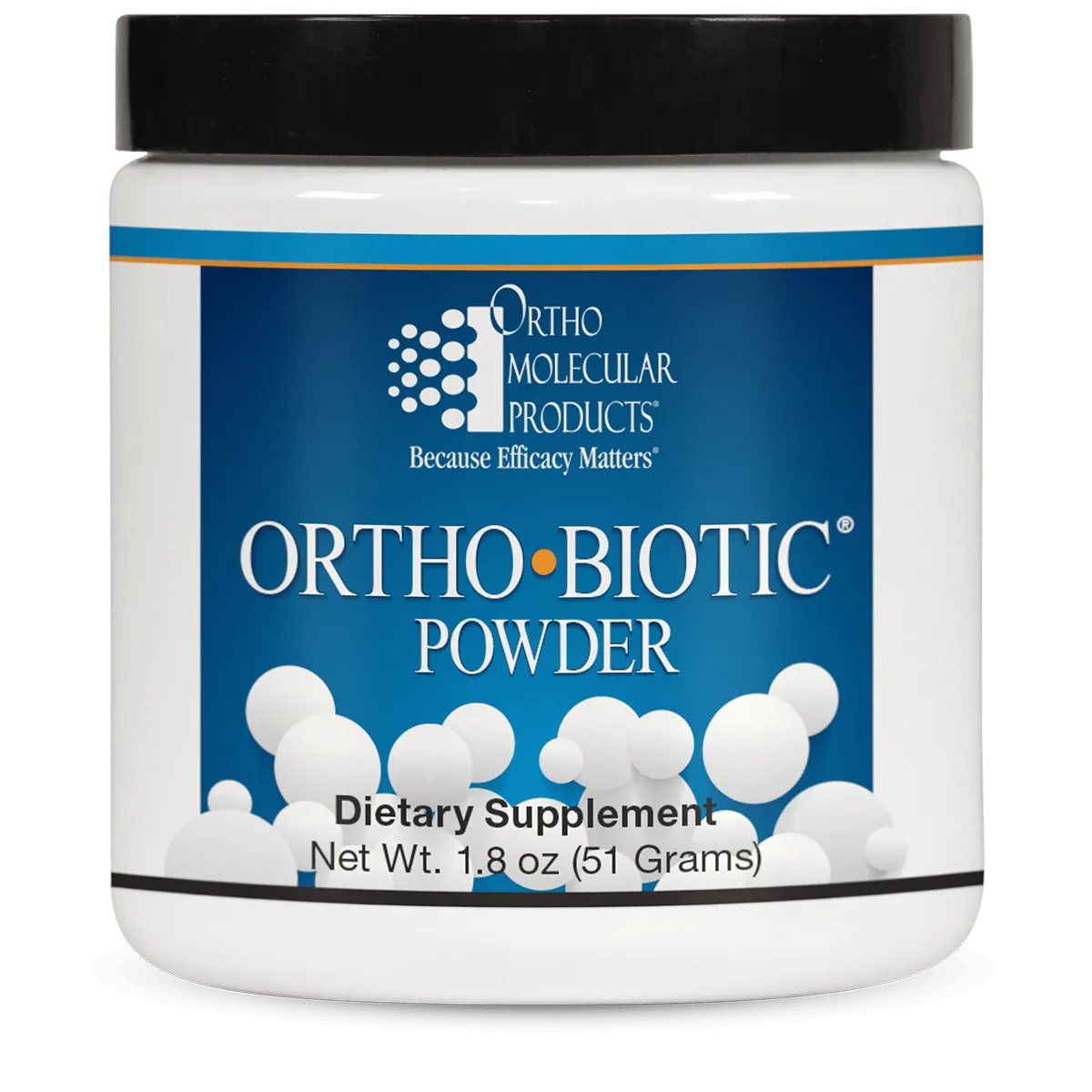
Addressing this foundational imbalance requires more than just a standard over-the-counter supplement; it requires targeted, clinically validated interventions capable of surviving the harsh environment of the digestive system. Ortho Biotic® Powder has emerged as a compelling tool in the management of complex chronic illnesses. Formulated with a proprietary blend of resilient bacterial strains and the extensively researched probiotic yeast Saccharomyces boulardii, this broad-spectrum supplement is designed to restore microflora balance, protect intestinal integrity, and modulate immune function. By understanding the intricate biochemistry of the gut microbiome and how specific probiotic strains interact with our cellular pathways, patients can make informed decisions about integrating microbiome support into their comprehensive management strategies.
What is Ortho Biotic® Powder?
The Complex Ecosystem of the Human Gastrointestinal Tract
The human gastrointestinal (GI) tract is a finely balanced, highly competitive environment that hosts roughly 500 different strains of bacteria, fungi, and other microorganisms. In a state of health, known as eubiosis, these microbes live in a symbiotic relationship with the host, performing essential physiological functions that our own cells cannot accomplish alone. They ferment indigestible dietary fibers into short-chain fatty acids (SCFAs) like butyrate, synthesize crucial vitamins such as Vitamin K and various B vitamins, and actively compete against pathogenic organisms for space and nutrients. This competitive exclusion is a primary defense mechanism, ensuring that harmful bacteria and yeasts cannot colonize the intestinal lining and trigger localized or systemic infections.
However, this delicate microbial balance is highly susceptible to disruption from external and internal stressors, including acute viral infections, broad-spectrum antibiotic use, psychological stress, and poor dietary intake. When beneficial bacteria are depleted, potentially harmful organisms can rapidly multiply, leading to a state of dysbiosis. Dysbiosis is not merely a localized digestive issue; it has profound systemic consequences. The loss of beneficial, SCFA-producing bacteria compromises the integrity of the intestinal epithelial barrier, while the overgrowth of pathogenic taxa increases the production of endotoxins, such as lipopolysaccharides (LPS). This shift from a symbiotic to a pathogenic microbiome environment is increasingly recognized as a foundational driver in many complex chronic diseases.
The Synergistic Power of Broad-Spectrum Probiotics
To combat dysbiosis and restore the structural integrity of the gut, targeted probiotic supplementation aims to introduce live, beneficial microorganisms directly into the GI tract. Ortho Biotic® Powder utilizes a proprietary blend of 20 billion colony-forming units (CFUs) comprising six meticulously selected bacterial strains. These include Lactobacillus acidophilus (La-14), Lactobacillus paracasei (Lpc-37), Bifidobacterium bifidum (Bb-02), Lactobacillus plantarum (Lp-115), Lactobacillus rhamnosus (Lr-32), and Bifidobacterium lactis (Bl-04). Each of these strains has been specifically chosen for its documented ability to withstand the highly acidic environment of the stomach and the bile salts of the upper intestine, ensuring they reach the lower GI tract where they can exert their therapeutic effects.
Once these bacterial strains successfully navigate the upper digestive system, they adhere to the intestinal epithelial cells and begin to modulate the local environment. For instance, Lactobacillus acidophilus and Bifidobacterium bifidum produce lactic and acetic acids, which lower the luminal pH and create an inhospitable environment for invading pathogens like E. coli and Staphylococcus aureus. Furthermore, strains like Lactobacillus plantarum produce bacteriocins—specialized antimicrobial peptides that actively inhibit the growth of dangerous bacteria such as Clostridium difficile. By working synergistically, this broad-spectrum bacterial consortium helps to rapidly re-establish a healthy microbial community, outcompeting pathogens and laying the groundwork for mucosal healing.
The Unique Role of Saccharomyces boulardii
In addition to the bacterial blend, Ortho Biotic® Powder includes a substantial dose (up to 3 billion CFUs) of Saccharomyces boulardii, a non-pathogenic, transient probiotic yeast. Originally isolated from the skins of tropical lychee and mangosteen fruits in 1923, S. boulardii possesses unique biological properties that distinguish it from bacterial probiotics. Because it is a yeast, it is naturally resistant to all antibacterial antibiotics, making it an invaluable tool for preventing antibiotic-associated diarrhea and preserving gut function during necessary antimicrobial treatments. It does not permanently colonize the gut; instead, it acts as a temporary, powerful modulator that sweeps through the digestive tract, exerting its benefits before being naturally excreted.
At the molecular level, Saccharomyces boulardii functions as a master regulator of the intestinal environment. It secretes specific proteases that directly degrade bacterial toxins, acts as a decoy receptor to bind and flush out pathogenic bacteria, and stimulates the host's immune cells to produce secretory IgA (sIgA), the primary antibody responsible for mucosal defense. By neutralizing immediate threats and calming local inflammation, S. boulardii effectively acts as a biological potentiator. It clears the physiological "brush," creating a stabilized, hospitable environment that allows the accompanying 20 billion CFUs of beneficial Lactobacillus and Bifidobacterium strains to successfully implant, colonize, and thrive.
How Long COVID and ME/CFS Impact Gut Health and Immunity
Viral Persistence and the Disruption of the Gut Microbiome
In conditions like Long COVID and ME/CFS, the gastrointestinal tract is often a site of profound and persistent dysfunction. Research indicates that the SARS-CoV-2 virus can directly infect the enterocytes (intestinal cells) by binding to the ACE2 receptors, which are highly expressed along the gut lining. This direct viral invasion triggers a robust localized immune response, leading to acute inflammation and the rapid depletion of beneficial microbial populations. Even months or years after the initial acute infection, studies have detected viral RNA and viral proteins persisting in the gut tissues of Long COVID patients. This phenomenon, known as viral persistence or the presence of a "viral reservoir," creates a state of chronic, low-grade immune activation that continuously disrupts the delicate balance of the microbiome.
This persistent viral presence drives a specific pattern of dysbiosis that is strikingly common across both Long COVID and ME/CFS. High-throughput sequencing of stool samples from these patient populations consistently reveals a significant reduction in microbial diversity. Specifically, there is a marked depletion of beneficial, butyrate-producing bacteria such as Faecalibacterium prausnitzii and various Bifidobacterium species. Simultaneously, there is an overgrowth of pro-inflammatory, opportunistic pathogens like Ruminococcus gnavus and Bacteroides vulgatus. This specific microbial signature not only impairs normal digestive processes but also fundamentally alters the metabolic output of the gut, depriving the body of essential anti-inflammatory metabolites required for systemic homeostasis.
The "Leaky Gut" Phenomenon and Systemic Inflammation
The depletion of beneficial bacteria and the resulting loss of short-chain fatty acids (SCFAs) have devastating consequences for the intestinal epithelial barrier. Butyrate, a primary SCFA, is the main energy source for colonocytes (colon cells) and is essential for maintaining the tight junction proteins that seal the gaps between intestinal cells. When butyrate levels plummet due to dysbiosis, these tight junctions begin to degrade, leading to increased intestinal permeability, commonly referred to as "leaky gut." This structural breakdown allows undigested food particles, microbial endotoxins (like LPS), and intact pathogens to translocate from the intestinal lumen directly into the systemic bloodstream.
Once these foreign molecules enter the circulation, they trigger a widespread, systemic immune response. The immune system recognizes these translocated endotoxins as dangerous invaders, prompting macrophages and other immune cells to release a cascade of pro-inflammatory cytokines, including TNF-α, IL-6, and IL-1β. This continuous influx of gut-derived toxins sustains a state of chronic, systemic inflammation that can affect virtually every organ system. In patients with mast cell activation syndrome (MCAS), this constant circulation of antigens and toxins acts as a relentless trigger, causing hyper-reactive mast cells to continuously degranulate and release massive amounts of histamine, further exacerbating symptoms of flushing, tachycardia, and severe allergic-like reactions.
The Gut-Brain Axis and Neurological Symptoms
The systemic inflammation originating from a permeable gut barrier does not remain confined to the periphery; it actively crosses the blood-brain barrier, profoundly impacting the central nervous system. This bidirectional communication network is known as the gut-brain axis. When pro-inflammatory cytokines and microbial endotoxins reach the brain, they activate microglia, the resident immune cells of the central nervous system. Microglial activation leads to neuroinflammation, which is increasingly recognized as a primary driver of the debilitating neurological symptoms seen in Long COVID and ME/CFS, including profound cognitive impairment ("brain fog"), sensory overload, and severe post-exertional malaise (PEM).
Furthermore, gut dysbiosis fundamentally alters the metabolism of crucial neurotransmitter precursors. In a healthy gut, specific bacteria help regulate the conversion of the amino acid tryptophan into serotonin, a neurotransmitter essential for mood regulation, sleep, and gastrointestinal motility. However, in the highly inflammatory environment of a dysbiotic gut, tryptophan metabolism is shunted away from the serotonin pathway and driven down the kynurenine pathway. This shift produces neurotoxic metabolites, such as quinolinic acid, which overstimulate NMDA receptors in the brain, contributing to excitotoxicity, neuro-fatigue, and the dysregulation of the autonomic nervous system seen in conditions like dysautonomia and POTS.
Ortho Biotic®: Supporting Gut Barrier Integrity and Immune Function
Restoring Tight Junctions and Mucosal Defenses
Ortho Biotic® Powder targets the foundational pathophysiology of leaky gut by actively promoting the repair and reinforcement of the intestinal epithelial barrier. The Saccharomyces boulardii strain in the formula plays a pivotal role in this process through complex cellular signaling. When exposed to the intestinal mucosa, S. boulardii upregulates the expression of key tight junction proteins, specifically Zonula Occludens-1 (ZO-1), Occludin, and protective Claudins. It achieves this by inhibiting the phosphorylation of myosin light chain (MLC), a biochemical event that normally causes tight junctions to dismantle during states of inflammatory stress. By preserving these protein complexes, the yeast physically seals the gaps between enterocytes, halting the translocation of endotoxins into the bloodstream.
Simultaneously, the probiotic blend stimulates the specialized goblet cells lining the intestinal tract to increase the production of mucins, particularly the MUC2 protein. These mucins form a thick, viscous mucous layer over the epithelial cells, creating a robust physical barrier that prevents pathogenic bacteria from adhering to the intestinal walls. Furthermore, the Lactobacillus and Bifidobacterium strains in Ortho Biotic® produce lactic and acetic acids, which lower the luminal pH. This acidic environment not only inhibits the growth of harmful microbes but also enhances the absorption and bioavailability of crucial trace minerals like magnesium and zinc, which are essential cofactors for cellular repair and immune function.
Modulating the Immune Response and Reducing Inflammation
Beyond physical barrier repair, Ortho Biotic® exerts profound immunomodulatory effects, helping to calm the hyperactive immune responses characteristic of Long COVID and ME/CFS. Saccharomyces boulardii secretes highly specific anti-inflammatory factors that interfere with the NF-κB (Nuclear Factor kappa-light-chain-enhancer of activated B cells) pathway. The NF-κB pathway is a primary genetic switch that triggers the production of pro-inflammatory cytokines. By inhibiting this pathway, S. boulardii directly reduces the mucosal release of inflammatory mediators like TNF-α, IL-6, and IL-8, thereby cooling the fires of chronic gut inflammation.
Additionally, the probiotic strains actively stimulate the mucosal immune system to increase the secretion of intestinal immunoglobulin A (sIgA). sIgA acts as a targeted immunological trap; it binds to invading pathogens, viral particles, and bacterial toxins, neutralizing them before they can interact with the host's cells. This enhanced sIgA production provides a critical first line of defense, reducing the overall antigenic load on the systemic immune system. By trapping these triggers in the gut lumen, the formula helps prevent the downstream activation of systemic mast cells, offering indirect but significant support for patients managing immune dysregulation and MCAS.
Neutralizing Pathogens and Toxins
One of the most remarkable mechanisms of action provided by Ortho Biotic® is its ability to actively neutralize harmful substances within the GI tract. Saccharomyces boulardii secretes a specific 54 kDa serine protease, an enzyme that directly cleaves and degrades bacterial toxins, such as those produced by Clostridium difficile, as well as the cellular receptors these toxins use to enter host cells. This enzymatic degradation neutralizes the threat before it can cause cellular damage or trigger an inflammatory cascade. Furthermore, the yeast releases phosphatases that have been shown to directly deactivate the endotoxins produced by pathogenic E. coli strains.
In the context of complex chronic illness, where mold toxicity and mycotoxin exposure are frequent underlying triggers, S. boulardii offers an additional layer of protection. Studies indicate that the cell wall of this probiotic yeast can act as a highly effective binder for specific mycotoxins, such as Ochratoxin A and Gliotoxins. By binding to these toxins in the digestive tract, S. boulardii facilitates their safe excretion through the stool, preventing their reabsorption into the bloodstream. This "sweeping" action reduces the overall toxic burden on the liver and the immune system, providing crucial relief for patients with hyper-reactive immune profiles.
Enhancing Short-Chain Fatty Acid (SCFA) Production
Finally, the synergistic action of the bacterial strains in Ortho Biotic® helps to restore the metabolic output of the microbiome, particularly the production of short-chain fatty acids (SCFAs). Strains like Lactobacillus paracasei (Lpc-37) and Bifidobacterium lactis (Bl-04) are instrumental in fermenting dietary fibers into butyrate, propionate, and acetate. Butyrate, in particular, is a powerful anti-inflammatory molecule that serves as the primary fuel source for the cells lining the colon, ensuring their rapid regeneration and optimal function.
The restoration of SCFA production has far-reaching systemic benefits. Butyrate has been shown to cross the blood-brain barrier, where it exerts neuroprotective effects, promotes the integrity of the blood-brain barrier, and helps to suppress microglial activation. By increasing the abundance of SCFA-producing bacteria, Ortho Biotic® helps to re-establish the critical communication pathways of the gut-brain axis. This metabolic restoration is essential for combating the neuroinflammation that drives cognitive fatigue, brain fog, and the severe energy deficits experienced by patients with post-viral syndromes.

Symptoms Ortho Biotic® May Help Manage
While Ortho Biotic® is primarily a gastrointestinal support supplement, its ability to restore microbiome balance and repair the gut barrier can have profound downstream effects on systemic symptoms. By addressing the root causes of dysbiosis and leaky gut, patients may experience improvements in a wide range of interconnected issues.
Gastrointestinal Distress (Bloating, Diarrhea, Constipation): By outcompeting pathogenic bacteria, neutralizing bacterial toxins, and restoring the mucosal lining, the probiotic strains help normalize bowel movements, reduce gas production, and alleviate the visceral hypersensitivity often associated with post-viral IBS-like symptoms.
Brain Fog and Cognitive Fatigue: Repairing the gut barrier halts the translocation of endotoxins (like LPS) into the bloodstream, directly reducing the systemic inflammation that crosses the blood-brain barrier. This decrease in neuroinflammation, coupled with restored tryptophan metabolism, can significantly improve mental clarity, focus, and cognitive stamina.
Post-Exertional Malaise (PEM) and Severe Fatigue: By increasing the production of short-chain fatty acids (SCFAs) like butyrate, the supplement supports systemic cellular energy metabolism. Furthermore, reducing the chronic immune burden originating from the gut frees up vital biological resources, helping to raise the baseline energy envelope and potentially reducing the severity of PEM crashes.
Histamine Intolerance and MCAS Flares: Saccharomyces boulardii is uniquely histamine-neutral and actively upregulates Diamine Oxidase (DAO), the enzyme responsible for breaking down dietary histamine in the gut. By clearing excess histamine and sealing the leaky gut barrier that triggers systemic mast cell degranulation, it helps stabilize allergic-like reactions, flushing, and food sensitivities.
General Immune Dysregulation and Susceptibility to Infections: The targeted stimulation of secretory IgA (sIgA) and the production of antimicrobial bacteriocins by the Lactobacillus strains bolster the body's first line of defense. This enhanced mucosal immunity helps protect against opportunistic infections and supports a more balanced, less hyper-reactive systemic immune response.
Practical Considerations: Forms, Dosing, and Absorption
Advanced Freeze-Drying Technology and Survivability
One of the most significant challenges in probiotic supplementation is ensuring that the live microorganisms survive the manufacturing process, shelf storage, and the harsh, highly acidic environment of the human stomach. If the bacteria die before reaching the lower intestines, the supplement is rendered clinically useless. Ortho Biotic® Powder overcomes these hurdles through advanced manufacturing techniques. The microorganisms in the formula are meticulously protected, sealed, and freeze-dried away from moisture, heat, light, and oxygen. This state-of-the-art freeze-drying process places the bacteria into a state of suspended animation, ensuring they remain completely dormant and shelf-stable without the need for refrigeration.
The true ingenuity of this formulation lies in its targeted activation. The freeze-dried strains remain inactive until they are ingested and exposed to the specific moisture and temperature conditions of the gastrointestinal tract. Once rehydrated in the gut, the organisms rapidly transition from their dormant state to an active, metabolizing state. Because the specific strains—such as Lactobacillus acidophilus (La-14) and Bifidobacterium lactis (Bl-04)—were selected for their exceptional tolerance to gastric acid and bile salts, they successfully navigate the upper GI tract intact. This ensures that the full guaranteed potency of 20 billion CFUs is delivered precisely to the intestines, where they can adhere to the mucosal walls and exert their maximum therapeutic benefit.
Dosing Strategies and the "Low and Slow" Approach
The standard suggested use for Ortho Biotic® Powder is to add one scoop (approximately 1.7 grams) to a glass of water or a beverage of choice, stir, and drink once daily. Because it is a powder rather than a sealed capsule, it offers exceptional flexibility in dosing, which is particularly beneficial for patients with highly sensitive systems. The powder easily dissolves in room-temperature liquids, making it simple to incorporate into a daily routine. However, it is crucial to avoid mixing the powder into hot beverages, such as hot tea or coffee, as high temperatures can instantly kill the live probiotic organisms, negating their clinical benefits.
For individuals with complex chronic illnesses, particularly those with severe dysbiosis or hyper-reactive immune systems, functional medicine practitioners often recommend a "low and slow" titration approach. Introducing a high dose of potent probiotics into a highly imbalanced gut can sometimes trigger a "die-off" reaction, also known as a Herxheimer reaction. As the beneficial strains rapidly outcompete and kill off pathogenic bacteria and yeast, the dying pathogens release a sudden surge of endotoxins, which can temporarily exacerbate symptoms like bloating, fatigue, or brain fog. By starting with a fraction of a scoop—perhaps just a small "sprinkle"—and gradually increasing the dose over several weeks, patients can allow their microbiome and immune system to acclimate gently, minimizing the risk of uncomfortable flare-ups.
Navigating Histamine Intolerance and MCAS Sensitivities
For patients managing Mast Cell Activation Syndrome (MCAS) and Histamine Intolerance (HIT), navigating probiotic supplements is notoriously difficult. Many common bacterial strains, such as Lactobacillus casei and Lactobacillus bulgaricus, possess the hdcA gene, which encodes the enzyme histidine decarboxylase. This enzyme converts the amino acid histidine into histamine, meaning these probiotics actively produce histamine in the gut, triggering severe MCAS flares. Consequently, many patients with these conditions mistakenly believe they cannot tolerate any probiotics at all, depriving themselves of crucial gut-healing support.
Ortho Biotic® is uniquely suited for this sensitive population. The standout ingredient, Saccharomyces boulardii, is genetically devoid of the hdcA gene, making it completely incapable of producing histamine. Furthermore, animal studies have demonstrated that S. boulardii actively upregulates the production of Diamine Oxidase (DAO) in the intestinal mucosa, the primary enzyme responsible for degrading excess dietary histamine. While the bacterial blend in Ortho Biotic® contains broad-spectrum strains, the inclusion of S. boulardii and specific Bifidobacterium species helps create a net-stabilizing effect on the gut environment. However, because individual sensitivities to specific bacterial strains vary greatly in MCAS, patients should always consult their healthcare provider and utilize the "low and slow" powder titration method to assess their personal tolerance.
Potential Interactions and Contraindications
While Ortho Biotic® is generally highly safe and well-tolerated, there are important clinical considerations and contraindications to be aware of. Because Saccharomyces boulardii is a live, transient yeast, there is a documented, albeit rare, risk of fungemia (a fungal blood infection) in specific vulnerable populations. Therefore, this supplement is strictly contraindicated for individuals who are severely immunocompromised, critically ill in an intensive care setting, or those who have a central venous catheter (CVC) or port-a-cath in place, as the live yeast could potentially enter the central bloodstream.
Regarding drug interactions, the bacterial strains in the formula are susceptible to standard antibacterial antibiotics. If a patient is taking a course of prescribed antibiotics, it is generally recommended to space the probiotic dose at least two to four hours apart from the antibiotic dose to prevent the medication from immediately neutralizing the beneficial bacteria. Interestingly, because S. boulardii is a yeast, it is completely unaffected by antibacterial medications, which is why it is so highly regarded for preventing antibiotic-associated diarrhea. However, S. boulardii will be neutralized by prescription oral antifungal medications (such as fluconazole or nystatin), so concurrent use should be managed under the guidance of a healthcare professional.

Follow the Science
Clinical Trials on Probiotics in Post-Viral Syndromes
The scientific community is increasingly recognizing the gut microbiome as a primary therapeutic target for managing post-viral syndromes. One of the most robust investigations into this connection is the landmark RECOVERY trial (SIM01 formula), conducted by the Chinese University of Hong Kong and published in The Lancet Infectious Diseases. This triple-blind, randomized, placebo-controlled trial involved 463 patients suffering from Long COVID. Participants received either a placebo or a specific synbiotic formula containing high doses of Bifidobacterium strains (similar to those found in broad-spectrum blends) for six months. The results were striking: the probiotic group demonstrated significantly higher rates of symptom alleviation, particularly in reducing profound fatigue (Odds Ratio 2.27), memory loss (OR 1.97), and gastrointestinal upset (OR 2.00). Fecal analysis confirmed that the intervention successfully increased microbiome diversity and boosted the populations of SCFA-producing bacteria, directly correlating with clinical symptom relief.
Further supporting this approach is a recent 2025 double-blind, placebo-controlled trial published in the European Journal of Nutrition, which specifically targeted patients diagnosed with post-COVID ME/CFS. In this study, 26 adults received a multi-strain synbiotic blend containing Lactobacillus and Bifidobacterium species for three months. The researchers found that the probiotic group experienced significant reductions in post-exertional malaise compared to the placebo group. Groundbreaking neurological data from the trial, utilizing advanced brain scans, revealed that the patients taking the probiotics had elevated levels of critical brain metabolites—specifically choline in the thalamus—suggesting that targeted gut modulation can directly enhance brain energy metabolism and provide neuroprotection against post-viral cognitive fatigue.
Research on Saccharomyces boulardii and Gut Barrier Function
The specific efficacy of Saccharomyces boulardii in repairing the intestinal barrier is supported by decades of rigorous in vitro and in vivo research. A comprehensive study published in the International Journal of Molecular Sciences investigated the effects of S. boulardii supernatant on small intestinal organoids exposed to inflammatory stress. The researchers observed that the yeast significantly upregulated the expression of critical tight junction proteins, including Occludin and Claudin-7, while actively decreasing the expression of pore-forming proteins associated with leaky gut. Furthermore, the study demonstrated that S. boulardii stimulated the production of MUC2, reinforcing the protective mucous layer over the epithelium.
In clinical models of severe intestinal inflammation, such as Dextran Sulfate Sodium (DSS)-induced colitis in mice, research published in Frontiers in Microbiology has shown that oral administration of S. boulardii effectively prevents mucosal damage, inhibits colonic cell apoptosis, and significantly decreases the levels of pro-inflammatory cytokines like TNF-α and IL-6. These findings confirm that the yeast's immunomodulatory mechanisms are not merely theoretical; they actively protect the structural integrity of the gut lining under conditions of severe physiological stress, making it a highly relevant intervention for the chronic gut inflammation seen in ME/CFS and Long COVID.
The Intersection of Microbiome Modulation and Neuroinflammation
The broader implications of microbiome modulation are increasingly focused on the gut-brain axis and the regulation of neuroinflammation. A 2024 open-label pilot study investigated the use of a high-dose, multi-strain probiotic formulation in 40 female patients suffering from both ME/CFS and irritable bowel syndrome (IBS). The researchers found that the probiotic intervention not only corrected intestinal dysbiosis but also triggered a crucial functional shift in tryptophan metabolism. By steering tryptophan away from the neurotoxic kynurenine pathway and back toward serotonin production, the treatment reduced the circulation of metabolites known to drive neurological fatigue.
This metabolic correction aligns with the growing consensus that endothelial dysfunction and neuroinflammation are central drivers of post-viral chronicity. By sealing the gut barrier, increasing the production of neuroprotective short-chain fatty acids, and halting the continuous translocation of immune-triggering endotoxins, broad-spectrum probiotics and specialized yeasts like S. boulardii address the upstream sources of systemic inflammation. While more large-scale trials are needed to standardize treatment protocols, the current scientific literature strongly supports the integration of high-quality, targeted microbiome therapies in the comprehensive management of complex, multi-systemic chronic illnesses.
The Path Forward
A Comprehensive Approach to Chronic Illness Management
Living with complex chronic conditions like Long COVID, ME/CFS, dysautonomia, and MCAS is an incredibly challenging and often isolating experience. The symptoms are unpredictable, invisible to the outside world, and deeply impactful on every aspect of daily life. It is entirely valid to feel frustrated when standard medical tests return "normal" results while you are experiencing profound fatigue, cognitive impairment, and severe gastrointestinal distress. Understanding that these symptoms are rooted in measurable physiological disruptions—such as gut dysbiosis, leaky gut, and systemic neuroinflammation—is a crucial step toward finding effective, targeted management strategies. You are not imagining your symptoms; they are the result of complex, interconnected biological systems struggling to regain homeostasis after a significant stressor.
Validating the Journey to Better Gut Health
While there is no single "cure" for post-viral syndromes or complex immune dysregulation, addressing foundational health pillars like the gut microbiome can yield significant improvements in your quality of life. Supplements like Ortho Biotic® Powder provide a highly targeted, scientifically backed mechanism to support the repair of the intestinal barrier, modulate hyperactive immune responses, and restore the vital production of neuroprotective metabolites. However, it is important to remember that microbiome modulation is just one piece of a much larger puzzle. True management requires a comprehensive, multi-disciplinary approach that includes aggressive pacing to manage post-exertional malaise, careful symptom tracking, nervous system regulation techniques, and personalized dietary strategies to reduce overall inflammatory burdens.
Next Steps
As you navigate your path forward, patience and self-compassion are essential. Healing a disrupted gut microbiome and calming a hyper-reactive immune system takes time, consistency, and careful observation. Because every individual's microbiome and immune profile is entirely unique, what works rapidly for one person may require a slower, more deliberate approach for another. Always consult with a knowledgeable healthcare provider or functional medicine practitioner before introducing new supplements, especially if you have a history of severe sensitivities, MCAS, or are taking prescription medications. Together with your medical team, you can build a resilient foundation for long-term symptom management and improved daily functioning.
Sources
The potential therapeutic approaches targeting gut health in ME/CFS: a narrative review
Anti-inflammatory mechanisms of action of Saccharomyces boulardii
Gut microbiota dynamics in a prospective cohort of patients with post-acute COVID-19 syndrome
Virus-Induced Endothelial Senescence as a Cause and Driving Factor for ME/CFS and Long COVID