Can NR Longevity Support Cellular Energy and Brain Fog in Long COVID and ME/CFS?
March 5, 2026
NR LongevityNicotinamide RibosideLong COVID
Share:
Disclaimer: The information provided here is for educational purposes only and is not intended as medical advice. It should not be used to diagnose, treat, cure, or prevent any medical condition. Instead, use it as a starting point for discussion with your healthcare provider. Always consult with a qualified healthcare provider before starting any new medication, supplement, device, or making changes to your health regimen.
Months or even years after recovering from an initial SARS-CoV-2 infection, many people still fight debilitating symptoms with what we call Long COVID. But what is it that allows some people to recover within a couple of weeks while others suffer from long-term, life-altering symptoms like profound fatigue, brain fog, and post-exertional malaise (PEM)? Emerging research continually points toward a microscopic culprit: profound mitochondrial dysfunction and cellular energy failure. When the very powerhouses of our cells are damaged by viral persistence and chronic inflammation, the body simply cannot generate the energy required to heal, think clearly, or even perform basic daily tasks.
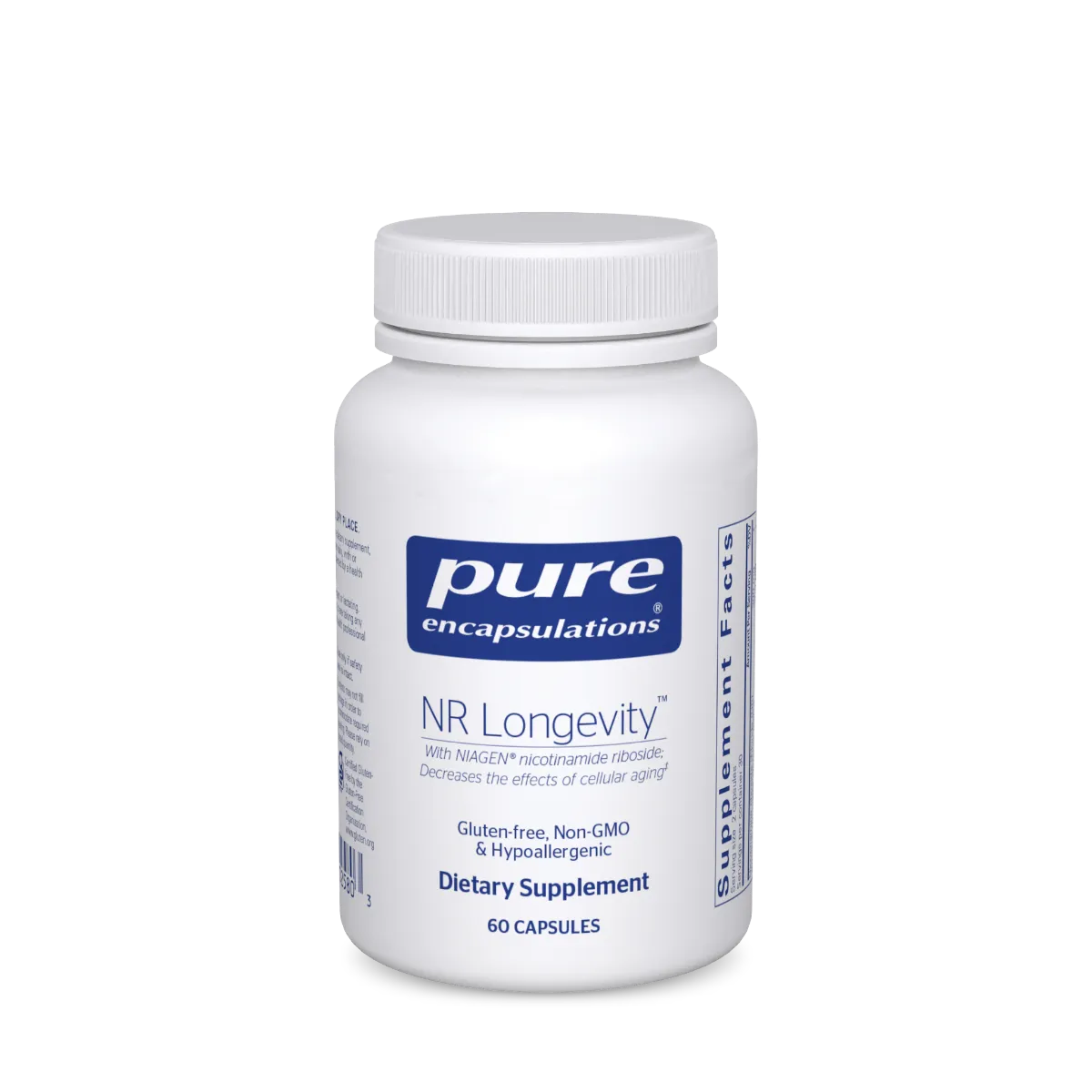
In the wake of the COVID-19 pandemic, a new health concern has emerged, leaving many searching for answers and validating, science-backed solutions. For individuals living with complex, chronic conditions like Long COVID, myalgic encephalomyelitis/chronic fatigue syndrome (ME/CFS), and dysautonomia, the exhaustion is not just "tiredness"—it is a systemic metabolic crisis. This is where targeted cellular support comes into play. Formulations like NR Longevity by Pure Encapsulations are designed to address this crisis at its root by combining nicotinamide riboside (NR), trans-resveratrol, and sulforaphane. Together, these compounds aim to replenish depleted NAD+ levels, activate critical longevity pathways, and restore the antioxidant defenses that chronic illness so often dismantles.
What is NR Longevity?
The Cellular Powerhouse Trio
To understand how NR Longevity works, we must first look at the natural functions of its three primary ingredients in a healthy body. At its core, this supplement is designed to target the biological processes that naturally decline with age and are precipitously accelerated by chronic illness. The formula provides 300 mg of nicotinamide riboside chloride (NR), 150 mg of trans-resveratrol, and 200 mg of broccoli sprout concentrate standardized to contain 800 mcg of sulforaphane. Each of these compounds plays a distinct, synergistic role at the molecular and cellular level to maintain cellular energy, resilience, and metabolic homeostasis.
In a healthy, functioning cell, energy production is a highly coordinated dance that takes place within the mitochondria. This process, known as oxidative phosphorylation, relies on a steady supply of coenzymes, the most critical of which is nicotinamide adenine dinucleotide (NAD+). NAD+ acts as a microscopic shuttle bus, carrying high-energy electrons from the food we eat into the mitochondrial electron transport chain (ETC). Without sufficient NAD+, the ETC grinds to a halt, and the cell cannot produce adenosine triphosphate (ATP), the universal currency of biological energy.
Nicotinamide Riboside (NR) and the NAD+ Pathway
Nicotinamide riboside (NR) is a highly efficient, naturally occurring derivative of Vitamin B3 that serves as a direct precursor to NAD+. When you consume NR, it enters the cell and utilizes a specific enzymatic pathway—primarily driven by the enzyme nicotinamide riboside kinase (NRK)—to convert into nicotinamide mononucleotide (NMN), which is then rapidly synthesized into NAD+. This pathway is particularly crucial because it bypasses the rate-limiting steps that often hinder other forms of Vitamin B3, like standard niacin or nicotinamide, from efficiently boosting intracellular NAD+ pools.
Beyond merely fueling the electron transport chain, NAD+ is also the essential substrate for a family of longevity-regulating enzymes known as sirtuins. Sirtuins, particularly SIRT1, are often described as the "master switches" of metabolism. They require a molecule of NAD+ for every single enzymatic reaction they perform. When NAD+ levels are high, sirtuins actively repair damaged DNA, reduce cellular inflammation, and stimulate the creation of new, healthy mitochondria—a process called mitochondrial biogenesis. If NAD+ levels drop, sirtuin activity plummets, leaving the cell vulnerable to oxidative damage and premature aging.
Resveratrol and Sulforaphane: The Protectors
While NR provides the fuel (NAD+), trans-resveratrol acts as the spark that ignites the sirtuin machinery. Resveratrol is a potent polyphenol found in the skins of red grapes and Japanese knotweed. At the molecular level, research suggests that resveratrol activates AMP-activated protein kinase (AMPK), an energy-sensing enzyme that detects when cellular energy is low. This activation creates a mild, beneficial stress (hormesis) that further increases NAD+ levels and supercharges SIRT1 activity. Once activated, SIRT1 deacetylates and activates PGC-1α, the master transcriptional coactivator that directly commands the cell to build new mitochondria.
Finally, sulforaphane, a sulfur-rich phytochemical derived from broccoli sprouts, serves as the ultimate cellular shield. It is widely recognized in clinical literature as the most potent naturally occurring activator of the Nrf2 pathway. Nrf2 is a transcription factor that sits dormant in the cell cytoplasm, bound to a chaperone protein called Keap1. When sulforaphane enters the cell, it alters Keap1, releasing Nrf2 to travel into the nucleus. There, it binds to the Antioxidant Response Element (ARE), triggering the production of over 200 protective genes, including powerful endogenous antioxidants like glutathione, superoxide dismutase (SOD), and catalase. This robust defense system neutralizes the free radicals (reactive oxygen species) that are generated as a natural byproduct of mitochondrial energy production.
How Long COVID and ME/CFS Impact Cellular Energy
The Viral Drain on NAD+
To comprehend why individuals with Long COVID, ME/CFS, and dysautonomia experience such debilitating, unyielding fatigue, we must examine how these conditions systematically dismantle cellular energy pathways. The pathophysiology of post-viral syndromes is incredibly complex, but a 2023 review in the International Journal of Molecular Sciences highlights that viral infections trigger a massive, sustained immune response that fundamentally alters human metabolism. If you are wondering how long COVID fatigue normally lasts, the answer often lies in how severely these metabolic pathways have been disrupted.
During an acute viral infection, such as SARS-CoV-2 or the Epstein-Barr virus (which frequently precedes ME/CFS), the immune system requires vast amounts of energy to mount a defense. To fight the virus, the body drastically upregulates NAD+-consuming enzymes, particularly PARPs (poly ADP-ribose polymerases) and CD38, which are used for DNA repair and immune signaling. This creates a massive cellular demand for NAD+. Simultaneously, the systemic inflammation caused by the virus actively downregulates the enzymes responsible for synthesizing new NAD+. The result is a catastrophic depletion of the body's NAD+ reserves, leaving the mitochondria starved of the coenzymes they need to produce ATP.
The Mitochondrial-Peroxisomal Vicious Cycle
This NAD+ depletion initiates what researchers call a "mitochondrial-peroxisomal vicious cycle." Without sufficient NAD+, the electron transport chain becomes "leaky," failing to efficiently pass electrons down the line to create energy. Instead, these escaped electrons bind prematurely with oxygen, creating a massive surge in reactive oxygen species (ROS), also known as free radicals. This localized oxidative stress physically damages the delicate inner membrane of the mitochondria, further impairing their ability to function and leading to a state of severe bioenergetic failure. This is why mitochondrial health is a key to combatting Long COVID.
Furthermore, chronic neuroinflammation in conditions like ME/CFS alters the way the body processes amino acids. Specifically, the body diverts tryptophan—a primary building block for de novo NAD+ synthesis—away from energy production and into the kynurenine pathway. This diversion not only starves the brain and muscles of NAD+ but also produces neurotoxic metabolites that contribute heavily to the brain fog, cognitive impairment, and neurological symptoms so commonly reported by patients. The body is essentially trapped in a state where it cannot generate energy, and any attempt to exert physical or mental effort only generates more damaging oxidative stress, leading to the hallmark symptom of post-exertional malaise (PEM).
Oxidative Stress and Nrf2 Suppression
In a healthy system, a surge in oxidative stress would normally trigger the Nrf2 pathway to deploy antioxidant enzymes and clean up the damage. However, research indicates that SARS-CoV-2 and other chronic pathogens actively suppress the Keap1/Nrf2 pathway to evade the immune system. Lung and tissue biopsies from COVID-19 patients have shown drastically decreased expression of Nrf2-regulated genes.
When Nrf2 is suppressed, the body loses its primary defense mechanism against oxidative damage. The unchecked free radicals run rampant, triggering the NF-κB pathway, which acts as an alarm bell that floods the body with pro-inflammatory cytokines like IL-6 and TNF-alpha. This persistent, low-grade inflammation damages blood vessels, impairs the autonomic nervous system (contributing to dysautonomia and POTS), and keeps mast cells in a state of hyper-reactivity. This interconnected web of dysfunction illustrates exactly why many experts are investigating if Long COVID can trigger ME/CFS, as the underlying cellular damage is strikingly similar.
NR Longevity: Supporting Mitochondrial Recovery
Restoring the Electron Transport Chain with NR
Supplementing with NR Longevity aims to intervene directly in these vicious cycles by providing the raw materials the cells desperately need to repair themselves. The primary mechanism of action centers on restoring the depleted NAD+ pool using nicotinamide riboside (NR). Because NR is a highly bioavailable precursor, it easily crosses cell membranes and utilizes the NRK pathway to rapidly synthesize NAD+. By replenishing this critical coenzyme, NR effectively "plugs the leak" in the mitochondrial electron transport chain.
With adequate NAD+ restored, the mitochondria can resume the efficient transfer of electrons through Complexes I, II, III, and IV, ultimately powering ATP synthase to generate the cellular energy (ATP) required for daily functioning. This restoration of bioenergetics is crucial for tissues with high energy demands, such as the brain, heart, and skeletal muscles. By improving the efficiency of ATP production, NR helps raise the patient's "energy envelope," potentially reducing the frequency and severity of crashes or post-exertional malaise (PEM) caused by minor physical or cognitive exertion.
Activating the SIRT1/PGC-1α Axis with Resveratrol
While NR provides the necessary NAD+ fuel, the trans-resveratrol in the formula acts as a critical signaling molecule to rebuild the damaged mitochondrial network. In chronic illness, existing mitochondria are often swollen, fragmented, or dysfunctional. Resveratrol addresses this by activating AMPK, which in turn heavily stimulates SIRT1 (a process that is now fully supported by the newly replenished NAD+ from the NR).
Once SIRT1 is activated, it deacetylates the master regulator PGC-1α. This is a pivotal molecular event. Active PGC-1α travels to the nucleus and upregulates Nuclear Respiratory Factors (NRF-1 and NRF-2), which stimulate the expression of Mitochondrial Transcription Factor A (TFAM). TFAM drives the replication of mitochondrial DNA, commanding the cell to undergo mitochondrial biogenesis—the creation of brand new, healthy, highly efficient mitochondria to replace the damaged ones. This synergistic action between NR and resveratrol ensures that the cell not only has enough fuel but also has a robust, newly built engine to process it.
Flipping the Antioxidant Switch with Sulforaphane
The final therapeutic angle of NR Longevity is provided by sulforaphane, which directly counters the viral suppression of the body's antioxidant defenses. Sulforaphane is widely recognized as a potent, targeted activator of Nrf2. By binding to the Keap1 chaperone protein, sulforaphane forces the release of Nrf2, allowing it to flood the nucleus and bind to the Antioxidant Response Element (ARE).
This action flips the genetic switch that produces Phase II detoxification enzymes and powerful endogenous antioxidants, such as Heme Oxygenase-1 (HO-1) and glutathione peroxidase. These enzymes act like a microscopic cleanup crew, neutralizing the reactive oxygen species (ROS) that are damaging the mitochondrial membranes and driving systemic inflammation. Furthermore, by upregulating these protective genes, sulforaphane simultaneously inhibits the NF-κB pathway, effectively slamming the brakes on the production of pro-inflammatory cytokines. This dual action of boosting detoxification and respiratory health while suppressing inflammation is vital for calming the hyperactive immune responses seen in MCAS, Long COVID, and dysautonomia.
Symptoms NR Longevity May Help Manage
Targeting the Core Deficits
Because NR Longevity addresses cellular health at the foundational level of energy production and antioxidant defense, it may help manage a wide array of systemic symptoms associated with complex chronic illnesses. While it is not a cure, supporting these biological pathways can significantly improve daily functioning and resilience.
Profound Fatigue and Low Energy: By replenishing NAD+ and supporting the electron transport chain, NR helps increase cellular ATP production, directly addressing the bioenergetic failure that causes systemic exhaustion.
Brain Fog and Cognitive Impairment: The brain consumes roughly 20% of the body's energy. Restoring NAD+ levels and reducing neuroinflammation via the Nrf2 pathway can improve executive functioning, memory, and mental clarity.
Post-Exertional Malaise (PEM): By promoting mitochondrial biogenesis through the SIRT1/PGC-1α axis, resveratrol helps build a larger, more efficient mitochondrial network, potentially increasing the body's tolerance for physical and cognitive exertion before a "crash" occurs.
Muscle Weakness and Aches: Sulforaphane's ability to neutralize reactive oxygen species (ROS) helps protect skeletal muscle tissue from the severe oxidative damage and lactic acid buildup that often accompanies minimal exertion in ME/CFS patients.
Dysautonomia and POTS Symptoms: By inhibiting the NF-κB inflammatory pathway and supporting endothelial health, the ingredients in NR Longevity may help calm the autonomic nervous system and improve blood vessel function, which is crucial for managing heart rate and blood pressure fluctuations.
Sleep Disturbances: NAD+ plays a critical role in regulating the body's circadian rhythms. Restoring cellular metabolism can help normalize sleep-wake cycles that are frequently disrupted by chronic neuroinflammation.
Practical Considerations: Forms, Dosing, and Absorption
Bioavailability and Absorption Dynamics
When considering any cellular support supplement, understanding how the body absorbs and utilizes the ingredients is just as important as the ingredients themselves. The nicotinamide riboside (NR) in this formula is highly bioavailable. Unlike older forms of Vitamin B3 (such as standard niacin), NR does not bind to the GPR109A receptor, meaning it efficiently raises NAD+ levels without causing the uncomfortable, hot "niacin flush" that many patients dread. Clinical data shows that NR reliably increases whole-blood NAD+ levels in a dose-dependent manner, with significant elevations measurable within just two weeks of consistent daily use.
Trans-resveratrol, on the other hand, is notorious for its rapid metabolism. When taken orally, it undergoes quick glucuronidation and sulfation in the liver, meaning it is cleared from the bloodstream rapidly. However, when combined with other synergistic compounds that activate complementary pathways (like NR and sulforaphane), its localized effects on AMPK and SIRT1 activation are optimized. Sulforaphane, derived from the broccoli sprout concentrate in this formula, exhibits excellent bioavailability, reaching peak plasma concentrations within just one to two hours of ingestion and efficiently crossing cellular membranes to activate the Nrf2 pathway.
Dosing and Timing Strategies
The suggested use for NR Longevity is to take 2 capsules, 1-2 times daily, with or between meals. Because NR and resveratrol are actively involved in cellular energy metabolism, many patients prefer to take their doses in the morning and early afternoon to align with their body's natural circadian rhythms and energy demands. Taking NAD+ precursors too late in the evening may occasionally cause mild overstimulation or interfere with sleep onset in highly sensitive individuals, though this varies from person to person.
For optimal absorption, some functional medicine practitioners recommend taking resveratrol-containing supplements with a small amount of healthy dietary fat (such as a spoonful of olive oil, avocado, or full-fat yogurt), as resveratrol is a lipophilic (fat-soluble) compound. However, the formulation is designed to be effective even when taken between meals. It is important to note that rebuilding a depleted mitochondrial network takes time; while some patients notice subtle improvements in brain fog or energy within a few weeks, it generally takes 2 to 3 months of consistent supplementation to experience the full benefits of mitochondrial biogenesis and stabilized NAD+ levels.
Safety and Potential Interactions
NR Longevity has an excellent safety profile, and its key ingredient, NR, is Generally Recognized as Safe (GRAS) by the FDA. Extensive toxicological studies and human trials have demonstrated that NR is well-tolerated even at high doses (up to 2,000 mg or 3,000 mg daily in specific clinical settings), with no serious adverse effects reported. It does not negatively impact lipid profiles or dysregulate one-carbon metabolism.
However, as with any potent supplement, there are practical considerations. Because sulforaphane supports Phase II liver detoxification pathways, it has the potential to alter the rate at which the liver metabolizes certain prescription medications. Additionally, resveratrol can have mild blood-thinning properties and may interact with anticoagulant or antiplatelet drugs. Patients with complex chronic illnesses are often on multiple medications, so it is absolutely critical to consult with a healthcare provider or a specialist at RTHM before introducing NR Longevity into your regimen to ensure it is safe and appropriate for your specific clinical picture.

Follow the Science
Clinical Trials on Nicotinamide Riboside
The scientific community has heavily invested in researching NAD+ precursors for post-viral and fatigue-based conditions. A landmark 2025 clinical trial published in The Lancet's eClinicalMedicine evaluated the effects of high-dose Nicotinamide Riboside (NR) on patients with Long COVID. In this randomized, double-blind, placebo-controlled study, participants were given 2,000 mg/day of NR for 10 weeks. The biological data was striking: NR supplementation successfully and safely elevated whole blood NAD+ levels by up to 3.1-fold. More importantly, the researchers noted highly encouraging within-group improvements among those taking NR, specifically in executive functioning (brain fog), profound fatigue, sleep quality, and depressive symptoms compared to their baseline measurements.
While this specific trial was limited by a small sample size and high dropout rates (which impacted the statistical significance between the placebo and active groups), larger ongoing trials, such as a 310-patient study (NCT05703074), are currently underway to rigorously test NR's ability to combat physical and cognitive fatigue. Furthermore, research into ME/CFS consistently demonstrates that targeting mitochondrial dysfunction with compounds like CoQ10 to support energy levels and NAD+ precursors can significantly boost cellular energy and improve health-related quality of life.
Research on Sulforaphane and Resveratrol
The evidence supporting sulforaphane's role in combating post-viral fatigue is equally compelling. Research investigating sulforaphane's effects on exhaustive exercise-induced fatigue in mice models found that administering sulforaphane drastically reduced muscle inflammation and upregulated the Nrf2 pathway, resulting in massive increases in endogenous antioxidants like HO-1 and SOD-1. Crucially, researchers found that sulforaphane successfully prevented plasma glucose depletion and lowered muscle damage markers only in subjects with a functioning Nrf2 pathway, confirming its targeted mechanism of action against post-exertional oxidative stress.
Similarly, human clinical trials have validated the trans-resveratrol and SIRT1 axis. A 2024 randomized, triple-blind, placebo-controlled clinical trial investigated the effects of 800 mg/day of resveratrol on mitochondrial biogenesis over 60 days. The findings were definitive: resveratrol significantly elevated SIRT1 and PGC-1α protein levels, drastically increased the expression of TFAM, and improved the actual mitochondrial DNA (mtDNA) copy number and cellular ATP content. This robust clinical data underscores why the combination of NR, resveratrol, and sulforaphane in NR Longevity represents a scientifically grounded approach to restoring cellular bioenergetics.
The Path Forward
A Foundation for Cellular Healing
Living with Long COVID, ME/CFS, dysautonomia, or MCAS can feel like an endless battle against an invisible enemy. The profound exhaustion, the unpredictable crashes, and the cognitive fog are not in your head—they are the tangible results of a cellular system that has been stripped of its energy and its defenses. Validating this biological reality is the first step toward meaningful management. By targeting the root causes of bioenergetic failure—NAD+ depletion, mitochondrial damage, and unchecked oxidative stress—supplements like NR Longevity offer a targeted, science-backed tool to help rebuild your cellular foundation.
Comprehensive Care
However, it is vital to remember that no single supplement is a miracle cure for complex chronic illness. NR Longevity is designed to be one piece of a comprehensive, multi-disciplinary management strategy. Rebuilding mitochondrial health must go hand-in-hand with aggressive pacing to avoid PEM, careful symptom tracking, nervous system regulation, and expert medical care. If you are struggling with the daily realities of these conditions, know that research is advancing rapidly, and there are concrete steps you can take to support your body's innate capacity for repair.
Disclaimer: The information provided in this blog is for educational purposes only and is not intended to diagnose, treat, cure, or prevent any disease. Always consult with your healthcare provider or a specialist at RTHM before starting any new supplement, especially if you are taking prescription medications or managing a complex chronic condition.