Can Nitric Oxide Test Strips Guide Symptom Management in Long COVID and Dysautonomia?
March 6, 2026
Nitric OxideLong COVIDDysautonomia
Share:
Disclaimer: The information provided here is for educational purposes only and is not intended as medical advice. It should not be used to diagnose, treat, cure, or prevent any medical condition. Instead, use it as a starting point for discussion with your healthcare provider. Always consult with a qualified healthcare provider before starting any new medication, supplement, device, or making changes to your health regimen.
Months or even years after recovering from an initial SARS-CoV-2 infection, many people still fight debilitating, invisible symptoms with what we call Long COVID. For those living with complex chronic conditions like myalgic encephalomyelitis/chronic fatigue syndrome (ME/CFS), postural orthostatic tachycardia syndrome (POTS), and mast cell activation syndrome (MCAS), the struggle for answers is often met with normal routine bloodwork that fails to capture the true physiological dysfunction occurring deep within the body. But what if one of the most critical missing pieces to this puzzle is a short-lived, invisible gas that your blood vessels produce every second of the day?
In recent years, researchers and clinicians have increasingly recognized that Long COVID, ME/CFS, and dysautonomia are not just immune or nervous system disorders, but fundamentally vascular diseases driven by profound endothelial dysfunction. At the core of this vascular hypothesis is the depletion of nitric oxide (NO), a vital signaling molecule responsible for keeping blood vessels open, oxygen flowing, and inflammation at bay. When nitric oxide production fails, patients experience a cascade of debilitating symptoms, from profound brain fog and crushing post-exertional malaise (PEM) to rapid heart rates and blood pooling. Monitoring your body's ability to produce this crucial molecule using tools like Designs for Health Nitric Oxide Test Strips can provide invaluable biofeedback, empowering you to make targeted dietary and supplement adjustments to support your cardiovascular and overall health.
TL;DR
Nitric oxide (NO) depletion drives vascular dysfunction in Long COVID, ME/CFS, and dysautonomia.
Low NO restricts blood flow, worsening brain fog, fatigue, and post-exertional malaise (PEM).
Saliva test strips provide instant biofeedback to monitor your body's NO production levels.
Targeted diet and supplements may help support NO pathways and manage chronic symptoms.
What is Nitric Oxide?
The Endothelial L-Arginine Pathway
In a healthy human body, nitric oxide (NO) is a highly reactive, short-lived gaseous signaling molecule that plays a foundational role in cardiovascular, immune, and neurological health. Its primary and most well-known function is as a potent vasodilator. This means it signals the smooth muscle cells lining the inside of your blood vessels to relax, allowing the vessels to widen and blood to flow freely. This process is essential for delivering oxygen and nutrients to every tissue in your body, particularly the brain and muscles during physical or cognitive exertion.
The primary way your body produces nitric oxide is through the endothelial L-arginine pathway. The endothelium is the delicate, single-cell-thick inner lining of your blood vessels. These endothelial cells contain an enzyme called endothelial nitric oxide synthase (eNOS). When stimulated by blood flow or specific biochemical signals, eNOS takes the amino acid L-arginine and, using oxygen and a crucial cofactor called tetrahydrobiopterin (BH4), converts it into nitric oxide and L-citrulline. This continuous, basal production of NO is what maintains healthy vascular tone, prevents blood platelets from clumping together to form microclots, and keeps the vascular system running smoothly.
The Enterosalivary Nitrate Pathway
However, the eNOS pathway is highly vulnerable to oxidative stress and naturally declines as we age or experience chronic inflammation. Fortunately, the human body has evolved a brilliant, oxygen-independent backup system known as the enterosalivary nitrate-nitrite-nitric oxide pathway. This alternative pathway relies entirely on our diet and our microbiome rather than the L-arginine enzyme system. When we consume foods rich in inorganic dietary nitrates—such as beets, spinach, arugula, and black garlic—the nitrates are rapidly absorbed into our bloodstream through the upper gastrointestinal tract.
From the bloodstream, about 25% of these circulating nitrates are actively extracted by our salivary glands using specialized sialin transporters. The salivary glands concentrate the nitrates and secrete them into our saliva. Here is where the magic happens: human cells completely lack the nitrate reductase enzymes needed to break down these nitrates. Instead, we rely on commensal oral bacteria living on the back of our tongues to reduce the salivary nitrate into nitrite. When we swallow this nitrite-rich saliva, it hits the highly acidic environment of our stomach, where it is instantly converted into bioavailable nitric oxide gas that enters systemic circulation. This pathway is particularly crucial because it functions exceptionally well under hypoxic (low oxygen) conditions, protecting tissues when blood flow is compromised.
Nitric Oxide's Role in Immune and Nervous System Function
Beyond its cardiovascular duties, nitric oxide is synthesized by two other primary enzymes: neuronal nitric oxide synthase (nNOS) and inducible nitric oxide synthase (iNOS). In the central and peripheral nervous systems, nNOS produces nitric oxide to act as an atypical neurotransmitter. It helps regulate synaptic plasticity, learning, memory, and the autonomic nervous system's control over heart rate and digestion. This delicate balance is vital for preventing the dysautonomia symptoms that plague many chronic illness patients.
Meanwhile, the immune system utilizes iNOS as a powerful defense mechanism. When macrophages and other immune cells detect a pathogen, such as a virus or bacteria, they express iNOS to produce massive, localized bursts of nitric oxide. In these high concentrations, NO acts as a toxic free radical designed to destroy the invading microbes. However, while this immune-driven NO production is essential for fighting acute infections, chronic activation of iNOS can lead to severe oxidative stress and tissue damage, setting the stage for the complex pathophysiology seen in post-viral syndromes.
How Long COVID and Dysautonomia Impact Nitric Oxide Production
Viral Damage and Endothelial Dysfunction in Long COVID
The connection between chronic illness and nitric oxide begins with the endothelium. Recent research into Long COVID has increasingly identified the condition as a vascular disease driven by profound endothelial dysfunction. SARS-CoV-2, the virus responsible for COVID-19, binds directly to ACE2 receptors, which are highly concentrated on the surface of endothelial cells lining our blood vessels. This viral binding triggers massive oxidative stress, systemic inflammation, and the production of reactive oxygen species (ROS) that directly damage the delicate vascular lining.
This resulting inflammation severely impairs the eNOS enzyme, effectively halting the healthy production of nitric oxide. Without sufficient NO bioavailability, blood vessels lose their ability to dilate properly, a condition objectively measured in Long COVID patients as impaired Flow-Mediated Dilation (FMD). Furthermore, the lack of NO creates a hypercoagulable state, promoting the formation of widespread capillary microclots. This combination of constricted, damaged vessels and microclots leads to severe tissue hypoxia (oxygen starvation), directly explaining hallmark Long COVID symptoms like brain fog, profound chronic fatigue, shortness of breath, and post-exertional malaise.
The eNOS Uncoupling and Peroxynitrite Cycle in ME/CFS
In myalgic encephalomyelitis/chronic fatigue syndrome (ME/CFS), the disruption of nitric oxide takes on a particularly destructive form. Researchers like Dr. Martin Pall have extensively documented the NO/ONOO− (peroxynitrite) cycle hypothesis. When the body is subjected to massive oxidative stress—often triggered by a viral infection—the eNOS enzyme can undergo a process called "uncoupling." Instead of producing vasodilating nitric oxide, the uncoupled eNOS enzyme acts like a Jekyll and Hyde character, producing superoxide, a dangerous free radical. This forces blood vessels to constrict instead of dilate, severely limiting oxygen delivery to the muscles and brain.
Simultaneously, the immune system's iNOS enzyme is overactivated by inflammatory cytokines, producing massive spikes of localized nitric oxide. This excess NO reacts violently with the superoxide radicals to form peroxynitrite (ONOO−), a highly toxic and destructive oxidant. Peroxynitrite damages cellular membranes, destroys mitochondrial function, and triggers severe neuroinflammation. This vicious biochemical cycle locks the body into a chronic state of fatigue and cellular energy failure, making it nearly impossible for patients to recover from physical or cognitive exertion without experiencing severe crashes.
The Nitric Oxide Paradox in POTS and MCAS
For patients living with postural orthostatic tachycardia syndrome (POTS) and dysautonomia, nitric oxide dysregulation heavily influences vascular abnormalities. Normal autonomic function requires NO to properly regulate vascular tone. In POTS, patients often suffer from hypovolemia (low blood volume) and a failure of blood vessels to constrict properly when standing. This leads to severe venous pooling in the lower extremities and pelvis, depriving the brain of oxygen and triggering a compensatory spike in heart rate (tachycardia) as the body desperately tries to pump blood upward.
This dynamic is further complicated by mast cell activation syndrome (MCAS). When mast cells inappropriately degranulate, they release massive amounts of histamine. Histamine aggressively targets vascular smooth muscle and activates eNOS to release vast amounts of nitric oxide locally, particularly in the skin and splanchnic (abdominal) veins. This sudden, localized NO-driven vasodilation causes blood to pool rapidly away from the brain, effectively triggering a POTS flare. Thus, patients experience a frustrating "Nitric Oxide Paradox": a systemic deficiency of healthy, endothelial NO that starves the brain of oxygen, combined with localized, inflammatory excesses of NO that cause inappropriate blood pooling and mitochondrial damage.
Nitric Oxide Test Strips: Supporting Targeted Symptom Management
Bridging the Gap Between Diet and Vascular Health
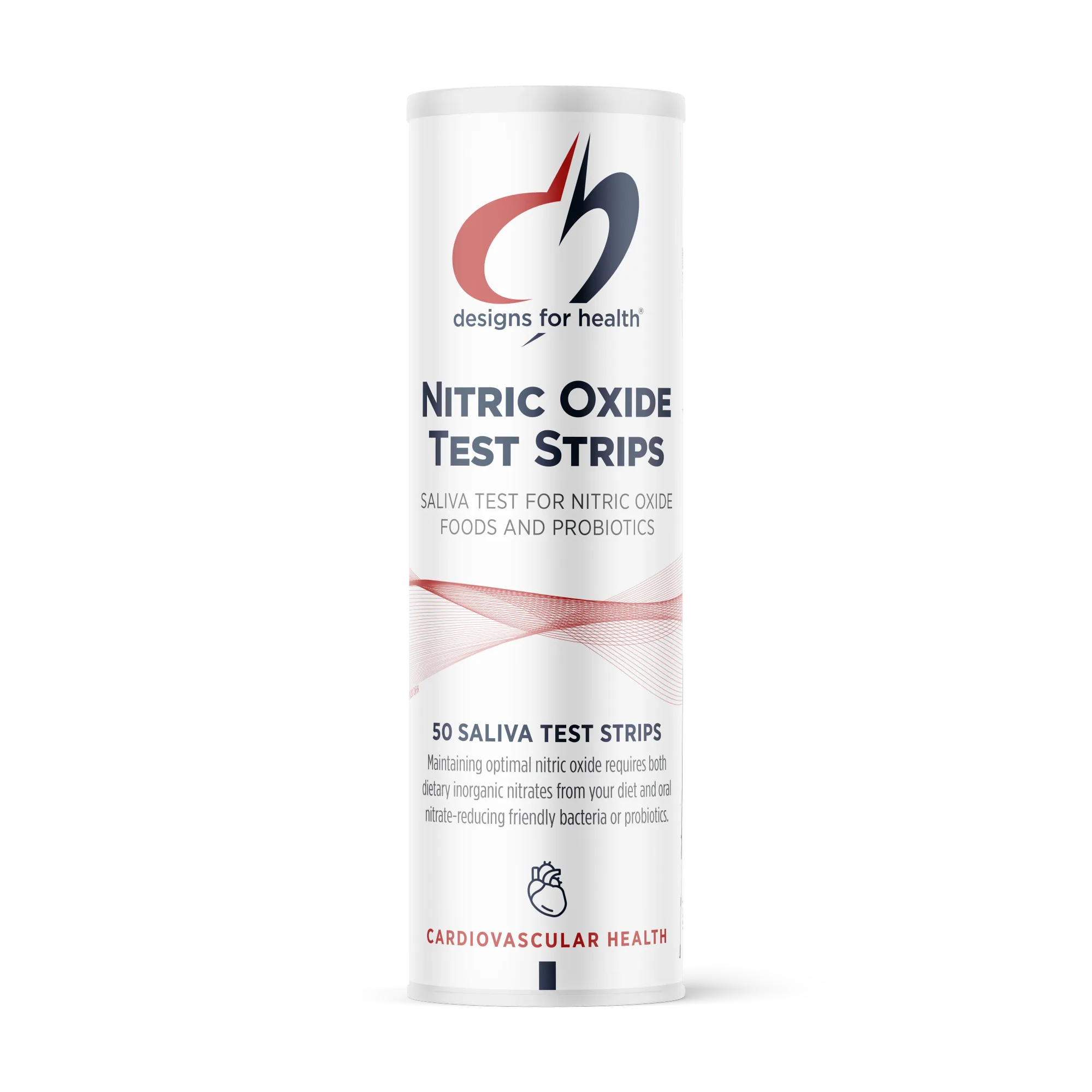
Because nitric oxide is a short-lived gas with a half-life of only a few seconds, it is notoriously difficult to measure directly in a standard clinical setting. This invisible nature makes it incredibly challenging for patients with Long COVID, ME/CFS, and dysautonomia to know if their dietary interventions or supplement protocols are actually improving their vascular health. This is where Designs for Health Nitric Oxide Test Strips become an invaluable tool for targeted symptom management.
These simple, non-invasive saliva test strips provide immediate biofeedback, bridging the gap between what you consume and how your vascular system is functioning. By offering a tangible, visual representation of your body's nitric oxide status, these strips allow you to move away from guesswork and toward precision health. When you are battling unpredictable symptoms like brain fog, orthostatic intolerance, and severe fatigue, having objective data about your vascular health can be incredibly validating and empowering.
Assessing the Oral Microbiome's Conversion Power
Rather than just providing a generic health metric, these specific test strips are formulated to evaluate the highly targeted enterosalivary circuit. They work by measuring the concentration of salivary nitrite, which serves as a highly accurate proxy for your body's nitric oxide availability. Remember that human cells cannot convert dietary nitrates into nitrites; we rely entirely on the commensal bacteria living on the back of our tongues to perform this crucial metabolic step.
When you place a test strip on your tongue, the chemical pad reacts to the nitrites present in your saliva, changing color relative to the concentration. A low reading indicates a breakdown in the enterosalivary pathway. This could mean either a lack of dietary nitrate intake (you aren't consuming enough leafy greens or beets) or, crucially, a depleted oral microbiome. If you have been using harsh antibacterial mouthwashes or have oral dysbiosis, you may lack the specific nitrate-reducing bacteria required to convert your food into blood-pressure-lowering nitric oxide. The strips allow you to assess the functional power of your oral microbiome in real-time.
Guiding Dietary and Supplement Interventions
The true power of Nitric Oxide Test Strips lies in their ability to guide personalized dietary and supplement interventions. By establishing a baseline reading first thing in the morning, you can objectively see your body's fasting NO status. If your levels are depleted—which is common in endothelial dysfunction associated with Long COVID and ME/CFS—you can implement a targeted intervention, such as consuming a nitrate-rich meal or taking an NO-supportive supplement like Designs for Health's Vascanox HP® or NOx Synergy™.
By testing again one to two hours after your intervention, you can confirm your "nitric oxide bioavailability." If the strip turns a darker pink or red, you have visual confirmation that your body successfully digested the nitrates, your oral microbiome successfully converted them to nitrites, and your stomach acid successfully reduced them into bioavailable nitric oxide. If the strip does not change color, it signals that you may need to adjust your approach—perhaps by addressing stomach acid levels, changing your oral care routine, or exploring L-arginine pathways with your healthcare provider. This immediate feedback loop is essential for optimizing your unique biochemistry.

Symptoms Optimal Nitric Oxide Levels May Help Manage
Cardiovascular and Autonomic Symptoms
By using Nitric Oxide Test Strips to guide and optimize your NO levels, you may help manage a variety of debilitating cardiovascular and autonomic symptoms associated with chronic illness:
Brain Fog and Cognitive Dysfunction: By supporting healthy vasodilation, optimal NO levels improve cerebral blood flow, delivering the oxygen and glucose your brain desperately needs to clear the fog and improve cognitive stamina.
Orthostatic Intolerance and Tachycardia: While localized NO excess causes blood pooling, restoring healthy, systemic endothelial NO function helps regulate overall vascular tone, potentially reducing the severe heart rate spikes seen in POTS when standing.
Cold Hands and Feet: A classic sign of poor microcirculation, cold extremities can be alleviated by the vasodilating effects of nitric oxide, which opens up the tiny capillaries in your hands and feet.
Energy and Exercise Intolerance
The cellular energy crisis in ME/CFS and Long COVID is deeply tied to vascular health. Optimizing nitric oxide pathways can support energy production in several ways:
Post-Exertional Malaise (PEM): By helping to prevent eNOS uncoupling and reducing the formation of toxic peroxynitrite, healthy NO levels may protect your mitochondria from oxidative damage, potentially raising your threshold for PEM and crashes.
Muscle Fatigue and Weakness: Nitric oxide ensures that working muscles receive adequate oxygenated blood during physical activity. Improving NO bioavailability can reduce the severe tissue hypoxia that makes even mild exertion feel like running a marathon.
Shortness of Breath (Air Hunger): Healthy NO levels support the pulmonary vasculature, improving gas exchange in the lungs and helping to alleviate the chronic sensation of air hunger common in Long COVID.
Immune and Inflammatory Symptoms
Nitric oxide also plays a crucial role in modulating the immune system and protecting against systemic inflammation:
Microclotting and Hypercoagulability: Nitric oxide is a potent inhibitor of platelet aggregation. By supporting endothelial NO, you may help prevent the sticky blood platelets from clumping together, potentially reducing the formation of the microclots that drive Long COVID pathology.
Endothelial Inflammation: Healthy, continuous basal NO production acts as an antioxidant within the blood vessels, soothing the inflamed endothelial lining and protecting it from further damage by reactive oxygen species.
Mast Cell Stabilization: While histamine triggers inappropriate NO release, maintaining a healthy, systemic baseline of endothelial NO can actually help stabilize mast cells and reduce the severity of MCAS-driven flushing and vascular pooling.
Practical Considerations: Forms, Testing Protocols, and Absorption
How to Use Nitric Oxide Test Strips Effectively
To get the most accurate biofeedback from your Designs for Health Nitric Oxide Test Strips, it is crucial to follow a specific testing protocol. The process is incredibly fast, taking only about 15 seconds of active time. First, ensure your mouth is clear of food and drinks before testing to avoid skewed results. Touch your tongue to the collection pad located at the end of the test strip and hold it there for exactly 5 seconds to collect a sufficient saliva sample.
Next, fold the strip over so the collection pad presses directly against the test pad. Gently hold both pads squeezed together for 10 seconds to allow the saliva sample to transfer and react with the chemical indicators. Finally, separate the pads and immediately compare the color change on the test pad to the Nitric Oxide reference color scale provided in the product packaging. A deeper pink or red indicates higher salivary nitrite levels, while a pale or white pad indicates severe depletion. For a comprehensive NO support program, it is suggested to test first thing in the morning to establish a baseline, consume a nitrate-rich meal or supplement, and then test again one to two hours later to confirm bioavailability.
Factors That Disrupt Nitric Oxide Readings
When utilizing these test strips, it is vital to understand the everyday factors that can severely disrupt your enterosalivary pathway and lead to chronically low readings. The most common culprit is the use of broad-spectrum antibacterial mouthwashes (such as those containing chlorhexidine). These mouthwashes decimate the beneficial nitrate-reducing bacteria on your tongue, effectively severing the pathway and preventing the conversion of dietary nitrates into nitrites. If you consistently test low despite eating a nitrate-rich diet, evaluating your oral care routine is a critical first step.
Additionally, the final step of the enterosalivary pathway requires the highly acidic environment of the stomach to reduce swallowed nitrites into nitric oxide gas. Patients taking proton pump inhibitors (PPIs) or strong antacids for acid reflux may have insufficient stomach acid to complete this conversion, leading to systemic NO depletion. Furthermore, frequent use of systemic antibiotics can disrupt both the oral and gut microbiomes, severely impairing your body's ability to process and utilize dietary nitrates.
Dietary Sources and Supplement Synergy
If your test strips indicate low nitric oxide bioavailability, you can modify your diet and supplement regimen to support production. The most potent dietary sources of inorganic nitrates include beetroot, spinach, arugula, celery, and black garlic. However, for patients with severe endothelial dysfunction, dietary changes alone may not be enough to overcome the massive oxidative stress and eNOS uncoupling driving their symptoms.
In these cases, targeted supplementation can be highly synergistic. Designs for Health recommends pairing the test strips with their Vascanox HP® or NOx Synergy™ formulas, which provide concentrated, bioavailable precursors. Additionally, research has shown that combining L-arginine with Vitamin C can be incredibly effective. L-arginine provides the raw amino acid fuel for the eNOS enzyme, while the antioxidant power of Vitamin C may protect the delicate eNOS enzyme from oxidative damage, helping to prevent it from uncoupling and supporting the production of healthy nitric oxide rather than toxic superoxide.

Follow the Science
Clinical Evidence for Endothelial Repair in Long COVID
The scientific community has increasingly focused on restoring nitric oxide pathways as a primary therapeutic target for post-viral vascular disease. A landmark single-blind, randomized, placebo-controlled trial published in Nutrients tested the efficacy of an endothelial protocol on adults with persistent Long COVID fatigue. Patients were given a combination of L-arginine (the precursor to NO) and liposomal Vitamin C (to protect the eNOS enzyme) twice daily for 28 days. The results were striking: the active treatment group saw statistically significant improvements in their 6-minute walk test distance and handgrip strength. Most importantly, their Flow-Mediated Dilation (FMD) vascular scores improved dramatically, indicating a restoration of endothelial NO production. After 28 days, only 8.7% of the treated group still reported persistent fatigue, compared to a staggering 80.1% in the placebo group.
These findings were further validated by the LINCOLN survey, a massive nationwide multicenter study involving 1,390 patients. This study replicated the initial trial's success, proving that 30 days of L-arginine and Vitamin C significantly improved effort tolerance and reduced the overall severity of Long COVID symptoms compared to multivitamin placebos. These studies provide robust clinical evidence that targeting endothelial dysfunction and restoring nitric oxide bioavailability is a highly effective strategy for managing Long COVID fatigue and vascular impairment.
The Microbiome-Blood Pressure Connection
The critical role of the oral microbiome in nitric oxide production has been extensively documented in recent cardiometabolic research. The ORIGINS (Oral Infections Glucose Intolerance and Insulin Resistance) study demonstrated that high dietary nitrate intake only improves cardiometabolic markers, such as lowering insulin resistance and blood pressure, in individuals who possess a sufficient abundance of specific nitrite-enriching oral bacteria (like Neisseria and Rothia species).
Furthermore, multiple clinical studies have shown that using broad-spectrum antibacterial mouthwashes blunts the rise of nitrite in the blood following a nitrate-rich meal and acutely increases blood pressure in healthy, normotensive individuals. This research underscores the validity of using salivary nitrite test strips to monitor the enterosalivary pathway, as the presence of these specific oral bacteria is an absolute prerequisite for converting dietary nitrates into cardiovascular benefits.
The Peroxynitrite Cycle and ME/CFS Research
In the realm of ME/CFS, research continues to validate the profound impact of nitric oxide dysregulation and oxidative stress. A pivotal 2022 study by Dr. Francisco Westermeier and Dr. Romina Bertinat revealed that human endothelial cells exposed to blood plasma from ME/CFS patients produced significantly less nitric oxide and exhibited reduced activity of the eNOS enzyme. This objective finding confirms the presence of circulating factors in ME/CFS blood that actively suppress healthy vascular function.
Additionally, recent research into CD8 T-cell dysfunction in both ME/CFS and Long COVID highlights the systemic nature of this immune and vascular breakdown. The study found that magnet-enriched CD8 T cells from patients produced markedly less protective cytokines after stimulation. Interestingly, when patients were treated with a nebulized multi-ingredient antioxidant agent designed to combat oxidative stress and support cellular function, they showed parallel increases in CD8 cytokine production and a mean 54% reduction in self-reported symptom severity. This aligns perfectly with Dr. Martin Pall's NO/ONOO− cycle hypothesis, further proving that interrupting the vicious cycle of oxidative stress and restoring healthy nitric oxide balance is crucial for cellular recovery in ME/CFS.
The Path Forward
Validating the Vascular Reality of Chronic Illness
Living with Long COVID, ME/CFS, dysautonomia, or MCAS often means enduring a barrage of invisible symptoms that standard medical tests fail to capture. When your routine bloodwork comes back "normal," it can be incredibly isolating and frustrating, leaving you to question the reality of your own debilitating fatigue, brain fog, and rapid heart rate. However, the emerging science surrounding endothelial dysfunction and nitric oxide depletion provides profound validation. Your symptoms are not in your head; they are rooted in the microscopic, biochemical reality of your blood vessels struggling to deliver oxygen and maintain vascular tone.
Empowering Patients Through Biofeedback
While the complexity of these vascular pathways can feel overwhelming, tools like the Designs for Health Nitric Oxide Test Strips offer a beacon of empowerment. By providing immediate, visual biofeedback, these strips allow you to peek behind the curtain of your own biochemistry. You no longer have to guess whether your dietary changes or supplement protocols are working. Instead, you can objectively measure your body's ability to convert nitrates into the vital nitric oxide your blood vessels so desperately need, allowing you to make informed, precision-health decisions on a daily basis.
Integrating Testing into a Comprehensive Care Plan
It is important to remember that restoring vascular health is a marathon, not a sprint. Nitric oxide test strips and supportive supplements are powerful tools, but they are just one piece of a comprehensive management strategy. True recovery requires a holistic approach that includes rigorous pacing to avoid PEM, careful symptom tracking, nervous system regulation, and ongoing collaboration with a dysautonomia-literate healthcare provider. By combining objective biofeedback with a compassionate, multifaceted care plan, you can begin to repair your endothelium, restore your energy, and reclaim your quality of life. Always consult your healthcare provider before beginning any new testing or supplement regimen to ensure it aligns with your unique medical needs.