Can Nitric Oxide Support Improve Blood Flow and Fatigue in Long COVID and POTS?
March 5, 2026
Nitric OxideLong COVIDPOTS
Share:
Disclaimer: The information provided here is for educational purposes only and is not intended as medical advice. It should not be used to diagnose, treat, cure, or prevent any medical condition. Instead, use it as a starting point for discussion with your healthcare provider. Always consult with a qualified healthcare provider before starting any new medication, supplement, device, or making changes to your health regimen.
Months or even years after recovering from an initial viral infection, many people find themselves fighting debilitating symptoms like extreme fatigue, brain fog, and a racing heart upon standing. If you are living with Long COVID, myalgic encephalomyelitis/chronic fatigue syndrome (ME/CFS), or Postural Orthostatic Tachycardia Syndrome (POTS), you are likely intimately familiar with this unpredictable and deeply frustrating reality. You may have been told that your blood work looks "normal," leaving you searching for biological explanations for why your body no longer functions the way it used to. But what connects these seemingly disparate symptoms across multiple complex chronic conditions? Increasingly, researchers and clinicians are pointing to a hidden, microscopic battleground: the lining of your blood vessels.
The health of your vascular system dictates how well oxygen and vital nutrients are delivered to your brain, muscles, and organs. At the center of this intricate delivery system is a tiny, short-lived molecule called nitric oxide (NO). When the body's ability to produce nitric oxide is compromised by chronic inflammation, oxidative stress, or viral damage, the resulting "endothelial dysfunction" can trigger a cascade of debilitating symptoms, from post-exertional malaise to severe cognitive impairment. In this comprehensive guide, we will explore the science behind Nitric Oxide Support—a targeted combination of L-arginine, L-citrulline, and Vitamin C. We will dive deep into the biochemistry of how these ingredients work together to restore this crucial vascular pathway, and examine how supporting nitric oxide production may help manage the complex, interconnected symptoms of Long COVID, ME/CFS, and dysautonomia.
TL;DR
Endothelial dysfunction and low nitric oxide may drive symptoms of Long COVID, ME/CFS, and POTS.
L-arginine and L-citrulline work synergistically to support nitric oxide production and improve blood flow.
Vitamin C helps protect nitric oxide pathways from oxidative stress and inflammation.
Supporting vascular health may help manage fatigue, brain fog, and orthostatic intolerance.
What is Nitric Oxide Support?
The Endothelium and Vascular Health
To understand how Nitric Oxide Support works, we must first look at the natural function of the endothelium in a healthy body. The endothelium is a microscopically thin layer of specialized cells that lines the entire interior surface of your cardiovascular system, from the largest arteries to the smallest capillary beds. Far from being a simple physical barrier, the endothelium is a highly active, dynamic endocrine organ. It is responsible for regulating vascular tone (how constricted or dilated your blood vessels are), managing blood clotting mechanisms, controlling immune cell trafficking, and directing the inflammatory response. When this delicate cellular layer is healthy, it ensures that blood flows smoothly and efficiently, adapting instantaneously to the metabolic demands of your body.
The primary chemical messenger that the endothelium uses to accomplish these vital tasks is nitric oxide (NO). Nitric oxide is a highly reactive, short-lived gaseous molecule that is synthesized directly within the endothelial cells. Because it is a gas, it can rapidly diffuse across cellular membranes without the need for specialized transport proteins. This allows NO to act as an immediate, localized signaling molecule. When you engage in physical activity, or even when you perform complex cognitive tasks, the increased demand for oxygen and nutrients triggers the endothelium to produce and release a burst of nitric oxide into the surrounding tissues.
The Nitric Oxide-cGMP Pathway
At the molecular level, the production and function of nitric oxide rely on a precise biochemical cascade known as the Nitric Oxide-cGMP pathway. The process begins with an enzyme called endothelial nitric oxide synthase (eNOS). This enzyme acts as the cellular factory for NO. It takes the amino acid L-arginine, combines it with oxygen, and utilizes several crucial cofactors—most notably tetrahydrobiopterin (BH4)—to catalyze a reaction that produces nitric oxide and a byproduct called L-citrulline. This enzymatic reaction is highly regulated and incredibly sensitive to the overall oxidative state of the cellular environment.
Once nitric oxide is synthesized by eNOS, it immediately diffuses out of the endothelial cell and into the adjacent vascular smooth muscle cells that wrap around the blood vessel. Inside the smooth muscle cell, NO binds to and activates an enzyme called soluble guanylyl cyclase (sGC). The activation of sGC triggers the conversion of guanosine triphosphate (GTP) into cyclic guanosine monophosphate (cGMP). This sudden increase in intracellular cGMP acts as a powerful molecular switch that initiates the relaxation of the muscle fibers.
As cGMP levels rise, it activates specific protein kinases that pump calcium ions out of the smooth muscle cell. Because calcium is required for muscle contraction, its removal causes the vascular smooth muscle to relax. This relaxation allows the blood vessel to widen—a process known as vasodilation. Vasodilation decreases vascular resistance, lowers blood pressure, and dramatically increases the localized flow of oxygen-rich blood to the tissues that need it most. This entire pathway happens in fractions of a second, allowing your cardiovascular system to respond dynamically to the ever-changing demands of your daily life.
The Role of Amino Acid Precursors
Because nitric oxide is a gas with a half-life of only a few seconds, the body cannot store it for later use. It must be continuously synthesized on demand. This constant production requires a steady, reliable supply of its foundational building blocks: the amino acids L-arginine and L-citrulline. L-arginine is considered a conditionally essential amino acid, meaning that while the body can synthesize it under normal conditions, periods of illness, chronic stress, or severe inflammation can deplete the body's natural reserves, necessitating dietary or supplemental intake.
L-arginine is the direct and exclusive substrate for the eNOS enzyme; without it, nitric oxide simply cannot be produced. However, L-arginine metabolism is complex and tightly regulated by the liver and intestines. This is where L-citrulline enters the picture. L-citrulline is a non-essential amino acid that acts as a highly efficient, endogenous precursor to L-arginine. In a healthy system, L-citrulline circulates through the bloodstream until it reaches the kidneys, where it is converted back into L-arginine by a pair of enzymes called argininosuccinate synthase (ASS) and argininosuccinate lyase (ASL). This intricate recycling system, known as the citrulline-NO cycle, ensures that the endothelium always has a steady supply of fuel to maintain healthy vascular tone and optimal blood flow.
How Long COVID and POTS Impact Endothelial Function
Viral Infection and the Hostile Microvascular Environment
In complex chronic illnesses like Long COVID, the delicate mechanisms that regulate endothelial function and nitric oxide production are profoundly disrupted. During an acute SARS-CoV-2 infection, the virus directly targets endothelial cells by binding to the ACE2 receptors located on their surface. This direct viral invasion, combined with the body's hyper-inflammatory immune response, inflicts severe damage on the vascular lining. This damage creates a hostile, inflamed microvascular environment characterized by widespread endothelial dysfunction. Even long after the acute virus has been cleared, this vascular damage can persist, leading to chronic systemic inflammation and a profound deficiency in bioavailable nitric oxide.
Without adequate nitric oxide to signal vasodilation, the blood vessels remain in a state of chronic constriction. This microvascular constriction severely impairs the delivery of oxygen and nutrients to the tissues, a state known as tissue hypoxia. Furthermore, the loss of NO's natural anti-clotting properties allows for the formation of microscopic blood clots (microclots) that further obstruct capillary blood flow. This persistent microvascular dysfunction is now believed to be a primary driver of the severe fatigue, muscle pain, and post-exertional malaise (PEM) experienced by many Long COVID patients, as their muscles are literally starved of the oxygen required to produce cellular energy.
The "X-Factor" in ME/CFS and eNOS Suppression
The connection between endothelial dysfunction and chronic fatigue is not unique to Long COVID. In fact, researchers studying myalgic encephalomyelitis/chronic fatigue syndrome (ME/CFS) have uncovered striking similarities in vascular pathology. A landmark 2022 study provided groundbreaking evidence of this connection. Researchers took healthy endothelial cells and exposed them to the blood plasma of ME/CFS patients. Astonishingly, the healthy cells immediately began to generate significantly less nitric oxide, and the activity of their eNOS enzymes was severely suppressed.
This pivotal finding proved that there is a circulating "X-factor"—likely a combination of inflammatory cytokines, autoantibodies, or oxidative stress markers—in the blood of ME/CFS patients that actively damages endothelial function and shuts down nitric oxide production. When eNOS is suppressed, the body loses its ability to increase blood flow in response to physical or cognitive exertion. This provides a clear biological mechanism for post-exertional malaise (PEM). When an ME/CFS patient attempts to exercise, their blood vessels fail to dilate. The muscles are forced to rely on inefficient anaerobic metabolism, which rapidly depletes cellular energy reserves, generates toxic byproducts like lactic acid, and triggers the devastating, delayed crashes that define the illness.
Neuronal Nitric Oxide Deficits in POTS and Dysautonomia
The impact of nitric oxide deficiency extends far beyond muscle fatigue; it is also deeply implicated in autonomic nervous system disorders like Postural Orthostatic Tachycardia Syndrome (POTS). POTS is characterized by an abnormal, rapid increase in heart rate upon standing, accompanied by severe orthostatic intolerance and blood pooling in the lower extremities. While endothelial NO regulates general blood vessel diameter, a different form of the molecule—neuronal nitric oxide (nNO)—is responsible for fine-tuning the microcirculation and regulating cerebral blood flow.
Research published in Circulation in 2005 demonstrated that a distinct subset of POTS patients exhibits a severe deficit in neuronal nitric oxide-dependent vasodilation. This lack of nNO prevents the peripheral micro-vessels from properly regulating vascular resistance, contributing to the severe blood pooling seen when patients stand up. Furthermore, intact nitric oxide signaling is essential for "neurovascular coupling"—the mechanism that links cognitive brain activity to an immediate increase in local cerebral blood flow. A 2014 study in the American Journal of Physiology found that POTS patients have a markedly blunted cerebral blood flow response to nitric oxide. This chronic neurovascular uncoupling starves active brain regions of oxygenated blood, providing a precise physiological explanation for the severe cognitive impairment and "brain fog" that so many dysautonomia patients endure.
Nitric Oxide Support: Restoring Blood Flow and Cellular Energy
L-Arginine and L-Citrulline: The Synergistic NO Engine
Given the profound vascular deficits seen in these chronic conditions, therapeutic strategies that aim to restore nitric oxide production are a major focus of current research. Nitric Oxide Support utilizes a highly specific, synergistic combination of L-arginine and L-citrulline to bypass the body's metabolic bottlenecks and force-start the NO production engine. While L-arginine is the direct fuel required by the eNOS enzyme to produce nitric oxide, taking L-arginine on its own is notoriously inefficient due to a phenomenon known as the "L-arginine paradox." When you consume L-arginine orally, a massive portion of it is immediately broken down and destroyed by an enzyme called arginase in the intestines and liver before it can ever reach your systemic circulation.
This is where the inclusion of L-citrulline becomes a biochemical game-changer. L-citrulline completely bypasses this first-pass metabolism in the liver and gut. It travels safely to the kidneys, where it is gradually converted into L-arginine and released into the bloodstream. More importantly, clinical studies have revealed that L-citrulline acts as a potent, competitive inhibitor of the arginase enzyme. By inhibiting the very enzyme that normally destroys oral L-arginine, L-citrulline acts as a metabolic shield. When co-supplemented together, L-citrulline protects the L-arginine, allowing for a rapid, massive spike in blood L-arginine levels, followed by a sustained elevation driven by the kidney's conversion process. This dual-action approach maximizes NO bioavailability, leading to profound and sustained vasodilation.
Vitamin C and the Prevention of eNOS Uncoupling
Providing the body with the raw amino acid building blocks for nitric oxide is only half the battle; the cellular machinery must also be functioning correctly to use them. This is why the inclusion of Vitamin C (ascorbic acid) in this formulation is absolutely critical. In the inflamed, high-oxidative-stress environments characteristic of Long COVID and ME/CFS, the eNOS enzyme is highly vulnerable to dysfunction. For eNOS to convert L-arginine into nitric oxide, it requires a delicate cofactor called tetrahydrobiopterin (BH4). Under conditions of severe oxidative stress, BH4 is rapidly oxidized and destroyed.
When BH4 is depleted, a disastrous biochemical event occurs known as "eNOS uncoupling." Instead of producing protective nitric oxide, the uncoupled eNOS enzyme begins to produce massive amounts of superoxide radicals—highly damaging free radicals that further destroy the endothelium and exacerbate vascular inflammation. Vitamin C acts as a powerful, targeted antioxidant that chemically stabilizes BH4 and protects it from oxidation, ensuring that eNOS remains "coupled" and continues to produce healthy nitric oxide. Furthermore, Vitamin C directly scavenges existing free radicals in the bloodstream, helping to prevent them from reacting with and destroying the newly synthesized NO, thereby vastly extending its functional lifespan and therapeutic impact.
Delaying Muscle Fatigue and Clearing Ammonia
Beyond its role in vasodilation, the L-citrulline in Nitric Oxide Support plays a secondary, yet equally vital, role in cellular energy metabolism and fatigue reduction. During periods of physical exertion—which can be incredibly taxing for individuals with mitochondrial dysfunction—the muscles generate toxic metabolic byproducts, most notably ammonia and lactic acid. The accumulation of ammonia in the muscle tissue and bloodstream rapidly drops the cellular pH (making it more acidic), which directly inhibits the enzymes responsible for aerobic ATP energy production, leading to sudden and severe muscle failure.
L-citrulline is a key intermediate in the body's urea cycle, the primary biochemical pathway responsible for detoxifying and clearing ammonia from the system. By upregulating the urea cycle, L-citrulline supplementation accelerates the clearance of ammonia and helps maintain a healthy acid-base balance within the muscle cells. This buffering action delays the onset of muscular fatigue and promotes sustained aerobic energy production. For patients navigating the treacherous waters of post-exertional malaise, enhancing the body's ability to clear these toxic metabolic byproducts while simultaneously improving oxygen delivery via NO-mediated blood flow offers a comprehensive, multi-targeted approach to supporting physical endurance and cellular resilience.

Symptoms Nitric Oxide Support May Help Manage
Cardiovascular and Autonomic Symptoms
By targeting the root causes of endothelial dysfunction and restoring the nitric oxide pathway, this targeted amino acid and antioxidant combination can help address several debilitating symptoms associated with complex chronic illnesses. Here is how Nitric Oxide Support may impact your daily symptom burden:
Orthostatic Intolerance and Blood Pooling: By improving neuronal nitric oxide bioavailability, this supplement helps restore proper vascular tone and microcirculatory resistance. This can reduce the severe blood pooling in the legs and abdomen that triggers the rapid heart rate and dizziness characteristic of POTS when standing.
Cold Extremities and Poor Circulation: Increased nitric oxide production directly stimulates vasodilation, widening the blood vessels and improving peripheral blood flow. This helps deliver warm, oxygenated blood to the hands and feet, alleviating the painful coldness and numbness often seen in dysautonomia and Raynaud's phenomenon.
Exercise Intolerance and Shortness of Breath: By enhancing endothelial function, NO ensures that the blood vessels in the lungs and skeletal muscles dilate appropriately during physical activity. This maximizes oxygen exchange and delivery, helping to reduce the sensation of "air hunger" and improving overall cardiovascular capacity during mild exertion.
Cognitive and Muscular Symptoms
The benefits of enhanced blood flow and metabolic clearance extend to the brain and skeletal muscles, addressing some of the most frustrating neurological and physical symptoms of these conditions:
Brain Fog and Cognitive Fatigue: Restoring nitric oxide levels helps repair neurovascular coupling, ensuring that the brain receives an immediate, localized surge of oxygenated blood when performing cognitive tasks. This improved cerebral perfusion can help lift the heavy, restrictive brain fog, improving focus, memory retrieval, and mental stamina.
Post-Exertional Malaise (PEM) and Muscle Pain: By helping to prevent the microvascular constriction that starves muscles of oxygen, NO support helps keep the body in an efficient aerobic metabolic state. Combined with L-citrulline's ability to clear toxic ammonia and lactic acid, this dual action helps delay muscle failure, reduces deep muscular aching, and may help mitigate the severity of delayed post-exertional crashes.
Chronic Systemic Inflammation: The high dose of Vitamin C acts as a potent endothelial antioxidant, neutralizing the reactive oxygen species (ROS) that drive systemic inflammation. By helping to prevent eNOS uncoupling, it helps interrupt the vicious cycle of oxidative stress at the vascular level, supporting a calmer, more regulated immune environment.
Practical Considerations: Forms, Dosing, and Absorption
The L-Arginine Paradox and First-Pass Metabolism
When considering nitric oxide supplementation, understanding the pharmacokinetics—how the body absorbs and processes the ingredients—is crucial for achieving therapeutic results. As previously mentioned, the "L-arginine paradox" presents a significant hurdle for traditional single-ingredient supplements. When you ingest standard L-arginine capsules, the vast majority of the amino acid is intercepted by the arginase enzyme in your gastrointestinal tract and liver. This first-pass metabolism breaks down the L-arginine before it can ever reach your systemic circulation to be utilized by the endothelium. This is why taking massive doses of standalone L-arginine often results in severe gastrointestinal distress (like cramping and diarrhea) with very little actual improvement in blood flow.
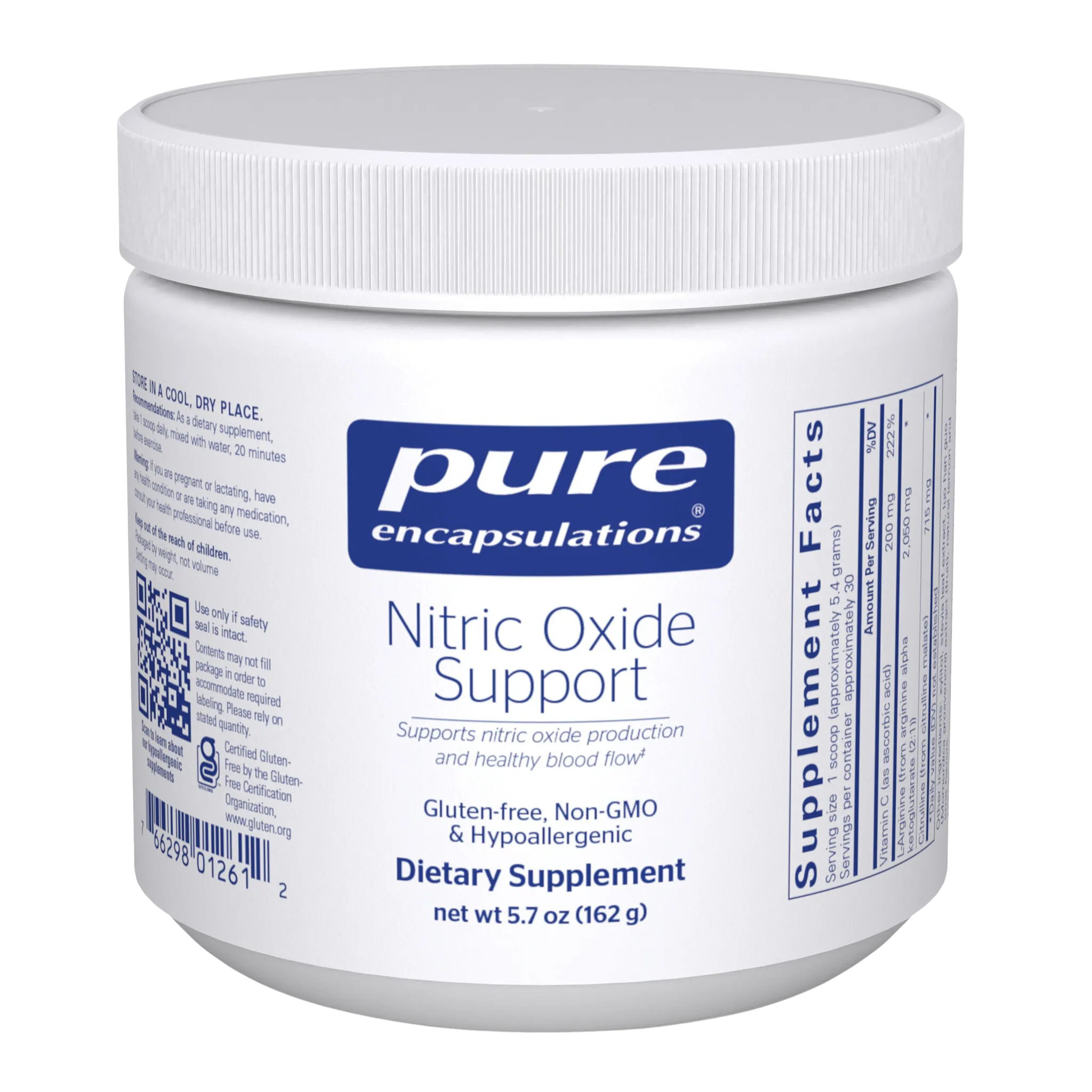
The formulation of Nitric Oxide Support specifically circumvents this biological roadblock by combining 2050 mg of L-arginine (in the highly stable alpha-ketoglutarate form) with 715 mg of L-citrulline (as citrulline malate). The L-citrulline acts as a protective escort, inhibiting the arginase enzyme in the gut and allowing the L-arginine to absorb rapidly and efficiently into the bloodstream. Furthermore, the citrulline itself is absorbed seamlessly, bypassing the liver to be converted into a sustained-release form of L-arginine by the kidneys. This synergistic ratio ensures maximum bioavailability, allowing you to achieve profound vascular benefits without the need for excessively high, stomach-irritating doses.
Optimal Dosing and Timing for Exercise
To maximize the clinical benefits of Nitric Oxide Support, timing and consistency are key. The suggested use is to mix one scoop of the powder daily with water. Because the primary goal is to enhance blood flow and oxygen delivery during periods of increased metabolic demand, it is highly recommended to consume the supplement approximately 20 to 30 minutes before engaging in physical exercise, physical therapy, or any planned exertional activity. This precise timing aligns the peak concentration of nitric oxide in your bloodstream with the moment your muscles and brain require the most oxygen, helping to mitigate the hypoxic stress that triggers post-exertional malaise.
For individuals who are severely severely affected by ME/CFS or Long COVID and are currently unable to exercise, the supplement can still be utilized to support baseline endothelial function and cerebral blood flow. In these cases, taking it in the morning or prior to cognitive tasks (like reading or working on a computer) can help support neurovascular coupling and mitigate brain fog. The powder format allows for easy dose titration; if you have a highly sensitive system or are prone to gastrointestinal upset, you can begin with a quarter or half scoop and slowly taper up to the full dose over several weeks as your body adjusts to the increased amino acid load.
Potential Interactions and Contraindications
While amino acids and Vitamin C are generally safe and well-tolerated, the potent vasodilatory effects of Nitric Oxide Support require careful consideration, particularly for patients with complex dysautonomia. Because nitric oxide relaxes blood vessels and lowers vascular resistance, this supplement can cause a mild to moderate decrease in systemic blood pressure. If you suffer from severe orthostatic hypotension (chronically low blood pressure upon standing) or are currently taking prescription antihypertensive medications, adding a potent NO booster could potentially cause your blood pressure to drop too low, leading to dizziness or fainting.
Crucially, Nitric Oxide Support must never be taken in conjunction with phosphodiesterase type 5 (PDE5) inhibitors, such as sildenafil (Viagra) or tadalafil (Cialis), or with prescription nitrate medications used for angina (like nitroglycerin). These medications also act on the nitric oxide-cGMP pathway, and combining them with high-dose L-arginine and L-citrulline can result in a dangerous, life-threatening drop in blood pressure. Always consult with your prescribing physician or a knowledgeable specialist before introducing nitric oxide precursors into your regimen, especially if you are managing a delicate cardiovascular or autonomic condition.

Follow the Science: Clinical Trials and Vascular Research
Evidence in Endothelial Dysfunction and Post-Viral Syndromes
The scientific rationale for supporting the nitric oxide pathway in post-viral syndromes is robust and rapidly expanding. A 2023 comparative study led by Dr. Marie McLaughlin investigated endothelial function in patients with ME/CFS, patients with Long COVID, and healthy controls. Using flow-mediated dilation (FMD)—a clinical ultrasound technique that measures how well blood vessels dilate in response to blood flow, acting as a direct proxy for NO synthesis—the researchers found that both the ME/CFS and Long COVID cohorts displayed profoundly impaired endothelial function compared to the healthy controls. This confirmed that a shared vascular pathology, driven by NO deficiency, underpins both conditions.
Furthermore, the role of Vitamin C in repairing this endothelial damage is well-documented. A landmark systematic review and meta-analysis published in Atherosclerosis (2014) pooled data from 44 randomized controlled trials involving over 1,100 participants. The researchers found that Vitamin C supplementation (at doses >500 mg/day) produced a highly significant positive effect on endothelial function, particularly in patients with pre-existing cardiometabolic and vascular disorders. The study concluded that Vitamin C is a powerful, low-risk intervention for restoring eNOS activity and improving NO-mediated vasodilation in compromised vascular systems.
Clinical Trials on Blood Pressure and Hemodynamics
The synergistic effects of combining L-arginine and L-citrulline have been rigorously tested in both animal models and human clinical trials. A pivotal 2014 study published in Biochemical and Biophysical Research Communications utilized a rabbit model to track real-time blood flow in the central ear artery. The researchers administered L-citrulline, L-arginine, or a half-dose combination of both. They discovered that the combined treatment caused a significantly more rapid and pronounced increase in plasma L-arginine and NO bioavailability than either amino acid alone, leading to a massive, immediate increase in localized blood flow.
In human studies, this synergy translates to measurable improvements in cardiovascular hemodynamics. A comprehensive 2019 review published in the journal Nutrients aggregated data on the antihypertensive properties of these amino acids. The clinical data demonstrated that oral L-arginine and L-citrulline supplementation can reliably and significantly lower both systolic and diastolic blood pressure. By inhibiting arginase and maximizing the eNOS pathway, the combined supplementation reduces systemic vascular resistance, easing the workload on the heart and improving the efficiency of peripheral blood circulation—a critical benefit for patients struggling with the cardiovascular strain of dysautonomia.
Exercise Performance and Muscular Endurance Studies
Beyond general vascular health, the impact of these amino acids is heavily supported by clinical research. A 2019 review by Khalaf et al. evaluated the effects of oral L-arginine and L-citrulline supplementation, demonstrating that the combination effectively improves vascular hemodynamics and lowers blood pressure.
These findings are incredibly relevant for patients with ME/CFS and Long COVID. Chronic illness patients can utilize these exact biochemical mechanisms—enhanced oxygen delivery and improved blood flow—to raise their lowered baseline capacity. By improving the efficiency of vascular function and reducing the metabolic fallout of exertion, Nitric Oxide Support offers a scientifically validated strategy to help patients safely expand their "energy envelope" and improve their daily functional capacity.
The Path Forward
A Comprehensive Approach to Vascular Healing
Living with the unpredictable and invisible symptoms of Long COVID, ME/CFS, and dysautonomia can feel like a constant, exhausting battle against your own body. It is deeply validating to understand that your severe fatigue, brain fog, and racing heart are not merely "in your head," but are rooted in measurable, physiological dysfunctions at the microscopic level of your blood vessels. Endothelial dysfunction and nitric oxide deficiency represent a critical, unifying piece of the chronic illness puzzle. By providing your body with the precise amino acid precursors and antioxidant protection it needs to rebuild this vital signaling pathway, you are actively supporting the foundational health of your entire cardiovascular and autonomic nervous system.
However, it is vital to remember that true healing requires a holistic, multifaceted approach. Nitric Oxide Support is a powerful biochemical tool, but it is not a standalone cure. It is designed to be integrated into a comprehensive management strategy that includes rigorous pacing, diligent symptom tracking, nervous system regulation, and ongoing medical supervision. By combining targeted nutritional support with lifestyle modifications that respect your body's current energy limits, you can begin to slowly repair the microvascular damage, improve tissue oxygenation, and reclaim a better quality of life.
Next Steps in Your Management Strategy
If you are struggling with poor circulation, exercise intolerance, cognitive fatigue, or the autonomic challenges of POTS, supporting your endothelial function may be a crucial next step in your health journey. As always, we strongly encourage you to discuss any new supplement with your healthcare provider to ensure it aligns safely with your current medications and specific medical history, particularly if you have underlying blood pressure concerns.