Can Niacinamide Support Cellular Energy and Glucose Metabolism in Long COVID and ME/CFS?
March 6, 2026
NiacinamideLong COVIDME/CFS
Share:
Disclaimer: The information provided here is for educational purposes only and is not intended as medical advice. It should not be used to diagnose, treat, cure, or prevent any medical condition. Instead, use it as a starting point for discussion with your healthcare provider. Always consult with a qualified healthcare provider before starting any new medication, supplement, device, or making changes to your health regimen.
Months or even years after recovering from an initial viral infection, many people find themselves fighting a daily battle against debilitating symptoms. The profound, unrefreshing fatigue, the unpredictable crashes after minor exertion, and the heavy cognitive fog are hallmarks of complex chronic conditions like Long COVID and myalgic encephalomyelitis/chronic fatigue syndrome (ME/CFS). If you are living with these invisible illnesses, you know firsthand the frustration of seeking medical answers when standard blood tests often return 'normal.' You are not alone, and your symptoms are not in your head; they are rooted in deep physiological and metabolic disruptions at the cellular level.
In the wake of the COVID-19 pandemic, a new and intense focus has emerged in medical research: the role of mitochondrial health and cellular energy production. Researchers are increasingly discovering that chronic viral infections and persistent inflammation can bankrupt the body's energy currency, leading to systemic dysfunction. One critical nutrient at the center of this metabolic puzzle is Niacinamide, a form of Vitamin B3. By serving as a foundational building block for cellular energy and supporting healthy glucose metabolism, Niacinamide offers a compelling avenue for patients looking to restore their metabolic health and improve their quality of life.
What is Niacinamide?
The Foundation of Cellular Energy and NAD+ Synthesis
Niacinamide, also known clinically as nicotinamide or NAM, is a highly bioavailable, water-soluble amide form of Vitamin B3. Unlike nicotinic acid (another common form of Vitamin B3 often referred to simply as niacin), niacinamide does not cause the uncomfortable skin-flushing effect, making it a highly preferred choice in both clinical research and daily dietary supplementation. In a healthy human body, niacinamide is not merely a passive vitamin; it is a highly vital, active nutrient that serves as a direct and foundational precursor to Nicotinamide Adenine Dinucleotide (NAD+), an essential coenzyme found in every living cell. NAD+ is the master regulator of cellular health, dictating genomic stability, mitochondrial energy production, and the intricate balance of metabolic processes.
To understand how niacinamide works, we must first understand the dual role of NAD+. Within the cell, NAD+ acts as both a redox electron carrier and an enzyme substrate. As an electron carrier, it physically transports high-energy electrons generated from the food we eat directly into the mitochondria, the powerhouses of our cells. Without adequate NAD+, the mitochondria cannot generate adenosine triphosphate (ATP), the universal energy currency that powers everything from muscle contractions to complex cognitive thoughts. Furthermore, as an enzyme substrate, NAD+ is actively consumed by cellular repair mechanisms, meaning the body must constantly synthesize and replenish its NAD+ stores to survive.
The Salvage Pathway and the NAMPT Enzyme
While the human body has the ability to create NAD+ from scratch using the amino acid tryptophan (known as the De novo pathway), this process is highly energy-consuming and inefficient. Instead, the body primarily relies on the Salvage Pathway to maintain healthy NAD+ levels. This pathway acts as a continuous, highly efficient recycling loop, utilizing niacinamide to regenerate NAD+. Because our tissues consume far more NAD+ than we could ever naturally ingest through our diet, this niacinamide-driven salvage pathway is responsible for producing up to 85% of the total NAD+ in the human body.
The salvage process occurs in three distinct steps. First, when NAD+ is consumed by the cell for vital repair functions, the molecule is cleaved apart, leaving niacinamide (NAM) behind as a leftover byproduct. Second, a critical rate-limiting enzyme called NAMPT (Nicotinamide phosphoribosyltransferase) binds to this leftover niacinamide and converts it into an intermediate molecule called NMN (Nicotinamide mononucleotide). Finally, another enzyme quickly converts NMN back into fresh NAD+, completing the cycle. By supplementing with niacinamide, you are directly feeding this salvage pathway, ensuring the NAMPT enzyme has an abundant supply of raw materials to keep the recycling loop running smoothly.
Sirtuins, PARPs, and Cellular Repair
NAD+ is not just a passive energy carrier; it is actively consumed by specific families of enzymes that govern aging, inflammation, and cell survival. Two of the most important are Sirtuins (often called longevity genes) and PARPs (poly ADP-ribose polymerases). Sirtuins are NAD+-dependent enzymes that promote mitochondrial biogenesis, reduce systemic inflammation, and regulate the aging process. PARP enzymes, on the other hand, act as the cell's emergency response team. In response to oxidative stress, viral infections, or UV radiation, PARP enzymes consume massive amounts of NAD+ to repair single-strand DNA breaks, thus protecting the structural integrity of our genome.
When Sirtuins and PARPs consume NAD+, they release niacinamide back into the intracellular environment. This creates a delicate balance. While the niacinamide is quickly recycled by the salvage pathway, excessively high, stagnant concentrations of niacinamide inside the cell can temporarily inhibit Sirtuins and PARPs through a negative feedback loop until the NAMPT enzyme can clear the backlog. This intricate biochemical dance highlights why maintaining optimal, rather than excessive, levels of niacinamide is crucial for cellular homeostasis and long-term metabolic health.
How Long COVID and ME/CFS Impact Cellular Energy
The Viral Drain on NAD+ Reserves
The relationship between chronic fatiguing illnesses like Long COVID, ME/CFS, and cellular energy production has become a major focal point in post-viral medical research. The unifying theory behind these complex conditions is NAD+ depletion—a severe cellular energy crisis triggered by viral infection and chronic inflammation. When the body encounters a severe viral pathogen like SARS-CoV-2, the virus induces massive oxidative stress and cellular damage. This triggers the hyperactivation of specific immune and repair enzymes, most notably PARP and CD38.
These hyperactive enzymes consume massive amounts of NAD+ in their desperate attempt to repair cellular damage and regulate the overwhelming immune response. Because the virus forces the cell into a state of constant emergency repair, the NAD+ salvage pathway cannot keep up with the demand. The cell's NAD+ reserves are rapidly depleted, effectively bankrupting the cell's energy currency. This systemic energy drain leaves the body fundamentally incapable of meeting its basic metabolic needs, setting the stage for long-term dysfunction.
Mitochondrial Dysfunction and the Energy Crash
Because NAD+ is relentlessly consumed by these emergency repair enzymes, the mitochondria are left without the crucial coenzyme required to run the electron transport chain. Without NAD+ to accept and transport high-energy electrons, the production of ATP grinds to a halt. Novel biomarker research has identified significant mitochondrial dysfunction in Long COVID patients, characterized by structural abnormalities like swollen mitochondria and disrupted cristae, indicating a profound imbalance in cellular respiration. The mitochondria simply cannot produce enough energy to sustain normal physiological function.
This catastrophic drop in ATP production manifests clinically as the hallmark symptoms shared by both Long COVID and ME/CFS: profound, unrefreshing fatigue and debilitating post-exertional malaise (PEM). When a patient with these conditions attempts even minor physical or cognitive exertion, their compromised mitochondria cannot generate the necessary energy, leading to a severe metabolic 'crash' that can last for days or weeks. Understanding this mechanism is vital for patients and providers alike when diagnosing complex conditions and validating the physical reality of these invisible illnesses.
The Kynurenine Pathway and Neuroinflammation
In ME/CFS and Long COVID, the depletion of NAD+ is further compounded by a phenomenon known as the Kynurenine Pathway diversion. In a healthy body, a small portion of the amino acid tryptophan is used to synthesize NAD+ via the De novo pathway. However, clinical research has shown that chronic systemic inflammation and immune dysregulation force the body to divert tryptophan away from NAD+ production. Instead, the tryptophan is shunted down an inflammatory pathway, producing toxic neuro-metabolites like quinolinic acid.
The accumulation of these toxic metabolites in the brain drives severe neuroinflammation, microglial activation, and oxidative stress. This biochemical shift not only starves the brain of the NAD+ it needs for cognitive processing but actively poisons the neural environment, resulting in the severe cognitive impairment commonly referred to as 'brain fog.' This interconnected web of viral triggers, immune dysfunction, and metabolic collapse highlights the critical importance of understanding ME/CFS triggers and addressing the root cause of the energy crisis.
Niacinamide: Supporting Glucose Metabolism and Cellular Energy
Restoring the Electron Transport Chain for ATP Production
By supplementing with high-potency niacinamide, patients can directly support the disrupted pathways that lead to post-viral fatigue. Niacinamide provides the essential raw materials needed to supercharge the NAD+ salvage pathway. By flooding the system with this vital precursor, the NAMPT enzyme can rapidly synthesize fresh NAD+, helping to overcome the severe depletion caused by hyperactive PARP and CD38 enzymes. This restoration of NAD+ pools is the critical first step in rescuing the cell from its metabolic crisis and restoring baseline function.
Once NAD+ levels are replenished, the mitochondria can finally resume normal operations. NAD+ acts as an electron acceptor during the metabolic breakdown of nutrients, reducing into NADH. NADH then physically carries these high-energy electrons to Complex I of the electron transport chain located on the inner mitochondrial membrane. This transfer drives a complex biochemical cascade that ultimately generates abundant ATP. By restoring this fundamental energy pipeline, niacinamide helps the body rebuild its energy reserves, providing the molecular fuel required to heal and function.
Promoting Healthy Beta Cell Function and Insulin Sensitivity
Beyond general cellular energy, niacinamide plays a highly specific and crucial role in supporting healthy glucose metabolism and protecting pancreatic beta cells. Beta cells are responsible for synthesizing and secreting insulin, the hormone that regulates blood sugar levels. During periods of chronic illness, systemic inflammation, or metabolic stress, beta cells are highly susceptible to oxidative damage. This damage triggers the overactivation of PARP enzymes within the pancreas, which rapidly depletes NAD+ and can lead to beta-cell dysfunction or death.
Niacinamide acts as a protective shield for these vital cells. By inhibiting excessive PARP activation and maintaining robust NAD+ levels, niacinamide prevents the metabolic collapse of the beta cells, allowing them to continue producing insulin efficiently. This mechanism is particularly relevant for patients with Long COVID and dysautonomia, who often experience new-onset metabolic dysregulation, insulin resistance, and erratic blood sugar fluctuations. Supporting this pathway is a key component of holistic nutritional strategies for chronic illness management.
Modulating Systemic Inflammation and Oxidative Stress
The therapeutic benefits of niacinamide extend deeply into the immune system. By replenishing intracellular NAD+ pools, niacinamide significantly increases the activity of Sirtuins, particularly SIRT2. Research indicates that robust SIRT2 activity physically inhibits the NLRP3 inflammasome—a massive multi-protein complex responsible for triggering severe inflammatory responses. By keeping the inflammasome in check, niacinamide helps to aggressively reduce the aging-associated chronic inflammation that drives many complex conditions.
This anti-inflammatory mechanism is especially promising for patients dealing with mast cell activation syndrome (MCAS) and the systemic immune dysregulation often seen alongside Long COVID and ME/CFS. By lowering the overall burden of oxidative stress and calming the hyperactive innate immune response, niacinamide helps to break the vicious cycle of inflammation and energy depletion. It supports a more balanced, regulated cellular environment where tissues can begin to repair rather than constantly fighting perceived threats.

Symptoms Niacinamide May Help Manage
A Multi-System Approach to Symptom Management
Because NAD+ depletion affects every cell in the body, the symptoms of complex chronic illnesses are inherently multi-systemic. From the brain to the muscles to the pancreas, no organ is spared when the body's energy currency runs dry. Supplementing with a high-potency precursor like niacinamide aims to address these symptoms at their root metabolic cause, rather than merely masking them.
While individual responses to supplementation can vary widely based on genetics, baseline nutritional status, and the severity of the illness, clinical research and patient experiences suggest that supporting the NAD+ salvage pathway can yield noticeable improvements across a spectrum of debilitating symptoms.
Targeted Symptom Relief
Severe Fatigue and Post-Exertional Malaise (PEM): By restoring the electron transport chain and boosting mitochondrial ATP production, niacinamide provides the cellular fuel necessary to raise your baseline energy envelope, potentially reducing the severity and duration of PEM crashes after physical or cognitive exertion.
Cognitive Impairment and Brain Fog: By replenishing NAD+ in neural tissues and mitigating the toxic effects of the kynurenine pathway, niacinamide helps reduce neuroinflammation and oxidative stress in the brain, supporting clearer thinking, better memory retention, and improved executive function.
Metabolic Dysregulation and Blood Sugar Fluctuations: Niacinamide protects pancreatic beta cells from oxidative damage and PARP-induced NAD+ depletion, promoting healthy insulin secretion and supporting stable, healthy glucose metabolism throughout the day.
Muscle Weakness and Exercise Intolerance: Recent studies have shown that Long COVID and ME/CFS sera induce severe metabolic adaptation and fragility in skeletal muscle. By supporting mitochondrial dynamics and ATP generation, niacinamide may help improve muscle endurance and function, especially when combined with targeted protein and muscle support.
Tracking Your Progress
When introducing a new supplement like niacinamide to target these complex symptoms, meticulous symptom tracking is essential. Because metabolic healing occurs at a microscopic level, improvements are often gradual and non-linear. You may not wake up one day feeling completely cured, but over several weeks, you might notice that your PEM crashes are slightly shorter, your brain fog lifts a bit earlier in the day, or your blood sugar levels remain more stable after meals.
We strongly encourage patients to maintain a daily log of their energy levels, cognitive clarity, and physical exertion. This data is invaluable not only for your own peace of mind but also for your healthcare provider to assess the efficacy of the treatment. Remember that supplements are most effective when paired with aggressive pacing strategies and a deep respect for your body's current energy limits.
Practical Considerations: Forms, Dosing, and Absorption
Bioavailability and the Pharmacokinetics of Niacinamide
When considering any supplement, understanding its bioavailability—how well it is absorbed and utilized by the body—is crucial. Niacinamide boasts an excellent pharmacokinetic profile. When taken orally, it is rapidly and efficiently absorbed by the gastrointestinal tract. Clinical pharmacokinetic assessments demonstrate that oral formulations achieve excellent systemic bioavailability, with peak plasma concentrations generally reached within 30 to 60 minutes after ingestion. This rapid absorption means the active compound is quickly delivered to the bloodstream, ready to be taken up by cells and fed into the NAD+ salvage pathway.
Once in the bloodstream, niacinamide is actively metabolized by the liver. It is converted into various compounds, including methyl-nicotinamide, which are eventually excreted in the urine. While systemic bioavailability is exceptionally high, it is worth noting that penetration across the blood-brain barrier can vary. The rapid methylation process in the liver means that while peripheral tissues (like muscle and pancreas) receive a massive influx of niacinamide, central nervous system levels may fluctuate, which is why consistent, daily dosing is often recommended to maintain steady-state levels for cognitive support.
Navigating Dosage Guidelines and Optimal Timing
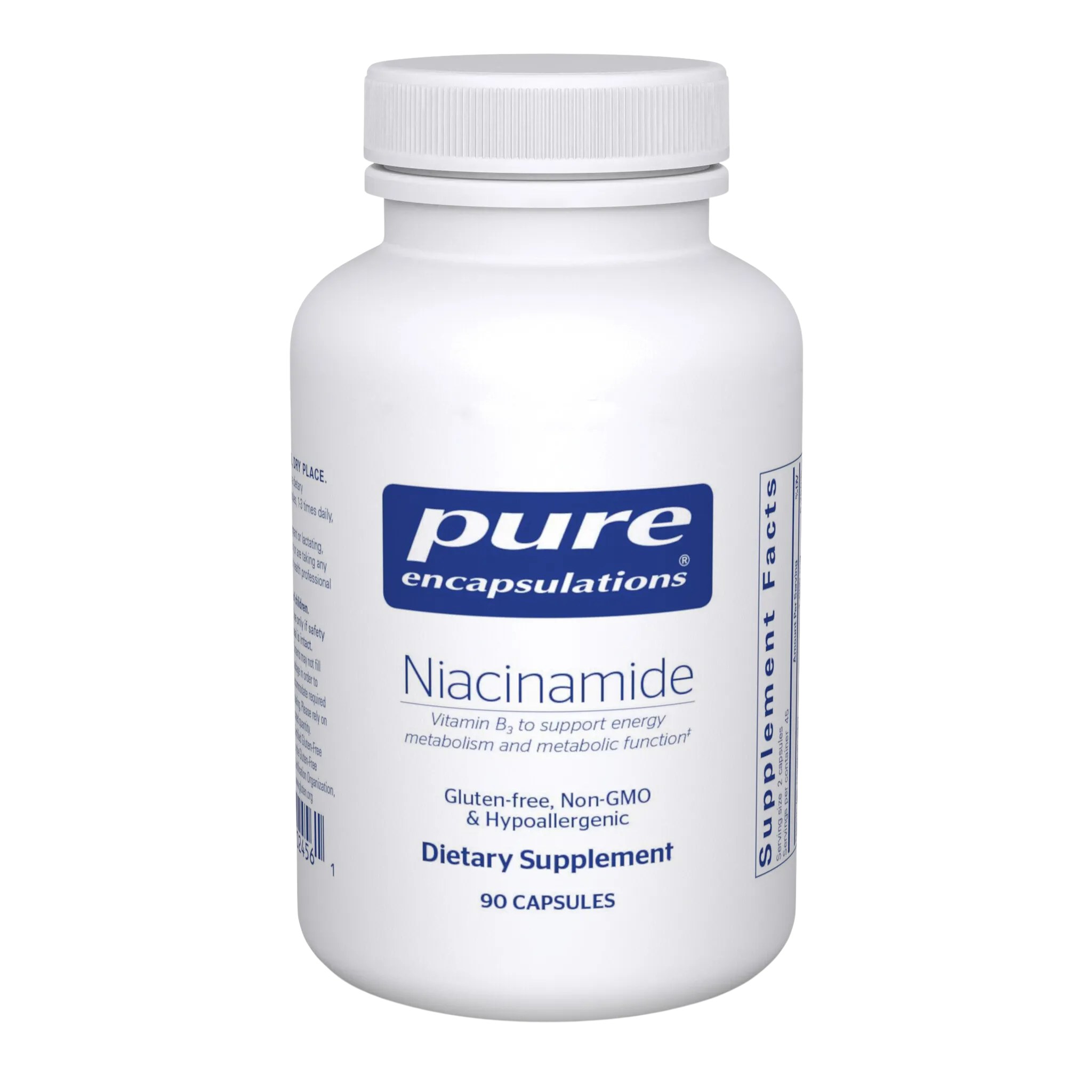
Dosage recommendations for niacinamide vary significantly depending on the clinical goal. While the standard Recommended Dietary Allowance (RDA) for general health is quite low (around 14-16 mg per day), therapeutic interventions for metabolic support require much higher doses. Pure Encapsulations provides a high-potency dose of 1000 mg of niacinamide per serving. This robust dose is specifically designed to flood the salvage pathway and provide substantial support for healthy glucose metabolism and cellular energy production in individuals facing significant metabolic stress.
For optimal absorption and to minimize the risk of mild gastrointestinal upset, it is generally recommended to take niacinamide with meals. Taking the supplement alongside a balanced meal that includes healthy fats can help smooth out the absorption curve and prevent the transient nausea that some individuals experience when taking high-dose B vitamins on an empty stomach. As always, the suggested use is 2 capsules 1-3 times daily, but this should be tailored to your specific needs under the guidance of a healthcare professional.
Potential Side Effects and Important Drug Interactions
Niacinamide is generally considered safe and well-tolerated, exhibiting a low overall toxicity profile when taken within recommended limits. The most common side effects at higher doses are mild and transient, including stomach upset, gas, or dizziness. However, massive doses exceeding 3,000 mg (3 grams) per day can lead to hepatotoxicity (liver damage). Because the liver heavily metabolizes niacinamide, individuals taking high doses long-term should have their liver enzymes monitored regularly by a physician. Individuals with pre-existing liver disease should exercise extreme caution.
Furthermore, niacinamide has several important drug interactions that patients must be aware of. Pharmacological databases indicate that niacinamide can slow blood clotting. Taking it concurrently with anticoagulant or antiplatelet medications (such as Warfarin, Eliquis, or Aspirin) can significantly increase the risk of bruising and bleeding. Additionally, niacinamide can alter the speed at which the liver breaks down certain anticonvulsant medications used for seizures, potentially leading to toxic buildup. Always consult your prescribing doctor before adding high-dose niacinamide to your regimen if you are on these medications.
Follow the Science
Clinical Trials on NAD+ Precursors for Post-Viral Fatigue
The scientific community is actively investigating the efficacy of NAD+ precursors in treating the profound fatigue associated with post-viral syndromes. A highly anticipated Phase 2, randomized, double-blind, placebo-controlled trial published in The Lancet eClinicalMedicine in 2025 by researchers at Mass General Brigham evaluated the effects of NAD+ precursors on Long COVID patients. The study found that supplementation successfully restored cellular energy frameworks, increasing whole-blood NAD+ levels by up to 3.1-fold. While the overall trial faced challenges with sample size, within-group analyses showed highly encouraging improvements in fatigue severity, executive functioning, and sleep quality among those receiving the active treatment.
Similarly, in the realm of ME/CFS, researchers have long studied the effects of redox balancing and energy support. Landmark clinical trials evaluating the combination of NADH (the reduced, active form of NAD+) and Coenzyme Q10 have demonstrated significant reductions in cognitive fatigue perception and notable improvements in overall health-related quality of life compared to placebo groups. These studies, alongside emerging research on CD8 T-cell dysfunction in ME/CFS and Long COVID, solidify the biological basis for targeting the NAD+ pathway to alleviate systemic energy deficits.
Research on Glucose Metabolism and Pancreatic Health
The relationship between niacinamide and pancreatic beta-cell function has been the subject of extensive clinical research over the past three decades, particularly in the context of Type 1 Diabetes. Massive international trials, such as the European Nicotinamide Diabetes Intervention Trial (ENDIT), tested whether high-dose niacinamide could prevent the autoimmune destruction of beta cells in high-risk individuals. While these large-scale prevention trials ultimately showed that niacinamide could not stop the onset of the disease, they provided invaluable data on the compound's safety profile and its specific interactions with pancreatic tissue.
Subsequent research, including the Italian IMDIAB studies, shifted focus to preserving residual beta-cell function in newly diagnosed patients. These trials demonstrated that niacinamide, when administered at appropriate doses alongside standard therapy, showed a moderate ability to preserve baseline C-peptide levels (a direct marker of insulin secretion) in specific patient subgroups, particularly those diagnosed after puberty. This robust body of evidence underscores niacinamide's targeted ability to interact with and protect pancreatic beta cells from oxidative stress, supporting its use for general healthy glucose metabolism.
Emerging Combination Therapies and Future Directions
As our understanding of complex chronic illness evolves, researchers are increasingly looking toward combination therapies that address multiple pathophysiological targets simultaneously. Recent pilot studies have begun evaluating the combination of NAD+ precursors alongside immune modulators like Low Dose Naltrexone (LDN) in patients suffering from persistent post-COVID fatigue. Early results suggest that combining metabolic support with neuro-inflammatory modulation yields significant improvements in validated quality of life scores.
Furthermore, comprehensive reviews, such as those exploring Epstein-Barr virus acquired immunodeficiency and the broader complexities of ME/CFS and Long COVID, emphasize that viral reactivation and chronic innate inflammation are deeply intertwined with mitochondrial defects. The future of post-viral treatment lies in precision medicine—identifying the specific metabolic bottlenecks in each patient and utilizing targeted nutrients like niacinamide to restore cellular resilience and break the cycle of chronic disease.
The Path Forward
Validating the Complex Reality of Metabolic Dysfunction
Living with a complex chronic illness like Long COVID, ME/CFS, or dysautonomia is an incredibly isolating and exhausting experience. When your body's fundamental ability to produce energy is compromised, every aspect of your life is impacted—from your ability to work and socialize to your capacity to perform basic daily tasks. We want to validate that your symptoms are real, severe, and rooted in documented physiological dysfunction. The profound fatigue and cognitive impairment you experience are not a lack of willpower; they are the direct result of a cellular energy crisis and NAD+ depletion.
Understanding the science behind your symptoms can be incredibly empowering. It shifts the narrative from a mysterious, untreatable condition to a specific metabolic injury that can be targeted and supported. As we continue to learn more about managing fatigue with Long COVID, it becomes clear that restoring mitochondrial health and cellular energy production is a critical pillar of recovery. You are navigating an incredibly difficult journey, and seeking out science-backed strategies to support your body is a profound act of resilience.
Integrating Niacinamide into a Comprehensive Strategy
While the clinical research surrounding niacinamide and NAD+ production is highly promising, it is important to maintain a realistic perspective. Supplements are not miracle cures; they are powerful tools designed to be integrated into a comprehensive, holistic management strategy. Restoring cellular energy takes time, consistency, and a multi-faceted approach. Niacinamide works best when the body is also supported by adequate rest, proper nutrition, and the careful management of physical and cognitive exertion.
Aggressive pacing—the practice of carefully managing your activity levels to stay within your available energy envelope—remains the cornerstone of managing conditions characterized by post-exertional malaise. By combining the metabolic support of high-potency niacinamide with strict pacing and ongoing medical care, you create the optimal environment for your cells to repair, regenerate, and slowly rebuild their energy reserves over time.
Taking the Next Steps in Your Health Journey
If you are struggling with severe fatigue, brain fog, or metabolic dysregulation, supporting your cellular energy pathways may be a vital next step. However, because complex chronic illnesses involve intricate multi-system dysfunction, it is imperative that you consult with a knowledgeable healthcare provider before adding high-dose supplements to your regimen, especially to monitor for potential drug interactions and liver health.