Can PureLean® Protein Support Healthy Weight Management in Long COVID and ME/CFS?
March 5, 2026
PureLean ProteinLong COVIDWeight Management
Share:
Disclaimer: The information provided here is for educational purposes only and is not intended as medical advice. It should not be used to diagnose, treat, cure, or prevent any medical condition. Instead, use it as a starting point for discussion with your healthcare provider. Always consult with a qualified healthcare provider before starting any new medication, supplement, device, or making changes to your health regimen.
For individuals living with complex chronic conditions like Long COVID, myalgic encephalomyelitis/chronic fatigue syndrome (ME/CFS), and dysautonomia, managing daily symptoms often feels like navigating an unpredictable maze. One of the most frustrating and frequently overlooked challenges in this journey is the profound shift in metabolic health and body composition. When debilitating fatigue and post-exertional malaise (PEM) make traditional exercise impossible, many patients experience unintended weight gain, muscle wasting, and the onset of metabolic dysfunction. It can feel incredibly invalidating when standard medical advice simply suggests "eating less and moving more," completely ignoring the physiological realities of living with a severe energy-limiting illness.
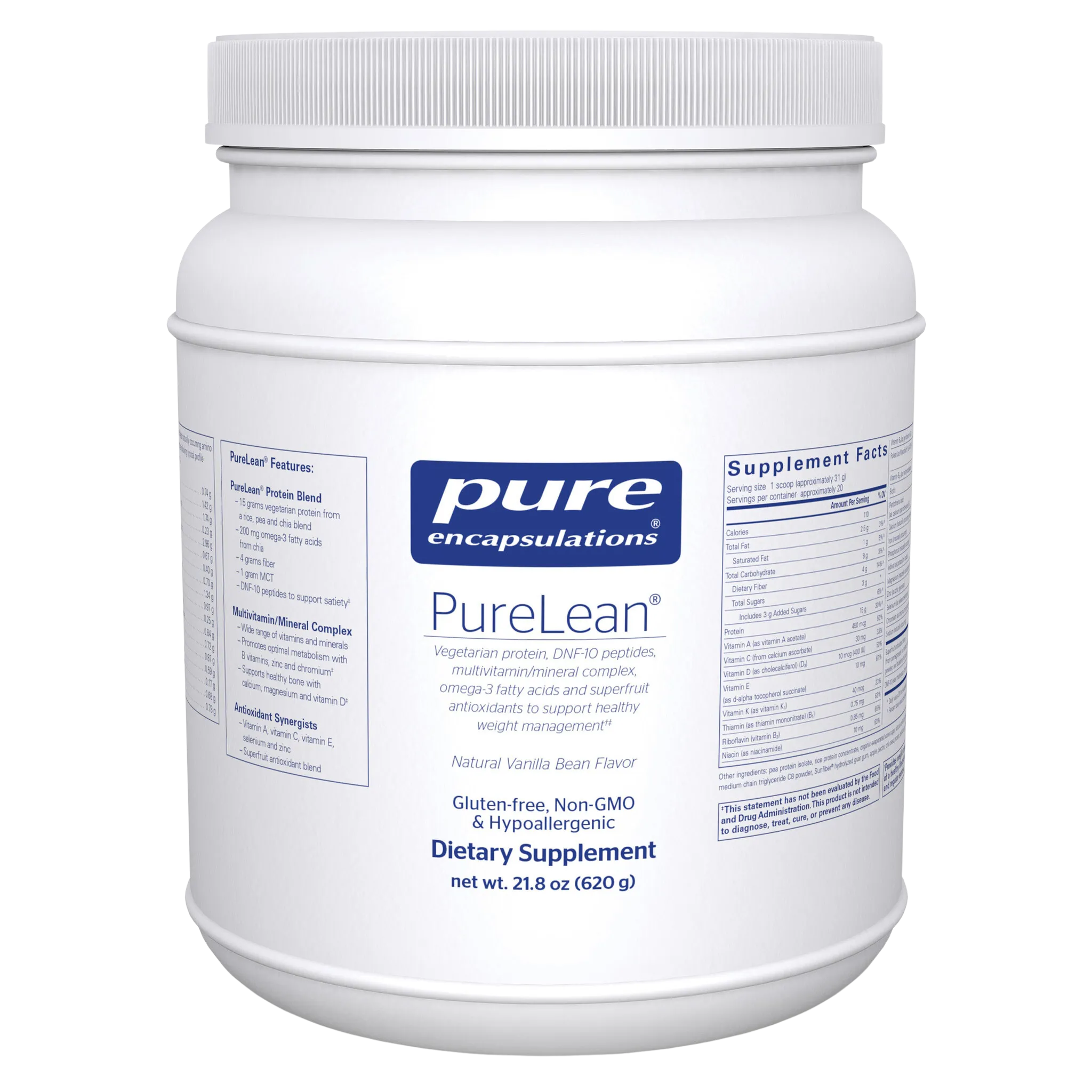
Maintaining a healthy weight and preserving lean muscle mass while bedbound or severely activity-restricted requires a highly specialized, biologically supportive approach. This is where targeted nutritional interventions come into play. PureLean® Protein by Pure Encapsulations is a comprehensive formula designed to support healthy weight management, promote satiety, and fill critical nutritional gaps without relying on high-exertion exercise. By combining a unique blend of vegetarian proteins, patented DNF-10® peptides, superfruit antioxidants, and a highly bioavailable multivitamin/mineral core, this supplement targets the specific metabolic and cellular pathways that are often disrupted in chronic illness. In this article, we will explore the deep science behind these ingredients and how they may support your metabolic health and overall well-being.
What is PureLean® Protein?
A Comprehensive Approach to Metabolic Support
At its core, PureLean® Protein is far more than a standard protein powder; it is a meticulously engineered metabolic support formula designed to address multiple facets of cellular health. The foundation of this supplement is its unique protein blend, which provides 15 grams of high-quality vegetarian protein derived from rice, pea, and chia. In a healthy body, dietary protein is continuously broken down into essential amino acids, which serve as the fundamental building blocks for muscle tissue, enzymes, neurotransmitters, and immune cells. During periods of physical stress or chronic illness, the body's demand for these amino acids increases dramatically to repair damaged tissues and maintain vital organ function. By utilizing a multi-source plant protein blend, this formula ensures a complete amino acid profile, achieving a Protein Digestibility-Corrected Amino Acid Score (PDCAAS) that rivals traditional animal-based proteins without the associated inflammatory triggers or gastrointestinal distress.
Beyond basic macronutrient support, this formula integrates a highly specialized, patented ingredient known as DNF-10® yeast hydrolysate. DNF-10 is a collection of low-molecular-weight peptides obtained through the enzymatic hydrolysis of Saccharomyces cerevisiae, a natural yeast strain. In the human body, these specific peptides interact directly with the gut-brain axis, the complex biochemical communication network linking the enteric nervous system of the gastrointestinal tract with the central nervous system. Clinical research indicates that DNF-10 modulates the secretion of key appetite-regulating hormones, specifically downregulating the production of ghrelin (the "hunger hormone") in the stomach while maintaining the secretion of leptin (the "satiety hormone") from adipose tissue. This hormonal modulation helps reduce caloric intake naturally by signaling to the brain that the body is full and adequately nourished, bypassing the need for sheer willpower in weight management.
The Power of Plant-Based Proteins and Healthy Fats
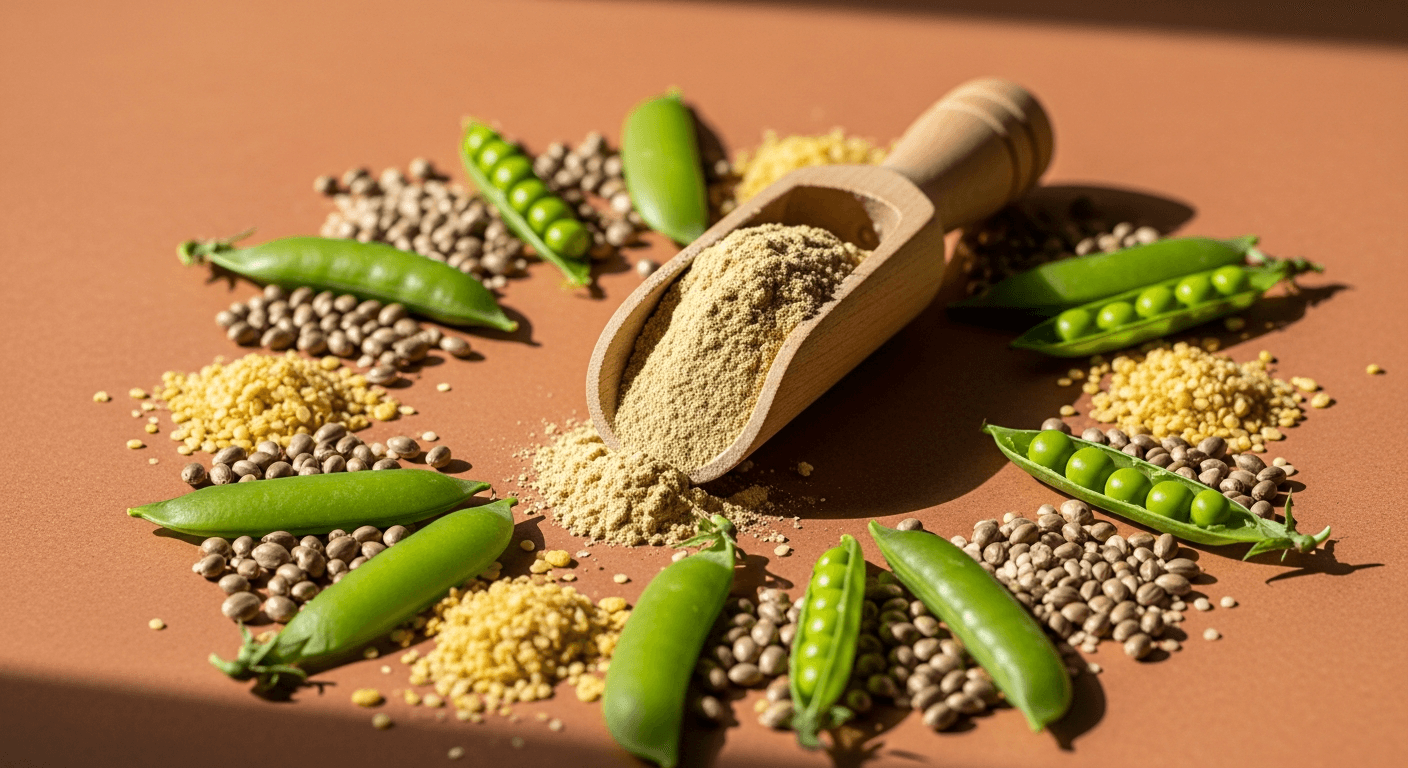
The specific combination of pea, brown rice, and chia proteins in this formula is highly intentional. Pea protein is exceptionally rich in branched-chain amino acids (BCAAs), particularly leucine, which is the primary biological trigger for the mammalian target of rapamycin (mTOR) pathway. The mTOR pathway is the master regulator of muscle protein synthesis, signaling the body to build and preserve lean muscle mass even during periods of relative inactivity. However, pea protein is naturally low in the amino acid methionine. By blending it with brown rice protein—which is abundant in methionine and cysteine—the resulting mixture provides all nine essential amino acids required by the human body. Recent clinical analyses have demonstrated that when dosed correctly, this specific plant-based combination stimulates postprandial plasma aminoacidemia and muscle protein synthesis at rates entirely comparable to whey protein, making it an ideal choice for muscle maintenance.
In addition to its robust protein profile, this formula incorporates 200 milligrams of omega-3 fatty acids derived from chia seeds, alongside 1 gram of medium-chain triglycerides (MCTs) per serving. Omega-3 fatty acids, specifically alpha-linolenic acid (ALA) from chia, play a crucial role in maintaining the structural integrity and fluidity of cellular membranes throughout the body. They are heavily involved in the production of resolving lipid mediators, which actively help to turn off chronic inflammatory responses. Meanwhile, MCTs provide a unique, rapidly absorbed source of cellular energy. Unlike long-chain fatty acids that require complex enzymatic breakdown and transport via the lymphatic system, MCTs are absorbed directly into the portal vein and transported to the liver, where they are quickly converted into ketones. These ketones can cross the blood-brain barrier, providing an immediate, alternative fuel source for neurons, which is particularly beneficial for individuals experiencing severe cognitive fatigue or metabolic inflexibility.
Superfruit Antioxidants and Essential Nutrients
To combat the systemic oxidative stress that frequently accompanies metabolic dysfunction, this formula features a potent superfruit antioxidant blend containing pomegranate fruit extract, acerola berry extract, quercetin, acai berry powder, and blueberry fruit extract. These botanical extracts are exceptionally rich in polyphenols, anthocyanins, and flavonoids. At the molecular level, these compounds act as electron donors, neutralizing highly reactive and damaging free radicals (reactive oxygen species) before they can cause structural damage to cellular DNA, lipid membranes, and mitochondrial proteins. Quercetin, in particular, is a well-documented bioflavonoid that not only scavenges free radicals but also actively modulates the immune response by stabilizing mast cell membranes, preventing the inappropriate release of inflammatory mediators like histamine and cytokines.
Finally, the comprehensive multivitamin and mineral core of this supplement ensures that the enzymatic machinery of the body has the necessary cofactors to function optimally. This includes a full spectrum of activated B vitamins, most notably folate as Metafolin® (L-5-MTHF). Unlike synthetic folic acid, which requires multiple enzymatic conversions to become biologically active, L-5-MTHF is the universally metabolized, naturally occurring form of folate. It can immediately enter the folate cycle, crossing the blood-brain barrier to donate methyl groups for the synthesis of crucial neurotransmitters (serotonin, dopamine, norepinephrine) and the production of cellular energy (ATP). The inclusion of chelated minerals—such as magnesium citrate and zinc glycinate—ensures maximum bioavailability, as the minerals are bound to organic molecules that the intestinal tract can easily recognize and absorb, supporting everything from nerve transmission to immune defense.
How Long COVID and ME/CFS Impact Metabolism and Weight
The Vicious Cycle of Post-Exertional Malaise (PEM) and Weight Gain
For individuals living with Long COVID and ME/CFS, the relationship between physical exertion, metabolism, and body weight is profoundly altered. One of the hallmark symptoms of these conditions is post-exertional malaise (PEM), a severe and prolonged exacerbation of symptoms following even minor physical, cognitive, or emotional exertion. Because pushing through fatigue can trigger debilitating crashes that leave patients bedbound for days or weeks, traditional weight management advice—which heavily relies on cardiovascular exercise and caloric burning—is not only ineffective but actively harmful. This enforced inactivity naturally leads to a decrease in total daily energy expenditure (TDEE). When caloric intake remains constant but physical activity plummets due to illness, the body inevitably begins to store the surplus energy as adipose tissue (fat), leading to rapid and frustrating weight gain.
This weight gain is not merely a cosmetic concern; it sets off a dangerous physiological cascade. As adipose tissue accumulates, particularly visceral fat around the abdominal organs, it begins to act as an active endocrine organ, secreting a steady stream of pro-inflammatory cytokines such as interleukin-6 (IL-6) and tumor necrosis factor-alpha (TNF-alpha). This localized inflammation quickly becomes systemic, exacerbating the already heightened immune state seen in Long COVID and ME/CFS. Research published in the journal Metabolites highlights that the multi-system symptoms of Long COVID are characterized by severe dysfunctions in lipid, protein, and energy metabolism. This metabolic rewiring contributes directly to the chronic fatigue, cognitive dysfunction, and cardiovascular disorders that patients battle daily, creating a vicious cycle where illness prevents exercise, leading to weight gain, which in turn fuels further systemic inflammation and worsening symptoms.
Metabolic Dysregulation and Anabolic Resistance
Beyond the simple mechanics of calories in versus calories out, chronic viral infections and severe inflammatory states fundamentally alter how the body processes nutrients at the cellular level. Many patients with Long COVID develop a condition known as anabolic resistance. In a healthy individual, consuming dietary protein triggers a robust muscle-building (anabolic) response. However, in the presence of chronic systemic inflammation, elevated cortisol (the stress hormone), and prolonged physical inactivity, the muscles become resistant to these growth signals. The body essentially downregulates the mTOR pathway, making it incredibly difficult to maintain lean muscle mass. As muscle tissue wastes away (a process known as sarcopenia or cachexia in severe chronic illness), the body's basal metabolic rate drops even further, because muscle tissue is highly metabolically active and burns calories even at rest.
This metabolic dysregulation frequently overlaps with the development of insulin resistance, a core component of metabolic syndrome. When cells become resistant to the hormone insulin, glucose cannot efficiently enter the cells to be used for energy. Instead, it remains circulating in the bloodstream, prompting the pancreas to produce even more insulin. High levels of circulating insulin strongly inhibit lipolysis (the breakdown of stored fat) and promote lipogenesis (the creation of new fat). This means that even if a patient with Long COVID or ME/CFS is eating a relatively healthy diet, their altered hormonal landscape actively fights against weight loss and promotes fat storage. Understanding this complex pathophysiology is crucial, as it validates the patient experience: the weight gain is not a result of laziness or lack of willpower, but rather a direct consequence of profound metabolic and viral-induced hormonal disruptions. You can learn more about this intersection in our detailed article on Diabetes and Long COVID: A Pandemic Within a Pandemic.
The Role of Mast Cell Activation Syndrome (MCAS) in Metabolic Health
Another critical factor complicating weight management in complex chronic illness is the frequent co-occurrence of Mast Cell Activation Syndrome (MCAS). Following a SARS-CoV-2 infection, many patients experience a persistent hyperactivation of their innate immune system, specifically the mast cells. These cells, located throughout the body's connective tissues and gastrointestinal tract, inappropriately degranulate and release massive amounts of histamine, leukotrienes, and prostaglandins in response to everyday triggers like food, temperature changes, or stress. This constant flood of inflammatory mediators wreaks havoc on the gut microbiome, leading to severe intestinal permeability ("leaky gut") and chronic gastrointestinal distress. When the gut lining is inflamed, the absorption of critical micronutrients—such as B vitamins, magnesium, and zinc—is severely compromised, starving the mitochondria of the cofactors they need to produce cellular energy.
Furthermore, the systemic histamine overload seen in MCAS directly impacts metabolic function. Histamine receptors are present on adipocytes (fat cells) and play a role in regulating lipolysis and fat storage. Chronic mast cell activation drives a state of persistent oxidative stress, where reactive oxygen species damage mitochondrial membranes and impair the electron transport chain's ability to generate ATP. This mitochondrial dysfunction is a primary driver of the profound, crushing fatigue experienced by patients. To compensate for this lack of cellular energy, the brain often triggers intense cravings for high-carbohydrate, sugary foods in a desperate attempt to secure quick fuel. This combination of nutrient malabsorption, mitochondrial impairment, and neuro-driven cravings makes managing weight incredibly difficult for those battling the overlapping symptoms of Long COVID, ME/CFS, and MCAS. For a deeper understanding of how these conditions intertwine, explore our resource on What Causes Long COVID?.
PureLean® Protein: Supporting Healthy Weight Management and Cellular Energy
DNF-10 Peptides and the Gut-Brain Axis
To address the profound metabolic challenges faced by individuals with chronic illness, PureLean® Protein utilizes a multi-targeted approach, beginning with the patented DNF-10® yeast hydrolysate. The mechanism of action for DNF-10 is deeply rooted in the neuroendocrine regulation of appetite via the gut-brain axis. When consumed, the low-molecular-weight peptides in DNF-10 survive the harsh acidic environment of the stomach and interact with the enteroendocrine cells lining the gastrointestinal tract. Clinical studies demonstrate that these peptides significantly downregulate the secretion of ghrelin, the fast-acting orexigenic hormone responsible for triggering the physiological sensation of hunger. By lowering circulating ghrelin levels, DNF-10 effectively quiets the constant, nagging signals of hunger that often plague individuals dealing with metabolic dysregulation and neuro-driven cravings.
Simultaneously, DNF-10 exerts a powerful effect on the hypothalamus, the region of the brain responsible for energy homeostasis. It has been shown to lower the expression of Neuropeptide Y (NPY), a potent neuromodulator that drives food-seeking behavior and specific cravings for carbohydrate-dense foods. Furthermore, while traditional calorie restriction often causes a precipitous drop in leptin (the hormone that signals fullness), leading to intense rebound hunger, DNF-10 helps maintain steady leptin secretion from adipocytes. This tricks the brain into feeling satiated and secure, preventing the starvation response that typically derails weight management efforts. A 2017 double-blind, placebo-controlled study involving obese subjects found that a daily intake of 500 mg of DNF-10 reduced caloric intake by up to 600 kcal/day after two months, with 100% of the resulting weight loss coming directly from fat mass, completely preserving vital lean muscle tissue.
Muscle Maintenance Through Complete Amino Acid Profiles
Preserving lean muscle mass is absolutely critical for patients who are bedbound or experiencing severe post-exertional malaise, as muscle tissue is the body's primary metabolic engine and a crucial reservoir for amino acids during immune crises. The precise blend of pea, brown rice, and chia proteins in this formula is engineered to overcome the anabolic resistance often seen in chronic illness. Pea protein delivers a high concentration of leucine, the essential branched-chain amino acid that acts as the key to unlocking the mTOR signaling pathway. When leucine enters the muscle cell, it activates the mTOR complex, initiating the translation of messenger RNA into new muscle proteins, effectively forcing the body to maintain its muscle tissue even in the absence of heavy resistance training.
However, leucine alone is not enough; the body requires all nine essential amino acids to complete the protein synthesis process. By combining the methionine-rich profile of brown rice with the BCAA-dense profile of pea protein, the formula provides a complete, highly bioavailable substrate for tissue repair. Additionally, the inclusion of chia protein introduces a powerful anti-inflammatory component. The omega-3 fatty acids and dense fiber matrix of chia help to soothe the gastrointestinal lining and reduce systemic inflammation. Recent meta-analyses in sports medicine and clinical nutrition have confirmed that consuming an adequate dose of this specific plant protein blend (providing at least 2.5 grams of leucine per serving) stimulates muscle protein synthesis at a rate identical to animal-based whey protein, making it an exceptionally powerful tool for combating the frailty and muscle wasting associated with prolonged chronic illness.
Methylation Support with L-5-MTHF
A cornerstone of the multivitamin complex within this formula is the inclusion of activated folate, specifically Metafolin® L-5-methyltetrahydrofolate (L-5-MTHF). This is a critical intervention for the large percentage of the population carrying mutations in the MTHFR gene, a genetic polymorphism frequently implicated in the pathophysiology of ME/CFS and Long COVID. The MTHFR enzyme is responsible for converting dietary folate and synthetic folic acid into its active, methylated form. When this enzyme is defective, the methylation cycle—a vital biochemical pathway responsible for DNA repair, neurotransmitter synthesis, and cellular detoxification—becomes blocked. This bottleneck leads to an accumulation of toxic homocysteine and a severe deficit in cellular energy production, contributing heavily to the "brain fog" and profound fatigue experienced by patients.
By providing folate already in its active, methylated state (L-5-MTHF), this supplement completely bypasses the defective MTHFR enzyme. The L-5-MTHF molecule immediately crosses the cellular membrane and donates its methyl group to homocysteine, converting it back into the essential amino acid methionine. This unblocks the methylation cycle, allowing the body to produce adequate levels of S-adenosylmethionine (SAMe), the universal methyl donor required for the synthesis of vital neurotransmitters like serotonin and dopamine. Furthermore, optimal methylation is required for the production of Coenzyme Q10 and carnitine, two molecules absolutely essential for the mitochondrial electron transport chain to generate ATP (cellular energy). Clinical research into ME/CFS has shown that supporting the methylation cycle with active B vitamins can significantly improve cognitive clarity, reduce neuroinflammation, and restore baseline energy levels in genetically susceptible individuals.
Mast Cell Stabilization with Quercetin and Pomegranate
To address the rampant oxidative stress and immune hyperactivation seen in conditions like MCAS and Long COVID, this formula incorporates a potent superfruit antioxidant blend featuring quercetin and pomegranate extract. Quercetin is a highly researched flavonoid recognized as one of nature's most effective mast cell stabilizers. At the cellular level, recent studies demonstrate that quercetin actively binds to CLM-1 receptors on the surface of mast cells. This binding inhibits the MRGPRX2 receptor, effectively shutting down the intracellular signaling cascade that leads to the degranulation and release of histamine and pro-inflammatory cytokines. By stabilizing the mast cell membrane, quercetin helps to quiet the systemic allergic responses, gastrointestinal distress, and neuroinflammation that characterize MCAS flares.
Pomegranate extract acts synergistically with quercetin to provide profound cellular protection. Rich in punicalagins and ellagic acid, pomegranate extract directly targets the genetic transcription factors responsible for chronic inflammation. In vitro studies have shown that polyphenol-rich pomegranate extract blocks the activation of MAP Kinases (JNK and ERK) and NF-κB within immune cells. NF-κB is the master switch that turns on the genes for inflammatory cytokines like IL-6 and IL-8. By keeping this switch turned off, pomegranate extract significantly reduces the systemic inflammatory burden, protecting the delicate mitochondrial membranes from oxidative damage and allowing the cells to redirect their resources from fighting perceived threats toward healing, energy production, and metabolic repair.
Symptoms PureLean® Protein May Help Manage
Targeting Complex Chronic Symptoms
When dealing with multi-system illnesses like Long COVID, dysautonomia, and ME/CFS, symptoms rarely exist in isolation. The interconnected nature of metabolic dysfunction, immune hyperactivation, and mitochondrial impairment means that a targeted nutritional intervention can have far-reaching effects. By addressing the root causes of anabolic resistance, methylation blocks, and hormonal imbalances, the comprehensive ingredient profile in this formula may help manage a variety of debilitating symptoms.
Here are the specific symptoms this supplement targets and the physiological reasons why it may provide relief:
Unintended Weight Gain and Adipose Accumulation: The patented DNF-10 peptides work directly on the gut-brain axis to downregulate ghrelin (hunger) and maintain leptin (satiety), promoting a natural reduction in caloric intake without triggering a starvation response, while specifically targeting fat mass loss.
Muscle Wasting and Sarcopenia: The complete amino acid profile provided by the precise blend of pea, brown rice, and chia proteins delivers high levels of leucine, triggering the mTOR pathway to stimulate muscle protein synthesis and preserve lean tissue during periods of prolonged inactivity or bedbound states.
Severe Fatigue and Low Cellular Energy: By providing activated B vitamins, particularly L-5-MTHF and methylcobalamin, the formula bypasses genetic MTHFR mutations to unblock the methylation cycle, ensuring the mitochondria have the necessary cofactors to produce ATP efficiently.
Brain Fog and Cognitive Dysfunction: The combination of L-5-MTHF for neurotransmitter synthesis and medium-chain triglycerides (MCTs) for rapid, ketone-based brain fuel helps to clear neuroinflammation and provide immediate energy to starved neurons.
Histamine Intolerance and MCAS Flares: The superfruit antioxidant blend, specifically quercetin and pomegranate extract, acts to stabilize mast cell membranes, inhibiting the MRGPRX2 receptor and blocking the release of histamine and pro-inflammatory cytokines that drive systemic allergic responses.
Gastrointestinal Distress and Malabsorption: The hypoallergenic, easily digestible plant protein matrix, combined with the anti-inflammatory omega-3 fatty acids from chia, helps to soothe the intestinal lining, reducing the severity of "leaky gut" and improving the absorption of critical micronutrients.
Practical Considerations: Forms, Dosing, and Absorption
Maximizing Bioavailability and Absorption
When incorporating a comprehensive nutritional formula like PureLean® Protein into a chronic illness management plan, understanding how to maximize its bioavailability is crucial. Bioavailability refers to the proportion of the ingested nutrients that actually enter the systemic circulation and are able to have an active effect at the cellular level. This formula is explicitly designed with absorption in mind. The inclusion of chelated minerals—such as calcium citrate, magnesium citrate, and zinc glycinate—is a prime example. In a chelated state, the inorganic mineral is chemically bound to an organic molecule (like the amino acid glycine or citric acid). Because the human intestinal tract is highly efficient at absorbing amino acids, it readily takes up the chelated complex, bypassing the competitive absorption pathways that often leave standard mineral supplements unabsorbed and causing gastrointestinal upset.
Furthermore, the absorption of the critical fat-soluble vitamins in this formula (Vitamins A, D3, E, and K1) is significantly enhanced by the presence of healthy fats. The 1 gram of medium-chain triglycerides (MCTs) and the 200 milligrams of omega-3 fatty acids from the chia protein act as lipid carriers. When these fat-soluble vitamins are consumed alongside these healthy fats, they are incorporated into micelles in the small intestine, allowing them to easily cross the brush border membrane of the enterocytes and enter the lymphatic system. To further optimize this process, many functional medicine practitioners recommend mixing the protein powder with a liquid that contains a small amount of additional healthy fat, such as unsweetened almond milk, coconut milk, or even blending it with half an avocado.
Optimal Timing and Integration into Your Routine
The timing of your supplementation can also influence its efficacy, particularly when managing the unpredictable energy fluctuations of Long COVID and ME/CFS. Because the DNF-10 peptides actively modulate the gut-brain axis to promote satiety and reduce ghrelin secretion, consuming the shake in the morning or as a mid-day meal replacement can help stabilize blood sugar levels and curb neuro-driven carbohydrate cravings throughout the afternoon and evening. This steady supply of amino acids and MCTs provides a sustained release of cellular energy, helping to prevent the sharp glucose spikes and subsequent crashes that often exacerbate profound fatigue and brain fog.
For patients who are able to engage in gentle, paced physical therapy or mobility exercises, consuming the protein blend within 30 to 60 minutes post-exertion is highly beneficial. This timeframe, often referred to as the "anabolic window," is when the muscle cells are most sensitive to the mTOR-stimulating effects of leucine. Providing the complete amino acid profile from the pea, rice, and chia blend during this window maximizes muscle protein synthesis, aiding in tissue repair and helping to mitigate the severity of post-exertional malaise (PEM). It is important to remember that consistency is key; clinical trials evaluating DNF-10 indicate that while initial reductions in caloric intake occur within the first few weeks, the most significant changes in body composition and fat mass reduction are observed after 8 weeks of continuous daily use.
Potential Interactions and Safety Profiles
While the ingredients in this formula are generally recognized as safe and well-tolerated, individuals with complex chronic conditions should always approach new supplements with care. The inclusion of activated B vitamins, particularly L-5-MTHF, is incredibly beneficial for those with methylation blocks, but it can sometimes cause a temporary "detoxification reaction" or overstimulation in highly sensitive individuals. If you experience sudden anxiety, irritability, or insomnia after starting a methylated folate supplement, it may indicate that your methylation cycle is ramping up too quickly, and you should consult your healthcare provider about adjusting your dosage or frequency.
Additionally, the potent superfruit antioxidants, specifically quercetin, are highly biologically active. While quercetin is an excellent natural mast cell stabilizer, long-term, high-dose use can potentially interact with the clearance pathways of certain medications processed by the liver's cytochrome P450 enzymes. It can also mildly chelate minerals, which is why taking it as part of a balanced multivitamin/mineral complex (like this formula) is safer than taking massive doses of isolated quercetin. As always, because chronic illnesses like dysautonomia and MCAS require highly individualized care, it is imperative to discuss this and any other dietary supplement with your primary care physician or a specialist familiar with your specific medical history and current prescription medications.

Follow the Science
Clinical Efficacy of DNF-10 Peptides
The scientific foundation supporting the ingredients in this formula is robust, particularly regarding the patented DNF-10 yeast hydrolysate. The efficacy of DNF-10 is backed by over a decade of research, including multiple published human clinical trials involving over 135 subjects. A pivotal 2017 double-blind, placebo-controlled study published in Preventative Nutrition and Food Science evaluated 30 obese women who were given either 500 mg/day of DNF-10 or a placebo for 8 weeks. The researchers utilized computed tomography (CT) scans to track body composition changes. The results were striking: the DNF-10 group showed a significant reduction in caloric intake (up to 600 kcal/day by week 8) and a significant decrease in cravings for sweets. Crucially, the CT scans confirmed that 100% of the weight lost in the active group came from fat mass, leading to a significant decrease in abdominal fat and waist circumference without negatively affecting lean muscle mass.
Further clinical data presented by the manufacturer highlights the specific hormonal mechanisms at play. Blood panels drawn during these trials demonstrated that subjects taking DNF-10 experienced a marked downregulation in the secretion of ghrelin before meals, directly correlating with their reduced subjective feelings of hunger. Additionally, the maintenance of leptin levels throughout the weight loss period prevented the typical metabolic slowdown and rebound hunger associated with caloric deficits. In 2023, the U.S. Food and Drug Administration (FDA) reviewed this extensive safety and efficacy data, issuing a "Generally Recognized As Safe" (GRAS) notice for DNF-10, confirming its excellent safety profile and tolerability for daily consumption.
Plant Proteins and Muscle Preservation
The utilization of plant-based protein blends to combat muscle wasting and frailty is strongly supported by recent clinical literature, including epidemiological research linking increased plant-protein intake to reduced frailty risk in older adults. This highlights the profound anti-inflammatory and tissue-preserving benefits of shifting toward high-quality plant proteins during periods of physical vulnerability.
Moreover, the specific combination of pea and rice protein has been rigorously tested against the industry standard, whey protein. Research indicates that while single-source plant proteins often fall short, a blended plant protein containing adequate leucine (≥2.5 grams per serving) stimulates the post-meal muscle protein synthesis response at rates comparable to whey protein, validating its use as a highly effective, hypoallergenic alternative for patients with chronic illness.
Antioxidants and Methylation in Chronic Illness
The inclusion of targeted antioxidants and methylated vitamins is directly supported by emerging research into the pathophysiology of Long COVID and ME/CFS. A comprehensive metabolomics study published in Metabolites utilized mass-spectrometry to analyze the blood plasma of Long COVID patients, revealing severe dysfunctions in lipid and energy metabolism driven by persistent oxidative stress and viral-induced inflammation. To combat this, researchers have focused on potent polyphenols. In vitro studies published in the Journal of Inflammation demonstrated that polyphenol-rich pomegranate extract significantly decreases the production of pro-inflammatory cytokines (IL-6 and IL-8) by blocking the activation of NF-κB in human mast cell lines. Similarly, research in the Journal of Inflammation Research confirmed that quercetin actively binds to CLM-1 receptors, inhibiting mast cell degranulation and histamine release.
Regarding methylation, landmark cross-sectional studies evaluating patients with ME/CFS and Fibromyalgia have shown that treating underlying MTHFR genetic mutations with active folate (L-5-MTHF) and B12 significantly improves clinical outcomes. Researchers found that bypassing the defective MTHFR enzyme clears toxic homocysteine from the cerebrospinal fluid, reducing neuroinflammation and restoring the cellular energy production pathways that are so desperately compromised in these complex conditions.
The Path Forward
Navigating Chronic Illness with Compassion
Living with a complex, invisible illness like Long COVID, ME/CFS, or dysautonomia is an incredibly heavy burden to carry. When your body no longer responds to the diet and exercise routines that once kept you healthy, it is easy to feel betrayed or entirely overwhelmed. It is vital to recognize that the metabolic shifts, weight gain, and muscle loss you are experiencing are not personal failures; they are the direct, physiological consequences of profound viral, immune, and mitochondrial disruptions. Validating this reality is the first and most important step toward finding a sustainable path forward. You are dealing with a fundamentally altered metabolic landscape, and your management strategies must reflect that deep biological reality.
Building a Comprehensive Management Strategy
Supplements like PureLean® Protein offer a scientifically grounded way to support your body's complex needs without demanding the physical exertion that triggers post-exertional malaise (PEM). By providing complete plant-based amino acids for muscle preservation, DNF-10 peptides for natural satiety, L-5-MTHF for methylation support, and potent superfruit antioxidants for mast cell stabilization, this formula addresses the root mechanisms of metabolic dysregulation. However, it is essential to remember that no single supplement is a cure for complex chronic illness. True healing requires a comprehensive, multi-disciplinary approach. This includes meticulous symptom tracking, strict adherence to pacing to avoid crashes, prioritizing restorative sleep, and working closely with a healthcare team that truly understands the nuances of neuroimmune conditions. To learn more about building a sustainable life with these challenges, read our guide on How Can You Live with Long-Term COVID.
As you continue to navigate your health journey, remember to be gentle with yourself. Healing is rarely linear, and finding the right combination of supportive therapies takes time, patience, and compassionate medical guidance. Always consult with your healthcare provider before introducing new supplements to ensure they align safely with your specific medical history and current treatments.