Can LVR Formula Support Liver Detoxification and Energy in Long COVID and ME/CFS?
March 5, 2026
LVR FormulaLiver DetoxificationLong COVID
Share:
Disclaimer: The information provided here is for educational purposes only and is not intended as medical advice. It should not be used to diagnose, treat, cure, or prevent any medical condition. Instead, use it as a starting point for discussion with your healthcare provider. Always consult with a qualified healthcare provider before starting any new medication, supplement, device, or making changes to your health regimen.
Months or even years after an initial viral infection, many individuals find themselves battling a relentless array of symptoms—crushing fatigue, severe brain fog, unpredictable post-exertional malaise (PEM), and systemic inflammation. If you are living with Long COVID, myalgic encephalomyelitis/chronic fatigue syndrome (ME/CFS), dysautonomia, or mast cell activation syndrome (MCAS), you already know how profoundly these invisible illnesses impact daily life. Often, the search for answers leads to a hyper-focus on the immune system, the nervous system, or the brain. However, emerging medical research is pointing toward another critical, yet frequently overlooked, organ in the pathology of complex chronic illness: the liver.
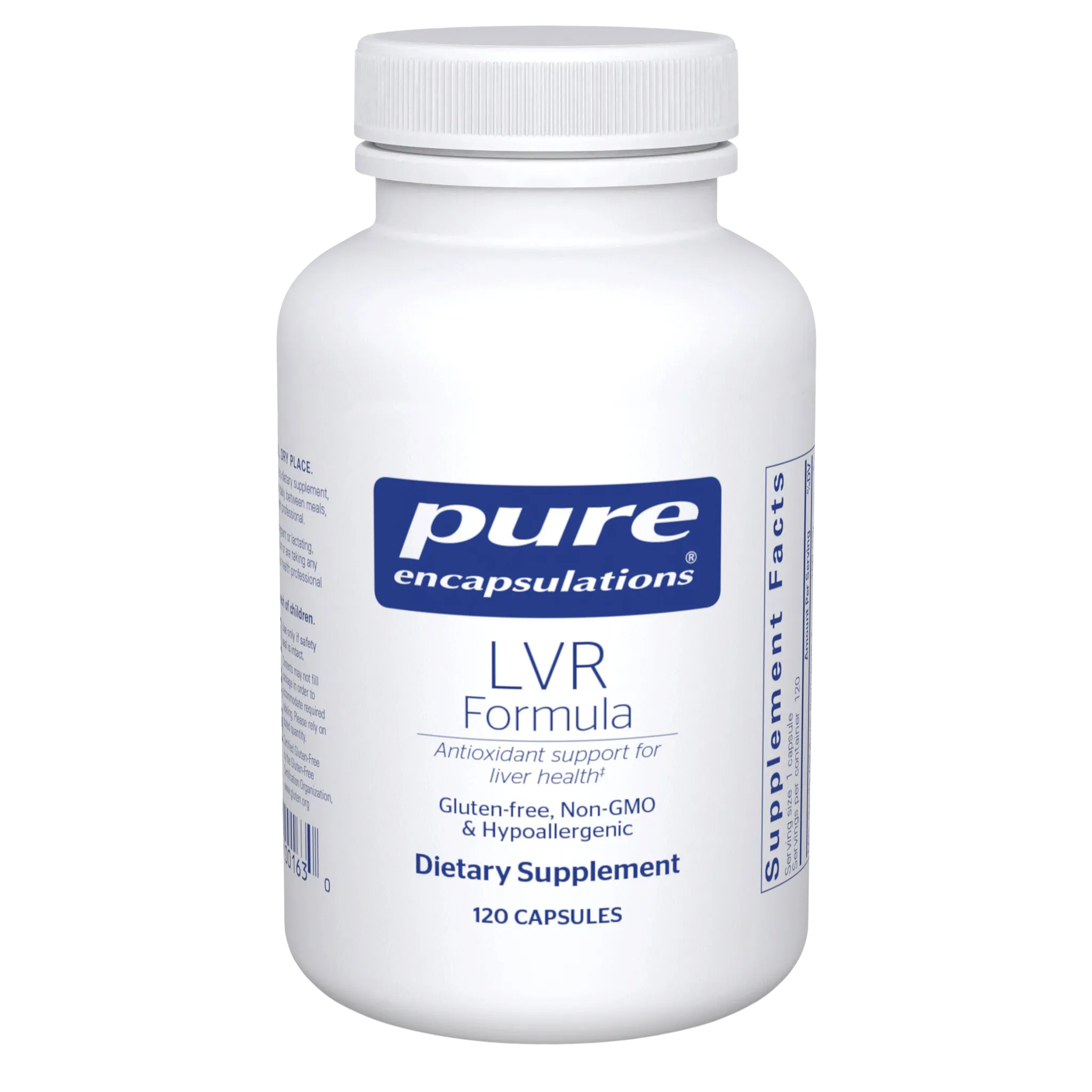
The liver is the body's primary metabolic engine and ultimate detoxification center. When it becomes overwhelmed by viral remnants, chronic inflammation, and severe oxidative stress, the entire body suffers the consequences. LVR Formula by Pure Encapsulations is a targeted, clinical-grade supplement designed specifically to support this vital organ. By combining potent botanical extracts like milk thistle, artichoke, and turmeric with powerful cellular antioxidants like N-acetyl-l-cysteine (NAC) and alpha-lipoic acid (ALA), this formula aims to restore the liver's natural detoxification pathways. In this comprehensive guide, we will explore the intricate biochemistry of liver function, how chronic illness disrupts it at a cellular level, and how the synergistic ingredients in LVR Formula may help you regain a measure of balance and vitality.
What is LVR Formula?
The Liver's Role in Systemic Health
The liver is an extraordinary and resilient organ, responsible for over 500 vital physiological functions. These include filtering the blood, synthesizing essential proteins, regulating glycogen storage, and producing the biochemicals necessary for digestion. In a healthy body, the liver acts as the ultimate gatekeeper, meticulously identifying and neutralizing endogenous waste products (created by normal cellular metabolism) and exogenous toxins (such as environmental pollutants, heavy metals, medications, and viral debris). This continuous filtration process is highly energy-dependent, requiring a massive amount of adenosine triphosphate (ATP) generated by the liver's dense network of mitochondria. When the liver is functioning optimally, it seamlessly clears these harmful substances from the bloodstream, preventing them from circulating and causing systemic damage to other organs, particularly the delicate tissues of the brain and cardiovascular system.
However, the liver is not just a passive mechanical filter; it is a highly active biochemical processing plant. To neutralize fat-soluble toxins—which are inherently dangerous because they can easily cross cell membranes and accumulate in fatty tissues, including the brain—the liver must chemically transform them into water-soluble compounds. This transformation allows the body to safely excrete the neutralized toxins through bile (which exits via the digestive tract) or urine (via the kidneys). This intricate, multi-step biotransformation process is the absolute cornerstone of human detoxification, and it relies heavily on a constant, uninterrupted supply of specific amino acids, vitamins, and potent endogenous antioxidants to function correctly. Without these nutritional building blocks, the entire system can quickly grind to a halt.
Phase I and Phase II Detoxification Pathways
The liver's detoxification system is primarily divided into two distinct, sequential phases: Phase I and Phase II. Phase I is governed by a large family of enzymes known as Cytochrome P450. These enzymes act as the first line of defense, using oxygen to modify toxic molecules, often making them more reactive in the short term. This intermediate stage is biologically perilous; the partially processed toxins (known as reactive intermediates) are frequently more dangerous, unstable, and toxic than the original substances. As these Cytochrome P450 enzymes work, they inherently generate a massive amount of highly reactive oxygen species (ROS) and free radicals, which can cause severe oxidative damage to the liver cells (hepatocytes) if they are not immediately neutralized by the body's antioxidant defenses.
This is exactly where Phase II detoxification becomes absolutely critical for survival. In Phase II, the liver utilizes various conjugation pathways—such as glucuronidation, sulfation, and, most importantly, glutathione conjugation—to bind a protective molecule to the dangerous reactive intermediate created in Phase I. By attaching this protective molecule, the liver neutralizes the toxin's reactivity and renders it highly water-soluble for safe excretion. Glutathione, a tripeptide composed of glutamine, glycine, and cysteine, is the undisputed "master antioxidant" of this phase. If Phase II pathways are sluggish due to nutrient deficiencies, or if glutathione stores become depleted from chronic illness, the highly reactive Phase I intermediates accumulate rapidly. This leads to a state of severe oxidative stress that can permanently damage cellular DNA, denature proteins, and destroy lipid membranes.
The Power of Synergistic Antioxidants
Maintaining the delicate, fast-paced balance between Phase I and Phase II detoxification requires a robust and continuous supply of dietary and synthesized antioxidants. LVR Formula is meticulously designed to provide this necessary support by delivering a comprehensive blend of well-researched botanical extracts and cellular antioxidants. The formula includes milk thistle (Silybum marianum) standardized to contain 80% silymarin, turmeric (Curcuma longa) standardized to 95% curcuminoids, and artichoke (Cynara scolymus) extract. These herbal components are intelligently combined with N-acetyl-l-cysteine (NAC) and alpha-lipoic acid (ALA), two of the most potent compounds known to modern science for supporting intracellular glutathione production and preserving mitochondrial health.
By combining these specific, highly targeted ingredients, LVR Formula offers multifaceted liver cell protection. It does not merely target one single biochemical pathway; instead, it provides the raw building blocks needed to synthesize fresh glutathione, delivers direct free-radical scavenging activity to protect against Phase I oxidative damage, and stimulates the genetic pathways responsible for regenerating healthy liver tissue. For individuals navigating the immense complexities of chronic illness, where systemic inflammation and oxidative stress are constant, daily battles, supporting the liver with this level of synergistic antioxidant protection can be a foundational step in managing symptoms, clearing brain fog, and promoting overall cellular recovery.
How Long COVID and ME/CFS Impact Liver Detoxification
Viral Overload and Glutathione Depletion
When the body is exposed to a severe viral insult, such as the SARS-CoV-2 virus, the immune system mounts a massive, systemic inflammatory response to neutralize the threat. This process, while entirely necessary for acute survival, generates an overwhelming amount of reactive oxygen species (ROS) and free radicals. To protect healthy tissues from this inflammatory crossfire, the body rapidly consumes its stores of glutathione, the master antioxidant heavily concentrated in the liver. In conditions like Long COVID, where viral remnants such as the spike protein may persist in tissues for months or years, this glutathione depletion becomes chronic and debilitating. Without adequate glutathione, the liver's Phase II detoxification pathways stall entirely, leaving the body unable to efficiently clear cellular debris, metabolic waste, and environmental toxins. If you are wondering what causes Long COVID, this persistent viral debris and subsequent antioxidant collapse is a major piece of the puzzle.
This chronic depletion of glutathione creates a vicious, self-perpetuating cycle of systemic toxicity and immune dysfunction. As the liver struggles to process the backlog of toxins, these harmful substances re-enter the bloodstream, triggering further immune activation and widespread inflammation. Recent clinical research highlights that oxidative stress is a shared characteristic of ME/CFS and Long COVID, with profound aberrations noted in ROS clearance pathways. Interestingly, these redox pathway changes show distinct sex-specific trends; females with ME/CFS often exhibit higher total ROS and mitochondrial calcium levels, while males demonstrate pronounced mitochondrial lipid oxidative damage. Regardless of sex, the overarching result is a liver that is biochemically exhausted and unable to perform its critical detoxification duties, contributing heavily to the systemic symptoms experienced by patients.
Mitochondrial Dysfunction and Oxidative Stress
The liver is an incredibly energy-demanding organ, relying on a vast network of mitochondria to produce the adenosine triphosphate (ATP) required for its continuous, rapid-fire metabolic processes. However, both Long COVID and ME/CFS are characterized by severe mitochondrial dysfunction, often referred to in medical literature as "bioenergetic failure." Viruses like SARS-CoV-2 can directly hijack mitochondrial machinery, causing these cellular powerhouses to produce massive amounts of mitochondrial ROS (mtROS) instead of usable ATP. This shift not only starves the liver of the energy it desperately needs to function but also subjects the hepatocytes to intense internal oxidative stress, leading to cellular damage and impaired protein synthesis. For patients asking how long does Long COVID last, this persistent mitochondrial damage is a key factor in the chronicity and severity of the illness.
The consequences of this mitochondrial hijacking extend far beyond the liver itself. When the liver cannot produce enough ATP to fuel its Phase I and Phase II detoxification pathways, the entire body's metabolic balance is violently disrupted. Elevated markers of oxidative damage, such as lipid peroxidation and protein carbonylation, are consistently found in the blood of patients with these post-viral syndromes. Furthermore, the reactivation of dormant viruses, such as Epstein-Barr Virus (EBV), which is frequently observed in ME/CFS and Long COVID, adds another massive layer of oxidative burden. Studies suggest that EBV-acquired immunodeficiency and viral reactivation further suppress the immune system and exacerbate the liver's struggle to maintain homeostasis, driving the profound fatigue and post-exertional malaise (PEM) that define these conditions. The question of whether Long COVID can trigger ME/CFS is heavily informed by this shared mitochondrial and hepatic dysfunction, providing a compelling mechanistic link between the two.
The Gut-Liver-Brain Axis and Neuroinflammation
The health of the liver is inextricably linked to the health of the gastrointestinal tract, a complex biological relationship known as the gut-liver axis. In complex chronic illnesses, severe gut dysbiosis—an imbalance of the microbiome characterized by a loss of beneficial, butyrate-producing bacteria and an overgrowth of pathogenic strains—is incredibly common. These dysbiotic bacteria ferment dietary amino acids into highly toxic metabolites, known as uremic toxins (such as p-cresol sulfate). In a healthy individual, the liver easily filters these uremic toxins from the portal vein blood before they can ever reach systemic circulation. However, in a patient with Long COVID or ME/CFS, whose liver is already overwhelmed by oxidative stress and glutathione depletion, these toxins easily bypass the liver's compromised defenses.
Once these neurotoxic metabolites escape the liver, they circulate systemically, promoting widespread endothelial dysfunction and vascular inflammation throughout the body. Crucially, these toxins can cross the blood-brain barrier, triggering the activation of microglial cells (the brain's resident immune cells) and leading to severe, intractable neuroinflammation. This gut-liver-brain axis dysfunction is a primary driver of the debilitating cognitive impairment, commonly referred to as "brain fog," and the autonomic nervous system dysregulation seen in dysautonomia and POTS. By supporting the liver's ability to process and eliminate these gut-derived toxins, therapies aimed at hepatic detoxification can have profound downstream effects on neurological health and cognitive clarity. Learning how you can live with long-term COVID often involves addressing this critical axis through targeted nutritional and medical support.
LVR Formula: Supporting Liver Health and Cellular Repair
Silymarin and Hepatocyte Regeneration
Silymarin, the primary active complex extracted from milk thistle, is one of the most extensively researched hepatoprotective compounds in modern medicine. At a cellular level, silymarin operates through several distinct mechanisms to shield the liver from damage. First, it acts as a cell membrane stabilizer. Silymarin physically alters the outer lipid membrane of hepatocytes (liver cells), creating a structural barricade that prevents exogenous toxins—ranging from heavy metals to viral debris—from penetrating and destroying the cell. This membrane-stabilizing effect is crucial for patients with chronic illness whose cells are constantly bombarded by inflammatory mediators and circulating toxins.
Beyond physical protection, silymarin actively stimulates liver regeneration. It does this by entering the nucleus of the hepatocyte and stimulating the action of an enzyme called RNA polymerase I. This stimulation leads to a significant increase in ribosomal RNA synthesis, which rapidly accelerates the production of structural and functional proteins. By boosting protein synthesis, silymarin allows the liver to repair damaged cells and replace destroyed hepatocytes with healthy new ones at an accelerated rate. Furthermore, clinical reviews on silymarin confirm its ability to significantly increase intracellular glutathione levels, directly supporting Phase II detoxification while neutralizing the oxidative stress generated during Phase I.
Curcumin's Dual Action on NF-κB and Nrf2
Curcumin, the primary bioactive compound found in turmeric, offers profound liver support through a highly sophisticated "two-pronged" molecular approach. First, it acts as a potent anti-inflammatory agent by inhibiting the Nuclear factor-kappa B (NF-κB) pathway. NF-κB is a transcription factor that, when activated by viral stress or cellular damage, travels to the cell nucleus and triggers the massive production of pro-inflammatory cytokines, such as TNF-α and IL-6. In chronic conditions like Long COVID and ME/CFS, this pathway is often stuck in the "on" position, driving systemic inflammation. Curcumin effectively blocks this pathway, preventing the progression of liver inflammation and reducing the overall inflammatory burden on the body.
Simultaneously, curcumin acts as a powerful antioxidant by activating the Nrf2 pathway. Nuclear factor erythroid 2-related factor 2 (Nrf2) is a transcription factor that induces the expression of the body's most critical antioxidant genes. Curcumin disrupts the KEAP1-Nrf2 interaction, allowing Nrf2 to enter the nucleus and upregulate detoxifying enzymes like Heme Oxygenase-1 (HO-1), Superoxide Dismutase (SOD), and Catalase. This dual action—shutting down inflammation via NF-κB while simultaneously boosting antioxidant defenses via Nrf2—makes curcumin an invaluable tool for protecting liver tissue from the relentless oxidative stress characteristic of post-viral syndromes.
Artichoke Extract and Matrix Metalloproteinases (MMPs)
Artichoke extract, and specifically its primary active flavonoid luteolin, plays a unique and critical role in preserving the structural integrity of the liver. Luteolin is highly regarded in clinical research for its ability to modulate and inhibit Matrix Metalloproteinases (MMPs). MMPs are a family of zinc-dependent enzymes responsible for degrading the extracellular matrix (ECM) during normal tissue remodeling. However, in a state of chronic inflammation and oxidative stress, these enzymes become hyperactive and dysregulated. This overactivity drives severe pathologies, including liver fibrosis (scarring) and the destruction of healthy hepatic tissue.
Research indicates that luteolin acts as a potent, broad-spectrum Matrix Metalloproteinase Inhibitor (MMPI). It directly inhibits the enzymatic activities of specific destructive enzymes, particularly MMP-2 and MMP-9, while also suppressing the upstream cellular signaling pathways (such as STAT3) that trigger their overproduction. By aggressively downregulating these destructive enzymes, luteolin halts fibrotic scarring and prevents the degradation of the liver's structural framework. This ensures that the liver remains pliable, healthy, and capable of maintaining optimal blood flow and detoxification capacity, even in the face of chronic systemic illness.
NAC, ALA, and the Glutathione Cycle
The inclusion of N-acetyl-l-cysteine (NAC) and alpha-lipoic acid (ALA) in LVR Formula creates a powerful synergy that directly targets the liver's glutathione cycle. As previously discussed, glutathione is the master antioxidant required for Phase II detoxification. However, the body cannot easily absorb oral glutathione intact. Instead, it must synthesize it internally. NAC is a stable, acetylated form of the amino acid L-cysteine. Cysteine is the "rate-limiting" amino acid in glutathione synthesis, meaning the body can only produce glutathione as fast as it receives cysteine. By supplementing with NAC, the body is provided with the exact, critical building block needed to rapidly synthesize fresh glutathione and restore depleted hepatic stores. You can explore more about this mechanism in our guide on how NAC supports detoxification in Long COVID.
While NAC directly builds new glutathione, ALA serves the crucial function of regenerating it. Once a glutathione molecule neutralizes a free radical, it becomes "oxidized" and inactive. ALA, a unique fatty acid that is both fat- and water-soluble, is able to enter every cell and mitochondria in the body to recycle this oxidized glutathione back into its "reduced," active form. Furthermore, ALA regenerates other key antioxidants, including vitamins C and E, creating a continuous, self-sustaining loop of antioxidant protection. Together, NAC and ALA ensure that the liver has both the raw materials to create glutathione and the mechanism to keep it constantly active, providing an impenetrable defense against viral-induced oxidative stress.

Symptoms LVR Formula May Help Manage
Targeting Systemic Inflammation and Fatigue
Because the liver is central to the body's metabolic and detoxification processes, supporting its function can have profound, systemic effects. When the liver is overwhelmed by oxidative stress and unable to clear toxins efficiently, the resulting systemic inflammation manifests in a wide array of debilitating symptoms. LVR Formula is designed to address the root cause of this toxic burden—hepatic oxidative stress and glutathione depletion—rather than merely masking the downstream symptoms. By restoring Phase II detoxification and neutralizing free radicals, the ingredients in this formula may help manage several of the most challenging aspects of complex chronic illness.
While LVR Formula is not a cure for Long COVID, ME/CFS, or dysautonomia, optimizing liver function is a critical component of a comprehensive management strategy. When the liver can successfully process and excrete viral debris, metabolic waste, and environmental toxins, the immune system is relieved of a massive burden. This reduction in systemic toxicity often translates to improvements in energy production, cognitive clarity, and overall inflammatory load. Below are specific symptoms that targeted liver and antioxidant support may help alleviate.
Specific Symptoms Addressed by Liver Support
Profound Fatigue and Low Energy: By providing ALA to support mitochondrial function and NAC to boost glutathione, LVR Formula helps protect the mitochondria from oxidative damage, allowing them to resume normal ATP (energy) production rather than being stuck in a defensive, ROS-generating state.
Cognitive Impairment (Brain Fog): When the liver efficiently clears neurotoxic uremic toxins (like those produced by gut dysbiosis), these metabolites can no longer cross the blood-brain barrier. This reduction in neuroinflammation directly supports clearer thinking, better memory retrieval, and improved focus.
Post-Exertional Malaise (PEM): PEM is heavily driven by an inability to clear metabolic waste (like lactic acid) and oxidative stress generated during exertion. By upregulating Phase II detoxification and antioxidant defenses, the body can clear these exertion-induced toxins more rapidly, potentially reducing the severity and duration of crashes.
Chemical and Environmental Sensitivities: Many patients with MCAS or ME/CFS develop severe sensitivities to smells, chemicals, or medications. This is often a direct result of sluggish Phase I and Phase II liver detox pathways. Supporting these pathways with silymarin and NAC helps the body process and eliminate these triggers before they can cause a severe immune reaction.
Systemic Joint and Muscle Pain: Chronic pain in post-viral syndromes is frequently linked to elevated pro-inflammatory cytokines (like TNF-α and IL-6). Curcumin's potent ability to inhibit the NF-κB pathway directly reduces the production of these pain-inducing inflammatory markers, offering natural support for joint and muscle comfort.
Digestive Issues and Nausea: The liver produces bile, which is essential for digestion and the excretion of toxins. Artichoke extract and silymarin are known to support healthy bile flow, which can improve digestion, reduce bloating, and help clear toxins from the gastrointestinal tract.
Practical Considerations: Forms, Dosing, and Absorption
Enhancing Bioavailability and Absorption
When utilizing botanical extracts and antioxidants for chronic illness, bioavailability—the amount of a substance that actually enters systemic circulation and reaches the target tissues—is a critical consideration. Many natural compounds, particularly curcumin and silymarin, are notoriously difficult for the body to absorb in their raw forms. They are often rapidly metabolized by the liver and excreted before they can exert their therapeutic effects. Pure Encapsulations formulates LVR Formula using highly standardized extracts to ensure a consistent, potent dose of the active compounds (such as 80% silymarin and 95% curcuminoids), maximizing the potential for clinical benefit.
To further enhance the absorption of these fat-soluble botanical extracts, it is often recommended to take LVR Formula alongside a meal that contains healthy fats, such as avocado, olive oil, or nuts. The presence of dietary fat stimulates the release of bile from the gallbladder, which acts as a natural emulsifier, significantly increasing the intestinal absorption of curcumin, silymarin, and luteolin. Additionally, alpha-lipoic acid (ALA) is unique in that it is both water- and fat-soluble, allowing it to be absorbed efficiently and cross cellular membranes, including the blood-brain barrier, with relative ease.
Timing and Dosage Strategies
The suggested use for LVR Formula is to take 1 capsule, 2 times daily, ideally between meals, or as directed by your healthcare professional. Taking the supplement in divided doses (e.g., once in the morning and once in the afternoon) is highly beneficial for maintaining a steady, continuous level of antioxidants and glutathione precursors in the bloodstream throughout the day. Because the liver is constantly filtering blood and neutralizing toxins 24/7, providing it with a steady stream of support prevents the "peaks and valleys" in antioxidant protection that can occur with a single, massive daily dose.
For patients with severe chronic fatigue or ME/CFS, it is generally advised to avoid taking activating antioxidants like ALA too close to bedtime, as the boost in mitochondrial energy production might interfere with sleep onset. Furthermore, consistency is key. The process of regenerating liver tissue, restoring severely depleted glutathione stores, and downregulating chronic inflammatory pathways takes time. Most clinical trials evaluating silymarin, curcumin, or NAC for liver health and systemic inflammation run for a minimum of 8 to 12 weeks before significant, measurable changes in biomarkers or symptom severity are fully realized.
Safety, Contraindications, and Potential Interactions
While the ingredients in LVR Formula are generally well-tolerated and have robust safety profiles, patients with complex chronic illnesses must always approach new supplements with caution. Because this formula actively upregulates liver detoxification pathways, it can alter the speed at which the body metabolizes certain prescription medications. For example, silymarin and curcumin can mildly inhibit or induce specific Cytochrome P450 enzymes (Phase I detox). If you are taking medications with a narrow therapeutic index, such as blood thinners, immunosuppressants, or certain cardiovascular drugs, this could potentially affect their blood levels.
Additionally, alpha-lipoic acid (ALA) is known to improve insulin sensitivity and can lower blood sugar levels. Patients taking medications for diabetes or insulin resistance should monitor their blood glucose closely to prevent hypoglycemia. Furthermore, because artichoke extract stimulates bile flow, individuals with active gallstones or biliary tract obstructions should consult their doctor before using supplements containing this ingredient. Always discuss any new supplement regimen with your primary care provider or specialist, especially when managing interconnected conditions like Long COVID, to ensure it safely complements your existing treatment plan.
Follow the Science
Clinical Evidence for Silymarin and Curcumin
The scientific community has extensively documented the therapeutic efficacy of the ingredients found in LVR Formula, particularly in the context of oxidative stress and hepatic dysfunction. A landmark double-blind, placebo-controlled trial evaluating silymarin in patients with chronic liver disease demonstrated its profound ability to restore antioxidant defense systems. The study found that long-term silymarin supplementation led to dramatic, statistically significant increases in superoxide dismutase (SOD) activity and glutathione peroxidase activity compared to the placebo group. Furthermore, research on silymarin's pharmacological spectrum confirms its role in lowering elevated liver enzymes (ALT and AST) and acting as a protective agent against acute, stress-induced hepatic damage.
Similarly, curcumin has been the subject of rigorous clinical evaluation. A pivotal 12-week randomized, placebo-controlled clinical trial published in BMC Gastroenterology specifically evaluated curcumin's effect on the inflammatory NF-κB pathway in patients with metabolic liver disease. The researchers found that a daily dose of curcumin was associated with a statistically significant decrease in hepatic fibrosis ($p < 0.001$) and a marked reduction in NF-κB activity in peripheral blood mononuclear cells. Additional meta-analyses have shown that curcumin supplementation significantly lowers Malondialdehyde (MDA)—a primary biomarker for oxidative stress and lipid peroxidation—by up to 29.5%, proving its potent ability to neutralize the exact type of cellular damage seen in Long COVID and ME/CFS.
NAC and ALA in Chronic Illness Models
The combination of N-acetylcysteine (NAC) and alpha-lipoic acid (ALA) is heavily supported by clinical data regarding glutathione synthesis and mitochondrial repair. In a notable randomized, placebo-controlled trial known as the VAIN Trial, researchers evaluated the effects of ALA in patients with nonalcoholic fatty liver disease. The study found that treatment with ALA significantly improved inflammatory cytokine levels, decreased hepatic steatosis scores, and improved insulin resistance compared to the baseline and placebo groups. This demonstrates ALA's ability to fundamentally alter the metabolic and inflammatory environment of the liver.
Furthermore, the use of NAC as a direct precursor to glutathione is a globally accepted medical standard. Beyond its use in acute liver toxicity, recent studies have explored its application in post-viral syndromes. Research indicates that CD8 T-cell dysfunction in Long COVID and ME/CFS is deeply tied to oxidative stress, and that treatment with multi-ingredient antioxidant agents (including glutathione precursors) can lead to a parallel increase in healthy immune function and a significant ~54% reduction in self-reported symptom severity. By providing the exact amino acid required for glutathione synthesis, NAC directly addresses the core antioxidant depletion that drives these complex conditions.
Luteolin's Role in Tissue Preservation
The clinical relevance of artichoke extract is largely driven by its high concentration of luteolin, a potent flavonoid with specific anti-fibrotic properties. In vitro and in vivo studies have consistently demonstrated that luteolin acts as a broad-spectrum Matrix Metalloproteinase Inhibitor (MMPI). Specifically, research shows that luteolin directly inhibits the enzymatic activities of MMP-2 and MMP-9, enzymes that degrade the extracellular matrix and promote tissue scarring when hyperactive. By suppressing the STAT3 pathway, luteolin significantly decreases transforming growth factor-beta (TGF-ß)-induced levels of fibronectin and reduces the deposition of collagen I, effectively halting fibrotic scarring and preserving the structural integrity of the liver tissue amidst chronic inflammatory stress.
The Path Forward
A Comprehensive Approach to Recovery
Living with a complex chronic illness like Long COVID, ME/CFS, or dysautonomia is an arduous and often overwhelming journey. The sheer unpredictability of symptoms—from crushing fatigue to severe cognitive impairment—can leave you feeling disconnected from your own body. It is vital to remember that these symptoms are not in your head; they are the result of profound, measurable physiological disruptions, including severe oxidative stress, mitochondrial dysfunction, and an overwhelmed hepatic detoxification system. Validating the biological reality of your illness is the first, most crucial step toward finding effective management strategies.
While no single supplement can act as a magic cure for these deeply entrenched conditions, targeted nutritional support is a powerful tool in your recovery arsenal. By supplying your body with the specific antioxidants, botanical extracts, and amino acids found in LVR Formula, you are directly supporting your liver's ability to neutralize toxins, clear viral debris, and regenerate healthy tissue. However, this biological support must be paired with a comprehensive management plan that includes aggressive resting, meticulous pacing to avoid post-exertional malaise, nervous system regulation, and a nutrient-dense diet. Healing is a multifaceted process that requires patience, consistency, and a deep respect for your body's current limitations.
Partnering with Your Healthcare Provider
Because the mechanisms of Long COVID and ME/CFS are incredibly complex and highly individualized, it is essential to partner with a healthcare provider who understands the nuances of post-viral syndromes and functional medicine. Before introducing any new supplement, including LVR Formula, into your regimen, consult with your medical team. They can help you navigate potential drug interactions, determine the optimal dosage for your specific metabolic needs, and monitor your progress through appropriate biomarker testing. If you are unsure how a doctor diagnoses Long COVID or evaluates liver function, a knowledgeable provider can guide you through the necessary functional labs.
If you and your healthcare provider determine that supporting your liver's detoxification pathways and boosting your intracellular glutathione levels is the right next step for your health journey, you can Explore LVR Formula to learn more about how this specific, clinical-grade blend of silymarin, curcumin, artichoke extract, NAC, and ALA can support your cellular recovery and help you regain a better quality of life.
Sources
Oxidative stress is a shared characteristic of ME/CFS and Long COVID
Silymarin as Supportive Treatment in Liver Diseases: A Narrative Review
Curcumin: A Natural Warrior Against Inflammatory Liver Diseases
A Review of Dietary (Phyto)Nutrients for Glutathione Support
Effect of Vitamin E and Alpha Lipoic Acid in Nonalcoholic Fatty Liver Disease (VAIN Trial)