Can Liver G.I. Detox Support Phase 2 Detoxification in Long COVID and ME/CFS?
March 5, 2026
Liver G.I. DetoxLong COVIDME/CFS
Share:
Disclaimer: The information provided here is for educational purposes only and is not intended as medical advice. It should not be used to diagnose, treat, cure, or prevent any medical condition. Instead, use it as a starting point for discussion with your healthcare provider. Always consult with a qualified healthcare provider before starting any new medication, supplement, device, or making changes to your health regimen.
Months or even years after an initial viral infection or the onset of a complex chronic illness, many patients find themselves trapped in a relentless cycle of debilitating symptoms. Profound fatigue, unpredictable crashes, severe brain fog, and sudden chemical sensitivities can make navigating daily life feel like an insurmountable challenge. For individuals living with Long COVID, myalgic encephalomyelitis/chronic fatigue syndrome (ME/CFS), dysautonomia, and mast cell activation syndrome (MCAS), these symptoms are not merely the result of being "tired"—they are the clinical manifestations of deep, systemic physiological dysfunction. One of the most critical, yet frequently overlooked, areas of this dysfunction lies within the body's natural detoxification pathways and the intricate relationship between the liver and the gastrointestinal tract.
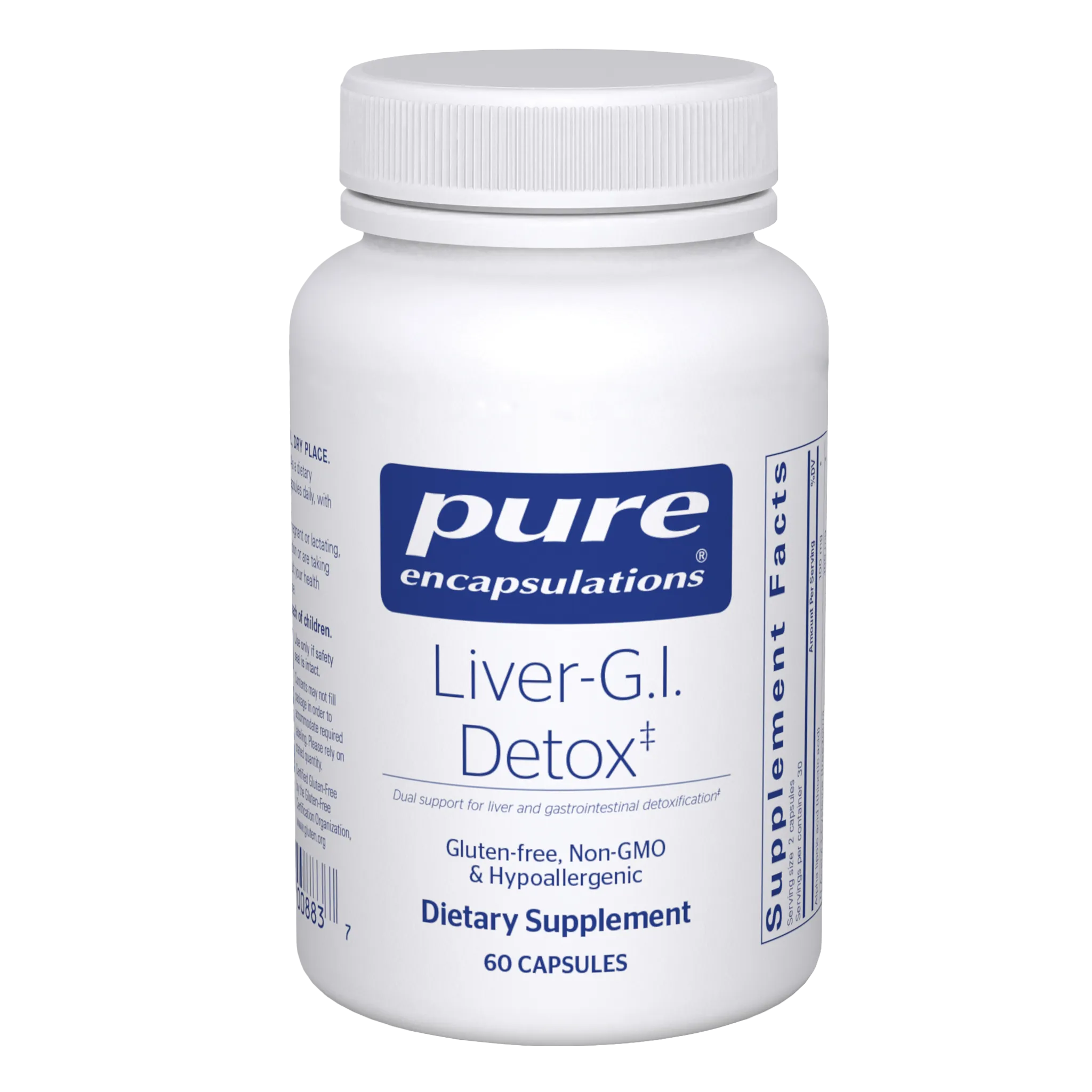
When the body is bombarded by persistent viral remnants, chronic systemic inflammation, and severe oxidative stress, the liver's intricate filtration system can become overwhelmed and backlogged. This metabolic gridlock allows neurotoxic metabolites and reactive oxygen species to circulate freely, damaging mitochondrial DNA, degrading the intestinal barrier, and triggering widespread neuroimmune exhaustion. Addressing this biochemical bottleneck requires more than just rest; it requires targeted, scientifically grounded nutritional support to repair cellular machinery and restore the body's innate clearance mechanisms. This is where comprehensive formulations like Liver G.I. Detox by Pure Encapsulations come into play, offering a synergistic blend of amino acids, potent antioxidants, and herbal extracts designed to upregulate Phase 2 detoxification, seal the gut lining, and support mitochondrial energy production.
TL;DR
Liver G.I. Detox supports natural clearance pathways, which may be overwhelmed in complex chronic illnesses.
Ingredients like sulforaphane and silymarin help upregulate Phase 2 detoxification and protect against oxidative stress.
L-glutamine and alpha-lipoic acid support gut barrier integrity and mitochondrial energy production.
Always consult your healthcare provider before starting new supplements to avoid symptom flares or medication interactions.
What is Liver G.I. Detox?
The Anatomy of Phase 2 Detoxification
The liver serves as the body's primary filtration and waste management system, tasked with neutralizing both endogenous metabolic byproducts and exogenous environmental toxins. This highly intricate detoxification process is generally divided into two distinct, sequential phases that must work in perfect biochemical harmony to prevent cellular damage. Phase 1, governed primarily by the cytochrome P450 family of enzymes, involves the initial modification of toxins through oxidation, reduction, or hydrolysis. However, this crucial first step often converts relatively benign, fat-soluble substances into highly reactive, volatile intermediate metabolites that are actually far more toxic and damaging than the original compounds.
To prevent these newly formed reactive oxygen species (ROS) from destroying delicate cellular machinery and mitochondrial membranes, the body relies heavily on Phase 2 detoxification, commonly known as the conjugation phase. During Phase 2, specific transferase enzymes attach (or conjugate) water-soluble molecules—such as glutathione, sulfate, glucuronic acid, or glycine—to these highly reactive intermediates. This conjugation process effectively neutralizes the volatile toxins, transforming them into harmless, water-soluble compounds that can then be safely excreted from the body via bile (through the gastrointestinal tract) or urine (through the kidneys). When Phase 2 pathways are adequately supplied with their required amino acid and nutrient cofactors, the body can efficiently clear the toxic burden without triggering systemic inflammation.
The Role of the Nrf2 Master Regulator
At the genetic and molecular level, the efficiency and capacity of Phase 2 detoxification are largely controlled by a transcription factor known as Nuclear factor erythroid 2-related factor 2, commonly referred to as the Nrf2 pathway. Nrf2 acts as the master regulator of the body's cellular defense mechanisms and redox status, constantly monitoring the internal intracellular environment for signs of dangerous oxidative stress. Under normal, healthy conditions, Nrf2 is tethered in the cell's cytoplasm by a repressor protein called Keap1, which keeps it inactive and prevents unnecessary genetic transcription until a legitimate threat is detected by the cell.
When severe oxidative stress occurs, or when specific bioactive phytochemicals interact with the Keap1 protein, it changes shape and releases Nrf2, allowing this critical transcription factor to translocate directly into the cell nucleus. Once inside the nucleus, Nrf2 binds to specific DNA sequences known as the Antioxidant Response Element (ARE). This binding event triggers the rapid, widespread transcription of a vast battery of cytoprotective and Phase 2 detoxification enzymes, including glutathione S-transferases (GSTs), NAD(P)H quinone oxidoreductase 1 (NQO1), and heme oxygenase-1 (HO-1). By activating the Nrf2 pathway, the body can naturally upregulate its own endogenous antioxidant defenses, providing a massive shield against the cellular damage that drives complex chronic illness.
The Gut-Liver Axis and Toxin Clearance
Detoxification does not occur solely within the isolated tissue of the liver; it is deeply and inextricably intertwined with the gastrointestinal system through a bidirectional communication network known as the gut-liver axis. The intestinal epithelial barrier serves as the body's first line of defense, consisting of a single, microscopic layer of enterocytes that are tightly sealed together by complex protein structures called tight junctions. When this intestinal barrier is healthy and functioning optimally, it selectively absorbs vital dietary nutrients and water while strictly blocking the passage of pathogenic bacteria, undigested food antigens, and toxic lipopolysaccharides (LPS) into the portal vein, which leads directly to the liver.
If the delicate intestinal barrier becomes degraded or overly permeable—a clinical condition often referred to colloquially as "leaky gut"—a continuous flood of endotoxins and microbial debris escapes the digestive tract and enters systemic circulation. This endotoxemia places an overwhelming, relentless burden on the liver's Kupffer cells (specialized hepatic macrophages) and the Phase 2 detoxification pathways, forcing them to constantly process gut-derived toxins rather than clearing normal metabolic waste. Therefore, any comprehensive, effective detoxification support strategy must simultaneously address both hepatic enzyme function and the structural integrity of the gastrointestinal lining to truly break the cycle of chronic systemic toxicity.
How Long COVID and ME/CFS Impact Detoxification
Viral Persistence and Glutathione Depletion
In post-viral conditions like Long COVID, the persistent presence of viral remnants, such as the SARS-CoV-2 spike protein, places massive, unrelenting demands on the body's endogenous antioxidant defense systems. Recent clinical research into post-COVID endothelial dysfunction has demonstrated that female patients often exhibit profoundly altered free radical homeostasis and severe oxidative stress up to 12 months post-infection. This chronic, low-grade viral immune engagement triggers the continuous production of reactive oxygen species (ROS), which rapidly exhausts the body's intracellular stores of glutathione, the master antioxidant absolutely required for the Phase 2 glutathione conjugation pathway to function.
When exploring What Causes Long COVID?, it becomes increasingly clear that this severe, systemic glutathione depletion leaves the vascular endothelium, delicate neural tissues, and mitochondrial membranes highly vulnerable to unchecked lipid peroxidation and ongoing inflammatory damage. Without adequate levels of glutathione available for conjugation, the liver simply cannot bind and clear the toxic, reactive byproducts generated by this chronic immune war. This results in a state of systemic toxicity, where circulating inflammatory cytokines and un-neutralized metabolic waste cross the blood-brain barrier, directly contributing to the profound neuroimmune exhaustion and debilitating brain fog reported by so many patients.
The Phase 1 and Phase 2 Mismatch in ME/CFS
For individuals living with myalgic encephalomyelitis/chronic fatigue syndrome (ME/CFS), the inability to efficiently process and eliminate toxic metabolites is believed to be a central, driving mechanism of their debilitating symptoms and post-exertional malaise (PEM). Many patients with ME/CFS possess specific genetic polymorphisms (SNPs) or acquired metabolic dysfunctions that result in a highly active, rapid Phase 1 detoxification process, but a severely sluggish, nutrient-depleted Phase 2.
This dangerous mismatch creates a biochemical bottleneck where highly reactive, volatile Phase 1 intermediates are produced faster than Phase 2 can neutralize them, leading to a massive buildup of toxins in the tissues that directly damage mitochondrial DNA and impair ATP production. This specific biochemical gridlock is exactly why many patients with complex chronic illnesses experience severe "die-off" or Herxheimer reactions when attempting traditional, aggressive detox protocols (like juice cleanses or fasting). These aggressive methods inappropriately upregulate Phase 1 enzymes without providing the necessary amino acid substrates and antioxidant cofactors required by Phase 2, causing toxins to simply recirculate and drastically worsen the patient's baseline symptoms.
Intestinal Permeability and the Inflammatory Cascade
The pathophysiology of complex chronic illness is further complicated and exacerbated by severe gastrointestinal dysfunction, most frequently manifesting as increased intestinal permeability or "leaky gut." Chronic physiological stress, systemic inflammation, dysautonomia-driven reduced blood flow to the gut, and persistent viral infections can rapidly degrade the vital tight junction proteins (such as zonulin, claudin, and occludin) that keep the intestinal lining tightly sealed. When these junctions fail, lipopolysaccharides (LPS)—toxic structural components of gram-negative bacteria—leak out of the digestive tract and directly into systemic circulation, causing widespread endotoxemia.
This endotoxemia immediately triggers the toll-like receptors (TLRs) located on the surface of circulating immune cells, forcefully activating the NF-κB (Nuclear Factor kappa B) signaling pathway, which is responsible for churning out massive amounts of pro-inflammatory cytokines like TNF-α and IL-6. This constant, unrelenting influx of gut-derived toxins forces the liver to work overtime, diverting vital cellular energy and precious antioxidant resources away from routine cellular repair and mitochondrial ATP production. When considering Can Long COVID Trigger ME/CFS? Unraveling the Connection, this shared, overlapping mechanism of gut-driven systemic inflammation and subsequent hepatic detoxification failure is a critical piece of the diagnostic and therapeutic puzzle.
Liver G.I. Detox: Supporting Cellular Repair and Clearance
Sulforaphane and Nrf2 Pathway Activation
One of the most potent and scientifically validated ingredients in Liver G.I. Detox is sulforaphane, a highly bioactive isothiocyanate compound derived from broccoli sprout concentrate. Sulforaphane is widely regarded in clinical literature as one of the most powerful naturally occurring inducers of the Keap1/Nrf2 pathway. When ingested, sulforaphane directly interacts with the Keap1 repressor protein, causing it to release the Nrf2 transcription factor, which then travels into the cell nucleus to bind with the Antioxidant Response Element (ARE). This crucial binding event triggers a massive upregulation in the genetic expression of Phase 2 detoxification enzymes, fundamentally shifting the cell from a state of vulnerability to a state of active, robust defense.
Comprehensive analyses of clinical trials have demonstrated that sulforaphane's ability to activate the Nrf2 pathway drastically enhances the body's capacity to neutralize reactive oxygen species and clear environmental toxins. Unlike direct antioxidants (like vitamin C), which are consumed and destroyed after neutralizing a single free radical, sulforaphane acts as an indirect antioxidant by turning on the cellular machinery that continuously produces endogenous antioxidants for days after ingestion. This sustained, powerful induction of Phase 2 enzymes is particularly vital for patients with Long COVID and ME/CFS, whose baseline antioxidant defenses have been severely depleted by chronic viral persistence and unrelenting neuroinflammation.
Silymarin and Hepatic Membrane Stabilization
Silymarin, the highly active extract derived from the seeds of the milk thistle plant (Silybum marianum), is a complex of flavonolignans that has been extensively studied for its profound hepatoprotective (liver-protecting) properties. Its primary and most biologically active component, silybin, protects the liver through several interconnected biological mechanisms, with its potent antioxidant capacity being the most prominent. Silymarin acts as a direct free radical scavenger, physically neutralizing harmful oxidative byproducts before they can inflict damage on delicate liver cells (hepatocytes), while simultaneously preventing the depletion of intracellular glutathione, the body's master antioxidant.
Beyond its antioxidant capabilities, silymarin physically stabilizes hepatocyte cell membranes, inhibiting the process of lipid peroxidation and preventing circulating toxins from penetrating and destroying the cells. Furthermore, clinical trials evaluating silymarin have shown that it possesses significant anti-inflammatory and antifibrotic properties, actively inhibiting the activation of hepatic stellate cells—the primary cells responsible for depositing collagen and causing irreversible liver scarring (fibrosis). By modulating inflammatory pathways and reducing the production of pro-inflammatory cytokines like TNF-α, silymarin provides a crucial shield for the liver as it processes the heavy toxic burden associated with complex chronic illnesses.
L-Glutamine and Tight Junction Restoration
L-glutamine is the most abundant free amino acid in the human body and plays an absolutely foundational, non-negotiable role in maintaining gastrointestinal health and structural integrity. Unlike most organs in the body that rely primarily on glucose for energy, the rapidly dividing epithelial cells lining the intestines (enterocytes) use L-glutamine as their primary metabolic fuel. During times of severe metabolic stress, chronic infection, or systemic inflammation, the body's demand for L-glutamine rapidly outpaces its natural supply, leading to the degradation of the intestinal barrier and the onset of severe "leaky gut" syndrome.
Supplementing with L-glutamine directly addresses this deficit by promoting enterocyte proliferation and actively upregulating the genetic expression of vital tight junction proteins, specifically Claudin-1, Claudin-4, Occludin, and Zonula Occludens (ZO-1). Recent meta-analyses on intestinal permeability have confirmed that L-glutamine supplementation significantly reduces gut permeability by repairing these structural proteins and physically sealing the gaps between cells. Furthermore, L-glutamine actively suppresses the inflammatory NF-κB signaling pathway, halting the vicious cascade of systemic inflammation that originates in the gut and drives the severe, unpredictable symptom flares seen in dysautonomia and MCAS.
Alpha Lipoic Acid and Mitochondrial Biogenesis
Alpha-lipoic acid (ALA) is a unique, broad-spectrum antioxidant that functions seamlessly in both aqueous (water) and lipid (fat) environments, allowing it to penetrate every single part of the cell, including the highly selective and heavily guarded mitochondrial matrix. Within the mitochondria, ALA serves as a crucial prosthetic group—a non-protein coenzyme—that is covalently bound to multienzyme complexes. It is absolutely essential for the proper function of pyruvate dehydrogenase and alpha-ketoglutarate dehydrogenase, the specific enzymes responsible for breaking down carbohydrates and amino acids to feed the Krebs cycle and generate adenosine triphosphate (ATP), the body's primary energy currency.
By ensuring these critical enzymatic pathways remain unblocked and functional, ALA directly supports the restoration of baseline cellular energy in conditions like Alzheimer's disease, a mechanism that may also benefit post-viral syndromes. Furthermore, ALA acts as a powerful, dynamic recycling agent; once it neutralizes a dangerous free radical, it has the unique ability to regenerate and restore other depleted endogenous antioxidants, including Coenzyme Q10, glutathione, and vitamins C and E. This synergistic action, combined with the inclusion of N-acetyl-l-cysteine (NAC)—which provides the rate-limiting amino acid required for glutathione synthesis—creates a profound, multi-layered defense system that shields mitochondrial DNA from ongoing lipid peroxidation. For more information on this specific mechanism, you can explore Can NAC Support Detoxification and Respiratory Health in Long COVID and ME/CFS?.
Chlorella and Heavy Metal Biosorption
Chlorella, a nutrient-dense, freshwater green microalgae, is widely researched and celebrated for its profound ability to bind heavy metals and support the body's natural, endogenous detoxification processes. Its remarkable efficacy is closely tied to its unique cell wall composition, which is rich in specific polysaccharides and functional groups that act like a microscopic sponge. This structure allows chlorella to physically bind (chelate) toxic heavy metal ions—such as lead, mercury, and cadmium—directly within the gastrointestinal tract through a process known as biosorption, preventing these dangerous neurotoxins from being absorbed through the intestinal lining and into the bloodstream.
In addition to physical biosorption, animal studies evaluating chlorella have shown that exposure to heavy metals induces the algae to produce specialized metal-binding proteins, such as metallothionein-like proteins and phytochelatins. These short, cysteine-rich peptides have an incredibly high affinity for toxic heavy metals, forming a secure, stable complex that facilitates their safe excretion via the digestive tract. By binding these metals in the gut before they can trigger systemic inflammation or disrupt the delicate gut microbiome, chlorella acts as a vital protective barrier, supporting proper digestion and drastically reducing the toxic burden placed on the liver's Phase 2 pathways.

Symptoms Liver G.I. Detox May Help Manage
Systemic and Cognitive Symptoms
By upregulating Phase 2 detoxification pathways, repairing the intestinal barrier, and providing critical antioxidant support to the mitochondria, Liver G.I. Detox targets the underlying biochemical dysfunctions that drive many of the most debilitating symptoms of complex chronic illness. Patients may find support for the following systemic and cognitive issues:
Debilitating Brain Fog and Cognitive Dysfunction: By supporting the efficient clearance of neurotoxic metabolites and reducing systemic neuroinflammation, ingredients like sulforaphane and ALA help protect delicate neural tissues from oxidative damage, potentially improving mental clarity and focus.
Post-Exertional Malaise (PEM) and Severe Fatigue: By providing alpha-lipoic acid as a crucial enzymatic cofactor for mitochondrial ATP production, this formula helps restore baseline cellular energy, reducing the severity of energy crashes and supporting better stamina.
Chemical and Environmental Sensitivities: By directly upregulating the Phase 2 conjugation pathways (specifically glutathione synthesis via NAC), the liver becomes better equipped to process and neutralize everyday environmental toxins, potentially reducing hypersensitivity reactions.
Gastrointestinal and Inflammatory Symptoms
The gut-liver axis plays a massive role in regulating systemic inflammation and immune responses. By targeting both ends of this axis, Liver G.I. Detox may help manage a variety of physical and gastrointestinal complaints:
Gastrointestinal Distress, Bloating, and Food Intolerances: L-glutamine serves as the primary metabolic fuel for enterocytes, actively repairing tight junction proteins to seal a "leaky gut," which can drastically reduce bloating, pain, and reactions to specific foods.
Joint Pain and Systemic Inflammation: The potent combination of curcumin (turmeric extract) and silymarin actively modulates and suppresses the NF-κB inflammatory signaling pathway, helping to lower circulating pro-inflammatory cytokines that cause widespread joint and muscle pain.
Unpredictable Symptom Flares: When patients ask Do Long COVID Symptoms Come and Go?, the answer is often tied to the body's fluctuating toxic burden. By stabilizing the gut barrier and ensuring steady Phase 2 clearance, this formula helps prevent the sudden endotoxemia that triggers massive, unpredictable symptom flares.
Practical Considerations: Forms, Dosing, and Absorption
Bioavailability and Synergistic Ingredients
When utilizing complex nutritional formulas like Liver G.I. Detox, understanding the bioavailability and synergistic interactions of the ingredients is crucial for achieving optimal clinical outcomes. For example, the bioavailability of sulforaphane is highly dependent on the presence of the myrosinase enzyme; by utilizing a high-quality broccoli sprout concentrate, this formula ensures that the precursor glucoraphanin is efficiently converted into active, highly absorbable sulforaphane within the digestive tract. Similarly, alpha-lipoic acid (ALA) is uniquely both water- and fat-soluble, allowing it to easily cross the blood-brain barrier and penetrate mitochondrial membranes, ensuring that its powerful antioxidant effects reach the deepest, most vulnerable cellular structures.
The true power of this specific formulation lies in its carefully engineered synergy. Rather than relying on a single mechanism, it provides a comprehensive, multi-pathway approach. N-acetyl-l-cysteine (NAC) provides the essential, rate-limiting amino acid (cysteine) required to build glutathione, while silymarin works simultaneously to prevent that newly synthesized glutathione from being prematurely depleted by oxidative stress. Meanwhile, the inclusion of specific amino acids like taurine, glycine, and methionine ensures that the liver's Phase 2 conjugation pathways have the exact chemical substrates they need to bind and excrete the toxins that the antioxidants have neutralized, preventing dangerous biochemical bottlenecks.
Timing and Dietary Interactions
To maximize absorption and minimize the potential for gastrointestinal upset, it is generally recommended to take Liver G.I. Detox with a meal that contains a moderate amount of healthy fats. Because ingredients like curcumin (turmeric extract) and silymarin are highly lipophilic (fat-soluble), the presence of dietary fat in the digestive tract significantly enhances their absorption across the intestinal lining and into systemic circulation. Taking the supplement with food also helps to buffer the highly concentrated herbal extracts, reducing the likelihood of mild nausea or bloating that some sensitive patients may experience when taking powerful antioxidants on an empty stomach.
Consistency and timing are also key factors in supporting chronic detoxification pathways. Because the half-life of many of these antioxidants (like ALA and NAC) is relatively short, splitting the suggested daily dose (e.g., taking one capsule in the morning with breakfast and one in the evening with dinner) can help maintain a steady, continuous level of Phase 2 enzymatic support throughout the entire day and night. It is important to remember that repairing mitochondrial dysfunction and sealing a severely degraded intestinal barrier takes time; most clinical studies suggest that patients should commit to a consistent supplementation protocol for at least 8 to 12 weeks before expecting to see significant, lasting improvements in baseline fatigue or cognitive function.
Safety, Herxheimer Reactions, and Contraindications
While Liver G.I. Detox is formulated with exceptionally safe, well-researched ingredients, patients with complex chronic illnesses like ME/CFS and Long COVID often have highly sensitive, easily overwhelmed nervous and metabolic systems. When initiating any comprehensive detoxification support, there is a risk of experiencing a Herxheimer reaction (often called a "die-off" reaction or a detox crash). This occurs when the supplement successfully mobilizes stored toxins or rapidly upregulates Phase 1 enzymes, but the body's Phase 2 pathways or elimination organs (bowels, kidneys) are too sluggish to excrete them quickly enough. To mitigate this risk, patients should always "start low and go slow," perhaps beginning with just one capsule every other day and gradually titrating up to the full suggested dose as tolerated, while ensuring they are drinking plenty of filtered water to flush the kidneys.
Additionally, because silymarin and other herbal extracts in this formula are actively metabolized by the liver, they can mildly inhibit or induce specific cytochrome P450 enzymes. This means they have the potential to interact with certain prescription medications, altering how quickly those drugs are cleared from the bloodstream. Patients taking blood thinners (like warfarin), specific immunosuppressants, or medications with a narrow therapeutic index should exercise caution. As always, it is absolutely imperative to consult with a knowledgeable healthcare provider or functional medicine specialist before adding Liver G.I. Detox to your regimen, ensuring it is safe and appropriate for your unique clinical presentation and current medication list.

Follow the Science
Clinical Evidence on Sulforaphane and Oxidative Stress
The scientific literature surrounding sulforaphane's ability to activate the Nrf2 pathway and upregulate Phase 2 detoxification is extensive and highly compelling. Because sulforaphane enhances the enzymes that detoxify severe environmental carcinogens and reactive oxygen species, it has been heavily studied in clinical trials for cellular protection. A randomized, double-blind Phase II clinical trial evaluated 43 individuals with high levels of systemic oxidative stress and cellular damage. The participants were given a daily dose of 95 μmol of sulforaphane for 12 months.
The results of this rigorous trial were striking. Researchers measured the Ki-67 index, a highly specific cellular marker for abnormal, rapid cell proliferation and a surrogate endpoint for severe oxidative damage. The group receiving the daily sulforaphane intervention saw a statistically significant 20% decrease in their Ki-67 index, indicating a massive reduction in cellular stress and abnormal proliferation. In stark contrast, the placebo group experienced a 65% increase in this marker over the same period. This data clearly demonstrates sulforaphane's profound, measurable ability to protect cellular integrity and halt the progression of oxidative damage at the genetic level.
Alpha Lipoic Acid and Post-Viral Fatigue
The application of mitochondrial antioxidants for post-viral syndromes has gained significant traction, backed by robust, recent clinical data. A pivotal 2022 study titled "Coenzyme Q10 + alpha lipoic acid for chronic COVID syndrome" provided concrete, statistically significant evidence regarding the efficacy of ALA in repairing post-viral mitochondrial dysfunction. The study evaluated 174 patients who met the strict diagnostic criteria for ME/CFS following a confirmed SARS-CoV-2 infection, with a mean symptom duration of 5.9 months. The patients' most debilitating symptoms were severe fatigue, sleep disorders, and profound cognitive impairment.
In the trial, 116 patients received a daily therapeutic treatment combining Alpha Lipoic Acid and CoQ10, while 58 patients served as the untreated control group. The outcomes, measured using the validated Fatigue Severity Scale (FSS), were remarkable. An impressive 53.5% of the treatment group (62 out of 116 patients) experienced a complete clinical response and resolution of their severe fatigue symptoms, compared to a mere 3.5% (2 out of 58 patients) in the control group. This data strongly suggests that directly repairing mitochondrial oxidative stress and supporting enzymatic pathways with ALA can successfully cut through the persistent, debilitating fatigue that characterizes Long COVID and ME/CFS.
L-Glutamine's Impact on Intestinal Permeability
The clinical efficacy of L-glutamine in repairing the intestinal epithelial barrier and reversing "leaky gut" is well-documented, particularly in patients suffering from post-infectious gastrointestinal disorders. A landmark randomized, double-blind, placebo-controlled trial involving 106 patients with diarrhea-predominant Irritable Bowel Syndrome (IBS-D)—a condition heavily characterized by severe intestinal permeability and chronic low-grade inflammation—tested the effects of a daily 5-gram dose of L-glutamine.
The results of this rigorous study highlighted the foundational role of L-glutamine in gut repair. An overwhelming 79.6% of the patients in the L-glutamine treatment group experienced significant, measurable improvements in their intestinal permeability and a drastic reduction in their overall symptom severity scores. In comparison, only 5.8% of the patients in the placebo group reported any meaningful improvement. This stark contrast underscores L-glutamine's vital, irreplaceable role as the primary metabolic fuel required to rebuild tight junction proteins, seal the gut lining, and halt the systemic inflammatory cascade at its source.
The Path Forward
A Comprehensive Approach to Healing
Living with a complex, invisible illness like Long COVID, ME/CFS, or dysautonomia is an incredibly challenging and often isolating journey. The profound fatigue, the unpredictable symptom flares, and the constant battle against brain fog are valid, physiological realities driven by deep cellular dysfunction, not a lack of willpower. Recognizing that your symptoms are rooted in measurable biochemical processes—such as mitochondrial oxidative stress, degraded intestinal barriers, and overwhelmed Phase 2 detoxification pathways—is the first crucial step toward reclaiming your health and improving your daily quality of life.
While Liver G.I. Detox offers a powerful, scientifically backed blend of antioxidants, amino acids, and herbal extracts designed to upregulate clearance and support cellular repair, it is important to remember that no single supplement is a magic cure. True, lasting healing requires a comprehensive, multi-layered management strategy. This means pairing targeted nutritional support with radical rest, strict energy pacing to avoid post-exertional malaise, meticulous symptom tracking, and nervous system regulation techniques. By addressing the body's toxic burden while simultaneously honoring its need for profound rest, you create the optimal internal environment for deep, systemic recovery. If you are struggling to navigate this process, exploring resources like How Can You Live with Long-Term COVID can provide valuable, practical guidance.
Partnering with Your Care Team
Because complex chronic illnesses involve multiple overlapping systems—from the gut microbiome to the autonomic nervous system—it is vital to approach supplementation with care, patience, and professional guidance. What works perfectly for one patient's unique biochemistry may cause a Herxheimer reaction or symptom flare in another. Always consult with a knowledgeable healthcare provider, functional medicine practitioner, or a specialist who deeply understands the nuances of post-viral syndromes before introducing new, potent formulas into your daily regimen. Together, you can build a safe, personalized protocol that supports your body's innate ability to heal, detoxify, and generate energy.