Can Lipotropic Nutrients Support Liver Detoxification in Long COVID and ME/CFS?
March 5, 2026
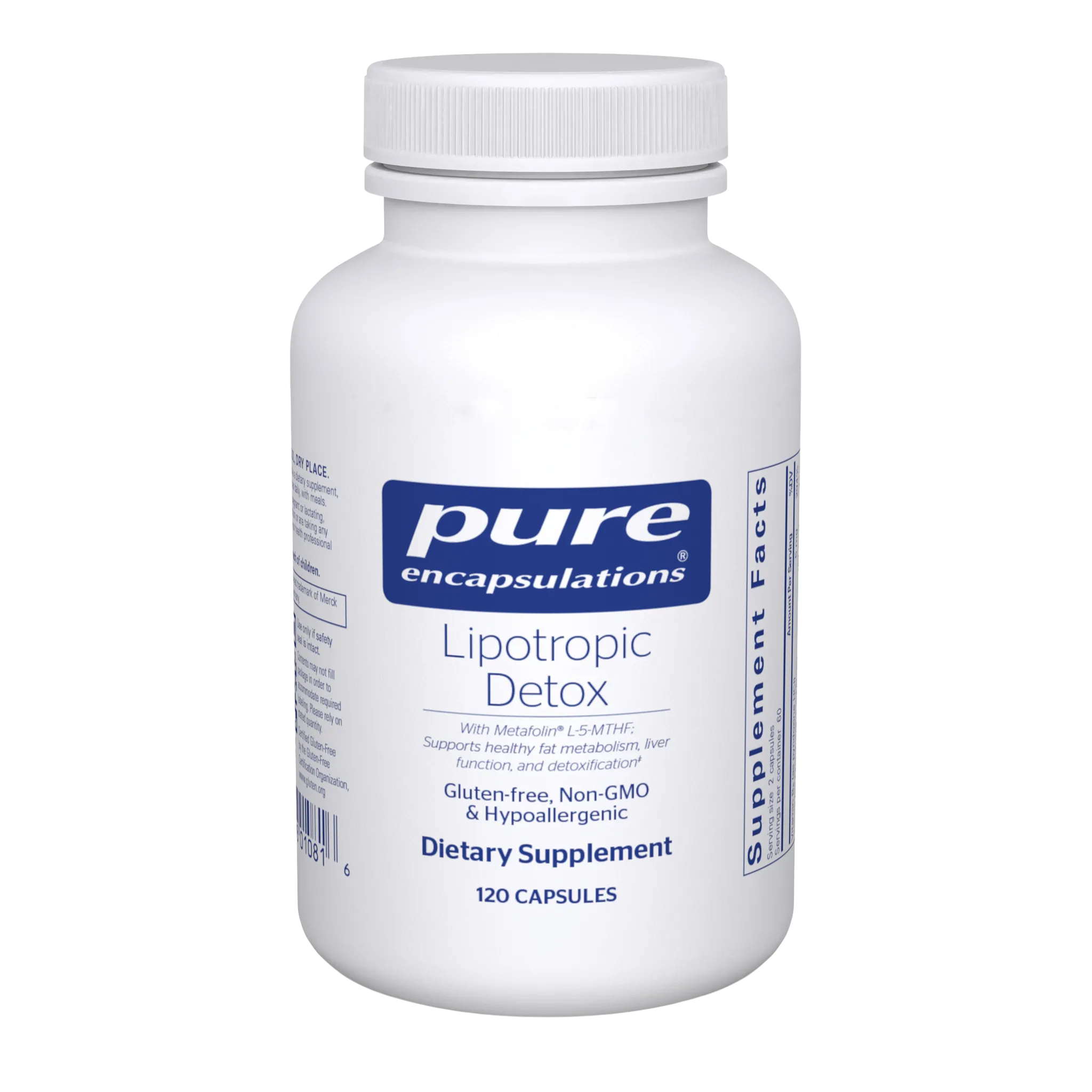
Lipotropic DetoxLiver HealthLong COVID
Share:
Disclaimer: The information provided here is for educational purposes only and is not intended as medical advice. It should not be used to diagnose, treat, cure, or prevent any medical condition. Instead, use it as a starting point for discussion with your healthcare provider. Always consult with a qualified healthcare provider before starting any new medication, supplement, device, or making changes to your health regimen.
Months or even years after an acute viral infection, many patients with Long COVID and myalgic encephalomyelitis/chronic fatigue syndrome (ME/CFS) find themselves battling a bewildering array of systemic symptoms. While the spotlight often falls on respiratory distress, neurological brain fog, or profound post-exertional malaise (PEM), an underlying and frequently overlooked battleground is the hepatobiliary system—the liver and the bile ducts. The liver is the body's primary metabolic engine and detoxification hub, responsible for filtering toxins, metabolizing fats, and managing the biochemical exhaust produced by chronic inflammation. When this system becomes sluggish or compromised by viral injury, the resulting metabolic gridlock can amplify every other symptom of chronic illness.
In the wake of the pandemic, emerging medical research has increasingly highlighted that the liver is not just an innocent bystander in post-viral syndromes. From direct viral infiltration of the bile ducts to the systemic depletion of critical methyl donors, chronic illness places an immense, unrelenting burden on hepatic function. This is where targeted nutritional support becomes a vital consideration. Lipotropic Detox is a comprehensive formula designed to support healthy liver function, promote fat metabolism, and stimulate bile flow. By combining foundational lipotropic nutrients like choline and methionine with potent botanical extracts like milk thistle and curcumin, this formulation aims to restore the liver's natural detoxification pathways. In this comprehensive guide, we will explore the intricate biochemistry of liver function, how complex chronic conditions disrupt these pathways, and the clinical science behind lipotropic supplementation.
TL;DR
Long COVID and ME/CFS can impair liver function, leading to metabolic gridlock and systemic fatigue.
Lipotropic Detox provides targeted nutrients like choline and methionine to support healthy fat metabolism.
Botanical extracts like milk thistle and curcumin may help stimulate bile flow and support detoxification.
Supporting liver health and methylation pathways may help manage brain fog and chronic energy deficits.
What is Lipotropic Detox?
The Anatomy of Hepatic Fat Metabolism
To understand how a lipotropic supplement functions, we must first explore the natural biochemical responsibilities of a healthy liver. The term "lipotropic" refers to compounds that help catalyze the breakdown of fat during metabolism in the body. The liver is the central hub for lipid (fat) processing. When we consume dietary fats, the liver must package these lipids alongside cholesterol into specialized transport vehicles known as Very-Low-Density Lipoproteins (VLDL). These VLDL particles are then exported through the bloodstream to deliver energy to peripheral tissues. However, the assembly and secretion of VLDL absolutely require a phospholipid called phosphatidylcholine, which is synthesized from dietary choline and inositol. Without adequate lipotropic nutrients, the liver cannot efficiently package or export these lipids, causing triglycerides to become trapped inside the hepatocytes (liver cells), a condition known as hepatic steatosis.
Beyond simple fat transport, lipotropic agents are deeply involved in epigenetic regulation and mitochondrial energy production. In the liver, choline is oxidized into a metabolite called betaine (also known as trimethylglycine or TMG). Betaine acts as a vital "methyl donor," providing the necessary chemical groups to regulate the expression of the PPARα gene. This specific nuclear receptor is responsible for activating fatty acid oxidation—the literal burning of fat for mitochondrial energy.
Phase II Detoxification and Amino Acid Conjugation
The liver's detoxification process is not a simple filter; it is a highly complex, two-phase enzymatic assembly line. Phase I uses Cytochrome P450 enzymes to oxidize toxins, drugs, and metabolic waste. Paradoxically, this first step often makes the toxins more reactive and potentially more dangerous. To neutralize these volatile intermediates, the liver relies on Phase II detoxification, known as the conjugation phase. During Phase II, the liver attaches specific water-soluble molecules to the reactive toxins so they can be safely excreted via bile or urine. One of the most critical Phase II pathways is amino acid conjugation, which heavily relies on the sulfur-containing amino acid taurine.
Taurine is particularly essential for the detoxification and management of bile acids. When the liver breaks down cholesterol, it synthesizes primary bile acids. In their raw, unconjugated state, these bile acids are highly lipophilic (fat-soluble) and profoundly toxic; they can easily dissolve cellular membranes and trigger cell death. To neutralize this threat, the liver utilizes specific enzymes to bind these toxic bile acids to taurine. As detailed in biochemical studies on bile acid conjugation, attaching taurine adds a strong sulfonic acid group to the molecule, drastically lowering its pKa value and making it highly water-soluble. These newly formed "bile salts" can now safely travel through the bile ducts without causing chemical burns, eventually reaching the intestines to help emulsify dietary fats.
The Role of Botanical Choleretics
While amino acids and lipotropic nutrients handle the chemical processing of toxins and fats, the physical removal of these neutralized compounds requires robust bile flow. This is where botanical extracts like turmeric (curcumin), milk thistle (silymarin), and artichoke extract play a pivotal role. In pharmacological terms, these botanicals act as choleretics and cholekinetics. A choleretic agent stimulates the liver hepatocytes to produce a higher volume of bile, while a cholekinetic agent prompts the gallbladder to contract and actively empty that bile into the digestive tract.
Curcumin, the primary bioactive compound in turmeric, is a remarkably potent cholekinetic. Clinical trials evaluating curcumin's effect on the hepatobiliary system have demonstrated that even low doses can trigger significant gallbladder contraction, effectively flushing stagnant bile and the toxins suspended within it out of the liver. Meanwhile, silymarin from milk thistle acts as a cellular shield. Rather than just stimulating flow, silymarin binds to the exterior of liver cell membranes, helping to protect against circulating toxins from entering the hepatocytes while simultaneously upregulating the production of intracellular glutathione, the body's master antioxidant. Together, these mechanisms ensure that the liver can both neutralize threats and efficiently sweep them out of the body.
How Long COVID and ME/CFS Impact Liver Function
Direct Viral Injury and Cholangiopathy in Long COVID
When investigating what causes Long COVID, researchers have increasingly focused on the virus's ability to inflict direct, long-lasting damage to the hepatobiliary system. The SARS-CoV-2 virus gains entry into human cells by binding to ACE2 receptors. These receptors are not only found in the lungs and blood vessels but are also highly expressed on cholangiocytes—the specialized epithelial cells that line the bile ducts. This allows the virus to directly infiltrate the liver's plumbing system, triggering intense localized inflammation known as cholangiopathy. As the bile ducts become inflamed and damaged, the flow of bile slows down, leading to a backup of toxic bile acids into the liver tissue itself.
Furthermore, the systemic inflammation characteristic of Long COVID wreaks havoc on the liver's vascular network. Autopsies and biopsies of post-COVID patients have frequently revealed sinusoidal microthrombi (tiny blood clots) and severe endothelial damage within the liver. A comprehensive 2024 meta-analysis on Long COVID liver damage analyzed over 7,000 participants and found a statistically significant increase in liver damage biomarkers, including elevated ALT, AST, and GGT enzymes, persisting for months or even years after the acute infection. This chronic vascular and cellular injury leaves the liver struggling to perform its basic metabolic duties, contributing heavily to the systemic fatigue and toxicity felt by patients.
Metabolic Collapse and Biliary Abnormalities in ME/CFS
While Long COVID liver dysfunction is heavily tied to viral cytotoxicity and vascular clotting, the hepatic involvement in ME/CFS is characterized by a profound metabolic collapse. Patients with ME/CFS often suffer from severe energy deficits at the mitochondrial level, which directly impacts the liver's ability to synthesize proteins, manage glycogen, and detoxify the blood. Recent metabolomic profiling has uncovered stark abnormalities in the digestive and hepatic systems of these patients. For instance, a 2024 network-based study on ME/CFS identified significant reductions in circulating blood bilirubin and bile acids, strongly pointing to an underlying failure in hepatobiliary synthesis and secretion.
This metabolic gridlock is often exacerbated by overlapping conditions like mast cell activation syndrome (MCAS). When mast cells degranulate inappropriately, they release enzymes like tryptase and histamine that can directly disrupt hepatic lipid metabolism. As the liver fails to efficiently process fats and toxins, ammonia and other metabolic waste products can accumulate in the bloodstream. In fact, researchers have noted a clinical overlap between the neurocognitive symptoms of ME/CFS and "minimal hepatic encephalopathy," suggesting that the debilitating brain fog experienced by patients may be partially driven by the liver's inability to clear neurotoxic metabolites from the circulation. Understanding this connection is crucial when exploring how a doctor diagnoses Long COVID and related post-viral conditions.
The Methyl-Group Assault and Viral Hijacking
Perhaps the most insidious way chronic viral infections impact the liver and systemic health is through the disruption of the methylation cycle. Methylation is a fundamental biochemical process involving the transfer of a methyl group (one carbon and three hydrogen atoms) to various molecules, which is essential for DNA repair, neurotransmitter synthesis, and managing inflammation. The liver is the primary site of methylation in the body. However, emerging research on COVID-19 and one-carbon metabolism suggests that viruses like SARS-CoV-2 and Epstein-Barr literally hijack the host's methylation system to replicate.
When a virus replicates, it requires massive amounts of the host's methyl donors to "cap" its own viral RNA, allowing it to evade the host's immune system. This viral hijacking severely depletes the body's reserves of S-adenosylmethionine (SAM), the universal methyl donor. This phenomenon, termed the "methyl-group assault," leads to widespread hypomethylation. Consequently, homocysteine levels rise, glutathione production plummets, and the liver is left without the biochemical tools required to process toxins or regulate epigenetic inflammation. This deep cellular depletion is a driving force behind the chronicity of both Long COVID and ME/CFS, highlighting the critical need for exogenous methyl donors.
Lipotropic Detox: Supporting Liver Function and Methylation
Restoring VLDL Assembly and Supporting Fat Metabolism
The primary therapeutic angle of Lipotropic Detox is its ability to restore the liver's fat-processing capabilities through the inclusion of high-quality lipotropic agents: choline, inositol, and L-methionine. In the context of chronic illness, where systemic inflammation often drives metabolic dysfunction and insulin resistance, the liver is highly susceptible to accumulating ectopic fat. Choline acts as the direct biochemical solution to this bottleneck. By providing the raw materials needed to synthesize phosphatidylcholine, choline allows the liver to resume the assembly of VLDL particles. This effectively unblocks the hepatic export system, allowing trapped triglycerides to be safely transported out of the liver tissue.
Furthermore, the inclusion of trimethylglycine (betaine) provides an immediate, alternative pathway for processing fat and reducing cellular stress. Betaine acts as a powerful osmolyte, protecting liver cells from environmental stress and dehydration. More importantly, it serves as a direct methyl donor in the liver, bypassing certain enzymatic steps to quickly convert toxic homocysteine back into methionine.
Stimulating Bile Flow and Gallbladder Contraction
To address the biliary stagnation and cholangiopathy often seen in Long COVID, Lipotropic Detox utilizes specific botanical extracts to physically move toxins out of the liver. Turmeric extract (curcumin) and artichoke extract are included for their well-documented ability to stimulate bile dynamics. Curcumin operates on two fronts: it upregulates the liver's production of bile acids (the choleretic effect) and stimulates the smooth muscle of the gallbladder to contract (the cholekinetic effect). A randomized controlled trial on curcumin's cholekinetic properties revealed that low doses of curcumin could reduce gallbladder volume by 30% within two hours, effectively flushing the biliary system.
Artichoke leaf extract works synergistically with curcumin by protecting the endothelial lining of the bile ducts and further promoting the secretion of bile. By ensuring a steady, robust flow of bile, these botanicals may help avoid the dangerous backup of lipophilic toxins into the liver parenchyma. This constant flushing action is essential for patients with ME/CFS and dysautonomia, whose autonomic nervous system dysfunction often leads to sluggish gastrointestinal motility and delayed gastric emptying. By chemically stimulating the biliary system, these extracts help override autonomic sluggishness and keep the detoxification pathways moving.
Neutralizing Toxins and Boosting Glutathione
While moving bile is critical, the liver must also be protected from the highly reactive toxins it is attempting to process. Milk thistle extract (silymarin) and taurine provide this essential cellular defense. Silymarin is perhaps the most extensively researched hepatoprotective botanical in modern medicine. It functions by altering the outer structure of the hepatocyte membrane, helping to protect against the penetration of toxic chemicals into the cell interior. Additionally, research on silymarin's antioxidant capacity shows that it significantly stimulates the action of RNA polymerase I, accelerating the synthesis of ribosomal RNA and promoting the regeneration of damaged liver tissue. Crucially, silymarin also boosts the intracellular concentration of glutathione, the body's most potent endogenous antioxidant, which is frequently depleted in chronic illness.
Taurine complements this defense by managing the Phase II amino acid conjugation pathway. As the liver breaks down cholesterol and processes medications, it generates toxic, unconjugated bile acids. Taurine binds directly to these volatile compounds, neutralizing their toxicity and transforming them into safe, water-soluble bile salts. This process not only protects the bile ducts from chemical damage but also ensures that dietary fats and fat-soluble vitamins (like Vitamins A, D, E, and K) can be properly absorbed in the intestines, addressing the malabsorption issues frequently seen in complex chronic conditions. For patients looking to further support their antioxidant defenses, exploring how NAC supports detoxification can provide complementary strategies.
Bypassing the Methylation Block
To combat the "methyl-group assault" orchestrated by chronic viral infections, Lipotropic Detox includes highly bioavailable, pre-methylated B-vitamins: folate (as L-5-MTHF) and vitamin B12 (as methylcobalamin), alongside vitamin B6. Many patients with Long COVID and ME/CFS possess genetic polymorphisms in the MTHFR gene, which impairs their ability to convert synthetic folic acid into its active form. By providing L-5-MTHF and methylcobalamin, this formula entirely bypasses the defective enzymatic bottlenecks.
These activated methyl donors immediately plug into the one-carbon metabolism cycle, providing the necessary components to convert homocysteine into methionine and restore the production of SAMe. By restoring systemic methylation, these nutrients help repair DNA integrity, support neurotransmitter synthesis, and lift the profound neurological brain fog that characterizes these invisible illnesses.
Symptoms Lipotropic Detox May Help Manage
Severe Brain Fog and Cognitive Dysfunction: By supplying critical methyl donors (L-5-MTHF and Methylcobalamin), the formula supports the methylation pathways required for neurotransmitter synthesis and the clearance of neurotoxic ammonia from the bloodstream, helping to lift the cognitive cloud often associated with minimal hepatic encephalopathy.
Chronic Fatigue and Low Energy: Choline and betaine support the PPARα genetic pathway, which is responsible for mitochondrial fatty acid oxidation. By helping the liver efficiently burn fat for fuel, these nutrients can help restore cellular ATP production and help manage profound metabolic exhaustion.
Chemical Sensitivities and Toxin Intolerance: For patients with MCAS or heightened sensitivities, taurine and silymarin support Phase II amino acid conjugation and boost intracellular glutathione. This enhances the liver's ability to safely neutralize and excrete environmental toxins, medications, and metabolic waste without triggering massive inflammatory flares.
Digestive Sluggishness and Fat Malabsorption: Curcumin and artichoke extract act as potent cholekinetics, stimulating the gallbladder to contract and release bile. This robust bile flow is essential for emulsifying dietary fats, absorbing fat-soluble vitamins, and overcoming the gastrointestinal stagnation caused by autonomic nervous system dysfunction.
Right Upper Quadrant (RUQ) Discomfort: Sluggish bile flow and hepatic steatosis can cause the liver to become congested and enlarged, leading to a dull ache under the right rib cage. Lipotropic agents help export trapped VLDL fats out of the liver, while choleretics flush the biliary tree, potentially relieving physical congestion and discomfort.
Practical Considerations: Forms, Dosing, and Absorption
Bioavailability and Synergistic Absorption
When utilizing a complex formulation like Lipotropic Detox, understanding the bioavailability of its components is crucial for maximizing therapeutic outcomes. The formula is intentionally designed with synergistic absorption in mind. For example, the inclusion of pre-methylated vitamins—L-5-MTHF (active folate) and methylcobalamin (active B12)—ensures that the body does not have to expend precious cellular energy or rely on potentially compromised MTHFR enzymes to convert the nutrients into usable forms. These active compounds are immediately bioavailable to the cellular methylation cycle upon absorption in the gastrointestinal tract.
Similarly, the botanical extracts face unique absorption challenges that are mitigated by their combination. Curcumin, while highly therapeutic, is notoriously difficult for the body to absorb in its raw form due to its rapid metabolism in the liver and poor water solubility. However, when taken alongside dietary fats or integrated into a lipotropic matrix containing choline (which forms phospholipids), the absorption of curcuminoids can be significantly enhanced. The presence of taurine also aids in the creation of bile salt micelles in the intestines, which naturally emulsify the lipophilic botanical extracts (like silymarin and curcumin), drawing them across the intestinal barrier and into systemic circulation.
Optimal Dosing Strategies and Timing
The suggested use for Lipotropic Detox is 2 capsules, three times daily with meals. This specific dosing schedule is highly intentional and aligns with the physiological rhythms of the hepatobiliary system. Taking the supplement with meals serves two primary purposes. First, the presence of food—specifically dietary fats—triggers the natural release of cholecystokinin (CCK), a hormone that signals the gallbladder to contract. When the cholekinetic ingredients (curcumin and artichoke) are introduced alongside this natural hormonal signal, they work synergistically to maximize bile evacuation and nutrient absorption.
Second, dividing the dose throughout the day ensures a steady, continuous supply of methyl donors and lipotropic agents to the liver. The liver's detoxification pathways operate 24/7, and water-soluble nutrients like B-vitamins and choline are rapidly utilized and excreted. By providing a consistent influx of these compounds, the liver maintains the biochemical substrates necessary to continuously process VLDL particles and neutralize reactive oxygen species without experiencing sharp peaks and valleys in nutrient availability. Patients managing how to live with long-term COVID often find that consistent, divided dosing may help avoid the metabolic crashes associated with nutrient depletion.
Contraindications and Potential Interactions
While the ingredients in Lipotropic Detox are generally recognized as safe and well-tolerated, there are specific clinical considerations for certain patient populations. Because curcumin and artichoke extract are powerful cholekinetics (meaning they forcefully contract the gallbladder), individuals with known, large obstructive gallstones should consult their healthcare provider before use. Stimulating a gallbladder that contains large stones could theoretically trigger biliary colic or a duct obstruction.
Additionally, patients taking specific medications should be mindful of potential interactions. Silymarin is a potent modulator of liver enzymes; while standard doses rarely interfere with Cytochrome P450 pathways, it can occasionally impact the metabolism of certain drugs. Furthermore, the high doses of active B-vitamins and methyl donors can sometimes cause a temporary "over-methylation" reaction in highly sensitive individuals, manifesting as transient anxiety or hyperactivity. As always, it is imperative to discuss any new supplement regimen with a qualified medical professional, especially when navigating the complexities of post-viral syndromes and polypharmacy.

Follow the Science
Clinical Trials on Choline and Fatty Liver
The scientific foundation for lipotropic supplementation is deeply rooted in decades of hepatology research. Choline's role in supporting liver health and fat metabolism is unequivocally established. Controlled human depletion studies have repeatedly shown that when healthy individuals are fed choline-deficient diets, they rapidly develop fatty liver and liver cell damage within weeks—a condition that is fully reversible upon the reintroduction of dietary choline.
The Efficacy of Silymarin and Curcumin
The botanical components of the formula boast equally robust clinical backing. Silymarin has been exhaustively studied for its hepatoprotective properties against toxins and inflammatory damage.
Curcumin's impact on the hepatobiliary system is equally well-documented. A systematic review and meta-analysis involving 1,691 participants investigated curcumin's efficacy in supporting liver health. The study concluded that curcumin exhibited a profound effect in improving hepatic steatosis compared to a placebo, yielding an impressive Odds Ratio of 4.39 (p = 0.009). Additionally, human trials evaluating its cholekinetic properties have demonstrated that oral curcumin can reduce gallbladder volume by 30%, confirming its ability to physically stimulate bile flow and aid in the clearance of hepatic congestion.
Emerging Research on Methylation in Post-Viral Syndromes
The inclusion of methyl donors (B12, Folate, Betaine) is strongly supported by emerging literature on the pathophysiology of Long COVID and ME/CFS. Researchers are increasingly viewing these conditions through the lens of a "methyl-group assault," where viral persistence depletes the host's methylation cycle. This aligns with historical data from the Gottfries Clinic study on ME/CFS, which found that high-dose, active B12 and folate supplementation yielded vast clinical improvements in a significant subset of chronic fatigue patients.
The Path Forward
Validating the Metabolic Struggle
Living with a complex chronic illness like Long COVID, ME/CFS, or dysautonomia is an exhausting, full-body battle. When your primary metabolic engine—the liver—is bogged down by viral injury, microthrombi, and a depleted methylation cycle, it is entirely understandable why you feel profoundly fatigued, brain-fogged, and sensitive to your environment. Your symptoms are not in your head; they are the downstream effects of a hepatobiliary system struggling to clear the biochemical exhaust of chronic inflammation. Recognizing the liver's central role in these conditions is a validating step toward understanding the true, systemic nature of your illness. It provides a tangible, biological explanation for why recovery often feels like wading through metabolic molasses, and it opens the door to targeted, mechanistic support.
A Comprehensive Approach to Healing
While Lipotropic Detox provides a powerful combination of methyl donors, lipotropic agents, and choleretic botanicals to support liver function, it is important to remember that no single supplement is a cure-all. Healing from post-viral syndromes requires a comprehensive, multi-disciplinary approach. Nutritional support must be paired with aggressive pacing to manage post-exertional malaise, nervous system regulation to combat dysautonomia, and careful symptom tracking to identify your unique triggers. By supporting your liver's natural detoxification pathways, you are providing your body with the foundational biochemical tools it needs to process inflammation, clear neurotoxins, and slowly rebuild cellular energy. If you are wondering if Long COVID can trigger ME/CFS and how to manage the overlapping symptoms, focusing on core metabolic health is a crucial piece of the puzzle.
Disclaimer: This content is for educational purposes only and is not intended as medical advice. Supplements can interact with medications and may not be appropriate for everyone. Always consult with your healthcare provider before starting any new supplement regimen, especially if you have a complex chronic condition or a history of gallbladder disease.