Can Lipotrienols RYR™ Support Cardiovascular Health in Long COVID and Dysautonomia?
March 6, 2026
Lipotrienols RYRLong COVIDDysautonomia
Share:
Disclaimer: The information provided here is for educational purposes only and is not intended as medical advice. It should not be used to diagnose, treat, cure, or prevent any medical condition. Instead, use it as a starting point for discussion with your healthcare provider. Always consult with a qualified healthcare provider before starting any new medication, supplement, device, or making changes to your health regimen.
For many individuals living with complex chronic conditions like Long COVID, myalgic encephalomyelitis/chronic fatigue syndrome (ME/CFS), and dysautonomia, the daily reality is a bewildering array of invisible symptoms. You might experience a sudden, racing heartbeat when you simply stand up, a profound, crushing fatigue that worsens after minimal exertion, or a persistent brain fog that makes concentrating feel impossible. Often, these symptoms are accompanied by subtle but concerning changes in routine blood work, such as newly elevated cholesterol levels or markers of systemic inflammation. It is incredibly validating to understand that these are not isolated, disconnected issues, nor are they simply "in your head." Modern medical research increasingly points to a unifying underlying mechanism: profound disruptions in cardiovascular health, endothelial function, and lipid metabolism triggered by viral infection and chronic immune activation.
When the delicate inner lining of your blood vessels—the endothelium—becomes damaged and inflamed, it sets off a cascade of physiological chaos. This vascular inflammation alters how your liver processes fats, leading to post-viral dyslipidemia, and impairs your body's ability to regulate blood pressure and heart rate, exacerbating conditions like Postural Orthostatic Tachycardia Syndrome (POTS). Addressing this complex web of vascular and metabolic dysfunction requires a targeted, science-backed approach. Lipotrienols RYR™ by Designs for Health is a specialized nutraceutical formulation designed to do exactly that. By combining the synergistic power of organic red yeast rice, DeltaGold® tocotrienols, and lycopene, this supplement offers a comprehensive strategy to support healthy lipid metabolism, soothe arterial inflammation, and promote overall cardiovascular resilience in the face of chronic illness.
TL;DR
Lipotrienols RYR™ combines red yeast rice, tocotrienols, and lycopene to support cardiovascular health.
It may help manage vascular inflammation and lipid dysregulation common in Long COVID and dysautonomia.
Take with a fat-containing meal in the evening, separated from standard vitamin E supplements.
Always consult a healthcare provider to monitor liver enzymes and ensure safe supplementation.
What is Lipotrienols RYR™?
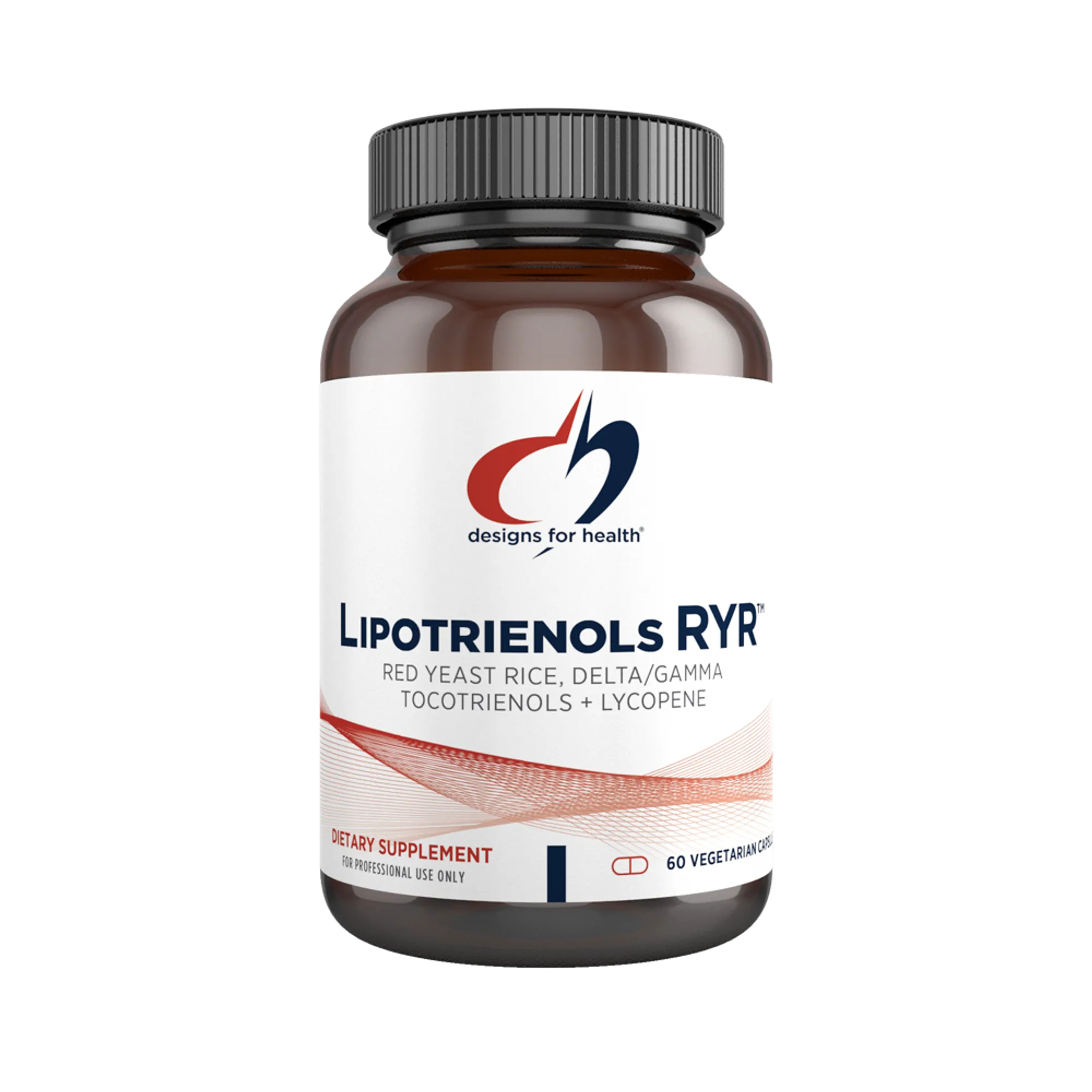
Lipotrienols RYR™ is a professional-grade cardiovascular support supplement that strategically combines three highly researched, plant-derived compounds: organic red yeast rice (RYR), vitamin E isomers (specifically delta- and gamma-tocotrienols), and lycopene. Rather than relying on a single mechanism of action, this formulation is designed to target multiple interconnected pathways involved in cardiovascular health. In a healthy body, lipid metabolism—the process by which fats are synthesized, transported, and utilized—operates in a delicate state of homeostasis. Cholesterol is essential for building cell membranes, synthesizing hormones, and producing vitamin D. However, when chronic inflammation disrupts this balance, lipid metabolism can become dysregulated, leading to oxidative stress and vascular damage. Lipotrienols RYR™ aims to restore this balance by providing compounds that naturally modulate cholesterol synthesis while simultaneously offering robust antioxidant protection to the vascular lining.
The synergy between these three ingredients is what makes this formulation particularly compelling for complex chronic conditions. While red yeast rice works primarily in the liver to support healthy cholesterol production, the tocotrienols and lycopene circulate throughout the bloodstream, actively neutralizing free radicals and protecting the delicate endothelial cells that line the blood vessels. This multi-pronged approach ensures that the body is not only maintaining healthy lipid levels but is also protected from the downstream inflammatory consequences of oxidative stress. For patients navigating the vascular complexities of Long COVID and dysautonomia, this comprehensive cellular support is crucial for long-term cardiovascular resilience.
Red Yeast Rice and the Monacolin Family
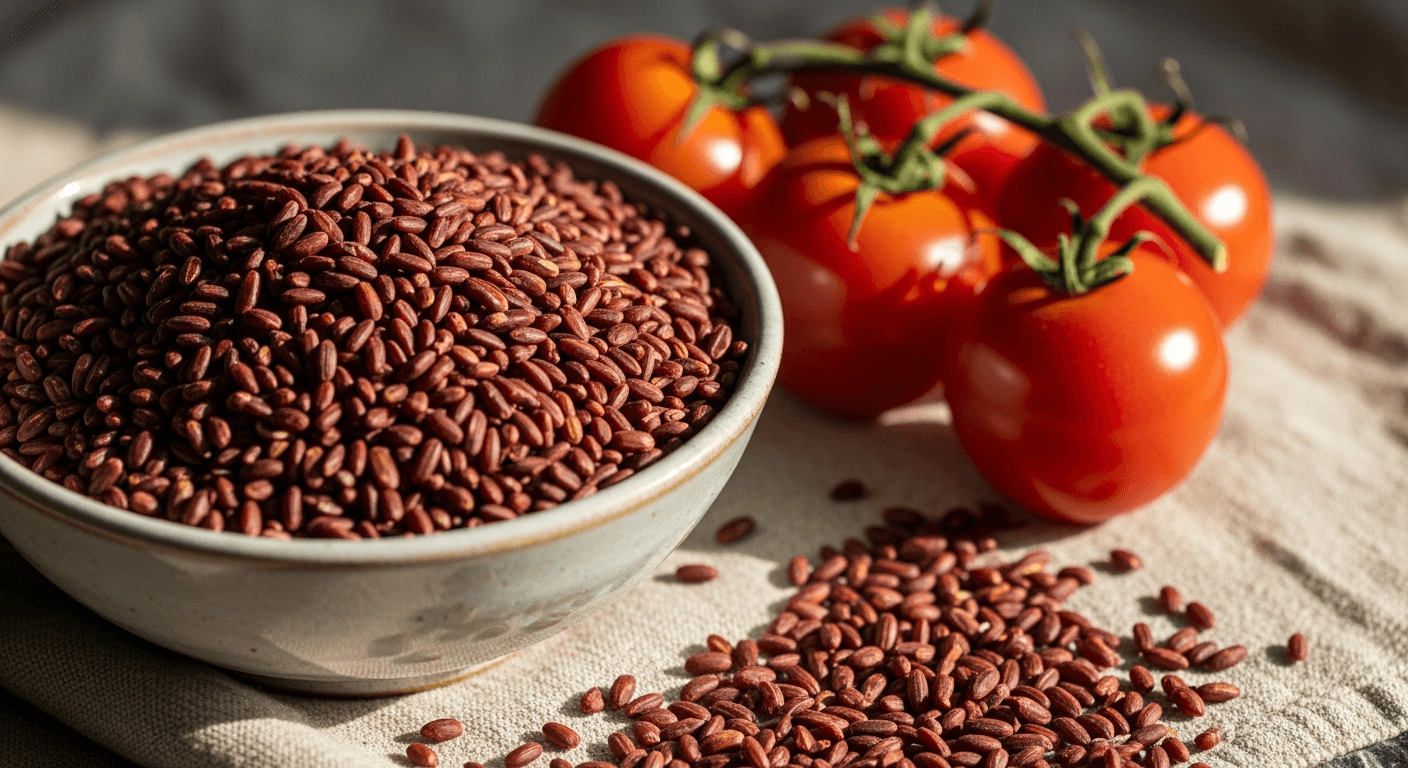
Red yeast rice (RYR) is a traditional medicinal and culinary product created by fermenting white rice with a specific strain of yeast known as Monascus purpureus. During this meticulous fermentation process, the yeast produces a complex matrix of bioactive compounds, the most notable being a family of substances called monacolins. To date, researchers have identified approximately 14 different monacolins within high-quality RYR extracts. The most prominent and clinically significant of these is Monacolin K, a compound that has been extensively studied for its profound ability to support healthy lipid metabolism. Monacolin K is chemically and structurally identical to the active ingredient found in certain prescription statin medications, giving it a well-documented and highly understood mechanism of action within the human body.
What makes whole-extract red yeast rice unique, however, is the "entourage effect" provided by its full spectrum of compounds. Clinical research indicates that the lipid-modulating effects of RYR are often achieved at much lower doses of Monacolin K than would be expected if the compound were isolated. This enhanced efficacy is believed to be the result of the synergistic interactions between the various monacolins, plant sterols, isoflavones, and unsaturated fatty acids naturally present in the fermented rice. By utilizing 1.2 grams of organic red yeast rice, Lipotrienols RYR™ harnesses this natural synergy, providing a gentle yet highly effective means of supporting the liver's natural cholesterol management pathways without the heavy pharmacological burden often associated with isolated compounds.
DeltaGold® Tocotrienols and Lycopene
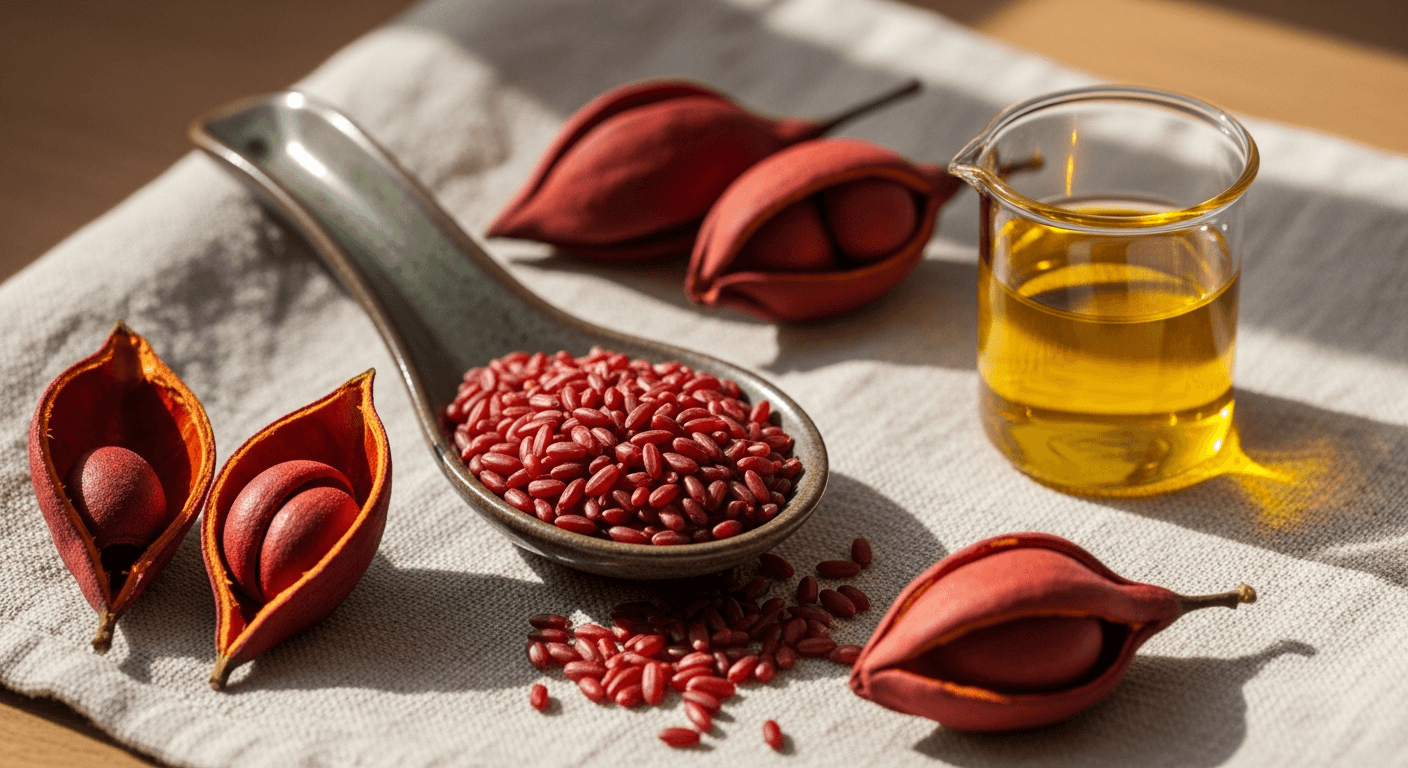
The second pillar of this formulation features 50 mg of DeltaGold®, a premium, highly specialized form of vitamin E. The vitamin E family is actually composed of eight distinct molecules: four tocopherols and four tocotrienols. Most standard supplements contain alpha-tocopherol, but recent scientific advancements have highlighted the superior antioxidant and anti-inflammatory properties of tocotrienols. Tocotrienols possess a unique, unsaturated molecular side chain that allows them to move rapidly and efficiently through cell membranes, making them up to 50 times more potent as antioxidants than standard tocopherols. DeltaGold® is extracted exclusively from the seeds of the annatto tree (Bixa orellana), which is the only known plant source that naturally provides 100% tocotrienols (specifically 90% delta-tocotrienol and 10% gamma-tocotrienol) with absolutely zero tocopherols. This tocopherol-free profile is critical, as alpha-tocopherol has been shown to interfere with the absorption and therapeutic efficacy of tocotrienols.
Complementing the tocotrienols is 20 mg of lycopene, a naturally occurring red carotenoid pigment found abundantly in tomatoes, watermelon, and pink grapefruit. Lycopene is renowned in cardiovascular medicine as one of the most aggressive scavengers of reactive oxygen species (ROS) and singlet oxygen. Its unique molecular structure, characterized by 13 double bonds, allows it to effectively neutralize free radicals before they can damage the endothelial lining or oxidize circulating lipids. By combining the membrane-penetrating power of delta-tocotrienols with the broad-spectrum antioxidant capacity of lycopene, Lipotrienols RYR™ provides an unparalleled defense system against the oxidative stress that drives vascular dysfunction in chronic illness.
How Long COVID and Dysautonomia Impact Cardiovascular Health
The Endothelial Injury and Viral Aftermath
To understand why a cardiovascular support supplement is so relevant to conditions like Long COVID and ME/CFS, we must examine the profound impact these illnesses have on the vascular system. The endothelium is the delicate, single-cell layer that lines the interior of every blood vessel in your body. In a healthy state, the endothelium is highly active, constantly releasing signaling molecules like nitric oxide to regulate blood pressure, prevent abnormal clotting, and control the passage of immune cells into surrounding tissues. However, the SARS-CoV-2 virus gains entry into human cells by binding directly to the ACE2 receptor, which is densely populated on these endothelial cells. This direct viral infiltration triggers severe cellular damage and widespread inflammation, a condition clinically referred to as endotheliitis.
In Long COVID, this endothelial damage often persists long after the acute viral infection has cleared. The immune system remains locked in a state of chronic activation, continuously producing pro-inflammatory cytokines that bombard the vascular lining. This relentless inflammatory assault depletes the endothelium's supply of protective nitric oxide, replacing it with highly damaging reactive oxygen species like peroxynitrite. As the endothelium becomes dysfunctional, blood vessels lose their ability to dilate properly, microclots can begin to form in the capillaries, and the delivery of oxygen and vital nutrients to tissues—including the brain and muscles—is severely compromised. This persistent vascular starvation is a primary driver of the debilitating fatigue, brain fog, and post-exertional malaise (PEM) experienced by so many patients.
Post-COVID Dyslipidemia and Lipid Dysregulation
The systemic inflammation characteristic of Long COVID and mast cell activation syndrome (MCAS) does not just damage blood vessels; it fundamentally alters the body's metabolic pathways, particularly how the liver processes lipids. Recent clinical studies have identified a phenomenon known as "post-COVID dyslipidemia." When the body is under chronic inflammatory stress, the liver shifts its production priorities. It often begins to overproduce triglycerides and low-density lipoprotein (LDL) cholesterol while simultaneously decreasing the production and functionality of high-density lipoprotein (HDL), the "good" cholesterol that normally helps clear fats from the bloodstream and exerts its own anti-inflammatory effects.
This metabolic shift creates a highly dangerous environment for the already damaged endothelium. In the presence of severe oxidative stress, the excess LDL cholesterol circulating in the bloodstream becomes oxidized, forming oxidized LDL (ox-LDL). Unlike normal cholesterol, ox-LDL is highly toxic to endothelial cells. It easily penetrates the damaged vascular lining, triggering a massive immune response that leads to the formation of foam cells and the rapid acceleration of atherosclerotic plaque. Furthermore, oxidized lipids have been shown to possess anti-fibrinolytic properties, meaning they actively prevent the body from naturally breaking down the microscopic blood clots that are heavily implicated in Long COVID pathology.
Autonomic Dysfunction and the Cardiovascular System
The consequences of endothelial dysfunction and lipid dysregulation extend directly into the autonomic nervous system, exacerbating conditions like Postural Orthostatic Tachycardia Syndrome (POTS) and general dysautonomia. The autonomic nervous system relies on healthy, responsive blood vessels to manage blood pressure and heart rate against the forces of gravity. When you stand up, your blood vessels must rapidly constrict to push blood back up to your heart and brain. However, when the endothelium is damaged and stripped of its nitric oxide, the blood vessels become stiff and unresponsive.
Because the blood vessels fail to constrict adequately, blood pools in the lower extremities. The brain, sensing a drop in blood pressure and oxygen delivery, triggers a massive release of adrenaline and noradrenaline to force the heart to beat faster and harder to compensate. This results in the severe tachycardia, palpitations, and chest tightness that are hallmark symptoms of POTS. By failing to address the underlying vascular inflammation and endothelial stiffness, the autonomic nervous system remains trapped in a vicious cycle of sympathetic overdrive. Supporting the structural integrity and responsiveness of the cardiovascular system is therefore a critical component of managing dysautonomia.
Lipotrienols RYR™: Supporting Endothelial and Lipid Health
Modulating the HMG-CoA Reductase Pathway
Lipotrienols RYR™ addresses the complex web of vascular and metabolic dysfunction through several distinct, highly targeted mechanisms of action at the cellular level. The first major pathway it influences is the mevalonate pathway in the liver, which is responsible for the endogenous synthesis of cholesterol. The rate-limiting step in this pathway is controlled by an enzyme called 3-hydroxy-3-methyl-glutaryl-coenzyme A (HMG-CoA) reductase. The Monacolin K found in the organic red yeast rice acts as a reversible, competitive inhibitor of this specific enzyme. By binding to HMG-CoA reductase, Monacolin K gently slows down the liver's production of cholesterol, prompting the liver to upregulate LDL receptors on its surface to pull more circulating cholesterol out of the bloodstream.
What makes this formulation exceptionally powerful is how the DeltaGold® tocotrienols interact with this exact same pathway, but from an entirely different angle. While Monacolin K competitively inhibits the enzyme, clinical research demonstrates that delta- and gamma-tocotrienols promote the post-transcriptional degradation of HMG-CoA reductase. Essentially, they signal the body to break down and recycle the enzyme itself. This dual-action approach—inhibiting the enzyme's activity while simultaneously reducing its overall presence—provides a profound, synergistic modulation of lipid metabolism that is far more elegant and effective than targeting the pathway through a single mechanism.
Neutralizing Oxidized LDL and Free Radicals
Lowering the total amount of circulating LDL cholesterol is only half the battle; protecting the remaining lipids from oxidative damage is equally critical, especially in the highly inflammatory environment of Long COVID and ME/CFS. This is where the lipophilic (fat-soluble) antioxidants in Lipotrienols RYR™ shine. Because tocotrienols have an unsaturated side chain, they exhibit remarkable mobility within the lipid bilayers of cell membranes. They embed themselves directly into the cellular architecture of the endothelium and into the circulating LDL particles themselves, acting as a molecular shield that halts the chain reaction of lipid peroxidation.
Working alongside the tocotrienols, lycopene provides a secondary layer of aggressive antioxidant defense. Lycopene is uniquely structurally suited to quench singlet oxygen, one of the most reactive and damaging free radicals produced during chronic immune activation. By neutralizing these free radicals before they can interact with circulating lipids, lycopene and tocotrienols effectively may help prevent the formation of toxic oxidized LDL (ox-LDL). This may help prevent the downstream cascade of foam cell formation, arterial plaque development, and the exacerbation of endothelial inflammation, breaking the vicious cycle of vascular degradation.
Promoting Nitric Oxide and Vascular Tone
The final critical mechanism of action involves the restoration of healthy vascular tone and endothelial responsiveness, which is particularly vital for patients managing POTS and dysautonomia. Lycopene has been shown to significantly enhance the bioavailability of nitric oxide (NO), the primary molecule responsible for signaling blood vessels to dilate and relax. It achieves this not only by scavenging the free radicals that destroy NO but also by upregulating the activity of endothelial nitric oxide synthase (eNOS), the enzyme that produces NO in the first place.
Furthermore, studies indicate that lycopene acts as a natural, mild inhibitor of the Angiotensin-Converting Enzyme (ACE) and downregulates the expression of endothelin-1, a potent vasoconstrictor. By simultaneously promoting vasodilatory pathways (nitric oxide) and gently inhibiting excessive vasoconstrictive pathways, the ingredients in Lipotrienols RYR™ help restore a healthy, dynamic balance to the vascular system. This improved endothelial function allows blood vessels to respond more appropriately to the demands of the autonomic nervous system, potentially easing the severity of orthostatic intolerance and heart rate fluctuations.
Symptoms Lipotrienols RYR™ May Help Manage
Cardiovascular and Inflammatory Symptoms
By targeting the underlying mechanisms of endothelial dysfunction, oxidative stress, and lipid dysregulation, the synergistic ingredients in Lipotrienols RYR™ may help manage a variety of complex symptoms associated with chronic illness:
Blood Pressure Fluctuations: Lycopene's ability to support nitric oxide production and gently inhibit ACE pathways can help maintain healthy, stable blood pressure levels, reducing the erratic swings often seen in dysautonomia.
Racing Heart Rate and Palpitations: By improving endothelial responsiveness and vascular tone, the cardiovascular system can more effectively manage blood pooling, potentially reducing the compensatory tachycardia experienced in POTS.
Systemic Inflammation: The potent anti-inflammatory properties of delta- and gamma-tocotrienols help suppress pro-inflammatory cytokines, soothing the chronic inflammatory burden that drives systemic symptoms in Long COVID and MCAS.
Vascular Stiffness: By helping to prevent the oxidation of LDL and reducing arterial plaque formation, the formulation supports the physical flexibility and health of the blood vessels.
Metabolic and Autonomic Challenges
The formulation also provides targeted support for the metabolic shifts that frequently accompany chronic viral illnesses:
Elevated Cholesterol (Dyslipidemia): The synergistic action of red yeast rice and tocotrienols on the HMG-CoA reductase pathway helps gently modulate the liver's production of cholesterol, supporting healthy LDL and total cholesterol levels.
Oxidative Stress Burden: The aggressive free-radical scavenging capabilities of lycopene and tocotrienols help lower overall oxidative stress, protecting tissues and organs from ongoing cellular damage.
Endothelial-Driven Fatigue: By supporting healthy blood flow and microvascular function, the supplement helps ensure that oxygen and vital nutrients are efficiently delivered to muscles and the brain, potentially alleviating some aspects of profound fatigue and brain fog.
Practical Considerations: Forms, Dosing, and Absorption
The Importance of Timing and Dietary Fats
To maximize the therapeutic benefits of Lipotrienols RYR™, understanding the pharmacokinetics and optimal timing of administration is crucial. The liver's endogenous production of cholesterol follows a distinct circadian rhythm, peaking during the nocturnal hours when you are asleep. Therefore, to effectively modulate the HMG-CoA reductase enzyme, it is highly recommended to take the suggested dose of 2 capsules in the evening. This ensures that the active monacolins and tocotrienols are present in the bloodstream precisely when the liver's cholesterol synthesis machinery is most active.
Equally important is the method of absorption. Both tocotrienols and lycopene are highly lipophilic, meaning they are fat-soluble compounds. If taken on an empty stomach, their intestinal absorption is notoriously poor. To ensure these vital antioxidants cross the intestinal barrier and enter the systemic circulation, they must be taken alongside a meal that contains healthy dietary fats (such as olive oil, avocado, or nuts). The presence of dietary fat triggers the gallbladder to release bile salts, which emulsify the lipophilic compounds into microscopic structures called micelles, allowing them to be efficiently absorbed by the intestinal lining.
The Alpha-Tocopherol Interference
One of the most critical practical considerations when taking DeltaGold® tocotrienols involves a physiological competition with standard vitamin E. The human body utilizes specific transport proteins to move vitamin E molecules through the bloodstream and into tissues. Unfortunately, alpha-tocopherol—the most common form of vitamin E found in standard supplements and multivitamins—has a much higher binding affinity for these transport proteins than tocotrienols do. If both are present in the gut or bloodstream simultaneously, the alpha-tocopherol will effectively block the absorption and cellular uptake of the highly therapeutic delta- and gamma-tocotrienols.
For this reason, Lipotrienols RYR™ is meticulously formulated to be 100% tocopherol-free. However, if you are currently taking a separate multivitamin or supplement that contains D-alpha tocopherol, strict timing separation is required. Clinical guidelines mandate that you must separate the ingestion of Lipotrienols RYR™ from any alpha-tocopherol-containing supplement by a minimum of 6 hours to ensure the tocotrienols can be fully absorbed and utilized by the body without interference.
Safety, CoQ10, and Potential Interactions
While Lipotrienols RYR™ utilizes natural compounds, it exerts powerful physiological effects and carries specific safety considerations. Because Monacolin K inhibits the mevalonate pathway to reduce cholesterol, it also inadvertently reduces the body's natural production of Coenzyme Q10 (CoQ10), as both molecules share the same biosynthetic origin. Over time, CoQ10 depletion can lead to muscle aches and worsening fatigue, particularly in ME/CFS patients who already struggle with mitochondrial dysfunction. Therefore, it is highly recommended to supplement with a high-quality CoQ10 (such as ubiquinol) alongside this product to help prevent mitochondrial depletion.
Additionally, Monacolin K is metabolized in the liver by the cytochrome P450 3A4 (CYP3A4) enzyme system. Consuming substances that inhibit this enzyme—such as grapefruit juice, macrolide antibiotics, or certain antifungal medications—can cause the active compounds to accumulate in the bloodstream, increasing the risk of liver strain or myopathy (muscle toxicity). This supplement is strictly contraindicated for pregnant or nursing individuals, as cholesterol is essential for fetal development, and should be avoided by those with active liver disease. Always consult with a literate healthcare provider to monitor liver enzymes and ensure this formulation is safe for your specific metabolic profile.
Follow the Science
Clinical Evidence for Red Yeast Rice
The cardiovascular benefits of red yeast rice are supported by decades of robust clinical research. A comprehensive meta-analysis published in the NIH repository evaluating numerous randomized controlled trials demonstrated that daily supplementation with RYR can lower plasma LDL cholesterol levels by 15% to 34% within 6 to 8 weeks, a reduction comparable to low-dose prescription statins. Furthermore, the data showed significant reductions in total cholesterol, apolipoprotein B, and high-sensitivity C-reactive protein (hs-CRP), a critical marker of arterial inflammation.
Beyond simple lipid lowering, a 2022 systematic review published in MDPI highlighted the broader vascular benefits of RYR extract. The analysis found that consistent supplementation improved pulse wave velocity and flow-mediated dilation, indicating a tangible reduction in arterial stiffness and a restoration of healthy endothelial function. These findings are particularly relevant for Long COVID patients, as they demonstrate RYR's ability to directly counteract the vascular rigidity that drives autonomic dysfunction.
Tocotrienols and Systemic Inflammation
The specific delta- and gamma-tocotrienols found in DeltaGold® have been the subject of intense clinical scrutiny regarding their anti-inflammatory properties. A landmark clinical trial published in the Journal of Clinical & Experimental Cardiology investigated the effects of DeltaGold® on hypercholesterolemic subjects. The researchers discovered that an optimal dose of just 250 mg per day over four weeks yielded profound results. Not only did LDL cholesterol drop by 18%, but key inflammatory biomarkers plummeted.
Specifically, the study recorded a 40% decrease in C-Reactive Protein (CRP) and a 34% reduction in malondialdehyde (MDA), a primary marker for severe oxidative stress and lipid peroxidation. Furthermore, the tocotrienols successfully down-regulated a host of pro-inflammatory cytokines heavily implicated in chronic viral illness, including TNF-alpha and IL-6, by up to 64%. This robust suppression of systemic inflammation underscores the critical role of tocotrienols in protecting the cardiovascular system from immune-mediated damage.
Lycopene's Impact on Blood Pressure and Endothelium
Moreover, research published in Frontiers in Pharmacology detailed lycopene's profound impact on endothelial function in patients with preexisting cardiovascular disease. In clinical trials, daily lycopene supplementation improved endothelium-dependent vasodilation by over 50%, effectively restoring vascular responsiveness to levels comparable to healthy volunteers. By neutralizing reactive oxygen species and preventing the oxidation of LDL, lycopene serves as a vital shield for the delicate vascular lining, making it an indispensable component of this synergistic formulation.
The Path Forward
A Comprehensive Approach to Vascular Healing
Navigating the cardiovascular complexities of Long COVID, ME/CFS, and dysautonomia can be an incredibly daunting journey. When your heart races unpredictably or your blood work shows sudden metabolic shifts, it is easy to feel betrayed by your own body. However, understanding that these symptoms are rooted in tangible, physiological processes—specifically endothelial dysfunction and lipid dysregulation—provides a clear roadmap for intervention. Vascular healing is not an overnight process; the endothelium requires time, consistent nutritional support, and a reduction in systemic inflammation to rebuild and regain its flexibility.
Supplements like Lipotrienols RYR™ are powerful tools, but they are most effective when integrated into a comprehensive, holistic management strategy. This includes strict adherence to pacing to manage post-exertional malaise, adopting an anti-inflammatory diet rich in natural antioxidants, and utilizing nervous system regulation techniques to calm autonomic overdrive. By addressing the illness from multiple angles—metabolic, vascular, and neurological—you give your body the best possible environment to repair the damage inflicted by chronic immune activation.
Partnering with Your Healthcare Provider
Because Lipotrienols RYR™ actively modulates lipid metabolism and interacts with liver enzyme pathways, it is imperative to use this supplement under the direct supervision of a knowledgeable healthcare provider. A literate practitioner can help you establish a baseline by running comprehensive lipid panels, checking inflammatory markers like hs-CRP, and monitoring your liver enzymes (AST/ALT) to ensure the formulation is working safely and effectively for your unique biochemistry. They can also guide you on properly integrating supportive nutrients, such as CoQ10, to prevent mitochondrial depletion.
If you and your medical team determine that targeted cardiovascular and lipid support is the right next step in your healing protocol, you can Explore Lipotrienols RYR™ to learn more about incorporating this synergistic formulation into your daily routine. With patience, data-driven medical guidance, and the right cellular support, restoring vascular resilience and improving your quality of life is a highly achievable goal.