Can Liposomal Glutathione Support Detoxification and Cellular Energy in Long COVID and ME/CFS?
March 5, 2026
Liposomal GlutathioneLong COVIDME/CFS
Share:
Disclaimer: The information provided here is for educational purposes only and is not intended as medical advice. It should not be used to diagnose, treat, cure, or prevent any medical condition. Instead, use it as a starting point for discussion with your healthcare provider. Always consult with a qualified healthcare provider before starting any new medication, supplement, device, or making changes to your health regimen.
Months or even years after an initial viral infection, many patients find themselves trapped in a cycle of debilitating fatigue, severe brain fog, and unpredictable immune reactions. For those navigating the daily complexities of Long COVID, myalgic encephalomyelitis/chronic fatigue syndrome (ME/CFS), and mast cell activation syndrome (MCAS), the search for answers often leads to the microscopic world of cellular function. Why do some bodies struggle to clear the lingering effects of a virus, while others recover seamlessly? The answer may lie, in part, in the body's ability to manage severe oxidative stress, repair mitochondrial damage, and efficiently clear cellular debris.
At the center of this cellular defense system is glutathione, a tripeptide molecule frequently referred to as the body's "master antioxidant." In a healthy system, glutathione quietly neutralizes the toxic byproducts of cellular energy production and escorts environmental toxins out of the body through the liver. However, in the face of chronic, complex illness, this vital defense mechanism can become profoundly overwhelmed and depleted. Understanding how Liposomal Glutathione works at the molecular level offers valuable insight into how we might begin to restore cellular redox balance, support vital liver detoxification pathways, and manage the systemic inflammation that drives these challenging, invisible conditions.
TL;DR
Liposomal glutathione supports cellular defense and may help manage oxidative stress in chronic illnesses like ME/CFS and Long COVID.
Standard oral glutathione has poor absorption, making liposomal delivery a more effective option for systemic support.
Replenishing glutathione may help support mitochondrial function, liver detoxification, and mast cell stability.
What is Liposomal Glutathione?
Glutathione (GSH) is a simple yet profoundly important tripeptide composed of three amino acids: cysteine, glutamic acid, and glycine. Found in virtually every single cell of the human body, it serves as the primary intracellular defense mechanism against oxidative damage. At the molecular level, glutathione exists in two distinct states: a reduced, active form (GSH) and an oxidized, inactive form (GSSG). When healthy cells generate energy (adenosine triphosphate, or ATP) through the mitochondrial electron transport chain, they naturally produce highly reactive oxygen species (ROS) as a metabolic byproduct. These free radicals are unstable molecules missing an electron, and if left unchecked, they will aggressively steal electrons from nearby cellular structures, causing severe damage to delicate lipid membranes, vital proteins, and even cellular DNA.
This is where glutathione steps in to protect the cell. The active, reduced form of glutathione acts as an electron donor. It willingly gives up an electron to neutralize these dangerous free radicals before they can cause structural damage to the cell. In doing so, the glutathione molecule itself becomes oxidized (turning into GSSG). A healthy body utilizes an enzyme called glutathione reductase to recycle this oxidized molecule back into its active state, maintaining a delicate, continuous cycle of protection. Research published in the journal Frontiers in Medicine emphasizes that maintaining an optimal ratio of reduced-to-oxidized glutathione is one of the most critical markers of cellular health and longevity. When this ratio collapses, the cell enters a state of severe oxidative stress, leading to accelerated aging, mitochondrial dysfunction, and eventually, cellular death (apoptosis).
Beyond its direct antioxidant capabilities, intracellular glutathione is also essential for maintaining the optimal function of other critical antioxidants in the body. It acts as a necessary biochemical cofactor to regenerate Vitamin C and Vitamin E after they have neutralized free radicals. This synergistic network ensures that the body's overall antioxidant shield remains robust. Furthermore, glutathione plays a regulatory role in protein synthesis, enzyme activation, and the maturation of immune cells. Without adequate levels of this master antioxidant, the entire cellular defense grid becomes compromised, leaving the body entirely vulnerable to both internal metabolic stress and external environmental toxins.
While glutathione is present in all cells, its highest concentration is found in the liver, where it plays an absolutely indispensable role in the body's primary detoxification pathways. The liver processes toxins in two distinct phases. Phase I detoxification involves the cytochrome P450 enzyme system, which breaks down fat-soluble toxins—such as pharmaceutical medications, heavy metals, mold mycotoxins, and metabolic waste—into intermediate compounds. Paradoxically, these intermediate compounds are often more highly reactive and dangerous than the original toxins. If they are not immediately processed and neutralized, they can cause massive oxidative damage to the delicate hepatic (liver) tissue.
This is where Phase II detoxification, specifically a process known as glutathione conjugation, becomes critical. During this phase, a family of enzymes called glutathione S-transferases actively binds (conjugates) a molecule of glutathione directly to these dangerous, reactive intermediate toxins. This chemical binding process transforms the fat-soluble toxins into water-soluble compounds. Once they are made water-soluble, these neutralized toxins can be safely and efficiently excreted from the body through bile and urine. This creates a dangerous bottleneck where highly toxic Phase I intermediates accumulate in the liver, leading to systemic toxicity, severe hepatic inflammation, and a cascading failure of the body's natural waste-removal systems.
For patients dealing with complex chronic illnesses, this detoxification bottleneck can be devastating. When the liver cannot efficiently clear metabolic waste or external toxins, these substances recirculate through the bloodstream, triggering widespread systemic inflammation and exacerbating neurological symptoms like brain fog. The bioGlute™ proprietary blend found in high-quality liposomal formulations provides the exact molecular components needed to support these Phase II conjugation pathways, ensuring that the liver has the raw materials required to protect its own tissue and maintain a healthy, continuous flow of detoxification.
Despite its critical importance, supplementing with standard oral glutathione has historically been highly ineffective. The human gastrointestinal tract is a harsh environment designed to break down complex molecules. When standard, unformulated glutathione is ingested, the highly acidic environment of the stomach (which has a pH of less than 1.5) and the aggressive digestive enzymes (peptidases) in the small intestine rapidly cleave the tripeptide into its three constituent amino acids. Clinical research indicates that oral supplementation with liposomal glutathione elevates body stores of glutathione and markers of immune function. The active, intact molecule is essentially destroyed before it can ever reach the bloodstream or enter the cells where it is desperately needed.
Liposomal technology was developed specifically to bypass this biological barrier. A liposome is a microscopic, spherical vesicle composed of a phospholipid bilayer—the exact same structural material that makes up human cell membranes. In a liposomal supplement, the active, reduced glutathione molecule is encapsulated safely inside this protective lipid bubble. This purified phosphatidylcholine delivery system shields the fragile peptide bonds of the glutathione from the harsh digestive acids and enzymatic degradation of the stomach and intestines. Because the liposome is highly biocompatible, it can pass intact through the intestinal wall and enter the systemic circulation.
Once in the bloodstream, the liposomal advantage continues at the cellular level. Instead of relying on complex, energy-dependent transport proteins to pull the glutathione into the cell, the liposome can simply fuse directly with the cell's outer membrane. This passive diffusion process releases the active glutathione payload directly into the intracellular space, exactly where it is needed to neutralize free radicals and support mitochondrial function. This sophisticated delivery mechanism transforms a notoriously poorly absorbed nutrient into a highly bioavailable therapeutic tool, capable of significantly elevating systemic bodily stores of this crucial antioxidant.
How Chronic Illness Impacts Glutathione Levels
To understand why glutathione is so critical for patients with complex chronic illnesses, we must first examine the profound cellular damage caused by these conditions. When the SARS-CoV-2 virus enters the body, it initiates a massive inflammatory response. The virus rapidly generates intracellular free radicals and actively inhibits the DNA damage repair proteins necessary for the body to synthesize its own glutathione. A landmark 2024 study published in the Proceedings of the National Academy of Sciences (PNAS) revealed that severe oxidative stress is a shared, defining characteristic of both ME/CFS and Long COVID. The researchers found that the immune cells of these patients are subjected to extreme levels of reactive oxygen species, leading to severe mitochondrial damage and a catastrophic failure of cellular energy production.
This acute depletion of antioxidant reserves during the initial viral infection is believed to carry over into the chronic phase of the illness. When you ask, Can Long COVID Trigger ME/CFS? Unraveling the Connection, the answer lies heavily in this shared pathophysiology of broken redox balance. Without adequate glutathione to neutralize the ongoing flood of free radicals, the mitochondria—the powerhouses of the cell—become damaged and dysfunctional. They can no longer produce ATP efficiently, forcing the cells into a toxic, low-energy state. This mitochondrial failure is the direct biochemical driver of the profound, debilitating fatigue and post-exertional malaise (PEM) that patients experience after even minor physical or cognitive exertion.
Furthermore, this systemic oxidative stress contributes heavily to endothelial dysfunction—damage to the inner lining of the blood vessels. In Long COVID, this endothelial damage promotes immunothrombosis, the formation of microscopic blood clots (microclots) that block tiny capillaries and prevent oxygen from reaching vital tissues like the brain and muscles. Studies suggest that glutathione levels may be reduced and oxidative stress levels may be increased in chronic fatigue syndrome and fibromyalgia. This severe localized depletion allows neuroinflammation to run rampant, directly causing the severe cognitive impairment, memory loss, and neurological symptoms commonly referred to as "brain fog."
Historically, medical science viewed the role of glutathione in chronic illness as a simple equation of "depletion." However, cutting-edge research has revealed a much more dynamic and complex reality. The recent Stanford PNAS study uncovered a surprising finding: when examining the circulating peripheral blood lymphocytes (immune cells) of patients with ME/CFS and Long COVID, researchers actually found elevated levels of glutathione, rather than depleted ones. At first glance, this seems contradictory. However, researchers quickly realized that this localized elevation is not a sign of a healthy, robust immune system. Instead, it is a desperate, compensatory mechanism.
The immune cells in these patients are dealing with such an extreme, unrelenting burden of oxidative stress and mitochondrial lipid damage that they have frantically ramped up their own internal glutathione production in a desperate attempt to survive. However, this compensatory mechanism is ultimately overwhelmed. The study found that while glutathione was elevated, other vital protective antioxidant enzymes—such as mitochondrial superoxide dismutase (SOD2)—were severely depleted. The cells' overall defense systems are essentially collapsing under the weight of the inflammation, leading to mitochondrial calcium overload and eventual energy failure. This explains why patients experience symptoms that come and go unpredictably; their immune cells are constantly fluctuating between desperate compensation and total exhaustion.
This hyper-proliferative, stressed state of the immune system drains massive amounts of metabolic energy from the rest of the body. The immune cells are essentially stealing the body's limited energy reserves to fight an invisible, ongoing war against oxidative damage. This leaves the patient feeling profoundly drained, weak, and unable to recover from basic daily activities. Restoring systemic glutathione levels through highly bioavailable liposomal delivery aims to take the burden off these overwhelmed immune cells, providing them with the external antioxidant support they need to finally calm down and return to a state of normal homeostasis.
The impact of glutathione depletion extends deeply into the realm of immune hypersensitivity, particularly concerning mast cell activation syndrome (MCAS). Mast cells are the body's immune sentinels, stationed at tissue boundaries like the skin, gut, and respiratory tract. When they detect a threat, they degranulate, releasing a flood of inflammatory mediators, including histamine, cytokines, and leukotrienes. Research published in the journal Antioxidants indicates that oxidative stress and mitochondria are involved in anaphylaxis and mast cell degranulation. High levels of reactive oxygen species directly sensitize mast cells, altering their intracellular calcium levels and provoking them into inappropriate, constant degranulation.
In a healthy body, intracellular glutathione acts as a cellular shield, neutralizing these oxidative "danger signals" and keeping the mast cells stable and quiet. However, when glutathione is depleted by a viral infection like COVID-19 or by environmental toxins like mold mycotoxins, the mast cells lose this protective shield. They become hyper-reactive, firing off inflammatory chemicals in response to minor triggers like foods, temperature changes, or stress. This constant degranulation generates even more free radicals, which in turn causes more oxidative stress, further depleting the remaining glutathione. It is a perpetual loop of chronic inflammation and immune chaos.
Furthermore, once these mast cells release massive amounts of histamine into the bloodstream, the burden falls entirely on the liver to clear it. As discussed earlier, the liver requires abundant glutathione to run its Phase II detoxification pathways. Without enough glutathione to conjugate and clear the histamine, these inflammatory chemicals recirculate through the body, causing systemic MCAS symptoms like severe brain fog, hives, rapid heart rate (tachycardia), and profound digestive distress. The depletion of this single master antioxidant creates a cascading failure across multiple interconnected bodily systems.
Liposomal Glutathione: Supporting Cellular Defense and Detoxification
When patients with complex chronic conditions supplement with highly absorbable Liposomal Glutathione, they are directly intervening in the destructive cycle of oxidative stress. The primary mechanism of action is the immediate neutralization of reactive oxygen species (ROS) at the cellular level. By providing a steady supply of the active, reduced form of glutathione (GSH), the supplement floods the intracellular space with willing electron donors. These molecules intercept and neutralize free radicals before they can attack the delicate lipid bilayers of the cell membranes or damage the mitochondrial DNA.
This continuous neutralization of ROS is particularly vital for the delicate endothelial cells that line the blood vessels. In conditions like Long COVID and dysautonomia, endothelial inflammation drives poor circulation, blood pooling, and the formation of microclots. By reducing the oxidative burden on these vascular cells, Liposomal Glutathione helps to restore normal endothelial function. This can lead to improved microcirculation, ensuring that oxygen and vital nutrients can once again reach oxygen-starved tissues in the brain and skeletal muscles. The reduction in vascular oxidative stress is a key step in alleviating the heavy, aching limbs and cognitive dysfunction that plague so many patients.
Furthermore, by restoring the intracellular redox balance (the ratio of reduced to oxidized glutathione), the supplement helps to pull the immune system out of its desperate, hyper-proliferative state. When the circulating lymphocytes no longer have to expend massive amounts of energy synthesizing their own emergency glutathione to survive, they can return to their normal, regulatory functions. This shift reduces the overall metabolic drain on the body, freeing up energy reserves that the patient can finally use for daily living and physical recovery.
For individuals battling the unpredictable and severe reactions of MCAS, Liposomal Glutathione offers a dual-action therapeutic approach. First, it directly addresses the root cause of mast cell hyper-reactivity: intracellular oxidative stress. By delivering intact glutathione directly into the mast cells via liposomal membrane fusion, the supplement helps to quench the oxidative "danger signals" that provoke degranulation. By stabilizing the mast cell's internal environment, glutathione helps to raise the threshold for activation, making the cells less likely to misfire in response to everyday triggers.
The second mechanism of action occurs downstream, in the liver. Even with stabilized mast cells, some histamine release is inevitable. Liposomal Glutathione provides the liver with the exact biochemical substrate it needs to run its Phase II conjugation pathways efficiently. By ensuring that the glutathione S-transferase enzymes have plenty of raw material to work with, the supplement accelerates the liver's ability to bind, neutralize, and excrete circulating histamine and other inflammatory cytokines. This rapid clearance may help prevent the toxic accumulation of mediators in the bloodstream, significantly reducing the severity and duration of systemic MCAS flares, such as flushing, gastrointestinal distress, and neurological inflammation.
This dual mechanism is why many functional medicine practitioners consider highly bioavailable glutathione to be a foundational tool for immune stabilization. It does not just mask the symptoms of histamine intolerance; it addresses both the cellular trigger (oxidative stress in the mast cell) and the systemic clearance mechanism (hepatic detoxification). By supporting both ends of the inflammatory cascade, Liposomal Glutathione helps patients regain a sense of predictability and control over their hyper-reactive immune systems.
Perhaps the most profound impact of Liposomal Glutathione for patients with Long COVID and ME/CFS is its role in restoring mitochondrial function. The mitochondria are responsible for producing the vast majority of the body's ATP through a complex, four-step process known as the electron transport chain. This process is inherently "leaky," naturally producing small amounts of ROS. In a healthy cell, mitochondrial glutathione instantly neutralizes these leaks. However, when systemic glutathione is depleted, these free radicals destroy the delicate proteins and lipid membranes of the electron transport chain itself. The mitochondria essentially burn themselves out, leading to the profound, crushing fatigue characteristic of these conditions.
By delivering a highly absorbable form of setria® glutathione, liposomal formulations can successfully penetrate the cellular membrane and replenish the mitochondrial antioxidant pools. Once the oxidative fire is put out, the mitochondria can begin the slow process of repairing their damaged structural components. Research indicates that optimal levels of glutathione are absolutely required to protect the integrity of mitochondrial DNA, which is highly vulnerable to oxidative mutation. As the mitochondria repair and the electron transport chain stabilizes, the cells can slowly resume normal, oxygen-based ATP production.
This restoration of cellular energy is not a quick fix, but rather a gradual rebuilding of the body's metabolic foundation. For patients wondering How Can You Live with Long-Term COVID, supporting this underlying mitochondrial infrastructure is crucial. As ATP production becomes more efficient and less toxic, patients often report a gradual lifting of the heavy, leaden feeling in their limbs, a reduction in the severity of post-exertional crashes, and an improvement in their overall stamina and cognitive clarity. By protecting the powerhouses of the cell, Liposomal Glutathione helps to slowly turn the lights back on in a profoundly exhausted body.

Symptoms Liposomal Glutathione May Help Manage
Profound Fatigue and Low Energy: By neutralizing the severe oxidative stress that damages the mitochondrial electron transport chain, glutathione helps restore the cell's ability to produce ATP efficiently. This gradual repair of cellular energy production can help alleviate the crushing, leaden fatigue that characterizes ME/CFS and Long COVID, providing a more stable foundation for daily stamina.
Post-Exertional Malaise (PEM) and Crashes: PEM occurs when damaged mitochondria cannot meet the energy demands of even minor physical or cognitive exertion, forcing the body into a toxic, anaerobic state. By protecting the mitochondria from exercise-induced oxidative damage and supporting faster clearance of metabolic waste, glutathione may help raise the threshold for exertion and reduce the severity and duration of systemic crashes.
Severe Brain Fog and Cognitive Impairment: Neuroinflammation is heavily driven by localized oxidative stress and a lack of antioxidant protection in the brain. Liposomal glutathione helps quench the free radicals that damage delicate neural tissue and supports the clearance of neurotoxic metabolic byproducts, which can lead to improvements in memory, focus, and mental clarity.
Unpredictable Allergic Reactions and Hives (MCAS): Oxidative stress acts as a direct trigger for mast cell degranulation. By providing a robust intracellular antioxidant shield, glutathione helps stabilize hyper-reactive mast cells, making them less likely to release histamine in response to minor environmental triggers, thereby reducing the frequency of hives, flushing, and sudden allergic responses.
Chemical Sensitivities and Toxin Intolerance: When Phase II liver detoxification pathways stall due to glutathione depletion, patients often become highly sensitive to medications, fragrances, and environmental chemicals. By supplying the necessary bioGlute™ proprietary blend for hepatic conjugation, the supplement helps the liver efficiently bind and excrete these compounds, reducing systemic toxic burden and hypersensitivity.
Joint and Muscle Aching: Systemic inflammation and the accumulation of lactic acid and other metabolic waste products in the tissues cause widespread pain. Glutathione's potent anti-inflammatory properties and its role in clearing cellular debris help to reduce the localized tissue inflammation that drives chronic muscle and joint aching.
Practical Considerations: Forms, Dosing, and Absorption
When considering glutathione supplementation, understanding the profound differences in bioavailability between various forms is absolutely critical. As previously discussed, standard, unformulated oral glutathione capsules or powders are notoriously ineffective. The human digestive system is designed to break down proteins and peptides into their basic amino acid building blocks. When you swallow standard glutathione, the aggressive digestive enzymes (peptidases) in your stomach and small intestine rapidly hydrolyze the molecule, cleaving its delicate peptide bonds. Clinical research demonstrates that oral supplementation with liposomal glutathione elevates body stores of glutathione and markers of immune function. The vast majority of the active antioxidant is destroyed before it ever reaches your bloodstream.
Because of this severe limitation, medical professionals historically had to rely on intravenous (IV) glutathione infusions to achieve meaningful therapeutic levels in patients with chronic illness. While IV therapy is highly effective because it delivers the antioxidant directly into the bloodstream, bypassing the digestive tract entirely, it is also expensive, invasive, and impractical for daily, long-term management. Patients require a solution that provides the systemic benefits of IV therapy with the convenience of an oral supplement. This biological hurdle is exactly what liposomal encapsulation technology was engineered to overcome.
By encapsulating the setria® glutathione inside a microscopic lipid sphere, the liposomal form physically shields the fragile tripeptide from digestive acids and enzymes. The liposome acts as a protective biological submarine, navigating the harsh environment of the gastrointestinal tract intact. Once it reaches the small intestine, the liposome's phospholipid structure allows it to easily pass through the intestinal wall and enter the systemic circulation, delivering the active, fully intact glutathione molecule directly to the cells that desperately need it.
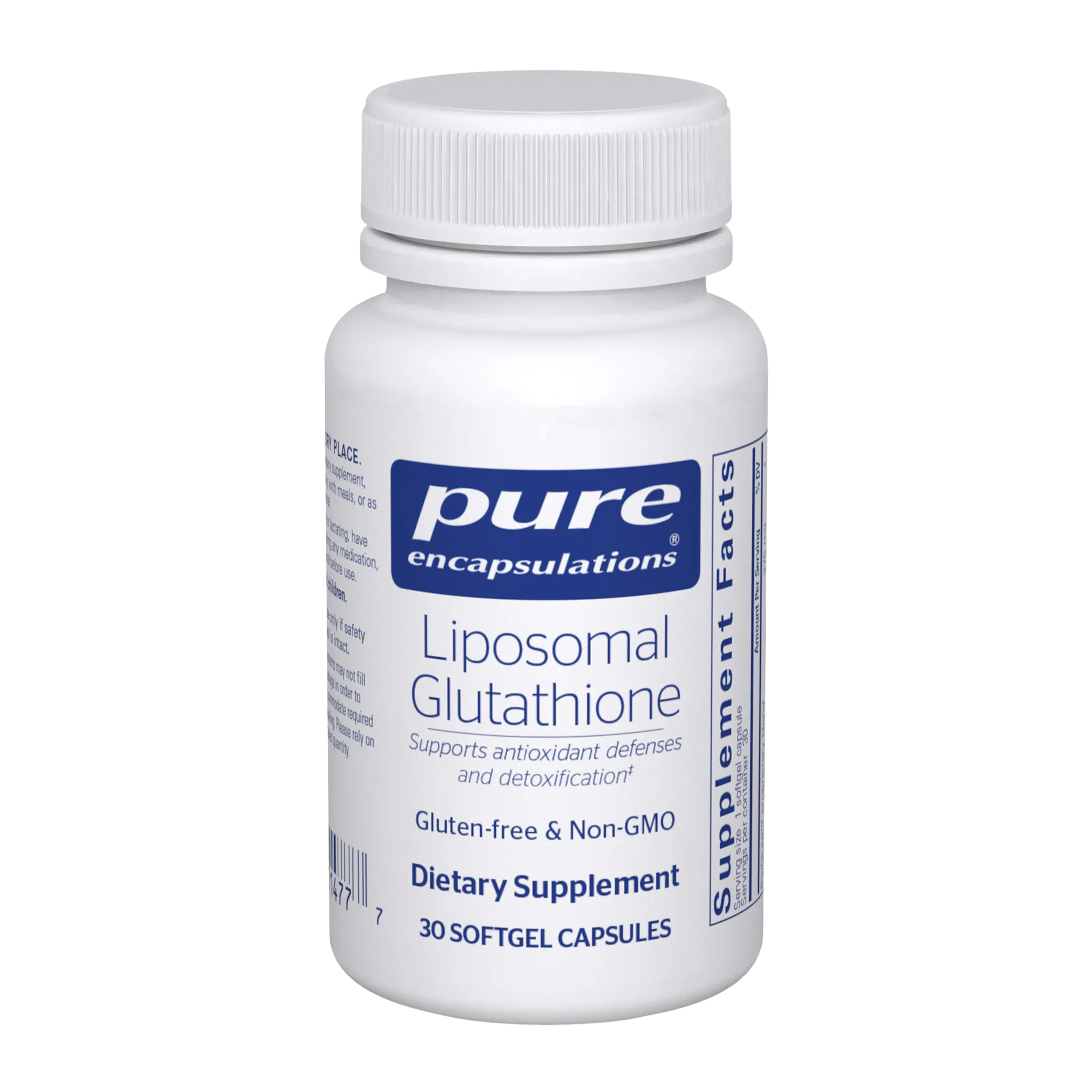
The efficacy of a liposomal supplement relies entirely on the quality of the lipids used to create the liposome. High-quality products, such as the Pure Encapsulations formula, utilize a purified phosphatidylcholine delivery system to create the liposomal structure. Phosphatidylcholine is a specific type of phospholipid that is a primary structural component of human cell membranes. Because of the natural hydrophobic (water-repelling) and hydrophilic (water-attracting) nature of these specific phospholipids, they naturally form highly stable liposomes that are incredibly biocompatible with human biology.
This biocompatibility is the key to cellular uptake. When the liposome reaches a damaged, oxidative-stressed cell, it does not need to rely on complex transport proteins to get inside. Because the liposome is made of the exact same material as the cell membrane, it simply merges with the cell wall—a process known as passive membrane fusion. This action releases the active glutathione directly into the intracellular space.
Furthermore, the 125 mg phospholipid complex used to create the liposome provides its own secondary health benefits. Once the liposome has delivered its glutathione payload, the remaining phosphatidylcholine molecules are utilized by the body to repair damaged cell membranes and support healthy lipid metabolism. In the liver, these phospholipids actively contribute to the maintenance of oxidative balance and support the structural integrity of hepatic cells, providing a synergistic boost to the liver's overall detoxification capabilities alongside the glutathione.
For practical daily use, the suggested dosage of this dietary supplement is 1 softgel capsule taken 1 to 2 times daily with meals, or as directed by a healthcare professional. Taking the liposomal softgel with a meal that contains a small amount of healthy dietary fat can further support the absorption of the lipid-based delivery system. Because liposomal formulations have been shown to maintain elevated plasma levels for extended periods, splitting the dose (one in the morning and one in the evening) can help provide a continuous, 24-hour shield of antioxidant protection against ongoing systemic inflammation.
It is also crucial to address why Liposomal Glutathione is often preferred over glutathione precursors, specifically N-acetylcysteine (NAC), for certain patient populations. While you might read about using NAC to support detoxification, NAC presents a significant problem for patients with MCAS or severe histamine intolerance. This is known in functional medicine as the "NAC Paradox." While NAC provides the raw cysteine needed for the body to build its own glutathione, clinical observations indicate that NAC can act as a direct histamine liberator in sensitive individuals. In patients with hyper-reactive mast cells, taking NAC can actually trigger severe allergic-type reactions, hives, and bronchospasms.
Liposomal Glutathione bypasses this dangerous paradox entirely. Because it delivers the fully formed, intact glutathione molecule directly to the cells, it does not require the body to synthesize it from precursors, and it does not trigger the histamine-liberating effects associated with NAC. This makes Liposomal Glutathione a significantly safer and more effective choice for patients dealing with the complex immune dysregulation seen in MCAS, Long COVID, and ME/CFS. Note: Patients with severe soy allergies should be aware that the purified phospholipids used in this specific delivery system are derived from soy.

Follow the Science
The scientific validation for liposomal delivery systems has advanced significantly in recent years, moving from theoretical biochemistry to robust human clinical trials. A pilot study published in the European Journal of Clinical Nutrition provided evidence that oral supplementation with liposomal glutathione elevates body stores of glutathione and markers of immune function.
More recently, a breakthrough 2026 study utilizing both in-vitro cellular models and an in-vivo human pharmacokinetic trial further solidified these findings. The study, which tracked healthy subjects over a 24-hour period, found that advanced liposomal formulations achieved a maximum plasma concentration (Cmax) that was six times higher than plain, unformulated glutathione. Furthermore, the liposomal delivery exhibited a unique bimodal absorption pattern, maintaining significantly elevated plasma levels (>500 ng/mL) for a full 24 hours. This prolonged retention time in the bloodstream is crucial for patients with chronic illness, as it provides a continuous, stable defense against unrelenting oxidative stress.
The cellular models in this recent study also demonstrated the profound regenerative capabilities of liposomal delivery. Human cells treated with liposomal glutathione showed a 1.9-fold higher cellular uptake compared to standard forms. More impressively, in cellular wound-healing assays, the liposomal group achieved 100% cellular closure and regeneration at 24 hours, compared to only 59.8% for plain glutathione. This data strongly supports the clinical observation that highly bioavailable glutathione is essential for repairing the cellular damage caused by systemic inflammation and mitochondrial dysfunction.
The clinical benefits of elevating systemic glutathione stores extend far beyond simple antioxidant measurements; they directly impact the functional capacity of the immune system. In the Penn State clinical trial, researchers carefully monitored markers of immune health and oxidative damage alongside the rising glutathione levels. The results were striking. As intracellular glutathione increased, the oxidized-to-reduced glutathione ratios (a primary marker of severe oxidative stress) dropped by 20%. Simultaneously, plasma 8-isoprostane, a specific biomarker indicating severe lipid peroxidation and damage to cell membranes, decreased by a massive 35%.
This reduction in oxidative burden allowed the immune system to function with vastly improved efficiency. The trial observed up to a 400% increase in the cytotoxicity (effectiveness) of Natural Killer (NK) cells, which are vital for clearing virally infected cells from the body. Additionally, lymphocyte proliferation increased by 60%. For patients wondering What Drugs Are Used for COVID Long Haulers?, it is important to understand that while pharmaceuticals target specific symptoms, restoring foundational redox balance with bioavailable glutathione helps the immune system regulate itself, shifting from a state of exhausted hyper-inflammation back to targeted, effective defense.
These clinical findings are particularly relevant for MCAS patients. This scientific consensus validates the use of liposomal glutathione as a primary tool for stabilizing hyper-reactive mast cells and reducing systemic histamine burdens.
The most compelling recent evidence linking glutathione dysregulation to complex chronic illness comes from the 2024 PNAS study by Stanford University researchers. By directly comparing the immune cells of healthy controls with those of ME/CFS and Long COVID patients, the study proved that severe oxidative stress is a shared, defining characteristic of both conditions. The researchers documented profound signs of mitochondrial damage, cellular energy exhaustion, and massive lipid oxidative damage in the patient cohorts.
Crucially, this study shifted the scientific paradigm from a simple model of "glutathione depletion" to a model of an "overwhelmed compensatory mechanism." The discovery that circulating immune cells in these patients actually have elevated glutathione levels—while simultaneously suffering from a severe depletion of other protective enzymes like SOD2—revealed that the cells are desperately, and unsuccessfully, trying to fight off a catastrophic level of oxidative damage. This hyper-proliferative state drains the body's metabolic energy and drives the profound fatigue seen in these conditions.
These findings underscore the critical need for highly bioavailable, systemic antioxidant support. By utilizing liposomal delivery to flood the body with intact, ready-to-use glutathione, we can take the metabolic burden off these exhausted immune cells. While more large-scale, double-blind clinical trials are currently underway to map the exact pharmacokinetics of new liposomal formulations, the existing body of evidence strongly supports the use of Liposomal Glutathione as a foundational, science-backed intervention for repairing mitochondrial damage, supporting liver detoxification, and restoring cellular homeostasis in complex chronic illness.
The Path Forward
Living with invisible, complex chronic illnesses like Long COVID, ME/CFS, dysautonomia, and MCAS is an incredibly frustrating and exhausting journey. When your body feels like it is constantly fighting against itself, and your energy reserves are depleted by the simple act of existing, finding validating answers and effective management strategies can feel overwhelming. It is important to acknowledge that the profound fatigue, brain fog, and unpredictable immune flares you experience are not in your head—they are the direct result of measurable, physiological disruptions at the deepest cellular levels, driven by severe oxidative stress and mitochondrial dysfunction.
While Liposomal Glutathione is a powerful, scientifically backed tool for neutralizing this oxidative damage, supporting liver detoxification, and stabilizing hyper-reactive mast cells, it is not a standalone cure. Complex conditions require comprehensive, multi-layered management strategies. Supplementation should always be integrated into a broader protocol that includes aggressive pacing to manage post-exertional malaise, careful symptom tracking, dietary modifications to support histamine clearance, and ongoing medical care from specialists who truly understand the interconnected nature of neuro-immune diseases.
By addressing the root causes of cellular inflammation and providing your body with the highly bioavailable raw materials it needs to repair its damaged mitochondrial engines, you are taking a vital step toward restoring your biological foundation. Restoring redox balance is a slow, gradual process of rebuilding, but it is a crucial component of reclaiming your quality of life and moving toward a more stable, predictable baseline.
As you continue to navigate your path forward, remember that every small step toward cellular support matters. If you are struggling with the systemic burden of poor detoxification, crushing fatigue, or mast cell instability, providing your body with the master antioxidant it desperately needs may help turn the tide against chronic inflammation.
Disclaimer: The information provided in this blog is for educational purposes only and is not intended as medical advice. Supplements can interact with medications and may not be suitable for everyone, particularly those with specific allergies (such as soy). Always consult with your healthcare provider before starting any new supplement regimen to ensure it is safe and appropriate for your individual medical needs.