Can L-Tyrosine Clear the Brain Fog of Long COVID and ME/CFS?
March 5, 2026
L-TyrosineBrain FogLong COVID
Share:
Disclaimer: The information provided here is for educational purposes only and is not intended as medical advice. It should not be used to diagnose, treat, cure, or prevent any medical condition. Instead, use it as a starting point for discussion with your healthcare provider. Always consult with a qualified healthcare provider before starting any new medication, supplement, device, or making changes to your health regimen.
For many individuals living with complex chronic conditions, the cognitive and neurological symptoms are often the most difficult to articulate and endure. You might find yourself staring at a computer screen, unable to recall a simple word, or feeling entirely disconnected from your surroundings in a dense, unyielding haze. This profound cognitive impairment, frequently described as "brain fog," is a hallmark of Long COVID, myalgic encephalomyelitis/chronic fatigue syndrome (ME/CFS), and dysautonomia. It is not merely a psychological byproduct of being chronically ill; it is a very real, physiological manifestation of a nervous system that is struggling to maintain its basic chemical messengers.
When the body is subjected to the relentless stress of chronic viral persistence, neuroinflammation, and immune dysregulation, its demand for specific biochemical building blocks skyrockets. One of these critical foundational components is L-tyrosine, an amino acid that serves as the direct precursor to some of the brain's most important neurotransmitters, including dopamine and norepinephrine. As researchers dive deeper into the mechanisms driving post-viral cognitive dysfunction and autonomic failure, the depletion of these vital catecholamines has emerged as a central piece of the puzzle. Understanding how L-tyrosine functions at a cellular level offers validating insights into why you feel the way you do, and how targeted nutritional support might help replenish a depleted nervous system.
TL;DR
L-tyrosine is a vital amino acid that supports dopamine and norepinephrine production for cognitive function.
Chronic conditions like Long COVID may deplete these neurotransmitters, contributing to severe brain fog and fatigue.
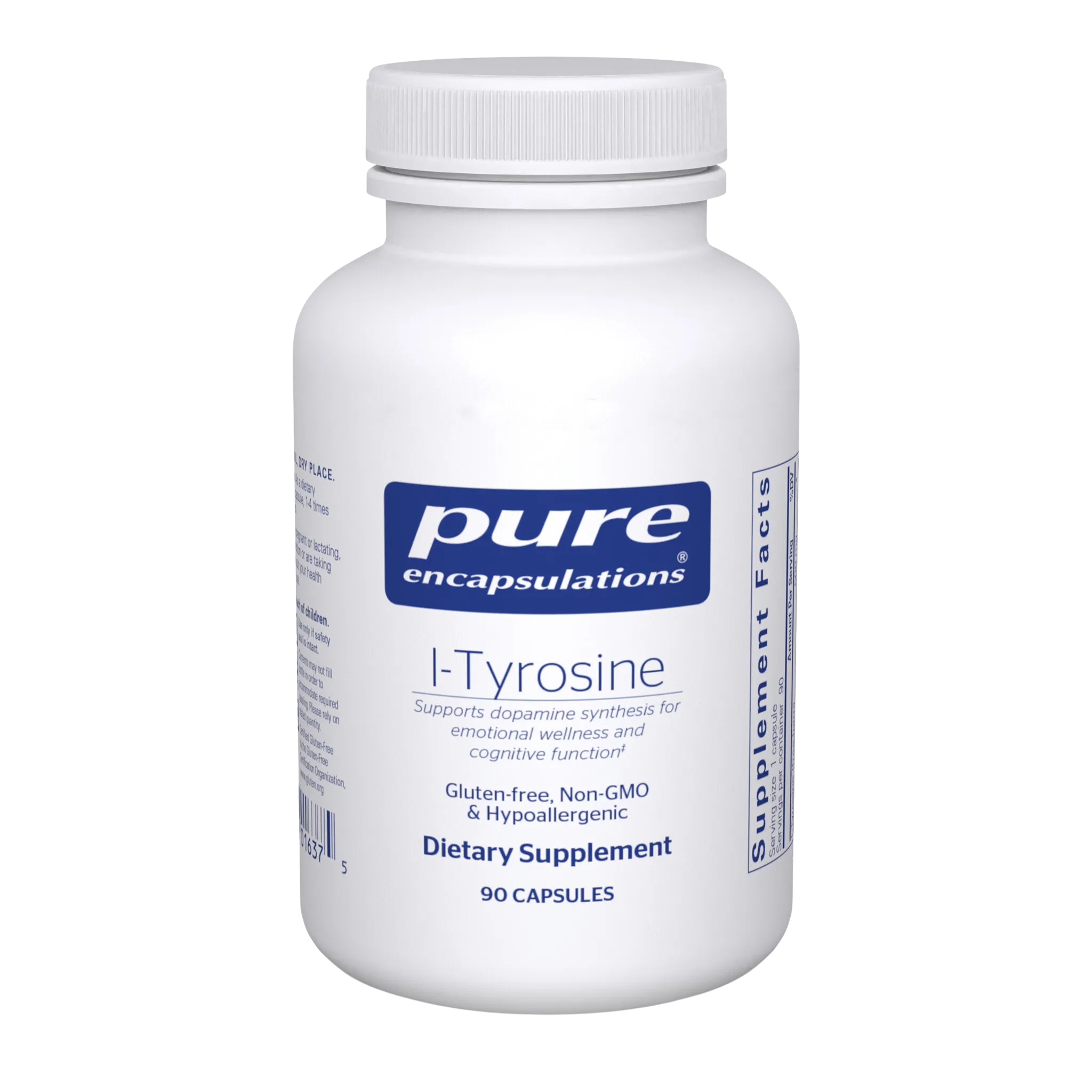
Supplementing with free-form L-tyrosine on an empty stomach may help improve cognitive resilience and autonomic balance.
Always consult your doctor before starting L-tyrosine, especially if taking MAOIs or thyroid medications.
What is L-Tyrosine?
The Foundation of Catecholamines
L-tyrosine is a conditionally essential amino acid, meaning that while the body can synthesize it from another amino acid called phenylalanine under normal circumstances, periods of severe physical or psychological stress can outpace the body's ability to produce enough of it. In a healthy body, L-tyrosine acts as the fundamental biochemical building block for a class of neurotransmitters known as catecholamines. These include dopamine, norepinephrine (noradrenaline), and epinephrine (adrenaline). These chemical messengers are absolutely vital for executive function, working memory, motivation, and the regulation of the autonomic nervous system's fight-or-flight response. Without an adequate supply of L-tyrosine, the brain simply lacks the raw materials required to manufacture these critical signaling molecules, leading to widespread neurological and physiological downstream effects.
The conversion of L-tyrosine into these neurotransmitters is a highly regulated, multi-step enzymatic process that primarily occurs within the dopaminergic and noradrenergic neurons of the brain, as well as in the adrenal medulla. To influence the brain, L-tyrosine must first cross the blood-brain barrier via the Large Neutral Amino Acid (LNAA) transporter. Because it shares this specialized transport gateway with other large amino acids, its ability to enter the brain is heavily dependent on the ratio of L-tyrosine to competing amino acids in the bloodstream. Once inside the central nervous system, L-tyrosine enters a complex biochemical assembly line that dictates our ability to think clearly, react to stress, and maintain vascular tone.
The Rate-Limiting Step of Dopamine Synthesis
The journey from an amino acid to a fully functioning neurotransmitter begins with the most critical bottleneck in the entire pathway: the conversion of L-tyrosine into L-3,4-dihydroxyphenylalanine (L-DOPA). This reaction is catalyzed by an enzyme called Tyrosine Hydroxylase (TH). Tyrosine hydroxylase is the rate-limiting enzyme, meaning the speed and efficiency of this single step determine the overall production rate of dopamine and norepinephrine for the entire nervous system. For TH to function correctly, it requires molecular oxygen, iron, and a crucial cofactor known as tetrahydrobiopterin (BH4). If any of these cofactors are depleted by chronic inflammation or oxidative stress, the entire assembly line grinds to a halt, regardless of how much L-tyrosine is present.
Once L-DOPA is successfully created, it is rapidly converted into dopamine by another enzyme called Aromatic L-amino acid decarboxylase (AADC), a process that heavily relies on Vitamin B6 as a cofactor. This newly synthesized dopamine is then transported into synaptic vesicles for storage and eventual release. However, the process does not stop there for all neurons. Inside these storage vesicles, dopamine can be further converted into norepinephrine by the membrane-bound enzyme Dopamine β-hydroxylase (DBH), which requires Vitamin C and copper to facilitate the reaction. Finally, in specific areas like the adrenal glands, norepinephrine is methylated into epinephrine. This intricate cascade highlights how a single amino acid, L-tyrosine, sits at the very top of a waterfall that sustains our cognitive clarity and autonomic stability.
Fueling the Thyroid Gland
Beyond its role in the brain, L-tyrosine is also structurally indispensable for the synthesis of thyroid hormones, which govern the body's overall metabolic rate, energy production, and temperature regulation. Within the follicles of the thyroid gland, a massive protein called thyroglobulin is synthesized. This protein is exceptionally rich in L-tyrosine residues. Through a process mediated by the enzyme Thyroid Peroxidase (TPO) and hydrogen peroxide, dietary iodine is oxidized and attached directly to the aromatic rings of these L-tyrosine molecules.
This iodination process creates Monoiodotyrosine (MIT) and Diiodotyrosine (DIT). These molecules are then coupled together to form the active thyroid hormones: Triiodothyronine (T3) and Thyroxine (T4). Because it takes two L-tyrosine molecules to create a single thyroid hormone, the demand for this amino acid in maintaining metabolic health is substantial. When the body is under extreme physiological stress, the simultaneous demand for both stress-response catecholamines and metabolic thyroid hormones can lead to a localized depletion of L-tyrosine, contributing to the profound fatigue and metabolic stalling often seen in complex chronic illnesses.
How Long COVID and ME/CFS Impact Dopamine and Tyrosine
Viral Infection and Amino Acid Malabsorption
To understand how chronic conditions like Long COVID and ME/CFS impact the body's supply of L-tyrosine, we must look at the gastrointestinal tract and the initial site of viral infection. The SARS-CoV-2 virus gains entry into human cells by binding to ACE2 receptors, which are highly concentrated in the gut lining. In a healthy digestive system, these ACE2 receptors play a direct role in the absorption of neutral amino acids, including phenylalanine and tryptophan. Because L-tyrosine is synthesized directly from phenylalanine, a viral-induced disruption of these gut receptors can severely impair the body's ability to absorb the necessary precursors from our diet. This phenomenon creates a foundational deficit; the brain is essentially starved of the raw materials it needs to manufacture dopamine and norepinephrine, setting the stage for profound neurological symptoms.
This gut-brain axis disruption is a critical factor in understanding the systemic nature of post-viral syndromes. When the intestinal lining is compromised—often referred to as "leaky gut" or increased intestinal permeability—it not only limits the absorption of vital nutrients like amino acids but also allows endotoxins to enter the bloodstream. This triggers a systemic immune response and chronic neuroinflammation. The resulting cytokine storm further alters how the body metabolizes the limited amino acids it does manage to absorb, often shunting them away from neurotransmitter production and toward inflammatory pathways, exacerbating the depletion of L-tyrosine in the central nervous system.
The Depletion of Crucial Enzyme Cofactors
Even if adequate L-tyrosine reaches the brain, the chronic inflammation characteristic of Long COVID, ME/CFS, and mast cell activation syndrome (MCAS) can sabotage the enzymes required to convert it into dopamine. As mentioned earlier, the rate-limiting enzyme Tyrosine Hydroxylase (TH) absolutely requires the cofactor tetrahydrobiopterin (BH4) to function. However, chronic oxidative stress and elevated inflammatory cytokines—particularly interferon-gamma—rapidly oxidize and deplete BH4 reserves. When BH4 is depleted, the conversion of L-tyrosine to L-DOPA is severely bottlenecked. This means that patients may have L-tyrosine available, but their inflamed nervous system lacks the biochemical "spark plugs" to process it into usable neurotransmitters, leading to the severe cognitive dysfunction commonly reported by patients.
Furthermore, the conversion of dopamine into norepinephrine requires Vitamin C and cellular energy in the form of ATP. In ME/CFS and Long COVID, mitochondrial dysfunction is a well-documented pathology, leading to chronically low ATP production. Without sufficient cellular energy, the vesicles at the nerve terminals struggle to synthesize and store norepinephrine. This creates a vicious cycle where the nervous system is desperately trying to send signals to regulate heart rate and blood pressure, but the chemical messengers required to execute those commands are simply not being manufactured efficiently.
Dopamine Neuron Damage and Cellular Senescence
Recent groundbreaking research has revealed an even more direct mechanism by which Long COVID disrupts the dopamine pathway. A landmark 2024 study published in Cell Stem Cell demonstrated that the SARS-CoV-2 virus can directly infect dopamine neurons in the human brain. When these specific neurons become infected, they undergo a process called cellular senescence. Senescence is essentially a state of suspended animation where the cell stops functioning normally, ceases to produce neurotransmitters, and instead begins secreting inflammatory chemicals that damage surrounding tissue.
The researchers observed a significant reduction in the number of functioning Tyrosine Hydroxylase (TH) positive neurons in severe COVID-19 cases. This physical damage to the very cellular machinery responsible for processing L-tyrosine provides a stark, validating biological explanation for why Long COVID patients experience such debilitating mental health challenges, anhedonia, and executive dysfunction. The brain is not just fatigued; its dopamine-producing infrastructure has been structurally compromised and functionally suppressed by the viral pathogen.
L-Tyrosine: Supporting Cognitive Function and Autonomic Balance
Replenishing the Neurotransmitter Pool
Supplementing with L-tyrosine aims to directly address the catecholamine depletion that drives many of the debilitating symptoms of complex chronic illness. By providing a highly concentrated, bioavailable source of this precursor amino acid, supplementation attempts to saturate the Tyrosine Hydroxylase (TH) enzyme. Under normal, unstressed conditions, taking L-tyrosine does not dramatically spike dopamine levels because the TH enzyme is tightly regulated by negative feedback—existing dopamine binds to the enzyme and tells it to stop producing more. However, the mechanism of action changes entirely when the nervous system is under severe stress or depleted by chronic illness.
During states of acute physical or psychosocial stress, or in the context of the chronic neuroinflammation seen in Long COVID, neurons fire at a vastly increased rate. This rapid firing causes a severe depletion of stored catecholamines, which lifts the negative feedback inhibition on the TH enzyme. The enzyme suddenly ramps up its activity to meet the high demand, and at this exact moment, the availability of L-tyrosine becomes the limiting factor. By supplementing with L-tyrosine, patients provide the necessary substrate to quickly replenish dopamine and norepinephrine pools, preventing the profound cognitive crashes and mental exhaustion that typically follow physical or cognitive exertion.
Supporting the Sympathetic Nervous System in Dysautonomia
In the context of dysautonomia and Postural Orthostatic Tachycardia Syndrome (POTS), L-tyrosine offers a fascinating mechanistic intervention. Historically, the rapid heart rate and anxiety-like symptoms of POTS were viewed as an overactive sympathetic nervous system. However, emerging paradigms suggest it is actually a struggling system suffering from catecholamine depletion. When a patient with dysautonomia stands up, gravity pulls blood toward the lower extremities. The brain immediately sends signals to the sympathetic nerves to release norepinephrine, which should constrict the blood vessels and push blood back up to the brain.
If the nerve terminals are depleted of norepinephrine—due to a lack of L-tyrosine or the inability to convert dopamine into norepinephrine—the blood vessels fail to constrict adequately. This results in blood pooling in the legs and a drop in cerebral blood flow. To compensate for this failure, the heart beats rapidly (tachycardia) to try and maintain blood pressure. By supplying the foundational building blocks for norepinephrine synthesis, L-tyrosine supplementation may help "refill the tank" in these nerve terminals. This mechanism aligns with the goals of other dysautonomia treatments, such as pyridostigmine, which seek to enhance autonomic nerve signaling and improve vascular tone.
Enhancing Cognitive Resilience Under Stress
The most well-documented benefit of L-tyrosine is its ability to preserve cognitive function and working memory during periods of extreme physiological stress. For patients with ME/CFS and Long COVID, simply navigating daily life, processing sensory information, or attempting to read a book can constitute a massive cognitive load that rapidly drains their limited dopamine reserves. This depletion manifests as the heavy, dissociative brain fog that makes executive functioning nearly impossible.
By ensuring a steady supply of L-tyrosine crosses the blood-brain barrier, the prefrontal cortex—the area of the brain responsible for focus, decision-making, and working memory—can maintain its dopaminergic signaling even under duress. This does not act as a stimulant like caffeine or prescription amphetamines, which force the release of stored neurotransmitters and often lead to severe post-exertional malaise (PEM) or crashes. Instead, L-tyrosine acts as a supportive buffer, providing the raw materials the brain needs to function naturally, thereby enhancing cognitive resilience and potentially lifting the dense fog without borrowing energy from tomorrow.

Symptoms L-Tyrosine May Help Manage
Severe Brain Fog and Cognitive Dysfunction: By providing the direct precursor for dopamine synthesis in the prefrontal cortex, L-tyrosine helps restore the neurotransmitter levels required for working memory, focus, and executive function, lifting the dissociative haze often reported by patients.
Post-Exertional Cognitive Crashes: During periods of mental or physical exertion, catecholamine stores are rapidly depleted. L-tyrosine supplies the necessary substrate to replenish these stores, potentially mitigating the severity of cognitive crashes and supporting mental endurance.
Dysautonomia and POTS Symptoms: L-tyrosine is the foundational building block for norepinephrine. Replenishing norepinephrine stores in the sympathetic nerve terminals may improve the body's ability to constrict blood vessels upon standing, reducing blood pooling, dizziness, and compensatory tachycardia.
Anhedonia and Low Mood: Dopamine is the primary neurotransmitter responsible for motivation, reward, and pleasure. By supporting healthy dopamine synthesis, L-tyrosine can help alleviate the flat, unmotivated, and emotionally blunted states associated with chronic neuroimmune conditions.
Stress Intolerance: Chronic illness severely compromises the body's ability to handle minor physical or emotional stressors. L-tyrosine buffers the nervous system by ensuring that the catecholamines required for a healthy, regulated stress response are readily available when demanded.
Fatigue and Lethargy: While not a direct energy stimulant, restoring optimal levels of dopamine and norepinephrine can improve central nervous system arousal and motivation, combating the profound neurological fatigue that makes initiating tasks feel impossible.
Practical Considerations: Forms, Dosing, and Absorption
Free-Form L-Tyrosine vs. N-Acetyl L-Tyrosine (NALT)
When selecting an L-tyrosine supplement, the specific chemical form is of paramount importance. The market is largely divided between free-form L-tyrosine and N-Acetyl L-Tyrosine (NALT). NALT was developed because it is more water-soluble, leading many manufacturers to assume it would be more bioavailable. However, clinical pharmacokinetic research has proven this assumption completely false. NALT acts as a "pro-drug" and must undergo a process called deacetylation in the liver and kidneys to be converted back into usable L-tyrosine.
Human studies demonstrate that this deacetylation process is highly inefficient. The enzymatic conversion bottlenecks easily, resulting in up to 60% of the administered NALT being excreted unchanged in the urine before it can ever reach the brain. In contrast, oral administration of free-form L-tyrosine reliably increases plasma tyrosine levels by 130% to 276%, effectively crossing the blood-brain barrier to stimulate dopamine synthesis. For patients seeking cognitive and autonomic support, free-form L-tyrosine is the scientifically validated, superior choice.
The Importance of Empty Stomach Absorption
Even the highest quality free-form L-tyrosine will be rendered ineffective if taken incorrectly. L-tyrosine relies on sodium-dependent active transport pathways to be absorbed through the small intestine and to cross the blood-brain barrier. It shares these exact transport mechanisms with other Large Neutral Amino Acids (LNAAs), such as tryptophan, leucine, and valine. If you consume L-tyrosine alongside a meal—especially one containing protein—it will be forced to compete with these other amino acids for absorption.
Because the body does not prioritize L-tyrosine over other essential LNAAs, taking it in a fed state can severely blunt the amount that successfully reaches your bloodstream. Clinical experts strongly recommend taking L-tyrosine on a completely empty stomach, typically 30 to 60 minutes before your first meal of the day. It should be taken with a full glass of water. Additionally, because it stimulates the production of alertness-promoting neurotransmitters, it is best taken in the morning or early afternoon to avoid interfering with your sleep architecture.
Crucial Cofactors for Dopamine Synthesis
L-tyrosine cannot convert into neurotransmitters in a vacuum; it requires a specific team of nutritional cofactors to complete the biochemical assembly line. If you are deficient in these cofactors, the L-tyrosine may pool in your system without converting into dopamine or norepinephrine. The most critical cofactors include Vitamin C, Vitamin B6 (preferably in its active form, P-5-P), Iron, and Copper. Vitamin C is particularly vital, as it is the mandatory cofactor for the Dopamine β-hydroxylase (DBH) enzyme, which converts dopamine into norepinephrine. Many integrative protocols recommend pairing morning L-tyrosine with a high-quality Vitamin C supplement to ensure the entire synthesis pathway is fully supported.
Safety, Contraindications, and Interactions
While L-tyrosine is generally recognized as safe and well-tolerated at standard doses (typically 500 mg to 2,000 mg daily), its direct impact on neurotransmitters and hormones means it carries strict contraindications. It must never be taken with Monoamine Oxidase Inhibitors (MAOIs), a class of older antidepressants. MAOIs block the breakdown of catecholamines; taking L-tyrosine alongside them can cause a massive, rapid buildup of these chemicals, leading to a potentially life-threatening hypertensive crisis.
Furthermore, because L-tyrosine fuels the synthesis of thyroid hormones, it is strictly contraindicated for individuals with hyperthyroidism or Graves' disease, as it may exacerbate the overproduction of T3 and T4. Patients taking synthetic thyroid hormones (like levothyroxine) for hypothyroidism should also consult their doctor, as L-tyrosine may alter the medication's efficacy. Finally, L-tyrosine actively competes for absorption with Levodopa (L-DOPA), the primary medication for Parkinson's disease. Taking them together will significantly reduce the amount of Levodopa that reaches the brain, so their administration must be separated by several hours under strict medical supervision.
Follow the Science
Military Research on Cognitive Performance Under Stress
The bulk of foundational clinical research on L-tyrosine has been funded by the military and aerospace sectors, aiming to find ways to preserve human cognitive function in extreme, high-stress environments. These studies provide robust evidence for L-tyrosine's mechanism of action under duress. A well-documented body of research shows that L-tyrosine specifically prevents cognitive decline when subjects are exposed to intense physical and psychological stressors, such as acute cold exposure, high altitude hypoxia, and extended sleep deprivation.
In these trials, subjects given L-tyrosine demonstrated significantly better working memory, faster reaction times, and greater cognitive flexibility compared to those given a placebo. The data confirms the "substrate pool" theory: under normal conditions, L-tyrosine does little to enhance a healthy, unstressed brain. However, when the nervous system is pushed to its limits and catecholamine stores are rapidly depleted—a state that closely mirrors the daily reality of patients with ME/CFS and Long COVID—L-tyrosine acts as a crucial buffer, alleviating the effects of stress and preventing the subsequent cognitive crash.
Recent Discoveries in Post-Viral Dopamine Dysfunction
In the wake of the COVID-19 pandemic, researchers have urgently pivoted to understanding the neurological sequelae of the virus, bringing dopamine and L-tyrosine into the spotlight. The landmark January 2024 study published in Cell Stem Cell provided undeniable biological proof that SARS-CoV-2 directly targets and infects dopamine-producing neurons, inducing cellular senescence and reducing the number of Tyrosine Hydroxylase (TH) positive cells. This discovery fundamentally shifted the medical understanding of Long COVID brain fog from a vague psychological symptom to a concrete, structural neurological injury involving the dopamine synthesis pathway.
Building on this, researchers at the 2025 IACFS/ME conference presented groundbreaking data analyzing the cerebrospinal fluid (CSF) of patients with ME/CFS and Long COVID. They found significantly reduced levels of norepinephrine metabolites in the central nervous system of these patients. This clinical data strongly supports the hypothesis that the autonomic dysfunction and cognitive impairments seen in these conditions are driven by a profound, systemic depletion of catecholamines, further validating the therapeutic rationale for L-tyrosine supplementation.
Clinical Trials and Combination Therapies
While large-scale, isolated Phase 3 clinical trials for L-tyrosine in Long COVID are still developing, recent smaller trials evaluating combination therapies have shown highly promising results. A 2023 open, randomized, placebo-controlled trial evaluated the cognitive effects of an amino acid and nootropic cocktail on post-COVID patients over 60 days. The intervention included L-tyrosine alongside other neuro-supportive compounds like Citicoline, Alpha-GPC, and CoQ10.
The clinical data revealed a statistically significant improvement in memory, attention, and reaction speed for the COVID group taking the supplement compared to the placebo group. Researchers noted that the positive effects on memory reached a noticeable, sustained threshold after 30 days of consistent use. Furthermore, the Patient-Led Research Collaborative has formally published the "Dopamine Hypothesis" for Long COVID, calling for accelerated clinical trials specifically focused on L-tyrosine and its cofactors to manually overcome the viral-induced blockade of dopamine synthesis. This growing body of evidence underscores L-tyrosine's emerging role as a targeted intervention for post-viral cognitive rehabilitation.
The Path Forward
Validating the Neurological Reality of Chronic Illness
Living with the cognitive and autonomic symptoms of Long COVID, ME/CFS, and dysautonomia can be an profoundly isolating experience. For too long, the medical establishment has struggled to quantify "brain fog," often dismissing it as mere anxiety or depression. However, the emerging science surrounding dopamine depletion, viral infection of neurons, and the critical role of L-tyrosine offers powerful validation. Your cognitive fatigue is not a lack of willpower; it is a measurable, physiological deficit of the essential chemical messengers your brain needs to function. Understanding this biochemistry is the first step toward reclaiming agency over your health.
Integrating L-Tyrosine into a Comprehensive Protocol
While L-tyrosine presents a highly promising, scientifically grounded mechanism for supporting dopamine synthesis and autonomic tone, it is not a standalone cure. It is most effective when utilized as one strategic component of a comprehensive, pacing-based management plan. Restoring your nervous system requires a holistic approach that includes aggressive rest, identifying and managing post-exertional malaise (PEM), supporting mitochondrial function, and ensuring you have the necessary vitamin cofactors to process amino acids effectively. By supplying your body with the raw materials it desperately needs, you can help build a foundation for greater cognitive resilience and improved quality of life.
Disclaimer: The information provided in this blog is for educational purposes only and is not intended as medical advice. L-tyrosine can interact with various medications, particularly MAOIs, thyroid hormones, and Levodopa. Always consult with a qualified healthcare provider before starting any new supplement regimen, especially if you are managing a complex chronic condition or taking prescription medications.
Sources
Neuroimmune pathophysiology of long COVID (Psychiatry and Clinical Neurosciences)
Novel biomarkers of mitochondrial dysfunction in Long COVID patients (Antioxidants/PubMed)
L-Tyrosine to alleviate the effects of stress (Journal of Psychiatry & Neuroscience)
SARS-CoV-2 Infection Causes Dopaminergic Neuron Senescence (Neuroscience News / Cell Stem Cell)
L-Tyrosine Drug Interactions and Contraindications (Drugs.com)