Can L-Tryptophan Support Sleep and Brain Fog in Long COVID and ME/CFS?
March 5, 2026
L-TryptophanLong COVIDME/CFS
Share:
Disclaimer: The information provided here is for educational purposes only and is not intended as medical advice. It should not be used to diagnose, treat, cure, or prevent any medical condition. Instead, use it as a starting point for discussion with your healthcare provider. Always consult with a qualified healthcare provider before starting any new medication, supplement, device, or making changes to your health regimen.
Months or even years after an initial SARS-CoV-2 infection, many individuals continue to battle a complex web of debilitating symptoms, from profound sleep disturbances and severe cognitive dysfunction to unpredictable mood swings. If you are living with Long COVID, myalgic encephalomyelitis/chronic fatigue syndrome (ME/CFS), or dysautonomia, you know all too well how frustrating it is when standard blood tests come back "normal" while your daily quality of life remains severely compromised. The invisible nature of these illnesses often leaves patients feeling invalidated, searching for answers in a medical system that is still catching up to the science of post-viral syndromes. When a standard new patient-provider appointment is 30 minutes to an hour, how do you convey the depth of the exhaustion you are experiencing and what life is really like? When there aren’t accessible blood tests to monitor treatment success, how do you know what treatments are actually targeting the root cause of your symptoms?
However, recent breakthrough research has begun to illuminate the biological mechanisms driving these relentless symptoms, pointing directly to profound disruptions in how the body processes essential amino acids. One of the most critical discoveries involves the depletion of L-Tryptophan, a vital building block responsible for creating serotonin and melatonin. When chronic inflammation and viral persistence hijack this pathway, the resulting neurochemical drought can trigger the exact triad of brain fog, insomnia, and emotional dysregulation that plagues so many patients. Understanding how L-Tryptophan functions—and how targeted supplementation might help restore balance—offers a promising, science-backed avenue for symptom management.
TL;DR
L-Tryptophan is an essential amino acid that supports serotonin and melatonin production, which may be disrupted in post-viral conditions.
Chronic inflammation can divert tryptophan away from neurotransmitter synthesis, contributing to brain fog, fatigue, and sleep disturbances.
Supplementing with L-Tryptophan and activated Vitamin B6 (P5P) may help manage sleep, mood, and cognitive symptoms.
Always consult a healthcare provider before starting L-Tryptophan, especially if taking psychiatric medications like SSRIs.
What is L-Tryptophan?
The Essential Building Block for Neurotransmitters
L-Tryptophan is an essential amino acid, meaning the human body cannot synthesize it from scratch; it must be obtained entirely through dietary sources such as poultry, oats, bananas, and dairy. In a healthy physiological state, L-Tryptophan serves as the exclusive biochemical precursor for the synthesis of several critical molecules, most notably serotonin (5-hydroxytryptamine or 5-HT) and melatonin. Serotonin is a master neurotransmitter that regulates mood, emotional processing, gut motility, and cognitive function, while melatonin is the primary hormone responsible for orchestrating the sleep-wake cycle and maintaining circadian rhythms. Because the brain relies on a steady supply of peripheral tryptophan crossing the blood-brain barrier (BBB) to manufacture these neurotransmitters, the availability of this single amino acid dictates the neurological tone of the entire central nervous system. Without a constant influx of dietary L-Tryptophan, the brain simply lacks the raw materials required to sustain emotional stability and initiate restorative sleep.
To influence central nervous system chemistry, L-Tryptophan must first cross the highly selective blood-brain barrier. It accomplishes this using a transport molecule that it shares with other Large Neutral Amino Acids (LNAAs), such as tyrosine and valine. Because it competes with these other amino acids for the same transport "seats," the actual amount of tryptophan that successfully enters the brain depends heavily on the ratio of tryptophan to other LNAAs in the bloodstream. This competitive transport mechanism explains why consuming a high-protein meal (which floods the blood with competing LNAAs) can paradoxically lower brain tryptophan levels, while consuming carbohydrates (which triggers an insulin release that clears competing amino acids from the blood) allows more tryptophan to reach the brain. Understanding this delicate transport balance is crucial for optimizing the delivery of this essential nutrient to the neurological tissues that need it most.
The Two-Step Serotonin Synthesis Pathway
Once inside the brain, the conversion of L-Tryptophan into active serotonin is a highly regulated, two-step enzymatic process that requires specific nutritional cofactors to function optimally. The first step is the rate-limiting phase: L-Tryptophan is hydroxylated (an oxygen-containing group is added to its molecular structure) by the enzyme tryptophan hydroxylase (TPH) to form 5-hydroxytryptophan (5-HTP). There are two isoforms of this enzyme: TPH-1, which is found mainly in peripheral tissues like the gut, and TPH-2, which is expressed almost exclusively in the neuronal tissues of the brain. This initial reaction requires molecular oxygen and a critical cofactor called tetrahydrobiopterin (BH4). Because the TPH enzyme is not fully saturated at normal physiological brain tryptophan concentrations, the actual rate of serotonin synthesis is entirely dependent on how much tryptophan successfully crosses the blood-brain barrier. Furthermore, TPH activity can be severely impaired by chronic stress, insulin resistance, aging, or deficiencies in key minerals like magnesium.
The second step in the pathway involves the decarboxylation of 5-HTP (the removal of a carboxyl group) to become the active neurotransmitter serotonin. This crucial reaction is catalyzed by the enzyme aromatic L-amino acid decarboxylase (AADC), also known as DOPA decarboxylase because it simultaneously processes L-DOPA into dopamine. However, AADC is completely dependent on the presence of activated Vitamin B6, known as pyridoxal 5'-phosphate (P5P). Without adequate P5P, the AADC enzyme cannot undergo the structural transformation necessary to process 5-HTP, creating a metabolic bottleneck that halts serotonin production entirely. This intricate, multi-step dependency highlights why isolated amino acid supplementation often falls short if the necessary enzymatic cofactors are missing from the equation.
The Kynurenine Pathway and Cellular Energy
While serotonin and melatonin are the most famous byproducts of L-Tryptophan, they actually account for only a tiny fraction—roughly 1% to 5%—of how the body utilizes this amino acid. Under normal physiological conditions, approximately 95% of dietary tryptophan is metabolized peripherally through the kynurenine pathway (KP) in the liver and immune cells. The primary physiological purpose of the kynurenine pathway is to produce cellular energy in the form of nicotinamide adenine dinucleotide (NAD+), a crucial coenzyme required for mitochondrial ATP production. This pathway is a vital component of cellular respiration, ensuring that the body has the energy currency it needs to power everything from muscle contractions to complex cognitive tasks.
The kynurenine pathway is tightly controlled by an enzyme called indoleamine 2,3-dioxygenase 1 (IDO-1). In a healthy, non-inflamed state, IDO-1 maintains a steady, balanced flow of tryptophan into the KP to ensure adequate NAD+ levels while leaving enough circulating tryptophan for the brain to synthesize serotonin. Furthermore, the KP produces intermediate metabolites, such as kynurenic acid, which act as neuroprotective agents by shielding neurons from excitotoxicity. However, because IDO-1 is highly sensitive to immune system signals, this delicate metabolic balance can be violently disrupted by viral infections and chronic systemic inflammation, leading to profound downstream consequences for both energy production and neurological health.
How Long COVID and ME/CFS Impact Tryptophan Metabolism
The "Serotonin Surprise" and Viral Persistence
In the context of complex chronic illnesses like Long COVID, the natural metabolism of L-Tryptophan becomes severely derailed. A landmark 2023 study published in the journal Cell by researchers at the University of Pennsylvania uncovered what the scientific community dubbed the "serotonin surprise." The researchers discovered that fragments of SARS-CoV-2 RNA can persist in the gut lining for months or years after the acute infection, triggering localized, chronic inflammation. This persistent intestinal inflammation severely impairs the gut's ability to absorb dietary L-Tryptophan from the food you eat. Because the gut is responsible for producing the vast majority of the body's serotonin, this malabsorption leads to profound, systemic serotonin depletion.
As a direct result of this peripheral serotonin drop, the signaling of the vagus nerve—the primary communication superhighway between the gut and the brain—becomes severely impaired. The researchers demonstrated that this disrupted vagus nerve signaling directly causes the severe cognitive deficits, memory impairment, and brain fog that are hallmark symptoms of Long COVID. This finding provided a validating, measurable biological mechanism for symptoms that many patients had previously been told were purely psychological. It clearly illustrated that the cognitive dysfunction in Long COVID is not a mood disorder, but a direct consequence of an amino acid deficiency driven by viral persistence in the gastrointestinal tract.
The Kynurenine Shunt and Neuroinflammation
Beyond gut malabsorption, chronic post-viral inflammation actively hijacks the tryptophan that does make it into the bloodstream. When the immune system detects an ongoing threat, it releases pro-inflammatory cytokines, particularly interferon-gamma. These cytokines aggressively upregulate the IDO-1 enzyme, acting as a metabolic switch that "steals" tryptophan away from the serotonin pathway and shunts it heavily down the kynurenine pathway. While this is a natural, acute antiviral defense mechanism designed to starve pathogens of the tryptophan they need to replicate, chronic IDO-1 activation becomes highly destructive to the host's nervous system.
A comprehensive 2024 systematic review and meta-analysis by Almulla et al. confirmed that Long COVID patients exhibit a significantly elevated kynurenine-to-tryptophan (KYN/TRP) ratio, a definitive biomarker of ongoing systemic inflammation and IDO-1 overactivation. As the kynurenine pathway goes into overdrive, it produces an excess of neurotoxic intermediate metabolites, such as quinolinic acid and 3-hydroxykynurenine. Quinolinic acid acts as a potent agonist at NMDA receptors in the brain, driving severe neuroinflammation, oxidative stress, and excitotoxic neuronal damage. This toxic accumulation helps explain the persistent neurological symptoms, severe anxiety, and sleep architecture disruptions seen in post-viral syndromes.
The "IDO Metabolic Trap" in ME/CFS
The dysregulation of tryptophan metabolism is equally central to the pathophysiology of myalgic encephalomyelitis/chronic fatigue syndrome (ME/CFS). Researchers have proposed the "IDO Metabolic Trap" hypothesis, which suggests that a genetic or stress-induced defect in the IDO enzymes creates a localized metabolic blockade in specific brain cells. In this trapped state, tryptophan accumulates to toxic levels within the cell, while the downstream production of neuroprotective kynurenic acid and energy-yielding NAD+ is completely shut down. This localized trap prevents the brain from protecting itself against the oxidative stress generated by daily cognitive and physical exertion.
This metabolic blockade contributes directly to the profound cellular energy crisis and mitochondrial dysfunction that characterize ME/CFS. Because the kynurenine pathway is the body's primary source of de novo NAD+ synthesis, chronic dysregulation limits the availability of this crucial coenzyme. Without adequate NAD+, the mitochondria cannot produce sufficient ATP, leading to the severe, exertion-intolerant fatigue and post-exertional malaise (PEM) that define the condition. Understanding these deep metabolic disruptions highlights why addressing mental health and cognitive function in Long COVID requires targeting the underlying biochemical pathways rather than just treating surface-level symptoms with traditional psychiatric medications.
L-Tryptophan and Vitamin B6: Supporting Serotonin Synthesis
Restoring the Raw Materials for Neurotransmitters
When chronic illness depletes the body's natural reserves of essential amino acids, targeted supplementation can help restore the raw materials necessary for neurological function. Supplementing with high-quality L-Tryptophan provides the central nervous system with a direct, concentrated supply of the exact precursor required to synthesize serotonin and melatonin. By significantly increasing the concentration of circulating tryptophan in the bloodstream, supplementation helps this amino acid outcompete other large neutral amino acids at the blood-brain barrier transport sites. This ensures that a larger volume of tryptophan successfully enters the brain tissue where it is desperately needed to rebuild depleted neurotransmitter stores.
Once inside the brain, this influx of L-Tryptophan saturates the tryptophan hydroxylase (TPH) enzyme, effectively forcing the first step of the serotonin synthesis pathway to proceed even in the face of systemic inflammation. This mechanism is particularly vital for patients whose gut inflammation has impaired their ability to extract sufficient tryptophan from dietary sources. By bypassing the compromised digestive extraction process, supplemental L-Tryptophan ensures that the brain receives the chemical building blocks it needs to regulate mood, stabilize emotional processing, and initiate the complex cascade of hormones required for restorative sleep. This targeted approach is often explored alongside other interventions like guanfacine for lifting brain fog to provide comprehensive neurological support.
The Crucial Role of Activated Vitamin B6 (P5P)
However, providing the raw material is only half the battle; the body must also possess the enzymatic machinery to convert that material into active neurotransmitters. This is where Vitamin B6, specifically in its biologically active form known as pyridoxal 5'-phosphate (P5P), becomes absolutely critical. As established in extensive biochemical research, the enzyme aromatic L-amino acid decarboxylase (AADC)—which performs the final conversion of 5-HTP into serotonin—is strictly a P5P-dependent enzyme. If a supplement provides L-Tryptophan but the patient is deficient in active Vitamin B6, the metabolic pathway hits a brick wall, and serotonin synthesis grinds to a halt.
The AADC enzyme naturally exists in an open, inactive structural conformation. When P5P binds to the enzyme's active site, it forms a Schiff base with a specific lysine residue, triggering a major structural transformation. This closes the enzyme tightly around the substrate, allowing the decarboxylation reaction to occur rapidly and efficiently. Clinical studies have shown that low plasma levels of P5P are significantly associated with symptoms of depression, as vitamin B6 is a necessary cofactor in the tryptophan-serotonin pathway. Therefore, pairing L-Tryptophan with activated Vitamin B6 ensures that the entire biochemical assembly line functions efficiently from start to finish, maximizing the therapeutic potential of the amino acid.
Bypassing the Metabolic Bottleneck
In the context of the kynurenine shunt seen in Long COVID and ME/CFS, the combination of L-Tryptophan and P5P serves a dual protective purpose. Vitamin B6 is not only required for serotonin synthesis but is also the "master regulator" of the kynurenine pathway itself. It acts as the mandatory cofactor for kynurenine aminotransferase (KAT), the enzyme responsible for converting kynurenine into the neuroprotective kynurenic acid. When the body is deficient in Vitamin B6, the kynurenine pathway stalls at a dangerous juncture, leading to a massive buildup of neurotoxic metabolites like quinolinic acid and 3-hydroxykynurenine, which drive brain fog and neuroinflammation.
By supplying activated P5P alongside L-Tryptophan, this formulation helps clear the metabolic traffic jam. It simultaneously facilitates the conversion of tryptophan into mood-stabilizing serotonin while ensuring that any tryptophan shunted down the kynurenine pathway is safely processed into neuroprotective compounds rather than neurotoxic excitotoxins. This comprehensive biochemical support is why targeted amino acid therapy is considered a cornerstone of functional recovery. It addresses the root cause of the neurotransmitter deficiency while actively protecting the brain from the inflammatory byproducts of a dysregulated immune response, offering a sophisticated approach to managing complex post-viral symptoms.

Symptoms L-Tryptophan May Help Manage
Targeted Relief for Post-Viral Symptoms
By directly supporting the serotonin and melatonin synthesis pathways, L-Tryptophan combined with activated Vitamin B6 addresses several core symptoms associated with complex chronic conditions. While it is not a cure for Long COVID or ME/CFS, restoring these crucial neurotransmitters can significantly improve daily quality of life.
Severe Sleep Disturbances and Insomnia: Because L-Tryptophan is the direct biological precursor to melatonin, supplementation helps regulate profoundly disrupted circadian rhythms. Clinical data shows it significantly reduces Wake After Sleep Onset (WASO), helping patients stay asleep longer and achieve deeper, more restorative stages of sleep (Stages N3 and N4), which is absolutely critical for cellular repair and immune system regulation.
Brain Fog and Cognitive Dysfunction: Serotonin plays a vital role in memory consolidation, executive function, and cognitive processing speed. By counteracting the systemic serotonin depletion caused by viral persistence in the gut, L-Tryptophan helps restore the vagus nerve signaling necessary for clear thinking, focus, and lifting the debilitating cognitive fog that plagues post-viral patients.
Mood Swings and Emotional Dysregulation: Chronic illness takes a massive toll on mental health, often exacerbated by the biological depletion of mood-stabilizing neurotransmitters. L-Tryptophan provides the raw materials to rebuild serotonin levels, supporting healthy emotional processing, reducing occasional irritability, and promoting a more positive outlook even in the face of severe chronic stress.
Post-Exertional Malaise (PEM) and Fatigue: While primarily an energy metabolism issue, the profound fatigue of ME/CFS is worsened by poor sleep architecture and neurotoxic buildup in the brain. By supporting the production of neuroprotective kynurenic acid (via the P5P cofactor) and improving restorative sleep, this combination helps raise the baseline threshold for exertion and supports overall neurological resilience.
Occasional Cravings and Appetite Dysregulation: Serotonin is deeply involved in satiety signaling and appetite control within the hypothalamus. Low central serotonin levels often trigger intense carbohydrate cravings as the body attempts to force more tryptophan across the blood-brain barrier via insulin spikes. Supplementation can help stabilize these signaling pathways, reducing erratic cravings and supporting balanced metabolic health.
Practical Considerations: Forms, Dosing, and Absorption
TryptoPure™ and Activated Vitamin B6
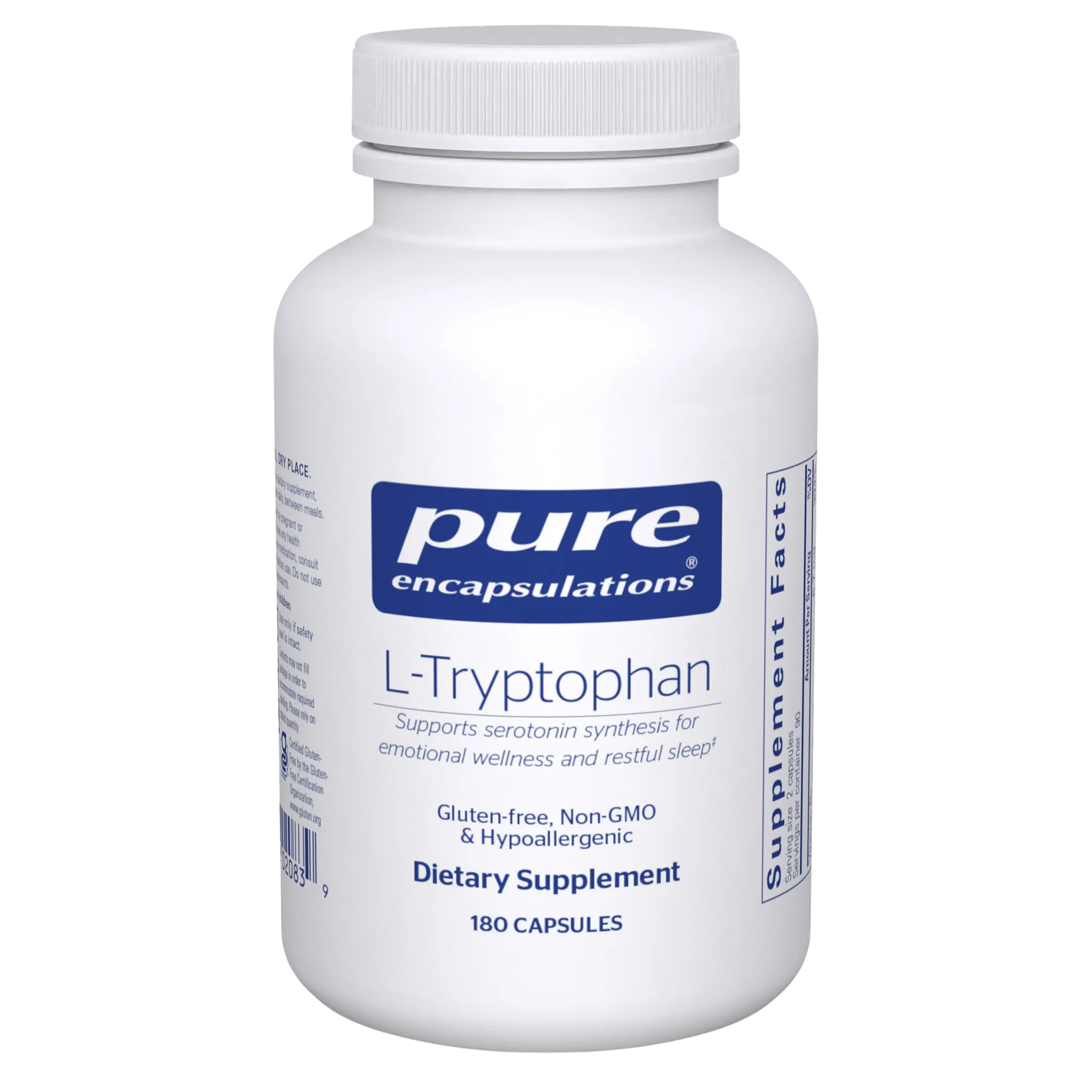
When selecting an L-Tryptophan supplement, the purity of the amino acid and the bioavailability of its cofactors are paramount. The Pure Encapsulations formula utilizes TryptoPure™, a highly purified, clinical-grade form of L-tryptophan manufactured under strict quality control standards to ensure it is free from contaminants. This is crucial for patients with complex chronic illnesses like mast cell activation syndrome (MCAS) or severe dysautonomia, whose immune systems are highly reactive to fillers, binders, or microscopic impurities. Providing a clean, highly bioavailable form ensures that the body can utilize the amino acid without triggering secondary inflammatory cascades or mast cell degranulation.
Equally important is the inclusion of Vitamin B6 in its activated form, pyridoxal 5'-phosphate (P5P). Many standard, lower-quality supplements use pyridoxine hydrochloride, an inactive form of B6 that the liver must first convert into P5P before the body can use it. In patients with chronic inflammation, liver stress, or specific genetic polymorphisms (like MTHFR or ALPL mutations), this conversion process is often highly inefficient, leaving the patient functionally deficient despite supplementation. By providing 6.7 mg of pre-activated P5P, this formulation completely bypasses the liver's conversion bottleneck, ensuring that the critical coenzyme is immediately available to the AADC enzyme for rapid serotonin synthesis.
Optimal Dosing and Timing for Sleep vs. Mood
The timing and dosage of L-Tryptophan supplementation should be carefully tailored to the specific symptoms you are trying to manage. For supporting healthy sleep quality, onset, and duration, clinical consensus suggests taking the supplement 30 to 60 minutes before bedtime. Because L-Tryptophan competes with other large neutral amino acids for transport across the blood-brain barrier, it is highly recommended to take it on an empty stomach or with a small carbohydrate snack (which triggers an insulin release that clears competing amino acids from the bloodstream), rather than with a high-protein meal. This strategic timing ensures maximum delivery of the amino acid to the brain exactly when melatonin production needs to peak.
For supporting emotional well-being, healthy mood, and controlling occasional cravings, the suggested use is typically divided throughout the day to maintain steady serotonin levels. The standard recommendation is to take 2 capsules (providing 1000 mg of L-Tryptophan) 1 to 3 times daily between meals. It is important to start with a lower dose to assess your individual tolerance, especially if you have an extremely sensitive nervous system or severe dysautonomia, and gradually titrate up under the guidance of a healthcare professional. Tracking your symptoms alongside your dosage can help you find the precise therapeutic window that provides relief without overstimulating your system.
Safety, Contraindications, and Serotonin Syndrome
While L-Tryptophan is a naturally occurring amino acid, its powerful effect on neurotransmitter levels requires careful medical supervision, particularly regarding drug interactions. The most critical warning is that L-Tryptophan must not be used concurrently with antidepressants, including Selective Serotonin Reuptake Inhibitors (SSRIs), Serotonin-Norepinephrine Reuptake Inhibitors (SNRIs), or Monoamine Oxidase Inhibitors (MAOIs). Combining these medications with a direct serotonin precursor can lead to a dangerous, potentially life-threatening condition called Serotonin Syndrome, characterized by severe agitation, rapid heart rate, high blood pressure, muscle rigidity, excessive sweating, and confusion. If you are currently taking any psychiatric medications, you must consult your prescribing physician before adding this supplement to your regimen.
Additionally, this supplement is strictly contraindicated for pregnant or lactating women due to a lack of established safety data for these vulnerable populations. Patients with severe liver or kidney disease should also consult their provider before initiating high-dose amino acid therapy, as impaired organ function can alter the metabolism and excretion of these compounds. Because post-viral syndromes often involve complex, multi-drug medication regimens—such as using pyridostigmine for fast heart rate and fatigue or beta-blockers for POTS—it is imperative to have a comprehensive review of your current medications and supplements with your treating physician to ensure there are no hidden interactions that could compromise your recovery.

Follow the Science: Clinical Trials on L-Tryptophan
Evidence for Improved Sleep Architecture
The clinical efficacy of L-Tryptophan for sleep disturbances is supported by decades of rigorous scientific research. A comprehensive 2022 systematic review and meta-analysis published in Nutrition Reviews by Sutanto et al. evaluated 18 randomized clinical trials involving over 522 participants. The researchers found that L-Tryptophan supplementation significantly reduced Wake After Sleep Onset (WASO)—the frustrating periods spent awake in the middle of the night staring at the ceiling. The data revealed a clear dose-dependent response, with doses of 1 gram or more reducing wake time by an average of 56.55 minutes, profoundly improving overall sleep architecture, sleep efficiency, and the subjective feeling of restfulness upon waking.
Further supporting these findings, a recent 2023 exploratory clinical trial (NCT05748574) investigated a multi-nutrient formula containing L-Tryptophan combined with magnesium and botanical extracts. Polysomnography (PSG) data from this study showed a remarkable 28% increase in deep, restorative sleep (Stages N3 and N4) and a 31% reduction in nightly awakenings. These objective measurements validate the subjective reports of patients who experience more refreshing, continuous sleep when their serotonin and melatonin pathways are properly supported with amino acid precursors. This deep sleep enhancement is particularly vital for ME/CFS patients, as Stage N3 sleep is when the body performs the majority of its cellular repair and immune system modulation.
Managing Mood and Emotional Processing
The impact of L-Tryptophan on emotional well-being has also been extensively documented in the clinical literature. A 2021 systematic review by Kikuchi et al. analyzed 11 randomized controlled trials and concluded that daily L-Tryptophan supplementation successfully decreases anxiety and promotes a positive, happy mood in healthy populations. The review noted that providing the brain with adequate raw materials for serotonin synthesis creates a measurable biological buffer against stress-induced emotional dysregulation, allowing individuals to process negative stimuli with greater resilience and emotional stability.
Emerging Research in Post-Viral Syndromes
The specific application of tryptophan metabolism research to post-viral syndromes is one of the most rapidly evolving and exciting fields in modern medicine. The landmark 2023 Cell study by Wong et al. definitively linked viral persistence in the gut to systemic serotonin depletion and subsequent cognitive dysfunction in Long COVID, providing a clear mechanistic target for therapy. Furthermore, a 2024 systematic review by Almulla et al. confirmed that elevated kynurenine-to-tryptophan ratios—indicating the inflammatory shunting of tryptophan away from serotonin production—are a hallmark biological feature of Long COVID, directly correlating with the severity of chronic fatigue and affective symptoms.
Additionally, research into the role of Vitamin B6 in these pathways continues to highlight its necessity. A clinical study by Hvas et al. evaluated 140 individuals and found that a low plasma level of PLP was significantly associated with higher depression scores, supporting the link between B6 deficiency and mood symptoms. This growing body of evidence strongly supports the clinical rationale for targeted amino acid therapy, combined with active cofactors, in complex patient populations dealing with brain fog and cognitive dysfunction.
The Path Forward
A Comprehensive Approach to Symptom Management
Navigating the daily realities of Long COVID, ME/CFS, or dysautonomia requires immense resilience and a multifaceted approach to symptom management. While no single supplement is a magic bullet for these complex, systemic conditions, understanding the underlying biochemistry of your symptoms can empower you to make targeted, science-backed interventions. By addressing the profound disruptions in tryptophan metabolism and serotonin synthesis caused by chronic inflammation, you are directly supporting your central nervous system's ability to regulate mood, initiate restorative sleep, and clear the neurotoxic fog that clouds cognitive function. Integrating L-Tryptophan into a broader management strategy that includes pacing, symptom tracking, and targeted amino acid support can help you build a more resilient foundation for recovery.
Validating Your Experience
If you have been struggling with severe insomnia, unpredictable emotional swings, or debilitating brain fog, it is crucial to understand that these symptoms are not "all in your head"—they are the direct result of measurable, physiological disruptions in your body's neurotransmitter pathways. Restoring the balance of essential amino acids like L-Tryptophan, supported by critical cofactors like activated Vitamin B6, is a validating and practical step toward reclaiming your quality of life. Always remember to work closely with a knowledgeable healthcare provider who understands the nuances of post-viral syndromes to ensure that any new supplement fits safely within your broader treatment protocol.