Can L-Carnitine Support Energy Levels and Exercise Recovery for Long COVID and ME/CFS Patients?
March 5, 2026
L-CarnitineLong COVIDME/CFS
Share:
Disclaimer: The information provided here is for educational purposes only and is not intended as medical advice. It should not be used to diagnose, treat, cure, or prevent any medical condition. Instead, use it as a starting point for discussion with your healthcare provider. Always consult with a qualified healthcare provider before starting any new medication, supplement, device, or making changes to your health regimen.
Months or even years after a viral infection, many individuals find themselves battling an invisible, unrelenting exhaustion that fundamentally alters their quality of life. For patients navigating the complex realities of Long COVID, myalgic encephalomyelitis/chronic fatigue syndrome (ME/CFS), and dysautonomia, this fatigue is not simply a matter of needing more sleep. It is a profound, cellular-level energy crisis. When the body's microscopic power plants—the mitochondria—fail to produce enough energy to meet basic physiological demands, every system in the body suffers, leading to debilitating symptoms like brain fog, severe exercise intolerance, and unpredictable post-exertional crashes.
In the search for validating, science-backed strategies to manage these complex chronic conditions, medical researchers have increasingly focused on the biochemical pathways that govern cellular energy production. One of the most critical components of this energy pipeline is L-carnitine, a naturally occurring amino acid derivative that serves as the essential shuttle for transporting fats into the mitochondria to be burned for fuel. This comprehensive guide explores the intricate mechanisms of L-carnitine, specifically the highly stabilized L-Carnitine-L-Tartrate form, and examines how supporting mitochondrial function may offer a vital lifeline for patients seeking to rebuild their energy reserves and improve their daily functioning.
TL;DR
L-carnitine transports fatty acids into mitochondria, supporting cellular energy production to help combat chronic fatigue.
Supplementation may help manage Long COVID and ME/CFS symptoms, including brain fog and post-exertional malaise.
Different forms serve different purposes: Acetyl-L-carnitine supports brain health, while L-Carnitine-L-Tartrate aids muscle recovery.
Always consult your doctor before starting, as L-carnitine can interact with certain medications and gut microbiomes.
What is L-Carnitine?
L-Carnitine is a conditionally essential amino acid derivative that plays a foundational and non-negotiable role in cellular bioenergetics and lipid metabolism. Synthesized primarily in the human liver and kidneys from the essential amino acids lysine and methionine, L-carnitine relies on a complex cascade of cofactors for its production, including Vitamin C, Vitamin B6, niacin, and iron. Once synthesized, it is distributed through the bloodstream and becomes highly concentrated in tissues that demand massive amounts of continuous energy, specifically the skeletal muscles and the myocardium (heart muscle), which contain over 95% of the body's total carnitine stores.
In a healthy, optimally functioning body, this compound acts as a critical metabolic traffic cop, directing how and when cells utilize dietary fats for fuel. While many people associate metabolism simply with burning calories, the reality at the molecular level is a highly orchestrated process of converting molecular bonds into adenosine triphosphate (ATP), the universal energy currency of the cell. Without sufficient L-carnitine, this energy production pipeline grinds to a halt, leaving cells starved for power and highly vulnerable to metabolic stress and premature cell death.
The distinction between different forms of carnitine is also vital for understanding its biological roles. While pure L-carnitine primarily targets the energy demands of the heart and skeletal muscles, other forms, such as Acetyl-L-carnitine (ALCAR), are specifically structured to cross the blood-brain barrier, providing targeted support for neurological function and cognitive stamina. Understanding these nuances is essential for patients seeking to address the specific systemic deficits caused by complex chronic illnesses.
To truly understand L-carnitine's primary function, we must look closely at the mitochondria, the double-membraned organelles universally known as the powerhouses of the cell. The inner mitochondrial membrane is strictly impermeable to activated long-chain fatty acids (LCFAs), which possess 12 to 20 carbon atoms and represent the body's most dense and efficient source of potential energy. To bypass this impenetrable barrier, the cell relies entirely on a three-step biochemical pathway known in medical literature as the carnitine shuttle.
First, an enzyme located on the outer mitochondrial membrane called Carnitine Palmitoyltransferase 1 (CPT1) initiates the process. CPT1 catalyzes the transfer of the acyl group from Coenzyme A to a molecule of L-carnitine, creating a newly formed complex called acylcarnitine. This step is the primary rate-limiting bottleneck of fatty acid oxidation; if CPT1 is inhibited or lacks sufficient L-carnitine, fat burning ceases entirely. Next, a specialized transport antiporter protein called Carnitine-Acylcarnitine Translocase (CACT) ferries this acylcarnitine complex across the impermeable inner membrane and deep into the mitochondrial matrix, while simultaneously pumping a free L-carnitine molecule back out to maintain the cycle.
Finally, a third enzyme located within the mitochondrial matrix, Carnitine Palmitoyltransferase 2 (CPT2), reverses the initial reaction. It detaches the L-carnitine and releases the long-chain fatty acid back to a mitochondrial Coenzyme A. This fatty acyl-CoA immediately enters the beta-oxidation pathway, where it is systematically broken down to produce acetyl-CoA. This acetyl-CoA then enters the Krebs cycle (TCA cycle), driving the electron transport chain to generate massive amounts of ATP. The newly freed L-carnitine is recycled back outside the membrane, ready to capture another fatty acid and keep the cellular engines running smoothly.
While its role as a fatty acid transporter is its most famous biological function, recent biochemical research highlights that L-carnitine is also a vital cellular protector and metabolic buffer. During periods of high metabolic demand, intense physical exertion, or cellular stress, the mitochondria can become overwhelmed by partially processed metabolic byproducts, specifically excess acetyl-CoA. If these intermediates build up faster than the Krebs cycle can process them, they become highly toxic, effectively choking the mitochondria and halting the entire energy-producing apparatus.
L-carnitine acts as a molecular sponge to resolve this crisis. It binds to these excess acetyl groups to form acetyl-carnitine, which safely removes them from the mitochondria and frees up unesterified Coenzyme A (CoA), a molecule absolutely vital for continued glucose and protein metabolism. By preventing the accumulation of toxic lipid intermediates and long-chain acylcarnitines, L-carnitine serves as a potent intracellular antioxidant. It stabilizes delicate mitochondrial membranes, significantly reduces the generation of destructive reactive oxygen species (ROS), and protects the cell from ferroptosis, a severe form of iron-dependent cell death.
This dual role—fueling the cell while simultaneously cleaning up its toxic metabolic exhaust—makes L-carnitine indispensable for maintaining metabolic flexibility. Metabolic flexibility is the ability of a cell to efficiently switch between burning carbohydrates and fats depending on nutrient availability and immediate energy demands without suffering oxidative damage. When this flexibility is lost, as is often seen in chronic post-viral syndromes, the body becomes locked in a state of perpetual energy debt and systemic inflammation.
How Chronic Illness Impacts Mitochondrial Function
In complex chronic conditions like Long COVID, the elegant and highly regulated machinery of cellular energy production is frequently thrown into absolute chaos. Emerging clinical evidence suggests that the SARS-CoV-2 virus can directly hijack or damage mitochondrial networks during acute infection, leaving a legacy of profound metabolic dysfunction long after the initial virus has been cleared. Recent research into Long COVID has identified significant structural abnormalities in patient mitochondria, including swollen organelles with disrupted cristae and a severe imbalance in the proteins that regulate mitochondrial fusion and fission processes.
This structural damage directly impairs the carnitine shuttle and beta-oxidation pathways. When the mitochondria cannot efficiently import and burn long-chain fatty acids due to membrane damage or carnitine depletion, the body is forced to rely on less efficient, anaerobic pathways for energy production. This metabolic shift rapidly depletes cellular glycogen reserves, generates excessive lactic acid, and leads to the crushing, unyielding fatigue that characterizes the Long COVID experience. You can read more about how long COVID fatigue normally lasts and the physiological mechanisms behind it in our dedicated resources.
Furthermore, the microvascular dysfunction and microclotting frequently observed in Long COVID patients create localized areas of tissue hypoxia (low oxygen). Because the beta-oxidation of fatty acids requires substantial amounts of oxygen to proceed, this hypoxic environment further stalls the mitochondrial engines. The carnitine shuttle becomes effectively useless if the downstream electron transport chain lacks the oxygen required to finalize ATP production, creating a compounding energy crisis that leaves patients feeling physically paralyzed by exhaustion.
For individuals living with myalgic encephalomyelitis/chronic fatigue syndrome (ME/CFS) and postural orthostatic tachycardia syndrome (POTS), this cellular energy deficit is often experienced as a profound metabolic inflexibility. In a healthy system, the body seamlessly shifts between burning carbohydrates and fats depending on immediate energy needs and postural demands. However, in ME/CFS and dysautonomia, this vital switching mechanism becomes severely impaired, leaving patients unable to generate the rapid ATP required for basic daily activities.
A 2025 study published in the Proceedings of the National Academy of Sciences (PNAS) highlighted that patients with post-viral dysautonomia and ME/CFS often exhibit markedly abnormal levels of plasma carnitine and free fatty acids. This indicates a systemic failure to properly transport and utilize lipid fuels. When a POTS patient simply transitions from lying down to standing up, their cardiovascular system requires an immediate, massive surge of ATP to constrict blood vessels and pump blood upward against gravity. If the carnitine shuttle is compromised, the heart and blood vessels cannot access the fatty acids they desperately need for fuel.
This localized energy failure triggers a massive sympathetic nervous system stress response. The brain, sensing a drop in blood pressure and oxygen, initiates a "fight or flight" surge of adrenaline and norepinephrine, which causes the rapid, pounding heart rate (tachycardia), severe lightheadedness, and physical tremors associated with orthostatic intolerance. Understanding this connection between Long COVID and ME/CFS is crucial for validating that these autonomic symptoms are driven by measurable metabolic deficits, not anxiety.
The inability to properly utilize L-carnitine and fatty acids creates a vicious, self-perpetuating cycle of oxidative stress and systemic inflammation that wreaks havoc across multiple organ systems. When long-chain fatty acids cannot enter the mitochondria due to a broken carnitine shuttle, they accumulate in the cellular cytoplasm. Here, they undergo incomplete, alternative oxidation pathways that generate massive amounts of free radicals and reactive oxygen species (ROS), further damaging the delicate mitochondrial membranes and the very enzymes required for energy production.
In conditions like mast cell activation syndrome (MCAS), which frequently co-occurs with dysautonomia and Long COVID, this systemic oxidative stress acts as a constant, irritating trigger. The high ROS environment lowers the activation threshold of mast cells, causing them to degranulate inappropriately and release a flood of inflammatory cytokines, including histamine, interleukins, and tumor necrosis factor-alpha (TNF-a). These inflammatory mediators perpetuate systemic symptoms and drive further mitochondrial damage.
These cytokines can also cross the blood-brain barrier, driving the severe neuroinflammation responsible for the profound cognitive dysfunction, memory loss, and "brain fog" reported by so many patients. Without targeted interventions to restore mitochondrial transport pathways and quench this raging oxidative fire, patients remain trapped in a devastating state of chronic cellular depletion and systemic hyper-reactivity, unable to break the cycle of fatigue and inflammation.
L-Carnitine: Supporting Cellular Energy and Recovery
Supplementing with highly stabilized forms of L-carnitine aims to directly address the metabolic bottlenecks that drive chronic fatigue and exercise intolerance. By providing the body with exogenous L-carnitine, the goal is to force-start the stalled carnitine shuttle, providing the necessary molecular vehicles to transport accumulated long-chain fatty acids across the inner mitochondrial membrane. Once this critical transport mechanism is restored, the mitochondria can resume beta-oxidation, converting those dormant, accumulated fats into a steady, reliable stream of ATP.
This restoration of the energy pipeline is absolutely critical for tissues with the highest metabolic demands, particularly the skeletal muscles and the myocardium. By shifting the cellular metabolism back toward efficient lipid utilization, L-carnitine supplementation helps to alleviate the deep, cellular exhaustion that patients with Long COVID and ME/CFS experience. It provides a more stable, enduring foundation for daily functioning, allowing patients to engage in essential activities of daily living without immediately depleting their cellular reserves.
Furthermore, L-carnitine works exceptionally well when paired with other mitochondrial targeted therapies. For instance, combining L-carnitine with Coenzyme Q10 (CoQ10) creates a powerful synergistic effect. While L-carnitine delivers the fuel (fatty acids) into the mitochondria, CoQ10 acts as the essential spark plug within the electron transport chain to convert that fuel into ATP. You can learn more about this synergy by exploring whether CoQ10 can support energy levels for Long COVID and ME/CFS patients.
One of the most debilitating and defining hallmarks of ME/CFS and Long COVID is post-exertional malaise (PEM), a severe, disproportionate exacerbation of symptoms following even minor physical, cognitive, or emotional exertion. PEM is deeply tied to mitochondrial failure; when patients exceed their broken and limited energy envelope, their cells rapidly switch to anaerobic glycolysis. This inefficient process produces excessive lactic acid, alters cellular pH, and causes microscopic muscle damage that can take days or weeks to repair.
L-carnitine, particularly in the highly bioavailable form of L-Carnitine-L-Tartrate (LCLT), has been extensively studied in sports medicine and clinical rehabilitation for its profound ability to mitigate exercise-induced tissue disruption. Clinical research demonstrates that LCLT supplementation significantly attenuates the post-exertional rise in biochemical markers of muscle damage, such as creatine kinase (CK), myoglobin, and lactate dehydrogenase. By protecting the structural integrity of the muscle cells, LCLT helps prevent the massive inflammatory cascade that typically follows exertion in chronic illness patients.
Additionally, by improving endothelial blood flow and oxygenation to the muscle tissues during exertion, L-carnitine reduces the severity of localized cellular hypoxia. This blunts the metabolic stress that triggers a PEM crash, supporting a safer, more sustainable approach to physical movement and rehabilitation. While it does not cure PEM, it may help raise the threshold at which a crash is triggered, providing patients with a slightly larger, more forgiving energy envelope.
Beyond skeletal muscle recovery, L-carnitine offers profound, targeted support for the cardiovascular and autonomic nervous systems, making it a highly valuable tool for managing dysautonomia and POTS. The human heart derives up to 70% of its total energy from the beta-oxidation of fatty acids, making the myocardium exquisitely sensitive to carnitine depletion. When the heart lacks ATP, it struggles to maintain the strong, coordinated contractions required to sustain blood pressure upon standing.
A foundational 2005 study by Guideri et al. demonstrated that carnitine supplementation significantly increased heart rate variability (HRV) in patients suffering from severe cardiac dysautonomia. By improving HRV, L-carnitine helps shift the autonomic nervous system out of chronic sympathetic overdrive (the "fight or flight" state) and enhances parasympathetic vagal tone (the "rest and digest" state), promoting a calmer, more regulated nervous system response to physical stressors.
Furthermore, L-carnitine works synergistically with endothelial pathways to improve nitric oxide production, supporting healthy blood vessel constriction and dilation. This cardiovascular support helps to stabilize blood pressure, reduce orthostatic tachycardia, and improve cerebral blood flow. By directly addressing the physiological and metabolic mechanisms that make upright posture so challenging, L-carnitine provides foundational support for dysautonomia patients striving to regain their orthostatic tolerance.

Symptoms L-Carnitine May Help Manage
Debilitating Physical Fatigue: By restoring the carnitine shuttle and facilitating the transport of long-chain fatty acids into the mitochondria, L-carnitine directly supports the production of ATP, helping to alleviate the profound, leaden exhaustion associated with Long COVID and ME/CFS.
Post-Exertional Malaise (PEM) and Muscle Soreness: L-Carnitine-L-Tartrate helps to mitigate exercise-induced muscle damage by reducing oxidative stress and lowering biochemical markers of tissue breakdown like creatine kinase, potentially shortening recovery times and reducing the severity of PEM crashes.
Orthostatic Intolerance and Tachycardia: Because the heart muscle relies heavily on fatty acid oxidation for fuel, L-carnitine supports cardiac efficiency and has been shown to improve heart rate variability (HRV), helping to calm the autonomic nervous system and manage POTS symptoms.
Cognitive Dysfunction (Brain Fog): By acting as an intracellular antioxidant and buffering toxic metabolic byproducts, L-carnitine helps to reduce systemic oxidative stress and neuroinflammation, supporting clearer thinking and improved cognitive stamina.
Exercise Intolerance and Shortness of Breath: By improving endothelial blood flow and oxygen delivery to skeletal and respiratory muscles, L-carnitine can help delay the onset of anaerobic metabolism, reducing the burning sensation and breathlessness experienced during mild exertion.
Systemic Inflammation: By preventing the accumulation of toxic lipid intermediates in the cellular cytoplasm, L-carnitine reduces the generation of reactive oxygen species (ROS), helping to lower systemic inflammatory markers like C-reactive protein (CRP) and stabilize mast cell reactivity.
Practical Considerations: Forms, Dosing, and Absorption
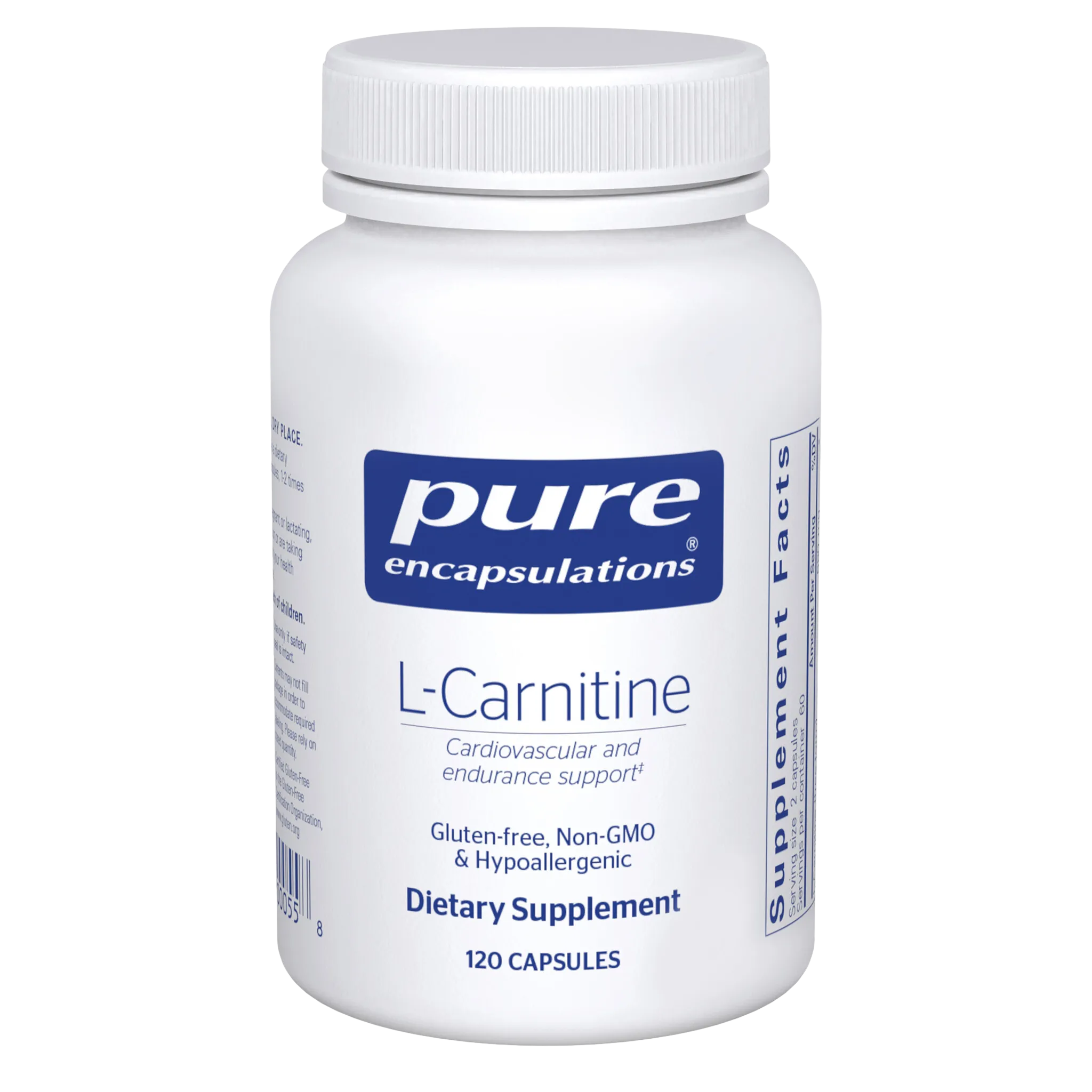
When navigating carnitine supplementation, the specific chemical form matters immensely for achieving desired clinical outcomes. The Pure Encapsulations product utilizes L-Carnitine-L-Tartrate (LCLT), a highly stabilized salt created by binding free-base L-carnitine to natural L-tartaric acid. While humans naturally synthesize carnitine in the liver and absorb it from dietary sources like red meat, oral supplements face a significant absorption hurdle in the highly acidic gastrointestinal tract.
LCLT was specifically developed by nutritional scientists to overcome the notoriously slow assimilation of pure L-carnitine. While the absolute overall bioavailability of LCLT is similar to other forms (typically hovering between 14% and 18% absorption), pharmacokinetic research demonstrates that LCLT causes a distinctly faster influx of L-carnitine into the blood plasma. This rapid absorption peak makes LCLT particularly effective for timing-critical applications, such as supporting muscle tissue immediately before or after physical exertion, ensuring that the mitochondria have the raw materials they need exactly when metabolic demand is highest.
It is also crucial to note that patients should strictly avoid any supplements containing D-carnitine or DL-carnitine. These synthetic forms are not biologically active in the same way as the natural L-isomer and can actually competitively inhibit the absorption and utilization of naturally occurring L-carnitine, potentially inducing a state of carnitine deficiency and worsening fatigue symptoms. Always ensure your supplement specifies the "L" form.
Achieving therapeutic benefits from L-carnitine requires consistent, targeted, and sustained dosing, as acute or single-dose supplementation rarely yields significant clinical results for chronic conditions. In clinical trials focusing on exercise recovery and cardiovascular support, effective therapeutic doses typically range from 1,000 mg to 2,000 mg of pure elemental L-carnitine per day, often requiring 3 to 4 weeks of continuous use to fully saturate muscle tissue stores.
The Pure Encapsulations L-Carnitine formula provides 340 mg of free-form L-carnitine per capsule (yielded from 500 mg of the LCLT compound). To reach therapeutic levels, functional medicine practitioners often recommend taking 2 to 4 capsules daily, strictly divided into multiple doses. Because L-carnitine is absorbed via a specific sodium-dependent transporter in the small intestine (known as OCTN2) that can easily become saturated by large single doses, dividing the intake throughout the day maximizes overall intestinal absorption.
It is generally recommended to take L-carnitine between meals to avoid direct competition with other dietary amino acids for intestinal transporters. However, some sports medicine research suggests that taking it alongside a small amount of complex carbohydrates may stimulate a mild insulin release, which has been shown to further drive carnitine uptake directly into the skeletal muscle tissues, enhancing its recovery benefits.
While L-carnitine is generally well-tolerated with mild potential side effects like gastrointestinal upset, its safety profile requires careful consideration, particularly regarding long-term use and its profound interaction with the gut microbiome. When oral L-carnitine is consumed, specific gut bacteria metabolize a portion of it into a gas called trimethylamine (TMA). The liver then oxidizes this TMA into Trimethylamine N-oxide (TMAO), a metabolite strongly associated with an increased long-term risk of atherosclerosis and cardiovascular disease. Patients should discuss the duration of their supplementation with a healthcare provider to balance short-term energy benefits against long-term cardiovascular risks.
Additionally, L-carnitine can interact significantly with several common prescription medications. It may increase the blood-thinning effects of anticoagulants like Warfarin (Coumadin), requiring careful monitoring of prothrombin times and bleeding risks. It can also decrease the cellular action of circulating thyroid hormones, potentially interfering with medications like Levothyroxine used for hypothyroidism, which could paradoxically worsen fatigue if unmonitored.
Furthermore, individuals with a history of seizure disorders should approach carnitine supplementation with extreme caution, as it has been reported to lower the seizure threshold in susceptible populations. Conversely, patients taking certain anticonvulsants like Valproic Acid may actually require prescribed carnitine to prevent drug-induced depletion. Always consult your comprehensive medical team before introducing L-carnitine into your regimen, especially if you are managing complex overlapping syndromes.
Follow the Science
The clinical landscape surrounding L-carnitine has expanded rapidly in the wake of the global pandemic, with medical researchers increasingly viewing post-viral fatigue as a profound metabolic and mitochondrial crisis rather than simple deconditioning. A pivotal 2024 study published in Frontiers in Endocrinology rigorously investigated the use of L-carnitine in patients suffering from chronic fatigue syndromes that overlap significantly with Long COVID symptom profiles. The researchers discovered that these patients exhibited highly depleted peripheral serotonin levels, a hallmark recently identified in Long COVID cohorts as a driver of severe fatigue.
Following 7 weeks of targeted oral L-carnitine supplementation, the trial patients demonstrated a robust, statistically significant increase in peripheral serotonin alongside a marked reduction in standardized physical fatigue scores. The researchers explicitly proposed L-carnitine-driven peripheral serotonin regulation as a targeted mechanism for alleviating Long COVID exhaustion. Furthermore, a 2024 review published in Current Neuropharmacology highlighted the potential of Acetyl-L-carnitine, alongside N-acetylcysteine, in managing the neuropsychiatric manifestations of COVID-19 and Post-COVID syndrome. This suggests that specific forms of carnitine may play a supportive role in addressing the neurological and cognitive symptoms frequently seen in Long COVID.
Additional insights come from studies exploring profound immune dysregulation. A 2024 study in Brain, Behavior, & Immunity - Health identified severe CD8 T-cell dysfunction in both ME/CFS and Long COVID patients, linking this immune exhaustion directly to mitochondrial failure. As researchers continue to unravel these connections, the role of mitochondrial antioxidants and shuttles like L-carnitine becomes increasingly central to emerging treatment protocols, often paired with other respiratory and cellular supports. For a deeper dive into cellular detoxification, you can explore whether NAC can support respiratory health in Long COVID.
In the complex realm of dysautonomia and POTS, modern research continues to validate the critical, inseparable role of mitochondrial support in regulating the autonomic nervous system. A comprehensive 2025 analysis published in the Proceedings of the National Academy of Sciences (PNAS) evaluated patient-reported outcomes for various treatments in post-viral dysautonomia and ME/CFS cohorts. The data revealed that carnitine supplementation exhibited significant positive clinical effects in nearly 42% of patients, specifically targeting the profound cellular energy deficits that make upright posture intolerable.
This modern data aligns perfectly with earlier, foundational research demonstrating that carnitine exerts a powerful neurotrophic, or nerve-healing, effect on the cardiac autonomic nervous system. By directly supporting the massive metabolic demands of the myocardium, L-carnitine helps to stabilize heart rate variability (HRV) and improve parasympathetic vagal tone. This offers a clear, mechanistic explanation for why so many dysautonomia patients report improved orthostatic tolerance and reduced tachycardia when incorporating mitochondrial shuttles into their daily treatment protocols.
Furthermore, a recent scientific statement from the American Heart Association (AHA) noted that dysautonomia patients exhibiting severe exercise intolerance frequently had notably abnormal levels of plasma carnitine-conjugated and free fatty acids. This authoritative observation cements the understanding that POTS and related autonomic disorders are not simply mechanical circulatory issues, but are deeply rooted in underlying metabolic and mitochondrial deficits that require targeted nutritional intervention to resolve.
The specific L-Carnitine-L-Tartrate (LCLT) form utilized by Pure Encapsulations is backed by a highly robust body of sports medicine literature, which has profound, direct implications for chronic illness patients managing severe exercise intolerance and PEM. A landmark crossover study utilizing Magnetic Resonance Imaging (MRI) meticulously assessed muscle disruption following a heavy physical exertion protocol. The researchers found that the absolute amount of muscle tissue disruption in the LCLT-supplemented group was restricted to only 41% to 45% of the damage seen in the placebo group.
By effectively blunting the post-exercise rise in muscle damage markers like creatine kinase and sparing delicate cellular receptors from traumatic oxidative stress, LCLT actively optimizes the cellular environment for rapid repair. It prevents the muscle cell membranes from leaking cytosolic proteins into the bloodstream, which is a primary driver of post-exertional inflammation.
For a patient with ME/CFS or Long COVID navigating the treacherous, unpredictable waters of pacing and physical rehabilitation, this reduction in metabolic stress and tissue damage is revolutionary. It could mean the difference between successfully completing a gentle, five-minute movement session and triggering a debilitating, multi-day PEM crash that leaves them bedbound. By preserving muscle integrity, LCLT provides a vital safety net for those slowly rebuilding their physical capacity.
The Path Forward
Living with the unpredictable, invisible, and often entirely overwhelming symptoms of Long COVID, ME/CFS, and dysautonomia is an exhausting daily reality. When your cells literally lack the molecular shuttles required to produce basic energy, the profound fatigue you experience is not a lack of willpower, motivation, or fitness—it is a very real, measurable physiological deficit. Validating this biological reality is the essential first step toward meaningful, compassionate management and recovery.
While no single supplement, medication, or protocol is a magic cure for complex chronic illness, targeted mitochondrial support like L-carnitine can be a highly powerful tool in your daily recovery arsenal. By helping to restore the stalled cellular energy pipeline, actively mitigate destructive oxidative stress, and support cardiovascular and autonomic function, L-carnitine may help raise your baseline energy levels, reduce the severity of crashes, and tangibly improve your overall quality of life.
It is crucial to remember that supplements work best when strategically integrated into a comprehensive, patient-centric management plan. L-carnitine should be utilized alongside diligent symptom tracking, aggressive radical rest, and strict pacing protocols to avoid pushing beyond your fragile energy envelope and triggering post-exertional malaise. We encourage you to explore our internal resources, such as learning more about mitochondrial health for Long COVID. Always consult your primary healthcare provider before starting any new supplement, especially to review potential medication interactions and ensure it aligns safely with your specific clinical needs.