Can L-Carnitine Fumarate Support Energy Levels for Long COVID and ME/CFS Patients?
March 5, 2026
L-CarnitineLong COVIDME/CFS
Share:
Disclaimer: The information provided here is for educational purposes only and is not intended as medical advice. It should not be used to diagnose, treat, cure, or prevent any medical condition. Instead, use it as a starting point for discussion with your healthcare provider. Always consult with a qualified healthcare provider before starting any new medication, supplement, device, or making changes to your health regimen.
Months after recovering from the initial SARS-CoV-2 infection, many people still fight debilitating symptoms with what we call Long COVID. But what is it that allows some people to recover within a couple of weeks while others suffer from long-term symptoms for months or even years? For individuals living with complex chronic conditions like Long COVID, myalgic encephalomyelitis/chronic fatigue syndrome (ME/CFS), and dysautonomia, the answer often lies deep within the cells. The profound, crushing fatigue that characterizes these illnesses is not simply a matter of being "tired"—it is a fundamental crisis of cellular energy production. When the body's microscopic power plants fail to generate enough energy, every system, from the brain to the cardiovascular network, begins to struggle.
In the search for answers and effective management strategies, functional medicine and clinical research have increasingly focused on mitochondrial health. One compound that has emerged as a critical player in this arena is L-Carnitine Fumarate. By acting as a crucial transport mechanism for fatty acids and directly feeding the cellular energy cycle, this unique supplement offers a targeted approach to addressing the profound energy deficits seen in post-viral syndromes. In this comprehensive guide, we will explore the intricate biochemistry of L-Carnitine Fumarate, how chronic illness disrupts cellular energy, and how this specific formulation may help restore vitality and cardiovascular stability for those navigating the complexities of Long COVID, ME/CFS, and dysautonomia.
TL;DR
L-Carnitine Fumarate supports cellular energy production by transporting fatty acids directly into the mitochondria.
It may help manage profound fatigue, brain fog, and exercise intolerance in Long COVID and ME/CFS.
Divided doses under 1,000 mg are recommended to maximize absorption and minimize potential side effects.
Always consult a healthcare provider before starting new supplements for complex chronic conditions.
What is L-Carnitine Fumarate?
The Carnitine Shuttle and Fatty Acid Metabolism
To understand the profound impact of L-Carnitine Fumarate, we must first dive into the microscopic world of the mitochondria, the organelles responsible for producing adenosine triphosphate (ATP), the primary energy currency of the cell. In a healthy body, the heart and skeletal muscles rely heavily on the breakdown of fats for their energy needs. However, long-chain fatty acids cannot simply diffuse across the impermeable inner mitochondrial membrane on their own. They require a highly specialized biological transport system known as the carnitine shuttle. L-Carnitine, an amino acid derivative naturally synthesized in the liver and kidneys from lysine and methionine, acts as the essential vehicle in this transport system. Without adequate L-Carnitine, fatty acids remain trapped in the cellular cytoplasm, unable to be utilized for fuel, leading to a severe bottleneck in energy production.
The mechanics of this shuttle are elegantly complex. When a long-chain fatty acid enters the cell, it is first activated into an acyl-CoA molecule. At the outer mitochondrial membrane, an enzyme called Carnitine Palmitoyltransferase 1 (CPT1) attaches the fatty acid to a molecule of L-Carnitine, creating acylcarnitine. This newly formed complex is then transported across the inner mitochondrial membrane by a specialized transport protein. Once inside the mitochondrial matrix, a second enzyme, Carnitine Palmitoyltransferase 2 (CPT2), detaches the L-Carnitine, releasing the fatty acid so it can undergo beta-oxidation—a process that breaks down the fat into acetyl-CoA. The free L-Carnitine is then shuttled back out of the mitochondria to repeat the process. This continuous cycle is absolutely vital for sustaining the high energy demands of the cardiovascular system and skeletal muscles, making L-Carnitine an indispensable component of human metabolism.
Fumarate: The Krebs Cycle Catalyst
While L-Carnitine handles the delivery of fuel, the "Fumarate" portion of L-Carnitine Fumarate plays a distinctly different but equally critical role in the actual generation of energy. Fumarate, or fumaric acid, is a naturally occurring organic acid that serves as a direct intermediate in the Krebs cycle (also known as the Citric Acid Cycle or TCA cycle). The Krebs cycle is a series of chemical reactions used by all aerobic organisms to release stored energy through the oxidation of acetyl-CoA derived from carbohydrates, fats, and proteins. When the acetyl-CoA generated from the beta-oxidation of fats enters the Krebs cycle, it undergoes a series of transformations, eventually reaching the stage where succinate is converted into fumarate by the enzyme succinate dehydrogenase.
By providing an exogenous source of fumarate, this specific supplement formulation acts as a direct catalyst for the Krebs cycle. It effectively bypasses several earlier enzymatic steps, injecting a ready-to-use intermediate directly into the mitochondrial machinery. As fumarate is further metabolized into malate and then oxaloacetate, it facilitates the production of NADH and FADH2—crucial electron carriers that feed directly into the electron transport chain to maximize ATP synthesis. This creates a powerful, dual-action synergistic effect: the L-Carnitine component ensures a steady supply of acetyl-CoA by transporting fats into the mitochondria, while the fumarate component accelerates the Krebs cycle's ability to process that fuel into usable cellular energy. This unique combination makes L-Carnitine Fumarate exceptionally well-suited for tissues with high energy demands, such as the heart muscle.
How Chronic Illness Impacts Cellular Energy
Viral Hijacking and Mitochondrial Dysfunction
In complex chronic conditions like Long COVID and ME/CFS, the elegant machinery of cellular energy production becomes profoundly disrupted. Research suggests that the SARS-CoV-2 virus can directly hijack mitochondrial function during the acute infection phase, altering the mitochondrial membrane potential and downregulating the expression of key metabolic enzymes. This viral interference forces the cell to shift away from efficient aerobic respiration (oxidative phosphorylation) and toward less efficient anaerobic glycolysis, a phenomenon known as the Warburg effect. Even after the acute virus has been cleared, this metabolic reprogramming can persist, leaving patients trapped in a state of chronic cellular energy depletion. The mitochondria become sluggish, fragmented, and unable to meet the daily energy demands of the body, resulting in the debilitating, leaden fatigue that characterizes these conditions.
Furthermore, the chronic inflammation and immune dysregulation seen in Long COVID and mast cell activation syndrome (MCAS) create a highly toxic environment for the mitochondria. Elevated levels of pro-inflammatory cytokines, such as Interleukin-6 (IL-6) and Tumor Necrosis Factor-alpha (TNF-α), generate massive amounts of reactive oxygen species (ROS). This oxidative stress directly damages mitochondrial DNA and the delicate lipid membranes of the organelles. As the mitochondria become damaged, they leak their contents into the cellular cytoplasm, which the immune system recognizes as a danger signal, further amplifying the inflammatory response in a vicious, self-perpetuating cycle. In this inflamed state, the body's natural stores of L-Carnitine are rapidly depleted as the compound is consumed in an attempt to buffer the oxidative stress and clear toxic metabolic byproducts from the struggling cells.
Autonomic Nervous System Dysregulation and the Energy Crisis
The impact of this cellular energy crisis extends far beyond skeletal muscle fatigue; it profoundly affects the autonomic nervous system (ANS) and cardiovascular function. In conditions like dysautonomia and Postural Orthostatic Tachycardia Syndrome (POTS), the ANS loses its ability to properly regulate heart rate, blood pressure, and vascular tone. The brain and the heart rely heavily on constant, uninterrupted ATP production to maintain the complex signaling pathways required for autonomic balance. When mitochondrial function is impaired due to carnitine deficiency or viral damage, the vagus nerve—the primary conduit of the parasympathetic "rest and digest" system—cannot function optimally. This leads to a state of sympathetic overdrive, where the body is stuck in a perpetual "fight or flight" response, driving up the heart rate and exhausting the cardiovascular system.
Additionally, the vascular endothelium (the inner lining of the blood vessels) requires significant energy to produce nitric oxide, a molecule essential for regulating blood vessel dilation and constriction. In POTS, endothelial dysfunction often leads to abnormal blood pooling in the lower extremities upon standing. The heart must then beat rapidly to compensate for the lack of venous return to the brain. Because the heart muscle derives the vast majority of its energy from the beta-oxidation of fatty acids, a depletion of L-Carnitine severely compromises the heart's ability to sustain this compensatory effort. The result is profound orthostatic intolerance, where the simple act of standing up triggers a cascade of debilitating symptoms, including tachycardia, dizziness, and severe shortness of breath, all rooted in a fundamental lack of cellular energy.
L-Carnitine Fumarate: Supporting Mitochondrial and Cardiovascular Function
Restoring the Fatty Acid Pipeline and ATP Synthesis
Supplementing with L-Carnitine Fumarate offers a targeted, mechanistic intervention to restore the disrupted metabolic pathways seen in Long COVID and ME/CFS. By providing an exogenous source of L-Carnitine, supplementation directly addresses the bottleneck at the mitochondrial membrane. It upregulates the activity of the Carnitine Palmitoyltransferase enzymes, ensuring that long-chain fatty acids can once again flow freely into the mitochondrial matrix. This restoration of the fatty acid pipeline is crucial for shifting the body away from inefficient anaerobic glycolysis and back toward highly efficient aerobic beta-oxidation. As the mitochondria regain their ability to burn fat for fuel, the overall yield of ATP increases dramatically, providing the cellular energy necessary to alleviate systemic fatigue and support tissue repair.
Simultaneously, the fumarate component acts as a metabolic accelerator. In patients with ME/CFS, research has shown that the Krebs cycle is often impaired, with blockages occurring at specific enzymatic steps. By introducing fumarate directly into the cycle, this supplement bypasses potential upstream metabolic roadblocks, ensuring a continuous flow of substrates for the electron transport chain. This dual-action mechanism—supplying the fuel via L-Carnitine and accelerating the engine via fumarate—is particularly beneficial for combating post-exertional malaise (PEM). By optimizing aerobic energy production, L-Carnitine Fumarate helps prevent the rapid accumulation of lactic acid in the muscles during minimal exertion, thereby raising the patient's threshold for physical and cognitive activity before a "crash" occurs.
Neurotrophic Support and Autonomic Regulation
Beyond its role in energy metabolism, L-Carnitine exerts profound neuroprotective and neurotrophic effects that are highly relevant for managing dysautonomia and brain fog. The autonomic nervous system requires immense structural and metabolic support to maintain the delicate balance between sympathetic and parasympathetic tone. L-Carnitine, and particularly its ability to cross into neural tissues, supports the synthesis of acetylcholine, a critical neurotransmitter for the vagus nerve. By enhancing vagal tone, L-Carnitine supplementation has been shown to improve Heart Rate Variability (HRV), a key biomarker of autonomic health. A higher HRV indicates a more resilient and adaptable nervous system, capable of calming the hyperadrenergic state that drives the severe tachycardia and palpitations experienced by POTS patients.
Furthermore, L-Carnitine acts as a powerful intracellular antioxidant and detoxifier. During periods of mitochondrial dysfunction, toxic acyl-CoA metabolites can accumulate within the mitochondria, further inhibiting energy production and causing cellular damage. L-Carnitine binds to these toxic byproducts, forming acylcarnitines that can be safely transported out of the mitochondria and excreted in the urine. This "cellular cleanup" mechanism is vital for reducing the oxidative stress and neuroinflammation that contribute to the cognitive dysfunction, or "brain fog," so frequently reported in Long COVID. By protecting the delicate neural networks from oxidative damage and ensuring they have the ATP required to function, L-Carnitine Fumarate supports improved mental clarity, focus, and memory retention.
Cardiovascular Endurance and Endothelial Health
The cardiovascular benefits of L-Carnitine Fumarate are perhaps its most well-documented therapeutic application. Because the heart muscle relies almost exclusively on fatty acid oxidation for its relentless energy demands, it is highly sensitive to carnitine depletion. Supplementation helps promote the oxygenation of heart tissue and moderates the accumulation of lactate within the cardiac muscle during periods of stress. This is particularly important for patients experiencing cardiovascular deconditioning as a result of prolonged bed rest or severe exercise intolerance. By improving the heart's metabolic efficiency, L-Carnitine Fumarate enhances cardiac output and stroke volume, allowing the heart to pump blood more effectively without having to beat as rapidly.
Additionally, L-Carnitine supports endothelial function by promoting the synthesis of nitric oxide, a potent vasodilator. In the context of POTS and neuropathic dysautonomia, where blood vessels fail to constrict properly upon standing, improving endothelial health is crucial for maintaining adequate blood pressure and cerebral perfusion. By reducing oxidative stress within the blood vessel walls and supporting healthy lipid metabolism, L-Carnitine Fumarate helps restore vascular tone and elasticity. This comprehensive cardiovascular support not only improves orthostatic tolerance but also enhances overall physical endurance, making it a valuable tool for patients engaged in carefully paced autonomic rehabilitation protocols.

Symptoms L-Carnitine Fumarate May Help Manage
Targeted Symptom Relief for Complex Conditions
Profound Fatigue and Low Energy: By transporting fatty acids into the mitochondria and directly feeding the Krebs cycle with fumarate, L-Carnitine Fumarate significantly increases cellular ATP production, addressing the root metabolic cause of systemic exhaustion.
Post-Exertional Malaise (PEM): By optimizing aerobic metabolism and preventing the rapid shift to anaerobic glycolysis, this supplement helps reduce the accumulation of lactic acid in muscles, potentially raising the threshold for exertion and minimizing the severity of post-activity crashes.
Brain Fog and Cognitive Dysfunction: L-Carnitine helps clear toxic metabolic byproducts from brain cells, reduces neuroinflammation, and supports the synthesis of neurotransmitters like acetylcholine, leading to improved mental clarity, focus, and memory.
Tachycardia and Palpitations: By improving the metabolic efficiency of the heart muscle and enhancing vagal tone, L-Carnitine supports a more stable heart rate and improves Heart Rate Variability (HRV), helping to calm the hyperadrenergic state seen in POTS.
Exercise Intolerance: By promoting the oxygenation of heart and skeletal muscle tissue and supporting healthy lipid metabolism, L-Carnitine Fumarate enhances cardiovascular endurance and helps the body tolerate carefully paced physical rehabilitation.
Orthostatic Intolerance (Dizziness upon standing): By supporting endothelial health and nitric oxide production, L-Carnitine helps improve vascular tone and blood flow regulation, reducing the severity of blood pooling and dizziness associated with dysautonomia.
Muscle Weakness and Aches: By facilitating the removal of toxic acyl-CoA metabolites from muscle tissue and ensuring a steady supply of energy, supplementation can help alleviate the deep muscle aches and weakness frequently reported in ME/CFS and Long COVID.
Practical Considerations: Forms, Dosing, and Absorption
Bioavailability and Absorption Kinetics
When incorporating L-Carnitine Fumarate into a management plan, understanding its pharmacokinetics is crucial for maximizing its therapeutic benefits. Unlike dietary L-carnitine obtained from red meat, which the body absorbs highly efficiently, oral L-carnitine supplements have a relatively low absolute bioavailability, typically ranging from 14% to 18%. The absorption of oral L-carnitine occurs primarily in the small intestine and relies on a specific transport protein known as OCTN2. Crucially, this absorption pathway displays non-linear kinetics, meaning that it can become easily saturated. Studies have demonstrated that at single doses above 0.5 to 1 gram, the intestinal transporters reach their maximum capacity. Taking a massive single dose of 3 grams will not result in a proportionate increase in blood plasma levels; instead, the excess unabsorbed carnitine will simply pass into the large intestine or be excreted by the kidneys.
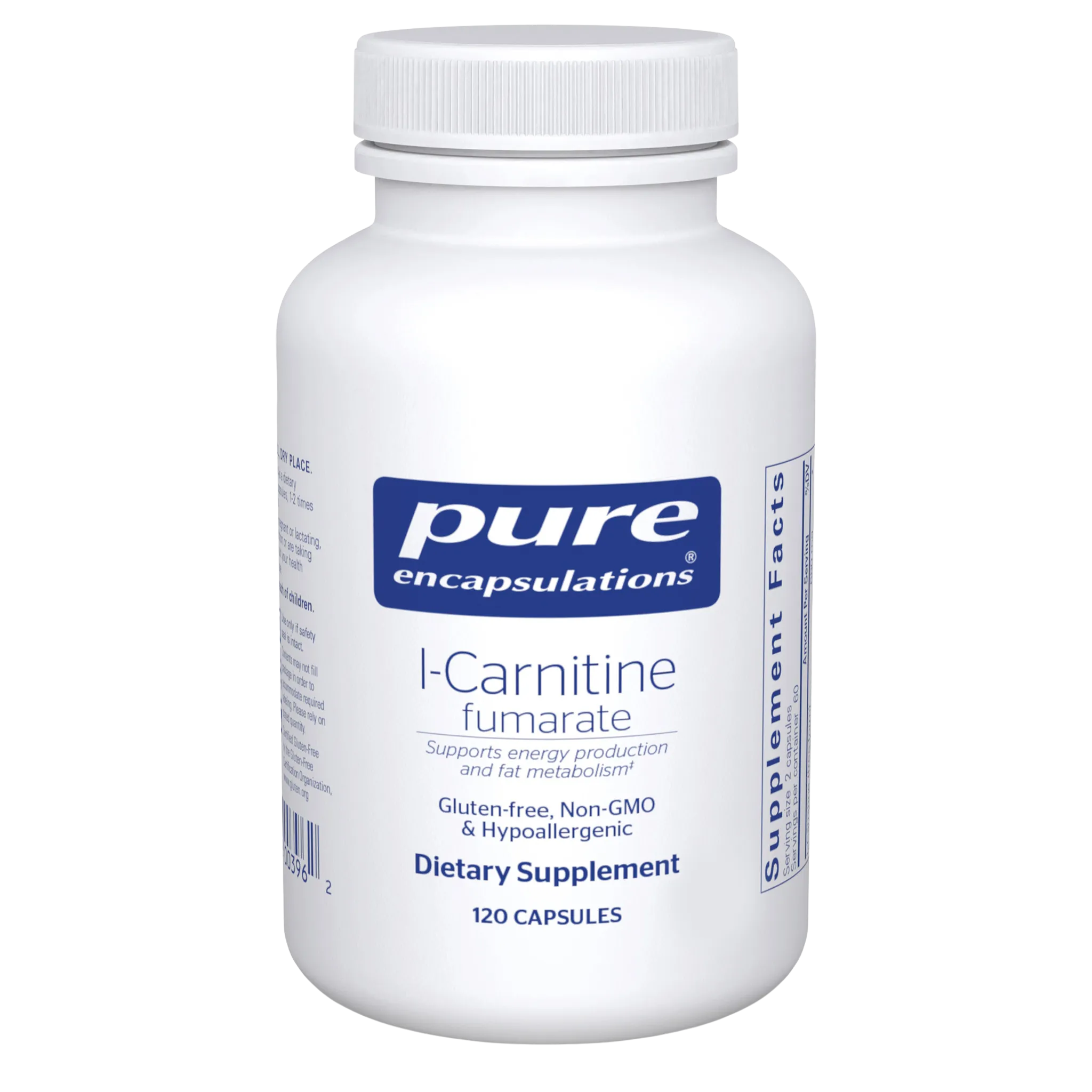
Because of this saturation effect, optimal dosing strategies require splitting the total daily intake into smaller, more frequent doses. For patients with Long COVID, ME/CFS, or dysautonomia, clinical guidelines generally suggest a total daily dosage ranging from 1,000 mg to 2,000 mg, divided into two or three doses taken throughout the day. For example, taking 680 mg (one capsule of the Pure Encapsulations formula) twice daily between meals is an effective way to maintain steady blood plasma levels without overwhelming the intestinal transporters. Taking the supplement between meals, on an empty stomach, is often recommended to prevent competition with other amino acids for absorption, though it can be taken with a small amount of carbohydrates to stimulate an insulin response, which has been shown to enhance the uptake of carnitine into skeletal muscle cells.
Forms of Carnitine: Why Fumarate?
The supplement market offers several different forms of carnitine, each with unique properties. L-Carnitine L-Tartrate (LCLT) is highly soluble and absorbs rapidly, making it popular in sports nutrition for acute muscle recovery. Acetyl-L-Carnitine (ALCAR) features an attached acetyl group that allows it to easily cross the blood-brain barrier, making it the preferred choice for targeted neurological support and cognitive enhancement. However, L-Carnitine Fumarate occupies a unique and highly valuable niche for chronic illness management. The fumarate salt is exceptionally stable, resisting degradation from moisture and oxidation. More importantly, it provides the dual-action metabolic support discussed earlier. While it may not cross the blood-brain barrier as aggressively as ALCAR, its ability to simultaneously deliver fatty acids and a direct Krebs cycle intermediate makes it unparalleled for supporting sustained cardiovascular energy, systemic endurance, and mitochondrial ATP production.
Safety, TMAO, and Potential Interactions
L-Carnitine Fumarate is generally recognized as safe and well-tolerated, but there are important safety dynamics to consider, particularly regarding the gut microbiome. When unabsorbed L-carnitine reaches the large intestine (often due to taking too large of a single dose), certain gut bacteria can metabolize it into a compound called trimethylamine (TMA). The liver then oxidizes TMA into trimethylamine N-oxide (TMAO). Elevated levels of TMAO have been controversially associated with an increased risk of cardiovascular disease in some epidemiological studies. To minimize TMAO production, it is vital to adhere to the divided dosing strategy, keeping single doses under 1,000 mg to ensure maximum small intestinal absorption and minimal spillover into the large intestine.
Additionally, patients should be aware of potential side effects and drug interactions. At high doses, unabsorbed carnitine can pull water into the intestines, leading to gastrointestinal distress, including nausea, abdominal cramps, or diarrhea. Furthermore, L-carnitine has been shown in some studies to act as a peripheral antagonist to thyroid hormone action. While this mechanism has been explored therapeutically for hyperthyroidism, individuals with an underactive thyroid (hypothyroidism)—a common comorbidity in ME/CFS and Long COVID—should exercise caution and consult their healthcare provider before initiating supplementation. Finally, there is some clinical evidence suggesting that high doses of carnitine may lower the seizure threshold in susceptible individuals, making medical supervision essential for those with a history of seizure disorders.

Follow the Science
Clinical Data on Post-Viral Fatigue and ME/CFS
Research on Dysautonomia and Autonomic Regulation
The Path Forward
Living with the unpredictable and often invisible symptoms of Long COVID, ME/CFS, and dysautonomia can be an incredibly isolating and frustrating experience. When your body's cellular engines are struggling to produce basic energy, pushing through the fatigue is not only ineffective—it can be actively harmful. Validating the physiological reality of your symptoms is the first step toward effective management. You are not just "tired"; your mitochondria are fighting a complex metabolic battle.
While there are no overnight cures for these intricate conditions, targeted nutritional support can be a powerful tool in your management arsenal. By addressing the root causes of cellular energy depletion and providing the specific substrates your mitochondria need to function, supplements like L-Carnitine Fumarate can help restore your metabolic foundation. When combined with comprehensive strategies like strict pacing, symptom tracking, and autonomic rehabilitation, it is possible to improve your cardiovascular endurance, lift the brain fog, and reclaim a better quality of life. As always, please consult with your healthcare provider before beginning any new supplement regimen to ensure it aligns with your specific medical history and current treatments.