Can IP6 Support Cellular Defense and Redox Balance in Long COVID and ME/CFS?
March 5, 2026
IP6Long COVIDME/CFS
Share:
Disclaimer: The information provided here is for educational purposes only and is not intended as medical advice. It should not be used to diagnose, treat, cure, or prevent any medical condition. Instead, use it as a starting point for discussion with your healthcare provider. Always consult with a qualified healthcare provider before starting any new medication, supplement, device, or making changes to your health regimen.
Months, and sometimes years, after recovering from an initial viral infection, many individuals find themselves fighting a complex array of debilitating symptoms. Whether diagnosed with Long COVID, myalgic encephalomyelitis/chronic fatigue syndrome (ME/CFS), or dysautonomia, the daily reality often involves profound exhaustion, cognitive dysfunction, and an immune system that feels perpetually locked in overdrive. If you are navigating these invisible illnesses, you are likely intimately familiar with the frustration of seeking answers in a medical landscape that is still catching up to the science of post-viral conditions. You are not alone, and your symptoms are rooted in very real, measurable physiological disruptions.
One of the most significant biochemical disruptions observed in these complex chronic conditions is a profound state of oxidative stress and cellular exhaustion. When the body's natural defense mechanisms are overwhelmed by persistent inflammation or lingering viral activity, the resulting cellular damage can drive the relentless fatigue and brain fog that define post-exertional malaise (PEM). In the search for targeted nutritional support, researchers are increasingly looking at compounds that can intervene at the deepest cellular levels. One such compound is Inositol hexaphosphate (IP6), a naturally occurring molecule that serves as a master regulator of redox balance, viral immunity, and antioxidant defense.
TL;DR
IP6 is a natural compound that supports cellular defense and helps neutralize oxidative stress.
Research suggests IP6 may help manage fatigue and brain fog in post-viral conditions.
It works by binding free iron, halting tissue damage, and supporting antioxidant pathways.
For optimal absorption, IP6 supplements should always be taken on an empty stomach.
What is IP6 (Inositol Hexaphosphate)?
Beyond the "Anti-Nutrient" Myth
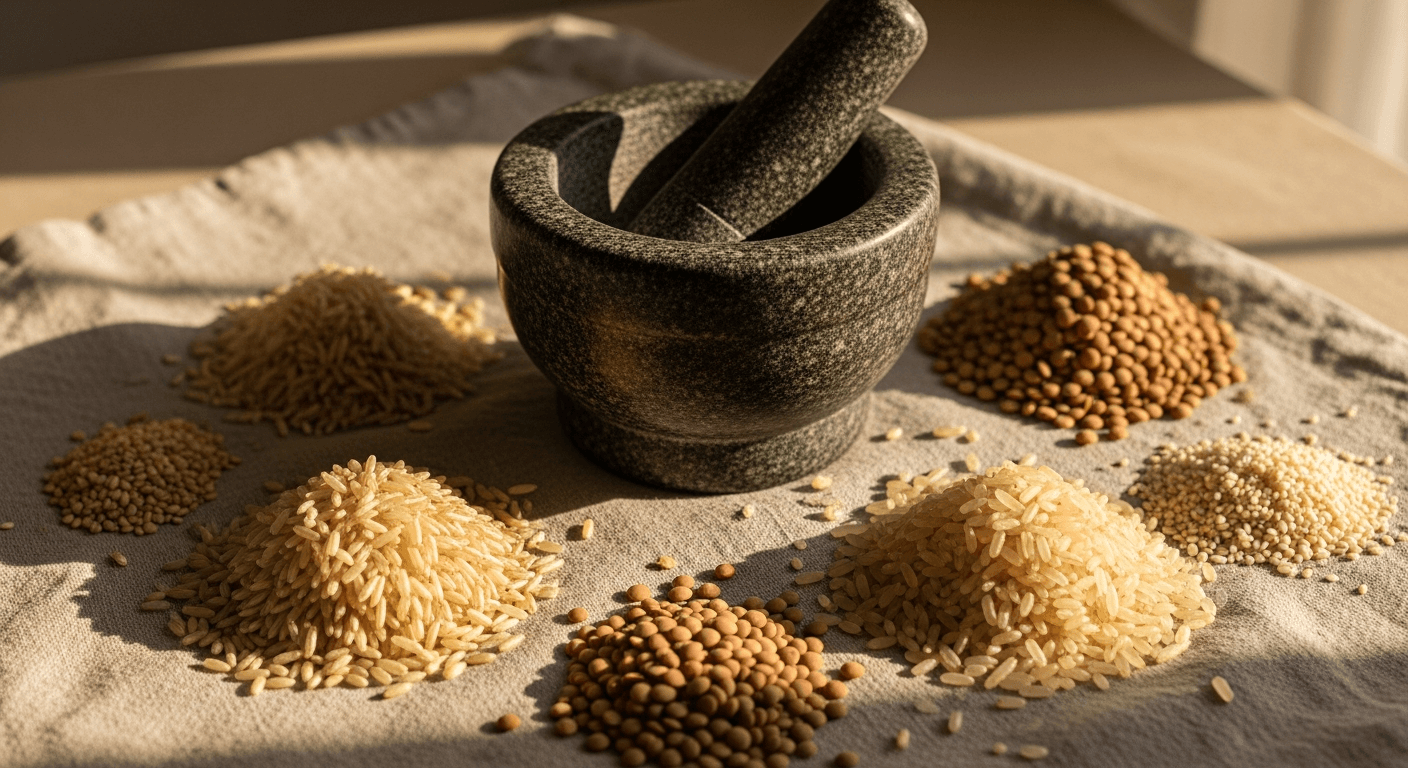
Inositol hexaphosphate, commonly referred to as IP6 or phytic acid, is a naturally occurring polyphosphorylated carbohydrate found abundantly in plant seeds, cereals, legumes, and nuts. For decades, IP6 was primarily categorized in nutritional science as an "anti-nutrient." This label stemmed from its potent mineral-chelating properties; when consumed in large quantities through a plant-heavy diet, IP6 binds tightly to essential minerals like iron, zinc, calcium, and magnesium in the gastrointestinal tract, preventing their absorption. However, modern biochemical research has completely revolutionized our understanding of this molecule. Far from being just a dietary hindrance, IP6 is now recognized as a highly bioactive compound that is synthesized endogenously in almost every mammalian cell, where it plays a critical role in regulating vital cellular functions.
The shift in perspective occurred when scientists discovered that IP6 is not merely a byproduct of plant metabolism, but a fundamental signaling molecule within human biology. Inside our cells, IP6 and the enzymes responsible for its synthesis act as master regulators of redox homeostasis, DNA repair, and immune signaling. It is a crucial component of the body's natural defense mechanisms, helping cells respond to environmental stressors, toxins, and invading pathogens. By understanding how IP6 functions endogenously, researchers have begun to unlock its potential as a targeted therapeutic supplement for complex, systemic conditions.
The Molecular Structure of IP6
To understand how IP6 exerts such powerful effects in the body, we must look at its unique molecular architecture. IP6 is a derivative of myo-inositol, a type of sugar alcohol that forms the structural basis for a variety of secondary messengers in eukaryotic cells. What sets IP6 apart is the presence of six phosphate groups attached to the inositol ring. These phosphate groups are arranged in a highly specific axial-equatorial-axial conformation. This dense cluster of negatively charged phosphate groups gives IP6 an intense and highly specific binding affinity for transition metal ions, particularly iron and copper.
This unique 1,2,3-triphosphate functional group allows IP6 to act as a profound biological chelator. When it encounters free, reactive iron within the body, IP6 completely envelops the metal ion, occupying all of its available coordination sites. As we will explore later, this structural capability is the exact mechanism by which IP6 neutralizes some of the most dangerous and destructive free radicals in the human body. The molecular shape of IP6 is not just a chemical curiosity; it is the very foundation of its potent antioxidant and cytoprotective properties.
A Master Regulator of Cellular Defense
Beyond its structural binding capabilities, IP6 is deeply integrated into the body's enzymatic pathways. The synthesis of IP6 within human cells is controlled by an essential, rate-limiting enzyme known as Inositol polyphosphate multikinase (IPMK). Recent breakthroughs in cellular biology have revealed that the IPMK pathway is directly responsible for regulating the body's master antioxidant response. When cells are under threat from oxidative stress—such as during a severe viral infection or chronic inflammatory state—the IPMK pathway modulates the production of endogenous antioxidants to protect the cell from self-destruction.
Furthermore, IP6 is intricately involved in the immune system's ability to detect and respond to viral threats. It interacts with specialized cellular receptors and proteins that govern RNA interference (RNAi), a primitive but highly effective antiviral defense system. By stabilizing these defense proteins, IP6 helps the cell identify and degrade foreign viral genetic material. This dual role—acting both as a direct chemical neutralizer of oxidative stress and as a signaling molecule that activates the immune system—makes IP6 a fascinating subject of study for conditions characterized by immune dysregulation and cellular exhaustion.
How Long COVID and ME/CFS Impact Cellular Health
The Vicious Cycle of Redox Imbalance
To understand why a compound like IP6 is relevant to post-viral illnesses, we must first examine the pathophysiology of these conditions. A unifying feature of both Long COVID and myalgic encephalomyelitis/chronic fatigue syndrome (ME/CFS) is a profound state of "redox imbalance." Redox (reduction-oxidation) homeostasis is the delicate balance between the production of reactive oxygen species (ROS), commonly known as free radicals, and the body's antioxidant defenses that neutralize them. In a healthy body, ROS are produced as a normal byproduct of cellular energy production in the mitochondria and are quickly neutralized by endogenous antioxidants like glutathione.
However, in patients with complex chronic illnesses, this system becomes severely dysregulated. Research published in PNAS by neuroscientists at Johns Hopkins University has explicitly outlined how a fundamental redox imbalance connects acute COVID-19 to the development of Long COVID and ME/CFS. The initial viral infection triggers a massive inflammatory response, flooding the body with free radicals. This overwhelming oxidative stress rapidly depletes the body's stores of glutathione and cysteine. Without adequate antioxidants to keep them in check, free radicals begin to damage cellular membranes, proteins, and mitochondrial DNA, leading to the severe energy deficits and debilitating fatigue that characterize post-exertional malaise (PEM).
Iron Dysregulation and the Fenton Reaction
One of the most destructive consequences of this chronic inflammatory state is the dysregulation of iron metabolism. During severe infections, inflammatory cytokines can cause iron to become unbound from its normal transport proteins, leading to an accumulation of "free" or labile iron in the bloodstream and tissues. This free iron is highly dangerous because it acts as a catalyst for a biochemical process known as the Fenton reaction. In the Fenton reaction, free ferrous iron ($Fe^{2+}$) reacts with hydrogen peroxide (a normal metabolic byproduct) to create the hydroxyl radical ($\cdot$OH).
The hydroxyl radical is arguably the most reactive and damaging free radical in biological systems. Unlike other reactive oxygen species, the body has no specific enzymatic defense (like catalase or superoxide dismutase) to neutralize the hydroxyl radical once it is formed. It instantaneously attacks whatever molecule is closest to it, initiating a chain reaction of lipid peroxidation that destroys cell membranes, mutates DNA, and causes severe vascular and neurological damage. In Long COVID, this iron-driven oxidative damage is heavily implicated in the endothelial dysfunction and microvascular clotting that drive symptoms of brain fog and cardiovascular instability.
Viral Persistence and Immune Exhaustion
Another critical factor in the pathogenesis of these conditions is the potential for viral persistence and subsequent immune exhaustion. Many researchers investigating what causes Long COVID believe that fragments of the SARS-CoV-2 virus, or reactivated latent viruses like Epstein-Barr Virus (EBV), may linger in tissue reservoirs long after the acute infection has passed. This persistent viral presence keeps the immune system in a state of chronic, low-grade activation. Over time, this relentless demand exhausts the immune cells, particularly Natural Killer (NK) cells, which are responsible for clearing virally infected cells from the body.
In ME/CFS and Long COVID, NK cell function is frequently observed to be significantly suppressed. When NK cells lose their cytotoxic ability, the body becomes unable to fully clear the lingering viral antigens, creating a vicious cycle of persistent immune triggering, chronic inflammation, and continuous oxidative stress. This triad—redox imbalance, iron-catalyzed hydroxyl radical formation, and NK cell exhaustion—creates an environment where cellular metabolism grinds to a halt, leaving patients with the profound, systemic exhaustion that defines their daily lives.
IP6: Supporting Antioxidant Defense and Viral Immunity
Halting the Fenton Reaction and Hydroxyl Radicals
The most well-documented and potent mechanism of action for IP6 is its ability to directly intervene in the destructive Fenton reaction. While most traditional antioxidants (like Vitamin C or Vitamin E) work by scavenging free radicals after they have already been created, IP6 operates preemptively. Because of its unique axial-equatorial-axial conformation and its six negatively charged phosphate groups, IP6 acts as a highly specific biological iron chelator. When introduced into an environment with free, reactive iron, IP6 binds to the iron ions and completely occupies all of their coordination sites.
Crucially, IP6 alters the redox potential of the iron it binds to. It stabilizes the iron in its ferric ($Fe^{3+}$) state, rendering it catalytically inert. Because the Fenton reaction absolutely requires iron in its ferrous ($Fe^{2+}$) state to break down hydrogen peroxide, the presence of IP6 effectively stops the reaction in its tracks. By locking away the necessary catalyst, IP6 prevents the highly toxic hydroxyl radical ($\cdot$OH) from ever being formed. This preemptive neutralization is vastly more efficient at protecting cellular membranes and DNA from oxidative damage than attempting to clean up the hydroxyl radicals after the fact.
Activating the Nrf2 Antioxidant Pathway
Beyond its direct chemical action as an iron chelator, IP6 also supports cellular defense through complex enzymatic signaling. As mentioned earlier, the synthesis of IP6 is governed by the Inositol polyphosphate multikinase (IPMK) enzyme. A landmark 2023 study published in iScience demonstrated that the IPMK pathway directly regulates Nrf2, which is widely considered the master regulator of the body's antioxidant response. Nrf2 is a transcription factor that, when activated, travels to the cell nucleus and turns on the genes responsible for producing endogenous antioxidants.
By modulating this pathway, IP6 and its associated enzymes help to upregulate the cellular production of glutathione and cysteine. Glutathione is the body's primary intracellular antioxidant, and its depletion is a hallmark of both Long COVID and ME/CFS. By supporting the Nrf2 pathway, IP6 supplementation may help cells rebuild their depleted glutathione reserves, thereby restoring the critical redox balance required for normal mitochondrial function and energy production. This dual-action approach—preventing radical formation via iron chelation while simultaneously boosting endogenous glutathione—makes IP6 a uniquely comprehensive antioxidant.
Modulating Natural Killer (NK) Cells and Antiviral Defense
In addition to its antioxidant properties, IP6 exerts profound immunomodulatory effects that are particularly relevant for post-viral syndromes. Research has shown that IP6 can shift macrophage polarization from a pro-inflammatory (M1) state to an anti-inflammatory and tissue-repairing (M2) state. Furthermore, IP6 has been demonstrated to significantly enhance the activity and cytotoxicity of Natural Killer (NK) cells. For patients dealing with the immune exhaustion characteristic of ME/CFS, supporting NK cell function is a critical step in helping the body clear persistent viral antigens and break the cycle of chronic immune activation.
Fascinatingly, IP6 is also deeply involved in the host's innate antiviral defense mechanisms. A 2024 study published in PNAS revealed that the IP6 pathway is an evolutionarily conserved modulator of RNA interference (RNAi). IP6 binds to and stabilizes specific enzymes (ADARs) that help the cell detect and degrade foreign viral RNA. By supporting these fundamental intracellular defense systems, IP6 helps fortify the cell against viral hijacking, which is a critical consideration for patients exploring what drugs and therapies are used for COVID long haulers.
Protecting the Vascular Endothelium
Finally, the ability of IP6 to halt hydroxyl radical formation has direct implications for vascular health. In Long COVID, the vascular endothelium (the inner lining of blood vessels) is often severely damaged by lipid peroxidation, leading to microvascular dysfunction, poor oxygen delivery to tissues, and symptoms of dysautonomia. By chelating reactive iron and preventing the lipid peroxidation cascade, IP6 helps preserve the integrity of the endothelial cell membranes. This vascular protection is essential for restoring proper blood flow to the brain and muscles, thereby mitigating the severity of brain fog and physical fatigue.
Symptoms IP6 May Help Manage
Targeting the Core Symptoms of Chronic Illness
While IP6 is not a cure for complex chronic conditions, its ability to modulate redox balance, neutralize hydroxyl radicals, and support immune function makes it a valuable tool for managing specific symptom clusters associated with Long COVID, ME/CFS, and dysautonomia. By intervening at the cellular level, IP6 may help alleviate the downstream consequences of chronic oxidative stress.
Severe Fatigue and Post-Exertional Malaise (PEM): By preventing iron-catalyzed oxidative damage to the mitochondria and supporting the Nrf2 pathway to rebuild glutathione reserves, IP6 helps restore the cellular redox balance necessary for efficient ATP (energy) production. This cellular metabolic support may help raise the threshold for PEM and reduce the severity of systemic exhaustion.
Brain Fog and Cognitive Dysfunction: The brain is highly susceptible to oxidative stress due to its high oxygen consumption and lipid-rich composition. By crossing into extracellular spaces and halting the formation of hydroxyl radicals, IP6 provides potent neuroprotection, preventing the lipid peroxidation that drives neuroinflammation and cognitive impairment.
Immune Exhaustion and Susceptibility to Infections: In conditions where Natural Killer (NK) cell function is suppressed, IP6 acts as an immunomodulator. By enhancing NK cell cytotoxicity and supporting intracellular antiviral defense mechanisms (like RNA interference), IP6 may help the immune system clear lingering viral antigens and reduce the frequency of secondary infections.
Vascular Dysfunction and Dysautonomia Symptoms: The endothelial damage caused by free radicals contributes significantly to the blood flow abnormalities seen in POTS and dysautonomia. IP6 protects the vascular endothelium from oxidative damage, supporting healthier blood vessel function, which may help improve oxygen delivery to tissues and stabilize autonomic responses.
Chronic Inflammation and Pain: By shifting macrophage polarization away from a pro-inflammatory state and neutralizing the reactive oxygen species that trigger inflammatory cytokine cascades, IP6 can help dampen the systemic, low-grade inflammation that often manifests as widespread muscle and joint pain in ME/CFS patients.
Practical Considerations: Forms, Dosing, and Absorption
Overcoming Poor Bioavailability
When considering IP6 as a therapeutic intervention, understanding its bioavailability is absolutely crucial. While IP6 (phytic acid) is abundant in a healthy diet filled with whole grains, legumes, and nuts, humans lack the endogenous digestive enzyme phytase required to fully break down and absorb these dietary phytates in the gastrointestinal tract. Consequently, the systemic absorption of intact IP6 from food sources is relatively poor. While a small amount does enter the plasma, relying solely on dietary sources is generally insufficient to achieve the concentrated, therapeutic levels required to modulate severe oxidative stress or intervene in chronic post-viral conditions.
This is why supplemental IP6 is utilized in clinical settings. Dietary supplements provide a purified, concentrated form of inositol hexaphosphate that is designed to be absorbed more efficiently than the phytates bound within the fibrous matrix of whole foods. Human pharmacokinetic studies have demonstrated that when taken orally as a supplement, IP6 reaches its maximum plasma concentration approximately four hours after ingestion. However, to maximize this absorption and prevent the supplement from acting merely as a digestive binder, specific timing strategies must be strictly followed.
Optimal Dosing and Timing Strategies
Because IP6 is a dietary supplement rather than a regulated pharmaceutical drug, there is no single universally established standard dosage. However, clinical trials and functional medicine protocols provide clear guidance. For general health and antioxidant support, oral dosages of 600 mg taken twice daily (1,200 mg total per day) are commonly utilized. In more targeted clinical settings, such as exploratory trials for psychiatric conditions or severe oxidative stress, researchers have administered the calcium/magnesium salt of IP6 at dosages ranging from 2,000 to 3,000 mg per day, typically divided into two doses.
Crucially, IP6 must be taken on an empty stomach, completely away from meals. Because of its potent mineral-chelating properties, if IP6 is taken alongside food, it will immediately bind to the iron, zinc, calcium, and magnesium present in the meal, forming insoluble salts that are excreted from the body. This not only neutralizes the therapeutic potential of the IP6 supplement itself but also robs your body of the essential minerals in your food. Taking the supplement at least one hour before or two hours after eating ensures that the IP6 is absorbed systemically rather than acting as a localized anti-nutrient in the gut.
Safety, Mineral Chelation, and Contraindications
While IP6 is generally considered safe when used appropriately, its powerful biochemical properties necessitate careful consideration of potential interactions and side effects. High doses can occasionally cause mild gastrointestinal distress, including nausea, gas, or diarrhea. The most significant long-term safety concern is the potential for inducing mineral deficiencies. If taken incorrectly (with food or alongside mineral supplements), chronic high-dose IP6 supplementation can lead to iron-deficiency anemia or exacerbate conditions like osteopenia due to restricted calcium absorption. Patients should never take IP6 at the same time as their daily multivitamin or mineral supplements.
Furthermore, IP6 has known antiplatelet properties. In vitro and animal studies demonstrate that IP6 can slow blood clotting. Therefore, taking IP6 alongside anticoagulant or antiplatelet medications—such as warfarin (Coumadin), clopidogrel (Plavix), aspirin, or even NSAIDs like ibuprofen—can significantly increase the risk of bruising and bleeding. Due to this bleeding risk, patients are strictly advised to discontinue IP6 supplements at least two weeks prior to any scheduled surgery. Pregnant and breastfeeding women should also avoid high-dose IP6 supplements, as its safety in concentrated medicinal doses during pregnancy has not been established. Always consult with your healthcare provider before adding IP6 to your regimen, especially if you are managing complex conditions like Long COVID or ME/CFS.

Follow the Science
The IPMK Pathway and Redox Homeostasis
The scientific understanding of IP6 has evolved dramatically over the past decade, moving from a focus on its dietary anti-nutrient properties to its role as a fundamental cellular regulator. A pivotal piece of evidence connecting IP6 pathways to the pathophysiology of chronic fatigue syndromes emerged in a 2023 study published in iScience by Tyagi et al.. Researchers at Johns Hopkins University demonstrated that Inositol polyphosphate multikinase (IPMK)—the essential enzyme that synthesizes IP6—directly regulates the Nrf2 antioxidant pathway. The study found that modulating this pathway profoundly impacts cellular glutathione and cysteine levels, making cells highly resistant to oxidative stress.
This discovery is particularly relevant when viewed alongside the work of Paul et al. (2021) in PNAS, which explicitly identified "redox imbalance" as the critical physiological link connecting acute COVID-19 to the development of ME/CFS and Long COVID. The profound depletion of glutathione and the resulting oxidative damage seen in these patients perfectly align with the pathways regulated by IP6. By demonstrating that the IPMK/IP6 axis is the master controller of this exact redox system, researchers have provided a clear, mechanistic rationale for why supporting this pathway could help alleviate the severe cellular exhaustion experienced by post-viral patients.
IP6 in Viral Capsid Stability and RNA Interference
In the realm of virology, IP6 has been the subject of groundbreaking structural biology research. Studies investigating the human immunodeficiency virus (HIV-1) revealed a startling dependency: the HIV virus actively harvests more than 300 IP6 molecules from the host cell to stabilize its own viral capsid. Without host-derived IP6, the viral capsid collapses in minutes, rendering the virus non-infectious. With IP6, the capsid's thermal stability increases dramatically, allowing it to survive for hours. This research highlights how deeply intertwined IP6 is with viral life cycles and immune responses.
Conversely, the host immune system also relies heavily on IP6 for defense. A 2024 study published in PNAS by Rual et al. demonstrated that the IP6 pathway is an evolutionarily conserved modulator of antiviral immunity via RNA interference (RNAi). The researchers found that IP6 interacts with specific cellular receptors to trigger the Unfolded Protein Response (UPR) and fight off pathogens. This dual nature—where IP6 is both a target for viral hijacking and a crucial component of the host's innate antiviral defense—underscores its critical importance in managing post-viral immune dysfunction and lingering viral persistence.
Cardiovascular and Neuroprotective Clinical Data
Beyond virology and immune modulation, extensive in vivo studies have validated IP6's ability to protect tissues from the devastating effects of the hydroxyl radical. In cardiovascular research, rat models of ischemia-reperfusion injury (a process known to flood the heart with hydroxyl radicals) demonstrated that pretreatment with 100 $\mu$M of phytic acid completely suppressed the ischemia-induced spike in radical formation, proving that IP6 powerfully inhibits iron-catalyzed oxidative damage in a live, beating heart.
Similarly, in neuroprotection studies, researchers investigated the effect of phytic acid on rat brain tissue exposed to MPP+, a neurotoxin used to model Parkinson's disease that induces massive hydroxyl radical generation. The administration of IP6 significantly suppressed the iron-enhanced radical formation, demonstrating its ability to cross into extracellular spaces and protect neuronal tissues via Fenton-reaction inhibition. These findings provide strong preclinical evidence supporting the use of IP6 to protect the vascular endothelium and central nervous system from the oxidative damage that drives brain fog and dysautonomia in Long COVID.
The Path Forward
Integrating IP6 into a Comprehensive Strategy
Living with a complex chronic illness like Long COVID, ME/CFS, or dysautonomia requires a multifaceted approach to management. While the science behind Inositol hexaphosphate (IP6) is incredibly promising—particularly its ability to halt the destructive Fenton reaction, neutralize hydroxyl radicals, and support the Nrf2 antioxidant pathway—it is important to remember that no single supplement is a cure-all. IP6 should be viewed as one highly targeted tool within a broader, comprehensive management strategy.
To truly support cellular recovery and redox balance, IP6 supplementation must be combined with foundational lifestyle management techniques. Strict pacing to avoid post-exertional malaise (PEM), detailed symptom tracking to identify specific triggers, and prioritizing restorative rest are non-negotiable components of healing. When combined with these behavioral strategies, supplements like IP6—alongside other targeted interventions like NAC (N-Acetyl-l-Cysteine) for detoxification—can help create the physiological environment necessary for your cells to begin repairing the damage caused by chronic oxidative stress and viral persistence.
A Validating Approach to Healing
If you have been told that your profound fatigue, brain fog, or autonomic dysfunction is "all in your head," the emerging science around redox imbalance and cellular exhaustion proves otherwise. Your symptoms are the result of measurable, complex biochemical disruptions, from iron dysregulation to immune exhaustion. Validating these physiological realities is the first step toward reclaiming your quality of life. By targeting the root causes of cellular stress with scientifically backed compounds like IP6, you can take an active role in supporting your body's natural defense mechanisms.
Disclaimer: The information provided in this blog is for educational purposes only and is not intended as medical advice. Always consult with your healthcare provider before starting any new supplement, especially if you are taking blood thinners, have a history of anemia, or are managing complex chronic conditions.