Can HTN Supreme™ Support Blood Pressure and Vascular Health in Long COVID and POTS?
March 5, 2026
HTN SupremeLong COVIDPOTS
Share:
Disclaimer: The information provided here is for educational purposes only and is not intended as medical advice. It should not be used to diagnose, treat, cure, or prevent any medical condition. Instead, use it as a starting point for discussion with your healthcare provider. Always consult with a qualified healthcare provider before starting any new medication, supplement, device, or making changes to your health regimen.
Living with complex chronic conditions like Long COVID, myalgic encephalomyelitis/chronic fatigue syndrome (ME/CFS), and dysautonomia often feels like an endless battle against invisible forces. Patients frequently report debilitating symptoms such as severe brain fog, profound fatigue, and erratic heart rates that fluctuate wildly upon simply standing up. While these symptoms may seem disconnected on the surface, emerging medical research points to a common, underlying physiological thread: vascular dysfunction and impaired blood flow. When the blood vessels cannot properly regulate their tone—meaning they cannot dilate and constrict as needed—the entire body suffers from a lack of adequate oxygen and nutrient delivery, triggering a cascade of systemic symptoms that can severely impact daily functioning.
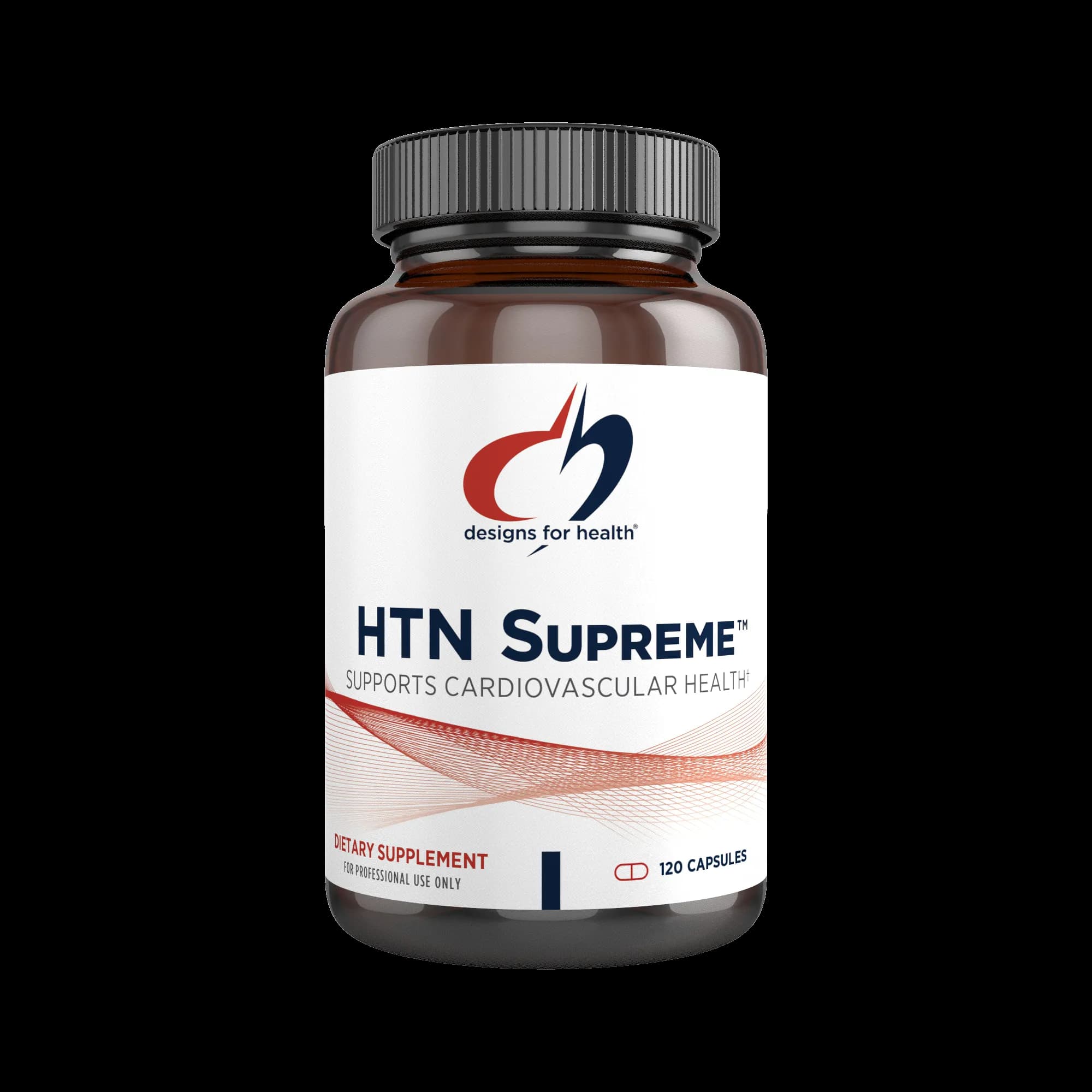
In the search for targeted nutritional support to address these vascular challenges, HTN Supreme™ has emerged as a highly compelling option. Formulated by Designs for Health, this specialized supplement combines two rigorously researched ingredients: bonito peptides and MegaNatural®-BP grape seed extract. Together, these compounds offer a synergistic approach to supporting healthy blood pressure, promoting normal vascular function, and providing robust antioxidant protection. For individuals navigating the complexities of post-viral illness and autonomic nervous system dysfunction, understanding how these targeted nutrients interact with the cardiovascular system at a cellular level can be a crucial step toward better symptom management and an improved quality of life.
TL;DR
HTN Supreme™ combines bonito peptides and grape seed extract to support vascular health and blood pressure.
Bonito peptides may help regulate vascular tone by interacting with the body's ACE pathway.
Grape seed extract provides antioxidants that support nitric oxide production and healthy blood flow.
These ingredients may help manage fatigue and cognitive challenges in complex chronic conditions.
What is HTN Supreme™?
The Power of Bonito Peptides
HTN Supreme™ features a highly specialized ingredient known clinically as Katsuobushi oligopeptide (KO), which is derived from the enzymatic digestion of bonito fish (Katsuwonus pelamis), a member of the tuna and mackerel family. In traditional Japanese cuisine, dried, fermented, and smoked bonito has been consumed for centuries, but modern nutritional science has isolated its most potent cardiovascular benefits into specific bioactive protein fragments. When the intact bonito protein is carefully hydrolyzed using specific enzymes like thermolysin, it yields a highly active pentapeptide—a chain of five amino acids—with the sequence Leu-Lys-Pro-Asn-Met, commonly referred to as LKPNM. This specific oligopeptide is the primary active compound responsible for the profound blood pressure-regulating properties of bonito extracts. Unlike whole dietary proteins that must be completely broken down by the digestive system into individual amino acids, these ultra-short peptide chains are small enough to survive the harsh acidic environment of the stomach and exert direct, targeted physiological effects within the body.
The inclusion of bonito peptides in HTN Supreme™ is standardized to contain 85% peptides, ensuring a potent, consistent, and clinically relevant dose in every single capsule. At the molecular level, these circulating peptides interact directly with the body's renin-angiotensin-aldosterone system (RAAS), a complex hormonal cascade that meticulously regulates blood pressure, vascular resistance, and fluid balance. By providing a natural, highly bioavailable source of these specific amino acid sequences, the supplement offers a targeted nutritional intervention for individuals struggling with unpredictable vascular tone. This mechanism is particularly relevant for patients with complex chronic illnesses, where the autonomic nervous system often fails to properly regulate blood vessel constriction, leading to a host of debilitating cardiovascular symptoms such as inappropriate tachycardia and orthostatic intolerance.
The Antioxidant Strength of Grape Seed Extract
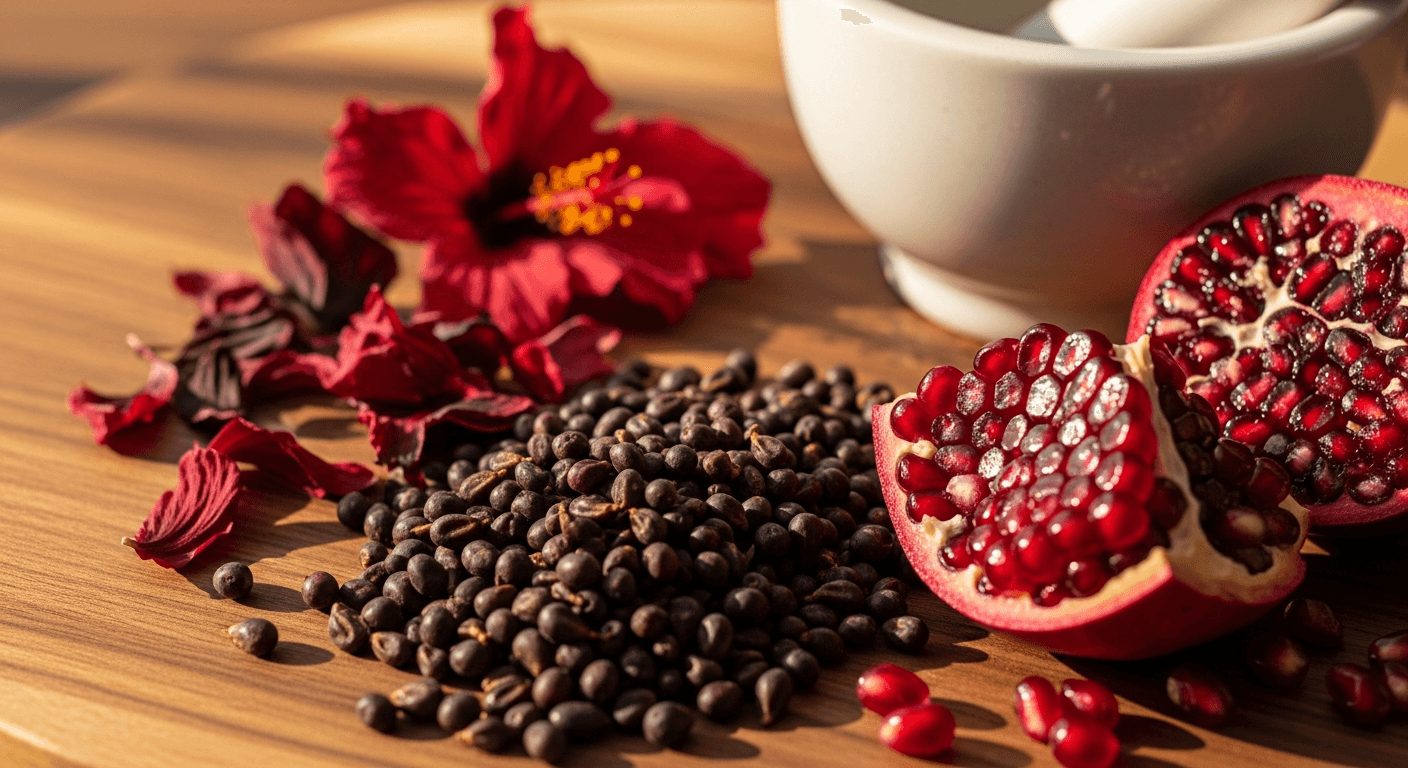
The second foundational pillar of HTN Supreme™ is MegaNatural®-BP, a patented and highly purified form of grape seed extract (Vitis vinifera). While standard, commodity grape seed extracts are widely available on the market, they often suffer from exceptionally poor bioavailability because their active compounds—known as polymeric proanthocyanidins—are physically too large to be efficiently absorbed through the intestinal wall. MegaNatural®-BP solves this critical issue by utilizing a patented hot-water extraction process, entirely free of harsh chemical solvents, that specifically isolates lower-molecular-weight polyphenols. With an average degree of polymerization of just 2.3, these much smaller molecules can easily cross the intestinal barrier and enter the systemic circulation, making them significantly more bioavailable and biologically active than standard extracts. This specific extract is standardized to contain 90% polyphenols, providing a highly concentrated dose of potent antioxidants directly to the vascular system.
Once successfully absorbed into the bloodstream, the polyphenols in MegaNatural®-BP work directly on the endothelium, the delicate, single-cell-thick inner lining of the blood vessels. Nitric oxide is a vital cellular messenger gas that rapidly diffuses into the surrounding smooth muscles of the blood vessels, signaling them to relax in a process known as endothelium-dependent relaxation (EDR). By promoting this essential relaxation, grape seed extract helps to widen the arteries, reduce systemic vascular resistance, and heavily support healthy, unimpeded blood flow throughout the entire body.
A Synergistic Approach to Vascular Tone
The combination of bonito peptides and grape seed extract in HTN Supreme™ is not merely coincidental; it represents a highly synergistic and scientifically grounded approach to cardiovascular wellness. While the bonito peptides work primarily by modulating the enzymatic pathways that cause blood vessels to inappropriately constrict, the grape seed extract works by actively stimulating the pathways that cause blood vessels to properly dilate. This dual-action approach addresses vascular tone from both sides of the physiological equation, creating a balanced and comprehensive regulatory effect. For patients living with conditions like dysautonomia or Long COVID, where blood vessels are often locked in a state of chronic constriction due to severe autonomic dysfunction and systemic oxidative stress, this comprehensive, multi-pathway support is absolutely invaluable for restoring baseline function.
Furthermore, the robust antioxidant properties of the grape seed extract help to protect the delicate endothelial cells from the highly damaging effects of reactive oxygen species (ROS). Chronic inflammation, a universal hallmark of many post-viral syndromes, generates massive amounts of oxidative stress that can rapidly degrade and neutralize bioavailable nitric oxide before it even has a chance to act. By aggressively neutralizing these free radicals, the potent polyphenols in MegaNatural®-BP not only stimulate the production of new nitric oxide but also actively protect the existing nitric oxide from being destroyed. This ensures that the vital vasodilatory signals can successfully reach the smooth muscle cells, working in perfect, uninterrupted harmony with the ACE-inhibiting effects of the bonito peptides to maintain optimal vascular health and systemic circulation.
How Chronic Illness Impacts Vascular Health
Endothelial Dysfunction in Long COVID
The global emergence of Long COVID has brought unprecedented medical attention to the critical role of the vascular endothelium in maintaining systemic health. During the acute phase of the initial infection, the SARS-CoV-2 virus binds directly to ACE2 receptors, which are densely populated on the surface of endothelial cells lining the blood vessels throughout the body. This direct viral assault causes profound endothelial injury, physically stripping the blood vessels of their protective properties and triggering a massive, cascading inflammatory response. Even long after the initial virus has been cleared from the body, extensive clinical research indicates that the endothelium can remain locked in a chronic pro-inflammatory and procoagulant state. This persistent endothelial dysfunction is now widely recognized by researchers as a primary physiological driver of the debilitating, multi-system symptoms experienced by Long COVID patients.
Clinical studies have provided stark, measurable evidence of this ongoing vascular damage. For example, the landmark LOCHINVAR study demonstrated that COVID-19 survivors exhibit significantly impaired endothelium-dependent flow-mediated dilation (FMD) up to 12 months post-infection, proving that their blood vessels cannot dilate properly in response to blood flow demands. Furthermore, researchers have identified highly elevated levels of circulating endothelial cells—cells that have physically dislodged and sheared off from damaged blood vessels—in patients who had seemingly recovered from the acute illness. This chronic vascular injury leads to severely reduced nitric oxide bioavailability, forcing blood vessels into a state of chronic, unyielding constriction. The resulting microvascular ischemia, or lack of adequate blood flow to the deep tissues, severely impairs oxygen delivery and contributes heavily to the profound fatigue, muscle pain, and cognitive dysfunction characteristic of Long COVID.
Oxidative Stress and ME/CFS
Myalgic encephalomyelitis/chronic fatigue syndrome (ME/CFS) is increasingly understood by modern medicine not merely as a psychological condition of fatigue, but as a severe, complex neurovascular and metabolic disorder. A central, defining feature of ME/CFS pathology is systemic oxidative stress, which wreaks absolute havoc on the vascular system. When the body produces an uncontrolled excess of reactive oxygen species (ROS), these destructive free radicals react immediately with beneficial nitric oxide to form peroxynitrite, a highly toxic molecule that further damages endothelial cells and cellular mitochondria. This vicious cycle rapidly depletes the blood vessels of the nitric oxide needed to maintain proper vascular tone, leading to widespread, systemic peripheral endothelial dysfunction that starves the body's tissues of oxygen.
Clinical evaluations using advanced peripheral arterial tonometry have revealed that over 51% of ME/CFS patients exhibit highly abnormal endothelial function, a rate vastly higher than healthy control populations. This severe vascular impairment is particularly devastating during any form of physical exertion. A pivotal study by ME Research UK demonstrated that ME/CFS patients have a drastically lower peak blood flow response to shear stress compared to healthy individuals. Because their blood vessels physically cannot dilate to accommodate the increased oxygen demands of exercise, patients experience severe, immediate tissue hypoxia. This catastrophic failure of vascular autoregulation is a primary physiological mechanism underlying post-exertional malaise (PEM), the hallmark symptom of ME/CFS where symptoms severely and dangerously exacerbate following even minor physical or cognitive exertion.
Dysautonomia, POTS, and Blood Flow
Postural orthostatic tachycardia syndrome (POTS), a highly debilitating form of dysautonomia frequently triggered by viral infections, is intimately and inextricably connected to vascular health. While POTS is traditionally classified strictly as an autonomic nervous system disorder, emerging research highlights the critical, foundational role of the blood vessels themselves. In a healthy body, the simple act of standing up triggers a rapidly coordinated autonomic response that constricts blood vessels in the lower extremities, preventing gravity from pooling blood in the legs and ensuring adequate, continuous blood flow to the brain. In patients with POTS, this vital mechanism is severely disrupted. Chronic oxidative stress damages both the autonomic nerves responsible for signaling the blood vessels and the delicate endothelial cells responsible for physically executing those signals.
Interestingly, advanced genetic studies have found that specific alleles in the NOS3 gene—which directly encodes the primary isoform of nitric oxide synthase in blood vessels—are prominent risk factors for developing POTS. This firmly establishes that an inherent, genetic inability to properly regulate vascular tone via nitric oxide contributes directly to the underlying pathology of the condition. Furthermore, clinical evaluations report that POTS patients exhibit a significant, measurable reduction in flow-mediated dilation, confirming the presence of physiological endothelial dysfunction. When the blood vessels cannot maintain appropriate tone, blood pools massively in the lower body upon standing, triggering the heart to beat wildly (tachycardia) in a desperate, compensatory attempt to pump blood back up to the oxygen-starved brain, resulting in severe orthostatic intolerance, presyncope, and dizziness.
HTN Supreme™: Supporting Vascular Function and Blood Pressure
Bonito Peptides and the ACE Pathway
The bonito peptides found in HTN Supreme™ operate through a fascinating and highly specific biochemical mechanism known as "prodrug-type" ACE inhibition. The primary way these peptides lower blood pressure and restore vascular tone is by inhibiting the Angiotensin-Converting Enzyme (ACE). In the human body, ACE is responsible for converting angiotensin I into angiotensin II, a highly potent vasoconstrictor that causes blood vessels to narrow sharply and triggers the kidneys to retain sodium. What makes the Katsuobushi oligopeptide unique is its initial state: the intact LKPNM pentapeptide is only a relatively mild ACE inhibitor with an IC50 value (the concentration required for 50% inhibition) of 2.4 μM. However, this mild state allows it to travel safely through the bloodstream until it reaches its target.
Once in the bloodstream, a remarkable biological activation occurs. LKPNM interacts directly with ACE itself, and the enzyme cleaves (hydrolyzes) the pentapeptide, chopping off the "Asn-Met" tail to produce a much smaller, highly targeted tripeptide: Leu-Lys-Pro (LKP). This newly formed LKP is a fiercely potent ACE inhibitor, with its IC50 value dropping to just 0.32 μM, making it roughly 8 times more powerful at blocking the enzyme than its parent molecule. LKP binds tightly to the active zinc-coordinated site of the ACE enzyme, neutralizing its ability to produce the blood-pressure-spiking angiotensin II. Unlike synthetic pharmaceutical ACE inhibitors (such as lisinopril), which indiscriminately block the enzyme and cause a buildup of bradykinin (leading to a persistent dry cough), bonito peptides inhibit ACE via a milder, natural mechanism that does not trigger the cough side effect and crucially does not lower blood pressure in individuals who already have normal, healthy blood pressure.
Grape Seed Extract and Nitric Oxide Production
While bonito peptides prevent inappropriate vasoconstriction, the MegaNatural®-BP grape seed extract actively promotes healthy vasodilation through the nitric oxide pathway. The specific low-molecular-weight polyphenols in this extract bind to receptors on the surface of endothelial cells, triggering a cascade of intracellular events. Specifically, they activate the PI3-kinase/Akt pathway, which in turn phosphorylates and activates Endothelial Nitric Oxide Synthase (eNOS). Once activated, eNOS converts the amino acid L-arginine into L-citrulline, releasing a molecule of Nitric Oxide (NO) in the process. This newly synthesized NO rapidly diffuses out of the endothelial cell and into the adjacent smooth muscle cells that wrap around the blood vessel.
Inside the smooth muscle cells, nitric oxide binds to and activates an enzyme called soluble guanylate cyclase (sGC), which catalyzes the conversion of GTP into cyclic GMP (cGMP). Elevated levels of cGMP act as a powerful signal that causes the smooth muscle fibers to relax, leading to a widening of the blood vessel lumen—a process known as vasodilation. By heavily supporting this exact biochemical pathway, the grape seed extract in HTN Supreme™ helps to dramatically lower systemic vascular resistance. This makes it significantly easier for the heart to pump blood throughout the body, improving microcirculation to deep tissues, and ensuring that oxygen and vital nutrients can properly reach the brain, muscles, and organs that are so often starved of energy in chronic fatigue conditions.
Protecting the Endothelium from Oxidative Stress
The supportive benefits of HTN Supreme™ extend far beyond simple vasodilation; it also provides critical structural protection for the blood vessels through its profound antioxidant capacity. In complex chronic illnesses like Long COVID and mast cell activation syndrome (MCAS), the body is flooded with reactive oxygen species (ROS) such as superoxide and hydroxyl radicals. These highly unstable molecules aggressively steal electrons from surrounding tissues, causing severe oxidative damage. When superoxide levels are high, they react instantly with any available nitric oxide to form peroxynitrite (ONOO-). This not only destroys the nitric oxide—preventing it from dilating the blood vessels—but peroxynitrite itself is a highly toxic compound that directly damages the eNOS enzyme, causing it to become "uncoupled."
When eNOS becomes uncoupled, instead of producing healthy nitric oxide, it malfunctions and begins producing even more superoxide, creating a devastating, self-perpetuating cycle of vascular destruction. The highly concentrated polyphenols in MegaNatural®-BP act as powerful free radical scavengers, eagerly donating electrons to neutralize superoxide before it can react with nitric oxide. By aggressively clearing out these reactive oxygen species, the grape seed extract prevents the formation of peroxynitrite, allows eNOS to "re-couple" and function normally, and restores the delicate redox balance within the vascular wall. This deep, cellular-level protection is essential for supporting the endothelium and breaking the vicious cycle of oxidative stress and vascular dysfunction that drives so many chronic illness symptoms.
Symptoms HTN Supreme™ May Help Manage
Cardiovascular and Autonomic Symptoms
Because HTN Supreme™ targets the foundational mechanisms of vascular tone and endothelial health, it can be a highly valuable tool for managing the complex cardiovascular and autonomic symptoms associated with dysautonomia and post-viral syndromes. By supporting both the constriction and dilation pathways, it helps restore balance to a dysregulated system.
Blood Pressure Fluctuations: By smoothly modulating the ACE pathway, bonito peptides help stabilize erratic blood pressure spikes, promoting a more consistent and healthy cardiovascular baseline without causing unnatural drops in normotensive individuals.
Orthostatic Intolerance: Improved endothelial function and nitric oxide bioavailability help blood vessels respond more appropriately and rapidly when changing positions, reducing the severe dizziness and presyncope experienced upon standing.
Palpitations and Tachycardia: Better overall vascular tone reduces systemic resistance, easing the compensatory burden on the heart and potentially calming the rapid, pounding heart rates characteristic of POTS and dysautonomia.
Fatigue and Cognitive Challenges
The brain and muscles require a massive, continuous supply of oxygen and nutrients to function properly. When endothelial dysfunction restricts microcirculation, these tissues become starved, leading to profound neurological and physical fatigue. Supporting vascular health directly addresses this root cause of energy depletion.
Severe Brain Fog: Enhanced nitric oxide production promotes better, more consistent cerebral blood flow, delivering vital oxygen and glucose to the brain to help clear cognitive sluggishness and improve focus.
Profound Systemic Fatigue: Improved microcirculation ensures that deep muscle tissues and organs receive the raw materials required for mitochondrial cellular energy production, combating the deep, heavy fatigue of ME/CFS.
Heavy Limbs: Vasodilation helps efficiently clear metabolic waste products (like lactic acid) from tissues, significantly reducing the painful sensation of physical heaviness and leaden limbs often reported by patients.
Exercise Intolerance and PEM
One of the most debilitating aspects of ME/CFS and Long COVID is the inability to tolerate physical exertion without experiencing a severe crash. By improving how blood vessels respond to the demands of physical activity, targeted nutritional support can help mitigate these severe physiological reactions.
Post-Exertional Malaise (PEM): Supporting endothelial health may drastically improve the vascular response to physical exertion, allowing blood vessels to dilate properly and mitigating the severe hypoxic tissue crashes associated with PEM.
Muscle Aching and Cramping: Better, unimpeded blood flow helps deliver oxygen to oxygen-starved muscle tissues during movement, reducing the rapid buildup of lactic acid that causes severe cramping and pain.
Poor Recovery Times: The robust antioxidant protection provided by grape seed extract helps neutralize the massive wave of oxidative stress generated during even mild physical activity, supporting faster and less painful recovery periods.
Practical Considerations: Forms, Dosing, and Absorption
Bioavailability of Bonito Peptides
When considering any nutritional supplement, understanding its bioavailability—how much of the active ingredient actually reaches your bloodstream—is absolutely critical. Bonito peptides possess a distinct advantage in this area due to their incredibly small molecular size. Unlike large, whole proteins that must be painstakingly broken down by stomach acid and digestive enzymes, bioactive peptides like those extracted from bonito fish have very low molecular weights (typically less than 1 kDa). This incredibly small size allows them to be highly soluble and exhibit significantly enhanced absorption directly through the brush border of the gastrointestinal tract walls. Clinical pharmacokinetic studies have proven that specific bonito peptides, such as the LKPNM and LKP chains, manage to survive digestive enzymes and enter the systemic circulation fully intact, where they can immediately begin interacting with the ACE enzyme.
However, the primary challenge with systemic bioactive peptides is their relatively short half-life. Once circulating in the bloodstream, they are naturally susceptible to rapid degradation by circulating peptidases. While the exact minute-by-minute half-life varies based on individual metabolic rates, bioactive food peptides of similar structures generally exhibit a half-life of around 10 hours in animal models. Because of this relatively rapid enzymatic degradation and clearance from the body, bonito peptides must be consumed consistently on a daily basis to maintain continuous ACE-inhibitory action and keep blood vessels properly relaxed. Skipping doses can lead to a rapid return of vascular constriction as the peptides are cleared from the system.
Maximizing Grape Seed Extract Absorption
The bioavailability of grape seed extract is heavily dependent on its specific formulation. Standard grape seed polyphenols exhibit notoriously poor oral bioavailability because the compounds have poor lipid solubility, high molecular weight, and are subject to extensive, destructive metabolism in the gut and liver. MegaNatural®-BP overcomes this massive hurdle through its patented extraction process that yields an average degree of polymerization of just 2.3. This specific low-molecular-weight profile ensures that the polyphenols are highly water-soluble and easily absorbed. In clinical models, after the ingestion of a single oral dose, maximal plasma levels of the active polyphenols are reached rapidly, typically peaking around 90 minutes post-ingestion.
Once in the bloodstream, the plasma half-life of these specific grape seed polyphenols is relatively short, estimated to be approximately 2 to 5 hours before they are metabolized and excreted via urine and feces. Because the active compounds do not linger in the body for days at a time, timing your dosage can be an important strategy. For example, taking a dose approximately 90 minutes before anticipated physical activity or cognitive exertion may help ensure that nitric oxide production and endothelial vasodilation are fully maximized right when your body demands the highest levels of oxygen and blood flow.
Dosing Strategies and Safety Profile
Due to the relatively short half-lives of both the bonito peptides and the grape seed polyphenols, strategic dosing is highly recommended to maintain stable blood levels. The suggested use for HTN Supreme™ is 4 capsules per day. However, rather than taking all four capsules at once, divided dosing is strongly recommended by healthcare practitioners (e.g., two capsules in the morning and two in the evening). This split-dosing strategy ensures a steady, continuous stream of ACE-inhibiting peptides and eNOS-stimulating polyphenols in the bloodstream throughout the entire day and night, preventing the peaks and valleys that can lead to breakthrough vascular constriction and symptom flares.
The safety profile of HTN Supreme™ is exceptionally high, particularly when compared to synthetic cardiovascular medications. Throughout numerous clinical trials, bonito peptides have not caused abnormal heart rate changes, nor do they trigger the notorious dry cough associated with pharmaceutical ACE inhibitors, because they do not cause a buildup of bradykinin in the lungs. Furthermore, they do not cause rebound hypertension upon cessation. However, it is crucial to note the allergen warning: because the peptides are derived directly from bonito fish, the product contains fish allergens (tuna, mackerel) and must be strictly avoided by anyone with a severe fish allergy. As always, individuals currently taking prescription blood pressure medications should consult their doctor to monitor for any additive blood-pressure-lowering effects.

Follow the Science
Clinical Trials on Bonito Peptides
The efficacy of Katsuobushi oligopeptide (bonito peptides) is supported by a robust foundation of in vivo animal studies and human clinical trials. In landmark double-blind, placebo-controlled, cross-over studies, borderline and mildly hypertensive human subjects were evaluated to determine the peptide's real-world impact on blood pressure. Subjects consumed 3 grams per day of the bonito hydrolysate, which yields approximately 5 mg of the highly active LKPNM peptide. The results were highly statistically significant.
After an 8-week administration period, researchers observed a profound decrease in blood pressure among the treatment group. Average Systolic Blood Pressure (SBP) dropped by an impressive 12.4 to 12.7 mmHg, and Diastolic Blood Pressure (DBP) dropped by 6.0 to 9.7 mmHg compared to the placebo group. The clinical trials noted that the peptide supplementation resulted in a significant or moderate blood pressure decrease in over 60% to 66% of the subjects. Later studies utilizing ultra-filtered, concentrated forms were able to achieve these exact same blood-pressure-lowering results at a halved dose of just 1.5 g/day, which is the exact dosage provided in a daily serving of HTN Supreme™. Importantly, throughout these trials, no subjective or objective adverse symptoms were reported, confirming the exceptional safety profile of the peptides.
Grape Seed Extract in Cardiovascular Research
MegaNatural®-BP is one of the few natural botanical ingredients backed by original, specific human clinical research rather than relying on "borrowed science" from generic grape seed studies. The most prominent studies evaluating its efficacy have been conducted in collaboration with the Department of Preventive Cardiology at UC Davis. In a pivotal 4-week, randomized, double-blind, placebo-controlled trial published by Sivaprakasapillai et al. (2009), researchers evaluated adults with metabolic syndrome. Subjects were split into three groups: a placebo, 150 mg/day, and 300 mg/day of MegaNatural-BP. Both the 150 mg and 300 mg doses successfully lowered both systolic and diastolic blood pressures compared to the placebo group, with no significant changes in serum lipids or blood glucose values.
Further research has highlighted its profound impact on endothelial function and physical endurance. A study published in the Int J Environ Res Public Health (2022) evaluated athletes taking 300 mg of MegaNatural-BP daily for 14 days. Supplementation significantly improved Flow-Mediated Dilation (FMD), the gold-standard clinical measurement of endothelial function. The improved vasodilation and blood flow led to a measurable decrease in oxygen consumption during high-intensity exercise and significantly increased the subjects' time to exhaustion. This data strongly supports the use of this specific extract for improving oxygen delivery and mitigating exercise intolerance, a finding highly relevant for patients battling the severe fatigue of chronic illness.
Emerging Data on Endothelial Health in Chronic Illness
The scientific paradigm surrounding conditions like ME/CFS and Long COVID is rapidly shifting toward vascular and endothelial therapeutics. Groundbreaking theoretical research by Wirth et al. (2021) proposes that the myriad neurological symptoms of ME/CFS arise directly from a cascade driven by endothelial dysfunction and chronic sympathetic activation. Their research suggests that systemic endothelial disturbance reduces cerebral blood flow, impairs neurovascular coupling, and opens the blood-brain barrier, accounting for cognitive impairment, brain fog, and dysautonomia.
Similarly, in the context of Long COVID, researchers are increasingly focusing on the endothelium as the primary site of ongoing pathology. Studies evaluating POTS in Long COVID patients have found that up to 31% of highly symptomatic patients develop POTS, characterized by severe functional impairment and abnormal vascular responses. As the medical community continues to validate the central role of the blood vessels in these complex conditions, targeted nutritional interventions that specifically support endothelial health, nitric oxide production, and proper vascular tone are becoming an increasingly vital component of comprehensive patient care protocols.
The Path Forward
Validating the Vascular Struggle
Living with a complex chronic illness that invisibly disrupts your vascular system is an incredibly frustrating and exhausting experience. When your blood vessels cannot properly dilate to deliver oxygen to your brain, or when they fail to constrict to keep blood from pooling in your legs, every single system in your body struggles to function. The severe fatigue, the debilitating brain fog, and the terrifying heart palpitations are not in your head—they are the direct, physiological result of a vascular system under immense oxidative stress and autonomic dysregulation. Validating this physical reality is the first and most important step toward finding effective, targeted management strategies that actually address the root cause of your symptoms.
Integrating Nutritional Support
While targeted supplements like HTN Supreme™ offer powerful, scientifically backed mechanisms to support vascular tone and endothelial health, they are most effective when utilized as part of a comprehensive, multidisciplinary management strategy. Supporting the endothelium requires a holistic approach that minimizes ongoing stress on the body. This includes strict adherence to pacing to avoid triggering post-exertional malaise, utilizing compression garments and high-sodium hydration protocols (if appropriate for your specific type of dysautonomia), and meticulously tracking your symptoms to identify triggers. You might also consider exploring complementary nutritional support, such as CoQ10 for mitochondrial energy or a Gut-Brain Reset to help lower systemic inflammation and reduce the oxidative burden on your blood vessels.
Next Steps in Your Care
Because complex chronic conditions vary so wildly from patient to patient, it is absolutely essential to work closely with a knowledgeable healthcare provider who understands the intricacies of dysautonomia, Long COVID, and vascular health. Before introducing any new supplement into your regimen—especially one that actively influences blood pressure and vascular tone like HTN Supreme™—consult with your medical team to ensure it is safe and appropriate for your specific clinical presentation, particularly if you are already taking prescription cardiovascular medications. With the right targeted support and a compassionate care team, it is possible to improve your vascular health and reclaim a better quality of life.