Can Homocysteine Supreme™ Support Vascular Health and Brain Fog in Long COVID and ME/CFS?
March 5, 2026
Homocysteine SupremeLong COVIDME/CFS
Share:
Disclaimer: The information provided here is for educational purposes only and is not intended as medical advice. It should not be used to diagnose, treat, cure, or prevent any medical condition. Instead, use it as a starting point for discussion with your healthcare provider. Always consult with a qualified healthcare provider before starting any new medication, supplement, device, or making changes to your health regimen.
Months or even years after an initial viral infection, many individuals find themselves trapped in a bewildering maze of debilitating symptoms. Whether diagnosed with Long COVID, myalgic encephalomyelitis/chronic fatigue syndrome (ME/CFS), mast cell activation syndrome (MCAS), or dysautonomia, the daily reality often involves fighting through profound brain fog, unpredictable heart rates, and a level of fatigue that sleep simply cannot fix. For many patients, standard blood panels come back "normal," leading to frustrating medical appointments where their invisible, yet very real, physical suffering is minimized or dismissed. However, functional medicine and emerging research are increasingly pointing toward a hidden biochemical bottleneck that may be driving these systemic issues: impaired methylation and elevated homocysteine.
The body's methylation cycle is a fundamental biochemical engine responsible for producing cellular energy, clearing out toxins, breaking down inflammatory histamine, and repairing the delicate lining of our blood vessels. When this cycle is broken—whether by genetic mutations like MTHFR, severe viral oxidative stress, or nutrient deficiencies—a toxic amino acid called homocysteine begins to accumulate in the bloodstream. This buildup acts like microscopic shards of glass in the vascular system, promoting the exact kind of endothelial dysfunction and microclotting that researchers now believe is central to Long COVID and ME/CFS. In this comprehensive guide, we will explore how Homocysteine Supreme™, a targeted blend of trimethylglycine (TMG) and bioactive B vitamins, works at the cellular level to bypass these genetic bottlenecks, support vascular health, and help patients manage the complex web of chronic illness symptoms.
TL;DR
Impaired methylation and high homocysteine may drive Long COVID and ME/CFS symptoms like brain fog and fatigue.
Homocysteine Supreme™ provides bioactive B vitamins and TMG to bypass genetic bottlenecks and support vascular health.
Supporting the methylation cycle may help manage cognitive dysfunction, POTS, and MCAS flares.
Always start with a low dose and work with a healthcare provider to minimize detox flares.
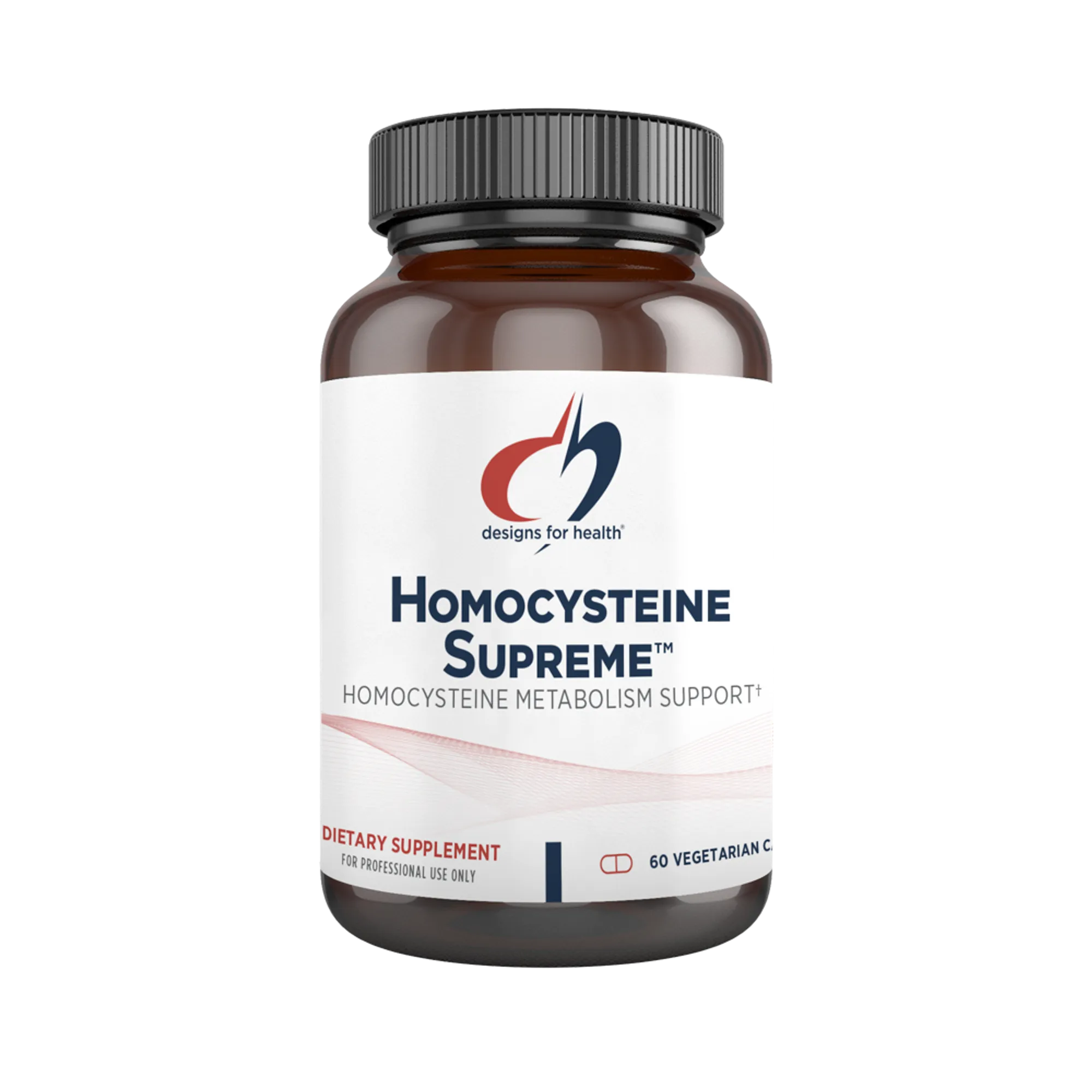
What is Homocysteine Supreme™?
The Anatomy of the Methylation Cycle
To understand the profound impact of Homocysteine Supreme™, we must first dive into the microscopic world of the methylation cycle. Methylation is a fundamental biochemical process that occurs billions of times every second in almost every cell of the human body. At its core, methylation involves the transfer of a tiny molecule called a methyl group—composed of one carbon atom and three hydrogen atoms (-CH3)—from one substance to another. This simple transfer acts as a biological "switch" that turns genes on and off, synthesizes DNA and RNA, produces vital neurotransmitters like dopamine and serotonin, and drives phase II liver detoxification. Without efficient methylation, our cells cannot produce adenosine triphosphate (ATP), the primary energy currency required to prevent the profound post-exertional malaise (PEM) seen in ME/CFS.
The central gear in this biochemical engine is the conversion of an amino acid called homocysteine into another amino acid called methionine. Methionine is then converted into S-adenosylmethionine (SAMe), which is the body's universal methyl donor. Once SAMe donates its methyl group to power a cellular function, it breaks down and eventually turns back into homocysteine, completing the cycle. In a healthy, well-nourished body, this cycle spins smoothly. However, if the body lacks the specific nutrient cofactors required to keep the cycle moving, or if genetic mutations slow down the enzymes responsible for these conversions, the cycle stalls. When the cycle stalls, SAMe levels plummet, and homocysteine levels rise dangerously high in the bloodstream, creating a highly toxic internal environment.
The Danger of Elevated Homocysteine
Homocysteine is a naturally occurring, sulfur-containing amino acid, but it is not meant to linger in the blood. When the methylation cycle is blocked, a condition known as hyperhomocysteinemia develops. At the molecular level, elevated circulating homocysteine is highly reactive and acts as a potent oxidizing agent. It directly damages the endothelium, the delicate single-cell layer that lines the inside of our blood vessels. This damage, known as endotheliitis, triggers a massive inflammatory response. The body attempts to patch the damaged blood vessels, leading to the aggregation of platelets and the formation of microscopic blood clots.
Furthermore, high homocysteine actively suppresses the production of endothelial nitric oxide synthase (eNOS), the enzyme responsible for creating nitric oxide. Nitric oxide is a crucial vasodilator that keeps blood vessels relaxed and open. When nitric oxide drops and microclots form, the result is widespread tissue hypoxia—a state where the brain, heart, and muscles are starved of oxygen. Recent studies have shown that elevated homocysteine levels are associated with the severe cognitive impairment, or "brain fog," frequently reported by patients who have recovered from COVID-19.
Bypassing Genetic Bottlenecks with Bioactive Nutrients
One of the most common reasons the methylation cycle fails is a mutation in the MTHFR (Methylenetetrahydrofolate reductase) gene. This gene provides the instructions for making the MTHFR enzyme, which is responsible for converting dietary folate (Vitamin B9) into its active, usable form: 5-methyltetrahydrofolate (5-MTHF). If you have an MTHFR polymorphism, such as the C677T or A1298C variants, your body struggles to create enough 5-MTHF to clear homocysteine. Standard supplements and fortified foods contain synthetic folic acid, which the body cannot process efficiently if this genetic bottleneck exists. In fact, unmetabolized folic acid can build up in the blood and further block folate receptors.
Homocysteine Supreme™ is specifically formulated to bypass these genetic roadblocks. Instead of synthetic folic acid, it provides 3400 mcg DFE of Quatrefolic®, a highly bioavailable, glucosamine-salt form of 5-MTHF that requires no enzymatic conversion by the body. It also includes 1000 mcg of Methylcobalamin, the active, methylated form of Vitamin B12. Together, these bioactive B vitamins act as the essential keys to unlock the primary remethylation pathway, forcing toxic homocysteine to convert back into safe, useful methionine, regardless of whether the patient possesses an MTHFR mutation.
The Unique Role of TMG (Trimethylglycine) and L-Serine
While bioactive B vitamins address the primary methylation pathway, Homocysteine Supreme™ includes a powerful secondary mechanism: Trimethylglycine (TMG), also known as betaine. TMG is a naturally occurring compound that contains three methyl groups. It operates through an entirely different enzymatic pathway in the liver, utilizing the enzyme betaine-homocysteine methyltransferase (BHMT). By providing a massive influx of direct methyl donors, TMG can rapidly and aggressively lower homocysteine levels, acting as a crucial backup system when the primary folate/B12 pathway is overwhelmed by chronic illness or severe genetic defects.
Additionally, the formula includes 100 mg of L-serine, an amino acid that plays a critical role in one-carbon metabolism. L-serine is a primary source of carbon units for the folate cycle and is essential for the synthesis of sphingolipids, which make up the protective myelin sheath surrounding our nerves. In conditions like dysautonomia and small fiber neuropathy, where nerve signaling is severely impaired, supporting myelin integrity with L-serine provides a vital layer of neurological support alongside the vascular benefits of homocysteine reduction.
How Long COVID and ME/CFS Impact Methylation
Viral Infection and the Methylation Block
The onset of complex chronic illnesses like ME/CFS and Long COVID is frequently traced back to a severe viral infection. Whether it is the SARS-CoV-2 virus, an Epstein-Barr Virus (EBV) reactivation, or another pathogen, the initial infection triggers a massive immune response characterized by a "cytokine storm" and profound oxidative stress. According to the "Glutathione Depletion—Methylation Cycle Block" hypothesis pioneered by researchers in the ME/CFS community, this overwhelming oxidative stress acts as a biochemical brake on the methylation cycle. The body burns through its stores of active B vitamins and glutathione in a desperate attempt to neutralize the viral threat, eventually stalling the enzymes required for normal cellular metabolism.
When the methylation cycle is blocked by this post-viral fallout, a vicious cycle begins. Without methylation, the body cannot produce adequate glutathione, its master antioxidant. Without glutathione, oxidative stress runs rampant, further damaging the mitochondria—the powerhouses of the cells. This mitochondrial dysfunction is the physiological root of post-exertional malaise (PEM), the hallmark symptom of ME/CFS where even minor physical or cognitive exertion leads to a devastating crash in energy. The body is essentially trapped in a state of energy bankruptcy, unable to generate the ATP required for basic cellular repair.
Endothelial Dysfunction and Microclotting
In the context of Long COVID, the pathophysiology is heavily centered around the vascular system. During the acute phase of COVID-19, the SARS-CoV-2 spike protein binds directly to ACE2 receptors, which are highly concentrated on the endothelial cells lining the blood vessels. This binding causes direct viral injury to the endothelium. In a healthy individual with optimal methylation, the body would clear the virus and repair the vascular lining. However, in patients who develop Long COVID, this endothelial inflammation fails to resolve, leading to a chronic state of endotheliitis.
This is where elevated homocysteine becomes a critical compounding factor. If a patient has an underlying MTHFR mutation or a post-viral methylation block, their homocysteine levels rise. While clinical studies on Long COVID cohorts have demonstrated an association between high homocysteine and cognitive impairment, elevated homocysteine is also known to create a highly pro-thrombotic environment. It stimulates platelets and monocytes, initiating an extrinsic coagulation cascade that forms persistent microthrombi (microclots). These microclots physically block the tiny capillaries that feed oxygen to the brain and peripheral tissues. The resulting localized tissue hypoxia forces the autonomic nervous system to overcompensate by drastically increasing the heart rate just to maintain blood pressure, a mechanism that directly contributes to the development of Postural Orthostatic Tachycardia Syndrome (POTS).
The MCAS Connection: Histamine and HNMT
Another major piece of the chronic illness puzzle is Mast Cell Activation Syndrome (MCAS), a condition where the immune system's mast cells become hyper-reactive and inappropriately release massive amounts of inflammatory mediators, including histamine. Many patients with Long COVID and ME/CFS develop secondary MCAS, leading to severe food intolerances, flushing, brain fog, and allergic-type reactions. While many patients attempt to manage this with a low-histamine diet, they often find only partial relief. This is because diet only addresses the histamine in the gut, which is broken down by the enzyme Diamine Oxidase (DAO). It does nothing to address the internal histamine released by mast cells deep within the body's tissues and central nervous system.
The clearance of internal, mast-cell-derived histamine relies entirely on an intracellular enzyme called Histamine N-methyltransferase (HNMT). As its name suggests, HNMT is a methyltransferase enzyme; it absolutely requires a methyl donor to function. Specifically, it needs S-adenosylmethionine (SAMe), which is produced by the methylation cycle. If a patient has a blocked methylation cycle or elevated homocysteine, their SAMe levels will be severely depleted. Without SAMe, the HNMT enzyme is functionally paralyzed. Intracellular histamine overflows, crossing the blood-brain barrier and causing severe neuroinflammation, migraines, and autonomic dysregulation. Research into histamine metabolism highlights that supporting methylation is not just about cardiovascular health; it is a critical requirement for clearing the neurotoxic histamine that drives severe MCAS flares.
Homocysteine Supreme™: Supporting Vascular and Cellular Health
Restoring Endothelial Function and Microcirculation
By providing a potent, highly bioavailable source of methyl donors, Homocysteine Supreme™ directly targets the vascular pathology seen in complex chronic illnesses. When the bioactive B vitamins (5-MTHF and Methylcobalamin) and TMG enter the bloodstream, they rapidly force the conversion of toxic homocysteine back into methionine. As circulating homocysteine levels drop, the relentless oxidative assault on the vascular endothelium begins to subside. This reduction in vascular inflammation is a critical first step in allowing the damaged blood vessels to heal from the initial viral insult of SARS-CoV-2 or EBV.
At the molecular level, lowering homocysteine restores the bioavailability of endothelial nitric oxide synthase (eNOS). As eNOS function returns, the endothelium can once again produce adequate levels of nitric oxide. This crucial signaling molecule tells the smooth muscles surrounding the blood vessels to relax, improving vasodilation. Enhanced vasodilation helps to break up the persistent microclots and restores healthy microcirculation to the brain and peripheral tissues. For patients suffering from dysautonomia and POTS, this improved blood flow means the heart no longer has to race uncontrollably to push oxygen through constricted, clotted capillaries, potentially leading to a stabilization of orthostatic heart rate spikes.
Fueling Intracellular Histamine Clearance
For patients battling the unpredictable flares of Mast Cell Activation Syndrome (MCAS), Homocysteine Supreme™ offers a vital mechanism of action by rebooting the HNMT enzyme pathway. When the supplement's methyl donors successfully unblock the methylation cycle, the body's production of S-adenosylmethionine (SAMe) is restored. This influx of SAMe provides the exact biochemical fuel that the Histamine N-methyltransferase (HNMT) enzyme needs to do its job.
With adequate SAMe available, HNMT can efficiently bind to the excess intracellular histamine released by hyperactive mast cells and convert it into N-methylhistamine, a harmless metabolite that is easily excreted in the urine. Because HNMT is the primary enzyme responsible for clearing histamine in the central nervous system, restoring this pathway is particularly effective at reducing the neurological symptoms of MCAS, such as severe brain fog, neuro-anxiety, insomnia, and migraines. By clearing the "histamine backlog" from the brain, patients often experience a profound lifting of cognitive heaviness.
Boosting Glutathione and Antioxidant Defense
Another critical benefit of optimizing homocysteine metabolism is the downstream effect on the body's antioxidant defenses. The methylation cycle is intricately connected to the transsulfuration pathway. When homocysteine is properly managed, a portion of it is directed down this pathway, where it is converted into cystathionine, then cysteine, and ultimately into glutathione. Glutathione is the most powerful intracellular antioxidant in the human body, capable of neutralizing the severe oxidative stress generated by chronic viral infections and mitochondrial dysfunction.
Homocysteine Supreme™ supports this process by including Pyridoxal-5-Phosphate (P-5-P), the active form of Vitamin B6. The enzymes that drive the transsulfuration pathway (cystathionine beta-synthase and cystathionine gamma-lyase) are entirely dependent on Vitamin B6 to function. By providing 10 mg of highly bioavailable P-5-P, the formula ensures that the body can efficiently convert excess homocysteine into life-saving glutathione. This surge in glutathione protects the delicate mitochondrial membranes from free radical damage, helping to restore cellular energy production and mitigate the severe physical crashes associated with ME/CFS.
Supporting Cognitive Function and Neurotransmitter Balance
Finally, the restoration of the methylation cycle has profound implications for cognitive function and mood regulation. The brain relies heavily on methylation to synthesize vital neurotransmitters, including dopamine, serotonin, and norepinephrine. When methylation is blocked, the production of these chemical messengers plummets, contributing to the severe depression, apathy, and cognitive blunting often seen in chronic illness. By supplying the necessary methyl donors, Homocysteine Supreme™ ensures that the brain has the raw materials required to synthesize these neurotransmitters, supporting a more stable mood and sharper cognitive focus. Furthermore, the inclusion of L-serine supports the continuous repair of the myelin sheath, protecting delicate nerve fibers from inflammatory damage and supporting overall central nervous system resilience.

Symptoms Homocysteine Supreme™ May Help Manage
Because methylation is a systemic process that affects nearly every cell in the body, supporting this pathway with Homocysteine Supreme™ can have wide-ranging benefits. While it is not a cure for complex chronic illnesses, clinical experience and emerging research suggest that optimizing homocysteine metabolism may help manage several debilitating symptoms:
Severe Brain Fog and Cognitive Dysfunction: By lowering homocysteine, the supplement helps reduce vascular inflammation and microclotting in the brain's capillaries. This restores oxygen and nutrient delivery to neural tissues. Additionally, by fueling the HNMT enzyme, it helps clear neurotoxic histamine from the central nervous system, lifting the heavy, suffocating feeling of cognitive impairment.
POTS and Orthostatic Tachycardia: Elevated homocysteine damages the endothelium and reduces nitric oxide, forcing the heart to work harder to pump blood through constricted vessels. By restoring endothelial function and vasodilation, Homocysteine Supreme™ helps improve venous return to the heart, potentially reducing the severe heart rate spikes experienced when standing.
Post-Exertional Malaise (PEM) and Fatigue: By unblocking the methylation cycle and driving the transsulfuration pathway, the formula helps the body produce glutathione. This master antioxidant protects the mitochondria from oxidative stress, allowing them to produce ATP more efficiently and raising the patient's overall energy envelope, making crashes less frequent and severe.
MCAS Flares and Histamine Intolerance: For patients who react to environmental triggers, foods, or stress with flushing, hives, and systemic inflammation, restoring SAMe levels is crucial. It reactivates the HNMT pathway, allowing the body to efficiently break down and excrete the massive amounts of internal histamine released by degranulating mast cells.
Neuropathy and Nerve Pain: The inclusion of L-serine and active Vitamin B12 (Methylcobalamin) provides targeted support for the nervous system. These nutrients are essential for the synthesis of sphingolipids and the maintenance of the myelin sheath, helping to protect peripheral nerves from damage and potentially reducing the burning, tingling sensations of small fiber neuropathy.
Practical Considerations: Forms, Dosing, and Absorption
The Bioavailability of Methylated B Vitamins
When dealing with complex chronic conditions, the form of the supplement is just as important as the dosage. Many over-the-counter B-complexes use cheap, synthetic forms of vitamins, such as cyanocobalamin (for B12) and folic acid (for B9). For a healthy person, the liver can usually convert these synthetic forms into usable vitamins. However, for a patient with Long COVID, ME/CFS, or an MTHFR mutation, the liver is often overwhelmed by oxidative stress and lacks the enzymatic capacity to make this conversion. In fact, unmetabolized folic acid can build up in the bloodstream, blocking folate receptors and actually worsening the methylation block.
Homocysteine Supreme™ avoids this entirely by utilizing exclusively bioactive, pre-methylated forms. It features Quatrefolic®, a patented glucosamine salt of 5-MTHF that boasts exceptional stability and water solubility, ensuring rapid absorption across the intestinal barrier. For Vitamin B12, it uses MecobalActive®, a highly pure form of methylcobalamin. By providing the vitamins in their final, active states, the formula completely bypasses the need for enzymatic conversion, ensuring that the nutrients are immediately available for cellular uptake and homocysteine metabolism, even in patients with severe gastrointestinal or hepatic impairment.
The "Start Low, Go Slow" Approach to Methylation
While restoring methylation is crucial for healing, it must be approached with caution in the chronically ill population. When a patient has been stuck in a state of blocked methylation for months or years, their body accumulates a significant backlog of toxins, heavy metals, and viral debris. When a powerful supplement like Homocysteine Supreme™ is introduced, it rapidly turns the phase II liver detoxification pathways back on. This sudden mobilization of toxins can overwhelm the body's excretory systems, leading to a temporary but severe exacerbation of symptoms known as a Herxheimer reaction, or a "detox flare."
For this reason, functional medicine practitioners heavily emphasize a "start low, go slow" approach. While the suggested use is two capsules per day, patients with severe ME/CFS or MCAS may be advised by their healthcare provider to begin with just a fraction of a capsule, slowly titrating the dose up over several weeks. This allows the body to gently clear the toxic backlog without triggering a massive immune flare or crashing the patient's delicate energy envelope.
Understanding TMG and the "Lipid Paradox"
Trimethylglycine (TMG) is a highly effective methyl donor, but its clinical use comes with a well-documented caveat known as the "lipid paradox." Clinical trials have shown that while high doses of TMG (typically 4 to 6 grams per day) are incredibly effective at lowering homocysteine, they can simultaneously cause a significant increase in LDL ("bad") cholesterol and triglycerides. This presents a paradox where the cardiovascular benefits of lowering homocysteine might be offset by the negative impact on the lipid profile.
Homocysteine Supreme™ is intelligently designed to navigate this paradox. It provides a moderate, synergistic dose of 900 mg of TMG per serving. According to recent meta-analyses, doses of TMG under 4 grams per day successfully exhibit homocysteine-lowering effects without triggering the adverse lipid-augmenting effects seen at higher doses. By combining a safe dose of TMG with a robust profile of bioactive B vitamins, the formula attacks elevated homocysteine from multiple enzymatic angles simultaneously, achieving maximum efficacy without compromising lipid health.
Timing and Synergistic Support
For optimal absorption, B vitamins and amino acids are generally best taken with a meal, particularly one containing some healthy fats to stimulate bile flow and aid in the assimilation of the nutrients. Because B vitamins are heavily involved in cellular energy production, it is usually recommended to take Homocysteine Supreme™ in the morning or early afternoon; taking it too close to bedtime may cause overstimulation and interfere with sleep, especially in patients with dysautonomia who already struggle with insomnia. Additionally, patients managing MCAS may find it beneficial to pair this methylation support with mast cell stabilizers to keep histamine release in check while the HNMT enzyme is being reactivated.

Follow the Science
Clinical Trials on TMG and Homocysteine Reduction
The efficacy of Trimethylglycine (TMG) in lowering homocysteine is supported by decades of robust clinical data. A landmark 2013 meta-analysis published in the Journal of Chiropractic Medicine aggregated data from multiple randomized, placebo-controlled trials involving healthy adults. The researchers concluded that TMG supplementation reliably reduced fasting plasma homocysteine levels by a pooled estimate of 1.23 µmol/L, representing a significant nearly 12% reduction from baseline values. Furthermore, pharmacokinetic studies have demonstrated the acute speed of TMG; single doses have been shown to significantly lower plasma total homocysteine concentrations within just two hours of ingestion, highlighting its rapid action in the liver's BHMT pathway.
More recently, a 2021 systematic review and meta-analysis confirmed these findings while also addressing the lipid paradox. The researchers evaluated the effects of betaine (TMG) supplementation on cardiovascular markers across ten studies. They found an overall weighted mean difference of -1.30 µmol/L in homocysteine levels. Crucially, their analysis supported the clinical consensus that keeping the dosage under 4 grams per day provides the homocysteine-lowering benefits without the adverse increases in LDL cholesterol observed in high-dose protocols, validating the moderate-dose approach used in Homocysteine Supreme™.
The Link Between Homocysteine and Long COVID Cognitive Decline
The connection between elevated homocysteine and the specific symptoms of Long COVID is an area of intense, ongoing research. A compelling 2023 study published in the Journal of Personalized Medicine investigated post-COVID patients experiencing severe cognitive decline, commonly referred to as brain fog. The researchers discovered a stark contrast in biomarkers: the Long COVID patients had a mean homocysteine level of 19.06 µmol/L, compared to just 11.31 µmol/L in the healthy control group.
Even more significantly, the study utilized regression analysis to map the direct impact of this elevation on cognitive function. They found that for every 1 µmol/L increase in a patient's homocysteine level, there was a corresponding 0.65 to 0.76-point decrease in their Montreal Cognitive Assessment (MoCA) scores. This data provides concrete, measurable evidence that hyperhomocysteinemia is not just a passive marker of inflammation, but an active driver of the neurocognitive impairment seen in Long COVID, underscoring the therapeutic potential of targeted methylation support.
Epigenetics and ME/CFS Subtypes
In the realm of ME/CFS, research has increasingly focused on the epigenetic alterations caused by blocked methylation. Landmark DNA methylome studies, such as those conducted by Wilfred C. de Vega and colleagues, analyzed the immune cells of ME/CFS patients. They discovered significant hypomethylation (under-methylation) in the regulatory elements of genes responsible for immune cell regulation, cellular metabolism, and kinase (ATP energy) activity. This epigenetic data physically proves that the methylation cycle is severely dysregulated in ME/CFS, leading to the downstream failures in energy production and immune defense that characterize the disease. These findings strongly support the clinical rationale for using bioactive B vitamins to force the methylation cycle back into motion.
The Path Forward
Validating the Invisible Struggle
Living with a complex chronic illness like Long COVID, ME/CFS, or MCAS is an exhausting, often isolating journey. The invisible nature of symptoms like severe brain fog, crushing fatigue, and erratic heart rates can make it difficult for others—and sometimes even medical professionals—to truly understand the depth of your daily struggle. It is entirely valid to feel frustrated when standard lab tests fail to capture the profound biochemical dysfunction occurring at the cellular level. Understanding the role of methylation and homocysteine offers not just a scientific explanation for your symptoms, but a validating proof that your suffering has a tangible, physiological root.
A Piece of the Complex Chronic Illness Puzzle
While the science behind Homocysteine Supreme™ is compelling, it is important to maintain a realistic perspective on recovery. Complex chronic conditions are rarely resolved by a single intervention. Restoring the methylation cycle and lowering homocysteine is a powerful step toward reducing vascular inflammation, clearing intracellular histamine, and supporting mitochondrial energy production. However, it is just one piece of a much larger puzzle. True management requires a comprehensive, multi-disciplinary approach that includes aggressive pacing to prevent PEM, nervous system regulation, dietary modifications, and targeted medical therapies.
Working with Your Care Team
Because rebooting the methylation cycle can cause temporary shifts in symptoms and detoxification pathways, it is crucial to undertake this process under the guidance of a knowledgeable healthcare provider. A functional medicine practitioner can help you run the appropriate genetic (MTHFR) and biomarker (fasting homocysteine) tests to determine if this targeted support is right for your specific presentation. They can also guide you through the "start low, go slow" dosing strategy to ensure your body adapts smoothly to the influx of methyl donors.
Sources
Betaine supplementation decreases plasma homocysteine in healthy adult participants: a meta-analysis
Effects of betaine supplementation on cardiovascular markers: A systematic review and Meta-analysis
Homocysteine levels in Long COVID and Cognitive Decline: A 2023 Study
DNA Methylome Alterations in Myalgic Encephalomyelitis/Chronic Fatigue Syndrome
Histamine N-methyltransferase (HNMT) and Methylation in Mast Cell Disorders