Can HM Complex Support Detoxification and Energy in Long COVID and ME/CFS?
March 5, 2026
HM ComplexHeavy Metal DetoxificationLong COVID
Share:
Disclaimer: The information provided here is for educational purposes only and is not intended as medical advice. It should not be used to diagnose, treat, cure, or prevent any medical condition. Instead, use it as a starting point for discussion with your healthcare provider. Always consult with a qualified healthcare provider before starting any new medication, supplement, device, or making changes to your health regimen.
For individuals living with complex chronic conditions like Long COVID, myalgic encephalomyelitis/chronic fatigue syndrome (ME/CFS), and mast cell activation syndrome (MCAS), the journey to finding symptom relief often feels like navigating a labyrinth in the dark. You might be meticulously tracking your symptoms, pacing to avoid crashes, and still wondering why your body feels stuck in a perpetual state of exhaustion and inflammation. Often, the missing piece of this complex puzzle lies deep within our cells: the body's natural detoxification pathways and its ability to manage oxidative stress.
In our modern environment, low-level exposure to heavy metals—such as lead, mercury, and cadmium—is practically unavoidable. For a healthy individual, the body’s innate detoxification systems can usually handle this mild burden. However, when a viral infection like SARS-CoV-2 or Epstein-Barr Virus (EBV) enters the picture, it can hijack these very systems, depleting vital antioxidants and leaving the body vulnerable to a cascade of cellular damage. This is where targeted nutritional support becomes a crucial tool. By understanding how specific compounds interact at the molecular level, we can begin to support the body's natural ability to clear toxins, neutralize free radicals, and restore the bioenergetic function necessary for healing.
TL;DR
Targeted nutritional support may help manage oxidative stress and heavy metal burden in chronic conditions.
HM Complex combines binders and antioxidants to support the body's natural detoxification pathways.
Ingredients like MCP, Chlorella, and NAC assist in clearing toxins and supporting cellular energy.
Always consult a healthcare provider before starting any heavy metal detoxification protocol.
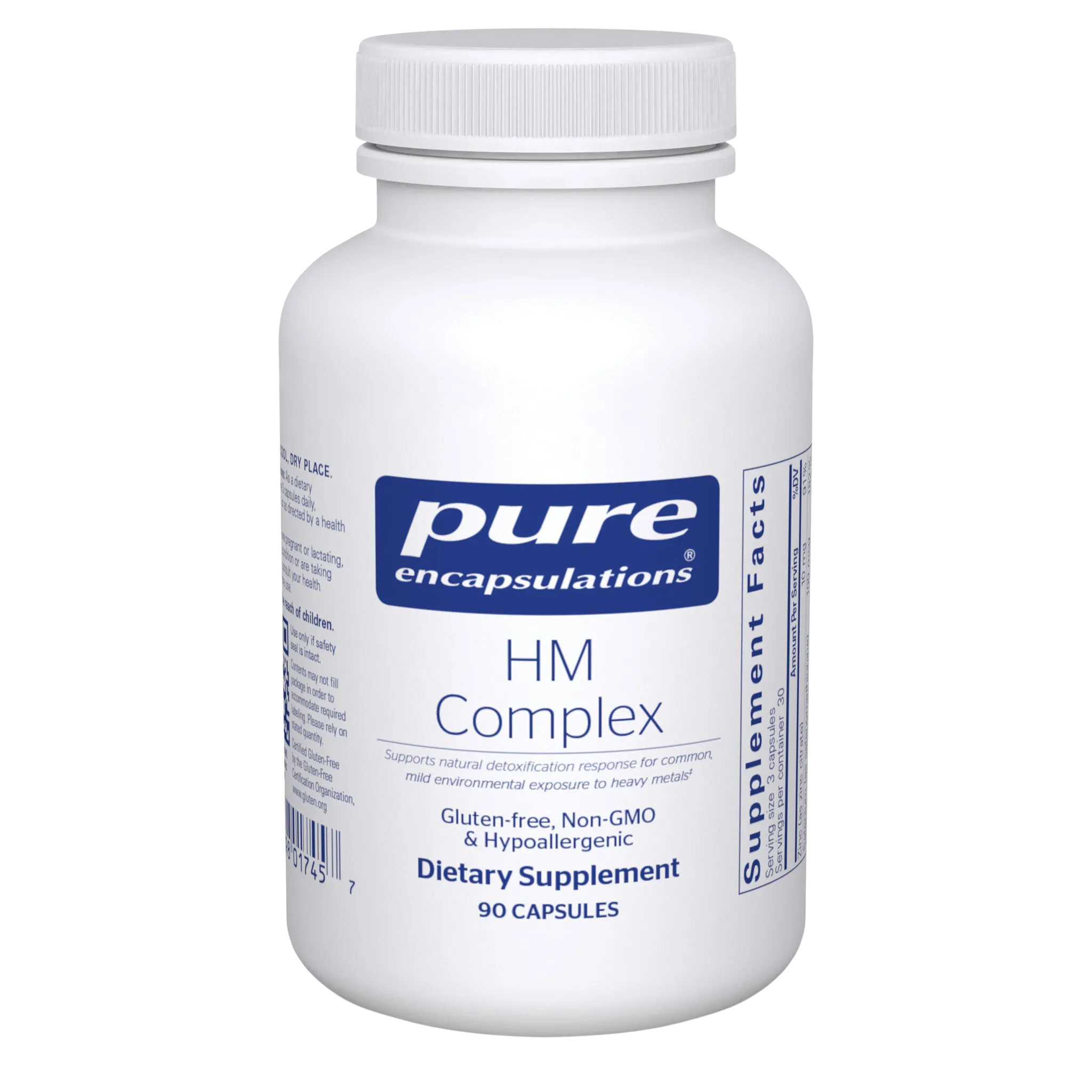
What is HM Complex?
Detoxification is not a fad; it is a rigorous, continuous biochemical process primarily orchestrated by the liver, kidneys, and cellular machinery. In a healthy body, detoxification occurs in distinct phases. Phase I involves enzymes (like the cytochrome P450 family) that oxidize, reduce, or hydrolyze toxic chemicals, often making them temporarily more reactive. Phase II, known as the conjugation pathway, attaches a molecule—like glutathione or an amino acid—to the reactive toxin, rendering it water-soluble so it can be safely excreted through urine or bile. When this system is overwhelmed by environmental heavy metals or chronic inflammation, toxins accumulate in tissues, disrupting cellular function.
HM Complex is formulated to support these precise pathways by combining systemic chelators with gastrointestinal binders. At the forefront is Modified Citrus Pectin (MCP), specifically PectaSol-C®. Standard pectin, found in the peels of citrus fruits, has a molecular structure that is too large to be absorbed by the human digestive tract. However, MCP is enzymatically altered to have a remarkably low molecular weight and shorter carbohydrate chains. This critical modification allows it to pass through the intestinal barrier and enter the bloodstream, where it acts as a systemic binder for heavy metals.
Working in tandem with MCP is Chlorella, a single-celled freshwater green microalga. While MCP circulates in the blood, Chlorella acts primarily within the gastrointestinal tract. It utilizes its unique cellular structure to bind to toxins that have been processed by the liver and dumped into the gut via bile, preventing them from being reabsorbed into the bloodstream—a process known as enterohepatic recirculation. Together, they form a comprehensive net, capturing toxins both systemically and locally.
Beyond binding metals, effective detoxification requires robust antioxidant support to neutralize the massive oxidative stress generated by toxic elements. HM Complex provides a synergistic triad of compounds: N-acetyl-l-cysteine (NAC), l-methionine, and alpha lipoic acid (ALA). NAC is the highly bioavailable supplement form of the amino acid L-cysteine. It serves as the crucial, rate-limiting building block for the body's production of glutathione, often referred to as the "master antioxidant." Glutathione directly conjugates with heavy metals, neutralizing their threat and preparing them for excretion.
L-methionine, another essential amino acid, further fuels this process by supporting the methylation cycle and Phase II liver detoxification pathways, ensuring a steady supply of sulfur-containing compounds needed for glutathione synthesis. Meanwhile, alpha lipoic acid acts as a powerful regenerator. ALA is unique because it is amphiphilic—meaning it is both water- and fat-soluble. This allows it to cross cellular membranes and the blood-brain barrier with ease. Once glutathione has neutralized a toxin and become oxidized (used up), ALA steps in to recycle it back to its active state, maintaining a continuous loop of cellular defense.
The final, critical component of this formulation is sulforaphane, derived from broccoli sprout concentrate. Sulforaphane is not just an antioxidant; it is a potent genetic modulator. It interacts directly with a protein complex in the cell cytoplasm called Keap1. By modifying specific reactive cysteine residues on Keap1, sulforaphane releases a transcription factor known as Nuclear factor erythroid 2-related factor 2 (Nrf2).
Once released, Nrf2 translocates into the cell nucleus and binds to the Antioxidant Response Element (ARE). This action acts like a master switch, triggering the transcription of over 200 cytoprotective genes. These genes massively upregulate the body's endogenous production of Phase II detoxification enzymes, including Heme Oxygenase-1, Superoxide Dismutase (SOD), and Catalase. By activating the Nrf2 pathway, sulforaphane shifts the cell from a state of vulnerability to a state of robust, self-sustaining defense.
How Chronic Illness Impacts Detoxification and Oxidative Stress
To understand why detoxification support is so vital for patients with Long COVID and ME/CFS, we must examine how viral pathogens interact with our cellular defenses. Viruses like SARS-CoV-2 are highly sophisticated; to survive and replicate, they must evade the host's immune system. Recent research indicates that SARS-CoV-2 intentionally suppresses the Keap1-Nrf2 pathway. By turning off this master antioxidant switch, the virus effectively depletes the host's endogenous glutathione levels, leaving the cells defenseless against the massive inflammatory response that follows.
This viral sabotage creates a state of severe, unyielding oxidative stress. When the body cannot produce enough antioxidants to neutralize the storm of free radicals, these highly reactive molecules begin to indiscriminately damage cellular structures. They attack the endothelial lining of blood vessels, contributing to the microclotting and poor oxygen delivery frequently seen in Long COVID. Furthermore, this systemic redox imbalance triggers the continuous activation of the NF-κB inflammatory pathway, locking the body into a chronic state of immune hyperactivation that can easily trigger or exacerbate mast cell activation syndrome (MCAS).
In functional medicine, the transition from an acute viral infection to a chronic, debilitating illness is often viewed through the lens of cumulative burden. Many patients who develop ME/CFS or Long COVID may have already been carrying a silent, low-level burden of environmental heavy metals. Metals like cadmium, mercury, and lead are known mitochondrial poisons. Over years of mild environmental exposure, these metals accumulate in tissues, subtly straining the liver's detoxification pathways and depleting baseline glutathione reserves.
When a viral trigger is introduced into this already burdened system, it creates a "perfect storm." The immune system, lacking the energetic and antioxidant capacity to mount a clean, efficient defense, becomes overwhelmed. The heavy metals prevent the mitochondria from repairing the oxidative damage caused by the virus, while the viral-induced inflammation further impairs the body's ability to excrete the metals. This vicious cycle explains why many patients experience a sudden, dramatic decline in their health and a sudden intolerance to chemicals, foods, and environmental stressors—a phenomenon sometimes referred to as Toxicant-Induced Loss of Tolerance (TILT).
The most devastating consequence of this combined viral and toxic burden is profound mitochondrial dysfunction. Mitochondria are the cellular "powerhouses" responsible for generating adenosine triphosphate (ATP), the energy currency of the body. They are incredibly sensitive to oxidative stress and heavy metal toxicity. Free radicals generated by the suppressed Nrf2 pathway and circulating heavy metals directly attack cardiolipin, a crucial lipid in the inner mitochondrial membrane, and damage delicate mitochondrial DNA.
As the mitochondria sustain damage, they begin to "leak" electrons, further increasing oxidative stress and drastically reducing ATP output. This cellular energy crisis is the physiological root of post-exertional malaise (PEM), the hallmark symptom of ME/CFS where even minor physical or cognitive exertion leads to a debilitating crash. The cells simply cannot generate enough energy to meet the demands of the body, forcing a shift into a highly inefficient, hypometabolic state. Research into the connection between Long COVID and ME/CFS consistently points to this bioenergetic failure as a central driver of chronic fatigue.
HM Complex: Supporting Cellular Detoxification and Energy
HM Complex addresses the complex pathophysiology of chronic illness by utilizing a multi-targeted approach. The inclusion of Modified Citrus Pectin (MCP) provides a gentle yet highly effective method for systemic heavy metal clearance. MCP’s detoxification abilities are largely attributed to specific chemical compounds in its structure, namely rhamnogalacturonan II and galacturonic acid. These compounds possess a unique molecular geometry that acts like a chemical trap for toxic, heavy-weight metals such as lead, mercury, cadmium, and arsenic circulating in the bloodstream.
Crucially, clinical trials have demonstrated that MCP increases the urinary excretion of toxic metals. Traditional synthetic chelating agents, like EDTA, can inadvertently bind to and strip the body of essential minerals, causing further nutritional depletion in already vulnerable patients. MCP, however, has been shown to effectively bind to and excrete toxic metals like lead, cadmium, and arsenic. By safely carrying these toxins to the kidneys for urinary excretion, MCP helps lower the total body burden that drives chronic mitochondrial strain.
To counteract the viral suppression of cellular defenses, the sulforaphane in HM Complex acts as a powerful genetic activator. By modifying the Keap1 protein and releasing Nrf2 into the nucleus, sulforaphane effectively flips the switch back on for the body's latent antioxidant factories. This is particularly vital for Long COVID and ME/CFS patients, as it addresses the root cause of the "oxidative stress doom loop."
The activation of the Nrf2 pathway by sulforaphane not only boosts glutathione production but also directly inhibits the NLRP3 inflammasome—a cellular complex known to trigger systemic inflammation and pyroptosis (fiery cell death). Furthermore, computational models and in vitro studies suggest that sulforaphane can help reduce Endoplasmic Reticulum (ER) stress and regulate metabolic pathways, potentially halting the continuous neuroinflammation that drives severe cognitive dysfunction and brain fog.
Chlorella supports the detoxification process through two highly specific mechanisms: passive biosorption and active bioaccumulation. The outer cell wall of Chlorella is composed of tough, fibrous materials including sporopollenin. This surface is rich in specific chemical functional groups—such as carboxyl, hydroxyl, and amine groups—that carry negative electrical charges. These charges electrostatically attract and bind positively charged heavy metal cations in the gut, a process known as passive biosorption.
Once inside the Chlorella cell, active bioaccumulation takes over. The microalga synthesizes specialized, cysteine-rich proteins called phytochelatins and metallothioneins. These proteins possess sulfhydryl groups that exhibit a high affinity for heavy metals, wrapping around them to form stable, non-toxic complexes. By trapping heavy metals in the gastrointestinal tract, Chlorella prevents their reabsorption and ensures they are safely excreted, complementing the systemic work of MCP.
The combination of NAC, ALA, and essential minerals creates a self-sustaining loop of antioxidant defense. NAC acts as a direct chelating agent; its free thiol (-SH) group forms coordinate bonds with metal ions, creating a water-soluble complex that is easily filtered by the kidneys. Simultaneously, NAC aggressively replenishes depleted intracellular glutathione stores, providing the raw materials needed for Phase II liver detoxification.
Alpha Lipoic Acid (ALA) is the critical regenerator in this cycle. Because it can cross the blood-brain barrier, ALA is uniquely capable of reaching heavy metals that have sequestered in the central nervous system, pulling them out into the bloodstream for processing. Once glutathione has neutralized a toxin, ALA recycles the oxidized glutathione back to its active, reduced state. The inclusion of zinc and selenium further fortifies this system; zinc is a structural component of metal-binding metallothioneins, while selenium binds directly to mercury, significantly reducing its biological availability and toxicity.

Symptoms HM Complex May Help Manage
By addressing the root causes of oxidative stress and heavy metal burden, the ingredients in HM Complex may help manage a variety of debilitating symptoms associated with complex chronic illnesses.
Brain Fog and Cognitive Dysfunction: Heavy metals and chronic neuroinflammation disrupt the blood-brain barrier and impair neuronal signaling. Alpha Lipoic Acid (ALA) can cross the blood-brain barrier to help clear sequestered metals, while sulforaphane reduces neuroinflammatory markers, potentially improving mental clarity and focus.
Post-Exertional Malaise (PEM) and Severe Fatigue: PEM is driven by mitochondrial bioenergetic failure. By utilizing NAC and sulforaphane to activate the Nrf2 pathway and restore intracellular glutathione, the body can better protect mitochondrial membranes from oxidative damage, supporting more stable cellular ATP production and reducing the severity of crashes.
Chemical and Environmental Sensitivities: Patients with Toxicant-Induced Loss of Tolerance (TILT) often suffer from overwhelmed Phase I and Phase II liver pathways. L-methionine, NAC, and Chlorella support these pathways, helping the body process and eliminate everyday environmental toxins more efficiently, which may reduce hypersensitivity reactions.
Immune Hyperactivation and MCAS Symptoms: Chronic heavy metal burden acts as a persistent trigger for the immune system, keeping mast cells in a highly reactive state. By gently lowering this total body burden with Modified Citrus Pectin and neutralizing free radicals, the immune system may experience less constant provocation, potentially stabilizing mast cell activity.
Muscle and Joint Pain: Systemic inflammation and lactic acidosis (due to poor mitochondrial respiration) often manifest as deep muscle aches and joint pain. The potent antioxidant properties of the Nrf2 pathway activation help quench the inflammatory cytokines (like NF-κB) that drive this widespread musculoskeletal discomfort.
Practical Considerations: Forms, Dosing, and Absorption
When utilizing supplements for detoxification, the physical structure and bioavailability of the ingredients are just as important as the ingredients themselves. For example, the Modified Citrus Pectin (PectaSol-C®) in HM Complex is clinically significant because of its strictly controlled low molecular weight. Standard pectin cannot cross the intestinal barrier and merely acts as dietary fiber. The enzymatic modification process ensures the MCP molecules are small enough to enter the systemic circulation, which is absolutely required for it to bind to heavy metals stored in deep tissues and the bloodstream.
Similarly, the form of Chlorella used is critical. In its natural state, Chlorella possesses a cell wall made of sporopollenin, which is so tough that the human digestive tract cannot break it down, resulting in very low nutrient absorption. HM Complex utilizes "cracked cell wall" Chlorella powder. This mechanical processing fractures the tough outer layer, allowing the human body to access the internal heavy-metal-chelating proteins and chlorophyll while still utilizing the fragmented cell wall materials to bind toxins in the gut.
The suggested use for HM Complex is to take 3 capsules daily, between meals, or as directed by a health professional. Taking this supplement between meals (on an empty stomach) is generally recommended for detoxification protocols. When taken with food, binders like Chlorella and MCP may inadvertently bind to the minerals and fats in your meal rather than targeting the toxins circulating in your gastrointestinal tract and bloodstream. Taking it away from food maximizes its chelating efficiency.
It is also important to consider the half-life of compounds like Alpha Lipoic Acid. Because ALA is metabolized relatively quickly by the body, maintaining consistent blood levels is key to preventing the "redistribution" of heavy metals. If you are highly sensitive, your healthcare provider may suggest dividing the 3-capsule dose throughout the day (e.g., one capsule every 8 hours) rather than taking them all at once, ensuring a steady, gentle clearance of toxins without overwhelming the liver or kidneys.
While the ingredients in HM Complex are generally well-tolerated, detoxification must be approached with care, especially for those with severe chronic illnesses. Mobilizing heavy metals too rapidly can sometimes cause a temporary exacerbation of symptoms, often referred to as a Herxheimer reaction or a "detox flare." This occurs when toxins are pulled from tissues into the bloodstream faster than the liver and kidneys can excrete them. If you experience increased fatigue, headaches, or brain fog, consult your provider about adjusting the dosage.
Additionally, because NAC and ALA are powerful antioxidants that can influence blood sugar and blood pressure, patients taking hypoglycemic medications or blood thinners should be monitored closely by their doctor. Those with a history of sulfur sensitivities or genetic mutations affecting sulfur metabolism (such as CBS gene mutations) should also proceed cautiously, as NAC, ALA, and L-methionine are all sulfur-containing compounds. Always consult with a healthcare professional before beginning any heavy metal detoxification protocol.

Follow the Science
The efficacy of Modified Citrus Pectin as a gentle, non-intravenous chelator is well-documented in clinical literature. A benchmark pilot clinical trial published in Phytotherapy Research (2006) evaluated the effect of oral MCP on healthy adults with a normal environmental body burden of heavy metals. In the first 24 hours of administration, researchers observed a 130% increase in the urinary excretion of arsenic. By day six, they noted a 150% increase in cadmium excretion and a dramatic 560% increase in lead excretion.
Further validating its safety and efficacy, a 2008 pediatric clinical trial conducted at the Children's Hospital of Zhejiang University tested MCP on hospitalized children with severe lead toxicity. Over 2 to 4 weeks of treatment, the children experienced a 161% average change in blood serum lead levels and a 132% average change in urinary lead excretion. Notably, all children reached safe discharge thresholds with zero reported adverse side effects, highlighting MCP as a highly tolerable alternative to harsh synthetic chelation therapies.
The role of sulforaphane in managing post-viral oxidative stress is rapidly expanding. A 2023 computational study screening potential therapeutics for Long COVID identified sulforaphane as a top candidate for managing the Nrf2 pathway, exhibiting strong binding affinity to target pathogenic proteins. By activating Nrf2, sulforaphane effectively reverses the viral suppression of the host's antioxidant defenses, upregulating the production of glutathione and crucial Phase II detox enzymes.
Additionally, recent in vitro studies investigating stabilized forms of sulforaphane have demonstrated its ability to inhibit SARS-CoV-2 viral replication in human epithelial cells. More importantly for Long COVID patients, these studies noted that sulforaphane successfully inhibited the delayed, persistent type I Interferon inflammatory response that often lingers for months post-infection. This suggests that sulforaphane not only helps clear oxidative debris but may also actively calm the chronic immune hyperactivation seen in post-viral syndromes.
The clinical use of NAC and ALA for heavy metal detoxification is supported by robust human data. A landmark 2013 randomized clinical trial investigated the use of NAC in 171 workers occupationally exposed to lead. The study found that oral NAC administration caused a significant, dose-dependent decrease in blood lead levels. Furthermore, NAC successfully reduced markers of oxidative stress (such as malondialdehyde) and restored the activity of crucial antioxidant enzymes like superoxide dismutase (SOD) and catalase.
Similarly, a 2022 clinical analysis by Dr. AlMomen and Dr. Blaurock-Busch confirmed the unique metal-binding abilities of Alpha Lipoic Acid in humans. Patients administered oral doses of ALA for three months showed a statistically significant increase in the urinary excretion of arsenic, barium, mercury, and nickel. Because ALA can cross the blood-brain barrier, it remains one of the most critical, evidence-based tools for mobilizing heavy metals sequestered in the central nervous system, providing a vital pathway for addressing the profound neurocognitive symptoms of ME/CFS and Long COVID.
The Path Forward
Living with a complex chronic condition like Long COVID, ME/CFS, or dysautonomia is an incredibly challenging journey. The profound fatigue, cognitive dysfunction, and unpredictable symptom flares are not just "in your head"—they are the result of very real, measurable physiological disruptions at the cellular level. Understanding that your symptoms may be driven by a combination of viral persistence, mitochondrial bioenergetic failure, and heavy metal burden is a validating step forward. It provides a tangible framework for why you feel the way you do, and more importantly, how to begin addressing it.
While supplements like HM Complex offer powerful, targeted support for your body's natural detoxification and antioxidant pathways, they are just one piece of a comprehensive management strategy. True healing requires a multifaceted approach. This includes meticulous symptom tracking, strict adherence to pacing to avoid PEM crashes, prioritizing restorative sleep, and managing nervous system dysregulation. By combining these lifestyle strategies with science-backed nutritional support, you can help create an internal environment that is conducive to cellular repair and recovery.
Because detoxification can mobilize toxins and temporarily increase oxidative stress, it is crucial to approach this process under the guidance of a knowledgeable healthcare provider. A functional or integrative medicine specialist can help you determine the appropriate dosage, monitor your progress with advanced functional testing, and ensure that your detox pathways are open and supported before beginning any chelation protocol. They can also help you navigate potential interactions with your current Long COVID medications.
If you are ready to explore how targeted nutritional support can aid your body's natural detoxification processes and antioxidant defenses, discuss HM Complex with your medical team. By addressing the root causes of cellular dysfunction, you can take an active, empowered role in managing your health and improving your quality of life.