Can HM Complex Support Detoxification and Glutathione Levels in Long COVID and ME/CFS?
March 5, 2026
HM ComplexLong COVIDME/CFS
Share:
Disclaimer: The information provided here is for educational purposes only and is not intended as medical advice. It should not be used to diagnose, treat, cure, or prevent any medical condition. Instead, use it as a starting point for discussion with your healthcare provider. Always consult with a qualified healthcare provider before starting any new medication, supplement, device, or making changes to your health regimen.
Months or even years after recovering from an initial viral infection, many individuals find themselves fighting a complex, unpredictable array of debilitating symptoms. For those living with Long COVID and myalgic encephalomyelitis/chronic fatigue syndrome (ME/CFS), the daily reality often involves crushing post-exertional malaise (PEM), severe cognitive dysfunction, and autonomic nervous system flares that make normal life impossible. While the medical community continues to unravel the exact mechanisms behind these invisible illnesses, researchers are increasingly pointing to a critical, overlapping pathophysiology: severe oxidative stress, mitochondrial dysfunction, and the total collapse of the body's natural detoxification pathways. When the body's internal environment becomes overwhelmed by reactive oxygen species and environmental stressors, a vicious cycle of inflammation and cellular exhaustion begins, leaving patients feeling poisoned by their own biology.
In a healthy system, the body efficiently neutralizes free radicals and clears out environmental toxins through robust antioxidant defenses and liver detoxification pathways. However, chronic illness can severely deplete vital resources like glutathione—often referred to as the body's master antioxidant—leaving cells vulnerable to ongoing damage. This is where comprehensive, targeted nutritional support comes into play. HM Complex is a specialized supplement designed to support these exact pathways, combining heavily researched ingredients like modified citrus pectin, sulforaphane, chlorella, and N-acetyl-l-cysteine (NAC) to promote systemic detoxification and cellular defense. But how exactly do these compounds work at a molecular level, and what does the current clinical science say about their potential role in managing the complex symptoms of post-viral and chronic fatigue syndromes?
TL;DR
Long COVID and ME/CFS are linked to severe oxidative stress and impaired natural detoxification pathways.
HM Complex uses ingredients like modified citrus pectin and NAC to support cellular defense and detoxification.
Research suggests these compounds may help safely excrete heavy metals and restore vital antioxidant levels.
Targeted nutritional support may help manage chronic symptoms like brain fog and post-exertional malaise.
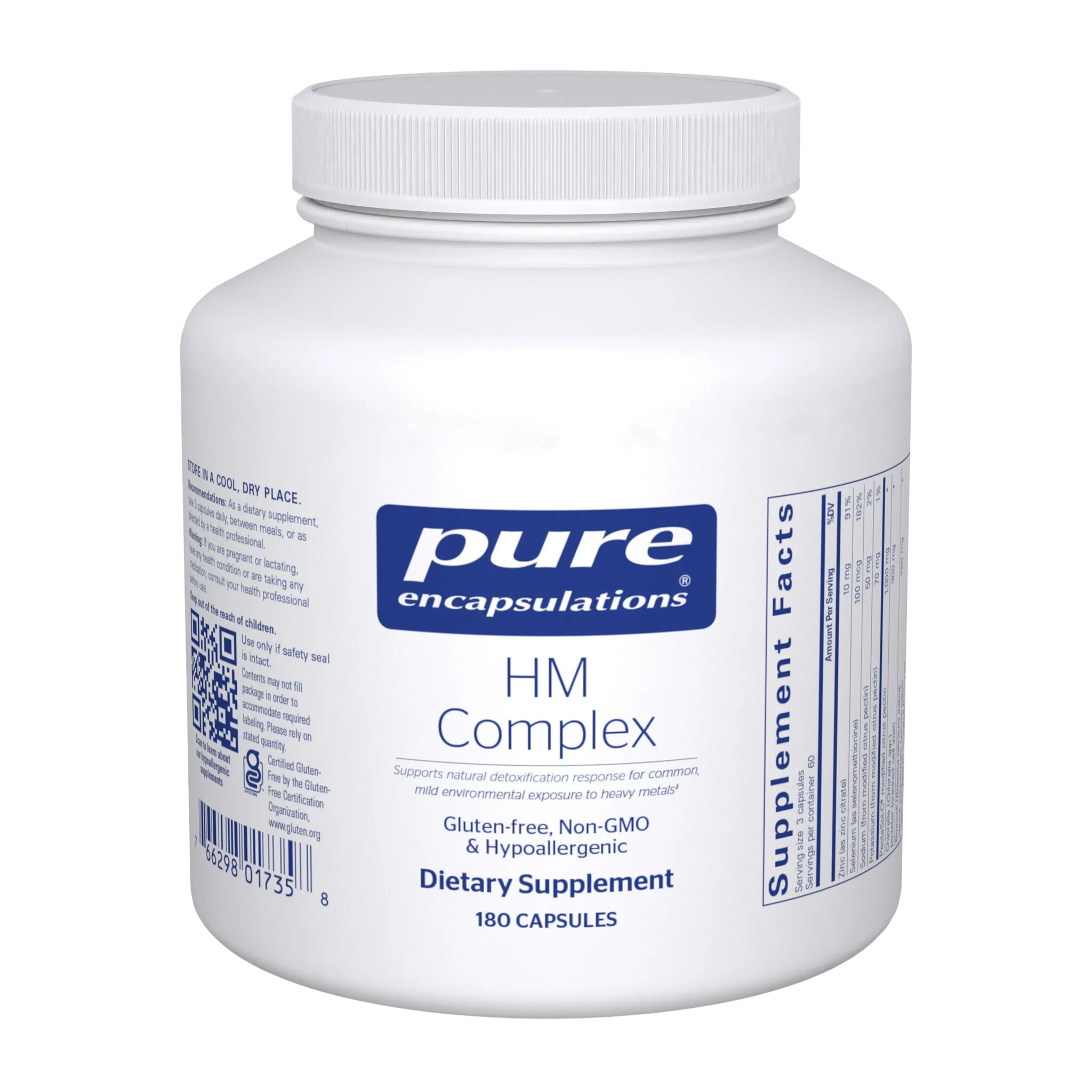
What is HM Complex?
The Body's Natural Detoxification Pathways
To understand the purpose of HM Complex, it is first necessary to understand how a healthy body manages detoxification and cellular waste. The human body is constantly exposed to a variety of exogenous (external) and endogenous (internal) toxins. Exogenous toxins include low-level environmental heavy metals like lead, mercury, and cadmium, which we encounter daily through water, food, and air pollution. Endogenous toxins include the metabolic byproducts of our own cellular respiration, such as reactive oxygen species (ROS) and free radicals. The body relies on a highly coordinated system, primarily driven by the liver, kidneys, and gastrointestinal tract, to neutralize and excrete these substances. The liver utilizes a critical two-step process known as Phase I and Phase II detoxification. In Phase I, enzymes use oxygen to modify toxic compounds, often making them temporarily more reactive. In Phase II, these reactive intermediates are conjugated—bound to molecules like glutathione, sulfate, or amino acids—rendering them water-soluble so they can be safely excreted through urine or bile.
When this system is functioning optimally, heavy metals and oxidative byproducts are cleared before they can accumulate in tissues and cause cellular damage. However, this process is highly nutrient-dependent. It requires a constant, massive supply of specific amino acids, antioxidants, and trace minerals to fuel the enzymatic reactions. If the body is subjected to chronic stress, persistent viral infection, or an overwhelming toxic burden, these nutrient stores can become rapidly depleted. When Phase II detoxification pathways lack the necessary substrates, the highly reactive intermediates created in Phase I can build up in the bloodstream. This leads to severe oxidative stress, lipid peroxidation, and catastrophic damage to cellular membranes and mitochondrial DNA, triggering systemic inflammation.
The Role of Antioxidant Defenses
At the cellular level, the defense against this oxidative damage is orchestrated by a complex network of antioxidants, with glutathione serving as the primary shield. Glutathione is a tripeptide composed of three amino acids: glutamine, glycine, and cysteine. It exists in every cell of the body and is uniquely capable of donating electrons to neutralize unstable free radicals without becoming dangerously reactive itself. Beyond its direct antioxidant capabilities, glutathione plays a mandatory role in the Phase II detoxification of heavy metals and environmental pollutants. It binds directly to toxins, forming a complex that can be transported out of the cell and eliminated from the body. Maintaining adequate intracellular glutathione concentrations is therefore a non-negotiable requirement for cellular survival, immune regulation, and systemic health.
What Makes HM Complex Unique
HM Complex by Pure Encapsulations is formulated to provide comprehensive, synergistic support for these exact detoxification and antioxidant pathways. Rather than relying on a single mechanism, it combines multiple evidence-based compounds that target different stages of the detoxification process simultaneously. It features PectaSol-C modified citrus pectin, which is clinically shown to bind to low levels of heavy metals in the bloodstream and facilitate their excretion. It also includes chlorella to support gastrointestinal binding, preventing the reabsorption of toxins. To address the critical need for cellular defense, HM Complex provides sulforaphane from broccoli sprout concentrate to activate Nrf2-mediated signaling, alongside N-acetyl-l-cysteine (NAC), l-methionine, and alpha lipoic acid to directly support glutathione production and mitochondrial function. Finally, essential trace minerals like zinc and selenium are included to support the formation of metal-binding proteins and reduce the biological availability of toxic elements.
How Long COVID and ME/CFS Impact Detoxification and Oxidative Stress
Viral Infection and Glutathione Depletion
The connection between chronic, complex illnesses like Long COVID and the collapse of detoxification pathways is a rapidly emerging area of medical research. When the body is subjected to a severe viral infection, such as SARS-CoV-2, the immune system launches a massive inflammatory response to neutralize the pathogen. This response, often characterized by a 'cytokine storm,' generates an enormous amount of reactive oxygen species. To protect surrounding healthy tissue from this inflammatory crossfire, the body rapidly consumes its stores of intracellular glutathione. Research published in PNAS indicates that patients with Long COVID and ME/CFS exhibit signs of elevated oxidative stress and aberrations in ROS clearance pathways, including elevated glutathione levels in peripheral blood lymphocytes and decreased mitochondrial superoxide dismutase.
This phenomenon is not unique to Long COVID; it is a well-documented hallmark of myalgic encephalomyelitis/chronic fatigue syndrome (ME/CFS). Advanced neuroimaging studies, such as those utilizing magnetic resonance spectroscopy, have consistently demonstrated that patients with ME/CFS have a deficiency of glutathione in the brain. Clinical trials are currently investigating whether restoring these cortical glutathione reserves can provide neuroprotection against oxidative stress. This localized depletion of the brain's master antioxidant is accompanied by abnormally high levels of ventricular lactate and free radicals, indicating that the brain is suffering from severe oxidative stress and impaired cellular energy metabolism. This neurotoxic environment is believed to be a primary driver of the debilitating cognitive dysfunction, or 'brain fog,' that patients experience daily.
The Mitochondrial-Peroxisomal Vicious Cycle
The downstream consequences of this oxidative stress are catastrophic for cellular energy production. Mitochondria, the powerhouses of the cell, are highly sensitive to oxidative damage. In ME/CFS and Long COVID, researchers have identified a 'mitochondrial-peroxisomal vicious cycle.' As mitochondria attempt to generate adenosine triphosphate (ATP) for energy, damaged electron transport chains 'leak' electrons, creating highly reactive superoxide radicals. Normally, these radicals are neutralized by enzymes like superoxide dismutase and glutathione peroxidase. However, in a depleted state, these defenses fail. The superoxide radicals damage the inner mitochondrial membrane, further impairing ATP production and causing even more electron leakage. This bioenergetic failure is the physiological root of post-exertional malaise (PEM), where even minor physical or cognitive exertion leads to a disproportionate and prolonged exacerbation of symptoms.
Environmental Toxins and Immune Dysregulation
When the body's detoxification pathways are compromised by this viral-induced oxidative stress, it loses its ability to effectively clear everyday environmental toxins. Low-level exposures to heavy metals—which a healthy body would easily excrete—begin to accumulate in tissues and organs. This accumulation further poisons mitochondrial enzymes and exacerbates immune dysregulation. Many patients with complex chronic illnesses develop a phenomenon known as Toxicant-Induced Loss of Tolerance (TILT), where they become hypersensitive to chemicals, fragrances, and foods that never previously bothered them. This is often closely intertwined with mast cell activation syndrome (MCAS), where accumulated toxins and chronic oxidative stress cause mast cells to become hyper-reactive, constantly degranulating and releasing histamine and other inflammatory mediators into the bloodstream. Breaking this cycle requires a targeted intervention to restore antioxidant capacity and safely bind and remove accumulated toxins.
HM Complex: Supporting Detoxification and Antioxidant Defense
Modified Citrus Pectin and Systemic Chelation
The cornerstone of HM Complex is PectaSol-C, a highly specialized form of modified citrus pectin (MCP). Natural pectin, found in the peel and pulp of citrus fruits, is a large, complex carbohydrate molecule that passes through the human digestive tract unabsorbed, acting merely as dietary fiber. However, MCP undergoes a proprietary modification process—usually involving pH and temperature alterations—that drastically reduces its molecular weight and size. This low molecular weight allows MCP to easily pass through the intestinal barrier and enter the systemic circulation. Once in the bloodstream, MCP acts as a gentle, natural chelating agent. Its ability to bind to heavy metals is attributed to a specific structural component called rhamnogalacturonan II, which possesses strong metal-chelating properties. MCP binds to toxic heavy metals like lead, mercury, arsenic, and cadmium, forming stable complexes that are then safely filtered by the kidneys and excreted in the urine.
Crucially, clinical analyses have shown that MCP acts as a selective chelator. Unlike conventional pharmaceutical chelating agents (such as EDTA or DMPS), which can aggressively strip the body of essential minerals and cause severe nutritional deficiencies, MCP does not appear to alter the systemic levels or excretion of vital minerals like calcium, magnesium, iron, and zinc. This makes it an exceptionally safe option for long-term, gentle detoxification, particularly for individuals with chronic illnesses whose systems are already fragile and nutrient-depleted.
Sulforaphane and the Nrf2 Pathway
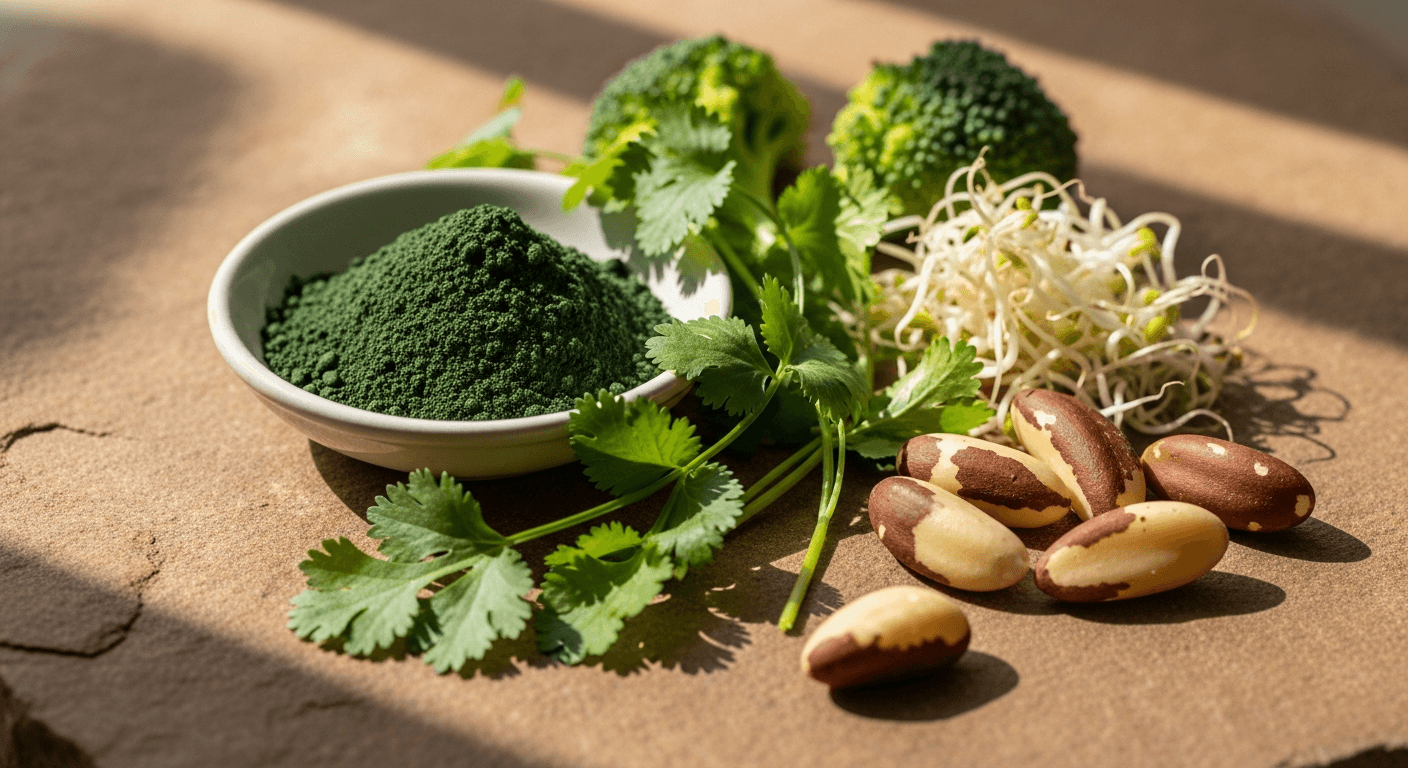
To combat the profound oxidative stress seen in Long COVID and ME/CFS, HM Complex includes sulforaphane derived from broccoli sprout concentrate. Sulforaphane is widely recognized in clinical literature as the most potent naturally occurring activator of the Nrf2 (Nuclear factor erythroid 2-related factor 2) signaling pathway. Under normal conditions, Nrf2 is anchored in the cell cytoplasm by a repressor protein called Keap1. When sulforaphane enters the cell, it interacts with Keap1, causing it to release Nrf2. The Nrf2 protein then translocates into the cell nucleus, where it binds to the Antioxidant Response Element (ARE) on the DNA. This binding acts as a master switch, upregulating the expression of over 200 cytoprotective genes.
The activation of the Nrf2 pathway triggers a massive endogenous production of Phase II detoxification enzymes, including Heme Oxygenase-1 (HO-1) and NAD(P)H quinone oxidoreductase 1 (NQO1). More importantly for post-viral patients, Nrf2 activation directly stimulates the de novo synthesis of glutathione. By upregulating the body's own internal antioxidant machinery, sulforaphane helps to neutralize the superoxide radicals damaging the mitochondria, blunts the activation of the pro-inflammatory NF-κB pathway, and provides the cellular protection necessary to break the cycle of chronic neuroinflammation.
Chlorella and Enterohepatic Recirculation
While MCP works systemically in the bloodstream, chlorella provides essential detoxification support in the gastrointestinal tract. Chlorella is a single-celled green microalgae with a unique, indigestible fibrous cell wall. When the liver successfully processes heavy metals and toxins, it excretes them into the bile, which is then released into the small intestine for elimination in the feces. However, in many individuals, these toxins are reabsorbed through the intestinal lining back into the bloodstream—a process known as enterohepatic recirculation. Chlorella acts to intercept this process. Its cell wall is rich in highly active functional groups, specifically carboxyl, hydroxyl, and amino groups, which act like magnets for positively charged heavy metal ions. By binding tightly to these metals in the gut, chlorella ensures they are safely excreted, reducing the body's overall systemic toxic burden.
NAC, ALA, and Glutathione Synthesis
To directly address the glutathione depletion characteristic of ME/CFS and Long COVID, HM Complex provides a synergistic triad of N-acetyl-l-cysteine (NAC), l-methionine, and alpha lipoic acid (ALA). NAC serves as a highly bioavailable precursor, delivering the rate-limiting amino acid cysteine directly to the cells to fuel glutathione synthesis. L-methionine, another sulfur-containing amino acid, further supports this pathway and is a critical component of Phase II liver detoxification. Once glutathione is produced and utilized to neutralize a free radical, it becomes oxidized and inactive. This is where alpha lipoic acid plays a vital role. ALA is a unique antioxidant that is both water- and fat-soluble, allowing it to penetrate all parts of the cell, including the mitochondria. ALA has the remarkable ability to reduce oxidized glutathione back into its active, free-radical-scavenging state, effectively recycling the body's antioxidant reserves while simultaneously supporting mitochondrial oxidative phosphorylation.
Zinc and Selenium in Metal Binding
Finally, the inclusion of specific trace minerals provides targeted defense against heavy metal toxicity. Zinc is a fundamental structural component of metallothioneins, which are cysteine-rich, metal-binding proteins produced in the liver and kidneys. These proteins have a high affinity for toxic metals like cadmium and mercury, sequestering them to prevent cellular damage. Selenium, provided as selenomethionine, has a well-documented ability to bind directly to mercury in the bloodstream. By forming a highly stable, insoluble mercury-selenium complex, selenium dramatically reduces the biological availability and neurotoxicity of mercury, providing an additional layer of defense against environmental exposures.

Symptoms HM Complex May Help Manage
Targeting the Root of Chronic Symptoms
Because HM Complex targets fundamental cellular processes—specifically oxidative stress, mitochondrial function, and systemic toxic burden—it has the potential to support the management of a wide array of symptoms associated with complex chronic illnesses. By addressing the root physiological dysfunctions rather than just masking surface symptoms, this comprehensive formulation can be an integral part of a holistic recovery strategy.
Key Symptoms Addressed
Severe Brain Fog and Cognitive Dysfunction: By supporting the Nrf2 pathway and providing NAC to replenish brain glutathione levels, HM Complex helps combat the neuroinflammation and oxidative stress that disrupt neural signaling and cognitive clarity.
Post-Exertional Malaise (PEM) and Fatigue: Alpha lipoic acid and sulforaphane help protect the mitochondrial electron transport chain from superoxide radical damage, supporting more efficient ATP (energy) production and potentially raising the threshold for exertion-induced crashes.
Chemical Sensitivities and TILT: By promoting Phase II liver detoxification and facilitating the excretion of accumulated heavy metals via modified citrus pectin and chlorella, the supplement helps lower the overall systemic toxic burden that drives hypersensitivity reactions.
Joint and Muscle Pain: The systemic antioxidant support provided by glutathione precursors helps to neutralize the reactive oxygen species that drive chronic, widespread tissue inflammation and muscular aching.
Immune Dysregulation and MCAS Flares: By lowering systemic oxidative stress and blunting the NF-κB inflammatory pathway, the ingredients in HM Complex can help stabilize a hyper-reactive immune system, potentially reducing the frequency and severity of mast cell degranulation.
A Holistic View of Symptom Management
It is important to understand that while these ingredients provide powerful biochemical support, they are not a standalone cure. The symptoms of Long COVID, ME/CFS, and dysautonomia are deeply interconnected and fluctuate based on a variety of internal and external stressors. Nutritional supplementation with HM Complex should be viewed as a foundational tool to improve cellular resilience and lower the body's toxic burden, creating a more favorable internal environment for healing and symptom stabilization over time.
Practical Considerations: Forms, Dosing, and Absorption
Bioavailability and Molecular Weight
When utilizing nutritional supplements for systemic detoxification, the specific form and bioavailability of the ingredients are paramount. As previously noted, the modified citrus pectin (PectaSol-C) in HM Complex is clinically significant because its low molecular weight allows it to cross the intestinal barrier. Standard pectin supplements found in health food stores will not achieve this systemic effect; they will remain in the gut. Similarly, the chlorella used in this formulation is processed to have a 'cracked cell wall.' Because humans lack the enzyme cellulase required to break down the tough exterior of the chlorella microalgae, consuming intact chlorella yields very little benefit. The cracked cell wall ensures that the active functional groups are exposed and available to bind to heavy metals in the gastrointestinal tract.
The sulforaphane in HM Complex is derived from a standardized broccoli sprout concentrate. This is critical because mature broccoli contains primarily glucoraphanin (a precursor) rather than active sulforaphane. Broccoli sprouts contain vastly higher concentrations of the necessary compounds, and standardization ensures a consistent, clinically relevant dose of sulforaphane to effectively trigger the Nrf2 signaling pathway without requiring the consumption of massive quantities of cruciferous vegetables, which can be difficult for patients with gastrointestinal sensitivities to digest.
Optimal Timing and Dosage
The suggested use for HM Complex is to take 3 vegetarian capsules daily. For optimal absorption and efficacy, especially regarding the chelating properties of modified citrus pectin and the amino acid absorption of NAC and l-methionine, it is generally recommended to take this supplement between meals, on an empty stomach. Taking it away from food prevents the chelating agents from binding to the minerals present in your diet and ensures that the amino acids do not have to compete with dietary proteins for absorption across the intestinal lining.
Potential Interactions and Safety
While HM Complex is designed to be a gentle, supportive formulation, patients with complex chronic illnesses should always approach new supplements with care. Because it promotes detoxification and alters cellular signaling, some individuals may experience a temporary exacerbation of symptoms—often colloquially referred to as a 'Herxheimer reaction' or detox flare—as toxins are mobilized for excretion. It is often advisable to start with a lower dose (e.g., one capsule daily) and gradually titrate up to the full dose as tolerated. Furthermore, while modified citrus pectin does not deplete essential minerals, patients should still ensure they are consuming a nutrient-dense diet. Individuals taking medications that affect blood sugar, blood pressure, or those undergoing active pharmaceutical chelation therapy should consult their healthcare provider before initiating HM Complex to avoid potential interactions.
Follow the Science
Clinical Trials on Modified Citrus Pectin
The individual ingredients in HM Complex are supported by a robust body of clinical and preclinical research. A pivotal pilot study published in Phytotherapy Research (2006) evaluated the effect of PectaSol modified citrus pectin on the urinary excretion of toxic elements in human volunteers. The researchers found that within the first 24 hours of administration, the urinary excretion of arsenic increased significantly by 130%. By day six of supplementation, the urinary excretion of cadmium had increased by 150%, and lead excretion showed a dramatic increase of 560%, all without altering the excretion of essential minerals like calcium and magnesium. Additional summaries from the USDA Agricultural Research Service highlight this research, noting that modified citrus pectin increases the urinary excretion of toxic metals in men and women with normal body levels of metals.
Research on Glutathione and NAC in ME/CFS
The role of glutathione depletion in post-viral syndromes is also heavily documented. Clinical trials conducted at Weill Cornell Medicine are currently investigating whether administering NAC to patients with ME/CFS can successfully restore cortical glutathione reserves and provide neuroprotection against oxidative stress. This ongoing research aims to shed new light on the mechanisms of action of NAC in brain glutathione restoration as a potential treatment for ME/CFS.
Sulforaphane and Viral Pathogenesis
Furthermore, the Nrf2 pathway has become a major target in Long COVID research. Studies from institutions like Johns Hopkins have demonstrated that sulforaphane exhibits potent antiviral properties. In preclinical models, sulforaphane reduced the replication of six strains of SARS-CoV-2, including the delta and omicron variants, by 50%. Recent comprehensive reviews published in Brain, Behavior, & Immunity - Health highlight that both Long COVID and ME/CFS share this underlying oxidative stress pathology, suggesting that multi-ingredient antioxidant therapies that support cellular defense mechanisms warrant serious clinical attention.
The Path Forward
A Comprehensive Approach to Recovery
Living with Long COVID, ME/CFS, or dysautonomia is an incredibly challenging journey, often marked by a frustrating lack of clear medical answers. If you are battling severe fatigue, brain fog, and a body that feels constantly inflamed, your experience is valid, and the physiological mechanisms driving your symptoms are real. Recognizing the role of oxidative stress and impaired detoxification is a crucial step toward regaining control of your health. However, it is vital to remember that supplements are just one piece of a much larger puzzle. True management of these complex conditions requires a comprehensive strategy that includes aggressive pacing, nervous system regulation, symptom tracking, and targeted nutritional support.
Integrating Detoxification Safely
By supporting your body's innate ability to neutralize free radicals, produce glutathione, and excrete environmental toxins, HM Complex offers a scientifically grounded approach to addressing the cellular exhaustion at the root of post-viral syndromes. Because every patient's biochemistry and toxic burden is unique, the journey to restoring cellular health takes time and patience. Always work closely with a knowledgeable healthcare provider who understands the nuances of complex chronic illness to ensure that any new supplement fits safely within your broader treatment protocol.
Next Steps
If you are looking to support your body's natural detoxification processes, enhance your antioxidant defenses, and combat the oxidative stress associated with chronic illness, HM Complex may be a valuable addition to your daily routine.