Can Hist Reset Support Histamine Intolerance and Mast Cell Activation in Long COVID?
March 5, 2026
Hist ResetHistamine IntoleranceMCAS
Share:
Disclaimer: The information provided here is for educational purposes only and is not intended as medical advice. It should not be used to diagnose, treat, cure, or prevent any medical condition. Instead, use it as a starting point for discussion with your healthcare provider. Always consult with a qualified healthcare provider before starting any new medication, supplement, device, or making changes to your health regimen.
For many individuals living with complex chronic illnesses, the journey to finding relief can feel like navigating a maze in the dark. Months or even years after an initial viral infection, patients with Long COVID, myalgic encephalomyelitis/chronic fatigue syndrome (ME/CFS), and dysautonomia often find themselves battling a bewildering array of unpredictable symptoms. From sudden skin flushing and unexplained gastrointestinal distress to debilitating brain fog and profound fatigue, these manifestations can severely disrupt daily life. Often, these seemingly disconnected symptoms share a common underlying driver: a hyperactive immune system and the dysregulation of mast cells, leading to a condition known as mast cell activation syndrome (MCAS) or severe histamine intolerance. When the body's natural mechanisms for managing histamine become overwhelmed or genetically impaired, the resulting "histamine overload" can perpetuate a vicious cycle of systemic inflammation.
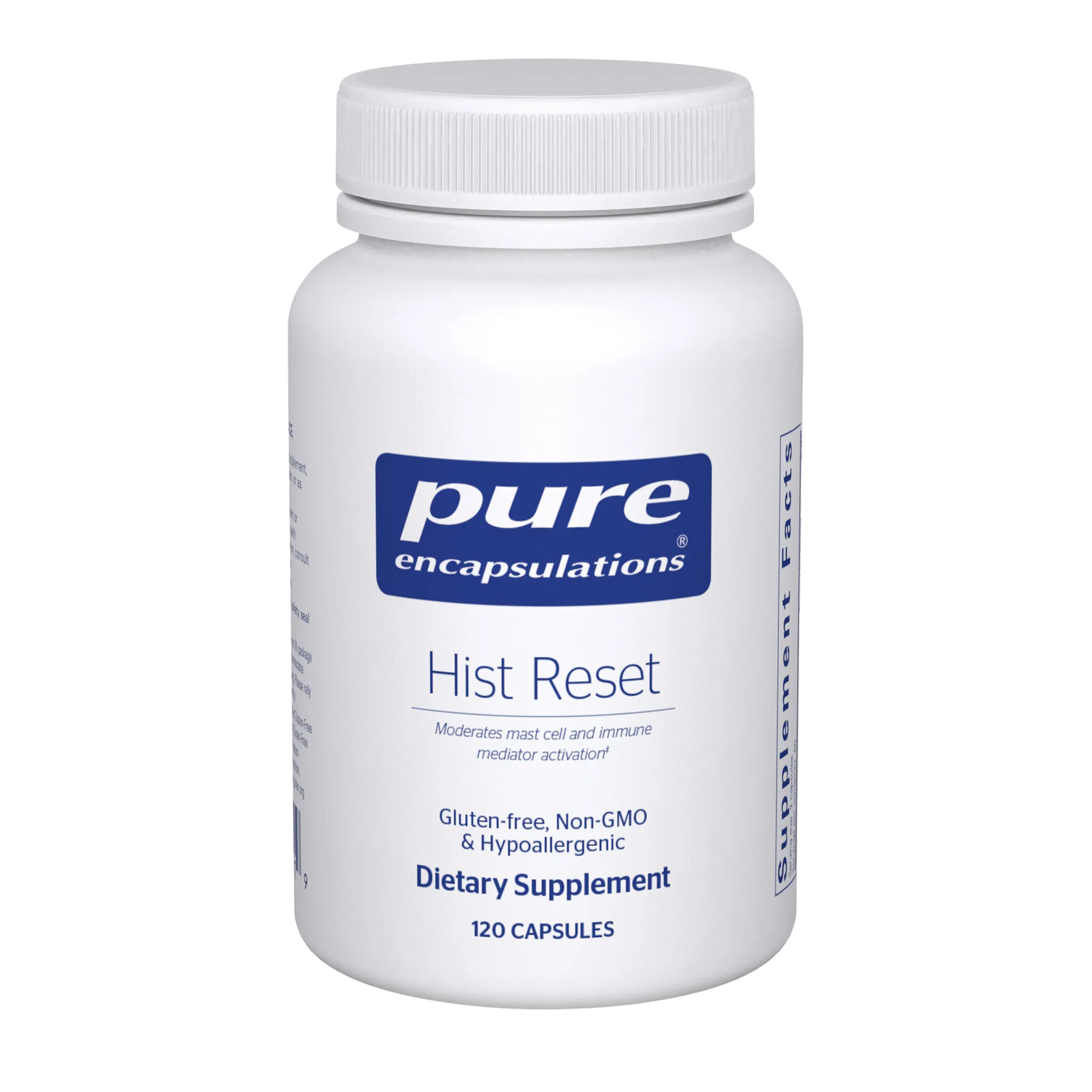
In the search for validating, science-backed management strategies, functional medicine practitioners and researchers have increasingly turned their attention to targeted nutritional support. Hist Reset, a comprehensive formula by Pure Encapsulations, has emerged as a powerful tool in this clinical arsenal. Designed specifically to support healthy histamine metabolism and promote mast cell stabilization, this multi-faceted supplement combines potent natural flavonoids, proteolytic enzymes, and essential micronutrient cofactors. By addressing the root biochemical pathways responsible for breaking down histamine and calming hyper-reactive immune cells, Hist Reset offers a strategic approach to managing the complex, overlapping symptoms of Long COVID, MCAS, and related chronic conditions. In this comprehensive guide, we will explore the intricate cellular mechanisms behind Hist Reset, the clinical evidence supporting its key ingredients, and how it may help you regain a sense of balance.
TL;DR
Hist Reset supports histamine metabolism and mast cell stabilization for those with Long COVID and MCAS.
It combines flavonoids like quercetin and luteolin with bromelain to enhance absorption and reduce inflammation.
Essential micronutrients in the formula help clear toxic histamine byproducts from the body.
Consistent use alongside a holistic management plan may help reduce brain fog, fatigue, and sensitivities.
What is Hist Reset?
Hist Reset is a meticulously formulated dietary supplement designed to address the complex biological processes involved in histamine regulation and immune response. In a healthy body, histamine is a vital signaling molecule. It acts as a neurotransmitter in the brain, triggers the release of stomach acid for digestion, and serves as a critical mediator in the immune system's defense against pathogens and injury. However, histamine must be tightly controlled; once it has performed its necessary function, it must be rapidly broken down and cleared from the body to help manage excessive inflammation. Hist Reset provides a multi-targeted approach to this clearance process, supplying the specific nutrients required to keep these metabolic pathways running smoothly. By supporting the enzymes responsible for degrading histamine, this formula helps reduce the systemic accumulation that leads to chronic symptoms.
The foundation of Hist Reset lies in its ability to modulate the immune system's primary responders: the mast cells. Mast cells are white blood cells found in connective tissues throughout the body, particularly in areas that interface with the external environment, such as the skin, respiratory tract, and gastrointestinal lining. They act as microscopic alarm systems, storing granules filled with inflammatory mediators, including histamine, tryptase, and various cytokines. When triggered by an allergen, pathogen, or stressor, mast cells degranulate, releasing these chemicals to orchestrate an immune response. Hist Reset contains specific natural compounds that stabilize the mast cell membrane, raising the threshold for degranulation and helping to reduce the inappropriate, chronic release of these potent inflammatory mediators.
Furthermore, Hist Reset is designed to provide comprehensive antioxidant support to neutralize the collateral damage caused by chronic immune activation. When mast cells are constantly firing, they generate high levels of reactive oxygen species (ROS), leading to oxidative stress that can damage cellular structures and mitochondrial function. The ingredients in this formula work synergistically to scavenge these free radicals, protect cellular integrity, and support the body's natural detoxification pathways. By addressing both the production of inflammatory mediators and the clearance of their toxic byproducts, Hist Reset offers a holistic strategy for restoring immune homeostasis.
A key pillar of the Hist Reset formula is its robust blend of flavonoids, specifically quercetin, luteolin, and rutin. Flavonoids are diverse, naturally occurring phytochemicals found in fruits, vegetables, and botanicals, renowned for their potent antioxidant and anti-inflammatory properties. In the context of immune dysregulation, these specific flavonoids act as powerful, natural mast cell stabilizers. They interact directly with the cellular signaling pathways that govern mast cell degranulation, effectively calming these hyper-reactive cells and reducing the systemic burden of histamine. This targeted flavonoid profile is particularly beneficial for individuals who experience respiratory congestion, skin sensitivities, and other allergy-like symptoms driven by mast cell overactivity.
To maximize the efficacy of these flavonoids, Hist Reset incorporates bromelain, a complex of proteolytic (protein-digesting) enzymes extracted from the stem of the pineapple plant. Bromelain serves a dual purpose in this formulation. First, it acts as a powerful anti-inflammatory agent in its own right, capable of breaking down complex inflammatory proteins like fibrin that contribute to tissue swelling and poor microcirculation. Second, and perhaps more importantly, bromelain significantly enhances the gastrointestinal absorption and bioavailability of quercetin and other flavonoids. Because natural flavonoids often have poor oral absorption rates, the inclusion of bromelain ensures that these critical compounds successfully cross the intestinal barrier and reach therapeutic levels in the bloodstream.
The synergy between flavonoids and proteolytic enzymes creates a dynamic defense against chronic inflammation. While the flavonoids work at the cellular level to help reduce the release of new inflammatory mediators, bromelain works systemically to clear existing inflammatory debris and improve tissue health. This combined action not only supports healthy respiratory and sinus function but also helps alleviate the systemic, widespread inflammation that characterizes conditions like Long COVID and MCAS.
Beyond mast cell stabilization, Hist Reset provides a highly specific blend of micronutrients—including Vitamin C, Riboflavin (Vitamin B2), Niacin (Vitamin B3), Molybdenum, and N-Acetyl-L-Cysteine (NAC)—that act as essential cofactors for the body's histamine-clearing enzymes. The breakdown of histamine is a multi-step process governed primarily by two enzymes: Diamine Oxidase (DAO), which degrades extracellular histamine in the gut, and Histamine N-methyltransferase (HNMT), which neutralizes intracellular histamine in the liver and central nervous system. However, the action of DAO and HNMT is only the first step; these enzymes convert histamine into toxic intermediate byproducts, such as hydrogen peroxide and various aldehydes, which must be further processed to help protect against cellular damage.
The micronutrients in Hist Reset are specifically chosen to fuel the downstream enzymes responsible for this final cleanup phase. For example, the Monoamine Oxidase (MAO) and Aldehyde Dehydrogenase (ALDH) enzyme families are heavily dependent on riboflavin, niacin, and molybdenum to convert toxic aldehydes into harmless acids that can be safely excreted in the urine. Without these critical cofactors, the metabolic assembly line stalls, leading to a buildup of toxic metabolites that can trigger symptoms identical to severe histamine intolerance. By supplying these precise nutritional building blocks, Hist Reset ensures that the entire enzymatic pathway—from initial histamine degradation to final toxin elimination—functions optimally.
Additionally, the inclusion of NAC and Vitamin C provides crucial support for the body's master antioxidant, glutathione. The breakdown of histamine generates significant oxidative stress, which quickly depletes cellular glutathione reserves. NAC acts as a direct precursor to glutathione production, while Vitamin C helps recycle oxidized glutathione back into its active form. This antioxidant network is essential for protecting the liver, supporting detoxification, and maintaining the structural integrity of tissues exposed to chronic inflammation. Together, these cofactors transform Hist Reset from a simple antihistamine alternative into a comprehensive metabolic support system.
How Long COVID and MCAS Impact Histamine and Immune Function
In complex chronic illnesses like Long COVID, myalgic encephalomyelitis/chronic fatigue syndrome (ME/CFS), and dysautonomia, the immune system often remains locked in a state of persistent, low-grade activation long after the initial trigger has passed. A central feature of this immune dysregulation is the profound alteration of mast cell behavior. Research indicates that acute viral infections, such as SARS-CoV-2, can directly infect mast cells or trigger them via widespread inflammatory signaling, leaving them in a chronically hyper-reactive state. This phenomenon, widely recognized as Mast Cell Activation Syndrome (MCAS), means that mast cells begin to degranulate inappropriately in response to everyday stimuli—such as temperature changes, physical exertion, specific foods, or even emotional stress—that would normally be harmless.
When these hyper-reactive mast cells degranulate, they release a massive payload of biochemical mediators into the surrounding tissues and bloodstream. This includes not only histamine but also tryptase, leukotrienes, prostaglandins, and pro-inflammatory cytokines like Interleukin-6 (IL-6) and Tumor Necrosis Factor-alpha (TNF-α). This localized and systemic flood of mediators drives a wide array of debilitating symptoms. In the gastrointestinal tract, it causes increased intestinal permeability (leaky gut), cramping, and unpredictable food reactions. In the cardiovascular system, it can trigger vasodilation and tachycardia, severely exacerbating conditions like Postural Orthostatic Tachycardia Syndrome (POTS). In the central nervous system, mast cell mediators can cross the blood-brain barrier, activating microglial cells and driving the severe neuroinflammation responsible for profound cognitive impairment and brain fog.
The constant firing of mast cells creates a self-perpetuating cycle of inflammation. The cytokines released during degranulation recruit other immune cells to the area, which in turn release more inflammatory signals that further agitate the mast cells. This vicious cycle is a primary reason why patients with Long COVID and MCAS often experience "flares" or "crashes" that seem disproportionate to their triggers. Breaking this cycle requires targeted interventions that can stabilize the mast cell membrane and halt the inappropriate release of these destructive mediators.
The concept of the "histamine bucket" is a crucial analogy for understanding the pathophysiology of histamine intolerance in chronic illness. Every individual has a certain capacity to process and eliminate histamine—this is their "bucket." Histamine enters the bucket from multiple sources: it is produced endogenously by mast cells and basophils, synthesized by certain bacteria in the gut microbiome, and ingested directly through histamine-rich or histamine-liberating foods (such as aged cheeses, fermented foods, and certain fruits). In a healthy individual, the enzymes DAO and HNMT act as a drain at the bottom of the bucket, efficiently clearing histamine as fast as it accumulates, keeping the overall level safely below the brim.
However, in patients with Long COVID and MCAS, this delicate balance is shattered. The constant degranulation of hyper-reactive mast cells pours massive amounts of endogenous histamine into the bucket. Simultaneously, chronic gastrointestinal inflammation—often driven by the virus or subsequent dysbiosis—can severely impair the production of the DAO enzyme in the intestinal lining, effectively clogging the drain. When the rate of histamine accumulation exceeds the body's capacity to break it down, the bucket overflows. This overflow manifests clinically as severe histamine intolerance, where even minor additions of dietary histamine or mild environmental triggers can provoke systemic, allergic-type reactions, profound fatigue, and autonomic nervous system flares.
This overflowing bucket also contributes heavily to the phenomenon of post-exertional malaise (PEM), a hallmark symptom of ME/CFS and Long COVID. Physical or cognitive exertion naturally triggers a mild inflammatory response and the release of histamine to increase blood flow to active tissues. In a healthy body, this is easily managed. But for a patient whose histamine bucket is already overflowing, this exertional histamine release can be the tipping point that triggers a severe, multi-day systemic crash, characterized by debilitating fatigue, muscle pain, and cognitive dysfunction. Managing the overall histamine load is therefore a critical component of pacing and symptom management.
The impact of chronic illness on histamine metabolism extends far beyond the initial DAO and HNMT enzymes; it deeply affects the downstream metabolic pathways required for complete detoxification. When DAO and HNMT process histamine, they generate highly reactive and toxic intermediate metabolites, specifically imidazole acetaldehyde and N-methylimidazole acetaldehyde. To safely clear these toxins, the body relies on the Aldehyde Dehydrogenase (ALDH) and Monoamine Oxidase (MAO) enzyme families. However, the chronic oxidative stress, mitochondrial dysfunction, and nutrient depletion commonly seen in Long COVID can severely impair the function of these downstream enzymes.
When these secondary enzymatic pathways stall, it creates a dangerous metabolic roadblock. The toxic aldehydes begin to accumulate in the tissues, causing significant cellular damage and generating massive amounts of oxidative stress. This accumulation can trigger symptoms that perfectly mimic a severe allergic reaction or histamine flare, including severe headaches, skin flushing, nausea, and chemical sensitivities. Furthermore, the buildup of these toxins can cause a negative feedback loop, inhibiting the upstream DAO and HNMT enzymes and further exacerbating the initial histamine overload.
Another critical, yet often overlooked, roadblock occurs in the sulfation pathway. The sulfation pathway, driven by SULT enzymes, is a major secondary mechanism for clearing histamine and other phenolic compounds from the gut and liver. This pathway requires the Sulfite Oxidase (SUOX) enzyme to convert toxic sulfites into usable sulfates. If a patient is deficient in the mineral molybdenum—a required cofactor for SUOX—the sulfation pathway becomes blocked. This "stuck sulfation" leads to a buildup of toxic sulfites and a simultaneous backup of histamine, creating a complex web of sensitivities that are notoriously difficult to untangle without targeted, multi-faceted nutritional support.
Hist Reset: Supporting Histamine Clearance and Mast Cell Stabilization
Hist Reset addresses the root cause of histamine overload by utilizing a potent triad of natural flavonoids: quercetin, luteolin, and rutin. At the cellular level, these compounds act as powerful mast cell stabilizers. Research demonstrates that quercetin and luteolin interact directly with the lipid bilayer of the mast cell membrane, altering its fluidity and stabilizing the intracellular signaling cascades that trigger degranulation. Specifically, they inhibit the activation of protein kinase C (PKC) and reduce the influx of calcium ions into the cell, which are critical steps required for the release of histamine-containing granules. By raising the activation threshold, these flavonoids help keep hyper-reactive mast cells from inappropriately dumping their inflammatory payload into the bloodstream.
Beyond simply blocking histamine release, these flavonoids actively suppress the production of newly synthesized inflammatory mediators. Quercetin and luteolin have been shown to inhibit the activity of cyclooxygenase (COX) and lipoxygenase (LOX) enzymes, thereby reducing the production of pro-inflammatory prostaglandins and leukotrienes. Furthermore, they downregulate the expression of nuclear factor-kappa B (NF-κB), a master genetic switch that controls the production of severe inflammatory cytokines like Interleukin-6 (IL-6) and Tumor Necrosis Factor-alpha (TNF-α). This comprehensive dampening of the inflammatory cascade is crucial for managing the systemic symptoms of MCAS and Long COVID.
Luteolin, in particular, offers a unique and profound benefit for neurological symptoms. Unlike many other flavonoids and pharmaceutical antihistamines, luteolin can easily cross the blood-brain barrier. Once inside the central nervous system, it targets microglial cells—the resident immune cells of the brain that act similarly to mast cells. By stabilizing microglia and reducing neuroinflammation, luteolin directly addresses the underlying mechanisms driving severe brain fog, cognitive impairment, and memory loss in chronic illness patients. Rutin, a glycoside of quercetin, complements this action by supporting vascular integrity, reducing capillary permeability, and helping to reduce the leakage of inflammatory fluids into surrounding tissues.
While flavonoids like quercetin are highly effective in vitro, their clinical utility is often limited by poor oral bioavailability. Hist Reset overcomes this challenge by pairing these flavonoids with bromelain, a complex of proteolytic enzymes derived from pineapple stems. Clinical pharmacokinetic studies have demonstrated that bromelain significantly enhances the intestinal absorption of quercetin. It achieves this by modulating the permeability of the intestinal epithelium and acting as a natural carrier, chaperoning the large flavonoid molecules across the gut barrier and into systemic circulation. This synergistic pairing ensures that the mast-cell-stabilizing compounds actually reach their target tissues at therapeutic concentrations.
Beyond its role as an absorption enhancer, bromelain is a potent systemic anti-inflammatory agent. As a proteolytic enzyme, it actively breaks down complex, pro-inflammatory protein structures in the blood and tissues. One of its primary targets is fibrin, a tough protein involved in blood clotting and tissue swelling. In conditions like Long COVID, where microclots and endothelial dysfunction are prevalent, bromelain helps degrade these aberrant fibrin deposits, improving microcirculation and reducing localized edema (swelling). This enzymatic action helps clear the physiological "debris" left behind by chronic immune activation.
Furthermore, bromelain has been shown to directly modulate the immune response by reducing the migration of neutrophils (a type of white blood cell) to sites of acute inflammation and lowering systemic levels of C-reactive protein (CRP), a key biomarker of systemic inflammation. By combining the cellular stabilization of quercetin with the enzymatic clearing power of bromelain, Hist Reset provides a dynamic, two-pronged approach to resolving chronic inflammatory states and supporting respiratory and sinus health.
The chronic degranulation of mast cells generates massive amounts of reactive oxygen species (ROS), leading to severe oxidative stress that damages cellular membranes and impairs mitochondrial energy production. Hist Reset combats this oxidative burden with N-Acetyl-L-Cysteine (NAC) and Vitamin C. NAC is a highly bioavailable precursor to L-cysteine, the rate-limiting amino acid required for the synthesis of glutathione, the body's master intracellular antioxidant. By supplying NAC, Hist Reset directly fuels the production of glutathione, empowering cells to neutralize ROS, detoxify inflammatory byproducts, and protect mitochondrial function from oxidative damage.
Vitamin C works synergistically with NAC to maintain this antioxidant shield. It acts as a primary aqueous-phase antioxidant, scavenging free radicals in the blood and extracellular fluid. Crucially, Vitamin C is required to recycle oxidized glutathione back into its active, reduced state, ensuring a continuous supply of this vital protective molecule. Beyond its antioxidant role, Vitamin C is a natural, mild antihistamine. Research indicates that high levels of Vitamin C can accelerate the degradation of histamine and inhibit its release from mast cells, providing immediate support for reducing the overall histamine burden.
Furthermore, Vitamin C is a necessary cofactor for the Diamine Oxidase (DAO) enzyme. While DAO is primarily responsible for breaking down dietary histamine in the gut, its optimal function is highly dependent on adequate levels of Vitamin C and copper. By providing a robust dose of ascorbic acid, Hist Reset ensures that the DAO pathway has the necessary nutritional support to efficiently clear extracellular histamine, helping to keep it from entering systemic circulation and triggering widespread symptoms.
Perhaps the most sophisticated aspect of the Hist Reset formulation is its inclusion of targeted micronutrients to unblock the downstream pathways of histamine metabolism. Once DAO and HNMT have initiated the breakdown of histamine, the resulting toxic aldehydes must be cleared by the Monoamine Oxidase (MAO) and Aldehyde Dehydrogenase (ALDH) enzymes. Riboflavin (Vitamin B2) is the essential precursor for Flavin Adenine Dinucleotide (FAD), the required cofactor that drives the MAO enzymes. Without adequate riboflavin, the MAO pathway stalls, leading to a buildup of neurotoxic N-methylimidazole acetaldehyde. Hist Reset provides riboflavin to ensure this critical intracellular clearance pathway remains active.
Similarly, Niacin (Vitamin B3) and Molybdenum are absolute requirements for the function of the ALDH enzyme family, which is responsible for the final neutralization of all histamine-derived aldehydes. Niacin provides the NAD+ necessary for ALDH oxidation, while molybdenum acts as a structural cofactor. Clinical literature emphasizes that supporting these downstream enzymes is critical for helping to reduce the "toxic backup" that causes severe chemical sensitivities and flushing in MCAS patients. Hist Reset supplies these nutrients in precise, moderate doses to fuel ALDH without overwhelming the methylation cycle.
Finally, Molybdenum plays a singular, vital role in unblocking the sulfation pathway. It is the required cofactor for the Sulfite Oxidase (SUOX) enzyme, which converts toxic sulfites into usable sulfates. Functional medicine research highlights that a sluggish SUOX enzyme leads to sulfite accumulation, which directly inhibits the clearance of histamine and mimics severe histamine intolerance. By supplying highly bioavailable molybdenum glycinate, Hist Reset clears this sulfation roadblock, allowing the body to efficiently excrete both sulfites and histamine metabolites, thereby dramatically reducing systemic sensitivity.

Symptoms Hist Reset May Help Manage
Profound Brain Fog and Cognitive Impairment: Luteolin crosses the blood-brain barrier to stabilize microglial cells, reducing the neuroinflammation that impairs focus, memory, and cognitive processing speed.
Chronic Headaches and Migraines: By supporting the ALDH and MAO pathways with riboflavin and molybdenum, Hist Reset helps clear the toxic aldehydes and histamine metabolites that trigger severe vascular headaches.
Sensory Sensitivities (Light, Sound, Smell): Mast cell stabilization reduces the hyperexcitability of the central nervous system, helping to calm the severe sensory overload often experienced during MCAS flares.
Unrefreshing Sleep and Insomnia: Lowering the systemic histamine burden, particularly at night, can help regulate the sleep-wake cycle, as histamine is an excitatory neurotransmitter that promotes wakefulness.
Chronic Nasal Congestion and Sinus Pressure: Quercetin and rutin stabilize mast cells in the respiratory tract, helping to reduce the localized histamine release that causes mucosal swelling and excess mucus production.
Shortness of Breath and "Air Hunger": By reducing leukotriene production and utilizing bromelain to break down inflammatory proteins, the formula helps maintain clear, open airways and healthy respiratory function.
Unexplained Skin Flushing and Hives: Stabilizing mast cells directly helps reduce the sudden, inappropriate release of histamine into the skin that causes intense flushing, dermatographia, and chronic urticaria.
Chemical and Environmental Sensitivities: Supporting the SUOX enzyme with molybdenum helps clear toxic sulfites, reducing hypersensitivity reactions to perfumes, cleaning products, and environmental pollutants.
Post-Exertional Malaise (PEM) and "Crashes": By keeping the "histamine bucket" from overflowing, the formula helps mitigate the massive inflammatory cascades that trigger debilitating, multi-day crashes after minor physical or cognitive exertion.
Unpredictable Food Reactions and GI Upset: Supporting the DAO enzyme pathway with Vitamin C and stabilizing gut mast cells with quercetin helps reduce bloating, cramping, and diarrhea triggered by high-histamine foods.
Joint Pain and Muscle Aches: Bromelain's proteolytic action breaks down inflammatory fibrin deposits in tissues, while NAC reduces the oxidative stress that contributes to widespread, chronic musculoskeletal pain.
Autonomic Dysfunction and Tachycardia: Reducing the systemic flood of vasodilating histamine helps stabilize blood pressure and heart rate, providing crucial support for patients managing overlapping POTS and dysautonomia.
Practical Considerations: Forms, Dosing, and Absorption
When utilizing natural flavonoids for therapeutic purposes, understanding bioavailability is critical. Quercetin, luteolin, and rutin are notoriously difficult for the human digestive tract to absorb in their raw, aglycone forms. If taken alone, a significant portion of these flavonoids is simply excreted without ever reaching the bloodstream. Hist Reset addresses this physiological hurdle by incorporating 200 mg of high-potency bromelain (yielding 2,400 GDU/gram) into the formula. Bromelain acts as a powerful absorption enhancer, modulating the tight junctions of the intestinal lining to allow these large flavonoid molecules to pass through more efficiently.
To further maximize the absorption of these compounds, it is often recommended to take Hist Reset away from large, protein-heavy meals. Because bromelain is a proteolytic (protein-digesting) enzyme, taking it with a steak or heavy protein shake will cause the enzyme to expend its energy digesting the food rather than chaperoning the flavonoids into the bloodstream or acting as a systemic anti-inflammatory. Taking the supplement on an empty stomach, or with a very light, low-protein snack, ensures that the bromelain is absorbed systemically, where it can exert its maximum therapeutic effect on tissue inflammation and microcirculation.
Additionally, while the bromelain significantly improves absorption, the cumulative effect of flavonoids takes time to build up in the tissues. Mast cell stabilization is not an overnight process; it requires consistent, daily signaling to alter the lipid membrane and calm the intracellular pathways. Patients typically need to take the supplement consistently for 4 to 8 weeks to observe the full spectrum of benefits, particularly regarding reductions in systemic inflammation, brain fog, and chronic allergic-type sensitivities. Patience and consistency are key when utilizing natural immunomodulators.
The suggested use for Hist Reset is two capsules daily, taken between meals, or as directed by a healthcare professional. This dosage provides a clinically relevant baseline of 300 mg of quercetin, 100 mg of luteolin, and 100 mg of rutin, alongside the enzymatic and micronutrient cofactors. For individuals with severe histamine intolerance or highly reactive MCAS, functional medicine practitioners often recommend starting with a lower dose—such as one capsule daily—and slowly titrating up to the full dose over a period of a week or two. This "low and slow" approach helps the body adjust to the metabolic changes and minimizes the risk of a temporary flare as detoxification pathways (like the ALDH and SUOX enzymes) begin to clear backlogged toxins.
Timing can also be strategically adjusted based on symptom patterns. For patients who experience severe "histamine dumps" at night, which can cause insomnia, sudden tachycardia, or night sweats, taking the dose in the late afternoon or early evening may provide targeted mast cell stabilization during the most vulnerable hours. Conversely, for those who struggle primarily with brain fog and fatigue during the day, a morning dose may be more beneficial. Because the formula contains Vitamin C and B-vitamins, which can be mildly energizing for some individuals, observing your personal response and adjusting the timing accordingly is an important part of the management process.
It is also important to view Hist Reset as one component of a broader histamine-management strategy. While the supplement provides robust enzymatic support, it cannot outpace a diet that is overwhelmingly high in histamine. For optimal results, Hist Reset should be paired with a temporary low-histamine diet to reduce the incoming burden on the "histamine bucket." As the mast cells stabilize and the enzymatic clearance pathways (DAO, HNMT, ALDH) become more efficient, many patients find they are eventually able to reintroduce previously triggering foods with much greater tolerance.
While the ingredients in Hist Reset are generally recognized as safe and well-tolerated, there are specific interactions to be aware of, particularly due to the inclusion of bromelain and quercetin. Bromelain has mild anti-platelet (blood-thinning) properties, and quercetin can inhibit certain liver enzymes (like CYP3A4) responsible for metabolizing medications. Therefore, individuals taking prescription blood thinners (such as warfarin or Plavix) or those with bleeding disorders should consult their physician before starting this supplement, as the combination could increase the risk of bruising or bleeding.
Additionally, bromelain can increase the absorption and blood levels of certain antibiotics, particularly amoxicillin and tetracyclines. While this is sometimes used advantageously in clinical settings to enhance antibiotic efficacy, it should only be done under the direct supervision of a prescribing doctor to avoid potential toxicity. Furthermore, individuals with a known, severe allergy to pineapple should avoid this supplement due to the bromelain content.
Finally, while the B-vitamins in this formula (riboflavin and niacinamide) are provided in moderate, targeted doses to support the ALDH and MAO pathways, individuals with extreme sensitivities to methylation support should monitor their symptoms. The niacin is provided as niacinamide, which is generally well-tolerated and does not cause the severe "niacin flush" associated with high doses of nicotinic acid. However, as with any comprehensive supplement protocol for complex chronic illness, it is imperative to work closely with a knowledgeable healthcare provider who can tailor the approach to your specific biochemical needs and monitor for any unexpected reactions.
Follow the Science
The scientific understanding of flavonoids as powerful immunomodulators has expanded rapidly, particularly in the wake of the COVID-19 pandemic. Recent clinical trials have heavily focused on luteolin's ability to cross the blood-brain barrier and combat the neuroinflammation characteristic of Long COVID. A notable longitudinal study evaluated Long COVID patients suffering from chronic olfactory loss (anosmia and parosmia) and severe brain fog. The patients were administered a highly bioavailable form of luteolin (co-ultramicronized with PEA) for 90 days. The results were striking: over 70% of the patients utilizing the supplement experienced massive improvements or complete resolution of their sensory dysfunction, alongside significant reductions in mental clouding and cognitive fatigue.
Furthermore, retrospective analyses of Long COVID patients who utilized luteolin-based therapies have demonstrated profound systemic benefits. In one real-world study, patients reporting severe baseline fatigue saw their prevalence of fatigue drop from 91.5% to just 22.2% over a three-month period. The researchers concluded that luteolin supplementation significantly improved all patient-reported symptoms, including pain and cognitive impairment, leading to a major overall health improvement with zero reported side effects. These findings underscore the clinical validity of using targeted flavonoids to stabilize microglial cells and mast cells in post-viral syndromes.
In vitro studies comparing natural flavonoids to pharmaceutical interventions have also yielded compelling results. Immunological research utilizing human mast cell models has demonstrated that quercetin can be more effective at inhibiting the release of inflammatory cytokines (like IL-6 and TNF-alpha) than Cromolyn Sodium, a standard prescription mast cell stabilizer. Additionally, unlike some pharmaceuticals that can lose their efficacy over time (tachyphylaxis), quercetin maintains its stabilizing effect on the mast cell membrane, making it a highly reliable option for long-term management of MCAS and histamine intolerance.
The combination of quercetin and bromelain is frequently utilized in clinical research due to their powerful synergistic effects on inflammation and immune regulation. During the height of the pandemic, the QCB Trial, a prospective, randomized, controlled study published in the Turkish Journal of Biology, evaluated 429 COVID-19 patients. Those given a supplement regimen of Quercetin, Bromelain, and Vitamin C alongside standard care demonstrated a significantly faster viral clearance rate and a massive, statistically significant decrease in severe inflammatory markers, specifically C-reactive protein (CRP) and ferritin, compared to the control group.
Beyond viral infections, the quercetin and bromelain pairing has been extensively studied for its ability to manage exercise-induced inflammation and tissue damage, which mimics the physiological stress seen in ME/CFS crashes. Double-blind clinical trials evaluating endurance athletes have shown that supplementing with this combination significantly reduces the incidence of upper respiratory tract infections post-exertion and accelerates the clearance of inflammatory proteins associated with delayed onset muscle soreness. This data supports the use of these compounds to mitigate the severe inflammatory cascades triggered by physical exertion in patients with post-exertional malaise (PEM).
Furthermore, research published in journals like Phytotherapy Research has highlighted the efficacy of this combination in managing chronic joint pain and osteoarthritis. Studies conclude that the enzymatic action of bromelain, combined with the antioxidant profile of quercetin, safely reduces swelling and joint stiffness, acting as a highly effective, natural alternative to non-steroidal anti-inflammatory drugs (NSAIDs) without the associated gastrointestinal toxicity. This is particularly relevant for Long COVID patients dealing with widespread, chronic musculoskeletal pain.
The critical role of micronutrient cofactors in histamine metabolism is well-documented in biochemical and functional medicine literature. Genetic and metabolic mapping studies have clearly delineated the absolute dependence of the Aldehyde Dehydrogenase (ALDH) and Monoamine Oxidase (MAO) enzymes on specific vitamins and minerals. Research confirms that without adequate riboflavin (to synthesize FAD for the MAO pathway) and niacin (to provide NAD+ for the ALDH pathway), the body cannot safely clear the toxic intermediate aldehydes generated during the breakdown of histamine, leading to severe cellular toxicity and symptom flares.
The role of molybdenum in unblocking the sulfation pathway has also garnered significant attention in the context of complex chronic illness. Clinical guidelines emphasize that molybdenum deficiency stalls the Sulfite Oxidase (SUOX) enzyme, leading to a buildup of toxic sulfites that directly inhibit the secondary clearance of histamine. By supplying these precise, targeted cofactors, formulations like Hist Reset are grounded in the fundamental biochemistry of human detoxification, offering a scientifically validated approach to restoring metabolic homeostasis in patients with severe sensitivities.
The Path Forward
Living with the unpredictable and often severe symptoms of Long COVID, ME/CFS, dysautonomia, and MCAS can be an incredibly isolating and frustrating experience. The constant cycle of flares, the sudden sensitivities to previously safe foods, and the debilitating brain fog can make it feel as though your body is working against you. It is crucial to validate that these symptoms are not in your head; they are the result of profound, measurable physiological dysregulation. Your immune system is locked in a state of hyper-vigilance, and your metabolic pathways are struggling to clear the resulting inflammatory debris. Recognizing this biological reality is the first step toward regaining control and finding effective management strategies.
While there is no single "cure" for these complex conditions, targeted nutritional support can significantly improve your quality of life. Hist Reset offers a comprehensive, scientifically grounded approach to calming the immune storm. By providing potent flavonoids to stabilize hyper-reactive mast cells, proteolytic enzymes to clear inflammatory proteins, and precise micronutrients to unblock stalled detoxification pathways, this formula addresses the root mechanisms of histamine overload. It is designed not just to mask symptoms, but to restore the fundamental biochemical balance required for long-term healing and resilience.
It is important to remember that supplements are most effective when integrated into a broader, holistic management plan. Hist Reset works best when combined with strategic lifestyle modifications, such as aggressive pacing to avoid post-exertional malaise, symptom tracking to identify specific environmental or dietary triggers, and a temporary low-histamine diet to reduce the immediate burden on your system. Furthermore, managing nervous system regulation through techniques like vagus nerve stimulation or restorative rest can help lower the baseline activation of your mast cells, allowing the nutritional support to work more effectively.
As you navigate your recovery journey, patience and consistency are your greatest allies. Healing a dysregulated immune system and restoring enzymatic function takes time. Work closely with a knowledgeable healthcare provider who understands the intricacies of autoimmunity and immune dysregulation to tailor your protocol, monitor your progress, and adjust dosages as needed. By combining clinical guidance with targeted, multi-faceted support like Hist Reset, you can begin to empty the "histamine bucket," calm the inflammatory cascade, and reclaim a greater sense of stability and well-being.
If you are struggling with the complex symptoms of histamine intolerance, MCAS, or Long COVID, targeted nutritional support may be a crucial missing piece of your management puzzle. Explore Hist Reset to learn more about how this comprehensive formula can support your immune health and help you find relief. Always consult with your healthcare provider before beginning any new supplement regimen to ensure it aligns safely with your individual medical needs and current treatments.