Can Essential Aminos Support Muscle Recovery and Brain Fog in Long COVID and ME/CFS?
March 5, 2026
Essential AminosLong COVIDME/CFS
Share:
Disclaimer: The information provided here is for educational purposes only and is not intended as medical advice. It should not be used to diagnose, treat, cure, or prevent any medical condition. Instead, use it as a starting point for discussion with your healthcare provider. Always consult with a qualified healthcare provider before starting any new medication, supplement, device, or making changes to your health regimen.
Months or even years after recovering from an initial SARS-CoV-2 infection, countless individuals continue to fight debilitating, unpredictable symptoms under the umbrella of Long COVID. For those living with myalgic encephalomyelitis/chronic fatigue syndrome (ME/CFS), mast cell activation syndrome (MCAS), and dysautonomia, the daily reality is often defined by profound energy depletion, post-exertional malaise (PEM), and a pervasive cognitive cloud known as brain fog. When standard medical tests return "normal" results, patients are frequently left frustrated, searching for answers to why their bodies feel as though they are running on empty. However, emerging metabolomic research is beginning to uncover a crucial piece of the puzzle: the profound systemic disruption of amino acid metabolism.
Amino acids are widely known as the fundamental building blocks of protein, but their role in the human body extends far beyond simply maintaining muscle mass. In the context of complex chronic illness, these microscopic compounds act as vital signaling molecules, neurotransmitter precursors, and emergency cellular fuel. When the body is trapped in a cycle of chronic inflammation, viral persistence, or autonomic nervous system dysfunction, it rapidly burns through its reserves of essential amino acids, leading to a state of severe metabolic starvation. Understanding how to replenish these critical nutrients through targeted, highly bioavailable supplementation may offer a powerful strategy for supporting cellular repair, stabilizing mood, and reclaiming a baseline of functional energy.
TL;DR
Essential amino acids (EAAs) are vital for cellular repair, energy, and neurotransmitter production in chronic illness.
ME/CFS and Long COVID can deplete amino acids, worsening fatigue, brain fog, and muscle weakness.
Free-form EAAs bypass digestion for rapid absorption, supporting muscle synthesis and autonomic nervous system balance.
Supplementing with EAAs may help manage post-exertional malaise, sleep disturbances, and orthostatic intolerance.
What are Essential Aminos?
The Biological Foundation of Cellular Repair
To understand the profound impact of Essential Aminos, we must first look at the foundational biology of human cellular function. The human body requires twenty distinct amino acids to construct the thousands of different proteins that make up our tissues, enzymes, hormones, and immune cells. While the body can synthesize eleven of these internally, there are nine specific amino acids that it absolutely cannot produce on its own. These nine—histidine, isoleucine, leucine, lysine, methionine, phenylalanine, threonine, tryptophan, and valine—are classified as essential amino acids (EAAs). Because they cannot be manufactured endogenously, they must be continuously obtained through dietary sources or targeted supplementation to help avoid systemic physiological breakdown.
Traditionally, nutrition science viewed these nine EAAs merely as inert building blocks, waiting to be assembled into muscle tissue. However, modern molecular biology has revealed that EAAs are highly active, potent signaling molecules that dictate the metabolic state of the entire body. They serve as the primary chemical messengers that tell our cells whether to enter a state of anabolism (growth, repair, and energy storage) or catabolism (breakdown, tissue wasting, and energy conservation). When EAA levels drop in the bloodstream, the body initiates a stress response, halting tissue repair and prioritizing the survival of vital organs over peripheral muscle maintenance and cognitive sharpness.
The Distinction of Free-Form Amino Acids
When we consume essential amino acids through whole foods—such as meat, eggs, dairy, or plant-based proteins—they are bound together in complex, tightly folded structures known as peptide bonds. To utilize these intact proteins, the digestive system must expend significant energy. The stomach must release hydrochloric acid to denature the protein, while the pancreas secretes enzymes like pepsin and trypsin to cleave the peptide bonds. This digestive process is slow, metabolically expensive, and highly dependent on a perfectly functioning gastrointestinal tract. For individuals with chronic illness, who often suffer from low stomach acid, gastroparesis, or severe gut dysbiosis, extracting EAAs from whole foods can become a nearly impossible physiological hurdle.
This is where the concept of "free-form" essential amino acids becomes clinically vital. Free-form EAAs are singular, unbound amino acids that have already been isolated from any peptide structure. Because they are in their most elemental state, they require virtually zero enzymatic digestion. When ingested, free-form EAAs bypass the stomach's digestive bottleneck and are absorbed directly across the intestinal lining into the bloodstream within 15 to 30 minutes. This rapid absorption creates a massive, immediate spike in peripheral blood amino acid concentrations, delivering a powerful anabolic signal to starving cells without placing any burden on a compromised digestive system.
Precursors to Neurotransmitters and Mood Regulation
Beyond their role in physical tissue repair, essential amino acids are the direct biological precursors to the central nervous system's most critical neurotransmitters. The brain relies entirely on the steady influx of specific EAAs to manufacture the chemicals that regulate mood, sleep, focus, and autonomic nervous system function. For example, the essential amino acid tryptophan is the foundational raw material required to synthesize serotonin, the neurotransmitter responsible for emotional stability and gastrointestinal motility. Serotonin is subsequently converted into melatonin, the hormone that governs our circadian rhythms and deep, restorative sleep cycles.
Similarly, the essential amino acid phenylalanine is the starting point for the catecholamine pathway. Phenylalanine is converted in the liver into tyrosine, which then crosses the blood-brain barrier to be synthesized into dopamine, norepinephrine, and epinephrine (adrenaline). These catecholamines are fundamentally responsible for processing reward, sustaining cognitive focus, and managing the body's orthostatic stress response—the very mechanisms that are often severely dysregulated in conditions like postural orthostatic tachycardia syndrome (POTS). Because these amino acids must compete with one another to cross the blood-brain barrier via the Large Neutral Amino Acid Transporter 1 (LAT1), maintaining a perfectly balanced ratio of EAAs is essential for optimal neurological health.
How Long COVID and ME/CFS Impact Amino Acid Metabolism
Pyruvate Dehydrogenase Impairment and Metabolic Inflexibility
The connection between essential amino acids and complex chronic illnesses like Long COVID and ME/CFS lies deep within the mitochondria, the energy-producing powerhouses of our cells. Under normal, healthy conditions, the body primarily generates cellular energy (ATP) by breaking down carbohydrates (glucose) through a critical mitochondrial enzyme called Pyruvate Dehydrogenase (PDH). However, groundbreaking metabolomic profiling studies have demonstrated that in patients with ME/CFS, the function of the PDH enzyme is severely impaired. This impairment creates a state of "metabolic inflexibility," where the body can no longer efficiently convert glucose into usable energy, leaving cells starving for ATP despite adequate food intake.
To survive this profound energy deficit, the body is forced to engage in a desperate metabolic workaround. It begins aggressively cannibalizing alternative fuel sources to keep the tricarboxylic acid (TCA) cycle—the engine of cellular respiration—running. Specifically, the body starts burning through its reserves of essential amino acids, particularly the branched-chain amino acids (BCAAs: leucine, isoleucine, and valine), because they can bypass the broken PDH enzyme and enter the mitochondria directly. This rapid, continuous consumption of EAAs for basic energy survival leads to a measurable, systemic depletion of amino acids in the blood, effectively starving the body of the building blocks it needs for tissue repair and immune regulation. You can learn more about this cellular energy crisis in our comprehensive guide on Mitochondrial Health: A Key to Combat Long COVID.
The Tryptophan-Kynurenine Shunt
Another devastating mechanism that depletes essential amino acids in chronic illness is driven by systemic neuroinflammation. In a healthy body, the essential amino acid tryptophan is primarily used to synthesize serotonin and melatonin. However, when the immune system is hyperactivated by viral persistence (as seen in Long COVID) or chronic immune dysregulation (as seen in ME/CFS), the body releases high levels of inflammatory cytokines. These inflammatory signals upregulate an enzyme called Indoleamine 2,3-dioxygenase (IDO), which fundamentally alters how tryptophan is metabolized.
Instead of converting tryptophan into mood-stabilizing serotonin, the IDO enzyme redirects the tryptophan down an alternative metabolic route known as the kynurenine pathway. This phenomenon, often referred to as the tryptophan-kynurenine shunt, results in the production of neurotoxic metabolites like quinolinic acid, which cause oxidative stress and neuroinflammation in the brain. Simultaneously, this shunt severely depletes the body's serotonin and melatonin levels. This biochemical hijacking provides a direct, measurable explanation for the profound sleep disturbances, severe brain fog, and mood dysregulation that are hallmark symptoms of Long COVID and ME/CFS.
Gut Dysbiosis and the Loss of Amino Acid Biosynthesis
The gastrointestinal tract plays a massive, often overlooked role in maintaining amino acid homeostasis. A healthy gut microbiome contains trillions of beneficial bacteria that actively assist in the biosynthesis, absorption, and regulation of circulating amino acids. However, patients with Long COVID, ME/CFS, and MCAS frequently suffer from severe gut dysbiosis—a profound imbalance in their microbial ecosystems. Recent research has revealed that the depletion of specific beneficial bacteria drastically reduces the microbial production of short-chain fatty acids (SCFAs) like butyrate, which directly impairs the intestinal lining's ability to absorb essential nutrients.
This microbiome-metabolite disconnect creates a vicious cycle. The inflamed, leaky gut fails to absorb the essential amino acids consumed through the diet, while the systemic energy crisis and hyperactive immune system rapidly burn through whatever amino acids manage to enter the bloodstream. The result is a profound, compounding state of protein malnutrition at the cellular level. Without adequate EAAs, the gut lining cannot repair itself, the immune system cannot produce necessary antibodies, and the autonomic nervous system is left without the neurotransmitters required to maintain basic physiological stability.
Essential Aminos: Supporting Muscle, Energy, and Nervous System Function
Activating the mTORC1 Pathway for Muscle Protein Synthesis
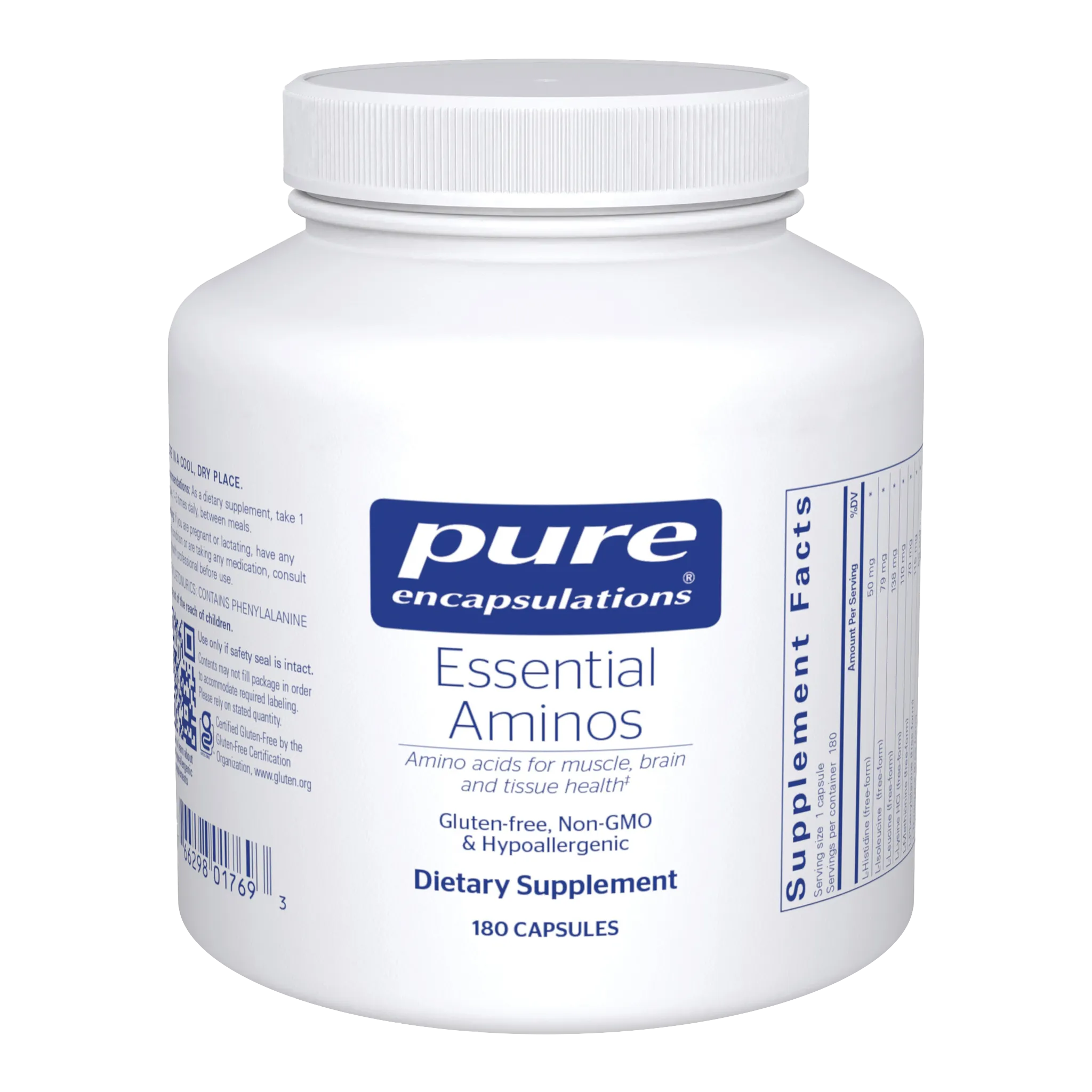
Supplementing with a highly bioavailable, free-form blend like Pure Encapsulations Essential Aminos offers a targeted strategy to interrupt the cycle of metabolic starvation. The primary mechanism by which EAAs support physical recovery is through the activation of the mechanistic target of rapamycin complex 1 (mTORC1) signaling pathway. Within the EAA profile, the branched-chain amino acid L-leucine acts as the master nutrient sensor and anabolic trigger. When a concentrated dose of free-form leucine enters a muscle cell, it interacts with intracellular sensors (such as hVps34 and Rag GTPases) that physically move the mTORC1 complex to the surface of the lysosome, where it is "turned on" by an activator protein called Rheb.
Once activated, mTORC1 initiates a cascade of phosphorylation events, targeting specific downstream proteins (like S6K1 and 4E-BP1) that command the cell to begin translating mRNA into new muscle proteins. This process, known as muscle protein synthesis (MPS), is the fundamental mechanism of tissue repair. Because Pure Encapsulations Essential Aminos provides a heavily leucine-weighted formula (138 mg of L-leucine per capsule alongside the other eight EAAs), it delivers both the potent anabolic trigger and the necessary raw materials required to rebuild muscle tissue. This is particularly crucial for patients suffering from the profound muscle wasting, weakness, and post-exertional malaise that characterize ME/CFS and Long COVID.
Navigating Histamine Clearance in MCAS and Dysautonomia
For patients navigating the complex triad of mast cell activation syndrome (MCAS), dysautonomia, and hypermobile Ehlers-Danlos Syndrome (hEDS), amino acid supplementation requires extreme precision. Many whole-food protein sources and collagen supplements are naturally high in histamine or histamine-liberating compounds, which can trigger severe mast cell degranulation. However, specific essential amino acids are absolutely vital for managing these conditions at a biochemical level. For instance, the essential amino acid L-methionine is a critical component of the body's methylation cycle and serves as the direct precursor to S-adenosyl-L-methionine (SAMe).
SAMe is the mandatory fuel source for Histamine N-methyltransferase (HNMT), one of the primary intracellular enzymes responsible for breaking down and clearing excess histamine from the body. When a patient is deficient in methionine due to malabsorption or restricted diets, their SAMe levels plummet, HNMT function stalls, and histamine rapidly accumulates in the tissues, perpetuating severe MCAS flare-ups. By providing pure, free-form L-methionine (70 mg per capsule), Essential Aminos supports the methylation pathways required for histamine degradation without introducing the complex, trigger-heavy proteins found in whole foods. You can explore more about managing mast cell reactivity in our deep dive on Ketotifen: Unveiling Relief for the Hidden Battles of MCAS, Long COVID, ME/CFS, and Dysautonomia.
Replenishing the Catecholamine Pool for Autonomic Balance
Dysautonomia, particularly postural orthostatic tachycardia syndrome (POTS), is characterized by an inability of the autonomic nervous system to properly regulate blood vessel constriction and heart rate upon standing. This regulatory process relies heavily on the rapid release of catecholamines—specifically norepinephrine and epinephrine. The synthesis of these vital neurotransmitters is entirely dependent on the availability of the essential amino acid L-phenylalanine. In the liver, phenylalanine is converted into tyrosine, which is then transported to the nervous system to be synthesized into L-DOPA, dopamine, and eventually norepinephrine.
When patients with Long COVID or ME/CFS experience systemic amino acid depletion, their circulating pool of phenylalanine drops significantly. Without this essential precursor, the autonomic nervous system struggles to produce enough norepinephrine to maintain vascular tone, leading to blood pooling in the lower extremities, dizziness, and compensatory tachycardia (a racing heart). By supplementing with a balanced ratio of free-form EAAs, including 115 mg of L-phenylalanine per capsule, patients can provide their nervous system with the exact biochemical substrates needed to synthesize catecholamines, thereby supporting better orthostatic tolerance and autonomic stability.
Symptoms Essential Aminos May Help Manage
Targeted Relief for Complex Chronic Symptoms
Because essential amino acids are foundational to nearly every metabolic and neurological process in the body, replenishing depleted stores can have a profound, multi-systemic impact. While EAAs are not a cure for complex chronic illnesses, targeted supplementation may help manage and alleviate several debilitating symptoms associated with Long COVID, ME/CFS, and dysautonomia.
Post-Exertional Malaise (PEM) and Muscle Fatigue: By providing the direct substrates needed for the TCA cycle and activating the mTORC1 pathway, EAAs help restore cellular energy production and facilitate rapid muscle repair, potentially reducing the severity and duration of physical crashes after exertion.
Brain Fog and Cognitive Dysfunction: EAAs like L-phenylalanine and L-tryptophan cross the blood-brain barrier to synthesize dopamine and serotonin, supporting improved focus, mental clarity, and the reduction of neuroinflammation associated with the kynurenine shunt.
Sleep Disturbances and Insomnia: By supplying adequate L-tryptophan, EAA supplementation supports the natural biosynthesis of melatonin, helping to regulate disrupted circadian rhythms and promote deeper, more restorative sleep cycles.
Orthostatic Intolerance and POTS Symptoms: The provision of catecholamine precursors (phenylalanine) supports the autonomic nervous system's ability to produce norepinephrine, aiding in proper blood vessel constriction and reducing dizziness and tachycardia upon standing.
Muscle Wasting and Sarcopenia: For patients bedbound or severely limited in their physical activity, the rapid peripheral spiking of free-form EAAs provides a powerful anabolic signal that helps preserve lean body mass and may help reduce severe muscle atrophy without requiring physical exercise.
Histamine Intolerance and MCAS Flare-ups: By supporting the methylation cycle with L-methionine, EAAs provide the necessary fuel (SAMe) for the HNMT enzyme to efficiently break down and clear excess intracellular histamine, potentially reducing the frequency of allergic-type reactions.
Understanding how long these symptoms typically persist and how to track your progress is a vital part of the recovery journey. For more insights on managing prolonged energy deficits, consider reading our article on How Long Does COVID Fatigue Normally Last?.
Practical Considerations: Forms, Dosing, and Absorption
The Bioavailability Advantage of Free-Form Delivery
When considering amino acid supplementation, the physical form of the nutrient dictates its clinical efficacy. Pure Encapsulations Essential Aminos utilizes exclusively "free-form" amino acids. Unlike intact protein powders (such as whey, casein, or pea protein) which require hours of enzymatic breakdown in the stomach and intestines, free-form EAAs are already fully hydrolyzed. This means they completely bypass the slow process of gastric emptying. Clinical pharmacokinetic studies demonstrate that free-form EAAs cross the intestinal monolayer rapidly, with significant absorption occurring within just 15 to 30 minutes of ingestion.
This rapid absorption is not merely a matter of convenience; it is a critical metabolic trigger. The speed and height of the EAA concentration spike in the blood directly determine the strength of the anabolic signal sent to the muscles. Intact proteins often fail to rise sufficiently in the plasma to trigger this signal, especially in older adults or those with compromised digestion. By utilizing free-form EAAs, patients can achieve a robust, therapeutic spike in circulating amino acids that forces the activation of tissue repair pathways, all while placing zero digestive burden on a sensitive gastrointestinal tract.
Optimal Dosing and Strategic Timing
The dosing of essential amino acids requires a strategic approach to maximize their metabolic benefits. According to the International Society of Sports Nutrition (ISSN), the stimulation of muscle protein synthesis can begin with oral doses as small as 1.5 to 3.0 grams of EAAs, with maximum acute synthesis plateauing around 15 to 18 grams. Pure Encapsulations suggests taking 1 capsule, 1 to 3 times daily, between meals. Taking EAAs between meals is a crucial timing strategy; it ensures that the free-form amino acids do not have to compete with complex dietary proteins or fats for absorption in the gut, allowing for the fastest possible entry into the bloodstream.
For patients dealing with severe post-exertional malaise (PEM), timing EAA intake around periods of unavoidable physical or cognitive exertion can be highly beneficial. Consuming a dose 30 minutes before an activity provides the bloodstream with a readily available pool of alternative cellular fuel, potentially sparing the body from cannibalizing its own muscle tissue during periods of metabolic stress. Additionally, because free-form EAAs carry virtually zero caloric burden, they can provide a vital anabolic signal even on days when severe nausea or gastroparesis prevents a patient from consuming adequate solid food.
Safety, Contraindications, and Potential Drug Interactions
While essential amino acids are natural components of the human diet and generally recognized as safe, high-dose, isolated supplementation functions more as a targeted pharmacological intervention and carries specific safety considerations. Individuals with rare genetic metabolic disorders, such as Phenylketonuria (PKU) or Maple Syrup Urine Disease, must strictly avoid EAA supplements, as their bodies lack the specific enzymes required to break down phenylalanine and branched-chain amino acids, respectively. Furthermore, patients with severe hepatic (liver) or renal (kidney) impairment should consult their physician before use, as processing large amounts of nitrogen from amino acids can lead to the dangerous accumulation of toxic ammonia in the blood.
There are also important drug interactions to consider. Because amino acids share the same cellular transporters in the gut and at the blood-brain barrier, they can competitively inhibit the absorption of certain medications. Most notably, patients taking Levodopa for Parkinson's disease or severe movement disorders should separate their medication from EAA supplements, as the amino acids will block the drug from entering the brain. Additionally, because branched-chain amino acids naturally influence blood glucose regulation, individuals taking antidiabetic medications (like insulin or metformin) should monitor their blood sugar closely to prevent unexpected episodes of hypoglycemia. Always consult with a knowledgeable healthcare provider before introducing high-dose amino acids into your regimen.

Follow the Science
Metabolomic Profiling in ME/CFS and Long COVID
The scientific understanding of amino acid dysregulation in chronic illness has advanced rapidly in recent years, driven by sophisticated metabolomic and multi-omics research. A landmark study published in JCI Insight mapped the metabolic phenotypes of patients with ME/CFS and found profound, systemic disruptions. The researchers analyzed over 600 different metabolites and discovered that amino acid pathways were significantly altered, with metabolites of BCAAs, tryptophan, and phenylalanine markedly depleted compared to healthy controls. This data provided some of the first concrete biological evidence that the bodies of ME/CFS patients are actively cannibalizing their own essential amino acids to survive a state of cellular energy failure.
Building on this foundation, recent AI-driven research has further solidified the connection between amino acid depletion and chronic illness severity. A 2025 study utilizing deep-learning AI to map the gut microbiome and plasma metabolome of ME/CFS patients achieved a 90% diagnostic accuracy rate based strictly on biological signatures. The primary discriminators identified by the AI were disrupted tryptophan metabolism and severely depleted BCAA pathways. These findings validate the patient experience, proving that the debilitating fatigue and brain fog of these conditions are rooted in measurable, physiological starvation at the molecular level, rather than psychological origins.
Clinical Trials on Amino Acid Interventions
Clinical trials investigating the therapeutic use of essential amino acids have yielded highly promising results, particularly regarding muscle preservation and autonomic regulation. A study published in Frontiers in Nutrition demonstrated that supplementing with just 3.6 grams of a free-form EAA composition significantly stimulated the muscle protein fractional synthetic rate in older adults facing anabolic resistance. The researchers concluded that the rapid absorption kinetics of free EAAs allow even very small doses to act as powerful metabolic regulators, successfully overcoming the body's inability to utilize intact dietary proteins.
Furthermore, research into the autonomic nervous system has highlighted the critical role of amino acid precursors in managing dysautonomia. Retrospective studies examining the use of synthetic amino acid precursors (like Droxidopa, which converts directly to norepinephrine) in POTS patients have shown significant reductions in dizziness, fatigue, and syncope. While pharmaceutical interventions are one route, providing the body with the natural, essential building blocks—like the L-phenylalanine found in Pure Encapsulations Essential Aminos—offers a foundational, nutritional approach to supporting the exact same catecholamine pathways required for orthostatic stability. If you are interested in exploring how other targeted nutrients support these pathways, read our guide on Can NAC (N-Acetyl-l-Cysteine) Support Detoxification and Respiratory Health in Long COVID and ME/CFS?.
The Path Forward
A Validating Approach to Metabolic Recovery
Living with the unpredictable, systemic symptoms of Long COVID, ME/CFS, MCAS, or dysautonomia is an exhausting daily battle. The profound fatigue, cognitive dysfunction, and physical weakness are not in your head; they are the result of a body locked in a state of severe metabolic strain and cellular starvation. Understanding that your symptoms are driven by measurable biochemical disruptions—like the impairment of the pyruvate dehydrogenase enzyme, the depletion of branched-chain amino acids, and the hijacking of the tryptophan pathway—can be a deeply validating step forward. It shifts the narrative away from blame and toward targeted, physiological support.
Integrating Supplements with Pacing and Care
While Pure Encapsulations Essential Aminos provides a highly bioavailable, scientifically grounded tool for replenishing depleted nutrient stores, it is important to remember that no single supplement is a cure for complex chronic illness. True recovery requires a comprehensive, multi-disciplinary approach. Essential amino acids are most effective when utilized as part of a broader management strategy that includes aggressive resting, strict symptom tracking, nervous system regulation, and pacing to avoid post-exertional crashes. By providing your body with the fundamental building blocks it desperately needs, you are laying the groundwork for cellular repair and improved resilience.
As you navigate your treatment options, always work closely with a dysautonomia-literate or ME/CFS-literate healthcare provider to ensure that any new supplement fits safely within your unique clinical picture, especially regarding potential drug interactions or severe mast cell sensitivities. If you and your medical team determine that targeted amino acid support is right for you, you can Explore Essential Aminos to learn more about integrating this powerful, free-form nutritional tool into your daily recovery regimen.