Can EpicDefense Support Gut Health and Immune Resilience in Long COVID and ME/CFS?
March 6, 2026
EpicDefenseImmune SupportLong COVID
Share:
Disclaimer: The information provided here is for educational purposes only and is not intended as medical advice. It should not be used to diagnose, treat, cure, or prevent any medical condition. Instead, use it as a starting point for discussion with your healthcare provider. Always consult with a qualified healthcare provider before starting any new medication, supplement, device, or making changes to your health regimen.
In the wake of a viral infection, the immune system is supposed to return to a state of quiet vigilance. However, for individuals living with complex chronic conditions like Long COVID, myalgic encephalomyelitis/chronic fatigue syndrome (ME/CFS), and mast cell activation syndrome (MCAS), this return to baseline never happens. Instead, the immune system remains locked in a state of chronic dysregulation, oscillating between hyper-reactivity to harmless triggers and profound exhaustion when faced with actual pathogens. This ongoing battle takes a massive toll on the body's energy reserves, often exacerbating debilitating symptoms like post-exertional malaise (PEM), severe brain fog, and systemic inflammation.
One of the most critical, yet frequently overlooked, battlegrounds in this ongoing immune struggle is the gut. The gastrointestinal tract houses approximately 70-80% of the body's immune cells, making the gut microbiome and the mucosal barrier the frontline defenders of our overall health. When this barrier is compromised—a common feature in Long COVID and ME/CFS—it creates a vicious cycle of systemic inflammation and immune dysfunction. Addressing this root cause requires more than just standard vitamins; it requires targeted support for the gut-immune axis. This is where advanced immunobiotic formulas like EpicDefense come into play, utilizing clinically researched postbiotics, targeted probiotic strains, and highly bioavailable minerals to help restore mucosal integrity and support year-round immune resilience.
TL;DR
EpicDefense combines postbiotics, probiotics, and zinc to support the gut-immune axis and mucosal integrity.
It may help manage symptoms of Long COVID, ME/CFS, and MCAS by regulating chronic immune activation.
Targeted gut support can help reduce systemic inflammation and support overall immune resilience.
What is EpicDefense?
To understand how EpicDefense works, we must first look at the intricate relationship between the gastrointestinal tract and the systemic immune system. The human gut is not merely a digestive organ; it is the largest immunological organ in the body. It is lined with a single layer of epithelial cells that form the mucosal barrier, separating the trillions of microbes in our gut from our bloodstream. Just beneath this epithelial layer lies the gut-associated lymphoid tissue (GALT), which houses a vast network of immune cells, including T-cells, B-cells, macrophages, and dendritic cells. In a healthy body, there is constant cross-talk between the gut microbiome and the GALT. The beneficial bacteria produce metabolites that continuously "train" the immune cells, ensuring they know the difference between a harmless food particle and a dangerous viral pathogen.
EpicDefense is specifically formulated to target this gut-immune interface. It is categorized as a next-generation immunobiotic—a supplement that combines prebiotics, probiotics, and postbiotics to directly modulate the immune response via the gut microbiome. Unlike traditional immune supplements that primarily rely on high doses of isolated vitamins to stimulate white blood cells systemically, an immunobiotic takes a more foundational approach. It seeks to optimize the environment where the majority of immune cells are born, trained, and housed. By fortifying the mucosal barrier and promoting a diverse microbiome, EpicDefense helps the immune system achieve a state of balanced responsiveness, rather than chronic overstimulation.
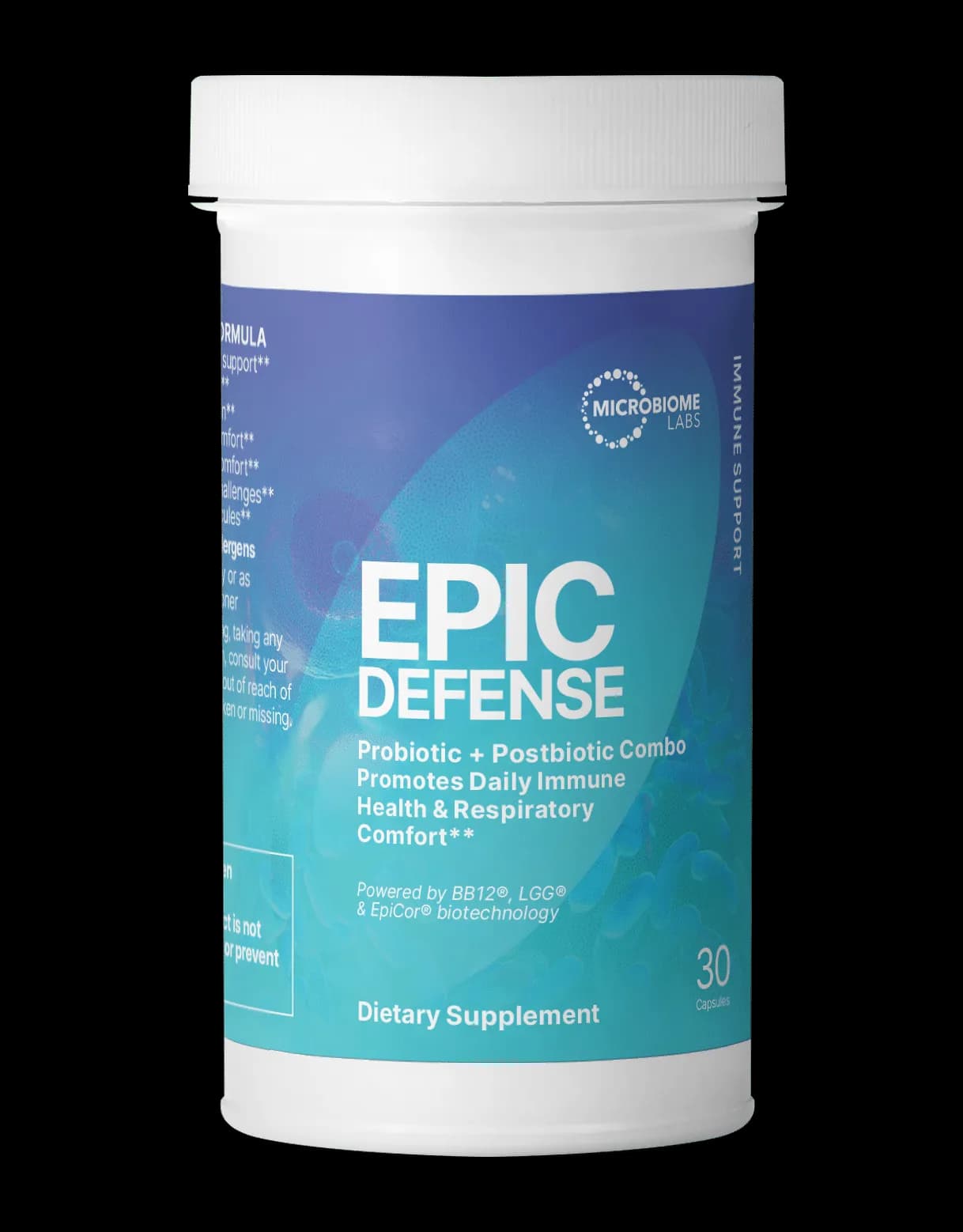
The formula achieves this through a synergistic blend of three primary components. The first is EpiCor®, a proprietary dried yeast fermentate derived from Saccharomyces cerevisiae. EpiCor is considered a postbiotic—a preparation of inanimate microorganisms and their components that confers a health benefit on the host. The second component is a targeted probiotic blend containing 2 billion CFU of Lactobacillus rhamnosus (LGG) and Bifidobacterium lactis (BB12), two of the most extensively researched probiotic strains in the world. Finally, the formula includes Zinc Bisglycinate Chelate, a highly bioavailable form of the essential mineral zinc, which acts as a crucial co-factor for immune cell development and function.
While probiotics are live bacteria that confer health benefits, postbiotics like EpiCor represent a relatively new frontier in immune support. During the specialized anaerobic fermentation process used to create EpiCor, the yeast cells are subjected to stress, causing them to produce a complex array of beneficial metabolites. These include proteins, fibers, polyphenols, vitamins, amino acids, and beta-glucans. When the fermentation is complete, the mixture is dried, capturing these valuable compounds. Because postbiotics do not contain live organisms, they are highly stable and can immediately begin interacting with the gut lining and immune receptors without needing to colonize the digestive tract first. They act as rapid signaling molecules, communicating directly with the GALT to modulate immune activity.
Complementing the postbiotic action of EpiCor are the live probiotic strains, LGG and BB12. These specific strains were chosen for their documented ability to survive the harsh, acidic environment of the stomach and successfully adhere to the intestinal mucosa. LGG, in particular, is genetically equipped with pili—hair-like appendages that allow it to anchor tightly to the mucosal layer. Once adhered, these probiotics competitively inhibit pathogenic bacteria, preventing them from colonizing the gut. They also secrete antimicrobial peptides and short-chain fatty acids (SCFAs) that lower the pH of the gut, creating an inhospitable environment for harmful microbes while nourishing the cells that line the intestinal wall.
The interaction between the postbiotic metabolites and the live probiotic strains creates a synergistic effect that goes beyond simple digestion. Together, they stimulate the production of secretory IgA (sIgA), the most abundant antibody in mucosal secretions. Secretory IgA acts as the first line of defense, binding to viruses and bacteria in the respiratory and gastrointestinal tracts and neutralizing them before they can penetrate the epithelial barrier. By boosting sIgA levels, EpicDefense helps to optimize mucosal immune function, providing a robust shield against environmental pathogens and supporting respiratory comfort.
The final pillar of the EpicDefense formula is zinc, an essential trace mineral that is absolutely vital for human health. Zinc is a mandatory co-factor for over 300 enzymatic reactions in the body, playing a central role in DNA synthesis, cell division, and protein synthesis. However, its most prominent role is in the immune system. Zinc is required for the development, differentiation, and activation of both innate immune cells (like neutrophils and natural killer cells) and adaptive immune cells (like T-lymphocytes and B-lymphocytes). Without adequate intracellular zinc, the immune system simply cannot mount an effective response to viral or bacterial threats, leading to increased susceptibility to infections.
Because the human body does not have a specialized tissue storage system for zinc, we rely on a steady daily intake to maintain adequate levels. However, standard forms of zinc found in many supplements, such as zinc oxide or zinc sulfate, are notoriously difficult for the body to absorb. They often break down prematurely in the stomach, causing gastrointestinal distress, and they compete with other minerals like copper and iron for absorption pathways in the intestines. Furthermore, dietary factors like phytic acid, found in grains and legumes, can bind to inorganic zinc and prevent it from being absorbed entirely.
To overcome these absorption hurdles, EpicDefense utilizes Zinc Bisglycinate Chelate (Albion). In this highly advanced form, a single zinc ion is chemically bound (chelated) to two molecules of the amino acid glycine. This coordinate covalent bonding protects the zinc ion as it travels through the acidic environment of the stomach, allowing it to reach the small intestine intact. Because the body readily absorbs amino acids, the zinc-glycine complex is easily transported across the intestinal wall, bypassing the usual mineral competition and avoiding the inhibitory effects of phytic acid. This ensures that the zinc is efficiently delivered to the bloodstream, where it can be taken up by immune cells to fuel their defensive activities.
How Long COVID and ME/CFS Impact the Gut-Immune Axis
In conditions like Long COVID and ME/CFS, the immune system is often caught in a state of profound dysfunction. Research suggests that one of the driving factors behind Long COVID is viral persistence—the failure of the immune system to fully clear the SARS-CoV-2 virus or its viral proteins from tissue reservoirs. This persistent viral presence forces the immune system into a state of chronic activation. T-cells, the specialized white blood cells responsible for hunting down and destroying infected cells, become "exhausted" from the continuous battle. This T-cell exhaustion is characterized by a loss of effector function and an inability to mount a robust response to new threats, leaving patients highly susceptible to secondary infections and viral reactivations, such as the Epstein-Barr Virus (EBV).
This chronic immune activation also triggers a relentless inflammatory cascade. Macrophages and dendritic cells continuously release pro-inflammatory cytokines, such as Interleukin-6 (IL-6) and Tumor Necrosis Factor-alpha (TNF-α). This systemic inflammation contributes heavily to the debilitating symptoms experienced by patients, including severe fatigue, brain fog, and muscle aches. Furthermore, this inflammatory milieu can trigger mast cell activation syndrome (MCAS), where mast cells become hyper-reactive and release histamine and other inflammatory mediators inappropriately, leading to a host of allergic-type symptoms and further systemic distress. You can learn more about managing these interconnected symptoms in our guide to Ketotifen.
The constant demand for immune cell production and cytokine synthesis places an enormous metabolic burden on the body. Immune cells require massive amounts of energy, primarily in the form of ATP generated by the mitochondria. In ME/CFS and Long COVID, mitochondrial dysfunction is a well-documented phenomenon. The mitochondria struggle to produce sufficient ATP, and the immune system's relentless demand for energy effectively steals resources from other bodily systems, contributing to the profound energy crashes and post-exertional malaise (PEM) that define these conditions.
The impact of chronic illness on the gut microbiome is profound and cyclical. Recent research into ME/CFS and Long COVID proposes that virus-induced endothelial senescence at the gastrointestinal tract and other barriers can explain symptoms and lead to dysregulated inflammatory processes. Patients often show a marked decrease in beneficial, anti-inflammatory bacteria, such as Bifidobacterium and Lactobacillus species, and an overgrowth of opportunistic, pro-inflammatory pathogens. This imbalance disrupts the delicate cross-talk between the microbiome and the gut-associated lymphoid tissue (GALT), further skewing the immune system toward a pro-inflammatory state.
One of the most critical consequences of gut dysbiosis is a reduction in the production of short-chain fatty acids (SCFAs), particularly butyrate. SCFAs are produced by beneficial bacteria when they ferment dietary fibers. Butyrate serves as the primary energy source for colonocytes (the cells lining the colon) and plays a vital role in maintaining the integrity of the intestinal epithelial barrier. It helps to regulate the expression of tight junction proteins—the molecular "glue" that holds the epithelial cells together. When butyrate levels plummet due to dysbiosis, the tight junctions begin to loosen, leading to increased intestinal permeability, commonly referred to as "leaky gut."
This increased permeability allows lipopolysaccharides (LPS)—endotoxins found on the outer membrane of certain bacteria—and undigested food particles to slip through the mucosal barrier and enter the systemic circulation. The immune system recognizes these translocated molecules as foreign invaders and mounts a massive inflammatory response. This phenomenon, known as metabolic endotoxemia, is a major driver of systemic inflammation and neuroinflammation, exacerbating symptoms like brain fog and joint pain. It creates a devastating feedback loop: systemic inflammation damages the gut barrier, which allows more endotoxins to enter the bloodstream, which in turn drives more systemic inflammation.
The breakdown of the mucosal barrier extends beyond the gastrointestinal tract; it also affects the respiratory mucosa. The mucosal immune system is highly interconnected, often referred to as the common mucosal immune system. When the gut barrier is compromised and secretory IgA (sIgA) production is impaired, the respiratory tract also becomes vulnerable. sIgA is crucial for neutralizing respiratory viruses and preventing them from adhering to the respiratory epithelium. In patients with Long COVID and ME/CFS, diminished sIgA levels can lead to frequent upper respiratory tract infections and prolonged recovery times.
Furthermore, the chronic inflammation associated with immune dysregulation in Long COVID can lead to structural damage in the mucosal tissues. Inflammatory cytokines can induce apoptosis (programmed cell death) in epithelial cells, thinning the protective mucosal layer. This not only makes it easier for pathogens to invade but also increases the sensitivity of the underlying tissues to environmental allergens and irritants, worsening symptoms for those with concomitant MCAS or seasonal allergies.
Addressing this complex web of viral persistence, gut dysbiosis, leaky gut, and mucosal breakdown requires a multi-targeted approach. Simply suppressing the immune system or stimulating it with high doses of isolated vitamins is often insufficient and can sometimes be counterproductive. Instead, the focus must be on restoring the integrity of the mucosal barrier, rebalancing the gut microbiome, and providing the immune system with the precise molecular tools it needs to regulate itself effectively. This is the specific physiological landscape that EpicDefense is designed to support.
EpicDefense: Supporting Mucosal Immunity and Cellular Defense
EpicDefense addresses the complex pathophysiology of chronic immune dysregulation through multiple, synergistic mechanisms of action. The foundation of this support lies in EpiCor, the dried yeast fermentate. At the cellular level, EpiCor acts as a powerful immunomodulator. In vitro studies have demonstrated that EpiCor significantly increases the activity of Natural Killer (NK) cells—the specialized white blood cells that serve as the immune system's first responders against virally infected cells. By enhancing NK cell cytotoxicity, EpiCor helps the immune system identify and clear lingering viral reservoirs more efficiently, which is particularly relevant for the viral persistence seen in Long COVID.
Simultaneously, EpiCor is thought to exert potent anti-inflammatory effects. Other literature suggests it achieves anti-inflammatory effects by modulating the production of pro-inflammatory cytokines and increasing antioxidant bioavailability. The polyphenols and other metabolites present in the fermentate neutralize free radicals, reducing the oxidative stress that damages endothelial cells and contributes to the microclotting and vascular issues often seen in these chronic conditions. You can read more about managing vascular health in our guide to Acerola Vitamin C and Bioflavonoids.
Crucially, EpiCor also functions as a highly effective prebiotic and postbiotic within the gastrointestinal tract. Clinical trials utilizing models like the Simulator of the Human Intestinal Microbial Ecosystem (SHIME) have shown that EpiCor safely shifts the gut microbiota composition. It selectively nourishes beneficial bacteria, leading to significant increases in populations of Bifidobacterium and Lactobacilli. As these beneficial microbes flourish, they ferment the fibers in EpiCor to produce massive amounts of short-chain fatty acids (SCFAs), particularly butyrate. This surge in butyrate production is essential for repairing the "leaky gut" by providing energy to colonocytes and upregulating the expression of tight junction proteins, thereby restoring the integrity of the intestinal epithelial barrier and halting the translocation of inflammatory endotoxins.
The probiotic strains in EpicDefense, Lactobacillus rhamnosus (LGG) and Bifidobacterium lactis (BB12), work in tandem with EpiCor to fortify the mucosal barrier and regulate systemic immunity. LGG is uniquely equipped to repair mucosal damage. It secretes specific soluble protein factors, such as p40 and p75, which interact with epidermal growth factor receptors on the surface of intestinal epithelial cells. This interaction inhibits TNF-α-mediated cell apoptosis (cell death) and promotes the proliferation and survival of the epithelial cells, actively repairing the damaged mucosal lining.
Furthermore, LGG and BB12 induce the secretion of β-defensins and cytoprotective heat shock proteins. β-defensins are small antimicrobial peptides that act as natural antibiotics, disrupting the cell membranes of pathogenic bacteria and preventing them from colonizing the gut. The heat shock proteins help to maintain the structural integrity of the tight junctions between epithelial cells, further sealing the "leaky gut." By physically occupying adhesion sites on the intestinal wall and secreting these protective compounds, LGG and BB12 create a robust physical and chemical barrier against opportunistic pathogens.
Beyond physical barrier protection, these probiotic strains act as direct communicators with the systemic immune system. They interact with dendritic cells and macrophages in the gut-associated lymphoid tissue (GALT), influencing the differentiation of T-cells. Clinical research on LGG and BB12 demonstrates that they can decrease the production of pro-inflammatory cytokines (like IL-4 and IL-2) while promoting a more balanced, regulated immune response. Most importantly, they stimulate B-cells to increase the production of secretory IgA (sIgA), the critical antibody that protects the respiratory and gastrointestinal mucosa from viral adherence and infection.
The inclusion of Zinc Bisglycinate Chelate provides the essential elemental fuel required for these immune processes to function optimally. At the molecular level, zinc is a structural component of numerous transcription factors, known as "zinc fingers," which regulate the expression of genes involved in immune cell proliferation and differentiation. When the immune system is activated by a viral threat, there is a rapid influx of zinc into the immune cells. This intracellular zinc acts as a signaling molecule, triggering the activation of T-lymphocytes and Natural Killer (NK) cells.
Zinc is particularly crucial for the function of the thymus gland, where T-cells mature. A deficiency in zinc leads to thymic atrophy and a severe reduction in the number of functional T-cells, leaving the body vulnerable to infections. By providing a highly bioavailable source of zinc, EpicDefense ensures that the thymus has the raw materials it needs to produce a robust army of naive T-cells, ready to be deployed against new pathogens. Furthermore, zinc is essential for the cytotoxic activity of NK cells, allowing them to effectively destroy virally infected cells and clear persistent viral reservoirs.
Finally, zinc plays a vital role in regulating the inflammatory response and protecting cells from oxidative damage. It is a key structural component of the enzyme copper-zinc superoxide dismutase (CuZn-SOD), one of the body's most powerful intracellular antioxidants. CuZn-SOD neutralizes superoxide radicals, highly reactive oxygen species that are generated during the immune response and can cause severe damage to cellular DNA and mitochondrial membranes. By supporting the activity of this antioxidant enzyme, Zinc Bisglycinate helps to mitigate the oxidative stress and systemic inflammation that drive the debilitating symptoms of ME/CFS and Long COVID, promoting a more balanced and sustainable immune response.
Symptoms EpicDefense May Help Manage
By targeting the gut-immune axis, fortifying the mucosal barrier, and providing essential co-factors for immune cell function, EpicDefense offers comprehensive support for individuals dealing with chronic immune dysregulation. The synergistic action of EpiCor, LGG, BB12, and Zinc Bisglycinate may help manage a variety of complex symptoms associated with Long COVID, ME/CFS, and MCAS.
Frequent Upper Respiratory Infections: By significantly boosting the production of secretory IgA (sIgA) in the mucosal linings, EpicDefense enhances the body's first line of defense, helping to neutralize respiratory viruses before they can take hold and reducing the frequency and duration of colds and flu.
Post-Exertional Malaise (PEM) Related to Immune Strain: Chronic immune activation drains cellular energy (ATP). By modulating the immune response and reducing systemic inflammation, EpicDefense helps lower the metabolic burden on the immune system, potentially freeing up energy resources and reducing the severity of immune-driven crashes.
"Leaky Gut" and Gastrointestinal Distress: The postbiotic metabolites from EpiCor and the protective actions of LGG and BB12 promote the production of short-chain fatty acids (like butyrate) and strengthen tight junction proteins. This helps repair intestinal permeability, reducing bloating, discomfort, and the systemic inflammation caused by translocated endotoxins.
Seasonal Allergies and Histamine Reactions: EpiCor has been clinically shown to balance the immune system rather than overstimulating it. By regulating excessive immune responses and reducing pro-inflammatory cytokines, it can help alleviate nasal congestion and respiratory discomfort associated with seasonal allergies and hyper-reactive mast cells.
Brain Fog and Neuroinflammation: A compromised gut barrier allows lipopolysaccharides (LPS) to enter the bloodstream, triggering systemic inflammation that can cross the blood-brain barrier and cause neuroinflammation. By sealing the gut lining and reducing oxidative stress, EpicDefense helps mitigate this inflammatory cascade, potentially improving cognitive clarity.
Slow Wound Healing and Skin Issues: Zinc is an essential mineral for collagen synthesis and cellular repair. The highly bioavailable Zinc Bisglycinate in EpicDefense ensures adequate cellular zinc levels, supporting faster recovery from tissue damage and helping to manage inflammatory skin conditions.
It is important to note that while EpicDefense provides robust support for the immune system and gut health, it is not a cure for Long COVID, ME/CFS, or any other chronic illness. It should be used as part of a comprehensive management strategy that includes pacing, symptom tracking, and guidance from a qualified healthcare provider. If you are struggling with the diagnostic process, you can learn more about how a doctor diagnoses Long COVID on our blog.
Practical Considerations: Forms, Dosing, and Absorption
When selecting a supplement, the form of the ingredients is just as important as the dosage. This is particularly true for minerals like zinc, which are notoriously difficult for the human digestive system to absorb. EpicDefense utilizes Zinc Bisglycinate Chelate (Albion), a specific form where the zinc ion is bound to two molecules of the amino acid glycine. This chelation process creates a stable, low-molecular-weight compound that survives the acidic environment of the stomach and is readily absorbed in the small intestine via amino acid transport pathways.
Clinical research published in the International Journal for Vitamin and Nutrition Research has demonstrated the profound superiority of this form. In a randomized, cross-over study, researchers found that zinc bisglycinate increased oral bioavailability by a staggering 43.4% compared to zinc gluconate, a common form found in many over-the-counter supplements. Furthermore, studies measuring zinc concentrations within Red Blood Cells (RBCs) have shown that zinc bisglycinate consistently outperforms other forms, including zinc picolinate and zinc oxide. This high absorption rate ensures that the 10 mg dose provided in EpicDefense is efficiently utilized by the body, minimizing waste and maximizing therapeutic benefit.
Another significant advantage of Zinc Bisglycinate is its gastrointestinal tolerability. Many patients with ME/CFS and Long COVID already suffer from sensitive stomachs and nausea. Standard zinc supplements, particularly zinc sulfate, are known to cause severe gastrointestinal distress when taken on an empty stomach because they break down prematurely and irritate the gastric mucosa. Because the zinc in EpicDefense is firmly bound to glycine, it is exceptionally gentle on the stomach and rarely causes nausea, making it much easier to incorporate into a daily routine.
The suggested use for EpicDefense is one capsule daily, or as directed by your healthcare practitioner. Because the formula contains both postbiotics (EpiCor) and live probiotics (LGG and BB12), timing can play a role in optimizing its efficacy. While the postbiotic components of EpiCor are highly stable and can be absorbed at any time, live probiotics generally survive the passage through the stomach best when taken with or just before a meal. The food helps to buffer the stomach acid, ensuring that a higher percentage of the 2 billion CFU of LGG and BB12 reach the intestines alive and ready to colonize.
Consistency is key when using an immunobiotic formula. Unlike fast-acting symptom relievers, EpicDefense works by fundamentally shifting the gut microbiome, repairing the mucosal barrier, and modulating immune cell activity. These are complex biological processes that take time. While some individuals may notice improvements in digestive comfort or a reduction in allergy symptoms within a few weeks, it typically takes 8 to 12 weeks of consistent daily use to fully realize the systemic immune benefits, such as a reduction in the frequency of respiratory infections or improvements in overall immune resilience.
It is also important to consider the synergistic effects of combining EpicDefense with other targeted therapies. For patients dealing with severe systemic inflammation or microclotting, combining gut-immune support with systemic enzymes may provide compounded benefits. You can explore this concept further in our guide on how A.I. Enzymes help manage joint pain and microclots. Always discuss new supplement combinations with your healthcare provider to ensure they align with your specific treatment plan.
EpicDefense is formulated to be highly tolerable, even for individuals with sensitive systems. The ingredients—EpiCor, LGG, BB12, and Zinc Bisglycinate—have extensive safety records in clinical trials. The product contains no listed allergens and is generally considered safe for long-term, year-round use. However, patients with severe mast cell activation syndrome (MCAS) or extreme histamine intolerance should always introduce new probiotic or fermented products cautiously, as individual microbiome responses can vary.
Regarding zinc supplementation, it is important to be aware of the relationship between zinc and copper. These two minerals compete for absorption in the intestines. Long-term supplementation with very high doses of zinc (typically exceeding 40-50 mg per day) can induce a copper deficiency, which can lead to neurological issues and anemia. Fortunately, the 10 mg dose of zinc in EpicDefense is well within the safe daily limits and is highly unlikely to disrupt copper balance when taken as directed. However, if you are taking multiple supplements that contain zinc, you should calculate your total daily intake and consult your practitioner.
Finally, while the probiotics in EpicDefense are beneficial for the vast majority of people, individuals who are severely immunocompromised (such as those undergoing active chemotherapy or organ transplant recipients) or those with central venous catheters should consult their specialized medical team before taking any live probiotic supplements, due to a theoretical risk of bacteremia. For the typical Long COVID or ME/CFS patient, however, these strains are considered exceptionally safe and beneficial.

Follow the Science
The ingredients in EpicDefense are supported by a robust body of clinical research. EpiCor, the dried yeast fermentate, has been the subject of over 15 published studies, including numerous randomized, double-blind, placebo-controlled human clinical trials. One of the hallmark 12-week studies investigated EpiCor’s efficacy against winter-specific immune challenges. The study found that participants taking 500 mg of EpiCor daily experienced a 21% reduction in the incidence of cold and flu-like symptoms compared to the placebo group. Furthermore, for those who did get sick, EpiCor reduced the duration of their symptoms by 14%.
Recent research has also confirmed EpiCor's benefits for pediatric populations. A major clinical trial published in Pediatric Research in July 2024 enrolled 256 healthy children during the cold and flu season. The study demonstrated that daily supplementation with 500 mg of EpiCor led to statistically significant reductions in the severity of cold and flu symptoms, particularly sore throats and muscle aches. Notably, children in the placebo group were nearly twice as likely to require traditional over-the-counter or prescription cold and flu medications during the 84-day period compared to those supplemented with EpiCor, highlighting its powerful supportive capabilities.
Beyond viral defense, EpiCor has been clinically shown to balance hyper-reactive immune responses. A 12-week randomized, double-blind, placebo-controlled trial involving 96 adult subjects investigated its effect on allergic rhinitis during times of high seasonal environmental stress (e.g., high pollen counts). The study found that EpiCor safely regulated excessive immune responses, leading to significant improvements in nasal comfort and reductions in nasal congestion. This immunomodulatory effect is crucial for patients with conditions like MCAS, where the immune system is constantly overreacting to harmless stimuli.
The combination of Lactobacillus rhamnosus GG (LGG) and Bifidobacterium lactis BB-12 in EpicDefense is backed by extensive clinical documentation demonstrating their ability to support mucosal immunity and help protect against viral upper respiratory tract infections (URTIs). A landmark randomized, double-blind, placebo-controlled trial investigated the effect of these strains on 231 healthy college students over 12 weeks. The study found that the probiotic combination significantly reduced the median duration of upper respiratory infections by 2 days compared to the placebo. Additionally, the severity score of the respiratory symptoms was 34% lower in the probiotic group, and the students missed significantly fewer school days due to illness.
These profound systemic benefits are rooted in the probiotics' ability to fortify the gut barrier and stimulate antibody production. Clinical trials have shown that BB-12 supplementation significantly increases vaccine-specific secretory IgA (sIgA) antibodies in saliva. sIgA is the primary immunoglobulin responsible for neutralizing respiratory pathogens before they can infect the mucosal cells. By heavily colonizing the gut mucosa, enhancing the physical epithelial barrier, and stimulating these protective antibodies, LGG and BB12 prime the entire mucosal immune system to fight off viral infections efficiently.
Furthermore, research highlights the critical role these strains play in early immune development and long-term resilience. The prophylactic effect of a healthy gut microbiome underscores its foundational importance in establishing and maintaining a robust, balanced immune system throughout life, a principle that is central to the formulation of EpicDefense.
The clinical evidence supporting the use of Zinc Bisglycinate Chelate centers on its vastly superior bioavailability compared to other forms of zinc. As previously mentioned, a pivotal cross-over study published in the International Journal for Vitamin and Nutrition Research utilized validated ICP-OES methodology to measure serum zinc concentrations in human volunteers. The researchers definitively concluded that zinc bisglycinate increased oral bioavailability by 43.4% compared to zinc gluconate. This data is critical because the therapeutic benefits of zinc—such as supporting T-cell maturation and NK cell activity—are entirely dependent on the mineral successfully entering the bloodstream and reaching the intracellular environment.
Further intervention studies have tracked the retention of zinc in Red Blood Cells (RBCs) over time. In a 6-week study comparing different forms of zinc, plasma zinc levels increased significantly in all subjects given the bisglycinate form, while no significant overall change was observed in the gluconate group. When measuring zinc concentrations within RBCs over a four-hour period, zinc bisglycinate consistently ranked highest in absorption, outperforming zinc picolinate, zinc gluconate, and zinc oxide. This robust clinical data ensures that the zinc provided in EpicDefense is highly effective at raising systemic zinc levels to support immune function.
The Path Forward
Living with a complex chronic illness like Long COVID, ME/CFS, or dysautonomia often feels like a constant battle against your own body. The unpredictable nature of immune crashes, the relentless fatigue, and the frustration of frequent infections can be deeply invalidating and exhausting. It is important to recognize that these symptoms are not in your head; they are the result of profound, measurable physiological disruptions, particularly within the gut-immune axis. Acknowledging the reality of this biological struggle is the first step toward finding effective, sustainable management strategies.
While there is no single magic pill that can instantly reverse these complex conditions, targeted nutritional support can play a vital role in stabilizing your system. EpicDefense offers a scientifically grounded approach to addressing one of the core drivers of chronic illness: mucosal immune dysfunction and gut dysbiosis. By providing the body with clinically researched postbiotics, targeted probiotic strains, and highly bioavailable zinc, it helps to repair the intestinal barrier, modulate hyper-reactive immune responses, and provide the essential fuel needed for cellular defense.
Supplements like EpicDefense are most effective when integrated into a comprehensive, holistic care plan. This includes rigorous pacing to manage your energy envelope, tracking your symptoms to identify triggers, prioritizing restorative rest, and working closely with a healthcare provider who understands the nuances of complex chronic illness. If you are wondering if your symptoms might be related to other post-viral complications, you can read more about whether Long COVID can trigger ME/CFS on our blog.
Your journey toward better health is deeply personal, and finding the right combination of therapies takes time and patience. By focusing on foundational systems like the gut microbiome and mucosal immunity, you are taking proactive steps to support your body's innate healing capacity. Always consult with your healthcare practitioner before starting any new supplement regimen to ensure it is appropriate for your specific medical history and current treatment plan.