Can 5-HTP and L-Tyrosine Clear Brain Fog and Support Mood in Long COVID and ME/CFS?
March 5, 2026
Emotional Wellness5-HTPL-Tyrosine
Share:
Disclaimer: The information provided here is for educational purposes only and is not intended as medical advice. It should not be used to diagnose, treat, cure, or prevent any medical condition. Instead, use it as a starting point for discussion with your healthcare provider. Always consult with a qualified healthcare provider before starting any new medication, supplement, device, or making changes to your health regimen.
Living with complex chronic conditions like Long COVID, myalgic encephalomyelitis/chronic fatigue syndrome (ME/CFS), and dysautonomia often feels like navigating a labyrinth of invisible symptoms. Beyond the profound physical exhaustion and post-exertional malaise (PEM), many patients grapple with debilitating cognitive dysfunction—commonly referred to as "brain fog"—alongside uncharacteristic anxiety, sleep disturbances, and mood changes. It is incredibly frustrating to experience these neurological shifts, especially when standard blood tests often return "normal" results, leaving patients without clear answers or validating medical support.
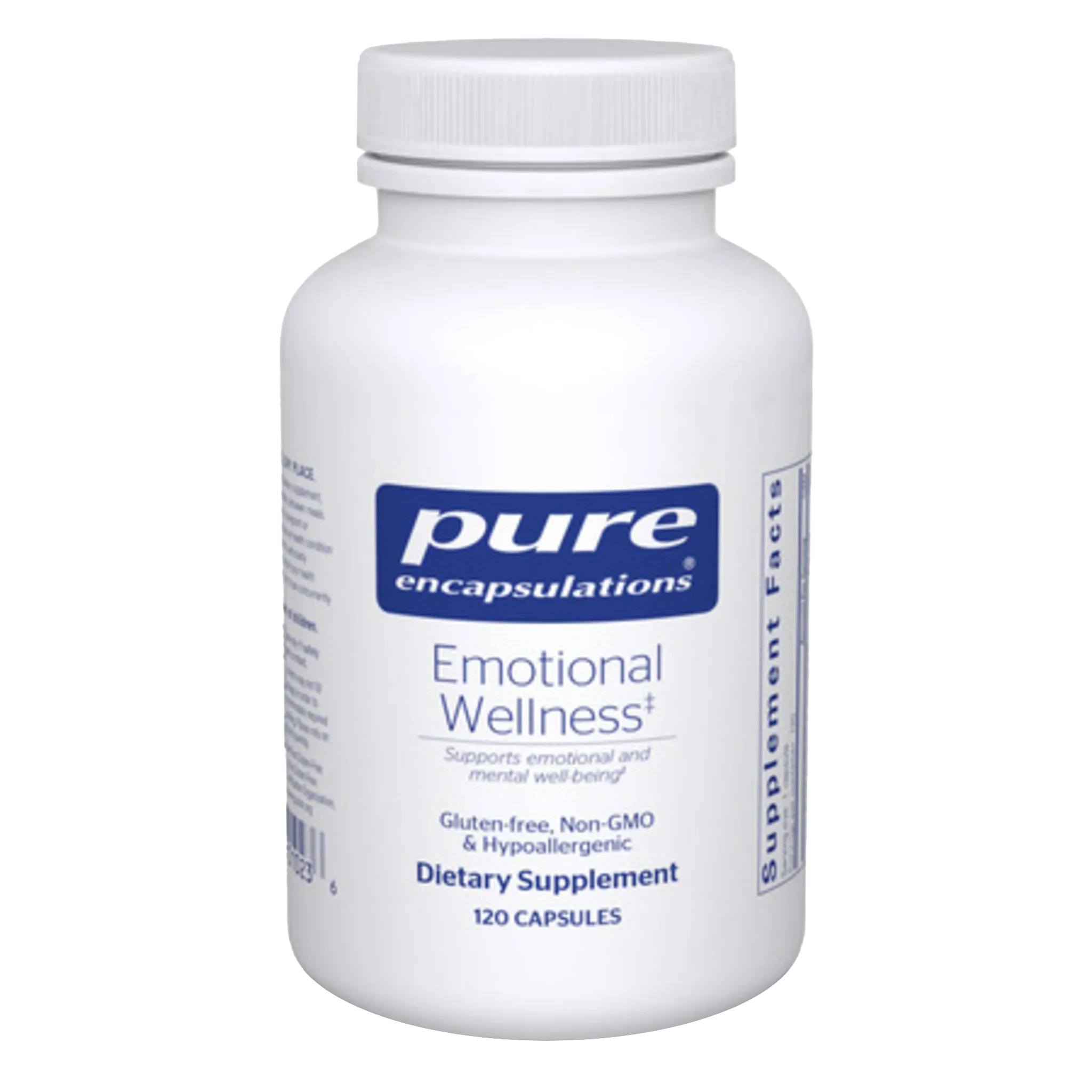
However, emerging research is painting a clearer picture of why these symptoms occur. We now understand that post-viral syndromes and chronic inflammation can fundamentally disrupt the body's ability to synthesize and utilize critical neurotransmitters like serotonin, dopamine, and GABA. When these delicate chemical messengers are depleted or blocked, the nervous system loses its ability to regulate mood, focus, and the sleep-wake cycle. The Emotional Wellness supplement by Pure Encapsulations is formulated to address these specific pathways, providing the raw amino acid precursors and adaptogenic botanical support needed to help restore neurotransmitter balance and promote cognitive resilience under stress.
TL;DR
Chronic conditions can disrupt neurotransmitters, leading to brain fog, fatigue, and mood changes.
Emotional Wellness provides amino acids like 5-HTP and L-tyrosine to support serotonin and dopamine.
Ingredients like GABA, L-theanine, and adaptogens help calm the nervous system and manage stress.
Targeted nutritional support may help improve cognitive clarity, sleep quality, and emotional resilience.
What is Emotional Wellness?
The Building Blocks of Mood and Cognition
To understand how the Emotional Wellness supplement functions, we must first look at how a healthy nervous system produces and utilizes neurotransmitters. Neurotransmitters are the chemical messengers that allow neurons (brain cells) to communicate with one another and with the rest of the body. They govern everything from our heart rate and digestion to our ability to concentrate, feel joy, and fall asleep. Two of the most critical neurotransmitters for maintaining a healthy emotional outlook and sharp cognitive function are serotonin and dopamine. However, the body cannot simply create these chemicals out of thin air; it requires specific dietary amino acids to serve as building blocks.
This is where the key ingredients 5-hydroxytryptophan (5-HTP) and L-tyrosine come into play. In a healthy physiological state, the body absorbs the amino acid L-tryptophan from protein-rich foods and converts it into 5-HTP. This 5-HTP easily crosses the blood-brain barrier, where it is synthesized directly into serotonin. Serotonin is often dubbed the "feel-good" neurotransmitter, but its role extends far beyond mood; it is essential for regulating the sleep-wake cycle (as a precursor to melatonin), modulating pain perception, and stimulating the vagus nerve to facilitate gut-brain communication. Similarly, L-tyrosine is a non-essential amino acid that serves as the direct precursor to the catecholamine neurotransmitters: dopamine, norepinephrine, and epinephrine. Dopamine is heavily involved in the brain's reward center, motivation, and executive function, while norepinephrine helps sustain focus and alertness during periods of stress.
The Calming Influence of GABA and L-Theanine
While serotonin and dopamine are largely excitatory or modulating, the brain also requires a robust inhibitory system to prevent overstimulation and hyperarousal. GABA (gamma-aminobutyric acid) is the central nervous system's primary inhibitory neurotransmitter. Its job is to bind to specific receptors and decrease neuronal excitability, effectively putting the "brakes" on a racing mind and a stressed nervous system. A healthy level of GABA is strongly associated with a positive mood, physical relaxation, and the ability to transition smoothly into restorative sleep.
Working in tandem with GABA is L-theanine, a unique non-protein amino acid found naturally in green tea leaves. L-theanine has a fascinating molecular structure that closely resembles glutamate, the brain's primary excitatory neurotransmitter. Because of this structural similarity, L-theanine can bind to glutamate receptors and block them, preventing excessive excitatory signaling. Simultaneously, L-theanine stimulates the endogenous production of GABA. Together, these actions promote a state of "relaxed alertness," characterized neurologically by the generation of alpha brain waves (8–13 Hz). Alpha waves are the electrical signature of a calm, focused mind, often observed during deep meditation.
Adaptogens and Essential Cofactors
Beyond amino acids, the body relies on specific botanical compounds and vitamins to maintain neurological homeostasis. Rhodiola rosea is a well-documented adaptogenic herb known for its ability to regulate the hypothalamic-pituitary-adrenal (HPA) axis, helping the body adapt to and resist physical and emotional stress. It supports mitochondrial adenosine triphosphate (ATP) synthesis, protecting cellular energy reserves during periods of exhaustion. Complementing this is passionflower (Passiflora incarnata), a botanical extract rich in flavonoids that naturally bind to GABA receptors, providing gentle, non-sedating relaxation support.
Finally, none of these biochemical conversions can occur without the presence of enzymatic cofactors. Vitamin B6, specifically in its activated form as pyridoxal 5' phosphate (P5P), is the crucial catalyst required by the enzymes that convert 5-HTP into serotonin and L-tyrosine into dopamine. Without adequate P5P, these amino acid precursors would simply build up in the bloodstream, unable to cross the final metabolic hurdle into active neurotransmitters. By providing these precursors, adaptogens, and cofactors together, the Emotional Wellness formula offers comprehensive support for the nervous system.
How Long COVID and ME/CFS Impact Neurotransmitter Pathways
The Viral Hijacking of Serotonin
In patients with Long COVID, ME/CFS, and related chronic illnesses, the elegant neurotransmitter pathways described above are often severely disrupted. Recent scientific breakthroughs have revealed that these conditions are not merely characterized by "fatigue," but by profound metabolic and neurochemical blockades. A landmark 2023 multi-laboratory study from the University of Pennsylvania published in the journal Cell discovered that serotonin depletion is one of the most significant and consistent metabolic markers in patients with Long COVID. Researchers found that lingering viral reservoirs in the gut trigger chronic inflammation, which downregulates the specific receptors needed to absorb dietary L-tryptophan. Without this initial building block, the entire serotonin synthesis pathway is starved from the start.
Furthermore, the systemic inflammation associated with Long COVID and mast cell activation syndrome (MCAS) causes hyperactivation of blood platelets. Because up to 90% of the body's serotonin is stored in these platelets, the micro-clotting and platelet dysfunction seen in post-viral syndromes rapidly depletes the body's circulating serotonin reserves. This drop in peripheral serotonin severely impairs signaling up the vagus nerve to the brain's hippocampus, directly driving the memory loss, cognitive impairment, and mental health challenges so frequently reported by patients.
Neuroinflammation and the Kynurenine Steal
Even if a patient manages to absorb some L-tryptophan from their diet, chronic inflammation creates a secondary, more insidious blockade known as the "kynurenine steal." During chronic infections or ME/CFS, the immune system releases massive amounts of pro-inflammatory cytokines, such as interferons. These cytokines robustly activate an enzyme called indoleamine 2,3-dioxygenase (IDO). The IDO enzyme effectively hijacks L-tryptophan, forcing it to convert into a compound called kynurenine rather than serotonin.
This diversion is doubly harmful. First, it further starves the brain of mood-stabilizing serotonin. Second, high levels of kynurenine easily cross the blood-brain barrier and break down into quinolinic acid. Quinolinic acid is a highly neurotoxic compound that binds to NMDA receptors in the brain, driving severe oxidative stress, excitotoxicity, and profound neuroimmune pathophysiology. The brain is essentially bathed in neurotoxic chemicals while being deprived of its primary calming neurotransmitters, resulting in the classic "brain fog," sensory overload, and neurological crashes that define these conditions.
Chronic Stress and Dopamine Depletion
The impact of chronic illness is not limited to serotonin; it also heavily taxes the dopamine and norepinephrine systems. Living with an unpredictable, debilitating illness places the body in a state of chronic physiological and psychological stress. This constant "fight or flight" sympathetic nervous system activation accelerates the turnover rate of catecholamine neurotransmitters. The brain burns through its dopamine and norepinephrine reserves faster than it can synthesize them.
When dopamine and norepinephrine levels drop below a critical threshold, executive function, working memory, and sustained attention rapidly decline. Patients often experience this as an inability to find the right words, difficulty concentrating on simple tasks, or a profound lack of motivation and mental energy. This stress-induced depletion creates a vicious cycle: the physical symptoms of the illness cause stress, which depletes neurotransmitters, which in turn worsens the cognitive and emotional symptoms of the illness. Understanding this dysautonomia-driven cycle is crucial for recognizing why targeted nutritional support is often necessary to break the loop.
Emotional Wellness: Supporting Mood and Cognitive Function
Bypassing the Serotonin Blockade with 5-HTP
The Emotional Wellness supplement is strategically designed to bypass the metabolic roadblocks created by chronic inflammation. Because the IDO enzyme hijacks L-tryptophan and shunts it into the neurotoxic kynurenine pathway, simply eating more turkey or taking standard L-tryptophan supplements is often ineffective—and potentially counterproductive—for patients with Long COVID or ME/CFS. However, supplementing directly with 5-HTP offers a powerful pharmacological bypass. 5-HTP is already one step past L-tryptophan in the metabolic chain, meaning it cannot be hijacked by the IDO enzyme. It is immune to the "kynurenine steal."
Furthermore, 5-HTP is absorbed through a different mechanism in the gastrointestinal tract, successfully bypassing the viral-induced malabsorption issues seen in post-viral guts. Once absorbed, it easily crosses the blood-brain barrier, where it is directly synthesized into serotonin with the help of the activated Vitamin B6 (P5P) included in the formula. By restoring serotonin levels via this "backdoor" mechanism, 5-HTP helps re-engage the vagus nerve, combat neuroinflammation, and support a healthy emotional outlook without fueling the production of neurotoxic quinolinic acid.
L-Tyrosine: A Buffer for Cognitive Function Under Stress
To address the accelerated turnover of dopamine and norepinephrine, Emotional Wellness includes 100 mg of free-form L-tyrosine. Under resting conditions, adding L-tyrosine does not significantly alter brain function. However, during periods of acute physical or mental stress—such as a symptom flare, a stressful medical appointment, or the daily cognitive load of managing a chronic illness—L-tyrosine acts as a crucial "safety buffer." It supplies the brain with the raw, free-form amino acid materials needed to maintain dopamine synthesis under pressure.
By preventing the stress-induced depletion of these catecholamines, L-tyrosine helps preserve executive function, working memory, and decision-making capabilities. It effectively raises the threshold at which stress begins to impair cognitive performance, helping patients maintain mental clarity and focus even when their nervous system is under significant strain. This targeted support is essential for lifting the heavy, oppressive brain fog that so often accompanies autonomic dysfunction and chronic fatigue.
Generating Alpha Waves with GABA and L-Theanine
To counteract the hyperarousal and anxiety often driven by neuroinflammation, the combination of GABA (200 mg) and L-theanine (100 mg) works synergistically to calm the central nervous system. L-theanine efficiently crosses the blood-brain barrier and acts as an antagonist to excitatory glutamate receptors, dampening the overactive neuronal firing associated with sensory overload and rumination. Simultaneously, it stimulates the production of endogenous GABA, which acts as the brain's primary inhibitory brake.
This dual action—decreasing excitatory glutamate while increasing inhibitory GABA—profoundly calms the nervous system without acting as a sedative. The ultimate neurological marker of this mechanism is the rapid generation of alpha brain waves (8–13 Hz). Research indicates that L-theanine can significantly increase alpha brain wave activity, creating a state of "wakeful relaxation." This allows patients to experience physical and mental calmness while maintaining sharp cognitive focus, a vital balance for those navigating the daily challenges of chronic illness.
Rhodiola and Passionflower: Adaptogenic and Calming Support
The inclusion of Rhodiola rosea extract provides robust adaptogenic support to combat prolonged fatigue. Rhodiola modulates the HPA axis, helping to balance cortisol levels and prevent the profound adrenal depletion that often follows post-exertional malaise (PEM). At a cellular level, Rhodiola activates mitochondrial ATP synthesis, protecting the primary energy carriers in skeletal muscles and the brain from exhaustion. This helps raise the baseline of physical and mental endurance.
Complementing this is passionflower extract, which provides targeted support for anxiety and sleep architecture. The flavonoids in passionflower naturally bind to GABA(A) and GABA(B) receptors, and research shows it inhibits the synaptic uptake of GABA and concentration-dependently binds to GABA receptors. By preventing the rapid reuptake of this calming neurotransmitter, passionflower allows GABA to linger longer in the synaptic cleft, prolonging its anxiety-reducing and sleep-inducing effects. Together, these botanicals provide a comprehensive safety net for an overtaxed nervous system.

Symptoms Emotional Wellness May Help Manage
While Emotional Wellness is not a cure for Long COVID, ME/CFS, or dysautonomia, its targeted support of neurotransmitter pathways may help manage several debilitating symptoms associated with these conditions:
Brain Fog and Cognitive Dysfunction: By supplying L-tyrosine to buffer dopamine depletion and 5-HTP to bypass the kynurenine steal, this formula supports working memory, executive function, and mental clarity during periods of stress.
Unrefreshing Sleep and Insomnia: The synergistic combination of GABA, L-theanine, and passionflower helps calm an overactive nervous system, promoting the alpha brain waves necessary to transition into restorative, slow-wave sleep.
Stress-Induced Fatigue and Crashes: Rhodiola rosea acts as an adaptogen to modulate the HPA axis and support mitochondrial ATP production, helping to raise the threshold for physical and mental exhaustion.
Anxiety and Nervous System Hyperarousal: By blocking excitatory glutamate receptors and enhancing inhibitory GABAergic signaling, L-theanine and passionflower help reduce the "wired and tired" sensation common in dysautonomia.
Low Mood and Emotional Dysregulation: 5-HTP provides the direct precursor needed to synthesize serotonin, the primary neurotransmitter responsible for maintaining a positive, stable emotional outlook and supporting vagal nerve tone.
Practical Considerations: Forms, Dosing, and Absorption
Optimizing Amino Acid Absorption
To maximize the efficacy of the Emotional Wellness supplement, understanding how to properly absorb its key ingredients is crucial. The formula relies heavily on the amino acids 5-HTP and L-tyrosine. Amino acids compete with one another for transport across the intestinal wall and the blood-brain barrier. If you take this supplement alongside a heavy, protein-rich meal, the 5-HTP and L-tyrosine will have to compete with a influx of other dietary amino acids, significantly reducing their absorption and neurological impact.
For this reason, the suggested use is to take 1 capsule, 1-3 times daily, between meals (ideally 30 to 45 minutes before eating or 2 hours after). Taking the supplement on an empty stomach ensures that the free-form amino acids have a clear, uninhibited path into the bloodstream and across the blood-brain barrier. The inclusion of free-form L-tyrosine in this specific formulation further enhances its bioavailability, as it does not require complex digestive enzymes to break it down before absorption.
The Importance of Activated Vitamin B6 (P5P)
A standout feature of this formula is the inclusion of Vitamin B6 in its activated form: pyridoxal 5' phosphate (P5P). Many standard, lower-quality supplements use pyridoxine hydrochloride, an inactive form of B6 that the liver must first convert into P5P before the body can use it. In patients with chronic illness, liver function, genetic methylation pathways (like MTHFR mutations), and overall metabolic efficiency are often compromised, meaning this conversion process may be severely impaired.
By providing 6.7 mg of B6 directly as P5P, Emotional Wellness bypasses the need for hepatic conversion. This ensures that the crucial enzymatic cofactor is immediately available to the aromatic L-amino acid decarboxylase (AADC) enzyme, which is responsible for the final conversion of 5-HTP into serotonin and L-DOPA into dopamine. This thoughtful formulation detail significantly increases the clinical efficacy of the entire supplement.
Safety, Timing, and Potential Interactions
While the ingredients in Emotional Wellness are generally well-tolerated, they exert powerful effects on the central nervous system and must be used with care. Because 5-HTP directly increases serotonin levels, this supplement must not be used concurrently with prescription antidepressants, particularly Selective Serotonin Reuptake Inhibitors (SSRIs) or Monoamine Oxidase Inhibitors (MAOIs). Combining these can lead to a dangerous, potentially life-threatening condition called serotonin syndrome, characterized by agitation, rapid heart rate, and high blood pressure.
Additionally, because passionflower and GABA enhance the brain's inhibitory pathways, they can amplify the effects of central nervous system depressants, including benzodiazepines and prescription sleep aids. Patients should consult their healthcare provider before combining these therapies. The supplement is also contraindicated for pregnant or lactating women. Regarding timing, while L-theanine and GABA promote relaxation, L-tyrosine and Rhodiola can be mildly stimulating for some individuals. Therefore, it is often best to take the doses in the morning and early afternoon to prevent potential sleep disturbances, unless directed otherwise by a practitioner.

Follow the Science
Groundbreaking Discoveries in Post-Viral Serotonin
The scientific understanding of post-viral neurological symptoms has advanced rapidly in recent years. A pivotal 2023 study published in Cell by Wong et al. provided a groundbreaking mechanistic explanation for Long COVID brain fog. By analyzing the blood metabolomics of over 1,500 patients, researchers identified severe serotonin depletion driven by viral RNA in the gut, tryptophan malabsorption, and hyperactivated platelets. Crucially, the researchers demonstrated in animal models that supplementing with 5-HTP successfully bypassed these inflammatory roadblocks, restored peripheral serotonin, re-engaged the vagus nerve, and effectively reversed memory problems and cognitive impairment. This study provides a robust, evidence-based foundation for utilizing 5-HTP in post-viral recovery protocols.
Clinical Trials on Cognitive Function and Stress
The cognitive benefits of L-tyrosine under stress are among the most well-documented in nutritional neuroscience. A 2024 clinical trial (NCT05592561) evaluated L-tyrosine's effect on 80 participants undergoing a highly stressful virtual reality active shooter training drill. The study found that while physiological stress markers rose across all groups, the group supplemented with L-tyrosine had significantly fewer missed responses on cognitive executive function tests compared to the placebo group. This aligns with decades of military research demonstrating that L-tyrosine preserves working memory and decision-making during extreme physical and mental stress by buffering the rapid depletion of dopamine and norepinephrine.
Evidence for Adaptogens in Chronic Fatigue
Rhodiola rosea has also been the subject of rigorous clinical evaluation for post-viral and chronic fatigue. The Chisan®/ADAPT-232 Trial, a landmark randomized, quadruple-blind, placebo-controlled study, tested an adaptogenic formula containing Rhodiola on patients suffering from Long COVID. The trial found that patients in the treatment group experienced significantly greater relief from fatigue and chronic pain by days 9 and 11 compared to the placebo group, alongside increased daily physical activity. Furthermore, a 2017 review highlighted the pharmacological properties of other medicinal plants like Schisandra chinensis, which are also studied for their bioactive components.
Finally, the calming effects of L-theanine and passionflower are supported by robust EEG and polysomnography data. A study published in Biological Psychology demonstrated that 50 mg of L-theanine significantly increased alpha brain wave activity in resting participants. Similarly, a 2020 systematic review evaluated the use of Passiflora incarnata in neuropsychiatric disorders, highlighting its role in herbal medicine for treating anxiety and insomnia.
The Path Forward
Restoring Balance in a Complex Illness
Navigating the daily realities of Long COVID, ME/CFS, and dysautonomia is an exhausting endeavor. The profound cognitive dysfunction, unpredictable mood shifts, and deep physical fatigue are not character flaws or signs of "not trying hard enough"; they are the direct result of complex, virally driven neurochemical disruptions. Validating these physiological realities is the first step toward effective management. By understanding how chronic inflammation hijacks serotonin pathways and how chronic stress depletes dopamine, we can begin to implement targeted, science-backed interventions to restore balance.
While supplements like Emotional Wellness offer powerful, mechanistic support for neurotransmitter synthesis and nervous system regulation, they are most effective when utilized as part of a comprehensive, holistic management strategy. Aggressive pacing to prevent post-exertional malaise (PEM), meticulous symptom tracking, nervous system regulation techniques, and ongoing medical care are all essential pillars of recovery. Healing from complex chronic illness is rarely linear, but by providing the brain and body with the precise biochemical tools they need to function under stress, we can slowly rebuild resilience and improve daily quality of life.
Your Next Steps
If you are struggling with brain fog, unrefreshing sleep, or the heavy emotional toll of chronic illness, targeted amino acid and adaptogenic support may be a valuable addition to your protocol. Always remember to consult with your healthcare provider before introducing new supplements, especially if you are currently taking prescription medications like SSRIs or sleep aids.