Can DIM Detox Support Liver Function and Hormone Balance in Long COVID and ME/CFS?
March 5, 2026
DIM DetoxLiver DetoxificationLong COVID
Share:
Disclaimer: The information provided here is for educational purposes only and is not intended as medical advice. It should not be used to diagnose, treat, cure, or prevent any medical condition. Instead, use it as a starting point for discussion with your healthcare provider. Always consult with a qualified healthcare provider before starting any new medication, supplement, device, or making changes to your health regimen.
Living with a complex chronic illness often feels like your body’s internal filtration system has gone offline. For individuals battling Long COVID, myalgic encephalomyelitis/chronic fatigue syndrome (ME/CFS), mast cell activation syndrome (MCAS), and dysautonomia, the daily reality involves navigating a maze of debilitating symptoms: profound fatigue, relentless brain fog, chemical sensitivities, and unpredictable hormonal fluctuations. When the body is subjected to persistent viral persistence, chronic inflammation, or severe oxidative stress, the liver—the body's primary detoxification engine—can become overwhelmed. This metabolic bottleneck allows cellular waste, environmental toxins, and excess hormones to recirculate, triggering a vicious cycle of systemic inflammation and energy depletion.
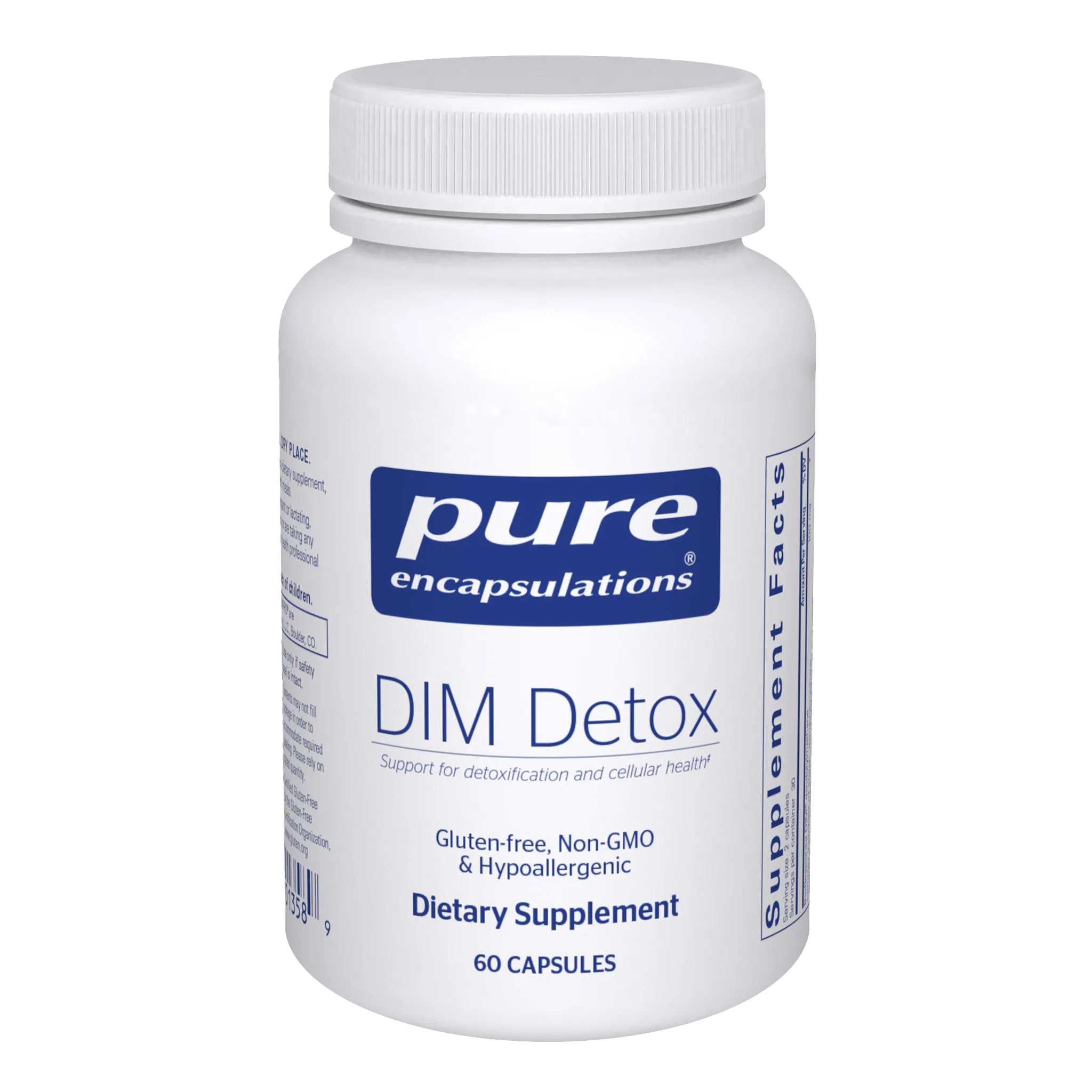
In the search for targeted nutritional support, comprehensive formulas like DIM Detox have emerged as powerful tools in functional medicine. Designed to support the liver's intricate Phase II detoxification pathways, DIM Detox combines highly bioavailable diindolylmethane (DIM), calcium-D-glucarate, broccoli sprout concentrate, milk thistle, and a suite of potent amino acids and antioxidants. But how exactly do these compounds work at a cellular level? Can optimizing liver function and hormone metabolism alleviate some of the heavy biological burdens carried by patients with post-viral syndromes? In this comprehensive guide, we will explore the deep biochemistry of DIM Detox, unravel its mechanisms of action, and examine the clinical science behind its key ingredients.
TL;DR
DIM Detox supports liver Phase II detoxification, helping clear metabolic waste and environmental toxins.
Ingredients like DIM and calcium-D-glucarate promote healthy estrogen metabolism, potentially easing MCAS and PMS symptoms.
Sulforaphane and antioxidants may help combat the severe oxidative stress seen in Long COVID and ME/CFS.
Always consult your healthcare provider before starting, as DIM Detox can interact with various medications.
What is DIM Detox?
To understand the purpose of a comprehensive detoxification supplement, we must first look at how a healthy liver processes and eliminates toxins. The liver is a master chemist, tasked with neutralizing everything from metabolic byproducts and excess steroid hormones to pharmaceutical drugs and environmental pollutants. This monumental task is accomplished through two highly coordinated biochemical phases: Phase I and Phase II detoxification. When these phases are functioning optimally, toxins are seamlessly converted into harmless waste and excreted from the body. However, if these phases become unbalanced, the resulting toxicity can drive severe systemic illness.
Phase I detoxification is the liver's first line of defense. During this phase, a family of enzymes known as the cytochrome P450 (CYP450) system acts on fat-soluble toxins. These enzymes use oxygen to modify the chemical structure of the toxin, typically by adding a reactive group (like a hydroxyl radical) to make the molecule more water-soluble. While this step is essential, it comes with a significant biological cost. The intermediate metabolites created during Phase I are often highly unstable and far more toxic—and generate far more oxidative stress—than the original substance. If the liver does not immediately process these reactive intermediates, they can cause severe damage to cellular DNA, proteins, and mitochondrial membranes.
This is where Phase II detoxification becomes critical. Phase II is the conjugation phase. In this step, the liver attaches (conjugates) a protective, water-soluble molecule—such as glutathione, a sulfate group, an amino acid, or glucuronic acid—to the highly reactive Phase I intermediate. This conjugation neutralizes the toxin's dangerous reactivity and makes it highly water-soluble, allowing the body to safely flush it out through bile (via the gastrointestinal tract) or urine (via the kidneys). A healthy body requires a robust supply of specific nutrients and amino acids to fuel these Phase II conjugation pathways.
DIM Detox is formulated specifically to upregulate and supply the necessary building blocks for these Phase II pathways, ensuring that reactive intermediates are swiftly neutralized. The formula is anchored by diindolylmethane (DIM), a bioactive phytonutrient and primary in vivo metabolite of indole-3-carbinol, which is naturally found in cruciferous vegetables like broccoli and Brussels sprouts. DIM is widely recognized in clinical nutrition for its ability to modulate hormone balance, specifically by altering how the liver metabolizes estrogen during detoxification.
Alongside DIM, the formula includes calcium-D-glucarate (CDG), the calcium salt of D-glucaric acid. CDG plays a highly specific role in the glucuronidation pathway, one of the most critical Phase II detoxification routes responsible for clearing steroid hormones and chemical carcinogens. To further support cellular defense, the supplement provides broccoli sprout concentrate, standardized to contain a minimum of 400 mcg of sulforaphane. Sulforaphane is a potent activator of the body's internal antioxidant defense systems, working at the genetic level to protect cells from oxidative damage.
Finally, the formula is rounded out by a robust complex of liver-protective botanicals and amino acids. Silymarin, the active flavonolignan complex extracted from milk thistle, provides profound antioxidant support and physical protection for liver cell membranes. Alpha-lipoic acid (ALA) and N-acetyl-l-cysteine (NAC) serve as direct precursors and recyclers for glutathione, the body's master antioxidant. Amino acids like l-methionine, glycine, and taurine supply the raw materials required for amino acid conjugation and sulfation, ensuring that the liver has the fuel it needs to maintain healthy cell metabolism and clear toxic burdens.
How Long COVID and ME/CFS Impact Liver Detoxification and Oxidative Stress
For patients living with complex chronic conditions, the liver's delicate balance between Phase I and Phase II detoxification is often severely disrupted. In conditions like Long COVID and ME/CFS, the body is locked in a state of persistent immune activation and chronic inflammation. This systemic distress generates massive amounts of highly reactive oxygen species (ROS), or free radicals. To manage this oxidative stress, the body's antioxidant systems can become severely dysregulated.
A dangerous bottleneck occurs in the liver when Phase I detoxification continues to churn out highly toxic, reactive intermediates, but dysregulated Phase II pathways cannot conjugate and clear them fast enough. This results in a buildup of toxic metabolites that circulate through the bloodstream, crossing the blood-brain barrier and infiltrating tissues. Recent research highlights that both Long COVID and ME/CFS are characterized by elevated oxidative stress, showing aberrations in ROS clearance pathways including elevated glutathione levels and decreases in mitochondrial superoxide dismutase, driving profound, debilitating fatigue.
The pathophysiology of post-viral syndromes involves more than just passive antioxidant depletion; it involves active viral suppression of the body's defense mechanisms. The Nuclear factor erythroid 2-related factor 2 (Nrf2) pathway is the body's "master regulator" of cellular defense. When activated, Nrf2 enters the cell nucleus and upregulates over 200 protective genes, including powerful antioxidant enzymes like superoxide dismutase (SOD) and catalase. This pathway is essential for surviving cellular stress and clearing inflammation.
However, studies have shown that the SARS-CoV-2 virus actively suppresses the Keap1-Nrf2 pathway to evade the immune response and facilitate its own replication. By turning off the Nrf2 switch, the virus creates a massive redox imbalance and a lingering "cytokine storm." This unchecked inflammation damages the endothelial lining of blood vessels, leading to the formation of micro-clots—a hallmark of Long COVID that starves tissues of oxygen and nutrients. Understanding what causes Long COVID requires looking closely at how this viral hijacking leaves the body defenseless against its own inflammatory response.
The liver's inability to keep up with Phase II detoxification also has profound implications for hormone balance. Estrogen is metabolized and cleared through the liver's glucuronidation pathway. When the liver is overwhelmed by oxidative stress, viral debris, and environmental toxins, estrogen clearance slows down. Furthermore, chronic gut dysbiosis—common in ME/CFS and Long COVID—can lead to an overgrowth of bacteria that produce an enzyme called beta-glucuronidase. This enzyme breaks the bond between estrogen and its Phase II conjugate in the intestines, allowing the estrogen to be reabsorbed into the bloodstream.
This enterohepatic recirculation leads to a state of "estrogen dominance," characterized by heavy periods, severe premenstrual syndrome (PMS), fibrocystic breasts, and exacerbated mast cell activation. Estrogen is known to stimulate mast cells to release histamine, which in turn stimulates the ovaries to produce more estrogen. For patients with MCAS and dysautonomia, this creates a relentless feedback loop of allergic-type reactions, tachycardia, and systemic inflammation. Restoring the liver's ability to properly metabolize and excrete estrogen is a critical step in breaking this cycle and stabilizing the autonomic nervous system.
DIM Detox: Supporting Phase II Clearance and Hormone Balance
DIM Detox provides a multi-targeted approach to restoring these disrupted pathways, beginning with hormone metabolism. Diindolylmethane (DIM) does not produce or destroy estrogen; rather, it acts as a powerful modulator of the cytochrome P450 enzymes during Phase I detoxification. Specifically, DIM strongly induces the CYP1A1 and CYP1A2 enzymes. These enzymes catalyze the conversion of estrogen into 2-hydroxyestrone (2-OHE1), a "protective" or beneficial estrogen metabolite that binds loosely to receptors and possesses its own antioxidant properties.
Simultaneously, DIM reduces the formation of 16-alpha-hydroxyestrone (16α-OHE1), a highly potent, proliferative metabolite associated with estrogen dominance, cellular proliferation, and increased risk of hormone-sensitive cancers. By significantly increasing the 2-OHE1 to 16α-OHE1 ratio, DIM helps the body shift away from inflammatory, mast-cell-triggering estrogen profiles toward a balanced, protective state. Furthermore, DIM acts as a ligand for the Aryl Hydrocarbon Receptor (AhR), initiating an inhibitory crosstalk that suppresses excessive estrogen signaling at the cellular level.
While DIM optimizes how estrogen is broken down in Phase I, calcium-D-glucarate (CDG) ensures that these metabolites are successfully permanently excreted during Phase II. When ingested, CDG is metabolized in the stomach into D-glucaric acid, which further breaks down into a pharmacologically active compound called D-glucaro-1,4-lactone. This active lactone is a powerful, direct inhibitor of the beta-glucuronidase enzyme found in the gut.
By neutralizing beta-glucuronidase, CDG acts like a chemical padlock. It ensures that the bonds formed during the liver's Phase II glucuronidation process remain intact. Toxins, chemical carcinogens, and metabolized estrogens stay tightly bound to their water-soluble conjugates and are successfully eliminated in the stool, completely preventing the harmful enterohepatic recirculation that drives estrogen dominance and systemic toxicity. Clinical data shows that CDG supplementation significantly increases the urinary excretion of D-glucaric acid, confirming highly active Phase II clearance.
To combat the severe oxidative stress and viral suppression seen in post-viral syndromes, DIM Detox includes broccoli sprout concentrate standardized for sulforaphane. Sulforaphane is widely recognized in biomedical research as the most potent naturally occurring activator of the Nrf2 pathway. By binding to the Keap1 inhibitor protein, sulforaphane frees Nrf2 to enter the cell nucleus and "flip the switch" on the body's internal antioxidant factories.
This mechanism is profoundly important for patients wondering how long Long COVID lasts. By forcing the body to continuously manufacture its own internal antioxidants (like glutathione and superoxide dismutase), sulforaphane breaks the vicious cycle of mitochondrial damage. Furthermore, sulforaphane directly inhibits the NF-κB inflammatory pathway, suppressing the production of inflammatory cytokines that cause neuroinflammation, brain fog, and sensory overload in ME/CFS patients.
The final therapeutic angle of DIM Detox involves directly resupplying the liver with the raw materials needed for Phase II conjugation. Silymarin, the active complex in milk thistle, acts as a physical shield for liver cells, stabilizing their outer lipid membranes to prevent toxins from entering. More importantly, silymarin significantly boosts the liver's natural production of glutathione and upregulates Phase II enzymes like glutathione S-transferase.
This action is synergistically enhanced by N-acetyl-l-cysteine (NAC) and alpha-lipoic acid (ALA). NAC is a direct precursor to glutathione, providing the crucial cysteine molecule required for its synthesis. ALA, a unique antioxidant that is both fat- and water-soluble, operates efficiently within the mitochondria to neutralize free radicals and recycle other antioxidants, including glutathione and Vitamin C, back into their active forms. Together, these compounds ensure that the liver's detoxification bottleneck is cleared, allowing the body to safely process and eliminate the inflammatory debris driving chronic illness.
Symptoms DIM Detox May Help Manage
Severe Fatigue and Post-Exertional Malaise (PEM): By utilizing alpha-lipoic acid and sulforaphane to reduce mitochondrial oxidative stress, this formula helps protect cellular energy factories, potentially raising the baseline for ATP production and reducing the severity of energy crashes.
Brain Fog and Cognitive Dysfunction: The Nrf2-activating properties of sulforaphane, combined with the glutathione-boosting effects of NAC and ALA, help suppress neuroinflammation and clear the reactive oxygen species that impair neuronal signaling and cognitive clarity.
Estrogen Dominance Symptoms (Severe PMS, Heavy Periods): The synergistic action of DIM (shifting estrogen to the protective 2-OHE1 pathway) and calcium-D-glucarate (preventing estrogen reabsorption in the gut) helps lower systemic estrogen burdens, alleviating hormonal mood swings, breast tenderness, and menstrual irregularities.
Mast Cell Activation and Histamine Intolerance: Because excess estrogen triggers mast cells to release histamine, balancing estrogen metabolism with DIM and CDG can indirectly reduce the frequency and severity of allergic-type reactions and histamine-driven inflammation.
Chemical Sensitivities and Toxin Intolerance: By supplying the liver with silymarin, methionine, glycine, and taurine, the formula upregulates Phase II amino acid conjugation and sulfation pathways, improving the body's ability to efficiently clear environmental pollutants, fragrances, and metabolic waste.
Shortness of Breath and Vascular Inflammation: NAC acts as a powerful mucolytic and has been shown to help dismantle the inflammatory micro-clots (measured via von Willebrand factor) that impede oxygen delivery to tissues in Long COVID patients.
Practical Considerations: Forms, Dosing, and Absorption
When utilizing nutritional supplements for complex chronic illnesses, bioavailability—the amount of a substance that actually enters systemic circulation—is a critical factor. Standard crystalline DIM is notoriously difficult for the body to absorb due to its poor solubility in water and fat. To overcome this, DIM Detox utilizes BioResponse DIM®, a patented, highly absorbable complex. This microencapsulated form combines DIM with starch, d-alpha tocopheryl succinate, phosphatidylcholine, and silica, significantly enhancing gastrointestinal absorption and ensuring therapeutic blood levels are reached.
Similarly, the pharmacokinetics of calcium-D-glucarate require specific consideration. While pure D-glucaro-1,4-lactone only inhibits the beta-glucuronidase enzyme for about one hour, administering it in the form of calcium-D-glucarate yields a slow-release effect in the acidic environment of the stomach. This slow conversion provides up to five hours of continuous enzyme inhibition in the gut, making it highly effective for preventing the reabsorption of toxins and hormones throughout the digestive process.
The suggested use for DIM Detox is two capsules daily with a meal. Taking this supplement with food is highly recommended for several reasons. First, dietary fats stimulate the release of bile from the gallbladder, which aids in the absorption of fat-soluble components like silymarin and the phosphatidylcholine in the BioResponse DIM complex. Second, taking potent antioxidants and sulfur-containing amino acids (like NAC and methionine) on an empty stomach can occasionally cause mild gastrointestinal upset or nausea in sensitive individuals.
Because hormone metabolism and liver detoxification are slow, systemic processes, it typically takes consistent supplementation for at least 8 to 12 weeks to observe significant changes in symptoms related to estrogen dominance or chronic fatigue. Patients utilizing this formula as part of a broader protocol for managing Long COVID should track their symptoms carefully to gauge efficacy over time.
Because DIM Detox is specifically designed to upregulate liver enzymes, it has significant interactions with various pharmaceutical medications. DIM is a strong inducer of cytochrome P450 enzymes (specifically CYP3A4 and CYP1A2). Consequently, it can accelerate the clearance of medications metabolized by these pathways, potentially reducing the clinical efficacy of oral contraceptives, thyroid medications, and certain psychiatric drugs. Women using estrogen patches or hormone replacement therapy (HRT) may experience a reduction in circulating estrogen levels when taking DIM.
Furthermore, calcium-D-glucarate and silymarin actively enhance Phase II glucuronidation. While this is excellent for clearing toxins, it can also increase the elimination rate of prescription drugs that rely on the UDP-glucuronosyltransferase (UGT) pathway, such as certain statins and pain medications. Patients with complex chronic illnesses are often on carefully managed medication regimens; therefore, it is absolutely critical to consult with a prescribing healthcare provider before introducing a potent detoxification support supplement like DIM Detox.
Follow the Science
The scientific literature surrounding the ingredients in DIM Detox provides compelling evidence for their use in managing post-viral syndromes and chronic fatigue. A landmark 2022 preclinical study conducted by Johns Hopkins Medicine published in Communications Biology demonstrated the profound antiviral and anti-inflammatory properties of sulforaphane. Researchers found that exposure to low micromolar concentrations of sulforaphane reduced the replication of SARS-CoV-2 strains by 50%, while animal models showed a 29% decrease in lung injury, highlighting its ability to modulate the Nrf2 pathway and protect tissues from viral-induced oxidative damage.
In the broader landscape of targeted therapies, researchers are exploring novel computational methods to modulate cellular pathways. A study detailed Des3PI, a fragment-based approach to design cyclic peptides targeting protein-protein interactions. Using libraries composed of natural amino acids, these computational models represent emerging ways to design highly specific peptide modulators for complex cellular dysfunctions.
The role of NAC in addressing the vascular complications of Long COVID is also gaining significant clinical traction. A recent retrospective study analyzed Long COVID patients with elevated von Willebrand factor (vWF), a marker of the inflammatory micro-clotting that drives tissue hypoxia. Patients treated with oral NAC (600–1200 mg twice daily) experienced subjective improvements in brain fog and shortness of breath, alongside a complete normalization of their vWF plasma levels, suggesting NAC actively dismantles these microscopic clots. You can learn more about this mechanism in our comprehensive NAC supplement guide.
Beyond viral recovery, the core ingredients of DIM Detox are heavily validated for their impact on hormone metabolism and liver function. A large 2024 retrospective study analyzed urinary hormone data from 1,458 postmenopausal women. The data revealed that women concurrently taking DIM had significantly higher levels of the protective 2-hydroxyestrone metabolite and a substantially higher 2-OHE1 to 16α-OHE1 ratio compared to non-users, confirming DIM's ability to favorably alter estrogen pharmacokinetics.
Furthermore, silymarin's hepatoprotective properties have been rigorously tested in randomized, placebo-controlled trials. A 2018 study published in the Journal of Hepatology evaluated 173 adults with Non-Alcoholic Fatty Liver Disease (NAFLD). Patients taking 140 mg of silymarin three times daily for 24 weeks saw a 34% complete response rate, characterized by fully normalized liver enzymes and a significant drop in liver fat content, demonstrating silymarin's profound ability to regenerate burdened liver tissue and support systemic metabolic health.
The Path Forward
Living with the overlapping complexities of Long COVID, ME/CFS, MCAS, and dysautonomia is an exhausting journey. When your body is constantly fighting viral persistence, battling systemic inflammation, and struggling to clear daily metabolic waste, it is entirely valid to feel overwhelmed. The profound fatigue, brain fog, and hormonal imbalances you experience are not in your head—they are the direct physiological result of cellular energy depletion and an overburdened detoxification system. Understanding the connection between these mechanisms is a crucial step in unraveling how Long COVID can trigger ME/CFS.
While no single supplement can cure complex post-viral syndromes, targeted nutritional interventions like DIM Detox can provide essential support for your body's foundational systems. By supplying the liver with the specific phytonutrients, antioxidants, and amino acids it needs to optimize Phase II detoxification, you can help clear the metabolic bottlenecks that drive systemic inflammation. Supporting healthy estrogen metabolism and activating the Nrf2 pathway are powerful strategies for reducing oxidative stress and giving your cellular energy factories a chance to recover.
However, supplements should always be viewed as one piece of a comprehensive, individualized management strategy. True healing requires a multifaceted approach that includes aggressive pacing to avoid post-exertional malaise, meticulous symptom tracking, nervous system regulation, and ongoing medical supervision. Because DIM Detox actively alters liver enzymes and hormone clearance, it is imperative to discuss this supplement with your healthcare provider to ensure it aligns safely with your current medication regimen and overall treatment goals.
Sources
Oxidative stress is a shared characteristic of ME/CFS and Long COVID - PubMed
Chemopreventive properties of 3,3′-diindolylmethane in breast cancer - PMC
A Functional Medicine Guide to Calcium-D-Glucarate - Rupa Health
Silymarin/Silybin and Chronic Liver Disease: A Marriage of Many Years - PMC
The Impact of DIM on the Estrogen Profile of Postmenopausal Women - DUTCH Test
Silymarin in non-alcoholic fatty liver disease - Journal of Hepatology