Can D-Hist Jr. Support Pediatric Immune Health in Long COVID and MCAS?
March 6, 2026
D-Hist Jr.Pediatric Long COVIDMCAS
Share:
Disclaimer: The information provided here is for educational purposes only and is not intended as medical advice. It should not be used to diagnose, treat, cure, or prevent any medical condition. Instead, use it as a starting point for discussion with your healthcare provider. Always consult with a qualified healthcare provider before starting any new medication, supplement, device, or making changes to your health regimen.
Watching a child struggle with the unpredictable and often invisible symptoms of complex chronic illness is one of the most challenging experiences a parent can face. Months after a seemingly mild viral infection, many children and adolescents are left fighting a bewildering array of symptoms—from sudden, severe allergies and mysterious rashes to debilitating fatigue, racing heartbeats, and persistent brain fog. When standard pediatric blood tests return "normal" and conventional allergy medications only scratch the surface of the problem, families are often left searching for deeper, more comprehensive answers to their child's suffering.
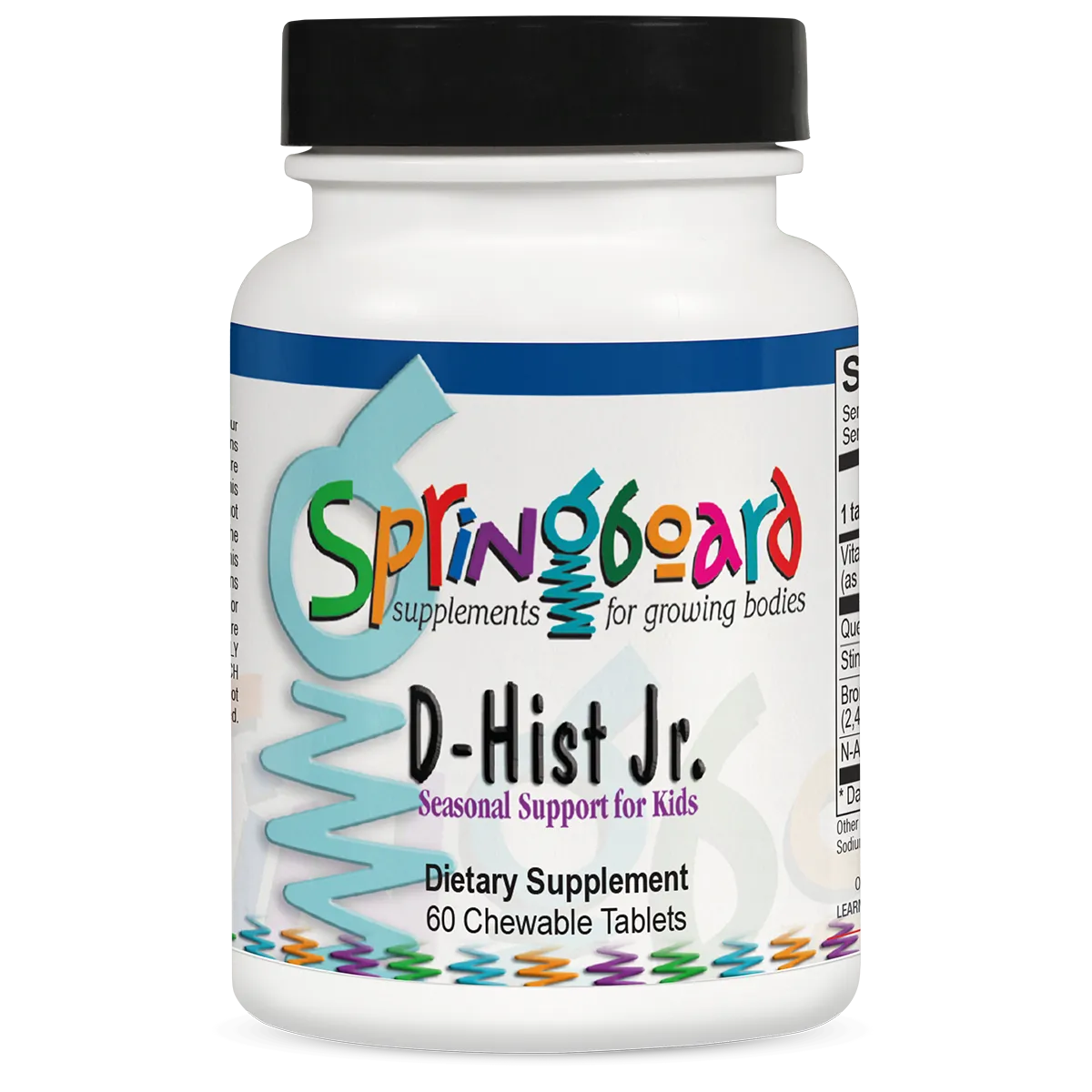
In the landscape of pediatric Long COVID, Mast Cell Activation Syndrome (MCAS), and dysautonomia, we are learning that the immune system doesn't just need to be suppressed; it needs to be stabilized and supported. This is where targeted nutritional interventions come into play. D-Hist Jr. is a specialized, chewable supplement formulated to address the root causes of seasonal immune challenges and histamine overload in children. By combining potent flavonoids, proteolytic enzymes, targeted botanicals, and essential antioxidants, this formulation offers a multi-mechanistic approach to calming hyperactive immune responses. In this comprehensive guide, we will explore the intricate science behind D-Hist Jr., how its ingredients work at the cellular level, and why it may be a valuable tool in managing the complex web of pediatric post-viral syndromes.
TL;DR
D-Hist Jr. is a targeted supplement supporting pediatric immune balance and histamine clearance.
Ingredients like quercetin, stinging nettle, and NAC help stabilize mast cells and thin mucus.
It may help manage symptoms of Long COVID, MCAS, and dysautonomia in children.
Always consult a healthcare provider before starting new supplements for complex chronic conditions.
What is D-Hist Jr.?
A Targeted Blend for Pediatric Immunity
D-Hist Jr., developed by Ortho Molecular Products, is a carefully calibrated nutritional supplement designed specifically for children who experience seasonal immune challenges, environmental sensitivities, and respiratory irritation. Unlike single-ingredient over-the-counter allergy medications that simply block histamine receptors, D-Hist Jr. utilizes a synergistic blend of five key natural compounds: Quercetin, Stinging Nettle Leaf, Bromelain, N-Acetyl-L-Cysteine (NAC), and Vitamin C. Each of these ingredients has been selected for its unique ability to interact with the body's inflammatory pathways, mucosal tissues, and immune cells. In a healthy pediatric body, these compounds mimic and support the natural regulatory mechanisms that keep the immune system balanced and responsive, rather than hyper-reactive.
At its core, this supplement is designed to address the upstream causes of allergic and inflammatory symptoms. Rather than waiting for an allergic cascade to fully deploy, the ingredients in D-Hist Jr. work proactively to stabilize the cell membranes of immune cells, thin out viscous respiratory mucus, and enhance the body's innate enzymatic ability to clear out inflammatory mediators. This multi-targeted approach is especially crucial for children whose immune systems are developing and who may be uniquely vulnerable to the systemic inflammation triggered by environmental allergens or post-viral immune dysregulation.
The Molecular Foundation of Histamine Regulation
To understand how D-Hist Jr. works, we must first look at the molecular biology of histamine. Histamine is a biogenic amine and a vital signaling molecule in the immune system, central nervous system, and gastrointestinal tract. It is primarily stored inside mast cells and basophils—specialized white blood cells that act as the body's first line of defense against pathogens and allergens. When a healthy child encounters a trigger, such as pollen or a virus, their mast cells degranulate, releasing histamine into the surrounding tissues. This histamine binds to specific receptors (like H1 and H2 receptors) to cause vasodilation, allowing other immune cells to quickly travel through the bloodstream to the site of the perceived threat.
However, the body must strictly regulate this process to prevent excessive inflammation. Once histamine has served its purpose, it must be rapidly broken down and cleared from the system. In the extracellular space and the digestive tract, this clearance is primarily handled by the Diamine Oxidase (DAO) enzyme. Inside the cells, it is metabolized by the Histamine N-methyltransferase (HNMT) enzyme. When a child has a healthy, balanced immune system, histamine is released in appropriate amounts and cleared efficiently, resulting in a brief, localized inflammatory response that resolves quickly without causing systemic distress.
The Role of Antioxidants and Enzymes
The natural regulation of immunity also relies heavily on the presence of robust antioxidant and enzymatic systems. Oxidative stress—an imbalance between free radicals and the body's ability to neutralize them—can cause mast cells to become highly unstable and "leaky," releasing histamine even when there is no actual threat present. Antioxidants like Vitamin C and the glutathione precursor NAC play a critical role in neutralizing these free radicals, thereby protecting the structural integrity of mast cell membranes and helping to prevent unwarranted degranulation.
Furthermore, the body utilizes naturally occurring proteolytic (protein-digesting) enzymes to manage the physical byproducts of inflammation. When respiratory tissues become inflamed, the body produces thick, sticky mucus composed of highly cross-linked mucin proteins. Enzymes help to break down these complex protein structures, ensuring that mucus remains thin and fluid enough to be expelled via the natural ciliary escalator of the respiratory tract. By supplying exogenous enzymes like Bromelain and mucolytics like NAC, D-Hist Jr. directly supports these natural physiological clearance mechanisms.
How Long COVID and MCAS Impact the Pediatric Immune System
The Post-Viral Inflammatory Cascade
When a child contracts a virus like SARS-CoV-2, the initial acute infection is only the beginning of the immunological story. In a subset of pediatric patients, the virus triggers a prolonged, systemic inflammatory cascade that persists long after the virus has been cleared, leading to the complex condition known as Long COVID. Research indicates that this post-viral state is characterized by profound immune dysregulation, including T-cell exhaustion, persistent autoantibody production, and chronic endothelial inflammation. If you are wondering What Causes Long COVID?, it is increasingly clear that the virus acts as a catalyst, shifting the developing pediatric immune system into a state of perpetual high alert.
In this hyper-vigilant state, the child's immune system begins to misidentify harmless environmental factors—such as seasonal pollen, temperature changes, or even certain foods—as dangerous pathogens. This leads to a continuous, low-grade inflammatory response that drains the child's cellular energy reserves and disrupts normal physiological development. The mucosal tissues lining the respiratory and gastrointestinal tracts become chronically inflamed, leading to the overproduction of thick, viscous mucus and a breakdown of the protective barriers that normally separate the immune system from the outside world.
Mast Cell Activation Syndrome (MCAS) in Children
One of the most significant consequences of this post-viral immune dysregulation is the development of Mast Cell Activation Syndrome (MCAS). As detailed in recent clinical literature, patients with Long COVID frequently exhibit symptoms that perfectly mirror MCAS, driven by excessive inflammatory cytokine release and mast cell instability. In pediatric MCAS, the child's mast cells become hyper-reactive and begin degranulating inappropriately, flooding the bloodstream with massive amounts of histamine, tryptase, and prostaglandins. This phenomenon is a core component of the Autoimmunity and Immune Dysregulation in Long COVID that we frequently observe in clinical practice.
This constant influx of mediators creates what functional medicine practitioners refer to as a "full histamine bucket." Because the child's DAO and HNMT enzymes are overwhelmed by the sheer volume of histamine being released, the excess histamine circulates systemically. This leads to a wide array of unpredictable symptoms, including sudden-onset food intolerances, unexplained hives, severe gastrointestinal cramping, new asthma-like respiratory issues, and profound neuroinflammation that manifests as severe brain fog and behavioral changes. The child is essentially trapped in a state of chronic allergic reaction, even in the absence of traditional, IgE-mediated allergies.
The Dysautonomia and POTS Connection
The impact of histamine overload extends far beyond traditional allergy symptoms; it profoundly affects the autonomic nervous system. Many children with Long COVID and MCAS also develop dysautonomia, most commonly presenting as Postural Orthostatic Tachycardia Syndrome (POTS). There is a vicious, bidirectional cycle between mast cell activation and autonomic dysfunction. When hyperactive mast cells release large amounts of histamine, it acts as a potent vasodilator, causing the child's blood vessels to widen and their blood pressure to drop significantly.
To compensate for this sudden drop in blood pressure and to ensure adequate blood flow reaches the brain, the autonomic nervous system triggers a massive release of adrenaline (epinephrine). This adrenaline surge forces the heart to beat rapidly, resulting in the severe tachycardia, palpitations, and dizziness that characterize POTS. Conversely, the physical stress of this adrenaline surge and the cardiovascular strain of POTS can trigger further mast cell degranulation, creating a debilitating feedback loop. Breaking this cycle requires interventions that not only support the nervous system but also aggressively target the underlying mast cell instability and histamine overload.
D-Hist Jr.: Supporting Histamine Clearance and Mucosal Health
Quercetin and Stinging Nettle: The Mast Cell Stabilizers
The cornerstone of D-Hist Jr.'s efficacy lies in its ability to stabilize mast cells before they degranulate, a function primarily driven by Quercetin and Stinging Nettle Leaf. Quercetin is a naturally occurring polyphenolic flavonoid that interrupts multiple intracellular signaling pathways required for histamine release. At the molecular level, quercetin blocks the rapid influx of calcium ($Ca^{2+}$) into the mast cell by inhibiting Phospholipase C (PLC) and Protein Kinase C (PKC). Because histamine release is highly dependent on this calcium influx, blocking it effectively halts the degranulation process. Furthermore, quercetin is known for its anti-allergic properties.
Working in tandem with quercetin is Stinging Nettle (Urtica dioica), a botanical extract with a complex profile of phytochemicals that act as multi-target immune modulators. Stinging nettle functions as a natural antagonist at the Histamine-1 (H1) receptor, physically blocking circulating histamine from attaching to target cells in the respiratory tract and skin. Beyond receptor antagonism, nettle extract actively inhibits mast cell tryptase, an enzyme that triggers further inflammation, and acts as a natural inhibitor of Cyclooxygenase-1 (COX-1) and Cyclooxygenase-2 (COX-2) enzymes. By blocking these COX enzymes, nettle prevents the formation of prostaglandins, which are heavily responsible for tissue swelling, pain, and excessive mucus production during an allergic or post-viral flare.
N-Acetyl Cysteine (NAC): The Mucolytic Agent
For children dealing with respiratory irritation and congestion, N-Acetyl-L-Cysteine (NAC) provides critical mechanical relief. Respiratory mucus is composed of high-molecular-weight glycoproteins known as mucins, which are heavily cross-linked together by disulfide bonds (–S–S–). In conditions characterized by chronic inflammation, the body produces excessive, highly viscous mucus that is difficult for a child to clear. NAC contains a free sulfhydryl (thiol) group that acts as a powerful reducing agent. When introduced to the respiratory tract, NAC engages in a sulfhydryl-disulfide exchange reaction, which research on the impacts of N-Acetylcysteine (NAC) on human health notes can help reduce mucus viscosity. This drastically reduces the elasticity of the mucus, turning it into a thinner liquid that can be easily cleared from the airways.
Beyond its direct mucolytic action, NAC is a vital precursor to glutathione, the body's master intracellular antioxidant. By replenishing cellular glutathione levels, NAC actively scavenges reactive oxygen species (ROS) and reduces the severe oxidative stress that drives chronic inflammation in the bronchial tubes and lung tissue. This dual action—mechanically thinning mucus while biochemically reducing the oxidative triggers for mucus hypersecretion—makes NAC an invaluable component for supporting pediatric respiratory health in the aftermath of viral infections.
Vitamin C: Driving the DAO Enzyme
Vitamin C (Ascorbic Acid) is often viewed simply as a general immune booster, but its role in histamine regulation is highly specific and deeply mechanical. Vitamin C acts upstream to reduce the total production of histamine and actively supports the enzymes that clear it from the body. Specifically, Vitamin C is a critical synergistic cofactor for the Diamine Oxidase (DAO) enzyme. When DAO metabolizes histamine in the gut and extracellular space, it naturally generates hydrogen peroxide as a byproduct, which can create a negative feedback loop that slows down further DAO activity. As a potent antioxidant, Vitamin C neutralizes this hydrogen peroxide, preventing the DAO enzyme from slowing down and drastically boosting its histamine-degrading capacity.
Additionally, Vitamin C helps inhibit histidine decarboxylase, the specific enzyme responsible for converting the amino acid histidine into new histamine. By mitigating oxidative stress, Vitamin C also stabilizes mast cell membranes, making them less prone to leakage. If you are exploring how antioxidants support vascular health, you can read more about Can Acerola Vitamin C and Bioflavonoids Support Immune and Vascular Health in Long COVID?. In the context of D-Hist Jr., the inclusion of 75 mg of Vitamin C ensures that the body has the necessary biochemical tools to efficiently process and eliminate the histamine that is already circulating in the child's system.
Bromelain: The Bioavailability Booster
The final piece of the D-Hist Jr. puzzle is Bromelain, a complex of proteolytic enzymes derived from pineapple. While bromelain has its own systemic anti-inflammatory properties—specifically its ability to break down pro-inflammatory proteins like fibrin—its primary role in this formulation is pharmacokinetic. Quercetin, despite its immense therapeutic potential, is highly lipophilic and has notoriously poor water solubility, leading to very low oral bioavailability when taken alone. Bromelain acts as a biochemical delivery booster for quercetin.
Bromelain improves intestinal permeability by breaking down complex protein barriers and mucus layers in the digestive tract, facilitating much easier transcellular uptake of quercetin into the bloodstream. Furthermore, by cleaving dietary and intestinal proteins that might otherwise bind to the quercetin molecules in the gut, bromelain prevents the flavonoid from getting trapped and excreted. This synergistic pairing ensures that the quercetin actually reaches the systemic circulation where it can exert its mast cell-stabilizing effects, making the combination vastly more effective than either compound used in isolation.
Symptoms D-Hist Jr. May Help Manage
Targeting the Histamine and Inflammatory Cascade
Because D-Hist Jr. addresses immune dysregulation at the cellular level—stabilizing mast cells, thinning mucus, and supporting enzymatic clearance—it can help manage a wide array of symptoms associated with pediatric Long COVID, MCAS, and seasonal allergies. By lowering the overall "histamine burden" in the body, this targeted blend provides comprehensive support across multiple organ systems.
Here are the specific symptoms that the ingredients in D-Hist Jr. may help manage in children:
Nasal Congestion and Runny Nose: The mucolytic action of NAC directly cleaves the disulfide bonds in thick respiratory mucus, while bromelain reduces mucosal tissue swelling, allowing for easier breathing and sinus clearance.
Itchy, Watery Eyes and Skin Rashes: Stinging nettle acts as a natural H1 receptor antagonist, blocking histamine from binding to the receptors in the skin and eyes that trigger acute itching, hives, and watering.
Brain Fog and Cognitive Fatigue: By stabilizing mast cells with quercetin and reducing systemic histamine levels, D-Hist Jr. helps lower the neuroinflammation that frequently crosses the blood-brain barrier, alleviating the severe brain fog seen in Long COVID.
Gastrointestinal Discomfort: The combination of Vitamin C (which supports the gut's DAO enzyme) and quercetin helps stabilize mast cells residing in the gastrointestinal lining, reducing the cramping, bloating, and sudden food sensitivities associated with MCAS.
Post-Exertional Malaise (PEM) and Exercise Intolerance: By reducing the overall systemic inflammatory burden and neutralizing oxidative stress via NAC and Vitamin C, the body expends less cellular energy fighting phantom threats, which may help raise the child's baseline tolerance for physical and cognitive exertion.
Tachycardia and POTS Flare-ups: By preventing massive histamine dumps that cause vasodilation and subsequent blood pressure drops, mast cell stabilizers indirectly help prevent the compensatory adrenaline surges that trigger rapid heart rates in pediatric dysautonomia.
Practical Considerations: Forms, Dosing, and Absorption
The Synergy of Bromelain and Quercetin
When considering any nutritional supplement, understanding bioavailability—how much of the active ingredient actually reaches the systemic circulation—is critical. As mentioned earlier, quercetin is a highly potent flavonoid, but its clinical efficacy is often bottlenecked by poor absorption. Studies have shown that without delivery assistance, only a very small fraction (approximately 5.3%) of unchanged quercetin actually reaches the bloodstream after oral ingestion. This is why the formulation of D-Hist Jr. is so intentional; it pairs 100 mg of Quercetin Dihydrate directly with 25 mg of Bromelain (2,400 GDU/g).
This pairing exhibits profound pharmacokinetic synergy. Bromelain actively increases the permeability of the intestinal epithelial cells, allowing the quercetin to bypass typical digestive barriers. Nutritional data suggests that pairing quercetin with a proteolytic enzyme like bromelain can increase the flavonoid's overall bioavailability by 30% to 50%. Once both compounds are absorbed, they exhibit pharmacodynamic synergy: quercetin neutralizes reactive oxygen species and inhibits pro-inflammatory enzymes (COX and LOX) at the cellular level, while bromelain works systemically to clear out the inflammatory proteins left behind.
Pediatric Dosing and the Chewable Format
D-Hist Jr. is specifically formulated with pediatric safety and compliance in mind. The dosages of the active ingredients are carefully calibrated to be safe for children while still providing therapeutic benefits. A single chewable tablet contains 75 mg of Vitamin C, 100 mg of Quercetin, 100 mg of Stinging Nettle Leaf, 25 mg of Bromelain, and 12 mg of NAC. These doses are significantly lower than standard adult formulations, ensuring that the child's developing liver and kidneys are not overburdened by high concentrations of botanical extracts or amino acids.
Furthermore, the chewable format is a crucial practical consideration. Many children, especially those dealing with the sensory sensitivities or gastrointestinal issues common in Long COVID and MCAS, struggle to swallow large capsules or pills. The great-tasting chewable tablet ensures high compliance, allowing parents to easily administer the supplement without adding unnecessary stress to the child's daily routine. For acute seasonal challenges, practitioners may recommend a short-term "loading dose" (e.g., multiple tablets spread throughout the day) before tapering down to a standard maintenance dose of one tablet daily, though this should always be guided by a healthcare professional.
Timing and Potential Interactions
To maximize the systemic anti-inflammatory and mast cell-stabilizing effects of D-Hist Jr., timing of administration is important. It is generally recommended to take this supplement on an empty stomach (at least 30 minutes before or two hours after a meal). If taken with food, the bromelain will act primarily as a digestive aid, spending its enzymatic energy breaking down the proteins in the child's meal rather than surviving the gut to improve quercetin absorption and fight systemic inflammation.
While the ingredients in D-Hist Jr. are generally recognized as safe, there are potential interactions to consider. Bromelain has mild blood-thinning properties, so it should be used with caution in children taking anticoagulant medications or those with bleeding disorders. Additionally, while low-dose oral NAC is very well tolerated, high doses of NAC can occasionally cause mild gastrointestinal upset. Because children with complex chronic conditions often have highly sensitive systems, it is imperative to introduce any new supplement slowly and monitor for any adverse reactions, always under the supervision of a qualified pediatric provider.
Follow the Science
Clinical Evidence for Quercetin and Mast Cells
The scientific foundation for using flavonoids to manage immune dysregulation is robust and continually expanding. A pivotal 2012 study published in PLOS One compared quercetin directly with cromolyn sodium (a standard pharmaceutical mast cell stabilizer) on cultured human mast cells. The researchers found that Quercetin was more effective than cromolyn at inhibiting the release of inflammatory cytokines like IL-8 and TNF from mast cells stimulated by non-immune triggers. This is particularly relevant for Long COVID and MCAS, where mast cells often degranulate in response to stress or temperature rather than traditional IgE allergens.
More recently, studies have elucidated novel mechanisms by which quercetin may interact with immune cells.
Research on Stinging Nettle and Allergic Rhinitis
Stinging nettle (Urtica dioica) has transitioned from a traditional herbal remedy to a clinically validated intervention for allergic rhinitis and histamine-driven inflammation. A classic randomized, double-blind study (Mittman, 1990) evaluating freeze-dried stinging nettle found that 57% of patients rated the extract as effective in relieving their allergy symptoms, with nearly half stating it was equally or more effective than their previous over-the-counter medications.
Modern clinical trials continue to support these early findings. A 2017 randomized, double-blind, placebo-controlled trial published in the Iranian Journal of Pharmaceutical Research observed patients taking stinging nettle extract daily for one month. The clinical lab results showed a statistically significant drop in nasal smear eosinophil counts (the white blood cells that spike during allergic reactions) in the nettle group compared to the placebo group. This provides objective, physiological evidence that nettle actively reduces the cellular drivers of mucosal inflammation.
NAC and Pediatric Respiratory Health
The use of N-Acetyl Cysteine in pediatric respiratory conditions is supported by decades of clinical use and recent comprehensive reviews. A 2021 review evaluating the impacts of NAC on human health discussed its various therapeutic applications. The review suggests that NAC may help support respiratory health by acting as an antioxidant and modulating inflammatory responses.
Furthermore, landmark randomized, double-blind trials have demonstrated that children given oral NAC show significantly superior outcomes in alleviating respiratory symptoms and mucus clearance compared to placebo groups, especially in cases of severe bronchial infections. When combined with mast cell stabilizers, as seen in D-Hist Jr., NAC provides the necessary mechanical clearance to complement the biochemical stabilization of the immune system. For more information on pharmaceutical approaches to these conditions, you can explore our guide on Ketotifen: Unveiling Relief for the Hidden Battles of MCAS, Long COVID, ME/CFS, and Dysautonomia.
The Path Forward
A Comprehensive Approach to Pediatric Care
Navigating a child's journey through Long COVID, MCAS, and dysautonomia is undeniably overwhelming. It requires immense patience, advocacy, and a willingness to look beyond conventional symptom management. Validating your child's experience—acknowledging that their sudden allergies, profound fatigue, and racing heart are real, physiological responses to immune dysregulation—is the first and most crucial step toward healing. While the road to recovery is rarely linear, understanding the cellular mechanisms driving their symptoms empowers you to make informed, targeted decisions about their care.
It is important to remember that D-Hist Jr. is not a standalone cure, but rather a powerful tool within a broader, comprehensive management strategy. True stabilization of the pediatric immune system requires a multi-faceted approach that includes nervous system regulation, strict activity pacing to help avoid post-exertional crashes, adequate hydration and sodium intake for dysautonomia, and potentially a low-histamine diet to reduce the overall inflammatory burden. By addressing the root causes of mast cell instability and mucosal inflammation, targeted supplements can help lower the barrier to recovery, giving your child's body the biochemical support it needs to find its balance again.
Empowering Your Child's Health Journey
If your child is struggling with seasonal immune challenges, histamine intolerance, or the complex overlapping symptoms of post-viral syndromes, D-Hist Jr. may offer the gentle, multi-mechanistic support their developing immune system requires. Always consult with your pediatrician or a functional medicine specialist before introducing new supplements, especially if your child is managing multiple chronic conditions or taking prescription medications. With the right guidance and targeted nutritional support, it is possible to calm the inflammatory storm and help your child reclaim their health and vitality.