Can Cranberry Extract Support Urinary Tract Health in Long COVID and Dysautonomia?
March 6, 2026
Cranberry ExtractLong COVIDDysautonomia
Share:
Disclaimer: The information provided here is for educational purposes only and is not intended as medical advice. It should not be used to diagnose, treat, cure, or prevent any medical condition. Instead, use it as a starting point for discussion with your healthcare provider. Always consult with a qualified healthcare provider before starting any new medication, supplement, device, or making changes to your health regimen.
Months after recovering from the initial SARS-CoV-2 infection, many people still fight debilitating symptoms with what we call Long COVID. While profound fatigue, brain fog, and cardiovascular issues often dominate the clinical conversation, a highly prevalent but frequently misunderstood downstream effect involves severe lower urinary tract symptoms (LUTS). Patients often find themselves trapped in a cycle of recurrent urinary tract infections (UTIs), relentless bladder pain, and unpredictable urinary urgency. But what is it that allows these urological symptoms to persist and worsen in the context of complex chronic illness? The answer lies in the intricate intersection of neuro-immune dysfunction, autonomic nervous system dysregulation, and mast cell hyper-reactivity.
In the wake of the COVID-19 pandemic, researchers and clinicians have increasingly recognized that the persistent neuro-inflammation associated with Long COVID can act as a profound trigger for overlapping conditions, most notably dysautonomia, Postural Orthostatic Tachycardia Syndrome (POTS), and Mast Cell Activation Syndrome (MCAS). This interconnected triad wreaks havoc on the body's mucosal linings and autonomic signaling pathways, effectively turning the bladder into a battleground of inflammation and bacterial susceptibility. For patients desperately searching for validating, science-backed management strategies, understanding how to support the urinary tract ecology without constantly relying on broad-spectrum antibiotics is crucial. This is where the targeted, mechanistic action of concentrated cranberry extract and its bioactive constituents, such as proanthocyanidins and d-mannose, comes into play.
TL;DR
Long COVID, dysautonomia, and MCAS can disrupt autonomic signaling, increasing susceptibility to urinary tract issues.
Cranberry extract and d-mannose may help mechanically inhibit bacteria from adhering to the bladder wall.
Concentrated cranberry supplements support urinary tract ecology without contributing to antibiotic resistance.
Consistent daily use of at least 36 mg of PACs is suggested for optimal urinary support.
What is Cranberry Extract?
Cranberries (Vaccinium macrocarpon) have been utilized for centuries as a traditional botanical remedy for urinary tract health, but modern analytical chemistry has recently illuminated the precise molecular mechanisms behind their efficacy. At the core of cranberry's therapeutic potential is a highly specific class of polyphenolic compounds known as proanthocyanidins (PACs). Polyphenols are naturally occurring micronutrients packed with antioxidant properties, but the PACs found in cranberries are structurally unique. While many fruits and vegetables contain B-type proanthocyanidins, cranberries are exceptionally rich in A-type proanthocyanidins. This structural distinction—specifically the presence of a double A-type interflavan bond—is what grants cranberry extract its potent, targeted bioactivity within the human urinary tract.
In a healthy physiological state, the urinary tract maintains a sterile and highly regulated environment, protected by a mucosal lining called the urothelium. However, when uropathogenic bacteria, primarily Escherichia coli (UPEC), enter the bladder, they attempt to colonize this lining. The A-type PACs derived from cranberry concentrate function as powerful competitive inhibitors. They are ingested, metabolized in the gastrointestinal tract, and their bioactive metabolites are subsequently excreted into the urine. Once in the bladder, these A-type PACs physically interfere with the bacteria's ability to anchor themselves to the urothelial cells, helping neutralize the threat before an infection can take root. A 2024 network meta-analysis highlighted that these specific structural compounds are vital for helping reduce bacterial adhesion and subsequent biofilm formation.
Furthermore, the extraction and concentration process plays a critical role in the clinical viability of these compounds. Traditional cranberry juice is notoriously high in added sugars, which can exacerbate systemic inflammation, disrupt the gut microbiome, and paradoxically feed the very bacteria attempting to colonize the bladder. A high-quality, solvent-free cranberry concentrate provides the dense nutritional support of the whole fruit—delivering therapeutic doses of A-type PACs—without the metabolic burden of unwanted sugars. This ensures that the delicate ecological balance of the urinary tract is maintained, promoting optimal urine acidity and supporting the structural integrity of the bladder wall.
Alongside proanthocyanidins, another critical constituent naturally present in cranberry concentrate is d-mannose. D-mannose is a simple aldohexose sugar, structurally related to glucose, but it behaves entirely differently within the human body. Unlike glucose, which is rapidly absorbed and metabolized by cells for cellular energy production, d-mannose is not readily utilized for fuel. Instead, after being absorbed through the upper gastrointestinal tract, the vast majority of d-mannose is filtered by the kidneys and excreted whole and unchanged into the urine. This unique pharmacokinetic profile allows d-mannose to accumulate in high concentrations within the bladder, where it performs a fascinating and highly specific mechanical function.
To understand how d-mannose works, we must look at the surface of uropathogenic bacteria. E. coli and other common bladder pathogens are equipped with microscopic, hair-like appendages called fimbriae or pili, which they use to grapple onto the bladder wall. Specifically, they utilize Type 1 fimbriae, which are tipped with an adhesin protein known as FimH. In a healthy bladder, these FimH adhesins are designed to latch onto mannosylated glycoprotein receptors that naturally line the human urothelium. However, when exogenous d-mannose is introduced into the urine, it acts as a molecular decoy. The FimH adhesins on the bacteria bind to the free-floating d-mannose molecules in the urine rather than the receptors on the bladder wall. Research published in the PMC suggests how this saturation process helps neutralize the bacteria, allowing them to be safely and effectively flushed out of the body during normal urination.
The synergistic presence of both A-type PACs and d-mannose within a whole-fruit cranberry concentrate creates a comprehensive, dual-action defense system. While PACs target and block one type of bacterial appendage (P-type fimbriae), d-mannose simultaneously neutralizes another (Type 1 fimbriae). This multi-targeted approach is essential because bacteria are highly adaptable organisms; blocking only one pathway often allows them to mutate or utilize alternative methods of adhesion. By providing a concentrated source of both compounds, cranberry extract supports a healthy urinary tract ecology through mechanical, non-bactericidal means, meaning it may help clear pathogens without contributing to the growing global crisis of antimicrobial resistance.
Beyond its direct anti-adhesive properties, cranberry concentrate serves as a potent source of systemic antioxidant support. The human body is constantly balancing the production of reactive oxygen species (ROS)—unstable molecules that can damage cells—with the neutralizing power of antioxidants. In states of chronic illness, this balance is often disrupted, leading to a state of oxidative stress. The urothelium is particularly vulnerable to oxidative damage, which can compromise its barrier function and make it more susceptible to irritation, inflammation, and infection. The rich array of polyphenols, flavonoids, and organic acids found in whole cranberry fruit solids provides robust antioxidant defense, helping to scavenge free radicals and protect the cellular architecture of the bladder lining.
Moreover, the organic acids present in cranberries, such as quinic acid, malic acid, and citric acid, play a vital role in modulating the pH of the urinary tract. By gently enhancing the acidity of the urine, cranberry concentrate creates an environment that is fundamentally inhospitable to many common uropathogens. This acidification process is a key component of maintaining a healthy urinary tract ecology. It is important to note that this benefit is best achieved through a concentrated formula, as the sheer volume of cranberry juice required to significantly alter urine pH would introduce an unacceptable metabolic load of sugar and calories.
Finally, utilizing a 100% whole cranberry fruit solid extract ensures that the full spectrum of the plant's bioactive compounds is preserved. Many isolated supplements focus solely on extracting one specific chemical, but botanical medicine often relies on the "entourage effect"—the concept that the various compounds within a plant work synergistically to produce a greater therapeutic outcome than any single isolated component. By employing a proprietary process that concentrates these health-benefiting components without the use of harsh chemical solvents, patients receive a pure, potent, and biologically active supplement designed to support the complex needs of the urinary system.
How Long COVID, Dysautonomia, and MCAS Impact the Urinary Tract
To understand why patients with complex chronic illnesses suffer from relentless urinary symptoms, we must first examine the profound impact of Long COVID on the autonomic nervous system. The autonomic nervous system (ANS) acts as the body's master control board, regulating involuntary functions such as heart rate, blood pressure, digestion, and, crucially, bladder function. The process of storing and excreting urine requires highly coordinated signaling between the brain, the spinal cord, and the peripheral nerves innervating the bladder muscle (the detrusor) and the urinary sphincters. When a patient develops dysautonomia—a frequent consequence of post-viral neuro-inflammation—this delicate signaling network becomes severely disrupted, leading to a condition often referred to as the "autonomic bladder" or neurogenic bladder.
Postural Orthostatic Tachycardia Syndrome (POTS), the most common manifestation of dysautonomia, is heavily implicated in these urological dysfunctions. Research on POTS and overactive bladder suggests that lower urinary tract symptoms are highly prevalent in this population. Because the autonomic nerves fail to properly signal when the bladder is full or when it should contract, patients frequently experience urinary urgency, frequency, and difficulty initiating urination. More concerningly, this dysregulation often leads to incomplete bladder emptying. When residual urine is left pooling in the bladder, it creates a stagnant, nutrient-rich environment that serves as an ideal breeding ground for opportunistic bacteria. This mechanical failure is a primary reason why patients with dysautonomia are plagued by true, recurrent bacterial UTIs, despite maintaining impeccable personal hygiene.
The situation is further complicated by the systemic effects of POTS. Patients are routinely advised to consume massive amounts of water and electrolytes to increase their blood volume and manage their orthostatic intolerance. While essential for cardiovascular stability, this aggressive hydration protocol places an enormous functional load on an already compromised urinary system. The constant need to process and excrete large volumes of fluid exacerbates the symptoms of an overactive, autonomic bladder, trapping patients in a frustrating cycle of relentless urinary frequency and heightened susceptibility to infection. Understanding how a doctor diagnoses Long COVID and its autonomic phenotypes is the first step in unraveling this complex web of symptoms.
Alongside autonomic dysfunction, Mast Cell Activation Syndrome (MCAS) is a major driver of post-viral pathology and plays a massive, often unrecognized role in chronic bladder pain. Mast cells are specialized white blood cells that act as the sentinels of the immune system; they are packed with potent chemical mediators, including histamine, tryptase, and prostaglandins, which they release in response to injury or infection. In patients with MCAS, these cells become hyper-reactive, degranulating inappropriately in response to everyday triggers like foods, stress, temperature changes, or even the body's own hormonal fluctuations. Crucially, the mucosal lining of the human bladder is densely populated with mast cells, making it a prime target for localized MCAS flare-ups.
When mast cells within the bladder wall degranulate, they flood the surrounding tissue with histamine and inflammatory cytokines. This massive localized inflammation causes profound burning, pelvic pressure, and an agonizing urgency to urinate. Patients experiencing these symptoms will often rush to the clinic, convinced they have a severe, acute UTI. However, when the urine is cultured, the results frequently come back completely negative for bacterial growth. These "phantom UTIs" are actually episodes of chronic, non-bacterial bladder inflammation, frequently diagnosed as Interstitial Cystitis (IC) or Bladder Pain Syndrome. Research published in the PMC highlights the differential expression of histamine receptors in the bladder wall, proving a direct physiological link between mast cell mediator release and severe urological pain.
The tragedy of the "phantom UTI" is that it often leads to repeated, unnecessary prescriptions of broad-spectrum antibiotics. Because the symptoms perfectly mimic a bacterial infection, clinicians may prescribe antibiotics empirically before culture results are finalized. Over time, these repeated courses of antibiotics devastate the patient's gut microbiome, further dysregulating the immune system, exacerbating MCAS symptoms, and ironically making the patient more susceptible to true bacterial infections in the future. Recognizing the difference between a mast cell-driven flare and a true bacterial infection is paramount. For patients navigating these overlapping conditions, exploring resources on whether Long COVID can trigger ME/CFS can provide vital context on how systemic immune dysregulation manifests in localized tissues.
The clinical picture of chronic urinary symptoms is not complete without acknowledging the frequent overlap between the Long COVID/POTS/MCAS triad and underlying connective tissue disorders, most notably hypermobile Ehlers-Danlos Syndrome (hEDS). Connective tissue is the structural scaffolding of the body, and when it is inherently faulty, it impacts the integrity of every organ system, including the bladder and the vascular network supporting the pelvis. Research indicates that patients with hypermobility spectrum disorders experience recurrent UTIs and voiding dysfunction at rates exponentially higher than the general population. This structural vulnerability compounds the neurological and immunological issues already at play.
One specific manifestation of this structural weakness is Pelvic Congestion Syndrome (PCS). Due to lax connective tissue in the blood vessels and the poor venous return associated with dysautonomia, blood can pool in the pelvic veins. This chronic venous engorgement creates a heavy, aching pressure in the pelvis that can severely irritate the adjacent bladder. PCS can produce symptoms that perfectly mimic an irritable bladder or a chronic UTI, including frequency, urgency, and deep pelvic pain. A hallmark clinical indicator of PCS is that the urological and pelvic pain often improves significantly when the patient lies down, as gravity no longer forces blood to pool in the pelvic floor.
When a patient presents with this complex web of autonomic failure, mast cell-driven inflammation, and structural connective tissue weakness, it becomes clear why standard urological treatments often fail. The bladder is not functioning in isolation; it is the victim of systemic, multi-system dysfunction. Therefore, management strategies must shift away from purely reactive antibiotic treatments and move toward proactive, supportive measures that address the structural ecology of the urinary tract, modulate local inflammation, and help protect against opportunistic bacteria exploiting these systemic vulnerabilities.
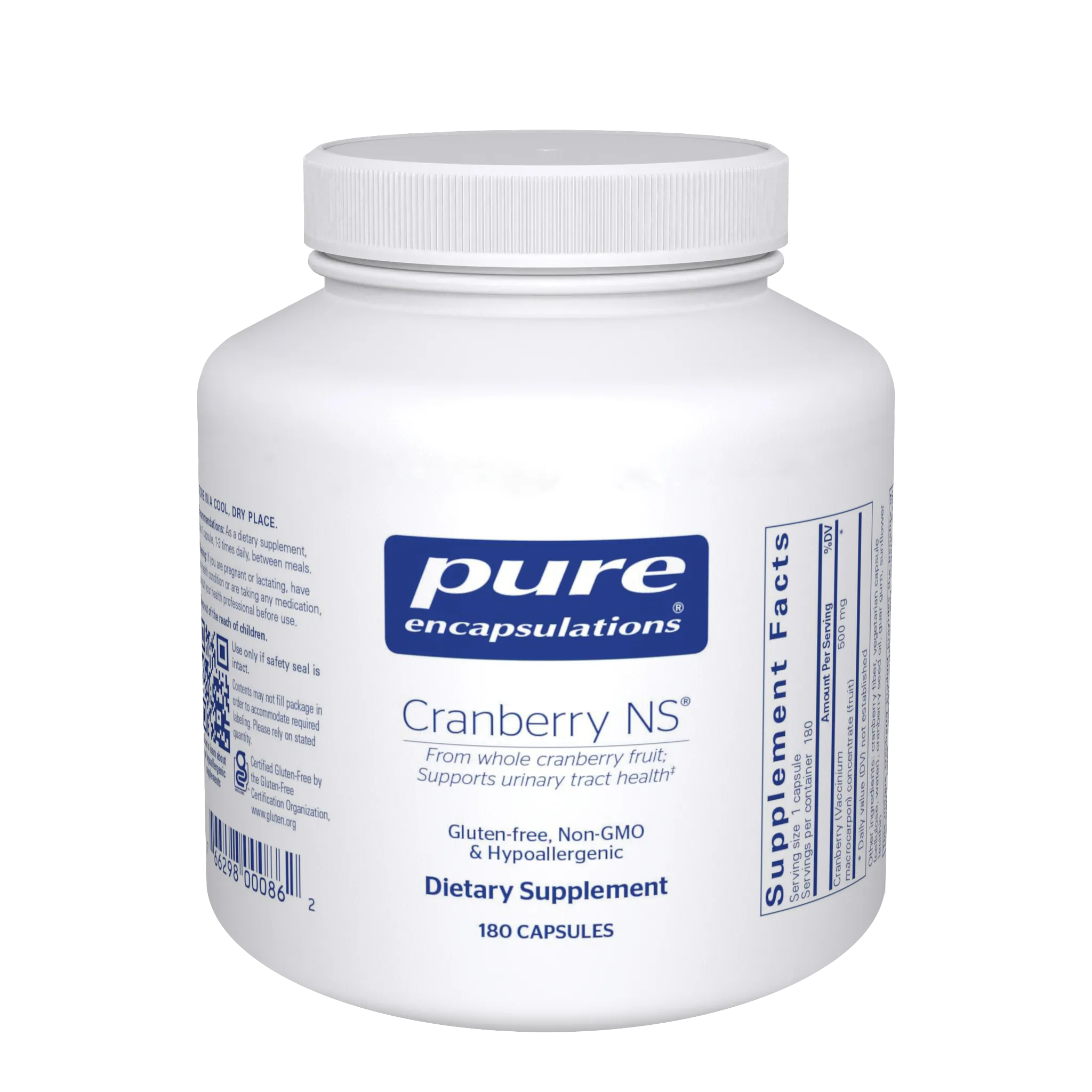
Cranberry NS: Supporting Bladder Health and Immune Function
When the bladder is compromised by autonomic dysfunction or chronic inflammation, it becomes highly susceptible to colonization by uropathogenic Escherichia coli (UPEC), the bacteria responsible for 80% to 90% of community-acquired UTIs. Cranberry NS provides targeted nutritional support to counteract this vulnerability through the precise, mechanistic action of its A-type proanthocyanidins (PACs). The fundamental step in any bacterial infection is adhesion; if the bacteria cannot attach to the host tissue, they cannot infect it. UPEC utilizes specific hair-like appendages called P-type fimbriae to grapple onto the uroepithelial cells lining the bladder. The A-type PACs in cranberry concentrate are structurally designed to bind directly to these P-type fimbriae, effectively capping them and neutralizing their adhesive capabilities.
This process of competitive inhibition is profound because it operates mechanically rather than chemically. Unlike traditional antibiotics, which work by disrupting the bacteria's cell wall or interfering with its DNA replication to kill the organism, cranberry PACs simply disarm the bacteria. A comprehensive review in MDPI details how exposing E. coli to cranberry extract physically alters the shape of the bacteria, suppressing their ability to properly develop fimbriae and helping inhibit them from forming protective biofilms. Biofilms are dense, sticky matrices that bacteria secrete to shield themselves from the host's immune system and from antibiotic medications. By inhibiting biofilm formation, cranberry extract keeps the bacteria in a vulnerable, free-floating (planktonic) state.
Because the PACs keep the bacteria suspended in the urine rather than anchored to the bladder wall, the body's natural mechanical defenses can take over. The neutralized bacteria are simply flushed out of the urinary tract during normal voiding. This mechanism is particularly vital for patients with dysautonomia who suffer from incomplete bladder emptying. By ensuring that any residual bacteria left in the pooled urine cannot attach to the bladder lining, cranberry concentrate helps break the vicious cycle of recurrent, stagnation-driven infections without disrupting the delicate balance of the body's overall microbiome.
While A-type PACs are highly effective against P-type fimbriae, uropathogenic bacteria are incredibly resilient and possess multiple mechanisms for invading host tissue. In addition to P-type fimbriae, UPEC also utilizes Type-1 fimbriae, which are tipped with the FimH adhesin protein. This is where the d-mannose naturally present in the Cranberry NS formula plays its critical, complementary role. The FimH adhesin is specifically evolved to recognize and bind to mannosylated glycoprotein receptors that are abundant on the surface of human bladder cells. When a patient consumes a concentrated cranberry formula, the d-mannose is rapidly excreted into the urine, flooding the bladder with free-floating decoy molecules.
The molecular mimicry of d-mannose is a highly elegant biological defense. The FimH adhesins on the bacteria cannot distinguish between the d-mannose molecules floating in the urine and the mannose receptors attached to the bladder wall. Because the free-floating d-mannose is present in such high concentrations, the bacteria preferentially bind to the supplement rather than the host tissue. Research published in Frontiers in Nutrition confirms that this saturation effectively neutralizes the Type-1 fimbriae, rendering the bacteria completely inert and unable to initiate the inflammatory cascade that leads to a symptomatic infection.
The combination of PACs and d-mannose creates a robust, dual-action blockade that addresses the two primary avenues of bacterial adhesion. This synergy is crucial for patients with complex chronic illnesses, as their immune systems are often too exhausted or dysregulated to fight off an infection once it has taken root. By providing a mechanical barrier to infection, Cranberry NS supports a healthy urinary tract ecology and reduces the physiological stress placed on an already overburdened immune system. For women navigating the complexities of chronic illness, exploring how targeted supplements like ProSoothe II can manage overlapping menstrual and pelvic flare-ups is also a vital part of comprehensive care.
Beyond its anti-adhesive properties, the concentrated whole-fruit extract in Cranberry NS plays a significant role in modulating the localized inflammatory response within the bladder. For patients dealing with Mast Cell Activation Syndrome (MCAS) and the agonizing symptoms of Interstitial Cystitis, managing inflammation is just as critical as supporting the body against bacterial infection. Cranberries are exceptionally rich in polyphenols, flavonoids, and anthocyanins—potent bioactive compounds that have been shown to exert significant antioxidant and anti-inflammatory effects at the cellular level. These compounds help to scavenge the reactive oxygen species (ROS) that are generated during mast cell degranulation, thereby protecting the delicate urothelial cells from oxidative damage.
Furthermore, research suggests that the constituents of cranberry concentrate may interact directly with lectin receptors on the bladder wall. Lectins are carbohydrate-binding proteins that play a complex role in immune recognition and inflammatory signaling. By interacting with these receptors, the bioactive compounds in cranberry may help to stabilize the mucosal lining, reducing its hyper-reactivity to environmental triggers and systemic histamine release. This stabilizing effect is crucial for maintaining a healthy bladder wall and mitigating the severity of the "phantom UTIs" that plague so many patients with MCAS.
Finally, the organic acids present in the cranberry concentrate—such as hippuric acid, which is formed when gut bacteria metabolize cranberry polyphenols—help to gently enhance the acidity of the urine. A slightly more acidic urinary environment is naturally bacteriostatic, meaning it inhibits the rapid reproduction of bacteria. This subtle shift in pH, combined with the potent antioxidant support and the mechanical blockade of bacterial adhesion, provides a comprehensive, multi-tiered approach to urinary tract health. By supporting the structural integrity and ecological balance of the bladder, Cranberry NS offers a vital tool for patients seeking to reclaim their quality of life from the grip of chronic urological symptoms.
Symptoms Cranberry Extract May Help Manage
Recurrent Bacterial UTIs: By utilizing A-type PACs to block P-type fimbriae and d-mannose to neutralize Type-1 fimbriae, the supplement mechanically helps inhibit E. coli from adhering to the bladder wall, helping drastically reduce the recurrence of true bacterial infections.
Urinary Frequency and Urgency: By mitigating localized inflammation and helping reduce bacterial colonization, the extract helps soothe the irritated urothelium, reducing the constant, agonizing signals of urgency that plague patients with autonomic bladder dysfunction.
Bladder Pain and Burning (Dysuria): The potent antioxidant polyphenols and flavonoids in the whole-fruit concentrate help scavenge free radicals and modulate the inflammatory cascade, alleviating the burning sensation associated with both bacterial infections and mast cell-driven interstitial cystitis.
Incomplete Bladder Emptying Complications: For patients with POTS who retain residual urine, the anti-adhesive properties ensure that bacteria pooling in the bladder remain in a free-floating state, helping inhibit them from forming protective biofilms and initiating an infection before the bladder can be fully voided.
Antibiotic-Resistant Infections: Because the mechanism of action is mechanical (competitive inhibition) rather than bactericidal, cranberry extract does not contribute to antibiotic resistance and can actually make resistant strains more susceptible to clearance by helping inhibit them from anchoring to the tissue.
Pelvic Pressure and Discomfort: By supporting the overall structural integrity and ecology of the bladder wall through interactions with lectin receptors, the supplement helps reduce the localized swelling and pressure that exacerbates overlapping conditions like pelvic congestion syndrome.
Practical Considerations: Forms, Dosing, and Absorption
When considering cranberry supplementation for urinary tract health, the most critical factor is the concentration of active bio-compounds, specifically the A-type proanthocyanidins (PACs). Not all cranberry products are created equal, and the clinical efficacy of a supplement is entirely dependent on its PAC content. A pivotal 2024 systematic review and meta-analysis published in Frontiers in Nutrition addressed the long-standing issue of inconsistent supplement dosing. The researchers established that UTI risk is only significantly reduced when the daily intake of PACs reaches a minimum threshold of 36 mg. Supplements providing less than this amount failed to demonstrate a statistically significant supportive effect against bacterial adhesion.
This threshold highlights the necessity of utilizing a highly concentrated, standardized extract like Cranberry NS, which provides 500 mg of 100% whole cranberry fruit solids per capsule. Relying on over-the-counter cranberry juices or low-quality powders often fails to deliver the required therapeutic dose of PACs. Furthermore, attempting to reach the 36 mg threshold through juice consumption would require ingesting massive amounts of liquid, bringing with it an unacceptable metabolic burden of natural and added sugars. These sugars can exacerbate systemic inflammation, disrupt the gut microbiome, and paradoxically feed the uropathogenic bacteria in the bladder, entirely negating the benefits of the PACs.
The proprietary process used to create Cranberry NS ensures that the health-benefiting components of the cranberry are concentrated without the use of harsh chemical solvents or added sugars. This solvent-free extraction preserves the delicate molecular structure of the A-type interflavan bonds, ensuring that the PACs remain biologically active and capable of competitive inhibition once they reach the urinary tract. For patients managing complex chronic illnesses, utilizing a clean, potent, and standardized extract is essential for achieving reliable clinical outcomes without introducing unnecessary metabolic stressors.
The pharmacokinetics of cranberry extract dictate how and when the supplement should be taken for optimal efficacy. After ingestion, the proanthocyanidins and d-mannose are absorbed through the gastrointestinal tract. The PACs undergo extensive metabolism by the gut microbiome, breaking down into smaller, bioactive phenolic acids and hippuric acid, which are then filtered by the kidneys and excreted into the urine. Research indicates that the anti-adhesive activity in the urine peaks approximately 4 to 6 hours after consumption and can persist for up to 10 to 12 hours. Because of this relatively short half-life, maintaining a consistent therapeutic concentration in the bladder requires divided dosing.
The suggested use for Cranberry NS is 1 capsule, 1 to 3 times daily between meals. Taking the supplement between meals can help enhance the absorption of the active compounds by reducing competition with other dietary proteins and fibers in the digestive tract. For patients prone to recurrent UTIs, taking a dose before bed is particularly strategic. During the night, urine pools in the bladder for an extended period, creating an optimal window for bacterial proliferation. Having a high concentration of PACs and d-mannose present in the bladder overnight provides a crucial mechanical blockade during this vulnerable time.
Furthermore, clinical data emphasizes the importance of duration when utilizing cranberry extract as a supportive measure. The same 2024 meta-analysis that established the 36 mg PAC threshold also revealed that cranberry products show the most significant reduction in UTI risk when taken consistently for 12 to 24 weeks. Cranberry extract is not a quick fix; it is a foundational support strategy designed to alter the ecology of the urinary tract over time. Patients should approach supplementation with a long-term perspective, integrating it into a comprehensive management plan alongside proper hydration and autonomic support.
Cranberry concentrate is generally recognized as safe and is remarkably well-tolerated, even by patients with highly sensitive systems. Because its mechanism of action relies on mechanical competitive inhibition rather than bactericidal chemicals, it does not disrupt the beneficial bacteria in the gut or vagina, nor does it contribute to the development of antibiotic-resistant "superbugs." This makes it an ideal long-term supportive option for patients who have suffered the gastrointestinal consequences of repeated, broad-spectrum antibiotic use. The vegetarian capsules and non-GMO, allergen-free formulation of Cranberry NS further minimize the risk of mast cell flares or allergic reactions.
However, there are a few practical considerations and potential interactions to keep in mind. Cranberries naturally contain moderate levels of oxalates and mildly enhance the acidity of the urine. For the vast majority of people, this is beneficial, but individuals with a history of recurrent calcium oxalate kidney stones should consult their urologist before beginning high-dose cranberry supplementation, as excessive oxalate intake can theoretically contribute to stone formation in susceptible individuals. Additionally, while rare, very high doses of cranberry extract may interact with certain anticoagulant medications, such as warfarin, potentially altering the drug's metabolism and increasing bleeding risk.
It is also crucial to reiterate the distinction between prevention and treatment. While cranberry extract is highly effective at supporting the reduction of bacterial adhesion and the recurrence of UTIs, the 2023 Cochrane Review firmly established that there is no high-quality evidence to suggest it can treat an active, established bacterial infection. If a patient develops a fever, flank pain, or systemic signs of an acute infection, they must seek immediate medical evaluation and appropriate antibiotic therapy. Cranberry NS should be utilized as a powerful supportive tool and ecological support system, not as a replacement for acute medical care. For women managing complex health profiles, discussing supplements with a provider, especially when considering overlapping treatments like FemGuard-HF™ for autonomic and hormonal support, ensures a safe and coordinated approach to care.
Follow the Science
For decades, the clinical consensus surrounding cranberry extract for urinary tract health was fraught with conflicting data and mixed recommendations. However, the years 2023 and 2024 marked a definitive turning point in the scientific literature, providing robust, high-quality evidence validating its efficacy. The cornerstone of this new consensus is the November 2023 Cochrane Review update, widely considered the gold standard in evidence-based medicine. This massive systematic review analyzed 50 randomized controlled trials encompassing 8,857 participants, making it the most comprehensive evaluation of cranberry products to date.
The findings of the 2023 Cochrane Review were unequivocal: there is now "moderate certainty evidence" that cranberry products may help significantly reduce the risk of symptomatic, culture-verified UTIs. The data showed a 30% overall reduction in relative risk across all studied populations. More importantly, the review identified exactly who benefits the most. Research suggests the risk of UTI was significantly reduced in women suffering from recurrent UTIs (a 26% reduction) and in patients susceptible to UTIs following medical interventions (a 53% reduction). This data firmly establishes cranberry extract as a frontline supportive measure for vulnerable populations, moving it out of the realm of folk remedy and into standard clinical guidelines.
The review also provided vital clarity on the limitations of the supplement. It found that cranberry products showed little to no benefit for elderly institutionalized individuals or adults with severe neuromuscular bladder dysfunction (such as those with spinal cord injuries). Furthermore, a separate December 2023 Cochrane Review confirmed that while cranberry is exceptional for support, it is not effective for treating an active, established infection. This clear delineation between support and acute treatment is essential for safe patient management.
Following the Cochrane Review, researchers sought to understand why older studies had produced such conflicting results. The answer was found in the wide variability of supplement dosing and duration. A pivotal 2024 systematic review and meta-analysis published in Frontiers in Nutrition analyzed 10 high-quality RCTs to determine the optimal parameters for cranberry supplementation. The researchers discovered a strict dose-dependent relationship: UTI risk was only shown to be reduced when the daily intake of proanthocyanidins (PACs) was at least 36 mg. Trials utilizing lower doses failed to achieve statistical significance, explaining the failure of many poorly formulated commercial supplements.
This same meta-analysis also evaluated the impact of treatment duration. Sub-group analysis revealed a "sweet spot" for clinical efficacy: cranberry products significantly helped reduce UTI risk only when taken continuously for 12 to 24 weeks. Durations shorter than 12 weeks did not allow enough time to fundamentally alter the urinary tract ecology, while durations extending beyond 48 weeks showed diminishing returns in the studied populations. This data provides clinicians and patients with a clear, evidence-based roadmap for supplementation: utilize a high-PAC extract and commit to a consistent 3-to-6-month protocol.
Further supporting the use of concentrated extracts over juices, a 2024 network meta-analysis of 20 trials (3,091 participants) compared various delivery methods. The study demonstrated that while simply increasing daily water intake provides some benefit, cranberry compounds provide vastly superior clinical outcomes. The consumption of standardized cranberry products was associated with a staggering 54% lower rate of UTIs compared to no treatment, and crucially, resulted in a 49% to 59% reduction in overall antibiotic use. In an era of rising antimicrobial resistance, this reduction in antibiotic reliance is a monumental public health victory.
The most exciting recent developments in urological research involve the synergistic application of cranberry extract alongside d-mannose. Because uropathogenic E. coli utilize both P-type fimbriae (blocked by PACs) and Type-1 fimbriae (blocked by d-mannose) to infect the bladder, researchers hypothesized that a dual-action approach would yield superior results. A 2024 prospective observational study published in the Malaysian Journal of Medicine and Health Sciences tested this exact hypothesis. The study followed 147 women, comparing the efficacy of cranberry extract alone versus a combination of cranberry extract and d-mannose over a 3-month period.
The results of the combination therapy were remarkable. While the group taking only cranberry extract experienced a respectable UTI recurrence rate of 28%, the group taking the combination of Cranberry Extract + D-Mannose saw their recurrence rate plummet to just 4%. This data suggests a highly synergistic supportive effect, demonstrating that blocking multiple pathways of bacterial adhesion simultaneously is exponentially more effective than targeting a single pathway.
Furthermore, a 2020 pilot study evaluated the use of cranberry and d-mannose as an adjunct to standard antibiotic therapy in patients with acute UTIs. Remarkably, in patients infected with antibiotic-resistant bacterial strains, the addition of PACs and d-mannose drastically improved the clinical resolution rate (88.8% vs. 37.5%, p<0.0001). This suggests that the physical anti-adhesion mechanisms of these supplements make uropathogens vastly more susceptible to antibiotic clearance, offering a profound new strategy for managing stubborn, resistant infections in chronically ill patients.
The Path Forward
Living with the overlapping complexities of Long COVID, dysautonomia, and MCAS is an exhausting, daily battle. When that battle extends to the urinary tract, the physical pain and emotional frustration can become overwhelming. The relentless urgency, the burning pain of "phantom UTIs," and the constant fear of developing yet another bacterial infection can severely restrict your ability to leave the house, engage in physical therapy, or simply find a moment of rest. It is vital to recognize that these urological symptoms are not in your head, nor are they a result of poor hygiene. They are the direct, physiological consequence of a nervous system and immune system that have been fundamentally destabilized by chronic illness.
For too long, patients with complex neuro-immune conditions have been dismissed by a medical system that relies heavily on standard urine cultures and broad-spectrum antibiotics. When the cultures come back negative, the pain is often invalidated; when they come back positive, the root cause—the autonomic failure and structural vulnerability—is ignored. Understanding the mechanisms behind your symptoms is the first step in reclaiming your agency. By recognizing the roles of mast cell degranulation, P-type fimbriae, and the autonomic bladder, you can begin to advocate for a management strategy that addresses the ecology of your body, rather than just reacting to the latest crisis.
You are navigating a medical landscape that is only just beginning to understand the profound interconnectedness of these syndromes. Your frustration with the cycle of antibiotics and recurrent flares is entirely justified. But as the science evolves, so do the tools available to support your healing. You do not have to accept chronic bladder pain and recurrent infections as an inevitable, unmanageable part of your illness. There are targeted, mechanistic approaches that can help restore balance to your urinary tract.
Integrating Cranberry NS into your daily routine is a powerful, evidence-based step toward stabilizing your urinary tract ecology. By providing a concentrated dose of A-type proanthocyanidins and d-mannose, you are deploying a sophisticated, dual-action molecular decoy system that physically helps inhibit bacteria from taking root in your bladder. This mechanical blockade provides crucial support for an immune system that is already stretched to its limits, helping to break the vicious cycle of recurrent infections without the collateral damage associated with repeated antibiotic use.
However, it is essential to remember that supplements are just one piece of a comprehensive, multi-disciplinary management strategy. True healing requires addressing the systemic drivers of your symptoms. This means working with your healthcare team to stabilize your autonomic nervous system through proper hydration, electrolyte management, and potentially medications like beta-blockers or fludrocortisone. It means identifying and avoiding the triggers that cause your mast cells to degranulate, and utilizing antihistamines or mast cell stabilizers to calm the localized inflammation in your bladder wall. It also involves exploring resources like whether you are contagious with Long COVID to better understand the viral persistence that may be driving your systemic symptoms.
Pacing, symptom tracking, and pelvic floor physical therapy are also invaluable tools in this journey. By tracking your symptoms, you can identify the subtle patterns and triggers that precede a urological flare. Pelvic floor physical therapy can help release the chronic tension and spasms that often develop in response to chronic bladder pain, improving your ability to void completely and reducing the structural pressure on your urinary tract. Healing is not linear, and it requires patience, but by combining targeted nutritional support with comprehensive medical care, you can begin to rebuild the resilience of your urinary system.
As you continue to navigate the complexities of your health, remember that you are not alone in this journey. The scientific community is rapidly uncovering the mechanisms behind these overlapping conditions, and new, validating treatment pathways are emerging every day. If you are struggling with recurrent UTIs, autonomic bladder dysfunction, or the agonizing symptoms of interstitial cystitis, targeted nutritional support may offer a vital lifeline.
Always consult with your primary care physician or a specialist familiar with dysautonomia and MCAS before introducing any new supplement into your regimen, especially to ensure it aligns safely with your current medications and overall health profile. By taking a proactive, mechanistic approach to your bladder health, you can reduce your reliance on antibiotics, soothe localized inflammation, and take a significant step toward improving your daily quality of life.