Can ProSoothe II Help Manage Menstrual Flare-Ups in Long COVID and ME/CFS?
March 5, 2026
ProSoothe IILong COVIDME/CFS
Share:
Disclaimer: The information provided here is for educational purposes only and is not intended as medical advice. It should not be used to diagnose, treat, cure, or prevent any medical condition. Instead, use it as a starting point for discussion with your healthcare provider. Always consult with a qualified healthcare provider before starting any new medication, supplement, device, or making changes to your health regimen.
For many women living with complex chronic conditions like Long COVID, myalgic encephalomyelitis/chronic fatigue syndrome (ME/CFS), and dysautonomia, the menstrual cycle is more than just a monthly inconvenience—it is a predictable trigger for severe symptom exacerbation. Often referred to as a "mini-relapse" or a "period crash," the days leading up to and during menstruation can bring a tidal wave of debilitating fatigue, intensified brain fog, severe orthostatic intolerance, and widespread pain. You might find yourself tracking your symptoms and realizing that your hardest days consistently align with your luteal phase. This cyclical worsening is incredibly common, yet it is frequently overlooked in standard medical care, leaving many patients feeling frustrated and desperate for validating answers.
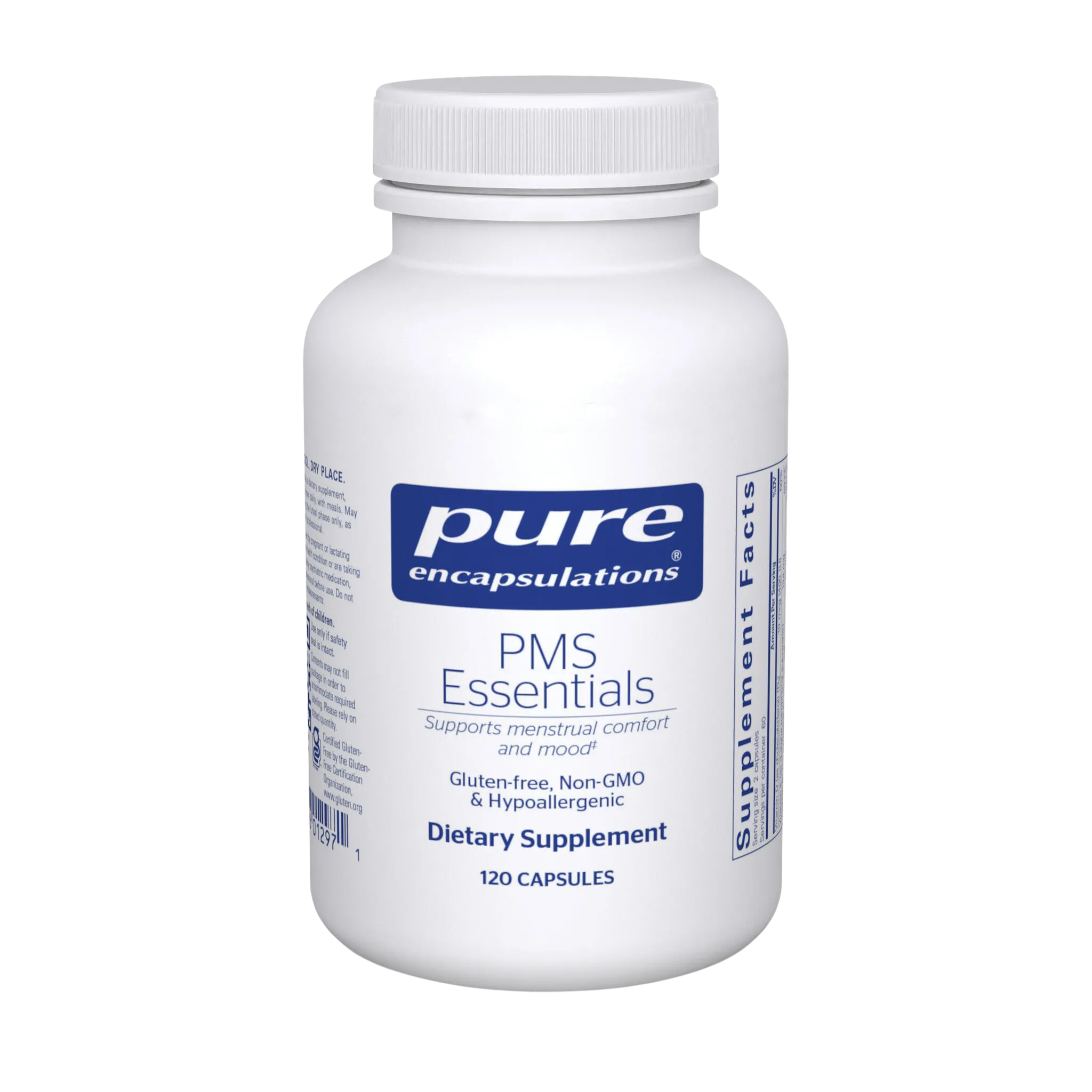
The intersection of female sex hormones, the immune system, and the autonomic nervous system is highly complex. When the body is already burdened by post-viral neuroinflammation, mast cell activation, or autonomic dysfunction, the natural hormonal fluctuations of the menstrual cycle can overwhelm your system's fragile equilibrium. This is where targeted, science-backed nutritional and botanical support becomes a vital piece of the management puzzle. ProSoothe II by Pure Encapsulations is a comprehensive formula specifically designed to support menstrual comfort, mood balance, and energy levels. By combining highly bioavailable nutrients with clinically studied botanical adaptogens, ProSoothe II aims to buffer the physiological stress of the menstrual cycle, potentially easing the monthly burden for those navigating chronic illness.
TL;DR
Menstrual cycles can trigger severe symptom flares in chronic conditions like Long COVID and ME/CFS.
ProSoothe II combines nutrients and botanicals to support hormonal balance and ease menstrual discomfort.
Ingredients like magnesium, vitamin B6, and Rhodiola may help manage fatigue, cramps, and mood swings.
Always consult your healthcare provider before starting new supplements, especially if taking prescription medications.
What is ProSoothe II?
A Comprehensive Approach to Hormonal Health
ProSoothe II is not a standard, single-ingredient supplement; rather, it is a meticulously formulated blend of essential nutrients and potent botanical extracts designed to target the multifaceted physical and emotional symptoms associated with the menstrual cycle. In a healthy body, the menstrual cycle is governed by a delicate, synchronized dance of hormones—primarily estrogen and progesterone—orchestrated by the hypothalamic-pituitary-ovarian (HPO) axis. However, this hormonal rhythm requires a massive amount of cellular energy, precise neurotransmitter signaling, and robust nutritional reserves to function smoothly. When the body is depleted by chronic illness or prolonged physiological stress, this delicate balance falters, leading to severe premenstrual syndrome (PMS), premenstrual dysphoric disorder (PMDD), and the exacerbation of underlying systemic symptoms. ProSoothe II steps in to provide the exact biochemical building blocks and adaptogenic support necessary to stabilize this cycle.
The formula is built upon two distinct but highly synergistic pillars: a foundational nutrient matrix and a targeted botanical blend. The nutrient matrix focuses on replenishing intracellular minerals and vitamins that are rapidly depleted during the luteal phase (the second half of the menstrual cycle). By providing these essential cofactors, the supplement supports smooth muscle relaxation, neurotransmitter synthesis, and cellular energy production. Simultaneously, the botanical blend works higher up in the endocrine chain, modulating the brain's signaling pathways to the adrenal glands and ovaries. This dual-action approach ensures that the body is supported both systemically at the cellular level and centrally at the neurological level, offering a comprehensive strategy for menstrual comfort.
The Core Nutrients: Magnesium, Calcium, and Vitamins
At the heart of ProSoothe II's nutrient matrix are magnesium (studied alongside vitamin B6 for premenstrual syndrome) and calcium, two macrominerals that play critical, opposing, yet complementary roles in muscle and nerve function. Calcium is essential for smooth muscle contraction and the transmission of nerve impulses. During the menstrual cycle, healthy calcium levels are required to maintain normal, rhythmic uterine function. However, when calcium is not properly balanced by magnesium, it can lead to excessive, painful smooth muscle contractions, commonly experienced as severe menstrual cramps (dysmenorrhea). ProSoothe II includes 100 mg of calcium as DimaCal® di-calcium malate, a highly bioavailable form that supports healthy cyclic hormone function and neurotransmitter activity without causing the gastrointestinal distress often associated with cheaper calcium carbonates.
To perfectly counterbalance the calcium, the formula includes 100 mg of magnesium as di-magnesium malate. Magnesium is often referred to as "nature's tranquilizer" because it acts as a natural antagonist to the N-methyl-D-aspartate (NMDA) receptor in the brain, calming the central nervous system. At the cellular level, magnesium blocks calcium from entering muscle cells too rapidly, which directly prevents the severe, sustained uterine contractions that cause cramping. Furthermore, healthy intracellular magnesium levels are strongly associated with maintaining a positive mood during the luteal phase. To enhance this effect, ProSoothe II includes 33 mg of activated Vitamin B6 (pyridoxal 5' phosphate). Vitamin B6 is a crucial enzymatic cofactor required for the synthesis of mood-regulating neurotransmitters like serotonin, dopamine, and gamma-aminobutyric acid (GABA). Crucially, clinical studies demonstrate that Vitamin B6 actively enhances the cellular uptake of magnesium, creating a powerful synergy that reduces nervous tension and emotional volatility. Finally, the inclusion of Vitamin D3 (400 IU) and Vitamin E (134 mg) provides essential antioxidant support, with Vitamin E specifically researched for its ability to lessen cyclical breast tenderness and systemic fatigue.
The Botanical Adaptogens: Chaste Tree, Relora, and Rhodiola
The second pillar of ProSoothe II consists of three highly researched botanical extracts: Chaste tree (Vitex agnus-castus), Relora®, and Rhodiola rosea. Chaste tree is arguably the most important herbal medicine in traditional and modern gynecological care. It does not contain hormones itself; instead, it acts directly on the hypothalamus and pituitary gland in the brain. By binding to specific dopamine receptors, Chaste tree extract helps regulate the secretion of prolactin, a hormone that, when elevated, can suppress progesterone production and lead to a shortened, highly symptomatic luteal phase. By normalizing this brain-to-ovary communication, Chaste tree provides profound balancing effects for the entire menstrual cycle.
To address the profound stress and fatigue that often accompany chronic illness and menstruation, the formula includes Relora® (270 mg) and Rhodiola rosea extract (50 mg). Relora is a patented, standardized blend of Magnolia officinalis and Phellodendron amurense bark extracts. These botanicals have been clinically shown to modulate the hypothalamic-pituitary-adrenal (HPA) axis, directly reducing the overproduction of the stress hormone cortisol. By lowering cortisol, Relora helps diminish stress-related sugary snack cravings and supports deep emotional wellness. Complementing this is Rhodiola rosea, a powerful adaptogen known for its ability to support mitochondrial ATP (energy) production. Rhodiola actively combats the profound physical and mental exhaustion that patients experience during their cycle, helping to sustain energy levels and clear cognitive dysfunction, commonly referred to as brain fog.
How Chronic Illness Impacts the Menstrual Cycle
The "Mini-Relapse": Long COVID and ME/CFS Exacerbations
For individuals navigating post-viral syndromes, the question of do Long COVID symptoms come and go? is frequently answered by the predictability of the menstrual cycle. Clinical data reveals a profound bidirectional relationship between systemic inflammation and female sex hormones. In conditions like Long COVID and ME/CFS, the immune system remains in a state of chronic, low-grade activation, characterized by elevated inflammatory cytokines and persistent neuroinflammation. When the body enters the luteal phase—the week or two before menstruation begins—the natural drop in hormones, particularly the steep decline in progesterone, triggers a systemic inflammatory cascade designed to break down the uterine lining. For a healthy individual, this localized inflammation causes mild cramps or fatigue. But for a patient with Long COVID or ME/CFS, this inflammatory trigger acts like a match dropped in dry brush, setting off a massive, body-wide flare-up of their baseline symptoms.
This phenomenon is heavily documented in recent clinical tracking. A 2025 cross-sectional study utilizing daily symptom tracking apps found that between 53% and 67% of menstruating patients with ME/CFS and Long COVID experience a severe exacerbation of their symptoms—including profound post-exertional malaise (PEM), cognitive dysfunction, and unrefreshing sleep—in the premenstrual and menstrual phases. Because the central nervous system is already sensitized by the chronic illness, the normal hormonal fluctuations are perceived by the brain as a massive physiological stressor. This lowers the body's threshold for exertion, meaning that an activity level that might be tolerable during the follicular phase (post-menstruation) will suddenly trigger a severe "crash" during the luteal phase. Understanding this cycle is crucial for answering the broader question of how can you live with long-term COVID, as pacing strategies must be dynamically adjusted according to the menstrual calendar.
Dysautonomia, POTS, and Blood Volume Drops
The menstrual cycle also wreaks havoc on the autonomic nervous system, particularly for those suffering from Postural Orthostatic Tachycardia Syndrome (POTS) and other forms of dysautonomia. POTS is characterized by an abnormal heart rate increase upon standing, driven by blood pooling in the lower extremities and a chronic state of hypovolemia (low blood volume). Approximately 80% to 85% of POTS patients are women of childbearing age, and the vast majority report a severe worsening of their orthostatic symptoms—such as dizziness, palpitations, pre-syncope (near-fainting), and severe fatigue—in the days leading up to their period. This is not a coincidence; it is a direct result of how hormones dictate vascular tone and fluid retention.
Estrogen generally promotes fluid retention by interacting with the renin-angiotensin-aldosterone system, which helps POTS patients maintain their fragile blood volume. However, in the late luteal phase, estrogen levels plummet. This sudden drop in estrogen causes a rapid decrease in total blood volume, directly exacerbating the hypovolemia that drives POTS symptoms. Furthermore, the steep drop in progesterone triggers the release of prostaglandins—lipid compounds that initiate the inflammatory breakdown of the uterine lining. Prostaglandins are potent vasodilators; they cause blood vessels to widen and relax. For a POTS patient whose blood vessels already struggle to constrict properly upon standing, this prostaglandin-induced vasodilation is disastrous, leading to severe blood pooling, extreme tachycardia, and a profound inability to remain upright.
The Estrogen-Histamine Vicious Cycle in MCAS
Perhaps the most complex and volatile interaction occurs between the menstrual cycle and Mast Cell Activation Syndrome (MCAS), a condition frequently comorbid with Long COVID and ME/CFS. Mast cells are the "first responders" of the immune system, packed with inflammatory mediators like histamine, tryptase, and cytokines. In MCAS, these cells become hypervigilant and degranulate (release their chemicals) inappropriately. Crucially, mast cells are deeply intertwined with the endocrine system. They possess over 300 different types of surface receptors, including specific receptors for estrogen and progesterone. This means that mast cell behavior is heavily dictated by the shifting tides of female sex hormones throughout the month.
Estrogen acts as a potent mast cell stimulator. When estrogen binds to mast cell receptors, it increases the cell's sensitivity and actively promotes the release of histamine. This creates a vicious, self-perpetuating inflammatory loop: estrogen stimulates mast cells to release histamine, and in turn, elevated systemic histamine stimulates the ovaries to produce even more estrogen. This is why many MCAS patients experience severe flare-ups—such as migraines, hives, flushing, and severe gastrointestinal distress—during ovulation, when estrogen spikes. Conversely, natural progesterone acts as a mast cell stabilizer, acting like a "brake" on histamine release. However, when progesterone levels plummet just before menstruation, the "brake" is suddenly removed, leaving the residual estrogen to trigger massive mast cell degranulation. This hormonal-immunological chaos is a primary driver of the severe, systemic flare-ups experienced by women with complex chronic illnesses during their cycle.
ProSoothe II: Supporting Hormonal Balance and Energy
Chaste Tree (Vitex) and the Luteal Phase Defect
ProSoothe II targets the root neurological and endocrine imbalances that drive severe menstrual exacerbations, starting with the powerful effects of Chaste tree (Vitex agnus-castus) extract. To understand how Chaste tree works, we must look at the brain—specifically the anterior pituitary gland. Many women with severe PMS, PMDD, and chronic illness flare-ups suffer from a condition known as a "luteal phase defect" or "latent hyperprolactinemia." Due to chronic physiological stress, the pituitary gland overproduces the hormone prolactin. Elevated prolactin suppresses the release of Luteinizing Hormone (LH). Without a strong LH surge, the ovaries fail to develop a robust corpus luteum, resulting in abnormally low progesterone production during the second half of the cycle. This leaves the patient in a state of "estrogen dominance," which directly fuels the estrogen-histamine vicious cycle of MCAS and exacerbates systemic inflammation.
Chaste tree extract contains potent bioactive compounds, specifically bicyclic diterpenes like Viteagnusin I, which cross the blood-brain barrier and bind directly to Dopamine D2 receptors (D2R) on the lactotroph cells of the pituitary gland. By acting as a dopamine agonist (mimicking the action of dopamine), Chaste tree directly suppresses the overproduction of prolactin. As prolactin levels fall, LH secretion normalizes, which in turn stimulates the corpus luteum to produce adequate, healthy levels of mid-luteal progesterone. By restoring this crucial estrogen-to-progesterone ratio, Chaste tree effectively applies the "brake" to mast cell activation, reduces systemic inflammation, and alleviates the severe mood swings, breast tenderness, and bloating associated with the luteal phase. It is a profound example of using botanical medicine to correct a central neurological signaling error.
Relora and HPA Axis Regulation
Chronic illness places the body in a state of perpetual "fight or flight," leading to profound dysregulation of the hypothalamic-pituitary-adrenal (HPA) axis. This results in erratic cortisol production—sometimes too high, sometimes completely depleted. Elevated cortisol drives anxiety, disrupts sleep architecture, and triggers intense cravings for high-carbohydrate, sugary foods as the body desperately seeks quick energy. ProSoothe II addresses this with Relora®, a patented blend of Magnolia officinalis and Phellodendron amurense bark extracts. The primary active compounds in Relora, honokiol and berberine, have been shown to bind to gamma-aminobutyric acid (GABA) receptors in the central nervous system. GABA is the brain's primary inhibitory neurotransmitter, responsible for promoting relaxation and reducing neuronal excitability.
By modulating these GABA pathways, Relora effectively blunts the hyperactive stress response. Clinical trials have demonstrated that supplementation with Relora can significantly reduce salivary cortisol exposure by up to 18% in stressed individuals. By lowering this chronic cortisol burden, Relora helps to break the cycle of stress-induced eating and sugar cravings that often plague patients during their luteal phase. Furthermore, by calming the HPA axis without acting as a sedative, it supports deep emotional wellness, reducing feelings of tension, anger, and confusion, while allowing the body's overtaxed adrenal glands a chance to recover. This is particularly vital for patients investigating what causes Long COVID and ME/CFS, as adrenal and HPA axis burnout are central features of these conditions.
Rhodiola Rosea for Cellular Energy and Fatigue
To combat the profound, debilitating fatigue that characterizes both the luteal phase and chronic post-viral syndromes, ProSoothe II incorporates 50 mg of Rhodiola rosea extract. Rhodiola is a premier adaptogen that works directly at the cellular level to enhance mitochondrial function. The primary active compounds, rosavins and salidroside, up-regulate mitochondrial biogenesis factors and increase the synthesis of adenosine triphosphate (ATP)—the fundamental energy currency of the cell. By improving the efficiency of the electron transport chain within the mitochondria, Rhodiola helps the body produce more energy without relying on the artificial, jittery stimulation provided by caffeine or pharmaceuticals.
Beyond ATP production, Rhodiola exerts powerful neuroprotective and neurotransmitter-enhancing effects. It acts as a mild, natural inhibitor of the enzymes monoamine oxidase A and B (MAO-A and MAO-B), which are responsible for breaking down neurotransmitters in the brain. By inhibiting these enzymes, Rhodiola supports neurotransmitter balance, and clinical trials show Rhodiola effectively reduces prolonged or chronic fatigue symptoms. This neurochemical boost directly combats the severe brain fog, lack of motivation, and cognitive slowing that patients experience during a period crash. Additionally, salidroside acts as a potent antioxidant, scavenging the exercise-induced oxygen-free radicals that trigger post-exertional malaise (PEM), thereby helping to protect the fragile cellular infrastructure of patients with ME/CFS and Long COVID.
The Synergistic Power of Magnesium and Vitamin B6
The final, critical mechanism of ProSoothe II lies in the profound synergy between di-magnesium malate and activated Vitamin B6 (pyridoxal 5' phosphate). While magnesium is essential for blocking the NMDA receptors and preventing the calcium-induced smooth muscle spasms that cause severe menstrual cramps, it often struggles to cross the cell membrane efficiently on its own. This is where Vitamin B6 becomes indispensable. Vitamin B6 acts as a highly effective cellular transport mechanism, actively chaperoning magnesium ions across the lipid bilayer and into the intracellular space where they are desperately needed.
This synergistic relationship has been rigorously tested in clinical settings. Double-blind, placebo-controlled crossover trials have shown that the combination of magnesium and Vitamin B6 yields a statistically significant reduction in PMS anxiety scores—up to a 44% reduction—compared to taking either nutrient alone. Once inside the cell, this dynamic duo goes to work: magnesium stabilizes the mast cell membranes (helping to prevent the histamine release that drives MCAS flares), while Vitamin B6 acts as the necessary enzymatic cofactor to convert 5-HTP into serotonin, the "feel-good" neurotransmitter. Together, they provide a powerful, dual-layered defense against both the physical pain of dysmenorrhea and the profound emotional volatility of the premenstrual phase, offering much-needed stability for patients navigating the complexities of chronic illness.

Symptoms ProSoothe II May Help Manage
Severe Menstrual Cramps (Dysmenorrhea): By providing a precise balance of highly bioavailable calcium and magnesium, the formula helps regulate smooth muscle contraction. Magnesium acts as a natural calcium-channel blocker, preventing the sustained, painful uterine spasms that cause severe cramping.
Luteal Phase Fatigue and Brain Fog: The inclusion of Rhodiola rosea directly supports mitochondrial ATP production and increases the availability of key neurotransmitters like dopamine and norepinephrine, combating the profound exhaustion and cognitive slowing that often precedes menstruation.
Stress-Related Sugar Cravings: Relora® works to modulate the HPA axis and significantly lower salivary cortisol levels. By blunting the body's chronic stress response, it reduces the physiological drive to seek out high-carbohydrate, sugary "comfort foods" for quick energy.
Premenstrual Anxiety and Mood Swings: The synergistic combination of di-magnesium malate and activated Vitamin B6 (P5P) enhances the synthesis of serotonin and GABA, the brain's primary calming neurotransmitters, effectively reducing nervous tension, irritability, and emotional volatility.
Cyclical Breast Tenderness (Mastalgia): Vitamin E has been clinically researched for its ability to reduce inflammation and lessen the severe breast pain and swelling that many women experience during the luteal phase due to hormonal fluctuations.
Hormonal Imbalance and Short Luteal Phases: Chaste tree (Vitex) extract acts as a dopamine agonist in the pituitary gland, lowering excess prolactin and normalizing Luteinizing Hormone (LH) secretion. This supports the corpus luteum in producing adequate progesterone, correcting the estrogen dominance that drives severe PMS and MCAS flares.
Practical Considerations: Forms, Dosing, and Absorption
Bioavailable Nutrient Forms
When managing complex chronic conditions, the form of the nutrient is just as critical as the dosage. Patients with Long COVID, ME/CFS, and dysautonomia frequently suffer from severe gastrointestinal dysfunction, including altered gut motility and compromised absorption. Standard, cheap supplements often use forms like magnesium oxide or calcium carbonate, which are notoriously difficult for the body to absorb and frequently cause severe bloating, gas, and osmotic diarrhea. ProSoothe II bypasses these issues by utilizing highly bioavailable, chelated forms of minerals. The formula features DimaCal® di-calcium malate and di-magnesium malate. In these forms, the elemental minerals are bound to malic acid (malate), an organic compound that is naturally involved in the Krebs cycle (the cellular energy production pathway). This not only ensures superior absorption across the intestinal wall without gastrointestinal distress but also provides the body with malic acid, which further supports mitochondrial energy production—a crucial benefit for those battling profound fatigue.
Similarly, the vitamins in ProSoothe II are provided in their most active, body-ready states. The Vitamin B6 is supplied as pyridoxal 5' phosphate (P5P). Unlike standard pyridoxine hydrochloride, which the liver must convert into an active form before the body can use it, P5P is already activated. For patients with chronic illness who may have genetic polymorphisms (like MTHFR mutations) or sluggish liver function, providing the pre-activated form ensures that the B6 can immediately go to work synthesizing neurotransmitters and chaperoning magnesium into the cells. The inclusion of Vitamin D3 (cholecalciferol) rather than D2 ensures optimal binding to Vitamin D receptors, supporting immune modulation and healthy cyclic hormone function.
Optimal Timing and Cycle Tracking
The suggested use for ProSoothe II is 2 capsules, one to two times daily with meals. Taking the supplement with food is important, as the presence of dietary fats significantly enhances the absorption of the fat-soluble vitamins (Vitamin D3 and Vitamin E) in the formula. However, the timing of supplementation across the month can be tailored to the patient's specific needs. For individuals who experience severe, continuous hormonal dysregulation or who suffer from conditions like PCOS alongside their chronic illness, continuous daily dosing throughout the entire month may be recommended to provide sustained support for the HPA axis and pituitary gland.
Alternatively, for patients whose symptoms are strictly confined to the premenstrual window—the classic "mini-relapse" or period crash—the supplement can be used in a targeted manner during the luteal phase only. In this approach, a patient would begin taking ProSoothe II immediately after ovulation (roughly day 14 of a standard 28-day cycle) and continue until menstruation begins. This targeted dosing provides the necessary magnesium, B6, and adaptogenic support exactly when the body's hormonal shifts are triggering systemic inflammation and autonomic instability. To optimize this strategy, patients are highly encouraged to use digital symptom and cycle tracking apps. By mapping out exactly when their symptoms of Long COVID spike in relation to their menstrual calendar, patients and their healthcare providers can pinpoint the exact days to initiate luteal phase support.
Safety, Contraindications, and Interactions
While ProSoothe II is formulated with natural nutrients and botanicals, it exerts powerful effects on the central nervous system and endocrine pathways, necessitating careful consideration of safety and potential interactions. Because Chaste tree (Vitex) actively alters hormone levels by increasing progesterone and lowering prolactin, this supplement is strictly contraindicated for pregnant or lactating women. Furthermore, because Chaste tree acts as a dopamine agonist, it may interfere with medications that act on dopamine receptors, including certain antipsychotics and Parkinson's disease medications.
The adaptogenic and mood-supporting ingredients also require caution when combined with pharmaceutical psychiatric treatments. Relora® modulates GABA receptors, and Rhodiola rosea acts as a mild monoamine oxidase inhibitor (MAOI), which increases levels of serotonin and dopamine. Therefore, ProSoothe II should not be used concurrently with prescription antidepressants—particularly SSRIs, SNRIs, or pharmaceutical MAOIs—without direct medical supervision, as the combination could theoretically lead to an excess of serotonin (serotonin syndrome). Additionally, because Relora contains berberine (from Phellodendron amurense), it may interact with medications metabolized by the liver's cytochrome P450 system. As always, patients managing complex chronic illnesses should consult their primary care physician or specialist before introducing a new, multi-ingredient supplement into their regimen.
Follow the Science
Clinical Evidence for Chaste Tree and Relora
The botanical ingredients in ProSoothe II are supported by a robust body of clinical literature demonstrating their efficacy in managing hormonal and stress-related symptoms. Chaste tree (Vitex agnus-castus) is one of the most extensively researched herbs for female reproductive health. Multiple meta-analyses of randomized controlled trials have demonstrated that women taking standardized Chaste tree extract are over 2.5 times more likely to experience significant symptom remission for PMS compared to those taking a placebo. Clinical data confirms its biphasic dose response, showing that standard clinical doses successfully bind to Dopamine D2 receptors, significantly decreasing prolactin levels and correcting the luteal phase defect that drives premenstrual dysphoria and physical pain.
Relora®, the proprietary blend of Magnolia and Phellodendron extracts, has similarly strong clinical backing for its role in stress management and HPA axis regulation. A landmark 2013 randomized, double-blind, placebo-controlled trial published in the Journal of the International Society of Sports Nutrition evaluated 56 moderately stressed adults. The study found that after four weeks of supplementation, the Relora group experienced an 18% reduction in salivary cortisol exposure compared to the placebo group. Furthermore, validated psychological assessments showed dramatic improvements in mood states, including a 31% reduction in fatigue, a 42% reduction in anger, and an 18% increase in overall vigor and energy. These findings validate Relora's ability to buffer the physiological impact of chronic stress.
Rhodiola Rosea and Chronic Fatigue Trials
Rhodiola rosea has been the subject of numerous clinical trials investigating its efficacy for prolonged exhaustion and burnout, symptoms that closely mirror the daily reality of ME/CFS and Long COVID. An 8-week, multicenter clinical trial published in Complementary Medicine Research investigated 100 patients suffering from prolonged or chronic fatigue symptoms. The researchers found that participants taking 400 mg of Rhodiola extract experienced a highly significant 38.8% reduction in total fatigue scores and a 41.8% decrease in total stress scores by the end of the trial. Notably, the most significant drop in fatigue was observed after just one week of treatment. The study confirmed that Rhodiola effectively improves core chronic fatigue symptoms, including post-exertional malaise, unrefreshing sleep, and impaired concentration, by supporting mitochondrial ATP synthesis and regulating the HPA axis.
Validating the Nutrient Synergy
The foundational nutrient matrix of ProSoothe II is backed by decades of research into the synergistic effects of magnesium and Vitamin B6. A pivotal randomized, double-blind crossover study evaluated the combination of 200 mg of magnesium and 50 mg of Vitamin B6 on women suffering from severe premenstrual symptoms. The researchers found that while the individual nutrients offered some benefit, the combination yielded a statistically significant synergistic effect, resulting in a 44% reduction in PMS-related anxiety, nervous tension, and mood swings. Subsequent clinical trials out of Isfahan University of Medical Sciences confirmed these findings, noting that Vitamin B6 actively enhances the cellular uptake of magnesium, making the combination vastly superior for treating both the physical symptoms (like bloating and cramps) and the psychological symptoms (like depression and irritability) of the menstrual cycle.
The Path Forward
Validating the Cyclical Struggle
Living with a complex chronic illness like Long COVID, ME/CFS, dysautonomia, or MCAS is a profound daily challenge. When that baseline struggle is predictably compounded every single month by the natural fluctuations of the menstrual cycle, it can feel incredibly defeating. The "period crash" is not in your head; it is a documented, physiological cascade driven by the intricate connections between your sex hormones, your immune system, and your autonomic nervous system. The sudden drops in blood volume, the spikes in systemic inflammation, and the vicious estrogen-histamine loops are real, measurable phenomena. Validating this cyclical struggle is the first and most important step in reclaiming control over your health. You do not have to simply accept that two weeks out of every month will be lost to severe symptom exacerbations.
Building a Comprehensive Management Strategy
While there is no single cure for the complexities of post-viral syndromes or autonomic dysfunction, targeted nutritional and botanical support can significantly alter your trajectory. ProSoothe II offers a comprehensive, science-backed approach to stabilizing the hormonal and neurological turbulence of the menstrual cycle. By replenishing depleted intracellular magnesium, supporting mitochondrial energy production with Rhodiola, and correcting central endocrine signaling with Chaste tree and Relora, this formula aims to buffer the physiological stress that triggers your monthly crashes. However, supplements are most effective when integrated into a broader, holistic management strategy. Combining targeted supplementation with meticulous cycle tracking, aggressive rest and pacing during the luteal phase, and ongoing medical care can help you navigate the month with greater stability and resilience. If you are exploring how long does Long COVID last and seeking ways to improve your daily quality of life, addressing the menstrual exacerbation is a powerful place to start.
Always remember that your body's needs are unique, especially when dealing with the intricacies of chronic illness and hormonal balance. Before adding any new supplement to your routine, it is crucial to consult with your healthcare provider or a specialist who understands the nuances of your specific condition, particularly if you are taking prescription medications. With the right support, knowledge, and targeted interventions, you can begin to smooth out the cyclical peaks and valleys, paving the way for a more stable and hopeful path forward.