Can Coriolus Extract Support Immune Balance in Long COVID and ME/CFS?
March 5, 2026
Coriolus ExtractTurkey TailLong COVID
Share:
Disclaimer: The information provided here is for educational purposes only and is not intended as medical advice. It should not be used to diagnose, treat, cure, or prevent any medical condition. Instead, use it as a starting point for discussion with your healthcare provider. Always consult with a qualified healthcare provider before starting any new medication, supplement, device, or making changes to your health regimen.
Months, or even years, after an initial viral infection, many individuals find themselves trapped in a relentless cycle of debilitating symptoms. Whether diagnosed with Long COVID, myalgic encephalomyelitis/chronic fatigue syndrome (ME/CFS), or dysautonomia, the underlying reality often points to a profoundly dysregulated immune system. For these patients, the immune response either fails to clear persistent viral reservoirs or remains locked in a state of chronic, systemic inflammation, leading to profound post-exertional malaise (PEM), cognitive dysfunction, and unrefreshing sleep. Finding therapies that can safely modulate—rather than blindly stimulate—this complex immune dysfunction is a critical challenge in modern post-viral care.
Enter Coriolus versicolor, globally recognized as the Turkey Tail mushroom. Revered for centuries in traditional medicine, modern clinical research has unveiled the precise molecular mechanisms behind its therapeutic power. Rich in protein-bound polysaccharides and beta-glucans, Coriolus extract acts as a sophisticated biological response modifier. By engaging specific cellular receptors, it helps restore exhausted T-cells, boosts natural killer (NK) cell activity, and acts as a potent prebiotic to heal the gut-immune axis. For those navigating the unpredictable waters of complex chronic illness, understanding how this functional mushroom supports cellular defense offers a validating and scientifically grounded path forward.
TL;DR
Coriolus (Turkey Tail) extract supports immune function and may help manage post-viral fatigue and inflammation.
Hot water extraction is essential to unlock the mushroom's beneficial beta-glucans for maximum absorption.
It acts as a prebiotic, supporting gut health and helping to restore the gut-immune axis.
Always consult your healthcare provider before adding immune modulators to your chronic illness management plan.
What is Coriolus Extract?
The Anatomy of the Turkey Tail Mushroom
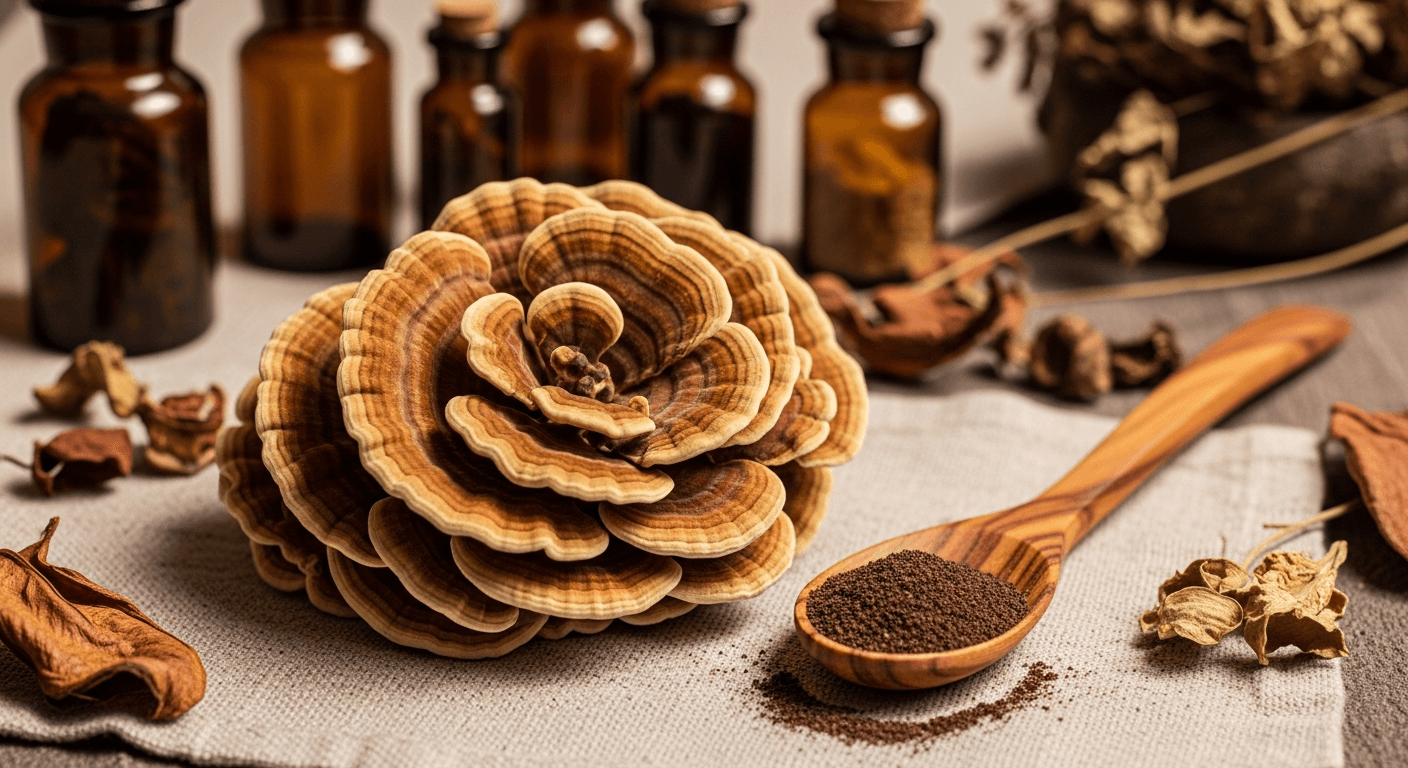
Coriolus versicolor, also scientifically classified as Trametes versicolor and colloquially known as the Turkey Tail mushroom, is one of the most extensively researched medicinal fungi in the world. Visually striking, it grows in overlapping, multi-colored concentric circles that resemble the tail feathers of a wild turkey. In its natural forest ecosystem, Turkey Tail plays a vital biological role as a white-rot fungus. It secretes complex extracellular enzymes, such as laccase and manganese peroxidase, to break down the tough lignin in dead wood, facilitating the recycling of nutrients back into the soil. This remarkable enzymatic capability hints at the complex biochemical machinery housed within the mushroom's cellular structure.
When transitioning from forest ecology to human pharmacology, the structural composition of the mushroom becomes paramount. The cellular walls of Turkey Tail are constructed from chitin, an incredibly tough, fibrous biopolymer that is also found in the exoskeletons of crustaceans. Locked safely within these rigid chitin walls are the mushroom's primary bioactive compounds. Because the human digestive tract lacks the specific enzyme (chitinase) required to break down raw chitin effectively, consuming raw or minimally processed Turkey Tail yields very little therapeutic benefit. The medicinal compounds must be meticulously extracted to become bioavailable to the human body.
The Power of Beta-Glucans and Polysaccharides
The true therapeutic power of Coriolus extract lies in its high concentration of high-molecular-weight, protein-bound polysaccharides, specifically beta-glucans. Beta-glucans are complex carbohydrates consisting of glucose molecules linked together in specific structural formations, primarily $\beta$-1,3 and $\beta$-1,6-D-glucan linkages. Unlike simple sugars that the body burns for immediate energy, these complex structures are not easily broken down by human digestive enzymes. Instead, they travel through the gastrointestinal tract intact, where they interact directly with the immune system and the gut microbiome, acting as potent Biological Response Modifiers (BRMs).
Within the scientific literature, the two most heavily studied proteoglycans (protein-bound beta-glucans) derived from Turkey Tail are Polysaccharide-K (PSK), also known as Krestin, and Polysaccharopeptide (PSP). These specific compounds have been the subject of thousands of clinical trials and extensive oncological research. They function by mimicking Pathogen-Associated Molecular Patterns (PAMPs). When these beta-glucans enter the body, the human immune system recognizes their structural patterns as foreign, which safely triggers a cascade of immune surveillance and activation without causing an actual infection or uncontrolled inflammatory storm.
Hot Water Extraction: Unlocking the Chitin Barrier
Because the therapeutic beta-glucans are trapped behind the indigestible chitin barrier, the method of extraction is the most critical factor in a supplement's efficacy. Hot water extraction is the traditional and scientifically validated gold standard for preparing Turkey Tail. This process involves simmering the mushroom fruiting bodies in highly controlled, pressurized hot water for prolonged periods. The sustained heat effectively melts the chitin walls, releasing the water-soluble polysaccharides, PSK, and PSP into the liquid, which is then concentrated and dried into a bioavailable powder.
It is crucial to understand that alcohol (ethanol) extraction, while useful for isolating certain antioxidants in other mushrooms, is highly detrimental to Turkey Tail's primary benefits. Scientific analyses demonstrate that high-molecular-weight beta-glucans precipitate—or solidify and fall out of solution—when exposed to high concentrations of alcohol. Therefore, a strictly alcohol-based tincture will be virtually devoid of the immune-modulating proteoglycans. Pure Encapsulations' Coriolus extract utilizes a meticulous hot water extraction process on certified organic, wild-crafted fruiting bodies, standardizing the final product to contain a potent 30% beta-glucan concentration, ensuring maximum clinical relevance.
How Long COVID and ME/CFS Impact the Immune System
Viral Persistence and Immune Exhaustion
To understand why Coriolus extract is so relevant to conditions like Long COVID and myalgic encephalomyelitis/chronic fatigue syndrome (ME/CFS), we must first examine how these illnesses dismantle the immune system. A leading theory behind the pathology of these conditions is viral persistence. In many patients, the initial acute infection (whether SARS-CoV-2, Epstein-Barr Virus, or another pathogen) is never fully cleared. Instead, the virus, or highly immunogenic viral fragments, hide within tissue reservoirs, constantly provoking the immune system. You can learn more about the origins of these conditions in our guide on What Causes Long COVID?.
This relentless viral provocation leads to a phenomenon known as CD8+ T-cell exhaustion. CD8+ T-cells are the immune system's cytotoxic assassins, responsible for hunting down and destroying virally infected cells. However, when exposed to chronic, unrelenting antigen stimulation, these T-cells become exhausted. They lose their ability to proliferate and produce critical antiviral cytokines like Interferon-gamma (IFN-$\gamma$) and Tumor Necrosis Factor-alpha (TNF-$\alpha$). A 2023 retrospective case series identified this pronounced CD8 T-cell dysfunction as a shared biomarker in both ME/CFS and Long COVID, highlighting a profound inability to mount an effective cellular defense.
Furthermore, these post-viral syndromes are characterized by severe dysfunction in Natural Killer (NK) cells. NK cells are the innate immune system's first responders, tasked with eliminating stressed or infected cells before the adaptive immune system kicks in. Recent research published in Frontiers in Immunology demonstrated that patients with Long COVID and ME/CFS exhibit impaired TRPM3 ion channel activity within their NK cells. This calcium channel dysfunction effectively paralyzes the NK cells, leaving the body vulnerable to opportunistic infections and allowing persistent viral reservoirs to thrive unchecked.
The Th1/Th2 Imbalance and Cytokine Storms
In a healthy immune system, there is a delicate balance between Th1 responses (which drive cellular immunity against viruses and intracellular bacteria) and Th2 responses (which drive humoral immunity against extracellular parasites and mediate allergic reactions). In complex chronic illnesses, this balance is frequently shattered. The immune system often shifts toward a Th2-dominant state, suppressing the necessary Th1 antiviral response while simultaneously triggering widespread allergic-type inflammation. This dysregulation is a primary driver of mast cell activation syndrome (MCAS), a common comorbidity where mast cells inappropriately degranulate, releasing histamine and inflammatory mediators throughout the body. For deeper insights, explore our article on managing immune dysregulation in Long COVID.
This imbalance creates a vicious cycle of chronic, low-grade systemic inflammation. The body produces elevated levels of pro-inflammatory cytokines, such as Interleukin-6 (IL-6) and Interleukin-1$\beta$ (IL-1$\beta$), alongside immunosuppressive cytokines like Transforming Growth Factor-beta (TGF-$\beta$). This paradoxical state—where the immune system is highly inflamed yet functionally suppressed—prevents tissue healing and perpetuates symptoms. This systemic inflammation can cross the blood-brain barrier, triggering microglial activation in the central nervous system, which manifests clinically as the debilitating brain fog and cognitive dysfunction so frequently reported by patients.
Gut Dysbiosis and the Gut-Immune Axis
The pathophysiology of Long COVID and ME/CFS is deeply intertwined with the gastrointestinal tract. Over 70% of the body's immune cells reside in the Gut-Associated Lymphoid Tissue (GALT). Post-viral syndromes frequently trigger profound gut dysbiosis, characterized by a significant loss of beneficial, immunoregulatory bacteria (like Bifidobacterium and Lactobacillus) and an overgrowth of opportunistic, pro-inflammatory pathogens. This microbial imbalance directly impairs the gut's ability to communicate effectively with the systemic immune system.
Crucially, this dysbiosis leads to a drastic reduction in the production of Short-Chain Fatty Acids (SCFAs), particularly butyrate. Butyrate is essential for providing cellular energy to the intestinal lining and maintaining the integrity of the tight junctions between epithelial cells. When butyrate levels plummet, the intestinal barrier becomes highly permeable—a condition commonly known as leaky gut. This allows endotoxins, such as lipopolysaccharides (LPS), to leak into the bloodstream, further fueling systemic inflammation, triggering mast cells, and exacerbating the neurological and autonomic symptoms of dysautonomia.
Coriolus Extract: Supporting Immune Function and Cellular Defense
Receptor Recognition and Macrophage Activation
Coriolus extract exerts its profound therapeutic effects by directly interfacing with the immune system at the cellular level. When the hot-water-extracted beta-glucans from Turkey Tail enter the body, they are immediately recognized by specific pattern recognition receptors (PRRs) located on the surface of innate immune cells. The primary docking site for these high-molecular-weight polysaccharides is the Dectin-1 receptor, which is abundantly expressed on macrophages, dendritic cells, and neutrophils. Upon binding to Dectin-1, the beta-glucans initiate a robust signaling cascade that activates macrophages, enhancing their capacity for phagocytosis—the process of engulfing and clearing cellular debris and pathogens.
Beyond Dectin-1, Turkey Tail extracts uniquely engage the Toll-Like Receptor (TLR) pathways. Mechanistic studies have revealed that the PSK fraction contains a distinct lipid moiety that acts synergistically with the protein-bound beta-glucan to act as a potent agonist for TLR2. Simultaneously, the PSP fraction heavily engages TLR4. This dual engagement activates the nuclear factor kappa B (NF-$\kappa$B) and p38 Mitogen-Activated Protein Kinase (MAPK) pathways. These complex intracellular signaling routes are vital for transcribing genes that mature dendritic cells, transforming them into highly efficient antigen-presenting cells that bridge the gap between the immediate innate immune response and long-term adaptive immunity.
Enhancing Natural Killer (NK) Cells and T-Cell Function
One of the most critical mechanisms of Coriolus extract for post-viral syndromes is its ability to reverse immune exhaustion. By stimulating the production of key signaling cytokines like Interleukin-12 (IL-12) and Interleukin-2 (IL-2), the mushroom's proteoglycans directly upregulate the proliferation and activation of CD8+ cytotoxic T-cells. This restores the T-cells' ability to produce Interferon-gamma (IFN-$\gamma$), effectively rearming them to hunt down and eliminate the persistent viral reservoirs that drive conditions like Long COVID and ME/CFS.
Simultaneously, Turkey Tail acts as a powerful stimulant for Natural Killer (NK) cell activity. In patients where viral persistence has paralyzed NK cell function, the introduction of PSK and PSP has been shown to dramatically increase both the absolute number of circulating NK cells and their cytotoxic efficiency. Clinical studies led by Dr. Jean Monro at the Breakspear Hospital demonstrated that targeted supplementation with Coriolus versicolor in ME/CFS patients resulted in a 35% increase in NK cell numbers, providing a crucial mechanism for clearing underlying infections and restoring baseline cellular defense.
Modulating Inflammation and Cytokine Balance
It is a common misconception that immune-supportive supplements simply "boost" or stimulate the immune system, which could be dangerous for patients dealing with autoimmunity or MCAS. However, Coriolus extract functions as a true immunomodulator. Rather than blindly stimulating an already inflamed system, it helps restore the critical Th1/Th2 balance. By promoting a targeted Th1 antiviral response, it simultaneously downregulates the hyperactive Th2 allergic pathways that drive histamine release and mast cell degranulation. This makes it an excellent complementary approach alongside mast cell stabilizers, a topic explored further in our guide on Ketotifen for MCAS and Long COVID.
Furthermore, the polysaccharides in Turkey Tail counteract the immunosuppressive microenvironment created by chronic illness. They help shift the systemic cytokine profile away from tissue-damaging, chronic inflammation toward a state of active resolution. Interestingly, alongside modulating inflammatory mediators, PSP-induced cytokines have been linked to enhanced Superoxide Dismutase (SOD) activity. SOD is a powerful endogenous antioxidant enzyme that scavenges highly reactive superoxide radicals, thereby reducing oxidative stress and protecting cellular mitochondria from damage during the immune response.
Prebiotic Support for the Gut Microbiome
The therapeutic reach of Coriolus extract extends deeply into the gastrointestinal tract, where its beta-glucans act as highly effective prebiotics. Because these complex carbohydrates resist digestion in the stomach and small intestine, they arrive intact in the colon. Here, they serve as a selective, fermentable food source for beneficial gut microbiota. A 2014 randomized clinical trial published in Gut Microbes evaluated the effects of Turkey Tail PSP extract on the human gut microbiome in 24 healthy volunteers over an 8-week period, highlighting its potential to modulate intestinal flora compared to antibiotics.
As these beneficial bacteria ferment the mushroom's beta-glucans, they produce copious amounts of Short-Chain Fatty Acids (SCFAs), particularly butyrate, acetate, and propionate. This localized SCFA production is a game-changer for patients with dysautonomia and systemic inflammation. Butyrate directly nourishes the colonocytes, supports the tight junctions to help manage leaky gut, and lowers the pH of the intestinal environment to create an inhospitable terrain for pathogens. By restoring the integrity of the gut-immune axis, Coriolus extract helps calm systemic inflammation at its source, reducing the endotoxin burden on the liver and the central nervous system.
Symptoms Coriolus Extract May Help Manage
Targeting Post-Viral Fatigue and Immune Dysfunction
By restoring cellular defense mechanisms and modulating the immune response, Coriolus extract targets several debilitating symptoms associated with post-viral syndromes:
Post-Exertional Malaise (PEM) and Severe Fatigue: By clearing persistent viral reservoirs that constantly drain cellular energy, and by reducing the systemic cytokine load, Coriolus may help alleviate the profound, crushing fatigue that characterizes ME/CFS and Long COVID.
Frequent Secondary Infections: By dramatically increasing the numbers and cytotoxic activity of Natural Killer (NK) cells and CD8+ T-cells, the extract supports the body's first line of defense, which may help reduce susceptibility to opportunistic colds, flus, and latent viral reactivations (like EBV).
Brain Fog and Cognitive Dysfunction: By modulating systemic inflammation and reducing the circulation of pro-inflammatory cytokines (like IL-6) that cross the blood-brain barrier, Turkey Tail may help calm microglial activation, supporting clearer cognition and improved neurological function.
Addressing Gut Health and Systemic Inflammation
The potent prebiotic properties of Turkey Tail beta-glucans also provide targeted relief for gastrointestinal and inflammatory symptoms:
Gastrointestinal Distress and Dysbiosis: By selectively feeding beneficial Bifidobacterium and Lactobacillus, the extract may help correct gut dysbiosis, alleviating symptoms like bloating, irregular bowel movements, and food sensitivities associated with a damaged microbiome.
Mast Cell Activation and Allergic Responses: By restoring the Th1/Th2 immune balance and supporting the intestinal mucosal barrier, Coriolus may help reduce the systemic endotoxin burden that frequently triggers inappropriate mast cell degranulation and histamine release.
Joint Pain and Systemic Aches: The enhancement of endogenous antioxidants like Superoxide Dismutase (SOD), combined with the reduction of chronic inflammatory signaling, may help mitigate the widespread muscle and joint pain often experienced in complex chronic illnesses.
Practical Considerations: Forms, Dosing, and Absorption
Why Hot Water Extraction is the Gold Standard
When selecting a Coriolus supplement, understanding the extraction method is paramount to achieving clinical results. As previously discussed, the medicinal beta-glucans, PSK, and PSP are locked tightly within the mushroom's rigid chitin cell walls. Raw, unextracted Turkey Tail powder is virtually indigestible and offers minimal therapeutic value. Hot water extraction is the only scientifically validated method capable of melting the chitin barrier and fully dissolving these high-molecular-weight, water-soluble proteoglycans, making them highly bioavailable to the human immune system and gut microbiome.
While dual extraction (using both water and alcohol) is beneficial for mushrooms high in fat-soluble triterpenes, like Reishi or Chaga, it is generally counterproductive for Turkey Tail. Pharmacological data confirms that the critical immune-modulating beta-glucans precipitate and are destroyed when exposed to high concentrations of ethanol. Therefore, liquid tinctures or strictly alcohol-based extracts of Turkey Tail will not provide the immune or prebiotic benefits documented in clinical trials. Pure Encapsulations' Coriolus extract utilizes a meticulous, temperature-controlled hot water extraction process, standardizing the final capsule to yield a guaranteed 30% beta-glucan content, ensuring you receive the exact bioactive compounds utilized in medical research.
Dosing Guidelines for Chronic Illness
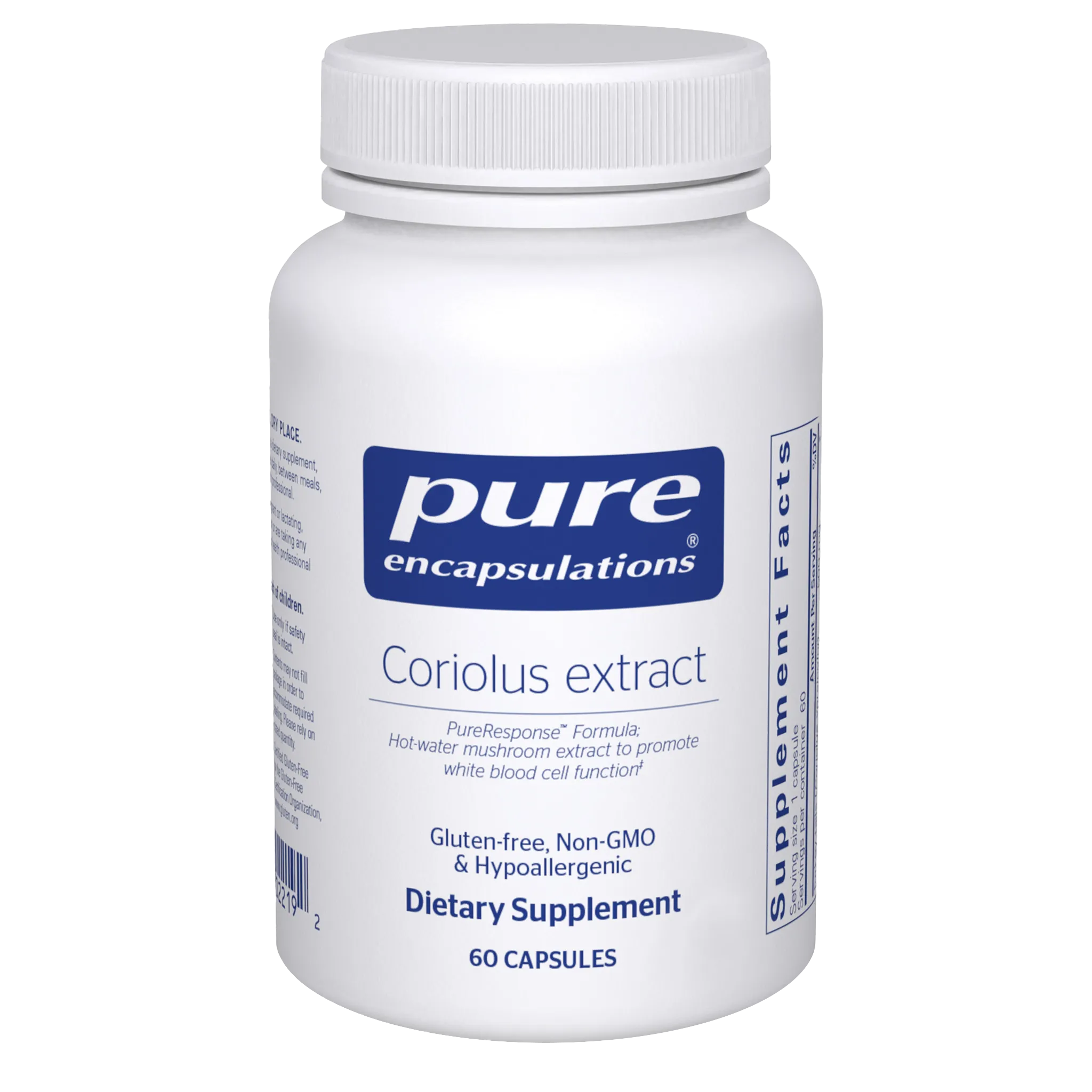
In clinical settings, the dosage of Coriolus extract varies depending on the severity of the condition and the specific therapeutic goal. For general immune support and microbiome maintenance, standard protocols often recommend between 1,000 mg to 3,000 mg (1 to 3 grams) daily. Pure Encapsulations provides 500 mg of standardized organic extract per capsule. A common starting dose for patients managing post-viral immune dysregulation is 1 capsule taken 1 to 2 times daily, gradually increasing under the guidance of a healthcare provider as the body adapts.
For optimal absorption, it is generally recommended to take Coriolus extract between meals or on an empty stomach. Because the beta-glucans act as prebiotics and interact directly with the gut-associated lymphoid tissue (GALT), taking them away from heavy meals prevents competition with other dietary fibers and digestive processes. It is also important to manage expectations; biological response modifiers are not quick-fix stimulants. Rebuilding exhausted T-cell populations, restoring NK cell function, and permanently shifting the gut microbiome takes time. Consistent daily use over a period of 6 to 12 weeks is typically required to observe significant clinical improvements in fatigue and immune resilience.
Safety, Contraindications, and Potential Interactions
Turkey Tail is widely regarded as one of the safest medicinal mushrooms, with a robust history of long-term use in both traditional medicine and modern oncology. In healthy individuals, side effects are rare and typically mild, occasionally presenting as temporary gastrointestinal bloating or gas as the gut microbiome rapidly shifts and ferments the new prebiotic fibers. However, because Coriolus is a potent immunomodulator, it is not appropriate for everyone and requires careful consideration in specific medical contexts.
Individuals diagnosed with active autoimmune diseases—such as lupus, rheumatoid arthritis, or multiple sclerosis—should exercise extreme caution. While Coriolus modulates rather than blindly stimulates, its ability to upregulate certain T-cell and macrophage activities could theoretically exacerbate autoimmune flares in sensitive individuals. Furthermore, Turkey Tail can interact with specific medications. It may counteract the effects of prescribed immunosuppressants (such as those taken after organ transplants) and has been noted to mildly lower blood sugar, which could require dosage adjustments for patients on antidiabetic medications. Always consult with a literate healthcare provider before integrating profound immune modulators into your protocol.
Follow the Science
Clinical Trials on ME/CFS and NK Cell Restoration
The scientific validation of Coriolus versicolor for post-viral fatigue syndromes is anchored in targeted clinical research evaluating immune restoration. A cornerstone of this research was conducted by Dr. Jean Monro at the Breakspear Medical Group, focusing on patients with defined ME/CFS and autonomic dysfunction. Recognizing that ME/CFS is characterized by a severe suppression of Natural Killer (NK) cell activity, the researchers utilized Coriolus extract to stimulate both innate and adaptive immune responses. In a detailed clinical study, a two-month course of Coriolus supplementation successfully induced a 35% increase in Natural Killer (NK) cell numbers in a cohort of 36 CFS patients.
Further supporting its efficacy against profound fatigue, a randomized, double-blind, placebo-controlled study conducted at the University of Toyama in Japan evaluated the effects of PSK (the active proteoglycan from Turkey Tail) on severe fatigue. The researchers found that participants who received daily PSK supplementation for five weeks reported a statistically significant decrease in fatigue symptoms compared to the placebo group. These findings provide critical clinical evidence that by correcting underlying immune exhaustion and restoring NK cell surveillance, Coriolus extract can directly translate to improved energy metabolism and reduced post-exertional malaise.
Research on Viral Persistence and HPV Clearance
The antiviral capacity of Coriolus extract, particularly its ability to clear persistent viral reservoirs, has been heavily documented in gynecological and virological research. Persistent High-Risk Human Papillomavirus (HR-HPV) is a classic example of a virus evading the immune system to cause long-term tissue damage. Multiple clinical trials, including the PALOMA study published in the Latin American Journal of Clinical Sciences, have tested Coriolus-based treatments for HPV clearance. The trials demonstrated that targeted application of Coriolus versicolor resulted in HR-HPV clearance in over 50% of cases and repaired damaged cervical tissue in over 80% of patients.
The profound implications of this antiviral mechanism are highlighted in compelling clinical case studies. In one remarkable instance documented in gynecological case reports, a patient with a 12-year history of persistent HR-HPV—who had failed multiple surgical interventions—achieved complete viral clearance and cellular normalization after 6 months of Coriolus treatment. This proven ability to upregulate CD8+ T-cells to hunt down deeply entrenched, decade-old viral reservoirs provides a strong mechanistic rationale for its use in Long COVID and ME/CFS, where persistent SARS-CoV-2 or reactivated Epstein-Barr Virus (EBV) are suspected drivers of chronic pathology.
Ongoing Trials for COVID-19 and Post-Viral Syndromes
Recognizing the urgent need for therapies that address the immune dysregulation at the heart of the pandemic, major research institutions have turned to medicinal mushrooms. The FDA-approved MACH-19 trials (Mushrooms and Chinese Herbs for COVID-19), led by researchers at UC San Diego and UCLA, are currently investigating the efficacy of Turkey Tail against COVID-19. These multi-center phase 1 trials are testing a blend of Trametes versicolor and Fomitopsis officinalis to measure their impact on viral clearance and immune modulation.
The mechanistic rationale behind the MACH-19 trials perfectly encapsulates the dual nature of Coriolus extract. Researchers selected Turkey Tail specifically because its polysaccharides bind to Toll-Like Receptor 2 (TLR2) on human immune cells. This engagement is hypothesized to enhance T-cell immunity against virally infected cells while simultaneously calming hyper-inflammation, thereby potentially preventing the devastating "cytokine storms" that trigger severe acute COVID and lay the groundwork for Long COVID tissue damage. As these trials progress, they continue to cement the role of biological response modifiers in mainstream post-viral care.
The Path Forward
Integrating Coriolus into Your Management Plan
Living with a complex chronic illness like Long COVID, ME/CFS, or dysautonomia is an exhausting, often invisible battle. The profound fatigue, cognitive dysfunction, and unpredictable symptom flares are not merely the result of being "tired"—they are the clinical manifestations of a deeply dysregulated, exhausted immune system fighting a silent war. Validating this biological reality is the first step toward healing. Coriolus extract offers a scientifically grounded, clinically researched tool to help restore cellular defense, clear persistent viral reservoirs, and rebuild the foundational gut-immune axis.
However, it is crucial to recognize that no single supplement is a cure-all for complex post-viral syndromes. Coriolus extract is most effective when utilized as one highly targeted piece of a comprehensive, multi-disciplinary management strategy. Rebuilding an exhausted immune system requires a holistic approach that includes rigorous pacing to prevent post-exertional malaise, meticulous symptom tracking, nervous system regulation, and targeted nutritional support. Understanding how different conditions interact is vital; for instance, you can explore the connections further in our article, Can Long COVID Trigger ME/CFS? Unraveling the Connection.
A Holistic Approach to Chronic Illness Recovery
The journey to recovery is rarely linear, but by addressing the root mechanisms of immune dysfunction and gut dysbiosis, you can begin to shift the body's baseline from a state of chronic alarm to one of active resolution. By supporting Natural Killer cell activity, reversing T-cell exhaustion, and nourishing the microbiome with potent beta-glucans, Turkey Tail provides the precise biological response modification needed to break the vicious cycle of systemic inflammation. For patients also dealing with severe mast cell activation, combining immune modulators with targeted stabilizers can be a powerful strategy, as discussed in our guide on Aller-Essentials for MCAS and Long COVID.
Next Steps and Medical Guidance
As you navigate your path forward, remember that rebuilding cellular health takes time, consistency, and patience. Always work collaboratively with a medically literate healthcare provider who understands the nuances of post-viral syndromes and immune modulation before introducing new supplements into your regimen. They can help tailor the dosage, monitor for potential interactions, and ensure that your treatment plan is safely aligned with your unique physiological needs.