Can the Core Restore 7-Day Kit Support Liver Detoxification and Energy in Long COVID and ME/CFS?
March 6, 2026
Core RestoreLiver DetoxificationLong COVID
Share:
Disclaimer: The information provided here is for educational purposes only and is not intended as medical advice. It should not be used to diagnose, treat, cure, or prevent any medical condition. Instead, use it as a starting point for discussion with your healthcare provider. Always consult with a qualified healthcare provider before starting any new medication, supplement, device, or making changes to your health regimen.
Months after recovering from an initial viral infection, many people find themselves fighting a relentless battle against debilitating symptoms. The profound fatigue, heavy brain fog, and sudden chemical sensitivities that characterize Long COVID and myalgic encephalomyelitis/chronic fatigue syndrome (ME/CFS) can leave patients feeling as though their bodies are fundamentally weighed down. But what is happening at a cellular level that allows these symptoms to persist for months or even years? Emerging research points to a critical, often overlooked factor: the overwhelming of the body's natural detoxification systems and the resulting accumulation of oxidative stress.
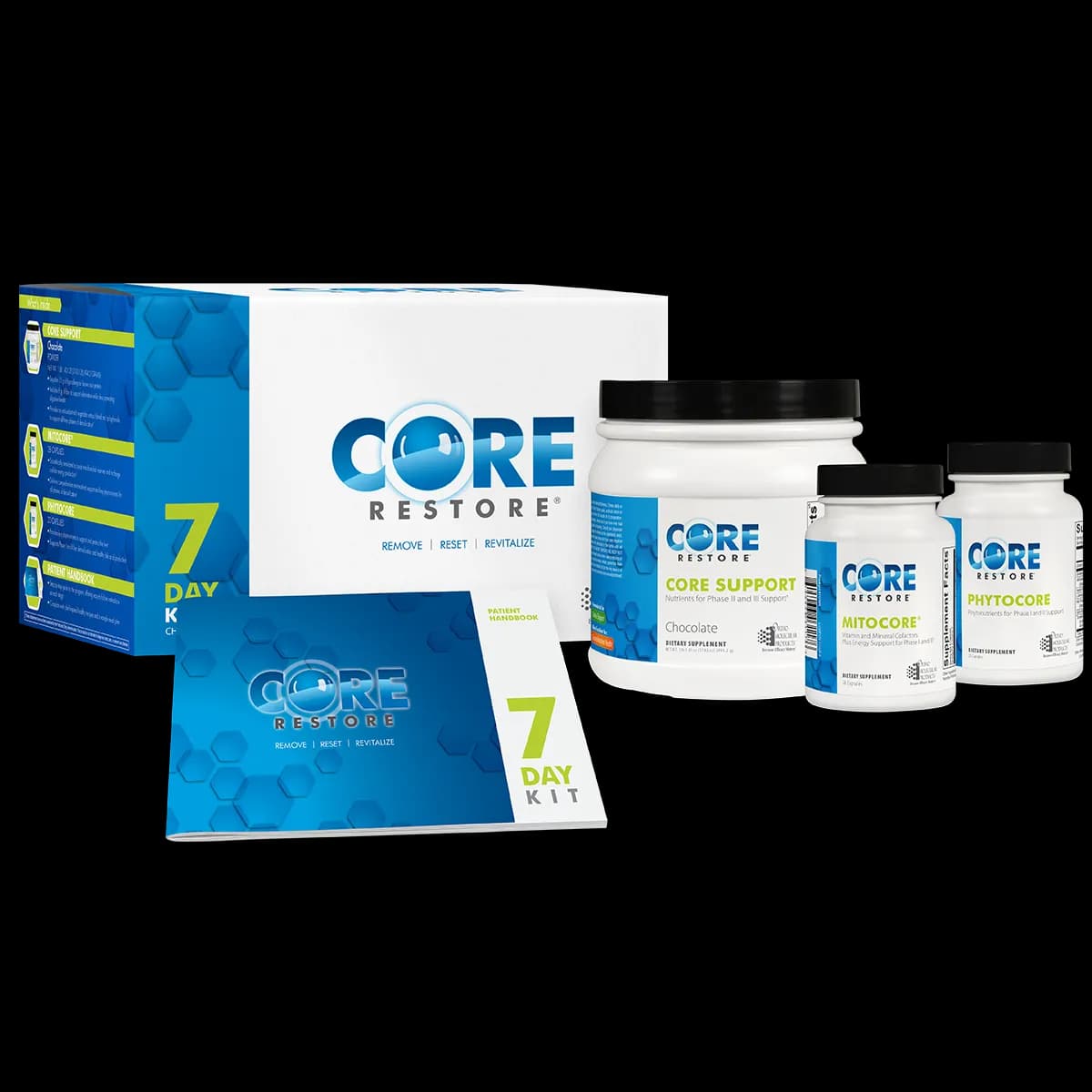
In the wake of the COVID-19 pandemic, a new understanding of chronic illness has emerged, highlighting the intricate connections between viral persistence, mitochondrial dysfunction, and liver health. The liver is the body's central metabolic hub, responsible for filtering out environmental pollutants, metabolic waste, and the cellular debris left behind by chronic inflammation. When this system becomes sluggish or dysregulated—a common occurrence in complex chronic conditions—toxins pool in the tissues, triggering a vicious cycle of inflammation and energy depletion. The Core Restore 7-Day Kit (Chocolate) by Ortho Molecular is a comprehensive, clinically designed program intended to safely reboot these crucial pathways. By strategically supplying the exact micronutrients, phytonutrients, and amino acids required for cellular biotransformation, this protocol aims to reduce the toxic burden, restore optimal liver function, and help patients reclaim their energy.
What is the Core Restore 7-Day Kit?
The Concept of Clinical Biotransformation
When we hear the word "detox," it is easy to picture fad diets or temporary juice cleanses. However, in medical and biochemical science, detoxification—more accurately termed biotransformation—is a continuous, 24/7 physiological process primarily managed by the liver. The liver acts as the body's master filtration system, responsible for identifying, neutralizing, and eliminating potentially harmful fat-soluble (lipophilic) compounds. These include exogenous toxins like environmental pollutants, heavy metals, and pharmaceuticals, as well as endogenous waste products like excess hormones, ammonia, and the metabolic byproducts of cellular respiration. To safely remove these lipophilic toxins, the liver must convert them into water-soluble (hydrophilic) molecules that can be excreted through bile or urine.
This highly coordinated biotransformation occurs in three sequential stages: Phase I, Phase II, and Phase III. The Core Restore 7-Day Kit is specifically engineered to support all three of these pathways simultaneously and synergistically. The kit includes three distinct formulas—Core Support, PhytoCore, and MitoCORE®—that provide the energy and nutritional cofactors critical for active biotransformation. Because detoxification is a highly energy-dependent process that can actually generate harmful free radicals if not properly supported, providing the right nutrients at the right time is essential for preventing tissue damage and systemic symptom flares.
Phase I: The Cytochrome P450 Activation
Phase I is the body's first line of enzymatic defense against toxins. However, the primary goal of Phase I is not to eliminate the toxin, but to "activate" or chemically modify it to prepare it for Phase II processing. This phase alters the molecular structure of fat-soluble toxins through chemical reactions such as oxidation (adding oxygen), reduction (removing oxygen), hydrolysis, and hydration. These reactions expose or introduce highly reactive functional groups (such as hydroxyl or carboxyl groups) to the toxin, making it slightly more water-soluble and providing a "handle" for Phase II enzymes to grab onto.
This activation phase is overwhelmingly driven by the Cytochrome P450 (CYP450) superfamily of enzymes, which are embedded in the membrane of the endoplasmic reticulum within liver cells (hepatocytes). While CYP450 enzymes are incredibly efficient at recognizing a vast array of foreign chemicals, Phase I is a biological double-edged sword. The chemical modification process often converts relatively stable toxins into intermediate metabolites that are significantly more chemically reactive and biologically toxic than the original compound. This process inherently generates massive amounts of free radicals and reactive oxygen species (ROS) as metabolic byproducts. If these reactive intermediates are not immediately neutralized by Phase II, they can cause severe oxidative damage to cellular DNA, proteins, and mitochondrial membranes.
Phase II: The Crucial Conjugation Step
Phase II is the crucial neutralization step that handles the highly reactive intermediate metabolites produced by Phase I and disarms them. In a biochemical process known as "conjugation," Phase II enzymes attach a large, water-soluble, endogenous molecule directly to the reactive site created during Phase I. This conjugation neutralizes the compound, strips its biological reactivity, and makes it highly hydrophilic (water-soluble) so it can be safely transported through the blood or bile. There are six primary conjugation pathways in the liver, including glucuronidation, sulfation, methylation, acetylation, amino acid conjugation, and glutathione conjugation.
Glutathione conjugation is perhaps the most critical of these pathways, utilizing Glutathione S-transferases (GSTs) to bind the toxin to glutathione, the body's master antioxidant. Phase II is highly energy-dependent, requiring massive amounts of adenosine triphosphate (ATP) produced by the mitochondria. It also demands specific dietary substrates to function, including high-quality amino acids like glycine and taurine, sulfur-rich compounds, and glutathione precursors. The Core Restore kit is heavily focused on upregulating this Phase II step, ensuring that the liver has the raw materials necessary to "catch" the reactive toxins produced by Phase I before they can cause systemic inflammation.
Phase III: Transport and Elimination
Often neglected in traditional discussions of detoxification, Phase III is the non-negotiable final step: the physical transport and elimination of the conjugated, water-soluble toxins out of the cell and the body. Once a toxin is successfully conjugated in Phase II, it must be actively pumped across the hepatocyte membrane against a concentration gradient. This cellular export relies on active transport proteins, primarily the ATP-binding cassette (ABC) transporter family. These transporters pump the neutralized toxins either into the bile (for elimination via the gastrointestinal tract in stool) or into the bloodstream (to be filtered by the kidneys and excreted in urine).
Phase III is heavily dependent on optimal hydration, healthy bile flow, and consistent gastrointestinal motility. If an individual suffers from cholestasis (stagnant bile) or constipation—common issues in dysautonomia and ME/CFS—conjugated toxins deposited in the intestines can be reabsorbed into systemic circulation. This process, known as enterohepatic recirculation, completely undoes the metabolic work of Phases I and II, allowing toxins to re-enter the liver and perpetuate the cycle of chronic illness. The Core Restore program addresses Phase III by incorporating specific fibers and choleretic botanicals to bind toxins in the gut and stimulate bile flow, ensuring that mobilized toxins actually leave the body.
How Complex Chronic Illness Impacts Liver Function
Viral Infection and the Suppression of Detoxification Pathways
To understand why a comprehensive biotransformation program is relevant for complex chronic conditions, we must examine how these illnesses impact the liver at a molecular level. In Long COVID, the initial SARS-CoV-2 infection does not merely affect the lungs; it is a systemic virus that frequently targets the liver. The virus can directly infect Liver Sinusoidal Endothelial Cells (LSECs), triggering localized inflammation and immune hyperactivation. Recent systems biology studies analyzing RNA-seq data from severe COVID-19 liver samples have revealed that the virus triggers a profound transcriptional shift in the liver. Specifically, it downregulates Cytochrome P450 family members (such as CYP39A1) and other critical metabolic transcripts.
This viral-induced downregulation significantly suppresses xenobiotic and drug metabolism pathways, confirming a measurable decrease in the liver's capacity for detoxification. When the liver's Phase I and Phase II pathways are suppressed, everyday environmental toxins, metabolic waste, and pharmaceutical byproducts begin to accumulate in the tissues. This toxic burden places immense stress on the immune system, contributing to the persistent immune dysregulation and mast cell activation syndrome (MCAS) frequently seen in Long Haulers. The body becomes trapped in a state of chronic alarm, unable to clear the very compounds that are triggering its inflammatory response.
Oxidative Stress and the Depletion of Glutathione
At the core of both Long COVID and ME/CFS pathophysiology is a severe, systemic imbalance known as oxidative stress. Oxidative stress occurs when the production of reactive oxygen species (ROS) outpaces the body's antioxidant defenses, leading to widespread cellular and mitochondrial damage. A landmark 2024 study published in PNAS analyzed the immune cells of healthy controls alongside ME/CFS and Long COVID donors, finding that lymphocytes from both patient groups exhibited severely elevated oxidative stress and mitochondrial lipid oxidative damage. This constant oxidative damage forces immune cells to consume excess host energy, directly driving the debilitating fatigue and post-exertional malaise (PEM) that define these conditions.
The liver is the primary organ responsible for combating this oxidative stress through the synthesis of glutathione. However, the chronic inflammation of Long COVID and ME/CFS rapidly depletes intracellular glutathione pools. Furthermore, clinical reviews indicate that many Long COVID patients exhibit persistent elevations in Gamma-glutamyl transferase (GGT), a liver enzyme associated with the degradation of extracellular glutathione. When glutathione is depleted, Phase II conjugation grinds to a halt. The liver can no longer neutralize the reactive intermediates produced by Phase I, leading to a massive buildup of hepatotoxic compounds that further destroy mitochondrial function and perpetuate the cycle of profound energy loss.
Dysautonomia, Hypoxia, and the Brain-Liver Axis
Dysautonomia, a malfunction of the autonomic nervous system that includes conditions like Postural Orthostatic Tachycardia Syndrome (POTS), is highly prevalent in the chronic illness community. The relationship between the autonomic nervous system and liver function is bidirectional and deeply intertwined. Dysautonomia often involves thoracic and brainstem dysfunction, leading to massive splanchnic (abdominal) vasodilation and venous pooling. When blood pools in the abdomen upon standing, it deprives the brain of oxygen (causing brain fog and orthostatic intolerance) while simultaneously creating localized hypoxia (low oxygen) in the liver and gut tissues.
This visceral hypoxia is disastrous for liver biotransformation. Hypoxia causes ischemia-reperfusion injury in the liver, which hyperactivates Kupffer cells (the liver's resident macrophages). These activated macrophages release a storm of pro-inflammatory cytokines (like IL-6 and TNF-alpha) and generate intense localized oxidative stress. Furthermore, research demonstrates that chronic liver dysfunction can directly drive autonomic failure via neuroimmune feedback loops and the impaired clearance of vasodilating chemicals like nitric oxide. This creates a devastating feedback loop: dysautonomia starves the liver of oxygen, which impairs detoxification and increases oxidative stress, which in turn further damages the autonomic nerves (hepatic neuropathy) and worsens the dysautonomia.
Core Restore: Supporting the Three Phases of Detoxification
Core Support: Fueling Phase II and Phase III
The Core Restore program is built upon the principle of synchronized biotransformation, recognizing that stimulating toxin breakdown without adequate neutralization pathways is dangerous. The foundation of the kit is Core Support, a powdered formulation specifically engineered to enhance Phase II conjugation and Phase III elimination. Core Support provides 15 grams of hypoallergenic brown rice protein and 6.7 grams of a specialized fiber blend per serving. The clean protein supplies the essential amino acids required to rebuild cellular structures, while the fiber acts as a crucial Phase III binder. Once the liver processes a toxin and dumps it into the gastrointestinal tract via bile, the fiber acts like a sponge, binding to the neutralized toxins and ensuring they are excreted in the stool rather than being reabsorbed through the intestinal wall.
Beyond macronutrients, Core Support is loaded with specific Phase II cofactors. It contains 750 mg of Glycine and 250 mg of Taurine, two sulfhydryl-containing amino acids that are the direct substrates for the amino acid conjugation and sulfation pathways. Glycine is particularly vital, as it is a rate-limiting component in the intracellular synthesis of glutathione. By providing these raw materials, Core Support ensures that the liver's Phase II enzymes have an abundant supply of the "sticky" molecules needed to grab onto and neutralize the highly reactive, oxidative toxins generated during Phase I.
PhytoCore: Botanical Stimulation of Phase I and Bile Flow
Introduced strategically on the third day of the program, PhytoCore is a capsule formulation designed to gently stimulate Phase I Cytochrome P450 activity and promote robust Phase III bile flow. Once the Phase II pathways have been adequately fueled and upregulated by Core Support, PhytoCore provides the botanical trigger to begin mobilizing stored toxins from the tissues. It features a Complete Turmeric Matrix, which provides standardized amounts of curcuminoids along with natural volatile oils to ensure high bioavailability. Curcumin is a potent anti-inflammatory that helps soothe the hepatic inflammation caused by viral persistence and oxidative stress.
Crucially, PhytoCore contains lipotropic agents (like Methionine and Choline) and choleretic botanicals such as Silymarin (from Milk Thistle) and Artichoke Leaf Extract. Silymarin provides profound hepatoprotective effects by inhibiting lipid peroxidation and protecting against glutathione depletion. Artichoke leaf extract acts as a powerful choleretic, meaning it physically stimulates the production and flow of bile from the liver into the gallbladder and intestines. Because bile is the primary physical vehicle the liver uses to transport conjugated toxins out of the body, stimulating this flow is essential for preventing the toxic backlog and cholestasis that often plague patients with dysautonomia and sluggish gastrointestinal motility.
MitoCORE: Resuscitating Cellular Energy
Active liver biotransformation places immense energy demands on the body. The enzymes that drive Phase I and Phase II detoxification require massive amounts of ATP to function. In patients with Long COVID and ME/CFS, mitochondrial dysfunction means ATP is already in critically short supply. MitoCORE® is a science-driven multivitamin and cellular energy formulation specifically engineered to boost mitochondrial reserves and recharge ATP production, ensuring the liver has the fuel it needs to complete the detox process without triggering a severe post-exertional crash.
MitoCORE features a synergistic blend of Acetyl-L-Carnitine (ALC) and Alpha-Lipoic Acid (ALA). Acetyl-L-Carnitine acts as a molecular shuttle, transporting long-chain fatty acids across the mitochondrial membrane so they can be burned for energy via beta-oxidation. Alpha-Lipoic Acid is a unique, dual-soluble antioxidant that actively regenerates oxidized glutathione, Vitamin C, and Vitamin E back to their active states. Peer-reviewed studies have demonstrated that the combination of ALC and ALA significantly improves metabolic function, repairs mitochondrial decay, and decreases oxidative damage to cellular membranes. MitoCORE also provides a fully methylated B-complex, ensuring that the Krebs cycle has the necessary enzymatic cofactors (like FAD and FMN) to maintain continuous energy output.
The Synergistic Power of Nrf2 Activation
One of the most profound mechanisms by which the Core Restore kit operates is through the activation of the Nrf2-ARE pathway. Nrf2 is a master transcription factor that regulates the expression of over 200 genes involved in antioxidant defense and detoxification. Under normal conditions, Nrf2 is trapped in the cellular cytoplasm by a sensor protein called Keap1. However, specific compounds in the Core Restore kit—most notably N-Acetyl-L-Cysteine (NAC), Alpha-Lipoic Acid, Schisandra Berry Extract, and Glucosinolates (from Broccoli Seed Extract)—act as powerful Nrf2 activators.
When these compounds interact with Keap1, they free Nrf2, allowing it to translocate into the cell nucleus and bind to the Antioxidant Response Element (ARE). In vitro studies have shown that compounds like Alpha-Lipoic Acid and sulforaphane (derived from glucosinolates) can drastically upregulate the expression of critical Phase II enzymes, including Glutathione S-transferase (GST) and NAD(P)H quinone oxidoreductase 1 (NQO1), by over 120%. Furthermore, Schisandra acts as a "monofunctional inducer," meaning it selectively upregulates these protective Phase II clearance enzymes without needlessly increasing Phase I enzymes. This precise genetic signaling ensures that the liver is biochemically primed to neutralize and excrete toxins safely, reducing the systemic oxidative stress that drives chronic fatigue and brain fog.

Symptoms Core Restore May Help Manage
Targeting Systemic Toxin Burden
Because the Core Restore kit targets the foundational mechanisms of cellular energy and liver biotransformation, it may help manage a wide array of symptoms associated with systemic oxidative stress and toxic burden. By restoring the liver's ability to clear metabolic waste and environmental irritants, patients often experience improvements in both cognitive and physical function.
Profound Fatigue and PEM: By supplying Acetyl-L-Carnitine, Alpha-Lipoic Acid, and methylated B-vitamins, the kit resuscitates mitochondrial ATP production. This helps alleviate the crushing cellular fatigue and reduces the severity of post-exertional crashes by ensuring cells have the energy required for basic metabolic maintenance.
Brain Fog and Cognitive Dysfunction: The brain is highly susceptible to oxidative stress and the accumulation of neurotoxic metabolic byproducts (like ammonia). By upregulating Phase II glutathione conjugation, the kit helps clear these neurotoxins from the bloodstream, potentially improving mental clarity, focus, and memory.
Chemical Sensitivities and MCAS Triggers: When Phase I and Phase II pathways are sluggish, everyday chemicals (perfumes, exhaust, cleaning products) pool in the blood, triggering mast cell degranulation. Enhancing these detox pathways helps clear these triggers rapidly, potentially lowering the threshold for allergic and chemical sensitivity reactions.
Digestive Sluggishness and Bloating: The inclusion of choleretic botanicals like Artichoke Leaf Extract stimulates bile flow, while the 6.7 grams of fiber promotes healthy gastrointestinal motility. This helps relieve constipation, reduces bloating, and prevents the enterohepatic recirculation of toxins.
Muscle Aches and Joint Pain: Systemic inflammation is often driven by the accumulation of reactive oxygen species and inflammatory cytokines in the tissues. By providing potent antioxidants like NAC, Green Tea Extract (EGCG), and Turmeric, the kit helps neutralize free radicals, potentially reducing widespread musculoskeletal pain.
Practical Considerations: Forms, Dosing, and Absorption
The Importance of Strategic Timing
The clinical efficacy of the Core Restore program relies heavily on its strategic, staggered timing. The protocol is designed to prevent the negative side effects commonly associated with "detoxing," such as severe fatigue, headaches, and symptom flares. During Days 1 and 2, patients consume only the Core Support powder and the MitoCORE capsules. This crucial preparation phase floods the body with Phase II cofactors (like NAC, Glycine, and Taurine) and mitochondrial energy substrates. PhytoCore is completely withheld during this time. This ensures that the liver's Phase II conjugation pathways are fully established and capable of handling a heavy toxic load.
On Day 3, once the Phase II "catchers" are in place, the PhytoCore capsules are introduced to stimulate Phase I Cytochrome P450 activity and begin mobilizing toxins from the tissues. If Phase I were stimulated before Phase II was ready—a common flaw in many over-the-counter cleanses—the liver would produce a massive backlog of highly reactive, oxidative intermediate metabolites that pool in the bloodstream and cause severe "detox sickness." By strictly adhering to this staggered timing, the Core Restore kit ensures a safe, balanced biotransformation process that minimizes the risk of exacerbating chronic illness symptoms.
Bioavailability and Cellular Absorption
Ortho Molecular heavily utilizes patented, high-absorption ingredients to ensure that the nutrients in the Core Restore kit actually reach the cells. The MitoCORE capsules feature TRAACS® (The Real Amino Acid Chelate System), which binds trace minerals like magnesium and zinc to amino acids. This prevents the minerals from competing for absorption in the gut and allows them to be actively transported across the intestinal wall, drastically improving their bioavailability. Furthermore, the inclusion of Quatrefolic® (an active, methylated 5-MTHF folate) ensures that patients with MTHFR genetic mutations can efficiently absorb and utilize the B-vitamins necessary for the methylation pathways of Phase II detox.
The Core Support powder utilizes hypoallergenic brown rice protein, which provides a low-allergen, easily digestible energy source that gives the gastrointestinal tract a much-needed rest. By using water-soluble amino acids and easily broken-down protein, the nutrients are rapidly absorbed into the portal vein to fuel hepatic cellular energy. However, it is critical to note that the psyllium fiber in the Core Support powder acts as a sponge. Patients must mix the powder with at least 8 to 10 ounces of water and maintain copious hydration throughout the day. Without adequate liquid, the fiber cannot properly bind to toxins for Phase III elimination and may cause severe constipation or gastrointestinal discomfort.
Potential Drug Interactions and Precautions
Because the Core Restore program fundamentally alters how the liver and GI tract process chemicals, it carries several notable interaction warnings that patients with complex chronic conditions must consider. First, the heavy dose of fiber in the Core Support powder can physically bind to orally administered prescription medications in the stomach, drastically lowering the drug's absorption rate. Patients should separate their prescription medications from the Core Support shakes by at least 1 to 2 hours to ensure their medications remain effective.
Additionally, the botanicals in PhytoCore—particularly Milk Thistle (silymarin), Garlic, and Turmeric—actively stimulate Phase I Cytochrome P450 liver enzymes. Because the vast majority of pharmaceutical drugs are metabolized by CYP450 enzymes, stimulating this pathway can alter the speed at which medications are cleared from the body. This can potentially render some drugs less effective or alter their side-effect profiles. Finally, MitoCORE contains Vitamin K1 and Vitamin K2, which can interact with blood-thinning medications like Warfarin (Coumadin). Patients on daily prescription medications, especially anticoagulants or narrow-therapeutic-index drugs, must consult with their healthcare provider or pharmacist before initiating this or any comprehensive detoxification protocol.

Follow the Science
Oxidative Stress as a Shared Pathological Driver
The scientific rationale for supporting liver biotransformation in chronic illness is heavily grounded in the emerging understanding of oxidative stress and mitochondrial dysfunction. A pivotal 2024 study published in the Proceedings of the National Academy of Sciences (PNAS) provided concrete evidence that oxidative stress is a shared characteristic of both ME/CFS and Long COVID. The researchers analyzed peripheral blood lymphocytes and discovered severe aberrations in reactive oxygen species (ROS) clearance pathways, including elevated glutathione demands and profound mitochondrial lipid oxidative damage. This study confirms that the cellular environment in these patients is highly toxic and energy-depleted, underscoring the critical need for interventions that restore antioxidant defenses and support mitochondrial ATP production, exactly as the MitoCORE formulation is designed to do.
Furthermore, the connection between viral infection and impaired liver function is well-documented. A 2021 systems biology study utilizing RNA-seq data from severe COVID-19 patients revealed that the virus induces a transcriptional shift that severely downregulates Cytochrome P450 family members (like CYP39A1) and other metabolic transcripts. This research validates the clinical observation that Long Haulers suffer from a suppressed capacity for xenobiotic and drug metabolism. When the liver's innate Phase I and Phase II pathways are genetically downregulated by viral persistence, targeted nutritional support becomes a necessary intervention to manually upregulate these pathways and clear the resulting toxic burden.
The Efficacy of Phase II Inducers
The specific ingredients utilized in the Core Restore kit have been extensively studied for their ability to induce Phase II detoxification enzymes via the Nrf2-ARE pathway. In vitro studies published in the Journal of Nutrition investigated the effects of Alpha-Lipoic Acid (ALA) and sulforaphane (derived from glucosinolates) on rat liver cells. The researchers found that treating cells with ALA increased Glutathione S-transferase (GST) enzyme activity by 122%, while sulforaphane increased activity by a massive 172%. These findings demonstrate that these specific phytonutrients act as potent genetic switches, rapidly upregulating the liver's capacity to conjugate and neutralize reactive toxins.
Similarly, the hepatoprotective effects of Schisandra and its active lignans have been validated in peer-reviewed literature. A 2009 study published in Planta Medica isolated specific lignans from Schisandra fruit and tested their ability to induce Phase II enzymes in hepatocarcinoma cells. The researchers discovered that these lignans significantly induced Phase II quinone reductase (QR) activity by triggering the nuclear accumulation of Nrf2. Crucially, the study confirmed that Schisandra acts as a monofunctional inducer, meaning it boosts the protective Phase II pathways without needlessly stimulating Phase I, making it an ideal botanical for safe, balanced detoxification in fragile patient populations.
The Path Forward
A Comprehensive Approach to Healing
Living with the unpredictable and debilitating symptoms of Long COVID, ME/CFS, and dysautonomia is an exhausting journey. When your body feels weighed down by profound fatigue and brain fog, it is entirely valid to feel frustrated by the lack of simple answers. Understanding that these symptoms are deeply rooted in physiological processes—like oxidative stress, mitochondrial decay, and impaired liver biotransformation—can be incredibly validating. Your symptoms are not in your head; they are the result of a cellular system that is struggling to clear a heavy toxic and inflammatory burden.
While no single supplement is a cure for complex chronic illness, strategically supporting your body's innate detoxification pathways can be a powerful tool in your management arsenal. The Core Restore 7-Day Kit offers a clinically designed, science-backed approach to safely upregulating Phase I, Phase II, and Phase III liver function while simultaneously resuscitating mitochondrial energy. By providing the exact amino acids, phytonutrients, and antioxidants your liver needs, this protocol aims to break the cycle of oxidative stress and help you reclaim a better quality of life. As always, supplements should be part of a comprehensive care plan that includes radical pacing, symptom tracking, and guidance from a medical professional who understands the nuances of your condition.