Can CoQnol™ (Ubiquinol + GG) Support Energy and Heart Health in Long COVID and POTS?
March 5, 2026
CoQ10UbiquinolLong COVID
Share:
Disclaimer: The information provided here is for educational purposes only and is not intended as medical advice. It should not be used to diagnose, treat, cure, or prevent any medical condition. Instead, use it as a starting point for discussion with your healthcare provider. Always consult with a qualified healthcare provider before starting any new medication, supplement, device, or making changes to your health regimen.
For individuals living with complex chronic conditions like Long COVID, myalgic encephalomyelitis/chronic fatigue syndrome (ME/CFS), and dysautonomia, the daily battle against profound fatigue and cardiovascular instability can feel insurmountable. When your body’s cellular batteries are constantly drained, even the simplest tasks—like taking a shower or walking to the mailbox—can trigger debilitating post-exertional malaise (PEM). Patients are often left searching for answers as traditional blood panels return "normal," despite experiencing crushing exhaustion, rapid heart rates, and relentless brain fog. This frustrating disconnect highlights the invisible, cellular nature of these illnesses, where the dysfunction lies deep within the mitochondria, the microscopic powerhouses of our cells.
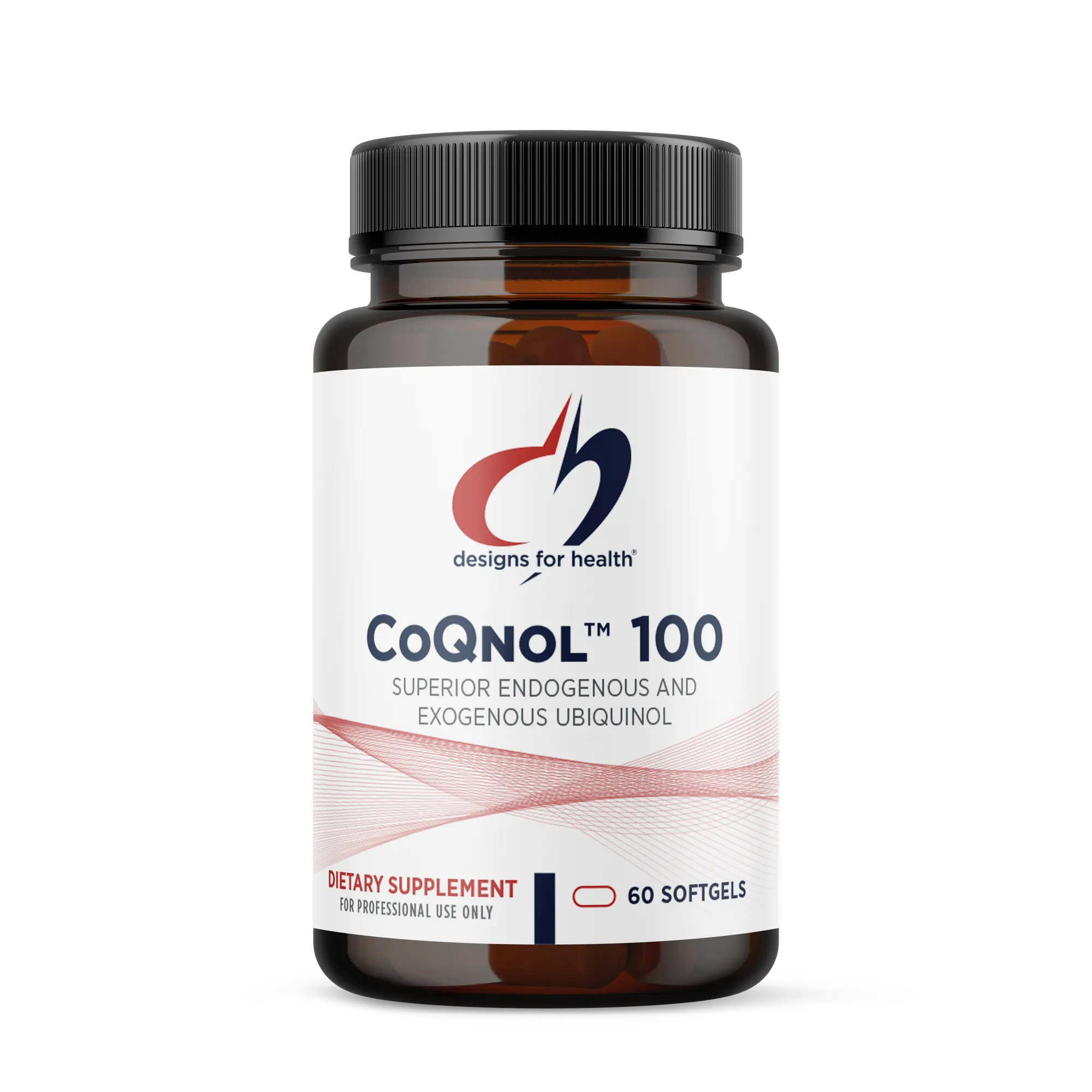
In the pursuit of restoring cellular energy and cardiovascular stability, Coenzyme Q10 (CoQ10) has emerged as a cornerstone of functional medicine and chronic illness management. However, not all CoQ10 supplements are created equal, and the body's ability to absorb and utilize this vital nutrient is highly complex. Enter CoQnol™ 100, an advanced formulation that combines a highly bioavailable form of reduced CoQ10 (ubiquinol) with trans-geranylgeraniol (GG). This dual-action approach not only provides immediate antioxidant and energy support but also provides the biological building blocks necessary for the body to synthesize its own CoQ10 naturally. In this comprehensive guide, we will explore the intricate science behind ubiquinol and GG, and how this unique combination may offer vital support for those navigating the complexities of post-viral syndromes and autonomic dysfunction.
TL;DR
CoQnol™ combines ubiquinol and GG to support cellular energy and mitochondrial function.
It may help manage fatigue, brain fog, and cardiovascular strain in chronic conditions.
The highly bioavailable formula ensures better absorption than standard CoQ10 supplements.
Always consult a healthcare provider before starting, especially if taking blood pressure medications.
What is CoQnol™ (Ubiquinol + GG)?
The Foundational Role of Coenzyme Q10 in Human Biology
Coenzyme Q10 (CoQ10), also known as ubiquinone due to its ubiquitous presence in almost every cell of the human body, is a naturally occurring, fat-soluble, vitamin-like compound. It is primarily concentrated in the mitochondria, the microscopic organelles responsible for generating the vast majority of our cellular energy. In a healthy body, CoQ10 acts as an essential cofactor in the oxidative phosphorylation pathway, a complex biochemical process that converts the food we eat into adenosine triphosphate (ATP), the universal energy currency of our cells. Without adequate levels of CoQ10, the mitochondria simply cannot produce enough ATP to sustain the high energy demands of vital organs like the heart, brain, and skeletal muscles.
Beyond its role in energy production, CoQ10 serves as a potent lipid-soluble antioxidant. Because it resides within the lipid bilayers of cellular and mitochondrial membranes, it is perfectly positioned to neutralize harmful free radicals and reactive oxygen species (ROS) that are generated as natural byproducts of cellular respiration. By scavenging these unstable molecules, CoQ10 protects delicate cellular structures from oxidative damage, preventing lipid peroxidation and maintaining the structural integrity of the cell. For individuals managing complex chronic illnesses, understanding the foundational role of this remarkable molecule is the first step toward addressing profound cellular fatigue and systemic inflammation.
Ubiquinone vs. Ubiquinol: Understanding the Redox States
CoQ10 exists in the body in a continuous state of flux between two primary forms: ubiquinone (the oxidized form) and ubiquinol (the reduced form). When ubiquinone accepts electrons during the energy production process, it is chemically reduced into ubiquinol. Conversely, when ubiquinol donates its electrons to neutralize a free radical or pass energy down the mitochondrial chain, it is oxidized back into ubiquinone. This continuous redox cycling is fundamental to cellular life. However, while both forms are crucial, ubiquinol is specifically recognized as the active antioxidant form of CoQ10, capable of immediately neutralizing oxidative threats without requiring prior conversion by the body's enzymatic systems.
Research has shown that as we age, or when we are burdened by chronic illness and oxidative stress, our body's ability to efficiently convert ubiquinone into ubiquinol becomes significantly impaired. This metabolic bottleneck can leave cells vulnerable to damage and energy depletion. CoQnol™ 100 addresses this challenge by utilizing DuoQuinol™, a highly stable and readily absorbable form of pre-converted ubiquinol. By providing the body with the active, reduced form of CoQ10, this formulation bypasses the need for enzymatic conversion, ensuring that the cells receive immediate antioxidant protection and energetic support, which is particularly beneficial for those with compromised metabolic function.
The Mevalonate Pathway and the Power of Geranylgeraniol (GG)
While supplementing with CoQ10 provides vital exogenous support, the body also relies on its own internal manufacturing processes to maintain adequate cellular levels. This endogenous synthesis occurs via the mevalonate pathway, a complex metabolic route that is also responsible for producing cholesterol, vitamin K2, and various steroid hormones. A critical intermediate molecule in this pathway is geranylgeranyl pyrophosphate, derived from geranylgeraniol (GG). GG is an obligate precursor, meaning it is an absolute biological requirement for the construction of the isoprenoid side chain of the CoQ10 molecule. Without sufficient GG, the body literally cannot assemble its own CoQ10, regardless of how many other nutrients are present.
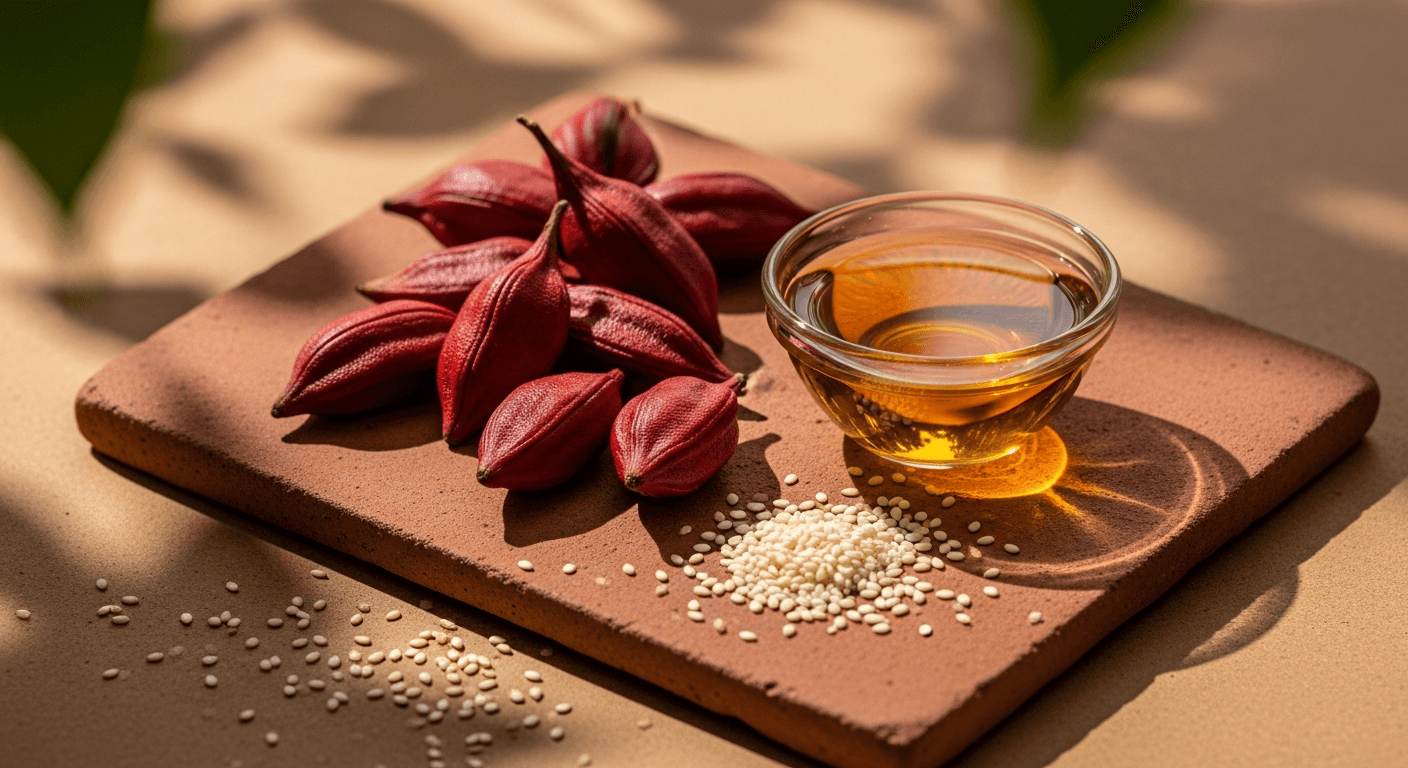
CoQnol™ 100 is uniquely formulated with GG-Gold®, a patented form of trans-geranylgeraniol extracted naturally from the seeds of the annatto plant (Bixa orellana). By supplying the body with this foundational building block, GG-Gold complements the direct supplementation of ubiquinol by simultaneously stimulating the body's natural endogenous synthesis pathways. Furthermore, GG plays a crucial role in protein prenylation, a cellular process vital for cell signaling and the structural maintenance of skeletal muscle fibers. This dual-action approach—providing active ubiquinol while fueling the internal assembly lines with GG—represents a profound advancement in targeted mitochondrial and cardiovascular support.
How Long COVID, ME/CFS, and Dysautonomia Impact Mitochondrial Function
Viral Hijacking and Mitochondrial Impairment in Long COVID
The pathophysiology of Long COVID is increasingly understood as a profound disruption of cellular metabolism and mitochondrial health. During the acute phase of a SARS-CoV-2 infection, the virus actively hijacks the host's mitochondrial machinery to facilitate its own replication. Recent studies on Long COVID biomarkers have demonstrated that this viral interference can cause long-lasting structural abnormalities in the mitochondria, leading to swollen organelles with disrupted cristae and impaired energy output. Even after the virus is cleared, patients frequently exhibit a loss of metabolic flexibility, meaning their cells struggle to efficiently switch between burning carbohydrates and fats for fuel, resulting in the crushing, unyielding fatigue characteristic of the condition.
Furthermore, this mitochondrial damage triggers the release of circulating cell-free mitochondrial DNA (ccf-mtDNA) into the bloodstream. Because mitochondrial DNA is structurally similar to bacterial DNA, the immune system often mistakes it for a foreign invader, triggering a sustained, systemic inflammatory response. This chronic low-grade inflammation further damages healthy mitochondria, creating a vicious cycle of energy depletion and immune hyperactivation. For patients experiencing these profound metabolic blockades, restoring mitochondrial integrity and neutralizing the inflammatory fallout is a critical priority in the management of Long COVID.
The Vicious Cycle of Oxidative Stress in ME/CFS
Myalgic encephalomyelitis/chronic fatigue syndrome (ME/CFS) is defined by the hallmark symptom of post-exertional malaise (PEM), a severe exacerbation of symptoms following even minor physical or cognitive exertion. At a cellular level, extensive research into ME/CFS suggests that this phenomenon is driven by a catastrophic failure of the mitochondrial electron transport chain. When an ME/CFS patient exerts themselves, their dysfunctional mitochondria struggle to produce adequate ATP, instead generating massive amounts of reactive oxygen species (ROS). This explosion of oxidative stress overwhelms the body's natural antioxidant defenses, leading to severe damage to cellular membranes, peroxisomes, and muscle tissues.
This oxidative onslaught creates a state of cellular hypoxia, where tissues are starved of oxygen and energy. In a healthy individual, the body would deploy endogenous antioxidants like CoQ10 to neutralize the ROS and repair the damage. However, clinical studies have repeatedly shown that patients with ME/CFS have significantly depleted levels of circulating and intracellular CoQ10. Without this vital protective molecule, the oxidative damage goes unchecked, leading to the prolonged "crashes" and heavy, leaden limb sensations that patients experience during a PEM episode. Breaking this cycle requires aggressive antioxidant intervention to protect the cells from their own toxic exhaust.
Endothelial Dysfunction and Autonomic Strain in POTS
Postural orthostatic tachycardia syndrome (POTS) is a debilitating form of dysautonomia characterized by an abnormal spike in heart rate upon standing, often accompanied by dizziness, blood pooling in the lower extremities, and severe brain fog. Research into the pathophysiology of POTS reveals that a key driver of this autonomic dysfunction is endothelial impairment. The endothelium, the delicate inner lining of our blood vessels, relies on a molecule called nitric oxide to signal the vessels to constrict or dilate appropriately. In many POTS patients, elevated systemic inflammation and oxidative stress destroy nitric oxide before it can perform its vital regulatory functions.
Without adequate nitric oxide signaling, the blood vessels fail to constrict properly when a patient stands up. Gravity causes blood to pool in the legs and abdomen, depriving the brain of oxygen. In a desperate attempt to compensate for this drop in cerebral blood flow, the autonomic nervous system floods the body with adrenaline, triggering the rapid, pounding heartbeat that defines POTS. This constant state of sympathetic overdrive places an immense strain on the cardiovascular system and rapidly depletes the body's energy reserves. You can learn more about this complex mechanism in our comprehensive guide, What is Postural Orthostatic Tachycardia Syndrome (POTS)?.
CoQnol™: Supporting Cellular Energy and Cardiovascular Health
Restoring the Electron Transport Chain and Cellular Respiration
To understand how CoQnol™ supports cellular energy, we must look closely at the mitochondrial electron transport chain, a series of four protein complexes embedded in the inner mitochondrial membrane. Think of this chain as a bucket brigade, passing high-energy electrons down a line to eventually power a water wheel (ATP synthase) that generates cellular energy. CoQ10 acts as the crucial, highly mobile "shuttle" that physically carries electrons from Complex I and Complex II over to Complex III. In patients with post-viral fatigue, this chain is often "leaky" or broken, causing electrons to spill out and halt ATP production. By saturating the mitochondrial membrane with highly bioavailable ubiquinol, CoQnol™ effectively plugs these leaks, restoring the smooth flow of electrons and rescuing cellular respiration.
This restoration of the electron transport chain is absolutely vital for overcoming the crushing fatigue associated with chronic illness. When the mitochondria can efficiently process electrons without stalling, the cells regain their metabolic flexibility. They can once again generate the robust amounts of ATP required to power the brain, heart, and skeletal muscles, directly counteracting the heavy, exhausted sensations that plague patients with Long COVID and ME/CFS. For a broader look at how CoQ10 fits into energy protocols, see our article on whether CoQ10 can support energy levels for Long COVID and ME/CFS patients.
Potent Antioxidant Defense and Inflammasome Regulation
Beyond its role as an electron shuttle, the ubiquinol in CoQnol™ acts as a formidable first line of defense against cellular damage. Because it is a lipid-soluble molecule, ubiquinol embeds itself directly into the lipid bilayers of the cell and mitochondrial membranes. From this strategic vantage point, it aggressively scavenges and neutralizes superoxide and hydroxyl radicals—the highly destructive free radicals generated during dysfunctional cellular respiration. By neutralizing these threats, ubiquinol prevents lipid peroxidation, a process that otherwise degrades the cellular membrane and leads to premature cell death.
CoQ10 is often noted for its anti-inflammatory properties. It is thought to help downregulate the activation of the NLRP3 inflammasome, a key driver of systemic inflammation, and reduce the secretion of pro-inflammatory cytokines like TNF-alpha and Interleukin-6. By calming this inflammatory storm, ubiquinol may help mitigate the chronic neuroinflammation that contributes to the severe brain fog and cognitive dysfunction frequently seen in post-viral syndromes. This dual action of restoring energy while simultaneously putting out cellular "fires" makes it an invaluable tool for complex chronic illness.
Stimulating Endogenous Production via Geranylgeraniol (GG)
The inclusion of GG-Gold® in CoQnol™ elevates the formula from a simple exogenous supplement to a comprehensive metabolic intervention. As previously discussed, the mevalonate pathway is responsible for the endogenous synthesis of CoQ10. However, this pathway is frequently impaired by aging, chronic illness, and the use of statin medications. By providing a direct, highly bioavailable source of trans-geranylgeraniol, CoQnol™ utilizes the biological principle of "mass action." By flooding the cellular environment with the exact precursor molecule needed to build CoQ10, it naturally upregulates the body's internal manufacturing assembly lines, forcing the production of new, endogenous CoQ10 from within the cell itself.
Moreover, GG is essential for a process known as protein prenylation, or geranylgeranylation. This biochemical process attaches lipid anchors to specific proteins, allowing them to bind to cell membranes and function properly. This is particularly crucial for the maintenance and repair of skeletal muscle tissue. GG is often discussed for its role in supporting muscle health and reducing the expression of atrogin-1, a genetic marker responsible for muscle breakdown and atrophy. By supporting protein prenylation, GG helps protect against muscle wasting, weakness, and the severe myalgia (muscle pain) that often accompanies chronic fatigue syndromes and statin use.
Cardiovascular Support and Vascular Tone Regulation
For patients battling dysautonomia and POTS, the cardiovascular benefits of CoQnol™ are particularly relevant. The potent antioxidant capacity of ubiquinol plays a direct role in preserving endothelial function. By neutralizing the reactive oxygen species that destroy nitric oxide in the bloodstream, ubiquinol ensures that the blood vessels retain their ability to dilate and constrict appropriately in response to positional changes. This improved vascular tone helps prevent the excessive blood pooling in the lower extremities that triggers the rapid, compensatory tachycardia seen in POTS patients.
Additionally, the heart muscle itself is one of the most energy-demanding organs in the human body, containing the highest concentration of mitochondria per cell. By ensuring a steady supply of ATP and protecting the cardiac tissue from oxidative stress, CoQnol™ supports overall myocardial efficiency. This can lead to improved stroke volume (the amount of blood pumped with each heartbeat) and a more stable, resilient cardiovascular response to the daily stressors of living with autonomic dysfunction. If you are exploring how autonomic strain impacts the body, consider reading What is Dysautonomia? for deeper insights.

Symptoms CoQnol™ May Help Manage
Targeting Energy Deficits and Neurological Strain
Severe, Unrelenting Fatigue: By restoring the flow of electrons in the mitochondrial transport chain, ubiquinol helps increase the production of ATP, directly addressing the core cellular energy deficits that leave patients feeling profoundly exhausted even after resting.
Post-Exertional Malaise (PEM): The potent antioxidant properties of ubiquinol help neutralize the massive spikes in reactive oxygen species that occur during exertion, potentially raising the threshold for PEM and reducing the severity and duration of post-exertional "crashes."
Brain Fog and Cognitive Dysfunction: By downregulating the activation of the inflammasome and reducing neuroinflammation, CoQ10 supports a healthier neurological environment, which may help alleviate the confusion, memory lapses, and lack of mental clarity associated with chronic illness.
Addressing Autonomic and Musculoskeletal Challenges
Orthostatic Intolerance and Dizziness: By preserving nitric oxide and protecting the endothelial lining of blood vessels, ubiquinol supports better vascular tone and constriction, helping to maintain cerebral blood flow and reduce dizziness upon standing in POTS patients.
Tachycardia and Palpitations: By improving overall cardiovascular efficiency and reducing the strain caused by blood pooling, CoQ10 can help calm the sympathetic nervous system's overactive response, potentially stabilizing rapid heart rates.
Muscle Weakness and Myalgia: The inclusion of GG-Gold® provides the essential building blocks for protein prenylation, a process critical for repairing skeletal muscle fibers, preventing atrophy, and reducing the deep muscle pain frequently experienced by ME/CFS patients and those taking statin medications.
Practical Considerations: Forms, Dosing, and Absorption
The Science of Bioavailability and Lipid Matrices
One of the greatest challenges in supplementing CoQ10 is its notoriously poor bioavailability. In its raw, unformulated state, CoQ10 is a large, highly lipophilic (fat-soluble) molecule that tends to clump together into large, insoluble crystals. When these crystals enter the watery environment of the human digestive tract, they cannot be easily absorbed through the intestinal wall. Rigorous pharmacokinetic studies have demonstrated that the delivery system and the lipid matrix used in a supplement are far more important for absorption than whether the CoQ10 is in the ubiquinone or ubiquinol form. Without proper crystal dispersion, the supplement simply passes through the body unutilized.
CoQnol™ 100 overcomes these significant absorption hurdles through its advanced formulation. It utilizes DuoQuinol™, a specialized form of ubiquinol that is carefully stabilized to prevent it from oxidizing back into ubiquinone inside the capsule. Furthermore, the inclusion of GG-Gold® from annatto seeds, combined with quillaja extract, creates a highly effective lipid matrix. This matrix facilitates the breakdown of the CoQ10 molecules into tiny, easily absorbable micelles during digestion, allowing the active ubiquinol to pass seamlessly through the intestinal barrier and into the lymphatic system and bloodstream, ensuring optimal cellular delivery.
Optimal Dosing, Timing, and Dietary Synergies
In clinical settings, functional medicine practitioners typically recommend dosages ranging from 100 mg to 300 mg of CoQ10 daily for the management of complex chronic conditions like Long COVID, ME/CFS, and POTS. Because CoQnol™ 100 provides a highly bioavailable form of ubiquinol paired with 60 mg of GG, patients often achieve therapeutic blood levels at the lower end of this dosage spectrum. The suggested use is typically one softgel per day, though practitioners may adjust this based on individual metabolic needs and symptom severity.
Timing and dietary context are critical for maximizing the benefits of CoQnol™. Because it is a fat-soluble nutrient, it should always be taken alongside a meal that contains healthy dietary fats (such as avocados, olive oil, nuts, or fatty fish). The presence of dietary fat triggers the release of bile salts in the digestive tract, which are essential for emulsifying the CoQ10 and facilitating its absorption. Additionally, CoQ10 is highly synergistic when "stacked" with other mitochondrial support nutrients. For instance, combining it with synergistic energy support like Adenosyl/Hydroxy B12 can provide a more comprehensive approach to restoring cellular vitality.
Safety Profile and Potential Drug Interactions
Coenzyme Q10 and geranylgeraniol are naturally occurring compounds in the human body and generally boast an excellent safety profile with a very low risk of toxicity. The most commonly reported side effects are mild and transient, occasionally including minor gastrointestinal discomfort, such as nausea or an upset stomach, which can usually be mitigated by taking the supplement with a substantial meal. However, because CoQ10 actively supports cardiovascular function and can improve vascular tone, it may have a mild blood pressure-lowering effect in some individuals.
Due to these cardiovascular effects, patients who are currently taking prescription antihypertensive medications (blood pressure lowerers) or antiarrhythmic drugs should consult their healthcare provider before initiating supplementation, as CoQ10 may amplify the effects of these medications. Furthermore, because CoQ10 shares a structural similarity to Vitamin K, there is a theoretical risk that it could interact with blood-thinning medications like warfarin, potentially altering their efficacy. Always work closely with a knowledgeable healthcare practitioner to ensure that CoQnol™ is safely integrated into your broader treatment protocol.
Follow the Science: Clinical Trials and Research Data
Clinical Evidence in Post-Viral Fatigue and ME/CFS
The use of CoQ10 as a targeted intervention for post-viral fatigue syndromes is supported by a growing body of compelling clinical evidence. In a highly notable prospective observational study involving patients with chronic Long COVID syndrome, researchers administered a combination of CoQ10 and Alpha-Lipoic Acid (ALA) for two months. The results were striking: over 53% of the treated group achieved a complete response on the Fatigue Severity Scale (FSS), compared to a mere 3.5% in the untreated control group. This data strongly suggests that when CoQ10 is paired with synergistic antioxidants, it can profoundly impact the trajectory of post-viral recovery.
Similar successes have been documented in the ME/CFS patient population. A prominent randomized, double-blind, placebo-controlled trial investigated the effects of combining CoQ10 with NADH (another crucial mitochondrial co-enzyme). After 8 to 12 weeks of supplementation, the treatment group experienced a statistically significant reduction in cognitive fatigue and a marked improvement in their overall health-related quality of life compared to the placebo group. Further studies on ubiquinol monotherapy have also noted significant improvements in secondary ME/CFS symptoms, including enhanced autonomic function and a reduction in sleep disturbances, highlighting its broad systemic benefits.
Cardiovascular and Dysautonomia Trial Data
In the realm of cardiovascular health and dysautonomia, CoQ10 has demonstrated remarkable efficacy in stabilizing autonomic responses. A fascinating 2018 case study published in The American Journal of Medicine investigated the effects of CoQ10 on patients suffering from severe orthostatic hypotension—a condition closely related to POTS where blood pressure drops dangerously upon standing. After 10 months of CoQ10 supplementation, the patients' average systolic blood pressure drop upon standing improved massively, reducing from a debilitating 30 mm Hg drop to a mere 7 mm Hg drop, indicating a profound restoration of orthostatic tolerance and vascular regulation.
Beyond dysautonomia, the landmark Q-SYMBIO trial provides some of the most robust evidence for CoQ10's cardiovascular protective effects. CoQ10 is widely studied for its cardiovascular protective effects, with other research demonstrating that long-term CoQ10 supplementation in patients with heart failure significantly improved functional capacity, increased ejection fraction, and drastically reduced the incidence of major adverse cardiovascular events. While POTS is fundamentally different from heart failure, these findings underscore CoQ10's powerful ability to enhance myocardial efficiency, reduce oxidative strain on the heart, and support overall cardiovascular resilience in the face of chronic stress.
The Emerging Research on Geranylgeraniol (GG)
While CoQ10 has been studied for decades, research into geranylgeraniol (GG) is rapidly emerging as a groundbreaking frontier in mitochondrial medicine. Much of the current clinical interest stems from GG's ability to rescue skeletal muscle from statin-induced toxicity. Because statin medications block the mevalonate pathway, they inadvertently halt the production of both CoQ10 and GG, leading to severe muscle pain and myopathy. Other research explores how introducing GG may help reverse statin-induced muscle degradation by restoring vital protein prenylation processes, whereas adding CoQ10 alone only partially mitigates this damage.
This powerful mechanism of action has spurred a wave of new clinical investigations. Currently, active human clinical trials (such as NCT06640465) are underway to evaluate the specific efficacy of combining orally administered ubiquinol with geranylgeraniol. These trials are rigorously comparing the combination therapy against ubiquinone alone, tracking intracellular CoQ10 concentrations, muscle strength, and self-reported health outcomes in aging populations. As this data continues to mature, the combination of ubiquinol and GG is poised to become a gold standard in functional protocols for mitochondrial restoration and muscle preservation.
The Path Forward
Validating the Reality of Complex Chronic Illness
Living with conditions like Long COVID, ME/CFS, and POTS is an incredibly isolating and exhausting experience. The invisible nature of mitochondrial dysfunction and autonomic strain means that patients frequently face skepticism from the traditional medical establishment, all while battling debilitating symptoms that disrupt every facet of their daily lives. It is vital to acknowledge that your symptoms are real, they are rooted in complex, measurable physiological dysfunctions, and the profound fatigue you experience is not simply "tiredness"—it is a catastrophic failure of cellular energy production. Validating this reality is the crucial first step toward finding compassionate, effective care.
Navigating these illnesses requires immense patience and a deep understanding of your body's unique limits. Strategies like aggressive resting, meticulous symptom tracking, and strict pacing are not signs of giving up; they are essential, proactive tools for preventing post-exertional malaise and protecting your fragile mitochondrial reserves. By learning to listen to your body's subtle warning signs, you can begin to stabilize your baseline and create a safer internal environment for cellular healing to occur.
Integrating Nutritional Support into Comprehensive Care
While the science behind CoQnol™ 100 is incredibly promising, it is important to approach supplementation with realistic expectations. There is no single "magic bullet" or overnight cure for complex chronic conditions that involve multiple overlapping systems. Instead, targeted supplements like ubiquinol and GG should be viewed as powerful, foundational tools within a much broader, comprehensive management strategy. They provide the biological raw materials necessary for healing, but they work best when combined with proper hydration, electrolyte management, nervous system regulation, and pacing.
Every patient's biochemical makeup and illness trajectory is unique. What works miraculously for one individual may take longer to show effects in another. This is why it is so crucial to work alongside a healthcare provider who understands the nuances of post-viral syndromes and dysautonomia. A knowledgeable practitioner can help you tailor your dosages, monitor your progress, and safely integrate CoQnol™ with other therapeutic interventions, such as managing the complex symptoms of mast cell activation syndrome (MCAS), to address the full spectrum of your condition.
Taking the Next Step in Your Health Journey
At RTHM, we are deeply committed to providing patients with science-backed, highly bioavailable tools to support their recovery journey. By addressing the root causes of cellular energy depletion and cardiovascular strain, formulations like CoQnol™ offer a targeted approach to reclaiming your vitality. If you are ready to explore how advanced mitochondrial support can fit into your daily management plan, we invite you to learn more about this innovative supplement. Always remember to consult with your healthcare provider before beginning any new nutritional regimen to ensure it aligns safely with your specific medical needs.
Sources
Scientific References
Towards a Better Understanding of the Complexities of Myalgic Encephalomyelitis/Chronic Fatigue Syndrome and Long COVID - International Journal of Molecular Sciences, 2023.
Novel biomarkers of mitochondrial dysfunction in Long COVID patients - Journal of Translational Medicine, 2024.
Postural orthostatic tachycardia syndrome: New concepts in pathophysiology and management - Cleveland Clinic Journal of Medicine, 2021.
Bioavailability of coenzyme Q10 supplements depends on carrier lipids and solubilization - Nutrition, 2019.
Comparison study of plasma coenzyme Q10 levels in healthy subjects taking either ubiquinol or ubiquinone - Clinical Pharmacology in Drug Development, 2014.
Comparative Bioavailability of Different Coenzyme Q10 Formulations in Healthy Elderly Individuals - Nutrients, 2020.
Coenzyme Q10 Supplementation in Orthostatic Hypotension and Multiple-System Atrophy: A Report on 7 Cases - The American Journal of Medicine, 2018.
The potential therapeutic approaches targeting gut health in ME/CFS: a narrative review - Journal of Translational Medicine, 2025.
Clinical Trial NCT06640465: Ubiquinol and Geranylgeraniol Supplementation - ClinicalTrials.gov, 2024.