Can Colostrum 40% IgG Support Immune and Gut Health in Long COVID and ME/CFS?
March 5, 2026
ColostrumLong COVIDME/CFS
Share:
Disclaimer: The information provided here is for educational purposes only and is not intended as medical advice. It should not be used to diagnose, treat, cure, or prevent any medical condition. Instead, use it as a starting point for discussion with your healthcare provider. Always consult with a qualified healthcare provider before starting any new medication, supplement, device, or making changes to your health regimen.
For many individuals living with Long COVID, myalgic encephalomyelitis/chronic fatigue syndrome (ME/CFS), mast cell activation syndrome (MCAS), and dysautonomia, the daily reality often feels like a constant battle against an invisible, systemic enemy. You might experience profound, unrefreshing sleep, debilitating brain fog that makes simple conversations difficult, or severe gastrointestinal distress that seems to flare up without warning. When standard blood tests come back "normal," it can be incredibly frustrating to articulate just how deeply your body feels out of balance. However, emerging research is increasingly pointing to a tangible, physiological root cause for many of these overlapping symptoms: profound immune dysregulation and compromised intestinal barrier function, often referred to as "leaky gut."
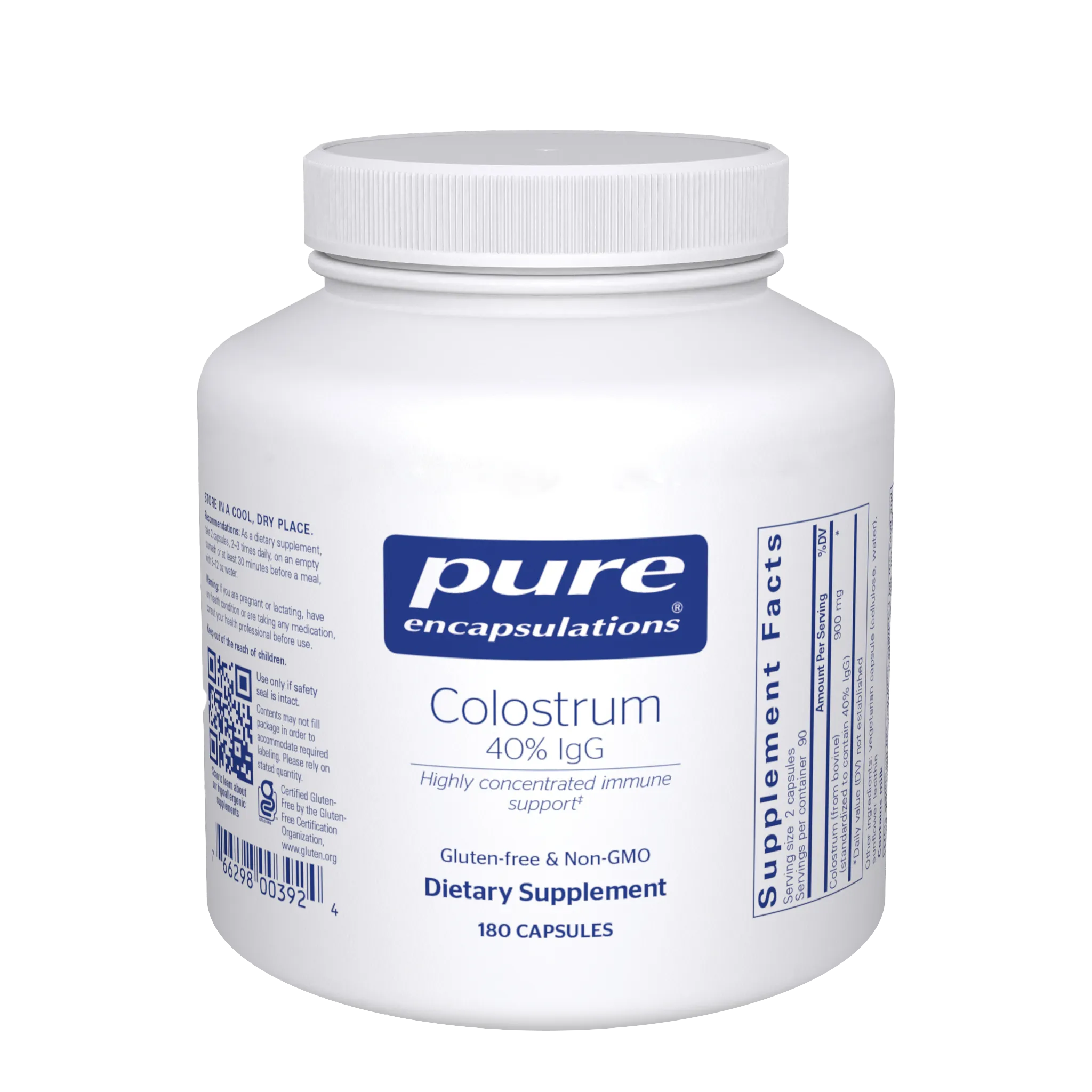
When the delicate lining of the gastrointestinal tract is damaged by viral persistence, chronic inflammation, or autonomic nervous system dysfunction, it sets off a cascade of systemic issues that can perpetuate the cycle of chronic illness. This is where targeted nutritional support can play a crucial role in a comprehensive management plan. Pure Encapsulations Colostrum 40% IgG is a specialized, highly concentrated nutraceutical designed to address these exact underlying mechanisms. By delivering a robust dose of immunoglobulins, growth factors, and immune-modulating peptides directly to the gut, this supplement aims to support the repair of the intestinal barrier, neutralize localized pathogens, and help restore balance to a hyperactive immune system. In this comprehensive guide, we will explore the intricate science behind bovine colostrum, how it interacts with the complex pathophysiology of post-viral syndromes, and why a standardized 40% IgG formulation may be a valuable tool in your journey toward improved quality of life.
What is Colostrum 40% IgG?
Bovine colostrum is the nutrient-dense, highly complex "first milk" produced by cows within the initial 24 to 72 hours after giving birth. In the natural world, a newborn calf is born without a fully developed immune system, making it entirely reliant on the immediate transfer of maternal antibodies and bioactive compounds to survive the transition into a pathogen-rich environment. This initial secretion is fundamentally different from standard mature milk, containing a vastly higher concentration of immune factors, growth peptides, and antimicrobial proteins. In functional medicine and clinical nutrition, high-quality bovine colostrum is harvested and utilized as a potent therapeutic agent because its bioactive components are remarkably cross-compatible with human biology. When ingested, these compounds work synergistically to support the human immune system, particularly within the gastrointestinal tract.
The biological sophistication of colostrum lies in its multi-targeted approach to cellular defense and tissue repair. It contains over 250 distinct bioactive compounds, each playing a specific role in maintaining homeostasis. Unlike isolated synthetic supplements, colostrum provides a complete, evolutionary-designed matrix of nutrients that communicate directly with the human body's cellular receptors. This matrix includes a rich array of macronutrients, vitamins, and minerals, but its true therapeutic value for chronic illness lies in its specialized proteins. These proteins are specifically structured to withstand the harsh, acidic environment of the mammalian stomach, allowing them to reach the lower intestines intact where they can exert their localized healing effects.
For individuals managing complex chronic conditions, the appeal of bovine colostrum is its ability to address multiple systemic dysfunctions simultaneously. Rather than just suppressing a single symptom, the compounds in colostrum actively participate in the rebuilding of damaged tissues and the recalibration of misfiring immune responses. By acting as both a defensive shield against incoming pathogens and a foundational building block for cellular regeneration, colostrum serves as a unique bridge between passive immunity and active tissue repair.
The most prominent and clinically significant components of bovine colostrum are its immunoglobulins, commonly known as antibodies. While human colostrum is predominantly rich in Immunoglobulin A (IgA), bovine colostrum is exceptionally concentrated in Immunoglobulin G (IgG). IgG is a large, Y-shaped protein utilized by the immune system to identify and neutralize foreign objects, such as pathogenic bacteria, viruses, and environmental toxins. In a healthy human body, IgG is the most abundant antibody in systemic circulation, providing the majority of antibody-based immunity against invading pathogens. However, when consumed orally via a supplement like Pure Encapsulations Colostrum 40% IgG, these bovine antibodies function primarily within the localized environment of the gastrointestinal lumen.
The localized action of oral IgG is a critical mechanism for individuals with compromised gut health. Because bovine colostrum naturally contains specialized protease inhibitors, a significant portion of the IgG survives the digestive enzymes of the human stomach. Once in the intestines, these antibodies act as a frontline defense force. They bind directly to the surface antigens of harmful microbes and neutralize bacterial endotoxins, preventing them from adhering to the delicate intestinal lining. This process, known as immune exclusion, effectively traps pathogens in the gut lumen so they can be safely excreted in the stool. By handling these threats independently, oral IgG reduces the burden on the body's native immune system, preventing the chronic localized inflammation that often leads to tissue degradation.
Furthermore, research indicates that the IgG found in high-quality bovine colostrum has a broad spectrum of binding capabilities. It can recognize and attach to a wide variety of common human pathogens, making it a versatile tool for maintaining a healthy gut microbiome. This broad-spectrum binding is particularly important for individuals whose native immune systems are either exhausted from fighting chronic infections or hyperactive due to autoimmune tendencies. By providing a supplementary source of passive immunity directly at the site of greatest vulnerability—the gut lining—IgG helps create a more stable, less reactive internal environment.
Beyond immunoglobulins, colostrum is packed with other highly specialized bioactive molecules, most notably lactoferrin. Lactoferrin is a multifunctional, iron-binding glycoprotein that plays a pivotal role in immune regulation and antimicrobial defense. Many pathogenic, Gram-negative bacteria require free iron in the gut to survive and multiply. Lactoferrin acts as an iron scavenger, tightly binding to free iron and effectively starving these harmful microbes. Simultaneously, it creates a favorable environment that stimulates the growth of beneficial, probiotic bacteria like Lactobacillus and Bifidobacterium. In addition to its microbiome-modulating effects, lactoferrin directly influences the growth and differentiation of intestinal epithelial cells, speeding up the repair of a damaged mucosal barrier.
Another crucial component of colostrum is the presence of Proline-Rich Polypeptides (PRPs), sometimes referred to as transfer factors. PRPs are short chains of amino acids that act as highly intelligent immune modulators. They function as signaling molecules that can either stimulate an underactive immune system or calm down an overactive one. For example, if the immune system is exhausted, PRPs can boost the activity of Natural Killer (NK) cells and macrophages. Conversely, if the immune system is hyperactive—as seen in autoimmune conditions or mast cell activation syndrome (MCAS)—PRPs help stimulate suppressor T-cells to dampen the inflammatory cascade. This bidirectional modulation is essential for restoring immune homeostasis.
Finally, colostrum is an abundant source of epithelial and insulin-like growth factors, specifically Epidermal Growth Factor (EGF), Transforming Growth Factor-beta (TGF-β), and Insulin-like Growth Factor-1 (IGF-1). These growth factors are the biological architects of tissue repair. They activate specific cellular signaling pathways (such as the Ras/MAPK and PI3K/Akt pathways) that stimulate the rapid proliferation and differentiation of enterocytes, the cells that line the intestinal tract. By accelerating the turnover and maturation of these cells, the growth factors in colostrum directly facilitate the physical rebuilding of the gut barrier, making it an invaluable resource for healing chronic intestinal permeability.
How Long COVID and ME/CFS Impact Gut and Immune Function
To understand why colostrum is so relevant to complex chronic illnesses, we must first examine the shared pathophysiology of conditions like Long COVID, ME/CFS, and dysautonomia. A central, unifying feature across these conditions is the profound disruption of the intestinal mucosal barrier, commonly referred to as "leaky gut" or intestinal hyperpermeability. The human gut lining is only one cell thick, held together by complex protein structures called tight junctions (such as Claudin and Zonulin). In a healthy state, these tight junctions act as a highly selective filter, allowing essential nutrients and water to absorb into the bloodstream while keeping out undigested food particles, toxins, and pathogenic bacteria.
However, in the context of chronic illness, this delicate barrier becomes compromised. Systemic inflammation, chronic stress, and viral infections can trigger the overproduction of zonulin, a protein that forces these tight junctions to open. When the barrier becomes "leaky," highly inflammatory bacterial components—most notably lipopolysaccharides (LPS)—translocate from the gut lumen directly into the systemic blood circulation. This phenomenon, known as metabolic endotoxemia, sounds a massive alarm throughout the body. The immune system recognizes LPS as a severe threat and launches a massive, systemic inflammatory response, releasing high levels of pro-inflammatory cytokines like Interleukin-6 (IL-6) and Tumor Necrosis Factor-alpha (TNF-α).
This continuous leakage of endotoxins creates a vicious, self-perpetuating cycle. The resulting systemic inflammation further damages the gut lining, causing even more permeability. Moreover, these inflammatory cytokines can cross the blood-brain barrier, leading to severe neuroinflammation and microglial activation. This gut-brain axis disruption is now believed to be a primary driver of the debilitating neurological symptoms seen in Long COVID and ME/CFS, including profound brain fog, cognitive dysfunction, and the extreme neurological exhaustion characteristic of post-exertional malaise (PEM). Breaking this cycle of endotoxemia is absolutely critical for managing the systemic symptom burden.
In the specific case of Long COVID, the integrity of the gut barrier is further complicated by the phenomenon of viral persistence. Emerging clinical research has demonstrated that fragments of the SARS-CoV-2 virus, particularly the spike protein, can remain hidden in tissue reservoirs long after the acute respiratory infection has resolved. The gastrointestinal tract, which is densely populated with the ACE2 receptors that the virus uses to enter cells, is one of the most common sites for this viral persistence. The continuous presence of viral RNA in the gut lining acts as a constant, low-grade trigger for the local immune system, preventing the tissue from ever fully healing.
This persistent localized infection wreaks havoc on the gut microbiome, leading to severe dysbiosis. The balance shifts away from beneficial, short-chain fatty acid-producing bacteria toward opportunistic, pro-inflammatory pathogens. This dysbiosis not only exacerbates intestinal permeability but also impairs the gut's ability to produce essential neurotransmitters, like serotonin, which are heavily regulated by the microbiome. The combination of viral persistence, dysbiosis, and barrier dysfunction creates a highly toxic localized environment that constantly feeds inflammatory signals back into the systemic circulation, driving the chronic, unyielding nature of Long COVID symptoms.
Addressing this viral reservoir requires more than just systemic immune support; it requires targeted, localized interventions that can act directly within the gastrointestinal lumen. The immune system needs assistance in neutralizing these persistent viral fragments and clearing the cellular debris without triggering an overwhelming, body-wide inflammatory cascade. This is precisely why therapies that can deliver high concentrations of intact antibodies and antiviral proteins directly to the gut mucosa are becoming a focal point in Long COVID recovery protocols.
The chronic strain of dealing with leaky gut, endotoxemia, and viral persistence eventually leads to a paradoxical state of immune dysfunction: simultaneous exhaustion and hyperactivation. In conditions like ME/CFS, patients frequently exhibit an "exhausted" cellular immune system. Biomarkers often show significantly reduced activity of Natural Killer (NK) cells and impaired macrophage phagocytosis—meaning the immune cells responsible for "eating" and clearing away viruses and cellular debris are too fatigued to function properly. This exhaustion allows opportunistic, latent viruses (like Epstein-Barr Virus) to reactivate, further compounding the illness.
Simultaneously, other branches of the immune system become hyperactive and hypersensitive. The constant exposure to translocated gut toxins keeps the innate immune system on high alert, leading to the chronic overproduction of inflammatory cytokines. In patients with comorbid MCAS, mast cells become highly unstable, degranulating and releasing histamine in response to minor triggers like food, temperature changes, or physical exertion. This hyperactive state means that the body is constantly attacking itself and overreacting to its environment, while simultaneously failing to clear the actual underlying pathogenic drivers.
Managing this complex immune dysregulation is incredibly challenging. Traditional immunosuppressive drugs may calm the hyperactive symptoms but can further impair the already exhausted NK cells, leaving the patient vulnerable to infections. Conversely, aggressive immune-stimulating therapies can trigger severe inflammatory crashes and exacerbate post-exertional malaise. The ideal therapeutic approach must be immunomodulatory—capable of upregulating the exhausted cellular defenses while simultaneously downregulating the hyperactive inflammatory pathways. This delicate balancing act is essential for restoring true physiological homeostasis in complex chronic illness.
Colostrum 40% IgG: Supporting Gut Integrity and Immune Balance
Supplementing with a highly concentrated formulation like Pure Encapsulations Colostrum 40% IgG offers a direct, mechanistic intervention to break the cycle of leaky gut and systemic inflammation. The primary mechanism of action begins with the physical restoration of the intestinal mucosal barrier. The abundant growth factors in colostrum, particularly Epidermal Growth Factor (EGF) and Transforming Growth Factor-beta (TGF-β), bind to specific receptors on the surface of the intestinal epithelial cells. This binding activates intracellular signaling cascades that stimulate the rapid division and proliferation of healthy new enterocytes, effectively patching the microscopic holes in the gut lining.
Furthermore, bovine colostrum actively influences the structural integrity of the tight junctions themselves. Clinical research published in the American Journal of Physiology has demonstrated that colostrum supplementation can significantly truncate the increase in gut permeability caused by severe physiological stress. It achieves this by stimulating the expression and proper assembly of tight-junction proteins like Claudin-2 and Occludin. By physically pulling the intestinal cells back together and reinforcing the protein bridges between them, colostrum stops the translocation of lipopolysaccharides (LPS) and endotoxins into the bloodstream.
This barrier-sealing effect is further supported by colostrum's ability to prevent cellular apoptosis (programmed cell death) in the gut lining. Under conditions of high oxidative stress and inflammation—common in Long COVID and ME/CFS—intestinal cells die off faster than they can be replaced. The bioactive peptides in colostrum have been shown to reduce this stress-induced apoptosis by up to 60%, ensuring that the mucosal barrier remains thick, resilient, and fully functional. By halting the continuous leakage of toxins, colostrum cuts off the primary fuel source for systemic neuroinflammation, allowing the central nervous system an opportunity to calm down.
While the growth factors are busy rebuilding the physical barrier, the massive concentration of Immunoglobulin G (IgG) in this 40% standardized formula acts as a localized defense force within the gut lumen. Because the IgG molecules are protected by natural protease inhibitors, they survive the stomach acid and arrive intact in the intestines. Here, they perform a critical function called steric hindrance. The IgG antibodies physically bind to the surface receptors of pathogenic bacteria, viral fragments (including persistent SARS-CoV-2 spike proteins), and yeast, coating them completely.
Once a pathogen is coated in IgG, it is neutralized. It can no longer adhere to the intestinal wall, nor can it inject its toxins into the enterocytes. This process is incredibly beneficial for patients dealing with post-viral dysbiosis, as it allows the body to safely excrete the neutralized pathogens through normal bowel movements without triggering a systemic immune response. By handling the pathogenic load locally in the gut, the oral IgG effectively "takes the pressure off" the body's native, exhausted immune system, conserving vital cellular energy.
Additionally, the lactoferrin present in the colostrum works synergistically with the IgG to reshape the gut microbiome. While IgG binds to the pathogens, lactoferrin aggressively binds to the free iron in the gut lumen. Since harmful Gram-negative bacteria require iron to replicate, lactoferrin effectively starves them out. This dual-action approach—neutralization via IgG and starvation via lactoferrin—creates a highly hostile environment for opportunistic infections while simultaneously fostering the growth of beneficial, iron-independent probiotic strains, thereby resolving the dysbiosis that plagues many chronic illness patients.
Perhaps the most sophisticated mechanism of bovine colostrum is its ability to modulate, rather than simply stimulate or suppress, the immune system. This is primarily driven by the Proline-Rich Polypeptides (PRPs). When the intestinal barrier is compromised, the local immune tissue—known as the Gut-Associated Lymphoid Tissue (GALT)—becomes hyper-reactive, constantly pumping out inflammatory cytokines like NF-kB. The PRPs in colostrum interact directly with the receptors on the GALT, sending signaling molecules that profoundly suppress the NF-kB pathway, thereby turning down the volume on localized gut inflammation.
Simultaneously, colostrum addresses the immune exhaustion seen in ME/CFS. Specific fractions of colostrum have been shown to act as Macrophage-Activating Factors (MAF). These compounds gently stimulate the phagocytic activity of macrophages, encouraging them to "wake up" and clear out cellular debris and latent viral particles. Crucially, research indicates that colostrum-derived MAF enhances this clearing activity without triggering the massive release of pro-inflammatory cytokines like IL-1β. This means the immune system can resume its cleanup duties without causing the severe inflammatory crashes or post-exertional malaise that typically follow immune exertion in ME/CFS patients.
By providing this bidirectional support—calming the hyperactive, histamine-driven responses while gently waking up the exhausted cellular cleanup crews—colostrum helps restore true immune homeostasis. This balanced state is essential for long-term recovery, as it allows the body to shift out of a constant state of defensive "fight or flight" and redirect its limited energy resources toward deep cellular repair, mitochondrial recovery, and the restoration of normal autonomic nervous system function.
Symptoms Colostrum 40% IgG May Help Manage
Severe Gastrointestinal Distress: By physically repairing the tight junctions of the intestinal lining and reducing localized inflammation, colostrum helps alleviate symptoms of leaky gut, including chronic bloating, unpredictable bowel habits, and food sensitivities driven by intestinal hyperpermeability.
Profound Brain Fog and Cognitive Dysfunction: By halting the translocation of lipopolysaccharides (LPS) and endotoxins from the gut into the bloodstream, colostrum cuts off a major source of systemic neuroinflammation, which is a primary driver of cognitive impairment in Long COVID and ME/CFS.
Post-Exertional Malaise (PEM) and Crashes: Colostrum contains Macrophage-Activating Factors (MAF) that help the immune system clear cellular debris and latent viruses without triggering massive inflammatory cytokine storms, potentially reducing the severity of immune-driven fatigue crashes.
Frequent or Lingering Infections: The massive concentration of localized IgG and lactoferrin provides passive immunity in the gut, neutralizing incoming pathogens and supporting an exhausted immune system that struggles to fight off opportunistic or latent viral reactivations.
Hyperactive Immune Responses and Sensitivities: Proline-Rich Polypeptides (PRPs) in colostrum act as intelligent immune modulators, helping to suppress the hyperactive NF-kB inflammatory pathway and calm the overreactive immune responses often seen in comorbid mast cell activation syndrome (MCAS).
Unrefreshing Sleep and Systemic Aches: By lowering the overall burden of systemic inflammation and reducing the constant immune alarm signals originating from the gut-associated lymphoid tissue (GALT), colostrum helps shift the body out of a chronic defensive state, supporting deeper restorative processes.
Practical Considerations: Forms, Dosing, and Absorption
When selecting a colostrum supplement, the manufacturing process and standardization are the most critical factors determining its clinical efficacy. The human digestive tract is designed to break down proteins, and research notes that stomach acid and digestive enzymes can destroy a significant portion of fragile immunoglobulins before they ever reach the lower intestines. Pure Encapsulations combats this digestive loss by standardizing their formula to an exceptionally high 40% IgG concentration. While industry standards typically range from 20% to 30%, this 40% standardization ensures that a therapeutically relevant volume of intact, active antibodies survives the harsh gastric environment to perform their localized binding functions in the gut.
Equally important is the temperature at which the colostrum is processed. The bioactive proteins in colostrum—such as lactoferrin, PRPs, and growth factors—are highly sensitive to heat. High-heat pasteurization, often used in cheaper commercial products, denatures these delicate molecules, destroying their complex three-dimensional structures and rendering them biologically inactive. Pure Encapsulations utilizes strict low-heat processing techniques and defatting processes to preserve the molecular integrity and nutritional activity of the colostrum. Furthermore, their colostrum is ethically sourced exclusively from USDA-certified, pasture-raised dairy farms in the U.S., ensuring it is free from Bovine Spongiform Encephalopathy (BSE), synthetic hormones, pesticides, and antibiotics.
The timing of the harvest is also a vital quality indicator. The nutrient density and immunoglobulin concentration of colostrum drop precipitously in the days following birth. The colostrum used in this specific 40% IgG formula is collected strictly within the first 24 hours postpartum—only after the newborn calf has received its necessary first feedings. This precise timing guarantees the absolute highest concentration of immune and growth factors, providing a potent, clinical-grade nutraceutical designed for maximum therapeutic impact.
Because colostrum relies on the survival of fragile proteins to deliver its benefits, how and when you take the capsules is crucial for absorption and efficacy. The manufacturer suggests a standard dose of 2 capsules, taken two to three times daily. Each capsule contains 450 mg of bovine colostrum, meaning a standard two-capsule serving provides 900 mg, yielding 360 mg of pure, active IgG. For individuals with severe intestinal permeability or active post-viral flares, functional medicine practitioners may recommend starting at the higher end of this dosing range to ensure adequate saturation of the gut mucosal lining.
Timing is arguably the most important factor in colostrum supplementation. It is highly recommended to take the capsules on an empty stomach, ideally first thing in the morning, between meals, or at least 30 minutes before eating. Taking colostrum with a heavy meal triggers the release of strong stomach acids and digestive enzymes designed to break down food proteins, which will inadvertently destroy the delicate immunoglobulins and growth factors in the supplement. Taking it on an empty stomach minimizes this enzymatic destruction.
Furthermore, the capsules should be taken with a large glass of water (8 to 12 ounces). The volume of water helps to quickly flush the capsules through the harsh, acidic environment of the stomach and rapidly deliver them into the more alkaline environment of the small intestine, where the active compounds can begin their work of neutralizing pathogens and repairing the mucosal barrier. Consistency is key; while some patients notice improvements in gastrointestinal symptoms within a few weeks, repairing deep cellular damage and modulating systemic immunity often requires sustained supplementation over several months.
Bovine colostrum is generally considered highly safe and well-tolerated, as it is a natural, food-derived compound. Because its primary mechanism of action is localized within the gastrointestinal tract, it does not typically cause the systemic side effects associated with pharmaceutical immunosuppressants or aggressive immune stimulators. This makes it an excellent, gentle option for patients with complex, sensitive systems who often struggle to tolerate harsh medications or synthetic supplements.
However, there is one critical contraindication: dairy allergies. Because colostrum is derived from bovine milk, it naturally contains trace amounts of milk proteins (casein and whey). Individuals with a true, IgE-mediated anaphylactic dairy allergy must strictly avoid this supplement. It is important to distinguish between a true dairy allergy and simple lactose intolerance. High-quality, defatted colostrum contains virtually zero lactose, meaning that many individuals who simply lack the lactase enzyme to digest milk sugars can often tolerate colostrum without experiencing traditional lactose-induced bloating or gas.
As with any new therapeutic intervention, especially for individuals managing complex conditions like dysautonomia or ME/CFS, it is essential to introduce the supplement slowly. Starting with a lower dose (e.g., one capsule daily) and gradually titrating up allows you to monitor your body's response and ensure tolerability. Always consult with your healthcare provider before adding colostrum to your regimen, particularly if you are currently taking immunosuppressive medications or have a history of severe mast cell reactivity.
Follow the Science
The efficacy of bovine colostrum in repairing the intestinal barrier is supported by robust clinical data, particularly in models of stress-induced leaky gut. Heavy endurance exercise naturally spikes core body temperatures and damages the gut lining, making it an excellent, reproducible clinical model for studying intestinal permeability. In a landmark double-blind, placebo-controlled crossover study published in the American Journal of Physiology, researchers subjected healthy volunteers to heavy standardized exercise. The exercise caused intestinal permeability to increase 2.5-fold in the placebo group. However, supplementation with bovine colostrum for 14 days truncated this pathological rise in permeability by an impressive 80%. The researchers noted that colostrum specifically prevented the temperature-induced apoptosis (cell death) of the intestinal epithelial cells.
Further supporting these findings, a double-blind, placebo-controlled study published in Nutrients evaluated the effects of low-dose colostrum on intestinal biomarkers. Athletes who supplemented with just 500 mg of bovine colostrum daily for 20 days showed significantly reduced permeability. At the beginning of the trial, 75% of the participants exhibited elevated markers of "leaky gut"; after just 20 days of supplementation, these values had returned to a normal, healthy range. Additionally, clinical evaluations of ICU patients have demonstrated that colostrum supplementation significantly reduces levels of zonulin, the primary protein biomarker that dictates the opening of tight junctions, further validating its barrier-sealing mechanisms.
In the context of post-viral syndromes and chronic fatigue, colostrum and its derivatives are showing immense promise. A 2023 double-blind, randomized control trial published in Taylor & Francis investigated a targeted supplement combining bovine colostrum and hen egg white (rich in lactoferrin) in patients with early-stage COVID-19. The study found that patients taking the colostrum-based intervention experienced significantly lower "severe-type" symptom scores, specifically noting major, rapid reductions in joint pain, malaise, chest pain, and profound fatigue compared to the control group. By modulating the early immune response and protecting the gut barrier, colostrum helps prevent the systemic inflammatory cascade that often leads to Long COVID.
For ME/CFS, research has heavily focused on Colostrum MAF (Macrophage-Activating Factor). In case reports published in Anticancer Research, researchers at Tokushima University demonstrated that orally administered colostrum MAF significantly improved core symptoms of chronic fatigue, muscle pain, and stomach pain in severe ME/CFS patients. The researchers highlighted that colostrum MAF successfully enhanced the phagocytic, pathogen-clearing activity of exhausted macrophages without mediating the production of inflammatory cytokines like TNF-α and IL-1β. This ability to restore immune clearance without triggering an inflammatory crash is a critical breakthrough for managing exertion-intolerant conditions.
While these localized and systemic benefits are highly documented in smaller trials and specific clinical models, it is important to note that large-scale, Phase III human clinical trials specifically utilizing bovine colostrum for the definitive treatment of Long COVID and ME/CFS are still required to establish standardized, universal dosing protocols. However, the current body of evidence strongly supports its use as a powerful, adjunctive nutraceutical for managing the underlying immune dysregulation and gut permeability associated with these complex conditions.
The Path Forward
Living with the unpredictable, systemic symptoms of Long COVID, ME/CFS, and dysautonomia can be an exhausting and deeply isolating experience. When your body feels like it is constantly overreacting to its environment while simultaneously lacking the energy to heal, it is easy to feel overwhelmed. It is vital to remember that your symptoms are not in your head—they are the result of complex, measurable physiological disruptions, particularly within your immune system and gastrointestinal barrier. Validating this biological reality is the first crucial step toward reclaiming your health and finding targeted, effective management strategies.
While there is no single miracle cure for post-viral syndromes, addressing the foundational health of your gut lining and modulating your immune response can significantly improve your daily quality of life. Supplements like Pure Encapsulations Colostrum 40% IgG offer a scientifically grounded, mechanistic approach to breaking the vicious cycle of leaky gut, endotoxemia, and systemic neuroinflammation. By providing your body with the localized immunoglobulins, lactoferrin, and growth factors it needs to seal the intestinal barrier and neutralize persistent pathogens, you can help shift your system out of a chronic state of alarm and back into a state of cellular repair.
Remember that supplementation is most effective when integrated into a comprehensive, holistic management plan. Colostrum should be used alongside careful symptom tracking, aggressive pacing to manage post-exertional malaise, nervous system regulation techniques, and a nutrient-dense diet tailored to your specific sensitivities. Always consult with your primary healthcare provider or a specialist in complex chronic illness before starting any new supplement regimen to ensure it aligns safely with your individual medical history and current treatments. With patience, targeted support, and a compassionate approach to your body's healing timeline, finding a more stable, energized path forward is entirely possible.