Can Cognitive Aminos Clear the Brain Fog of Long COVID and ME/CFS?
March 5, 2026
Cognitive AminosLong COVIDME/CFS
Share:
Disclaimer: The information provided here is for educational purposes only and is not intended as medical advice. It should not be used to diagnose, treat, cure, or prevent any medical condition. Instead, use it as a starting point for discussion with your healthcare provider. Always consult with a qualified healthcare provider before starting any new medication, supplement, device, or making changes to your health regimen.
Months or even years after a mild viral infection, many individuals find themselves battling a profound and disabling cognitive impairment commonly referred to as "brain fog." For patients living with Long COVID, Myalgic Encephalomyelitis/Chronic Fatigue Syndrome (ME/CFS), and post-viral dysautonomia, this cognitive dysfunction is not merely a subjective feeling of being tired. It is a severe neurological symptom characterized by memory loss, difficulty finding words, inability to concentrate, and sensory overload. When traditional blood tests return "normal" results, patients are often left without answers, struggling to explain how fundamentally their brain function has changed.
However, a surge of recent neurobiological research is finally uncovering the physiological root of these symptoms. Scientists are discovering that post-viral conditions cause profound disruptions in how the body metabolizes and utilizes amino acids—the fundamental building blocks required to synthesize neurotransmitters and generate cellular energy. When the brain is starved of these critical precursors, the synthesis of dopamine, serotonin, and acetylcholine grinds to a halt, leading to the debilitating cognitive and physical crashes that define these complex chronic illnesses.
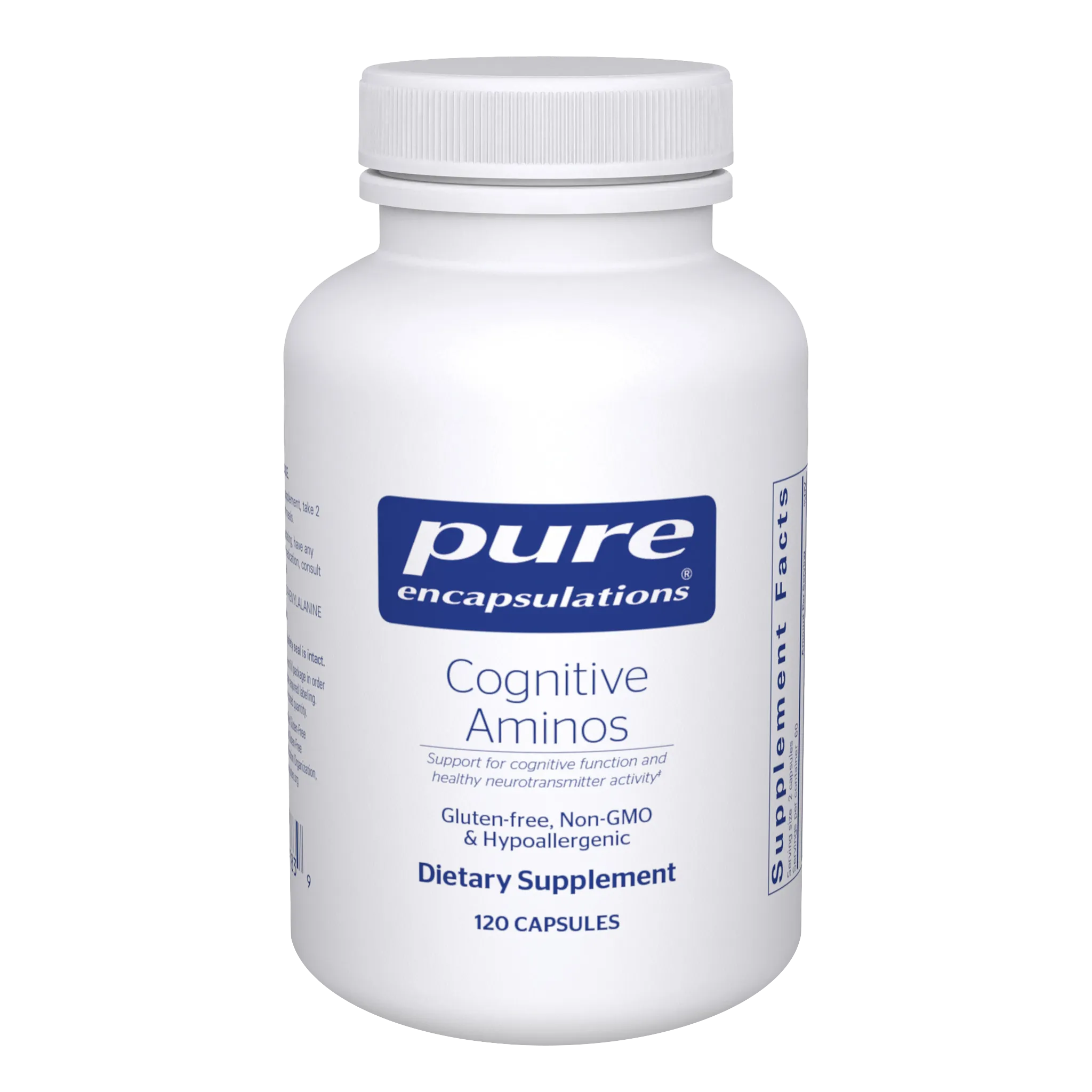
This is where targeted amino acid therapy comes into play. Cognitive Aminos by Pure Encapsulations is a specialized formulation designed to supply the central nervous system with the exact raw materials it needs to rebuild these depleted neurotransmitter pools. By providing highly bioavailable forms of L-tyrosine, DL-phenylalanine, L-tryptophan, taurine, and acetyl-l-carnitine, this supplement aims to bypass metabolic bottlenecks, restore autonomic balance, and support the return of mental clarity. In this comprehensive guide, we will explore the intricate biochemistry of how these amino acids function, how chronic illness disrupts them, and the clinical science behind using targeted precursors to lift the fog of Long COVID and ME/CFS.
TL;DR
Post-viral brain fog and fatigue may stem from disrupted amino acid metabolism and neurotransmitter depletion.
Targeted amino acids like L-tyrosine and L-tryptophan support the synthesis of dopamine and serotonin.
Ingredients like ALCAR and taurine may help protect the brain and support cellular energy.
Consult a healthcare provider before starting amino acid therapy, especially if taking prescription medications.
What Are Cognitive Aminos?
The Building Blocks of the Nervous System
To understand how a supplement like Cognitive Aminos functions, we must first look at the foundational biology of the human brain. The brain operates as a highly complex electrochemical machine, relying on chemical messengers known as neurotransmitters to transmit signals between neurons. These neurotransmitters regulate everything from our heart rate and breathing to our ability to form memories, experience joy, and maintain focus. However, the brain cannot create these neurotransmitters out of thin air. It requires specific raw materials, primarily in the form of amino acids, which are the organic compounds that combine to form proteins.
Amino acids are broadly categorized into essential and non-essential types. Essential amino acids cannot be synthesized by the human body and must be acquired strictly through diet or supplementation. Non-essential amino acids can be synthesized internally, provided the body has enough of the requisite precursor molecules and the metabolic pathways are functioning optimally. In a healthy body, dietary proteins are broken down in the gastrointestinal tract into individual amino acids, which are then absorbed into the bloodstream and distributed to various tissues, including the central nervous system.
Once inside the brain, these amino acids undergo a series of complex, enzyme-driven biochemical conversions. For example, an amino acid might be hydroxylated (having an oxygen and hydrogen atom added) or decarboxylated (having a carbon atom removed) to transform it from a simple building block into a highly active neurotransmitter. This continuous cycle of synthesis, release, and reuptake requires immense amounts of cellular energy and a constant supply of amino acid precursors to maintain neurological homeostasis.
Crossing the Blood-Brain Barrier
One of the most significant challenges in neurology and targeted nutritional therapy is the blood-brain barrier (BBB). The BBB is a highly selective, semi-permeable border of endothelial cells that prevents circulating blood from freely mixing with the extracellular fluid of the central nervous system. This barrier is essential for protecting the brain from circulating toxins and pathogens, but it also means that the brain cannot simply absorb neurotransmitters directly from the bloodstream. If you swallow a pill containing pure dopamine or serotonin, it will not cross the BBB and will not alter your brain chemistry.
Instead, the brain relies on specialized transport proteins, such as the Large Neutral Amino Acid Transporter 1 (LAT1), to actively ferry specific amino acid precursors across the blood-brain barrier. Once safely inside the central nervous system, these precursors are taken up by neurons and synthesized into active neurotransmitters on-site. This is why targeted amino acid therapy utilizes precursors like L-tyrosine and L-tryptophan rather than the end-stage neurotransmitters themselves. By supplying the specific molecules that the LAT1 transporter recognizes, we can effectively deliver the necessary building blocks directly to the brain's manufacturing centers.
The Delicate Balance of Excitation and Inhibition
A healthy nervous system relies on a delicate, dynamic equilibrium between excitatory and inhibitory neurotransmitters. Excitatory neurotransmitters, such as glutamate, dopamine, and norepinephrine, act as the brain's accelerator. They stimulate neuronal firing, promote wakefulness, enhance focus, and drive the "fight or flight" response of the sympathetic nervous system. Conversely, inhibitory neurotransmitters, such as GABA and serotonin, act as the brain's brakes. They reduce neuronal excitability, promote relaxation, regulate sleep cycles, and support the "rest and digest" functions of the parasympathetic nervous system.
When this balance is disrupted, the consequences are profound. An excess of excitatory signaling without adequate inhibitory control leads to neurotoxicity, anxiety, sensory hypersensitivity, and the rapid heart rates seen in dysautonomia. A depletion of excitatory neurotransmitters leads to profound lethargy, lack of motivation, and severe cognitive slowing. Cognitive Aminos is uniquely formulated to address both sides of this equation, providing precursors for both the excitatory catecholamines (dopamine and norepinephrine) and the inhibitory modulators (serotonin and taurine), thereby supporting a return to neurological homeostasis.
How Chronic Illness Impacts Amino Acid Metabolism
The "Tryptophan Steal" and Neuroinflammation
In patients with Long COVID and ME/CFS, the elegant system of amino acid metabolism becomes severely derailed. One of the most significant breakthroughs in understanding post-viral brain fog involves the disruption of L-tryptophan, the essential amino acid precursor to serotonin. A landmark 2023 study published in the journal Cell by researchers at the University of Pennsylvania revealed that trace amounts of the SARS-CoV-2 virus can linger in the gut long after the acute infection has passed. This persistent viral reservoir triggers the immune system to constantly release inflammatory interferons, which severely impairs the intestinal absorption of dietary L-tryptophan.
Furthermore, this chronic immune activation triggers a devastating metabolic detour known as the "tryptophan steal." Pro-inflammatory cytokines activate an enzyme called IDO1 (indoleamine 2,3-dioxygenase). Instead of allowing the available L-tryptophan to be converted into serotonin, the IDO1 enzyme hijacks the amino acid and shunts it down the Kynurenine Pathway. This not only starves the brain of serotonin—leading to mood disorders and impaired vagus nerve signaling—but it also produces highly toxic metabolites like quinolinic acid. These neurotoxic byproducts cross the blood-brain barrier, driving severe neuroinflammation and directly contributing to the cognitive deficits seen in Long COVID.
Basal Ganglia Dysfunction and Dopamine Depletion
The physical fatigue and cognitive slowing characteristic of ME/CFS are also deeply tied to amino acid dysregulation, specifically the depletion of dopamine and norepinephrine. Research conducted by Dr. Andrew Miller at Emory University utilized functional MRI scans to observe the brains of ME/CFS patients. The studies revealed a marked decrease in the activation of the basal ganglia, a brain region highly dependent on dopamine that regulates motor activity, reward, and fatigue.
This basal ganglia dysfunction is driven by chronic inflammation. Inflammatory cytokines directly interfere with the enzymatic conversion of L-tyrosine into L-DOPA, the rate-limiting step in dopamine synthesis. As the brain's dopamine reserves are depleted, patients experience what researchers term "sickness behavior"—a profound state of physical lethargy, slowed motor function, and cognitive confusion. Furthermore, metabolomic studies on post-exertional malaise (PEM) have shown that during a crash, blood levels of phenylalanine drop significantly, indicating that the body is rapidly burning through the very amino acids needed to synthesize these crucial catecholamines.
Glutamate Excitotoxicity and Taurine Loss
Another critical mechanism of post-viral neurological damage involves glutamate excitotoxicity. In conditions like Long COVID and dysautonomia, the brain often experiences an accumulation of extracellular glutamate. This excess glutamate overstimulates NMDA receptors on neurons, causing a massive influx of calcium ions. This calcium overload damages mitochondria, generates severe oxidative stress, and can ultimately lead to neuronal cell death—a process that heavily contributes to sensory overload, chronic migraines, and brain fog.
In a healthy brain, the amino acid taurine acts as a primary defense against this excitotoxicity by buffering intracellular calcium and hyperpolarizing neurons to resist excessive firing. However, a breakthrough 2023 study published in Cell Reports Medicine by University of Alberta researchers identified that severe taurine depletion is a primary predictive biomarker for Long COVID. Patients with the lowest levels of plasma taurine experienced the most severe neurological symptoms and the poorest recovery trajectories, leaving their brains entirely unprotected against the ravages of glutamate excitotoxicity.
Cognitive Aminos: Supporting Neurotransmitter Synthesis
Fueling Catecholamines with L-Tyrosine and DL-Phenylalanine
Cognitive Aminos provides a robust, multi-targeted approach to overcoming these metabolic bottlenecks. The first pillar of this formulation is the inclusion of L-tyrosine and DL-phenylalanine, the direct precursors to the catecholamine neurotransmitters dopamine, norepinephrine, and epinephrine. By providing these precursors in their highly bioavailable, free-form states, the supplement ensures that the brain has an abundant substrate pool to draw from, even when chronic inflammation is attempting to suppress enzymatic activity.
The biochemical pathway operates sequentially: L-phenylalanine is converted into L-tyrosine in the liver, which then crosses the blood-brain barrier. Once inside the brain, the enzyme tyrosine hydroxylase converts it into L-DOPA, which is subsequently decarboxylated into dopamine and eventually synthesized into norepinephrine. By supplying both L-tyrosine (for immediate conversion) and DL-phenylalanine (for sustained, downstream synthesis), Cognitive Aminos helps restore the activation of the basal ganglia, lifting the profound physical lethargy and improving working memory under stress. Additionally, the D-fraction of DL-phenylalanine inhibits the enzymes that break down enkephalins, the body's natural endorphins, offering vital support for the chronic pain often comorbid with ME/CFS.
Restoring Acetylcholine and Mitochondrial Energy with ALCAR
The second critical component of the formula is Acetyl-L-carnitine (ALCAR). ALCAR is an acetylated derivative of the amino acid L-carnitine, uniquely structured to easily cross the blood-brain barrier. ALCAR serves a profound dual purpose in the management of post-viral cognitive dysfunction. First, it acts as a biological shuttle bus, transporting long-chain fatty acids directly into the mitochondria where they can be oxidized to produce ATP (cellular energy). Because Long COVID and ME/CFS are fundamentally characterized by mitochondrial dysfunction and cellular energy crises, ALCAR may help address the root cause of profound neurological fatigue.
Secondly, once inside the brain, ALCAR donates its acetyl group to choline to synthesize the neurotransmitter acetylcholine. Acetylcholine is the primary chemical messenger responsible for memory formation, learning, attention, and the regulation of the parasympathetic nervous system. By directly fueling the synthesis of acetylcholine, ALCAR acts as a powerful neuromodulator that may help clear cognitive fog, improve word recall, and help stabilize the autonomic nervous system dysfunction seen in conditions like Postural Orthostatic Tachycardia Syndrome (POTS).
Shielding the Brain with Taurine
To counteract the neurotoxic effects of excess excitatory signaling, Cognitive Aminos includes a supportive dose of taurine. As the most abundant free amino acid in the central nervous system, taurine functions as a critical neuroprotector. It binds to GABA and glycine receptors on neurons, opening chloride channels that negatively charge the cell. This hyperpolarization raises the threshold required for the neuron to fire, effectively neutralizing the threat of NMDA-mediated glutamate excitotoxicity.
Furthermore, taurine acts as a potent intracellular buffer, regulating the flow of calcium ions into the mitochondria. By helping to prevent calcium overload, taurine helps protect the mitochondria from structural collapse and oxidative stress. For patients with Long COVID, replenishing depleted taurine levels may provide an essential shield for the brain, helping to reduce the sensory hypersensitivity, chronic headaches, and neuro-agitation that frequently accompany post-viral dysautonomia.
Supporting Serotonin Production with L-Tryptophan
Finally, the inclusion of L-tryptophan addresses the profound serotonin depletion identified in recent Long COVID research. As the sole precursor to serotonin, L-tryptophan is essential for maintaining emotional well-being, regulating sleep architecture, and supporting the vagus nerve signaling that connects the gut to the brain. While the inflammatory "tryptophan steal" can complicate metabolism, providing a pure, free-form source of L-tryptophan ensures that the body has the raw materials available to synthesize serotonin when systemic inflammation is properly managed.
By restoring serotonin levels, L-tryptophan helps to re-establish the critical communication pathways between the enteric nervous system and the hippocampus. This restoration is vital for supporting memory and mood regulation that so heavily impact the quality of life for those suffering from complex chronic illnesses. Together, these five amino acids create a comprehensive matrix of neuro-support, addressing both the excitatory and inhibitory needs of a damaged nervous system.

Symptoms Cognitive Aminos May Help Manage
Because Cognitive Aminos targets the foundational building blocks of the central and autonomic nervous systems, it can help manage a wide array of complex neurological and physical symptoms associated with chronic illness:
Profound "Brain Fog" and Cognitive Slowing: By supplying L-tyrosine and ALCAR, the formula supports the synthesis of dopamine and acetylcholine, the primary neurotransmitters responsible for working memory, focus, word recall, and executive function.
Post-Exertional Malaise (PEM) and Neurological Crashes: ALCAR shuttles fatty acids into the mitochondria to boost ATP production, while DL-phenylalanine replenishes the catecholamine pools that are rapidly drained during physical or mental exertion, helping to raise the threshold for PEM.
Sensory Overload and Neuro-Agitation: Taurine acts as a powerful neuroprotector, buffering against glutamate excitotoxicity and hyperpolarizing neurons to reduce the sensory hypersensitivity and feeling of being "wired and tired."
Mood Dysregulation and Post-Viral Depression: The inclusion of L-tryptophan provides the essential raw material for serotonin synthesis, supporting emotional resilience, positive outlook, and the regulation of anxiety.
Dysautonomia and POTS Symptoms: Acetylcholine, synthesized via ALCAR, is the primary neurotransmitter of the vagus nerve and the parasympathetic nervous system. Supporting its production helps regulate heart rate, digestion, and autonomic stability.
Chronic Widespread Pain: The D-fraction of DL-phenylalanine inhibits the enzymatic breakdown of enkephalins (the body's natural pain-killing endorphins), providing natural support for the chronic muscle and joint pain often comorbid with ME/CFS.
Practical Considerations: Forms, Dosing, and Absorption
Maximizing Bioavailability and Absorption
When utilizing free-form amino acids for cognitive support, proper timing and administration are critical to achieving therapeutic results. Amino acids compete with one another for absorption in the gastrointestinal tract and for transport across the blood-brain barrier via the LAT1 transporter. If you take Cognitive Aminos alongside a heavy, protein-rich meal, the amino acids in the supplement will be forced to compete with the amino acids in your food, significantly reducing the amount that actually reaches your brain.
To maximize bioavailability, it is highly recommended to take Cognitive Aminos on an empty stomach—typically 30 to 45 minutes before a meal, or two hours after eating. Pure Encapsulations utilizes "free-form" amino acids in this formulation, meaning they are not bound to other proteins and do not require complex enzymatic digestion to be absorbed. This allows for rapid assimilation into the bloodstream and swift delivery to the central nervous system. The suggested use is 2 capsules, 1 to 2 times daily, ideally taken earlier in the day to help prevent the dopamine and norepinephrine precursors from interfering with nighttime sleep architecture.
Synergistic Combinations
The synthesis of neurotransmitters from amino acid precursors does not happen in a vacuum; it requires specific vitamin and mineral cofactors to drive the enzymatic reactions. For example, the conversion of L-tyrosine to L-DOPA, and L-tryptophan to serotonin, heavily relies on Vitamin B6 (in its active form, Pyridoxal-5-Phosphate), Vitamin C, and magnesium. Patients utilizing Cognitive Aminos often see enhanced results when pairing the supplement with a high-quality, methylated B-complex and a highly absorbable magnesium supplement to ensure the enzymatic pathways are fully supported.
Crucial Safety Warnings and Contraindications
While amino acids are natural compounds, their ability to directly alter brain chemistry means they must be used with profound respect and caution, particularly for patients on prescription medications. Cognitive Aminos must NOT be taken concurrently with prescription antidepressants, specifically Selective Serotonin Reuptake Inhibitors (SSRIs), Serotonin-Norepinephrine Reuptake Inhibitors (SNRIs), or Monoamine Oxidase Inhibitors (MAOIs).
Combining the L-tryptophan in this formula with an SSRI can lead to an excessive accumulation of serotonin in the brain, triggering a potentially life-threatening condition known as Serotonin Syndrome. Symptoms include severe agitation, rapid heart rate, high blood pressure, muscle rigidity, and fever. Furthermore, combining L-tyrosine or DL-phenylalanine with an MAOI can cause a dangerous spike in blood pressure known as a hypertensive crisis. Additionally, this supplement is contraindicated for pregnant or lactating women, and individuals with a history of melanoma or phenylketonuria (PKU) should consult their physician before using products containing L-tyrosine or phenylalanine. Always consult with a functionally trained healthcare provider before introducing powerful amino acid precursors into your regimen.

Follow the Science
The UPenn Study on Serotonin Depletion
The scientific understanding of amino acid dysregulation in chronic illness has advanced rapidly in recent years. A cornerstone of this research is the 2023 study published in the journal Cell by researchers at the University of Pennsylvania. Analyzing clinical data from over 1,500 Long COVID patients, the researchers discovered that persistent viral fragments in the gut trigger interferon-driven inflammation, which severely impairs the absorption of L-tryptophan. This leads to a systemic depletion of serotonin, which directly disrupts vagus nerve signaling to the hippocampus, resulting in profound memory loss and cognitive impairment. The study demonstrated that restoring serotonin pathways could successfully reverse these neurological deficits in animal models.
Taurine as a Predictive Biomarker
Equally groundbreaking is the 2023 research published in Cell Reports Medicine by the University of Alberta. Led by Dr. Gavin Oudit, the research team utilized machine learning to analyze the blood plasma of 117 patients hospitalized with COVID-19, tracking their recovery over 18 months. They discovered that severe taurine depletion was the most significant molecular predictor of severe Long COVID. Patients with the lowest taurine levels experienced the highest rates of ongoing neurological symptoms, fatigue, and hospitalization. This discovery has prompted the Canadian Institutes of Health Research to fund the RECLAIM clinical trial, a Phase 3 study investigating targeted taurine supplementation to reverse Long COVID brain fog and metabolic dysfunction.
Clinical Trials on Amino Acid Precursors
The clinical efficacy of utilizing amino acid precursors for ME/CFS has also been documented in controlled trials. A notable 2018 Phase 2, randomized, double-blind, placebo-controlled trial published in the International Journal of Clinical and Experimental Medicine evaluated KPAX002, a treatment combining a low-dose stimulant with a micronutrient cocktail heavily featuring L-tyrosine. The study found that supplying L-tyrosine provided a continuous substrate pool for dopamine and norepinephrine synthesis, preventing the catecholamine depletion that typically causes "crashes" in ME/CFS patients. Over 12 weeks, the experimental group demonstrated statistically significant reductions in fatigue and concentration disturbances compared to the placebo group.
Furthermore, extensive clinical reviews on Acetyl-L-carnitine (ALCAR) have highlighted its role as a major regulator of mitochondrial function. A 2024 narrative review on neuropsychiatric Long COVID proposed ALCAR supplementation as a targeted approach to help manage neuroinflammation, correct energy production pathways, and alleviate post-COVID fatigue by directly fueling the synthesis of acetylcholine and supporting mitochondrial bioenergetics.
The Path Forward
A Comprehensive Approach to Cognitive Recovery
Living with the cognitive dysfunction of Long COVID, ME/CFS, or dysautonomia can be an incredibly isolating and frustrating experience. When your brain no longer functions with the speed and clarity it once did, it impacts every facet of your life—from your career to your relationships. It is crucial to validate that these symptoms are not psychological; they are the result of profound, measurable disruptions in your body's neurochemistry, mitochondrial function, and amino acid metabolism. Understanding the biological root of your "brain fog" is the first step toward reclaiming your cognitive health.
While Cognitive Aminos provides a powerful, science-backed tool for replenishing depleted neurotransmitters and supporting cellular energy, it is important to remember that supplements are just one piece of a comprehensive management strategy. True recovery requires a holistic approach that includes aggressive rest, radical pacing to avoid post-exertional malaise, nervous system regulation techniques, and identifying underlying triggers like mast cell activation syndrome (MCAS). Amino acid therapy works best when the body is given the time and space it needs to heal from chronic systemic inflammation.
Tracking Your Progress
As you introduce targeted precursors like L-tyrosine, ALCAR, and taurine into your regimen, meticulous symptom tracking is essential. Keep a daily log of your cognitive clarity, word recall, physical energy levels, and sleep quality. Because neurotransmitter synthesis takes time and requires cofactors, it may take several weeks of consistent use to observe significant changes in your baseline cognitive function. Always work closely with a healthcare provider who understands the complexities of post-viral illness to tailor your dosages and ensure there are no contraindications with your current medications.
Sources
Penn Medicine: Penn Study Finds Serotonin Reduction Causes Long COVID Symptoms
Cell: Serotonin reduction in post-acute sequelae of viral infection
University of Alberta: Researchers identify protein that predicts Long COVID
ClinicalTrials.gov: RECLAIM Trial - Taurine Supplementation for Long COVID (NCT06721949)
Emory University: Lost in a Brain Fog - Basal Ganglia Dysfunction in ME/CFS