Can Sulforaphane Support Detoxification and Cellular Health in Long COVID and ME/CFS?
March 5, 2026
SulforaphaneLong COVIDME/CFS
Share:
Disclaimer: The information provided here is for educational purposes only and is not intended as medical advice. It should not be used to diagnose, treat, cure, or prevent any medical condition. Instead, use it as a starting point for discussion with your healthcare provider. Always consult with a qualified healthcare provider before starting any new medication, supplement, device, or making changes to your health regimen.
Months or even years after a viral infection, many patients find themselves trapped in a cycle of debilitating fatigue, cognitive dysfunction, and systemic inflammation. For those living with complex chronic conditions, the search for answers often leads to a deep dive into cellular biology. Why do some bodies struggle to clear inflammatory debris? Why does the nervous system remain locked in a state of high alert? The answers frequently point to a breakdown in the body's natural detoxification and antioxidant defense systems, leaving cells vulnerable to relentless oxidative stress.
In the landscape of nutritional science, few compounds have generated as much clinical excitement as sulforaphane, a potent phytonutrient derived from cruciferous vegetables like broccoli sprouts. Unlike traditional antioxidants that neutralize a single free radical and then become inert, sulforaphane acts as a cellular genetic switch. It fundamentally reprograms the body's defense software, upregulating a vast network of protective enzymes that can last for days. For patients navigating the interconnected webs of Long COVID, myalgic encephalomyelitis/chronic fatigue syndrome (ME/CFS), and mast cell activation syndrome (MCAS), supporting these fundamental cellular pathways offers a promising avenue for managing complex symptoms and improving overall quality of life.
TL;DR
Sulforaphane supports cellular defense by activating the Nrf2 pathway, the body's master antioxidant switch.
It may help manage oxidative stress and inflammation common in Long COVID and ME/CFS.
Combining glucoraphanin with myrosinase ensures better bioavailability and absorption.
Always consult your healthcare provider before starting new supplements for complex chronic conditions.
What is Sulforaphane?
The Power of Cruciferous Phytochemicals
Sulforaphane (SFN) is a highly potent, naturally occurring phytochemical belonging to the isothiocyanate class. It is derived from glucoraphanin (also known as sulforaphane glucosinolate or SGS), a compound found in exceptionally high concentrations in cruciferous vegetables, most notably in broccoli seeds and young broccoli sprouts. In nature, glucoraphanin is biologically inert. It acts as a defense mechanism for the plant, stored in separate cellular compartments from an enzyme called myrosinase. When the plant tissue is damaged—such as by chewing or chopping—the myrosinase enzyme mixes with the glucoraphanin, catalyzing a chemical reaction that creates active sulforaphane. This evolutionary defense mechanism has profound implications for human health.
Over the past three decades, sulforaphane has gained massive scientific interest due to its extraordinary ability to act as an "indirect antioxidant." Traditional direct antioxidants, such as Vitamin C or Vitamin E, work by sacrificing themselves to neutralize a single free radical molecule. Once they donate an electron, they are consumed and must be regenerated or excreted. Sulforaphane operates on a completely different, far more powerful level. Rather than engaging in one-to-one combat with free radicals, sulforaphane alters cellular gene expression to build a long-lasting, robust defense system that continues to protect the cell long after the compound itself has been metabolized.
The Keap1-Nrf2-ARE Pathway: The Master Antioxidant Switch
The primary mechanism by which sulforaphane exerts its profound health benefits is through the activation of the Keap1-Nrf2-ARE pathway, widely considered the master regulator of the body’s cellular antioxidant and detoxification defense system. Under normal, unstressed conditions, Nrf2 (Nuclear factor erythroid 2-related factor 2), a critical transcription factor, is bound in the cell's cytoplasm to a repressor sensor protein called Keap1 (Kelch-like ECH-associated protein 1). Keap1 acts as a strict molecular chaperone, constantly tagging Nrf2 for continuous breakdown (ubiquitination) by the cellular proteasome. This ensures that cellular levels of Nrf2 remain low when the cell is not under threat.
Sulforaphane is a lipophilic, electrophilic compound, meaning it is highly reactive with specific molecular structures. When sulforaphane enters the cell, it reacts directly with highly sensitive, redox-reactive cysteine residues on the Keap1 protein. This interaction changes the physical, three-dimensional shape of Keap1, preventing it from targeting Nrf2 for degradation. As a result, free Nrf2 rapidly accumulates in the cytoplasm and translocates into the cell nucleus. Once inside the nucleus, Nrf2 binds to specific DNA sequences known as the Antioxidant Response Element (ARE). This binding acts as a master molecular switch, turning on the transcription of over 200 cytoprotective genes.
Phase II Detoxification Enzymes
Detoxification in the human body generally occurs in two distinct phases, primarily within the liver but also in cellular tissue throughout the body. Phase I enzymes (like the Cytochrome P450 family) begin the process by breaking down toxins, but they often create highly reactive, dangerous intermediate byproducts in the process. Phase II enzymes are known as "conjugation" enzymes. They attach small, water-soluble molecules to these reactive toxins, heavy metals, and metabolic waste products, neutralizing them and making them highly water-soluble so they can be safely excreted via urine or bile.
Sulforaphane aggressively upregulates these critical Phase II enzymes. By activating the Nrf2 pathway, sulforaphane triggers the production of Glutathione S-transferases (GSTs), which are critical for neutralizing environmental toxins, and NAD(P)H:quinone oxidoreductase 1 (NQO1), which protects cells against severe oxidative stress. It also induces Heme oxygenase-1 (HO-1), an enzyme with powerful anti-inflammatory properties, and $\gamma$-Glutamylcysteine synthetase (GCS), the rate-limiting enzyme required for the body to synthesize its own glutathione, the master antioxidant. Unlike direct antioxidants, these Phase II enzymes induced by sulforaphane have a half-life of several days, providing a sustained, amplified defense shield that is crucial for individuals battling chronic illness.
How Chronic Illness Impacts Detoxification and Antioxidant Status
The "Oxidative Storm" in Long COVID and ME/CFS
A defining feature of both acute viral infections and post-viral syndromes is profound, unyielding oxidative stress. When investigating What Causes Long COVID?, researchers consistently find that the initial SARS-CoV-2 infection triggers an overproduction of Reactive Oxygen Species (ROS) and mitochondrial ROS. This excess of free radicals overwhelms the body's natural antioxidant defenses, damaging cellular lipids, proteins, and DNA. This damage leads to a hyper-inflammatory "cytokine storm," endothelial (blood vessel) dysfunction, and the formation of microclots. In patients with Long COVID and myalgic encephalomyelitis/chronic fatigue syndrome (ME/CFS), this oxidative stress does not resolve after the acute infection clears; instead, it becomes a chronic, self-perpetuating cycle.
In ME/CFS, this phenomenon is often described as a "mitochondrial vicious cycle" or an "oxidative storm." Mitochondria, the energy-producing powerhouses of the cells, become damaged and continuously leak electrons. These leaked electrons form superoxide radicals, which further damage the inner mitochondrial membrane, causing more dysfunction and severe energy deficits. This cellular power outage is a primary driver of post-exertional malaise (PEM), the debilitating symptom where physical or cognitive exertion leads to a massive crash in baseline functioning. The body's primary defense against this mitochondrial damage is glutathione, and research indicates that glutathione is elevated in patients with ME/CFS and Long COVID, alongside other aberrations in ROS clearance pathways.
Viral Evasion and Nrf2 Suppression
The persistence of this oxidative storm is not merely a passive failure of the immune system; it appears to be an active consequence of viral pathology. Recent virology research has revealed that the SARS-CoV-2 virus intentionally suppresses the host’s Nrf2 gene and protein activity to evade cellular defenses. By keeping the Nrf2 pathway turned off, the virus prevents the cell from mounting an effective antioxidant response, allowing viral replication to proceed unchecked while oxidative damage accumulates. This viral-induced Nrf2 suppression is a key reason why the acute phase of COVID-19 can be so devastating to the vascular and respiratory systems.
For individuals wondering How Can You Live with Long-Term COVID, understanding this Nrf2 suppression is critical. Long after the acute virus is gone, the Nrf2 pathway may remain dysregulated, leaving the patient in a state of chronic redox imbalance. Without sufficient Nrf2 activation, the body cannot produce the Phase II detoxification enzymes needed to clear out lingering viral debris, inflammatory cytokines, and metabolic waste. This persistent cellular toxicity drives ongoing neuroinflammation, cognitive impairment (brain fog), and autonomic nervous system dysfunction, creating the complex web of symptoms that define Long COVID.
Mast Cell Activation and Histamine Overload
Another critical system impacted by chronic illness is the immune system's first responders: the mast cells. Mast cell activation syndrome (MCAS) is highly comorbid with both Long COVID and ME/CFS. Mast cells are found throughout the body, particularly in tissues that interface with the external environment, like the gut, skin, and respiratory tract. When triggered by allergens, stress, or—crucially—oxidative damage, mast cells "degranulate," dumping histamine, cytokines, and other inflammatory mediators into the bloodstream. This massive release of chemicals causes systemic symptoms ranging from hives and gastrointestinal distress to tachycardia and severe neurological pain.
In a healthy body, mast cells activate appropriately to fight off threats and then return to a resting state. However, in chronic illness, the persistent oxidative stress and systemic inflammation keep mast cells in a state of chronic high alert. Furthermore, there is a well-documented vicious cycle between estrogen and histamine, which is why MCAS often flares in women during hormonal shifts. Estrogen stimulates mast cells to release histamine, and histamine, in turn, stimulates the ovaries to produce more estrogen. If the liver's Phase II detoxification pathways are sluggish—often due to the aforementioned Nrf2 suppression—the body struggles to safely metabolize and excrete excess estrogen and histamine, leading to a toxic buildup that perpetuates the cycle of chronic illness.
BroccoProtect™: Supporting Cellular Defense and Detoxification
Activating the Master Antioxidant Switch
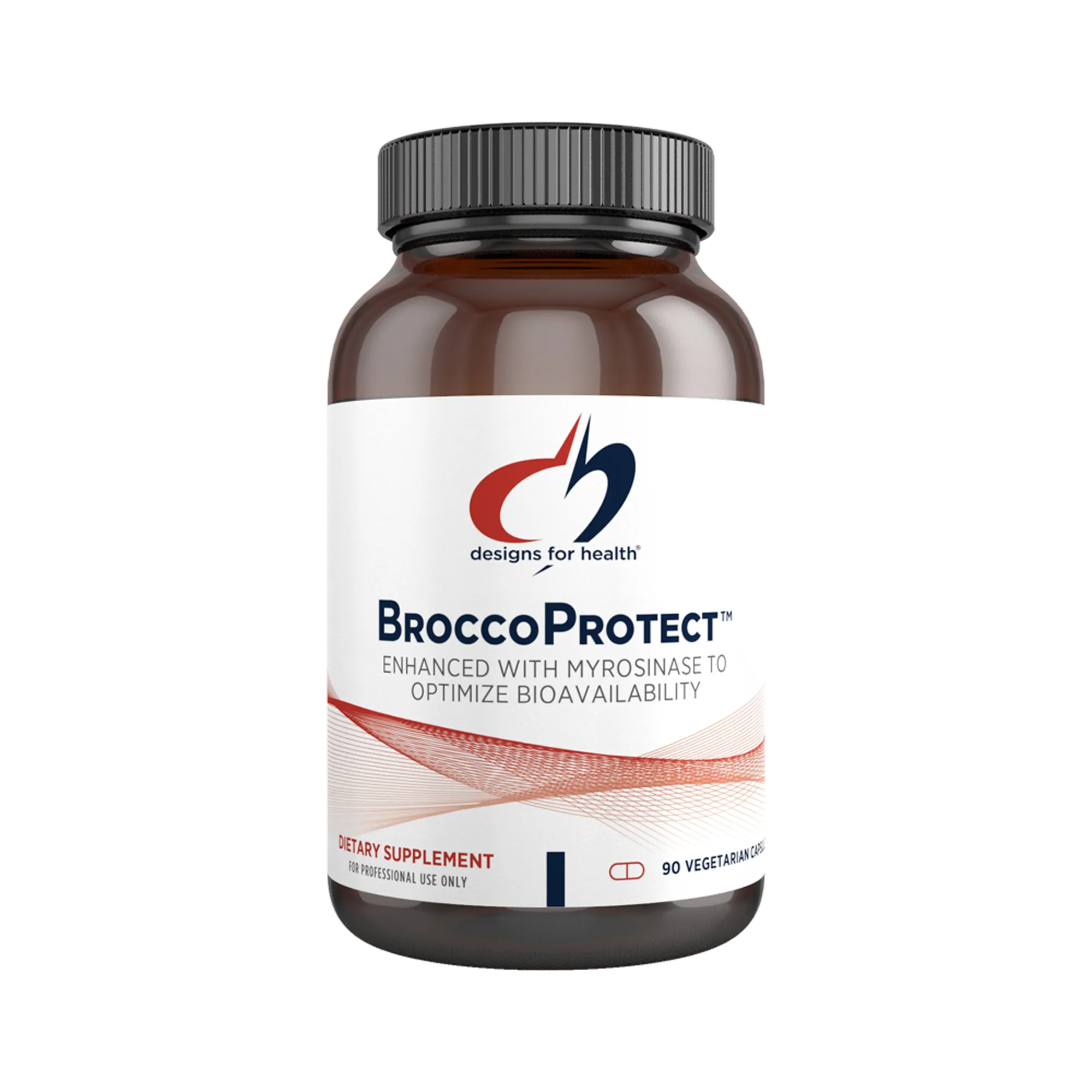
BroccoProtect™ by Designs for Health is formulated to directly address the cellular dysfunctions seen in chronic illness by delivering a highly bioavailable form of sulforaphane. By providing a standardized dose of sulforaphane glucosinolate (SGS) alongside the essential myrosinase enzyme, this supplement ensures that the body receives the necessary components to synthesize active sulforaphane within the digestive tract. Once absorbed, sulforaphane acts as a potent molecular key, unlocking the Keap1-Nrf2-ARE pathway that has been suppressed by viral infection and chronic oxidative stress. This activation is a critical step in restoring cellular homeostasis for patients with Long COVID and ME/CFS.
When sulforaphane frees Nrf2 to enter the nucleus, it triggers a massive upregulation of the body's endogenous antioxidant network. Instead of relying on external antioxidants to neutralize free radicals one by one, sulforaphane prompts the cells to manufacture their own robust defenses. It significantly boosts the production of glutathione, the master antioxidant required to repair mitochondrial redox homeostasis. By replenishing intracellular glutathione levels, sulforaphane helps break the "mitochondrial vicious cycle" of electron leakage and superoxide generation. This restoration of mitochondrial function is vital for improving cellular energy production (ATP) and mitigating the severe fatigue and post-exertional malaise that characterize ME/CFS. You can learn more about supporting these pathways in our guide on Can NAC Support Detoxification and Respiratory Health?.
Calming Neuroinflammation and Microglia
Cognitive impairment, often described as "brain fog," is one of the most debilitating symptoms of Long COVID and ME/CFS. This symptom is heavily driven by neuroinflammation and the chronic activation of microglia, the resident immune cells of the central nervous system. When activated by peripheral infection, systemic inflammation, or oxidative stress, microglia release a barrage of inflammatory cytokines that disrupt neuronal communication and damage brain tissue. Sulforaphane has the unique ability to cross the blood-brain barrier, allowing it to exert its protective effects directly within the central nervous system.
Once in the brain, sulforaphane directly inhibits the NF-κB signaling pathway, which is a major driver of inflammatory cytokine production. By suppressing NF-κB and simultaneously activating Nrf2, sulforaphane helps coax fragmented, hyperactive microglia back into a resting, neuroprotective state. Furthermore, sulforaphane has been shown to increase levels of Brain-Derived Neurotrophic Factor (BDNF), a critical protein responsible for synaptic plasticity, learning, and neuronal repair in the hippocampus. By neutralizing reactive oxygen species and downregulating neuroinflammation enzymes, sulforaphane provides comprehensive support for cognitive health and neurological recovery.
Stabilizing Mast Cells and Estrogen Metabolism
Directly, sulforaphane acts as a potent mast cell stabilizer.
Indirectly, sulforaphane supports MCAS management by enhancing Phase II liver detoxification. By upregulating enzymes like UDP-glucuronosyltransferases (UGT) and Glutathione S-transferases (GSTs), sulforaphane helps the liver efficiently process and eliminate metabolic waste, environmental toxins, and excess hormones. This is particularly crucial for breaking the estrogen-histamine loop. By promoting healthy estrogen metabolism—directing estrogen away from reactive, inflammatory pathways and toward safe excretion—sulforaphane reduces the hormonal triggers that stimulate mast cell degranulation. This comprehensive support for detoxification pathways makes BroccoProtect™ a valuable tool for managing the overlapping symptoms of MCAS, estrogen dominance, and chronic inflammation.
Symptoms Sulforaphane May Help Manage
Cognitive and Neurological Symptoms
Brain Fog and Cognitive Impairment: By crossing the blood-brain barrier, activating the Nrf2 pathway, and reducing microglial activation, sulforaphane helps lower neuroinflammation, which may improve mental clarity, focus, and memory retrieval.
Neurological Pain and Sensory Overload: By inhibiting the NF-κB inflammatory pathway and suppressing Substance P (a neuropeptide that aggravates mast cells), sulforaphane may help calm the hyper-reactive nervous system, reducing sensory sensitivities and nerve pain.
Mood Dysregulation: Sulforaphane supports the production of Brain-Derived Neurotrophic Factor (BDNF) and helps normalize brain glutamate levels, which can support emotional stability and resilience against chronic stress.
Systemic and Immune Symptoms
Severe Fatigue and Post-Exertional Malaise (PEM): By boosting intracellular glutathione and neutralizing mitochondrial superoxide radicals, sulforaphane helps protect the mitochondria's ability to produce ATP (energy), potentially raising the threshold for exertion before a crash occurs.
Histamine Intolerance and MCAS Flares: Sulforaphane acts directly on mast cell signaling pathways (like caspase-1) to inhibit degranulation, reducing the systemic release of histamine that causes hives, flushing, tachycardia, and gastrointestinal distress.
Hormonal Imbalances (Estrogen Dominance): By upregulating Phase II liver detoxification enzymes, sulforaphane assists the body in safely metabolizing and excreting excess estrogen, which can help break the vicious cycle of estrogen-triggered histamine release.
Chemical and Environmental Sensitivities: By enhancing the activity of Glutathione S-transferases (GSTs), sulforaphane improves the body's ability to bind and excrete environmental toxins, pollutants, and heavy metals, potentially reducing reactivity to environmental triggers.
Practical Considerations: Forms, Dosing, and Absorption
The Myrosinase Problem and Bioavailability
When considering sulforaphane supplementation, the most critical factor to understand is bioavailability—the proportion of the active substance that actually enters the bloodstream and has a therapeutic effect. Sulforaphane itself is a highly volatile and unstable compound, making it difficult to put directly into a standard capsule. Therefore, most supplements, and cruciferous vegetables themselves, provide the stable precursor compound, glucoraphanin (sulforaphane glucosinolate or SGS). However, glucoraphanin is biologically inactive on its own. It absolutely requires the presence of the enzyme myrosinase to catalyze the chemical conversion into active sulforaphane.
If a patient consumes glucoraphanin without active myrosinase (which is often destroyed by cooking heat or standard supplement extraction processes), the conversion relies entirely on the bacteria present in their gut microbiome. Because gut flora varies drastically from person to person—and is often severely compromised in patients with ME/CFS and Long COVID due to dysbiosis or historical antibiotic use—relying on gut bacteria for conversion results in poor and highly variable bioavailability, historically averaging between 10% and 18%. This is why many standard broccoli extract supplements fail to deliver clinical results.
Why TrueBroc® and Mustard Seed?
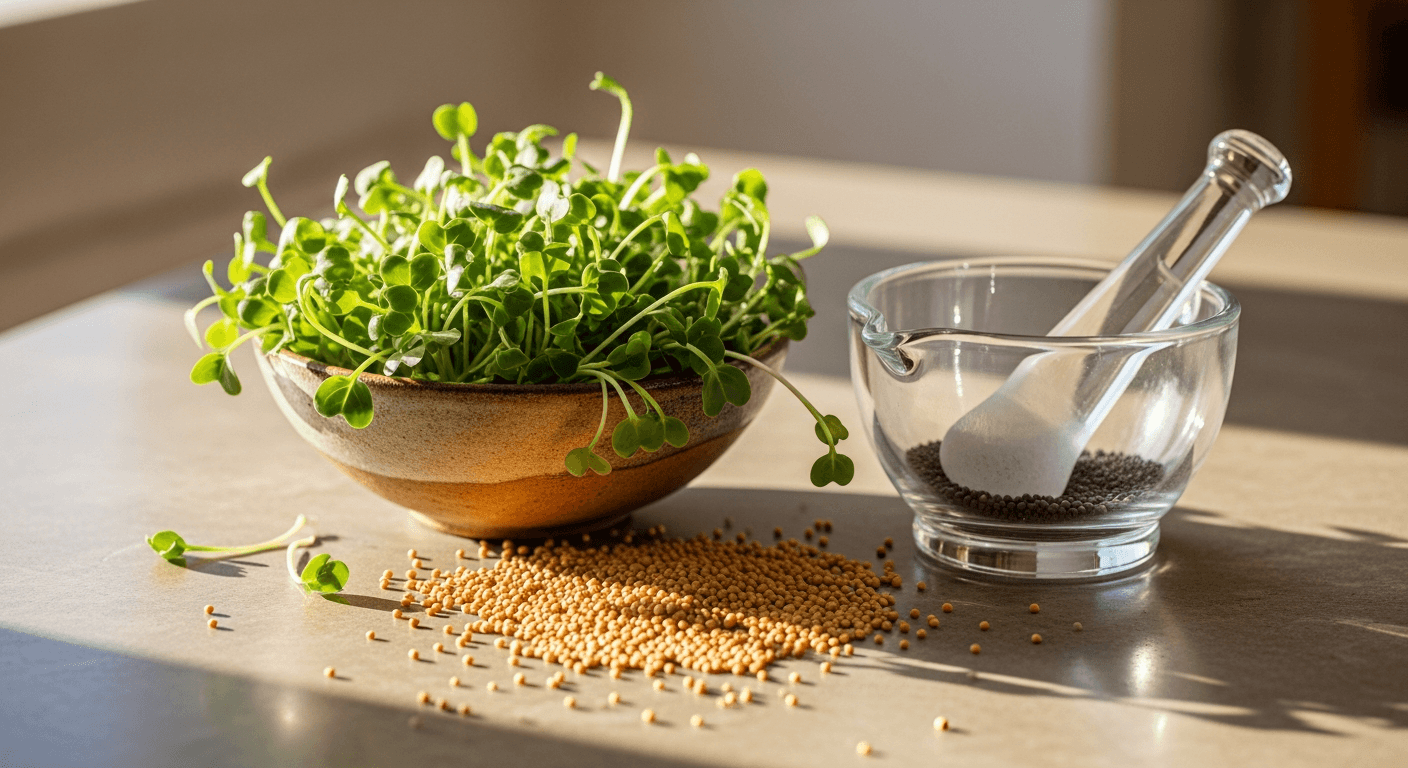
To solve the bioavailability problem, BroccoProtect™ utilizes a synergistic formulation. It features TrueBroc®, a patented, standardized hot water extract derived from proprietary broccoli seeds. TrueBroc® is meticulously standardized to contain 13% glucoraphanin, ensuring a consistent, clinically relevant dose of the precursor compound (yielding 24 mg of SGS per capsule). However, TrueBroc® alone lacks the active myrosinase enzyme. To guarantee high sulforaphane conversion, BroccoProtect™ combines TrueBroc® with mustard seed powder (Sinapis alba concentrate).
Mustard seed belongs to the same botanical family as broccoli and contains a highly active, stable form of myrosinase. By co-administering the standardized glucoraphanin with 5 enzyme units of myrosinase from mustard seed, the conversion to active sulforaphane happens efficiently in the upper gastrointestinal tract. This design bypasses the need to rely on the patient's unpredictable gut microbiome.
Dosing, Timing, and Potential Reactions
The suggested use for BroccoProtect™ is typically one capsule per day with a meal, or as directed by a healthcare practitioner. Taking the supplement with food can help buffer the digestive tract, as highly active sulfur compounds can occasionally cause mild gastrointestinal upset on an empty stomach. Because sulforaphane upregulates Phase II detoxification enzymes that have a half-life of several days, daily dosing is usually sufficient to maintain a robust antioxidant shield. However, patients with complex chronic illnesses must approach dosing with care and awareness of their unique physiological sensitivities.
Patients with ME/CFS, Long COVID, and heavy toxic burdens should be aware of the potential for a Herxheimer (die-off) reaction. Because sulforaphane rapidly upregulates liver detoxification pathways and alters cellular redox status, it can mobilize stored toxins and trigger a temporary flood of inflammatory cytokines. This can cause a transient exacerbation of fatigue, body aches, and brain fog lasting a few days. To mitigate this, practitioners often recommend starting with a lower dose or taking the supplement every other day to allow the body's elimination pathways to catch up. Additionally, patients with severe sulfur or salicylate intolerances—often seen in severe MCAS—should consult their provider before starting, as cruciferous extracts may trigger sensitivities in highly reactive individuals.
Follow the Science
Antiviral and Endothelial Protection in COVID-19
The scientific community has rigorously investigated sulforaphane's potential as a therapeutic agent against SARS-CoV-2 and its lingering effects. Extensive in vitro and in vivo studies have demonstrated sulforaphane's dual ability to inhibit viral replication and mitigate resulting tissue damage. Researchers from Johns Hopkins University found that pharmacologically relevant concentrations of sulforaphane inhibited the replication of SARS-CoV-2 and prevented virus-induced cell death in human bronchial epithelial cells. Furthermore, studies indicate that sulforaphane specifically inhibits the virus's main protease (MPro), an enzyme essential for viral replication, while simultaneously suppressing the pro-inflammatory genes (IL-6, IL-8) that drive the COVID-19 cytokine storm.
Beyond direct antiviral activity, sulforaphane offers profound protection for the vascular system, which is heavily targeted by COVID-19. A study published in the American Journal of Physiology exposed human endothelial cells to blood serum from patients with severe COVID-19, which caused massive reactive oxygen species (ROS) generation and vascular dysfunction. Treatment with sulforaphane restored Nrf2 activity, neutralized the ROS, and restored nitric oxide bioavailability, effectively protecting the blood vessels from damage. This endothelial protection is highly relevant for Long COVID patients suffering from microvascular dysfunction and autonomic nervous system issues.
Neuroinflammation and Cognitive Function
While large-scale clinical trials specifically for ME/CFS are still needed, researchers rely on robust data from overlapping neuroinflammatory conditions to understand sulforaphane's impact on the brain. In animal models utilizing lipopolysaccharide (LPS) to mimic infection-induced neuroinflammation—a process very similar to the viral onset of ME/CFS—pretreating subjects with sulforaphane actively reversed neuroinflammation and completely restored cognitive and memory deficits. By activating the Nrf2 pathway, sulforaphane protects the brain’s energy-generating capacity and mitigates the oxidative stress that drives cognitive impairment.
Animal studies further support these neurological benefits. Researchers found in a mouse model that sulforaphane ameliorates the development of experimental autoimmune encephalomyelitis by antagonizing oxidative stress and inflammation. Additionally, in human trials involving conditions heavily linked to microglial neuroinflammation, such as Autism Spectrum Disorder, significant, measurable improvements in behavioral and social responsiveness were observed after sulforaphane supplementation, reinforcing its active role in calming hyperactive brain immune cells.
Mast Cell Stabilization Studies
A pivotal 2020 study published in Immunopharmacology and Immunotoxicology investigated the effects of sulforaphane on human mast cells.
Human trials confirm these anti-allergic effects in real-world scenarios. A study conducted by the UCLA Asthma Center tested whether a standardized sulforaphane-rich broccoli sprout extract could suppress nasal allergic responses in humans exposed to diesel exhaust particles, a known mast cell trigger. Subjects given the sulforaphane extract exhibited a 54% decrease in total inflammatory cell counts compared to their baseline when exposed to the exhaust. This demonstrates a profound therapeutic potential for preventing environmental allergic reactions and stabilizing the hyper-reactive immune responses seen in MCAS.
The Path Forward
A Comprehensive Approach to Cellular Healing
Living with complex chronic conditions like Long COVID, ME/CFS, dysautonomia, and MCAS is an exhausting, unpredictable journey. When your body feels like it is constantly fighting itself, finding interventions that address the root cellular dysfunctions can provide a much-needed sense of hope and control. Sulforaphane represents a powerful tool in this fight, offering a scientifically grounded way to reboot the body's master antioxidant switch, clear out inflammatory debris, and calm a hyper-reactive immune system. By targeting the fundamental mechanisms of oxidative stress and detoxification, BroccoProtect™ helps lay the cellular groundwork necessary for deeper healing and symptom management.
However, it is important to remember that no single supplement is a cure-all for complex chronic illness. True recovery requires a comprehensive, multi-faceted approach. Supplements like BroccoProtect™ work best when integrated into a broader management strategy that includes aggressive pacing to avoid PEM, nervous system regulation, dietary modifications, and careful symptom tracking. If you are wondering Do Long COVID Symptoms Come and Go?, understanding your unique triggers is just as important as cellular support. Always consult with your healthcare provider before introducing new supplements, especially if you have severe chemical sensitivities or are navigating the complexities of MCAS. Together with your medical team, you can determine if supporting your Nrf2 pathway is the right next step on your path forward.
Sources
Frontiers in Genetics: Induction of Phase 2 Antioxidant Enzymes by Broccoli Sulforaphane
PubMed: Oxidative stress is a shared characteristic of ME/CFS and Long COVID
MDPI: Protective Effects of Sulforaphane Preventing Inflammation and Oxidative Stress
PubMed: Sulforaphane ameliorates the development of experimental autoimmune encephalomyelitis