Can Borage Oil Support Joint Comfort and Calm Inflammation in Long COVID and ME/CFS?
March 6, 2026
Borage OilLong COVIDME/CFS
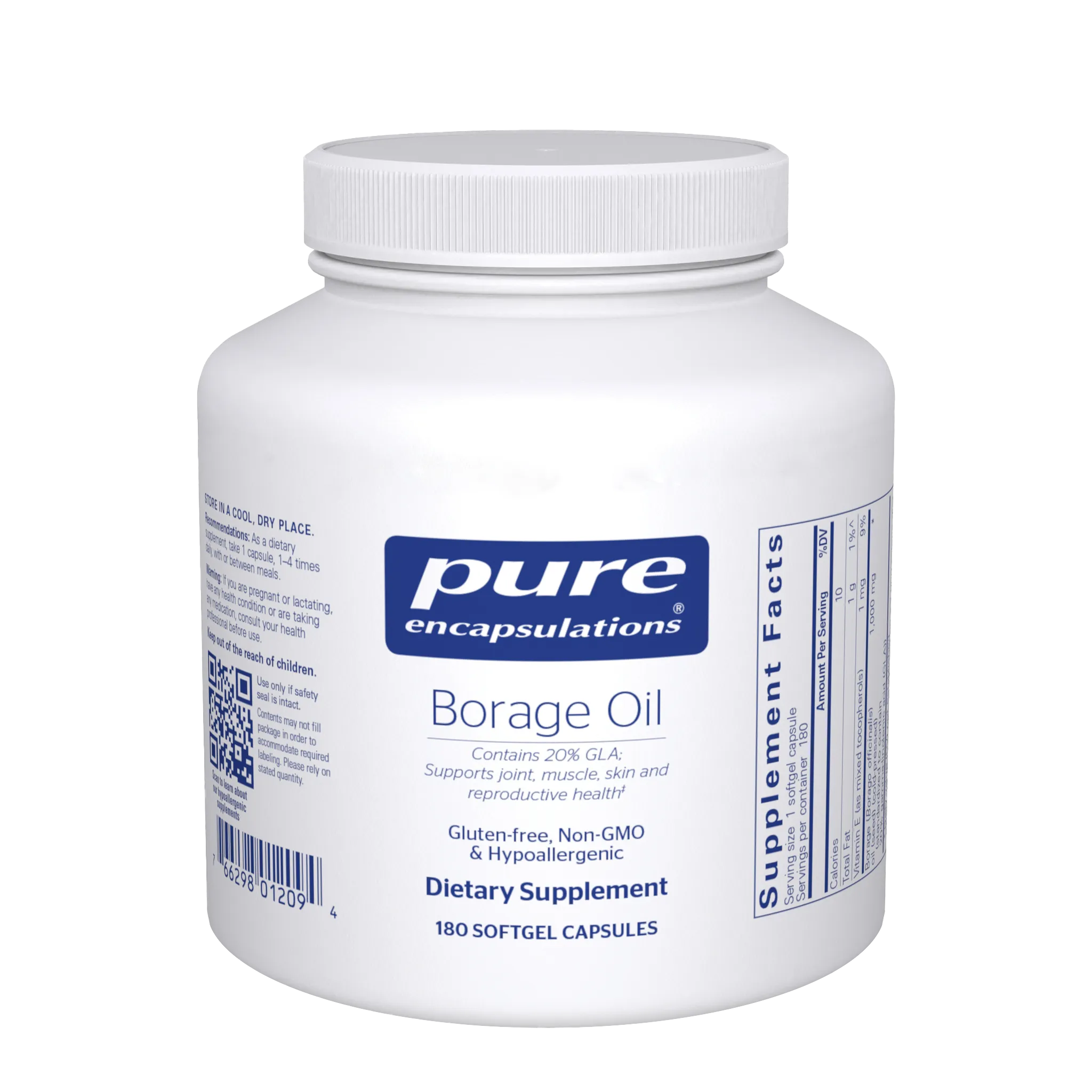
Share:
Disclaimer: The information provided here is for educational purposes only and is not intended as medical advice. It should not be used to diagnose, treat, cure, or prevent any medical condition. Instead, use it as a starting point for discussion with your healthcare provider. Always consult with a qualified healthcare provider before starting any new medication, supplement, device, or making changes to your health regimen.
Months or even years after a mild viral infection, many individuals find themselves battling a relentless array of symptoms that disrupt every facet of daily life. Whether you are navigating the profound exhaustion of Myalgic Encephalomyelitis/Chronic Fatigue Syndrome (ME/CFS), the unpredictable inflammatory flares of Mast Cell Activation Syndrome (MCAS), or the complex web of systemic issues associated with Long COVID, the search for effective symptom management can feel overwhelming. Patients frequently report debilitating joint pain, severe brain fog, unyielding fatigue, and sudden allergic-like reactions, often leaving them frustrated by a lack of clear medical answers and targeted treatments.
In the pursuit of restoring balance to a dysregulated immune system, nutritional science has increasingly focused on the role of specific therapeutic lipids. Borage oil, a natural extract rich in a unique omega-6 fatty acid called gamma-linolenic acid (GLA), has emerged as a compelling foundational support. Unlike typical dietary fats that can drive inflammation, the GLA found in borage oil acts as a powerful biochemical off-switch for inflammatory pathways. By understanding how this remarkable compound interacts with our cellular machinery, we can better appreciate its potential to support joint comfort, stabilize hyper-reactive mast cells, and promote systemic healing in complex chronic conditions.
TL;DR
Borage oil is rich in gamma-linolenic acid (GLA), a unique fatty acid that supports anti-inflammatory pathways.
GLA bypasses impaired enzymes to help the body produce PGE1, a calming lipid mediator.
Research suggests borage oil may help manage joint pain, neuroinflammation, and mast cell hyper-reactivity.
For optimal absorption, take cold-pressed borage oil alongside healthy fats and omega-3 supplements.
What is Borage Oil and Gamma-Linolenic Acid?
The Botanical Origins and Unique Lipid Profile
Borage oil is a golden, nutrient-dense oil extracted from the seeds of the Borago officinalis plant, commonly known as the starflower. For centuries, traditional herbalists utilized various parts of the borage plant for its soothing properties, but modern clinical nutrition focuses specifically on the cold-pressed oil derived from its seeds. The therapeutic value of borage oil lies in its exceptionally high concentration of gamma-linolenic acid (GLA). While other botanical oils, such as evening primrose oil or black currant seed oil, also contain GLA, borage oil boasts the highest natural concentration available, typically standardized to contain 20% to 26% of this vital compound. This high density makes it an incredibly efficient delivery system for therapeutic lipid support.
To understand the importance of GLA, we must first look at the broader category of omega-6 polyunsaturated fatty acids (PUFAs). In the modern Western diet, omega-6 fatty acids—primarily in the form of linoleic acid found in processed vegetable oils—are often consumed in vast excess. This overconsumption is generally associated with driving systemic inflammation. However, GLA is a profound exception to this rule. Despite being classified as an omega-6 fatty acid, GLA possesses potent, well-documented anti-inflammatory properties. It acts as a targeted biological modulator, actively working to resolve inflammation rather than provoke it, making it a crucial nutrient for individuals dealing with chronic, immune-mediated conditions.
Bypassing the Enzymatic Bottleneck
In a perfectly healthy body, we do not strictly need to consume GLA directly; our bodies are designed to synthesize it from dietary linoleic acid. This conversion relies on a specific enzyme known as delta-6-desaturase (D6D). Unfortunately, the D6D enzyme is notoriously inefficient and highly susceptible to impairment. A wide variety of common factors can severely suppress D6D activity, including aging, chronic psychological stress, viral infections, elevated blood sugar, nutritional deficiencies (such as a lack of zinc, magnesium, or vitamin B6), and the consumption of trans fats. When the D6D enzyme is sluggish or blocked, the body cannot produce adequate GLA, leading to a critical shortage of anti-inflammatory mediators.
By supplementing with high-quality borage oil, you effectively bypass this enzymatic bottleneck. You provide your body with a direct, pre-formed supply of GLA, completely circumventing the unreliable D6D pathway. Once absorbed into the bloodstream, this direct supply of GLA is rapidly taken up by cells and elongated into another crucial molecule called dihomo-gamma-linolenic acid (DGLA). DGLA is incorporated directly into the phospholipid bilayer of cell membranes throughout the body, where it waits to be deployed as a powerful anti-inflammatory agent when the immune system requires regulation.
The Prostaglandin E1 (PGE1) Anti-Inflammatory Pathway
The true magic of borage oil occurs when DGLA is metabolized by the body's cellular machinery. Through the action of cyclooxygenase (COX) enzymes, DGLA is converted into a hormone-like lipid mediator called Prostaglandin E1 (PGE1). Prostaglandins are localized signaling molecules that control a vast array of physiological processes, including blood flow, pain perception, and immune responses. PGE1, in particular, is considered one of the most potent anti-inflammatory substances naturally produced by the human body. It acts as a master regulator, actively calming hyperactive immune cells and signaling the body to halt the inflammatory cascade.
Beyond its anti-inflammatory prowess, PGE1 plays a critical role in cardiovascular and microvascular health. It is a known vasodilator, meaning it helps relax and widen blood vessels, thereby improving circulation and oxygen delivery to oxygen-starved tissues. Furthermore, PGE1 inhibits platelet aggregation, reducing the likelihood of abnormal blood clotting—a mechanism of profound interest to researchers studying the microclots often observed in Long COVID patients. By elevating systemic PGE1 levels, borage oil provides a multi-faceted approach to cellular healing, supporting everything from joint tissue integrity to smooth muscle relaxation.
How Long COVID and ME/CFS Impact Systemic Inflammation
The Post-Viral Cytokine Storm and Neuroinflammation
Complex chronic conditions like Long COVID and ME/CFS are fundamentally characterized by a profound failure of the immune system to return to a state of baseline homeostasis after an initial trigger, such as a viral infection. During the acute phase of an infection like SARS-CoV-2 or the Epstein-Barr Virus, the immune system appropriately releases pro-inflammatory signaling proteins called cytokines—specifically Interleukin-6 (IL-6), Interleukin-1 beta (IL-1β), and Tumor Necrosis Factor-alpha (TNF-α). These cytokines serve as the body's alarm system, recruiting immune cells to fight the pathogen. However, in post-viral syndromes, this alarm system never shuts off. The body remains locked in a persistent, low-grade "cytokine storm," driving relentless systemic inflammation that damages healthy tissues and drains cellular energy reserves.
This persistent peripheral inflammation frequently crosses the blood-brain barrier, leading to a deeply debilitating state known as neuroinflammation. When inflammatory cytokines infiltrate the central nervous system, they activate microglial cells—the resident immune cells of the brain. Research indicates that this chronic microglial activation is a primary driver of the severe cognitive dysfunction, or "brain fog," and the profound post-exertional malaise (PEM) experienced by patients with ME/CFS and Long COVID. The brain becomes bathed in inflammatory mediators, disrupting neurotransmitter synthesis, impairing neuronal firing, and severely limiting the brain's ability to regulate the autonomic nervous system, often resulting in secondary conditions like dysautonomia and POTS.
Essential Fatty Acid Depletion and Membrane Dysfunction
Emerging research has highlighted a critical piece of the pathophysiological puzzle in these conditions: severe alterations in lipid metabolism and essential fatty acid depletion. A study evaluating vascular health found a correlation between intracranial calcification and extracranial stenosis of the internal carotid artery, while other emerging research highlights severe alterations in lipid metabolism. When the body is subjected to the immense oxidative stress of a prolonged viral battle, it rapidly consumes its stores of protective lipids in a desperate attempt to manufacture anti-inflammatory prostaglandins and pro-resolving mediators. If these stores are not adequately replenished, the body loses its biochemical ability to "turn off" the inflammation.
This lipid depletion also wreaks havoc on cellular structure. Essential fatty acids are the primary building blocks of the phospholipid bilayer that forms the membrane of every cell in the body, including neurons and muscle cells. In patients with ME/CFS, studies have consistently demonstrated abnormal lipid profiles in red blood cell membranes, characterized by a lack of flexible polyunsaturated fats and an excess of rigid saturated fats. This loss of membrane fluidity impairs the cell's ability to transport nutrients in and shuttle metabolic waste out, directly contributing to the profound cellular energy crisis and mitochondrial dysfunction that define these invisible illnesses.
Mast Cell Hyper-Reactivity and Histamine Intolerance
Another major downstream consequence of this immune dysregulation is the frequent development of Mast Cell Activation Syndrome (MCAS). Mast cells are innate immune cells stationed at all the body's boundaries—the skin, the respiratory tract, and the gut lining. They are packed with granules containing potent chemical mediators, most notably histamine. In a healthy system, mast cells only degranulate (release their contents) in response to a genuine threat, like a parasite or a severe allergen. However, the chronic inflammatory environment of Long COVID and ME/CFS leaves mast cells in a state of hyper-excitability. They begin to misfire, degranulating in response to benign triggers like temperature changes, stress, certain foods, or even mild physical exertion.
This inappropriate release of histamine and other inflammatory mediators causes a cascade of unpredictable, systemic symptoms. Patients may experience sudden hives, intense gastrointestinal distress, flushing, sudden drops in blood pressure, and severe neurological flares. Crucially, the stability of the mast cell membrane is heavily dependent on the presence of anti-inflammatory prostaglandins like PGE1. When the body is depleted of GLA and cannot produce sufficient PGE1, the mast cell membrane becomes fragile and prone to spontaneous rupture, trapping the patient in a vicious cycle of histamine-driven inflammation and allergic reactivity.
Borage Oil: Supporting Joint Comfort, Skin, and Immune Balance
Calming Neuroinflammation and Inhibiting NF-κB
Supplementing with high-quality borage oil provides the precise biochemical substrates needed to interrupt the vicious cycles of chronic illness. At the molecular level, the GLA provided by borage oil exerts a profound inhibitory effect on a master genetic switch known as Nuclear Factor kappa B (NF-κB). NF-κB is a protein complex that controls the transcription of DNA, cytokine production, and cell survival. In post-viral syndromes, NF-κB is chronically upregulated, constantly instructing cells to churn out inflammatory cytokines. Research demonstrates that GLA and its metabolites actively suppress the NF-κB signaling pathway, effectively turning off the genetic command to produce IL-6, IL-1β, and TNF-α.
By halting the production of these specific cytokines, borage oil directly targets the root cause of neuroinflammation. As the peripheral cytokine storm subsides, fewer inflammatory mediators cross the blood-brain barrier. This reduction in neurotoxic signaling allows the hyperactive microglial cells in the brain to return to their resting, neuroprotective state. Over time, as the central nervous system is cleared of this inflammatory burden, patients often report a gradual lifting of the debilitating "brain fog," improved cognitive stamina, and a reduction in the severity of post-exertional neurological crashes. Furthermore, the incorporation of DGLA into neuronal membranes restores cellular fluidity, enhancing neurotransmitter receptor function and supporting overall brain health.
Natural Mast Cell Stabilization and Histamine Control
For patients navigating the unpredictable flares of MCAS, borage oil offers a targeted, mechanistic intervention. The therapeutic benefit here is directly tied to the production of Prostaglandin E1 (PGE1). PGE1 acts as a potent, natural mast cell stabilizer. When PGE1 binds to specific receptors on the surface of a mast cell, it triggers an increase in intracellular cyclic AMP (cAMP). Elevated cAMP levels send a strong inhibitory signal to the cell's internal machinery, effectively locking the histamine-containing granules in place and preventing them from migrating to the cell membrane and rupturing. In vitro studies have confirmed that pre-treating mast cells with GLA significantly decreases their release of histamine upon stimulation.
Furthermore, the DGLA derived from borage oil engages in a process called competitive inhibition. It physically competes with Arachidonic Acid (AA)—a pro-inflammatory omega-6 fat—for access to the lipoxygenase (LOX) and cyclooxygenase (COX) enzymes. By occupying these enzymes, DGLA prevents Arachidonic Acid from being converted into highly inflammatory leukotrienes (like LTB4) and prostaglandins (like PGD2), which are major drivers of severe allergic and asthmatic responses. Through this dual action of boosting protective PGE1 and starving the production of inflammatory mediators, borage oil helps raise the threshold for mast cell degranulation, providing a buffer against sudden MCAS flares.
Joint Tissue Protection and Repair
Debilitating joint pain is a hallmark symptom for many individuals with ME/CFS, Long COVID, and autoimmune conditions like rheumatoid arthritis. Borage oil addresses this pain at its biochemical source. The PGE1 generated from GLA supplementation acts locally within the synovial fluid of the joints to reduce swelling, improve blood flow, and inhibit the infiltration of destructive immune cells. Additionally, DGLA is metabolized by the 15-lipoxygenase enzyme into a compound known as 15-HETrE. This specific metabolite is a powerful inhibitor of the 5-lipoxygenase enzyme, thereby blocking the formation of leukotriene B4 (LTB4), a primary culprit in driving chronic joint inflammation and cartilage degradation.
By shifting the lipid profile within the joint capsule from pro-inflammatory to pro-resolving, borage oil helps protect the delicate articular cartilage from immune-mediated destruction. Clinical trials have consistently shown that high doses of GLA can significantly reduce joint tenderness, morning stiffness, and swelling, offering a disease-modifying nutritional approach that complements traditional pain management strategies. For patients whose joint pain is exacerbated by the systemic inflammation of post-viral syndromes, this targeted lipid therapy can be a crucial tool for regaining mobility and comfort.
Hormonal Harmony and Skin Health
The benefits of borage oil extend deeply into the realms of women's health and dermatology. Prostaglandins are intimately involved in regulating the female reproductive cycle. A deficiency in PGE1 and an excess of pro-inflammatory PGE2 are strongly linked to severe premenstrual syndrome (PMS), breast tenderness, and the intense inflammatory flares often experienced by women with ME/CFS and Long COVID during their menstrual cycles. By restoring the balance of these lipid mediators, borage oil supports hormonal harmony, helping to smooth out the physiological turbulence of the menstrual cycle and easing the transition through menopause. If you are exploring comprehensive hormonal support, you might also consider reading about managing menstrual flare-ups with targeted supplements.
In the skin, GLA is an essential component of the stratum corneum, the outermost layer of the epidermis that serves as the body's primary moisture barrier. Patients with chronic illness often suffer from dry, reactive skin, eczema, or poor wound healing due to systemic inflammation and impaired lipid synthesis. Borage oil provides the structural fats necessary to rebuild this barrier, reducing transepidermal water loss and improving skin hydration and elasticity from the inside out. By calming localized mast cells in the skin, it also helps alleviate the intense itching and redness associated with atopic dermatitis and allergic rashes.
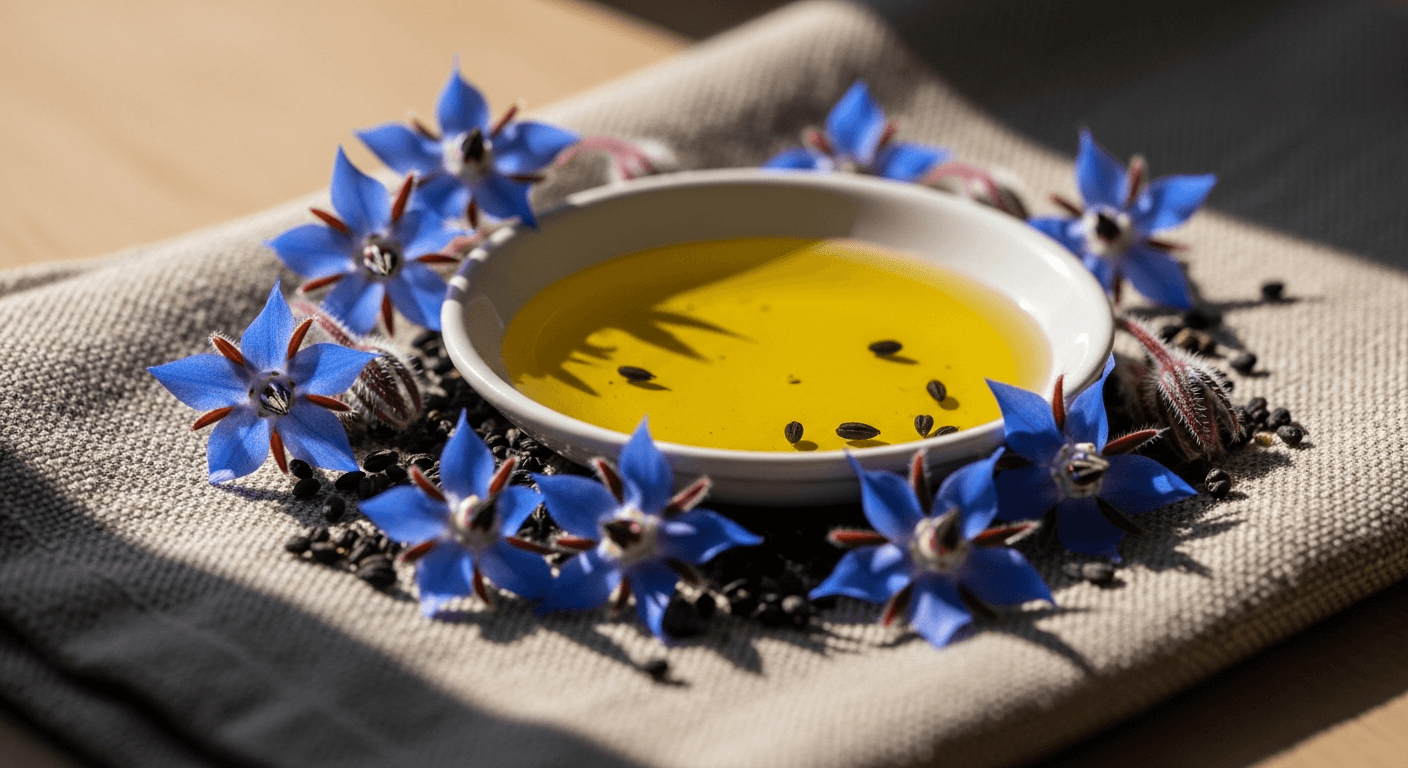
Symptoms Borage Oil May Help Manage
Targeted Symptom Relief
Because borage oil influences foundational lipid pathways that govern inflammation across multiple organ systems, it can be a versatile tool for managing a diverse array of symptoms associated with complex chronic illnesses. Here are the primary symptoms that clinical research suggests borage oil may help alleviate:
Chronic Joint Pain and Stiffness: By increasing the production of anti-inflammatory PGE1 and suppressing destructive leukotrienes (LTB4) within the synovial fluid, borage oil helps reduce joint tenderness, swelling, and the severe morning stiffness often seen in autoimmune conditions and post-viral syndromes.
Brain Fog and Cognitive Fatigue: By inhibiting the NF-κB pathway and reducing the production of neurotoxic cytokines (like IL-6 and TNF-α), GLA helps calm microglial activation in the brain, supporting clearer thinking, improved focus, and a reduction in neurological crashes.
MCAS Flares and Histamine Reactions: The PGE1 derived from borage oil acts as a natural mast cell stabilizer by raising intracellular cAMP, which helps prevent the inappropriate degranulation of mast cells and reduces sudden symptoms like hives, flushing, and gastrointestinal distress.
Dry, Reactive Skin and Eczema: Borage oil supplies the essential structural lipids needed to repair the skin's moisture barrier, significantly reducing transepidermal water loss, alleviating the intense itching of atopic dermatitis, and promoting overall skin hydration and elasticity.
Menstrual and Hormonal Flare-Ups: By correcting the imbalance between pro-inflammatory and anti-inflammatory prostaglandins, borage oil can help mitigate severe PMS symptoms, breast tenderness, and the systemic symptom exacerbations that many women with ME/CFS experience during their menstrual cycles. If you struggle with hormonal autonomic dysfunction, you can learn more about easing hot flashes and autonomic symptoms.
Poor Circulation and Microvascular Issues: Because PGE1 is a potent vasodilator and an inhibitor of platelet aggregation, borage oil helps relax blood vessels, improve peripheral blood flow, and potentially mitigate the microclotting dynamics frequently observed in Long COVID patients.
Practical Considerations: Forms, Dosing, and Absorption
Maximizing Bioavailability and Absorption
To achieve the profound clinical benefits of borage oil, ensuring optimal absorption is paramount. Borage oil is highly lipophilic (fat-soluble), meaning its bioavailability is significantly enhanced when consumed alongside a meal containing healthy dietary fats. Taking your borage oil supplement with foods like avocado, olive oil, or nuts stimulates the release of bile salts and pancreatic enzymes, which emulsify the oil into tiny micelles, allowing the GLA to be efficiently absorbed across the intestinal wall and into the lymphatic system. Taking it on an empty stomach can lead to poor absorption and may increase the likelihood of mild gastrointestinal side effects, such as bloating or belching.
When selecting a borage oil supplement, quality and extraction methods are critical. Look for oils that are explicitly labeled as cold-pressed and solvent-free. Chemical extraction methods using hexane can damage the delicate polyunsaturated fatty acids and leave behind toxic residues. Furthermore, because polyunsaturated fats are highly prone to oxidation (rancidity) when exposed to light and air, high-quality formulations will almost always include a small amount of an antioxidant, such as Vitamin E (mixed tocopherols). This added Vitamin E protects the GLA from oxidative damage within the capsule and assists in its safe transport through the bloodstream.
The Omega-3 Synergy
In functional medicine protocols for complex chronic illness, borage oil is rarely used in isolation; it is almost universally paired with high-quality Omega-3 fatty acids (EPA and DHA from fish or algal oil). There is a profound biochemical reason for this synergy. While the DGLA derived from borage oil is highly anti-inflammatory, a small portion of it can theoretically be converted into pro-inflammatory Arachidonic Acid via an enzyme called delta-5-desaturase. However, Omega-3 fatty acids naturally inhibit the delta-5-desaturase enzyme. By taking borage oil alongside fish oil, you effectively "trap" the GLA in its beneficial DGLA state, forcing it to convert almost exclusively into healing PGE1 rather than inflammatory Arachidonic Acid, thereby maximizing the therapeutic effect.
Regarding dosing, clinical literature suggests that therapeutic benefits for inflammatory conditions generally require between 200 mg to 600 mg of pure GLA daily, though severe autoimmune joint conditions may require higher doses under medical supervision. Because borage oil is typically 20% GLA, a standard 1,000 mg softgel provides 200 mg of GLA. It is important to note that altering the lipid composition of cell membranes is a slow, structural process. Patients should not expect overnight results; it typically takes 8 to 12 weeks of consistent daily supplementation before significant improvements in joint pain, skin health, or systemic inflammation are fully realized.
Safety, PAs, and Potential Interactions
While borage oil is generally very safe and well-tolerated, there is one critical toxicity concern that patients must be aware of: Pyrrolizidine Alkaloids (PAs). The leaves and flowers of the borage plant naturally contain PAs, which are compounds known to cause severe liver damage over time. While the seeds themselves do not naturally contain PAs, trace contamination can occur during the harvesting and extraction process. Therefore, it is absolutely vital to only purchase high-quality borage oil supplements from reputable manufacturers that certify their products as PA-free. Never consume raw borage leaves or teas made from the plant.
Additionally, because the PGE1 generated by borage oil inhibits platelet aggregation (acts as a mild blood thinner), patients taking prescription anticoagulants or antiplatelet drugs (such as warfarin, clopidogrel, or daily aspirin) should consult their healthcare provider before starting borage oil, as the combination may increase the risk of bruising or bleeding. Borage oil should also be discontinued at least two weeks prior to any scheduled surgery. Finally, there are rare case reports suggesting that high doses of borage oil may lower the seizure threshold; therefore, individuals with epilepsy or those taking seizure-lowering medications (like phenothiazines) should use borage oil with extreme caution and only under strict medical supervision.
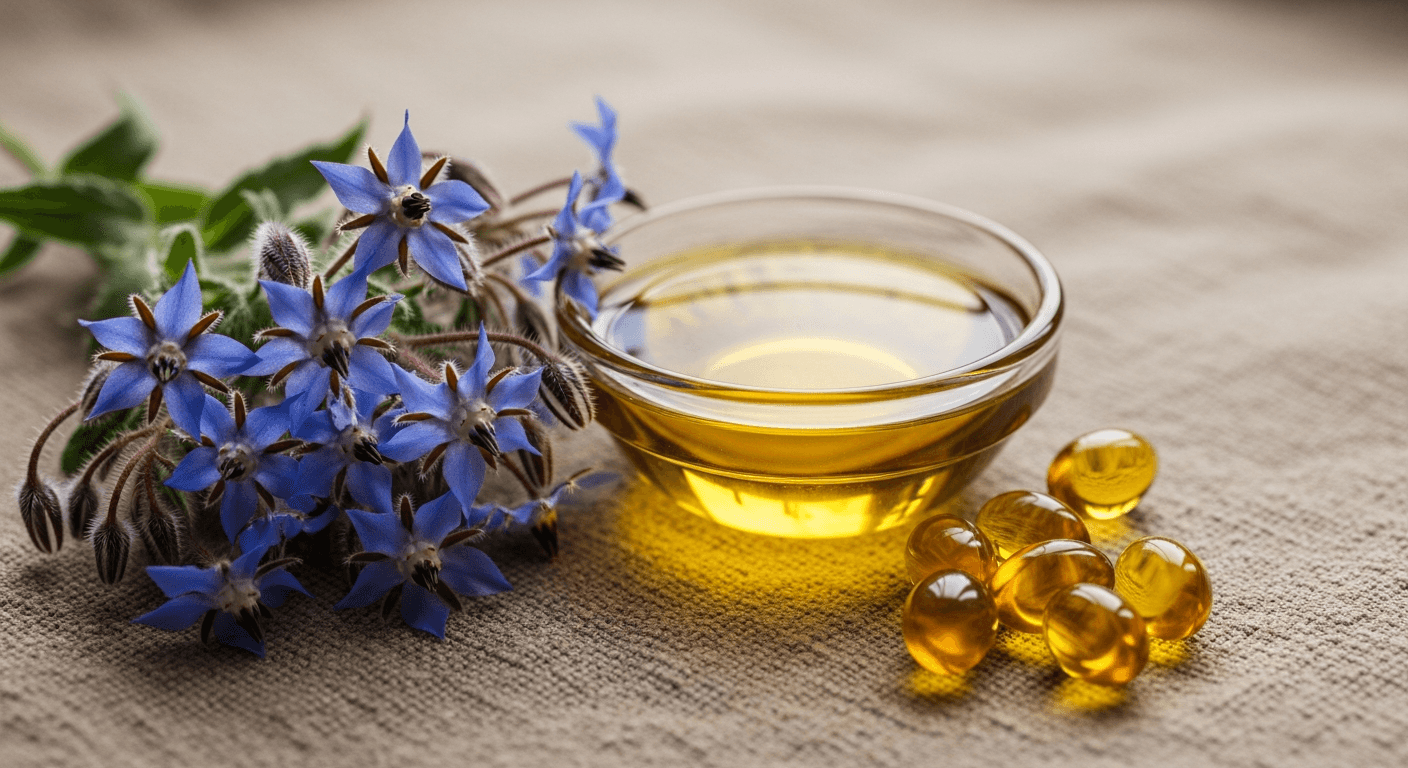
Follow the Science: Borage Oil and Chronic Illness
Clinical Trials on Rheumatoid Arthritis and Joint Pain
The anti-inflammatory efficacy of borage oil and GLA has been rigorously evaluated in numerous clinical trials, particularly in the context of autoimmune joint destruction. A landmark randomized, placebo-controlled trial administered 1.4 grams of purified GLA daily to patients with Rheumatoid Arthritis (RA) for six months. The results were striking: the GLA-treated group experienced a 36.8% improvement in joint tenderness, swelling, and pain scores, compared to a negligible 5.6% improvement in the placebo group. These findings established GLA as a potent, disease-modifying nutritional intervention capable of significantly reducing the reliance on harsh non-steroidal anti-inflammatory drugs (NSAIDs).
Subsequent long-term studies have further validated these results. An 18-month comparative trial evaluated 150 RA patients randomized to receive either borage oil, fish oil, or a combination of both. At the 9-month mark, all treatment groups demonstrated significant, clinically meaningful reductions in the Disease Activity Score (DAS28) and the Clinical Disease Activity Index (CDAI). The borage oil group achieved reductions in disease severity that were entirely comparable to the well-established benefits of marine omega-3 oils, confirming that targeted omega-6 therapy via GLA is a highly effective strategy for managing chronic, immune-mediated joint pain.
Evidence in Post-Viral Fatigue and Neuroinflammation
In the rapidly evolving landscape of Long COVID and ME/CFS research, the role of essential fatty acids is gaining significant traction. A study published in Cureus identified a correlation between intracranial calcification and extracranial stenosis of the internal carotid artery, highlighting the importance of vascular health in complex conditions. Meanwhile, other researchers hypothesize that lipid deficiency directly fuels the chronic microglial activation and neuroinflammation responsible for the profound brain fog and cognitive fatigue seen in these patient populations.
Furthermore, historical data on Post-Viral Fatigue Syndrome (PVFS) and ME/CFS corroborates these findings. Studies evaluating the red blood cell membranes of ME/CFS patients consistently reveal lower levels of essential polyunsaturated fatty acids, including GLA, and elevated levels of rigid saturated fats. This structural membrane dysfunction severely impairs cellular energy production and the brain's ability to resolve inflammation. By supplementing with borage oil, practitioners aim to correct this fundamental lipid imbalance, restore membrane fluidity, and provide the central nervous system with the biochemical tools it needs to downregulate the hyperactive immune response. If you are curious about the overlapping mechanisms of these conditions, you can explore how Long COVID can trigger ME/CFS.
Mast Cell and Allergic Response Data
The scientific evidence supporting the use of GLA for mast cell stabilization and allergic reactivity is both compelling and growing. Because the therapeutic benefits of borage oil come from its conversion to DGLA, an in vitro study evaluating a canine mastocytoma cell line is highly relevant. Researchers cultured the cells with GLA to test its effect on mediator release. The study concluded that GLA decreased histamine release after stimulation, confirming its mast-cell-calming effects at the cellular level.
This human data is strongly supported by earlier in vitro research. A notable study published in Veterinary Dermatology evaluated the direct effects of GLA on a mastocytoma (mast cell tumor) cell line. The researchers discovered that pre-treating the hyper-reactive mast cells with GLA successfully and specifically decreased their release of histamine upon stimulation. By boosting the production of protective PGE1, borage oil acts as a foundational, natural intervention to raise the threshold for mast cell degranulation, offering a critical layer of support for patients struggling with the unpredictable flares of MCAS and histamine intolerance.
The Path Forward
A Piece of the Puzzle
Living with the unpredictable, systemic symptoms of Long COVID, ME/CFS, dysautonomia, or MCAS is an exhausting and often isolating journey. When your body feels like it is constantly locked in a state of inflammatory hyper-reactivity, finding tools that genuinely support cellular healing can feel like searching for a needle in a haystack. It is important to validate that no single supplement is a miracle cure for these deeply complex conditions. Healing requires a comprehensive, multi-faceted approach that honors the interconnectedness of your immune, nervous, and endocrine systems. If you are navigating the complexities of diagnosis, you might find it helpful to read about how doctors diagnose Long COVID.
However, providing your body with the precise biochemical building blocks it needs to regulate inflammation is a powerful step forward. Borage oil, with its exceptionally high concentration of gamma-linolenic acid, offers a targeted, evidence-based way to bypass impaired enzymatic pathways, boost the production of soothing prostaglandins, and stabilize hyper-reactive mast cells. By shifting your cellular lipid profile from a state of chronic alarm to a state of resolution, borage oil can serve as a foundational pillar in your broader management strategy, working synergistically alongside pacing, dietary modifications, and medical care to improve your daily quality of life.
Integrating Borage Oil into Your Routine
As you consider integrating new nutritional supports into your protocol, always prioritize high-quality, cold-pressed, and solvent-free formulations that guarantee purity and safety. Remember that rebuilding cellular membranes and altering systemic inflammatory pathways takes time and consistency; patience is key as your body utilizes these essential fats to repair and rebalance over several months. For comprehensive support, you may also want to explore how a targeted multivitamin can support women navigating Long COVID.
Always consult with your primary healthcare provider or a specialist familiar with complex chronic illnesses before starting any new supplement, especially if you are taking prescription medications, blood thinners, or have a history of seizures. Together, you can determine the optimal dosage and ensure that borage oil is a safe and effective addition to your personalized healing journey.