Can Amino-NR Support Energy Levels and Muscle Recovery for Long COVID and ME/CFS Patients?
March 5, 2026
Amino-NRLong COVIDME/CFS
Share:
Disclaimer: The information provided here is for educational purposes only and is not intended as medical advice. It should not be used to diagnose, treat, cure, or prevent any medical condition. Instead, use it as a starting point for discussion with your healthcare provider. Always consult with a qualified healthcare provider before starting any new medication, supplement, device, or making changes to your health regimen.
Months or even years after a viral infection, many individuals find themselves trapped in a cycle of profound exhaustion, muscle heaviness, and cognitive dysfunction. For those living with Long COVID, Myalgic Encephalomyelitis/Chronic Fatigue Syndrome (ME/CFS), and dysautonomia, the concept of "tiredness" barely scratches the surface of their daily reality. Patients often describe a deep, cellular energy depletion where even minor physical or mental exertion triggers debilitating crashes, a hallmark symptom known as post-exertional malaise (PEM). When standard blood panels return "normal" results, it can be incredibly frustrating to navigate a medical system that struggles to explain why your body feels like a battery that refuses to hold a charge.
However, emerging metabolomic research is finally illuminating the biological mechanisms behind this invisible suffering. Scientists are discovering that post-viral syndromes frequently involve severe disruptions in how our cells generate energy, process nutrients, and manage oxidative stress. At the center of this metabolic puzzle are amino acids, the fundamental building blocks of life, alongside crucial co-factors like active B-vitamins and alpha lipoic acid. By understanding how chronic illness hijacks these microscopic pathways, we can explore targeted nutritional interventions like Amino-NR. This comprehensive formula is designed to bypass blocked metabolic routes, support mitochondrial function, and provide the raw materials necessary for muscle recovery and immune resilience.
TL;DR
Amino-NR provides essential amino acids and co-factors to support cellular energy and mitochondrial function.
The formula may help manage post-exertional malaise (PEM) and muscle fatigue in chronic conditions.
Active B-vitamins and alpha lipoic acid support nervous system balance and antioxidant defenses.
Always consult your healthcare provider to tailor supplement dosages to your unique metabolic needs.
What is Amino-NR?
The Building Blocks of Cellular Function
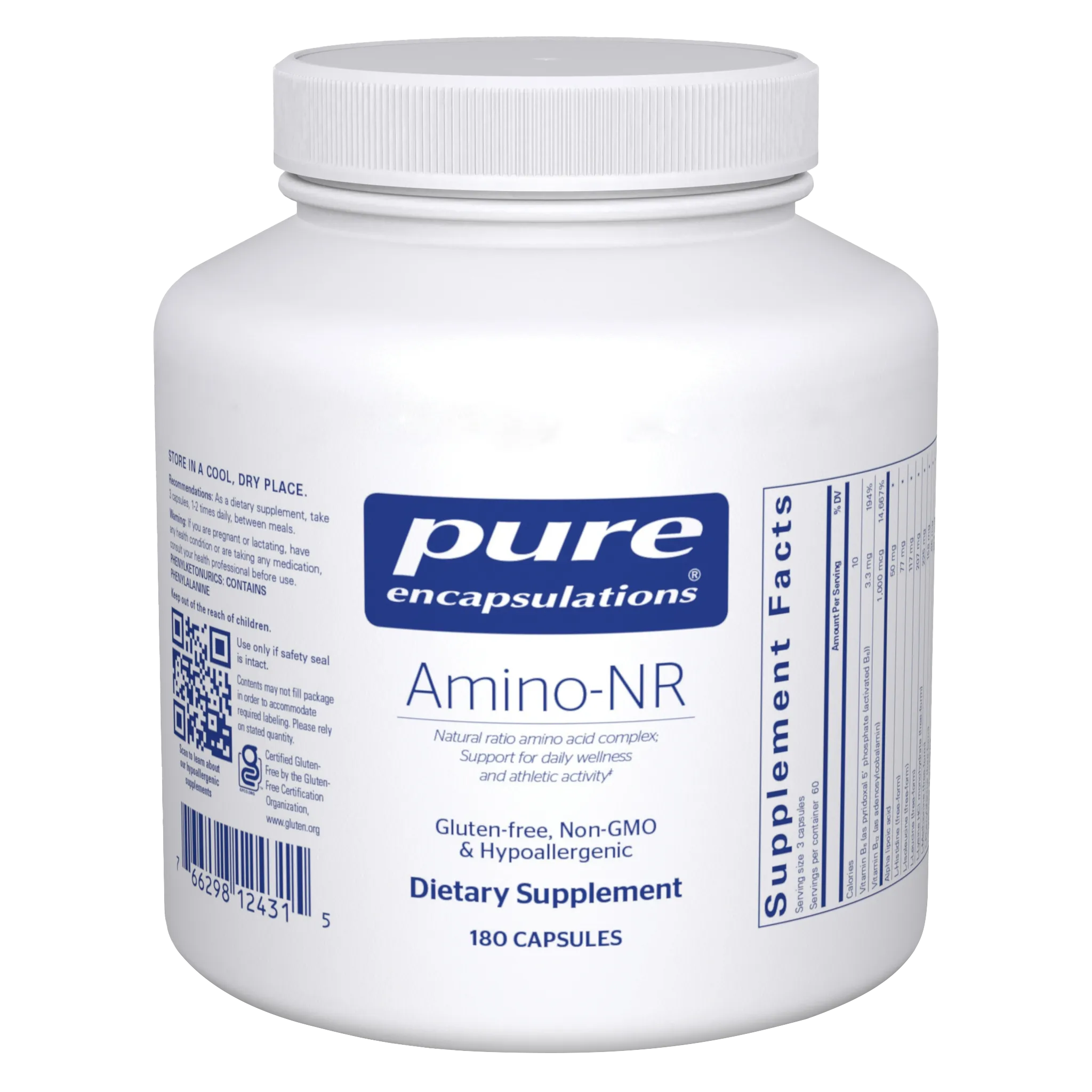
Amino-NR is a comprehensive nutritional supplement formulated to provide a balanced blend of essential and non-essential amino acids, mirroring the ratios found naturally in high biological value (BV) protein sources. Amino acids are organic compounds composed of nitrogen, carbon, hydrogen, and oxygen, and they serve as the fundamental building blocks for all proteins in the human body. Beyond simply building muscle tissue, these molecules act as critical signaling compounds, neurotransmitter precursors, and emergency fuel sources for cellular energy production. In a healthy body, a precise balance of amino acids is required to maintain immune function, repair damaged DNA, and facilitate the complex enzymatic reactions that keep our physiological systems running smoothly.
The formula heavily features branched-chain amino acids (BCAAs)—specifically l-leucine, l-isoleucine, and l-valine. Unlike other amino acids that must be metabolized by the liver, BCAAs bypass hepatic processing and are taken up directly by skeletal muscle tissue. Here, they activate the mammalian target of rapamycin (mTOR) pathway, a master regulatory complex that stimulates muscle protein synthesis and cellular repair. This direct-to-muscle delivery system makes BCAAs uniquely equipped to help prevent muscle breakdown during periods of physical stress or illness. Furthermore, the inclusion of l-glutamine provides the primary fuel source for rapidly dividing cells, such as the enterocytes lining the gastrointestinal tract and the lymphocytes of the immune system.
Crucial Co-Factors for Energy Metabolism
While amino acids provide the raw materials, they cannot function optimally without specific enzymatic co-factors. Amino-NR includes vitamin B6 (as pyridoxal 5' phosphate), the biologically active form of B6. Pyridoxal 5' phosphate (P5P) is a mandatory co-enzyme for over 100 distinct biochemical reactions, including the transamination processes that allow the body to synthesize and break down amino acids. Without adequate P5P, the body cannot convert amino acids into vital neurotransmitters like serotonin, dopamine, and GABA, leading to severe neurological and mood disturbances. Because P5P is already in its active state, it bypasses the need for hepatic conversion, which is often impaired in individuals with chronic inflammation or genetic variants like MTHFR mutations.
The formula also incorporates vitamin B12 (as adenosylcobalamin), the specific mitochondrial form of B12. While most supplements use synthetic cyanocobalamin, adenosylcobalamin is directly utilized inside the mitochondria as a co-factor for the enzyme methylmalonyl-CoA mutase. This enzyme is responsible for funneling specific amino acids and fatty acids directly into the Krebs cycle (also known as the citric acid cycle) to generate adenosine triphosphate (ATP), the cellular energy currency. By providing this active mitochondrial B12, the formula ensures that the metabolic pathways responsible for energy production have the precise chemical keys needed to operate efficiently, even when systemic inflammation is present.
Alpha Lipoic Acid and Antioxidant Defense
To round out its metabolic support, Amino-NR includes alpha lipoic acid (ALA), a uniquely versatile compound that functions as both a crucial metabolic co-enzyme and a potent antioxidant. Synthesized naturally in small amounts within the mitochondria, ALA is essential for the function of alpha-keto acid dehydrogenase and pyruvate dehydrogenase, two enzyme complexes that dictate the flow of carbohydrates and amino acids into the ATP production line. When these enzymes are fully supported by ALA, the mitochondria can efficiently convert dietary nutrients into usable cellular energy, helping to prevent the buildup of metabolic waste products that contribute to cellular fatigue.
Beyond its role in energy synthesis, alpha lipoic acid is renowned as the "universal antioxidant" because it is both water- and fat-soluble. This dual solubility allows ALA to effortlessly cross cellular membranes, enter the mitochondria, and cross the blood-brain barrier to neutralize reactive oxygen species (free radicals) wherever they occur. Furthermore, ALA possesses the rare ability to recycle and regenerate other depleted antioxidants in the body, including vitamin C, vitamin E, and CoQ10. By continuously refreshing the body's antioxidant network, ALA provides a robust defense against the oxidative stress that constantly threatens cellular integrity and mitochondrial health.
How Long COVID and ME/CFS Impact Cellular Energy and Recovery
Mitochondrial Dysfunction and Energy Theft
To understand how conditions like Long COVID and ME/CFS devastate the body, we must look at the microscopic power plants within our cells: the mitochondria. Research increasingly points to mitochondrial health as a central factor in post-viral syndromes. When a virus like SARS-CoV-2 infiltrates the body, it can hijack mitochondrial machinery to replicate, effectively stealing the cell's energy resources. This viral interference damages the delicate electron transport chain, causing a massive leak of reactive oxygen species (free radicals). The resulting oxidative stress damages mitochondrial DNA and lipid membranes, leaving the cell unable to efficiently convert glucose and oxygen into ATP. This profound energy deficit is the biological root of the crushing, unremitting fatigue that patients experience daily.
Because the primary aerobic energy pathway (glycolysis) is impaired, the bodies of ME/CFS and Long COVID patients are forced to rely on inefficient, anaerobic backup systems. To survive, the cells begin burning through amino acids and fatty acids for emergency fuel. This metabolic desperation creates a vicious cycle. As the body cannibalizes its own amino acid stores, it depletes the very building blocks needed for muscle repair, neurotransmitter synthesis, and immune regulation. This systemic depletion helps explain why patients often experience severe muscle wasting, profound cognitive dysfunction, and a heightened susceptibility to secondary infections, despite getting adequate rest.
The Lactic Acid and Ammonia Trap
The shift to emergency anaerobic metabolism comes with a heavy toxic burden. When the body burns amino acids for fuel instead of glucose, it generates high levels of toxic byproducts, primarily ammonia and lactic acid. In a healthy system, these byproducts are quickly cleared by the liver and kidneys. However, in ME/CFS and Long COVID, the metabolic clearance pathways are often overwhelmed or dysfunctional. Recent metabolomic profiling has shown that ME/CFS patients frequently exhibit severe deficits in specific amino acids required for ammonia scavenging, leaving the body trapped in a toxic state.
This accumulation of lactic acid and ammonia directly contributes to the hallmark symptom of post-exertional malaise (PEM). Even minor physical exertion, like walking up a flight of stairs or taking a shower, rapidly spikes lactic acid levels in the muscles, causing the intense burning, heaviness, and prolonged muscle soreness that patients endure for days afterward. Meanwhile, excess ammonia can cross the blood-brain barrier, triggering neuroinflammation and disrupting neurotransmitter balance. This biochemical toxicity is a primary driver of the severe brain fog, confusion, and sensory overload that frequently accompany a physical crash, illustrating how deeply the ME/CFS connection is rooted in metabolic dysfunction.
Gut Dysbiosis and Immune Exhaustion
The impact of chronic illness extends heavily into the gastrointestinal tract, where 70-80% of the immune system resides. COVID-19 is known to directly attack ACE2 receptors in the gut lining, leading to severe intestinal permeability, commonly known as "leaky gut." When the tight junctions of the intestinal wall break down, undigested food particles, bacterial endotoxins, and pathogens escape into the bloodstream. This triggers a relentless, systemic immune response, keeping the body in a state of chronic, low-grade inflammation. The immune system, constantly fighting this internal battle, rapidly burns through its supply of l-glutamine, the primary fuel source for lymphocytes and macrophages.
As glutamine levels plummet, the gut lining loses its ability to repair itself, and the immune system becomes simultaneously hyperactive and exhausted. This environment is a perfect storm for the development of Mast Cell Activation Syndrome (MCAS), a condition frequently comorbid with Long COVID and dysautonomia. In MCAS, hyper-reactive mast cells inappropriately release massive amounts of histamine and other inflammatory mediators in response to minor triggers. Without adequate amino acids and active B-vitamins to support the enzymes that degrade histamine, patients are left battling a cascade of allergic-type symptoms, food intolerances, and systemic inflammation that further drains their already depleted energy reserves.
Amino-NR: Supporting Mitochondrial Function and Muscle Recovery
Bypassing the Mitochondrial Blockade
Amino-NR offers a targeted nutritional strategy to circumvent the metabolic roadblocks characteristic of post-viral syndromes. Because glycolysis (the standard glucose-burning pathway) is often impaired in Long COVID and ME/CFS, the cells struggle to initiate the Krebs cycle. The specific amino acids in this formula, particularly the branched-chain amino acids (BCAAs) and l-glutamine, can act as anaplerotic substrates. This means they can bypass the broken glycolytic pathways and feed directly into the Krebs cycle at alternative entry points. By providing these direct-to-mitochondria fuels, the formula helps restart stalled cellular engines, allowing the body to generate ATP aerobically and reducing the toxic reliance on lactic-acid-producing anaerobic metabolism.
The inclusion of alpha lipoic acid (ALA) is critical for this metabolic rescue operation. As a mandatory co-enzyme for the pyruvate dehydrogenase complex, ALA acts as the gatekeeper that allows fuels to enter the mitochondria. Still, by simultaneously fueling the Krebs cycle and neutralizing the free radicals that damage mitochondrial membranes, ALA is intended to help restore the structural integrity and functional capacity of the cellular power plants.
Reducing Central Fatigue and PEM
One of the most debilitating aspects of ME/CFS is central fatigue—a profound neurological exhaustion that originates in the brain rather than the muscles. This is heavily influenced by the transport of amino acids across the blood-brain barrier. During physical or mental exertion, the brain takes up large amounts of the amino acid tryptophan, which is rapidly converted into serotonin. While serotonin is generally known as a "feel-good" neurotransmitter, massive spikes during exertion trigger intense signals of lethargy and sleepiness, forcing the body to shut down. This serotonin dysregulation is a key driver of the neurological crashes seen in post-exertional malaise.
The BCAAs in Amino-NR (l-leucine, l-isoleucine, and l-valine) offer a fascinating physiological defense against this central fatigue. BCAAs and tryptophan share the exact same transport mechanism (the Large Neutral Amino Acid Transporter, or LAT1) to cross the blood-brain barrier. By supplementing with a high concentration of BCAAs, these amino acids effectively outcompete tryptophan for access to the brain. Metabolomic research from Columbia University highlights the importance of managing these amino acid ratios. By blocking excess tryptophan from entering the central nervous system, BCAAs can help prevent the sudden, overwhelming spikes in serotonin, thereby delaying the onset of central fatigue and helping patients increase their tolerance for daily activities without triggering a severe crash.
Supporting the Nervous System and Detoxification
The active B-vitamins in Amino-NR provide essential support for the neurological and immunological dysregulation seen in dysautonomia and MCAS. Vitamin B6 (as P5P) is the non-negotiable master key for the central nervous system. It is the required co-factor for the decarboxylase enzymes that synthesize calming neurotransmitters like GABA and dopamine. By providing pre-activated P5P, the formula helps soothe an overactive sympathetic nervous system (the "fight or flight" state common in POTS and dysautonomia), promoting better sleep architecture and reducing autonomic anxiety. Furthermore, P5P is a vital co-factor for Diamine Oxidase (DAO), the primary enzyme responsible for breaking down dietary histamine, offering crucial metabolic support for those managing MCAS symptoms.
Additionally, P5P is the rate-limiting co-factor in the transsulfuration pathway, the biochemical route the body uses to synthesize glutathione from the amino acid homocysteine. Glutathione is the body's master intracellular antioxidant and is famously depleted in both Long COVID and ME/CFS. Without adequate P5P, homocysteine builds up in the blood (causing vascular inflammation), and glutathione production grinds to a halt. By supplying active B6 alongside glutathione precursors like l-glutamine and glycine, Amino-NR provides the complete biochemical toolkit needed to restart endogenous antioxidant production, clear out viral debris, and protect delicate cellular structures from ongoing oxidative damage.
Repairing the Gut-Immune Axis
The high concentration of l-glutamine in Amino-NR serves as a primary therapeutic agent for restoring the integrity of the gastrointestinal barrier. Because enterocytes rely almost exclusively on glutamine for energy, supplementing this amino acid rapidly accelerates the repair of the intestinal tight junctions. By sealing the "leaky gut," glutamine stops the continuous leakage of endotoxins into the bloodstream, effectively turning off the faucet of systemic inflammation. This gut-healing mechanism is a foundational step in any gut-brain reset, as it drastically reduces the overall burden on the immune system.
Once the gut barrier is stabilized, the immune system can begin to recalibrate. The amino acids in the formula provide the necessary fuel for macrophages and lymphocytes to function efficiently without exhausting the body's systemic reserves. This is particularly important for Long COVID patients, whose immune systems are often locked in a state of chronic, ineffective hyper-activation. By ensuring a steady supply of these conditionally essential amino acids, the body can mount appropriate immune responses to latent viral reactivations (like Epstein-Barr Virus, common in ME/CFS) while simultaneously downregulating the autoimmune-like inflammation that drives chronic joint pain and tissue swelling.
Symptoms Amino-NR May Help Manage
Physical Energy and Muscular Symptoms
By targeting mitochondrial ATP production and providing direct-to-muscle fuel, the ingredients in Amino-NR may help alleviate several debilitating physical symptoms associated with chronic fatigue conditions:
Post-Exertional Malaise (PEM): BCAAs help outcompete tryptophan at the blood-brain barrier, potentially reducing the central nervous system fatigue and serotonin spikes that trigger severe post-activity crashes.
Prolonged Muscle Soreness: By activating the mTOR pathway and providing alternative fuels that bypass impaired glycolysis, amino acids reduce the buildup of toxic lactic acid and ammonia in muscle tissue, accelerating recovery after minor exertion.
Muscle Wasting and Weakness: The comprehensive blend of essential amino acids provides the raw materials necessary for muscle protein synthesis, helping to prevent the catabolic breakdown of muscle tissue during periods of prolonged bed rest or inactivity.
Profound Physical Exhaustion: Alpha lipoic acid and active B12 (adenosylcobalamin) act as direct co-factors for the Krebs cycle, helping to restart stalled mitochondrial engines and increase overall cellular ATP production.
Cognitive and Neurological Symptoms
The active B-vitamins and antioxidant compounds in this formula cross the blood-brain barrier to support neurotransmitter balance and reduce neuroinflammation:
Brain Fog and Cognitive Dysfunction: By neutralizing reactive oxygen species in the brain and supporting the clearance of neurotoxic ammonia, alpha lipoic acid and targeted amino acids help clear the cognitive clouding common in post-viral syndromes.
Autonomic Nervous System Dysregulation: Vitamin B6 (P5P) is essential for synthesizing GABA and dopamine, helping to calm the hyperactive sympathetic nervous system responses (like rapid heart rate and adrenaline surges) seen in dysautonomia and POTS.
Sleep Disturbances: By providing the precursors and co-factors necessary for balanced neurotransmitter production, the formula supports the natural synthesis of melatonin and calming neurochemicals required for restorative sleep architecture.
Immune and Gastrointestinal Symptoms
The gut-healing and immune-modulating properties of specific amino acids offer targeted support for systemic inflammation:
Leaky Gut and Food Sensitivities: L-glutamine serves as the primary fuel for intestinal enterocytes, helping to repair damaged tight junctions, seal the gut lining, and reduce the systemic inflammation caused by intestinal permeability.
Histamine Intolerance (MCAS): P5P is a mandatory co-factor for Diamine Oxidase (DAO), the enzyme that breaks down dietary histamine, providing metabolic support for patients managing Mast Cell Activation Syndrome.
Frequent Secondary Infections: By fueling lymphocytes and supporting the production of the master antioxidant glutathione, the amino acid complex helps restore a resilient and balanced immune response.
Practical Considerations: Forms, Dosing, and Absorption
The Importance of Bioavailable Forms
When managing complex chronic illnesses, the form of the supplement is just as important as the dosage. Patients with Long COVID and ME/CFS frequently suffer from compromised gastrointestinal absorption, gut dysbiosis, and genetic polymorphisms (like MTHFR) that hinder nutrient processing. Amino-NR addresses these challenges by utilizing "free-form" amino acids. Unlike dietary proteins that require extensive stomach acid and digestive enzymes to break down into usable parts, free-form amino acids are already pre-digested. They require virtually no digestive effort and are rapidly absorbed through the intestinal mucosa directly into the bloodstream, making them highly efficient for individuals with compromised gut function.
Furthermore, the inclusion of biologically active B-vitamins is a critical design feature. Standard supplements often use synthetic pyridoxine (B6) and cyanocobalamin (B12), which the liver must convert into active forms. In chronically ill patients, these conversion pathways are often blocked by oxidative stress or genetic variants. By providing pyridoxal 5' phosphate (P5P) and adenosylcobalamin, Amino-NR delivers these co-factors in their final, active states. This allows the nutrients to immediately bypass internal chemical roadblocks and enter the mitochondria and central nervous system to begin supporting cellular energy and neurotransmitter synthesis without delay.
Optimal Timing and Absorption
To maximize the absorption of free-form amino acids, timing is a crucial factor. It is generally recommended to take Amino-NR on an empty stomach, typically 30 to 45 minutes before a meal or two hours after eating. Taking amino acids alongside a heavy, protein-rich meal forces the supplemental amino acids to compete with dietary amino acids for transport across the intestinal lining, significantly reducing their targeted efficacy. For patients using this supplement to manage post-exertional malaise, taking a dose approximately 30 minutes before anticipated physical or mental exertion may help pre-load the blood-brain barrier with BCAAs, potentially mitigating the severe serotonin spikes associated with central fatigue.
Because amino acids can have a mildly stimulating effect on cellular metabolism and brain activity, it is usually best to take the daily doses in the morning and early afternoon. Taking high doses of amino acids late in the evening may interfere with the natural winding-down process of the nervous system and disrupt sleep architecture. Patients should start with a lower dose (e.g., one capsule daily) and gradually titrate up to the suggested use of three capsules, one to two times daily, allowing the body to adjust to the influx of metabolic precursors and minimizing the risk of a "detox" or refeeding reaction.
Potential Sensitivities and Interactions
While amino acids are natural compounds, high-dose supplementation requires careful consideration, particularly for sensitive patient populations. Individuals with Mast Cell Activation Syndrome (MCAS) or severe histamine intolerance should approach l-glutamine with caution. While glutamine is excellent for healing the gut, it is a direct precursor to glutamate, an excitatory neurotransmitter. In some neuro-inflamed patients, the body struggles to convert glutamate into calming GABA, leading to an accumulation of excitatory signals that can trigger anxiety, insomnia, and brain fog. Patients with known glutamate sensitivities should consult their healthcare provider before initiating a protocol containing high levels of glutamine.
Additionally, the alpha lipoic acid (ALA) in this formula has well-documented effects on glucose metabolism. ALA increases insulin sensitivity and can naturally lower blood sugar levels. While this is beneficial for metabolic health, patients who are prone to hypoglycemia, or those taking prescription medications for diabetes, must monitor their blood glucose closely to help prevent hypoglycemic episodes. ALA can also interact with thyroid medications (such as levothyroxine), potentially altering their absorption. Therefore, it is advised to separate the intake of Amino-NR from thyroid medications by at least several hours and to always coordinate complex supplement regimens with a knowledgeable functional medicine practitioner.

Follow the Science
The AXA1125 Trial for Long COVID
The therapeutic potential of targeted amino acid therapy for post-viral syndromes is an area of ongoing interest.
Alpha Lipoic Acid and Post-Viral Fatigue
The inclusion of alpha lipoic acid (ALA) in energy protocols is often discussed for mitochondrial support.
B-Vitamins and the Methylation Cycle
The critical role of active B-vitamins in chronic fatigue is heavily supported by research into the methylation cycle and metabolomics. Retrospective biochemical analyses mapping the metabolomes of ME/CFS patients have consistently demonstrated that a failure to process standard B-vitamins leads to a severe buildup of neurotoxic compounds and a depletion of protective antioxidants. This research highlights the phenomenon of "paradoxical B12 deficiency," where standard serum B12 levels appear normal, but intracellular levels of active adenosylcobalamin are severely depleted, starving the mitochondria of the co-factors needed for the Krebs cycle.
Clinical observations utilizing active B-vitamin protocols have shown promising results. Studies tracking ME/CFS patients using targeted methylation protocols featuring active B12 and P5P have reported that a significant majority of patients experience measurable improvements in cognitive function, sleep architecture, and physical stamina over a 6-to-9 month period. By providing the exact co-enzymes required for neurotransmitter synthesis and glutathione production, active B-vitamins like those in Amino-NR address the fundamental biochemical roadblocks that perpetuate chronic neuroinflammation and autonomic dysfunction.
The Path Forward
A Comprehensive Approach to Recovery
Living with the unpredictable and debilitating symptoms of Long COVID, ME/CFS, and dysautonomia is an incredibly heavy burden. When your body feels like it is constantly running on empty, and standard medical tests fail to capture the severity of your cellular exhaustion, it is easy to feel dismissed and overwhelmed. It is vital to remember that your symptoms are not in your head; they are rooted in measurable, physiological disruptions of your body's energy and immune pathways. Understanding the complex biochemistry of your condition is a powerful step toward reclaiming your agency and finding targeted strategies that honor your body's unique metabolic needs.
While Amino-NR offers a scientifically grounded approach to bypassing metabolic blockages and supporting mitochondrial function, it is not a standalone cure. True recovery requires a comprehensive, multi-layered management strategy. Supplements must be paired with aggressive pacing to avoid triggering post-exertional malaise, meticulous symptom tracking to identify specific triggers, and nervous system regulation techniques to calm autonomic dysfunction. By combining targeted nutritional support with radical rest and compassionate self-care, you can begin to slowly rebuild your cellular energy reserves and improve your overall quality of life.
Finding the Right Support
Navigating the complex world of supplements and chronic illness management can be daunting, especially when dealing with severe brain fog and fatigue. It is crucial to work alongside a healthcare provider or functional medicine practitioner who deeply understands the nuances of post-viral syndromes, mitochondrial dysfunction, and the specific biochemical pathways involved in your care. They can help you tailor your dosages, monitor for potential sensitivities, and ensure that your nutritional protocol aligns safely with your overall treatment plan.
If you are looking to support your cellular energy production, protect against oxidative stress, and provide your body with the fundamental building blocks for muscle and immune recovery, targeted amino acid therapy may be a valuable addition to your toolkit. Explore Amino-NR to learn more about how this comprehensive formula can support your journey toward metabolic resilience and enhanced well-being.
Sources
Metabolomic Mapping of Atypical Amino Acid Processing in ME/CFS
Tryptophan and Branched-Chain Amino Acid Dysregulation in ME/CFS: A Metabolomic Analysis
Mitochondrial Dysfunction and Oxidative Stress in Post-Acute Sequelae of COVID-19
Mast Cell Activation Syndrome and the Glutamate-Glutamine Cycle Paradox