Can Amino-D-Tox™ Support Liver Detoxification and Fatigue in Long COVID and ME/CFS?
March 5, 2026
Amino-D-ToxLiver DetoxificationLong COVID
Share:
Disclaimer: The information provided here is for educational purposes only and is not intended as medical advice. It should not be used to diagnose, treat, cure, or prevent any medical condition. Instead, use it as a starting point for discussion with your healthcare provider. Always consult with a qualified healthcare provider before starting any new medication, supplement, device, or making changes to your health regimen.
Months or even years after recovering from an initial viral infection, many individuals living with Long COVID, myalgic encephalomyelitis/chronic fatigue syndrome (ME/CFS), and mast cell activation syndrome (MCAS) find themselves battling a new, deeply frustrating symptom: severe chemical and environmental sensitivities. Smells that used to be harmless—like perfume, cleaning products, or exhaust fumes—suddenly trigger debilitating brain fog, migraines, or severe fatigue. This sudden intolerance is often a glaring sign that the body's natural detoxification pathways have become overwhelmed and dysfunctional.
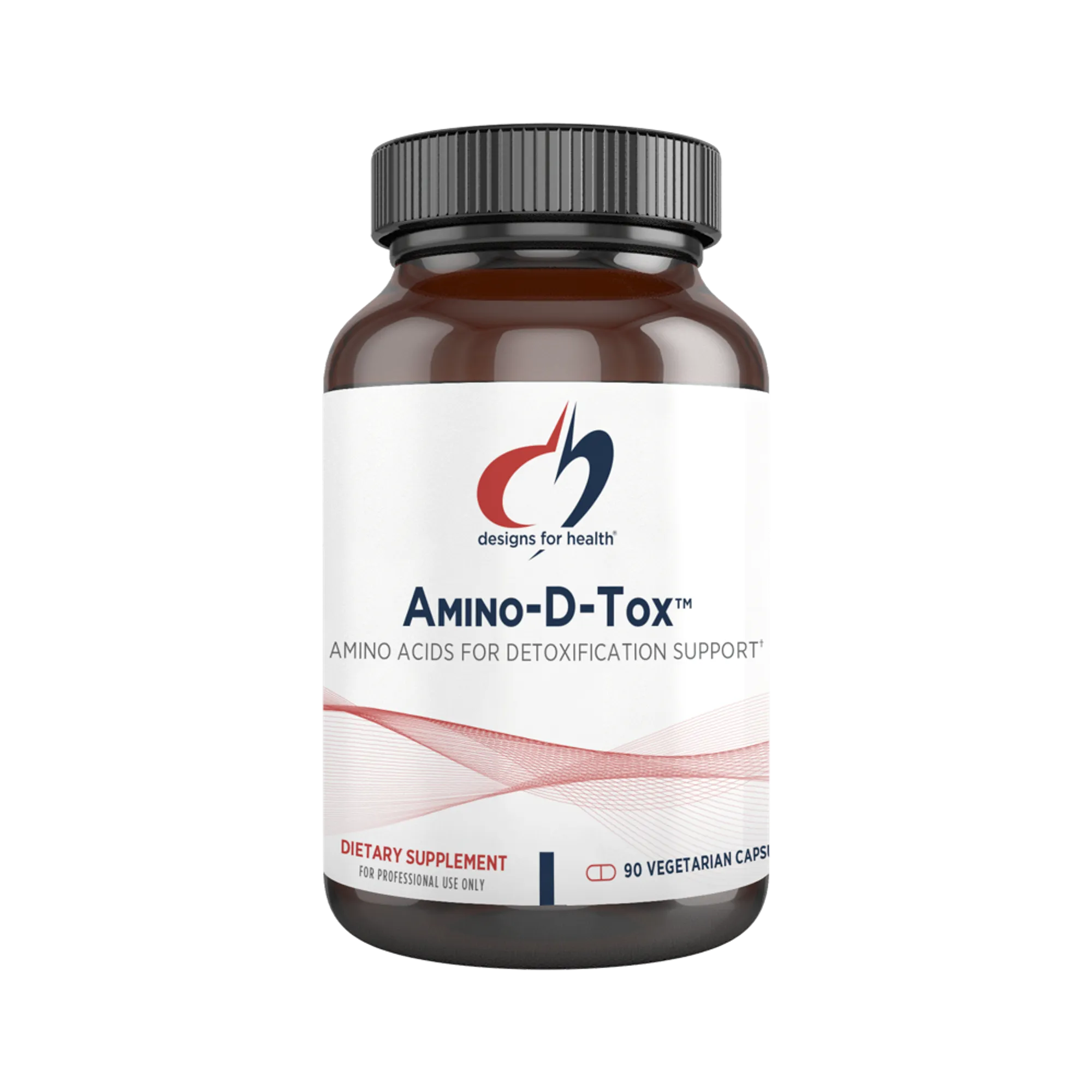
In the complex web of chronic illness, the liver bears an immense burden. It is responsible for filtering out metabolic waste, neutralizing environmental toxins, and processing excess hormones. However, when the body is locked in a state of chronic oxidative stress and systemic inflammation, the liver's intricate two-step detoxification process can become dangerously unbalanced. This is where targeted nutritional support becomes critical. Amino-D-Tox™ by Designs for Health is a specialized formula designed to support the liver's Phase II detoxification pathways without overstimulating Phase I—a crucial distinction for patients whose systems are already overloaded. In this comprehensive guide, we will explore the biochemistry of liver detoxification, how chronic illness disrupts these pathways, and how the specific amino acids and nutrients in Amino-D-Tox™ can help restore balance and improve quality of life.
TL;DR
Chronic illness can overwhelm liver detoxification, leading to severe chemical sensitivities and debilitating fatigue.
Amino-D-Tox™ supports Phase II liver detox without overstimulating Phase I, helping avoid symptom crashes.
The formula provides targeted amino acids to help clear environmental toxins and manage oxidative stress.
What is Amino-D-Tox™?
The Liver's Two-Phase Filtration System
To understand the unique value of Amino-D-Tox™, it is essential to first understand how a healthy liver processes and eliminates waste. The liver acts as the body's primary filtration plant, tasked with neutralizing both endogenous chemicals (like circulating hormones and metabolic byproducts) and xenobiotics (external substances like medications, heavy metals, and environmental pollutants). Because many of these toxins are fat-soluble, they cannot be easily excreted in urine or bile. The liver must chemically transform them into water-soluble compounds through a highly coordinated, two-step process known as Phase I and Phase II detoxification.
Phase I detoxification, also known as the functionalization phase, is the first line of defense. During this stage, a family of enzymes known as cytochrome P450 (CYP450) oxidizes, reduces, or hydrolyzes fat-soluble toxins. While this step is necessary to prepare the toxin for elimination, it comes with a significant biological cost. The chemical reactions in Phase I frequently generate highly reactive "intermediate metabolites." In many cases, these intermediate molecules are actually more toxic and volatile than the original substance that entered the liver. Furthermore, the Phase I process generates a massive amount of free radicals, or reactive oxygen species (ROS), which can cause severe oxidative stress if not immediately neutralized.
The Danger of Unbalanced Detoxification
Because Phase I creates such dangerous byproducts, it must be perfectly synchronized with Phase II detoxification, known as the conjugation phase. During Phase II, the liver takes the highly reactive intermediate metabolites produced by Phase I and attaches (conjugates) them to specific endogenous, hydrophilic molecules—such as amino acids, sulfur, or glutathione. This conjugation process neutralizes the toxicity of the intermediate and renders it highly water-soluble. Once water-soluble, the neutralized toxin can be safely excreted from the body via the kidneys (urine) or the gallbladder (bile and stool).
A critical problem arises when Phase I is working faster than Phase II. If a patient lacks the raw nutritional building blocks required for Phase II conjugation (like specific amino acids or glutathione), or if their Phase II enzymes are sluggish due to genetic polymorphisms, a dangerous "bottleneck" occurs. The liver continues to pump out highly reactive Phase I intermediates, but Phase II cannot conjugate them fast enough. These toxic intermediates accumulate in the liver and spill back into the bloodstream, driving severe systemic inflammation, tissue damage, and the classic "toxin overload" symptoms often seen in chemically sensitive patients.
A Targeted Phase II Approach
Many standard "detox" supplements on the market heavily feature botanical ingredients (like milk thistle) or high-dose B-vitamins that actively stimulate and upregulate Phase I CYP450 enzymes. For a healthy individual, this might be beneficial. However, for a patient with Long COVID, ME/CFS, or MCAS who already has a sluggish Phase II pathway, stimulating Phase I is akin to pouring gasoline on a fire. It forces the liver to create even more toxic intermediates that the body cannot clear, leading to a severe exacerbation of symptoms, often referred to as a "Herxheimer reaction" or a "detox crash."
Amino-D-Tox™ is specifically formulated to solve this clinical dilemma. It intentionally omits botanicals, minerals, and vitamins that upregulate Phase I. Instead, it provides a highly targeted, comprehensive blend of the exact amino acids, sulfur donors, and nutrients required to fuel the six specific pathways of Phase II detoxification (sulfation, glucuronidation, glutathione conjugation, acetylation, amino acid conjugation, and methylation). By flooding the body with Phase II substrates without pushing Phase I, Amino-D-Tox™ helps clear the toxic backlog, allowing the liver to safely and efficiently eliminate waste without triggering a symptom flare.
How Complex Chronic Illness Impacts Detoxification
The "Energy Sink" of Oxidative Stress
The overlapping clinical presentations of Long COVID and myalgic encephalomyelitis/chronic fatigue syndrome (ME/CFS)—which include debilitating fatigue, post-exertional malaise (PEM), and cognitive dysfunction—are deeply rooted in cellular dysfunction. Recent multi-omics research has revealed that both conditions are characterized by profound, systemic oxidative stress. When the body is fighting a chronic viral infection or dealing with severe immune dysregulation, the mitochondria (the energy-producing powerhouses of the cell) become damaged. Instead of efficiently producing adenosine triphosphate (ATP) for energy, dysfunctional mitochondria leak electrons, creating massive amounts of superoxide radicals.
This excessive oxidative stress forces the immune system to consume massive amounts of host energy just to survive and repair the cellular damage. Researchers refer to this dynamic as a massive "energy sink," which robs the rest of the body of ATP and directly drives the systemic exhaustion and unpredictable symptom crashes seen in patients. Because Phase II liver detoxification is a highly energy-dependent process, this systemic ATP depletion leaves the liver without the power it needs to efficiently conjugate and eliminate toxins.
The Glutathione Paradox in Post-Viral Illness
Glutathione is universally recognized as the body's master antioxidant and is the most critical molecule for Phase II liver detoxification. It is responsible for detoxifying roughly 60% of all toxins excreted in the bile, including heavy metals, mold mycotoxins, and environmental pollutants. However, in post-viral conditions, a complex "glutathione paradox" emerges. A landmark 2024 study published in PNAS found that inside the immune cells of Long COVID and ME/CFS patients, glutathione levels were actually elevated as a desperate compensatory response to fight massive oxidative stress. However, the enzymes required to utilize that glutathione (like glutathione peroxidase 4) were failing, leading to severe lipid oxidative damage.
Meanwhile, at a systemic level, multiple studies have noted that acute COVID-19 infection heavily depletes the body's overall endogenous glutathione reserves. When the systemic glutathione pool is chronically depleted to fight continuous oxidative stress in the tissues, the liver is left without the raw materials it needs for the Phase II glutathione conjugation pathway. This impairment means that everyday metabolic waste and environmental toxins cannot be properly neutralized, leading to a buildup of toxic burden that further exacerbates mitochondrial dysfunction and fatigue.
Mast Cell Activation and Histamine Overload
The impairment of Phase II detoxification has profound consequences for patients dealing with mast cell activation syndrome (MCAS), a condition frequently comorbid with Long COVID and dysautonomia. Mast cells are immune cells that release histamine and other inflammatory mediators in response to perceived threats. In a healthy body, the liver relies heavily on Phase II pathways—specifically glucuronidation and methylation—to process and break down excess histamine and clear it from the bloodstream.
When Phase II pathways are sluggish or bottlenecked due to nutrient depletion, histamine builds up systemically. This excess histamine keeps mast cells in a hyper-reactive state, creating a vicious cycle of inflammation. Furthermore, the buildup of unconjugated environmental toxins acts as a constant trigger for mast cell degranulation. By failing to clear these triggers, an impaired liver directly contributes to the heightened food and chemical sensitivities, skin rashes, and gastrointestinal distress that make living with MCAS so challenging. Restoring Phase II function is therefore a critical step in calming an overactive immune system.
Amino-D-Tox™: Supporting Phase II Detoxification Pathways
Fueling Glutathione Conjugation
Amino-D-Tox™ provides a comprehensive suite of ingredients designed to directly support the glutathione conjugation pathway, which is catalyzed by a family of enzymes known as Glutathione S-transferases (GSTs). The formula includes 200 mg of L-Glutathione, providing a direct supply of the master antioxidant to the liver. However, because oral glutathione can sometimes be difficult to absorb, the formula also provides the exact amino acid precursors needed for the liver to synthesize its own glutathione endogenously: N-Acetyl-L-Cysteine (NAC), L-Glutamine, and Glycine.
N-Acetyl-L-Cysteine (NAC) is particularly critical, as cysteine is the rate-limiting amino acid for glutathione production. By supplying 250 mg of NAC alongside 450 mg each of glutamine and glycine, Amino-D-Tox™ ensures that the liver has an abundant supply of the three building blocks required to continuously regenerate glutathione. This helps avoid the severe depletion that occurs when the liver is bombarded by the free radicals generated during Phase I detoxification, allowing GST enzymes to efficiently bind to and neutralize heavy metals, mycotoxins, and environmental carcinogens.
Protecting the Glucuronidation Pathway
Glucuronidation is a key Phase II detoxification pathway, responsible for processing non-polar drugs from all therapeutic classes, as well as bilirubin and excess steroid hormones like estrogen. This pathway relies on UDP-glucuronosyltransferase (UGT) enzymes to attach glucuronic acid to toxins. However, this delicate process can be completely undone in the gut by an enzyme called beta-glucuronidase, which is produced by certain colonic bacteria. Beta-glucuronidase cleaves the bond between the toxin and the glucuronic acid, allowing the active toxin or hormone to be reabsorbed into the bloodstream—a dangerous process known as enterohepatic recirculation.
Amino-D-Tox™ addresses this specific vulnerability by including 200 mg of Calcium-D-Glucarate USP. When ingested, Calcium-D-Glucarate metabolizes into D-glucaro-1,4-lactone, a compound that powerfully and directly inhibits the beta-glucuronidase enzyme. By disabling the enzyme that breaks the bonds, Calcium-D-Glucarate helps ensure that toxins, carcinogens, and excess hormones remain securely bound to glucuronic acid and are successfully excreted in the stool. This mechanism is incredibly valuable for patients dealing with estrogen dominance or severe environmental toxic burdens.
Driving Sulfation and Amino Acid Conjugation
The sulfation pathway is heavily utilized by the liver to neutralize environmental chemicals, artificial food additives, and certain neurotransmitters. This pathway requires a constant supply of bioavailable sulfur. Amino-D-Tox™ provides 350 mg of Methylsulfonylmethane (MSM), a highly bioavailable organosulfur compound that acts as a core sulfur donor. MSM not only drives the sulfation pathway but also increases cellular membrane permeability, helping to flush metabolic waste out of the cells and manage intracellular oxidative stress.
Simultaneously, the formula supports the amino acid conjugation pathway through the inclusion of Taurine (250 mg) and L-Methionine (200 mg). Taurine is a sulfur-containing amino acid that binds directly to toxic bile acids in the liver. This conjugated bile is far more soluble and less irritating, allowing the liver to safely excrete fat-soluble toxins into the intestines for elimination. Clinical studies demonstrate that taurine actively upregulates Phase II detoxification enzymes and significantly reduces hepatic inflammation by modulating the NF-kB pathway. Methionine, meanwhile, acts as a major methyl donor for the methylation pathway, another critical Phase II process.
Scavenging Ammonia and Protecting Mitochondria
As the liver breaks down proteins and neutralizes certain toxins, it generates highly toxic ammonia as a byproduct. If ammonia accumulates, it can cross the blood-brain barrier and cause severe neurotoxicity and brain fog. Amino-D-Tox™ includes 200 mg of Alpha-Ketoglutarate (AKG) and 200 mg of L-Ornithine to combat this. AKG acts as a nitrogen scavenger, binding to ammonia to form non-toxic glutamic acid, while ornithine assists in the urea cycle to further facilitate ammonia excretion.
Furthermore, recent biochemical studies reveal that AKG activates the AMPK/Nrf2 pathway. Nrf2 is a master transcription factor that, when activated, massively upregulates the expression of Phase II detox enzymes and intracellular antioxidants like superoxide dismutase (SOD). Because Phase II conjugation is highly energy-dependent, AKG also helps ensure that hepatic mitochondria maintain ATP production even when the liver is under heavy toxic load, helping to avoid the "energy sink" dynamic that drives systemic fatigue.

Symptoms Amino-D-Tox™ May Help Manage
Because Amino-D-Tox™ targets the foundational biochemistry of liver detoxification and oxidative stress, it may help manage a wide range of symptoms associated with complex chronic illnesses:
Chemical and Environmental Sensitivities: By supplying the raw materials for Phase II conjugation, the formula helps the liver efficiently clear environmental toxins, perfumes, and volatile organic compounds (VOCs) before they can trigger severe immune reactions or MCAS flares.
Severe Fatigue and Post-Exertional Malaise (PEM): By replenishing glutathione precursors (NAC, glutamine, glycine) and reducing systemic oxidative stress, the supplement helps protect mitochondrial function, helping to avoid the massive "energy sink" that robs the body of ATP and drives debilitating long-term fatigue.
Brain Fog and Neuroinflammation: The inclusion of Alpha-Ketoglutarate and L-Ornithine helps scavenge and eliminate toxic ammonia, a metabolic byproduct that can cross the blood-brain barrier and cause severe cognitive dysfunction, confusion, and neurotoxicity.
Estrogen Dominance and Hormonal Imbalances: Calcium-D-Glucarate actively inhibits the beta-glucuronidase enzyme in the gut, helping to avoid the reabsorption of excess estrogen and helping to manage symptoms of estrogen dominance, such as severe PMS, mood swings, and cyclical migraines.
Histamine Intolerance and MCAS Flares: By supporting the glucuronidation and methylation pathways, the liver is better equipped to break down and clear excess systemic histamine, helping to calm hyper-reactive mast cells and reduce the frequency of allergic-type reactions.
"Detox Crashes" or Herxheimer Reactions: Because the formula strictly avoids botanicals and high-dose B-vitamins that stimulate Phase I, it helps avoid the dangerous buildup of reactive intermediate metabolites, allowing highly sensitive patients to detoxify without experiencing severe symptom exacerbations.
Practical Considerations: Forms, Dosing, and Absorption
Strategic Dosing and Timing
The suggested use for Amino-D-Tox™ is 6 capsules per day, or as directed by your healthcare practitioner. Because this formula is comprised primarily of specific, targeted amino acids, timing is a crucial factor for optimal absorption. It is highly recommended to take these capsules between meals (on an empty stomach). If taken with a heavy, protein-rich meal, the amino acids in the supplement will have to compete with the dietary amino acids from your food for absorption across the intestinal wall, significantly reducing the formula's bioavailability and clinical efficacy.
For patients with severe chemical sensitivities, Long COVID, or ME/CFS, it is often wise to start with a lower dose (e.g., 1 to 2 capsules daily) and slowly titrate up to the full 6-capsule dose over several weeks. This "low and slow" approach allows the liver to gently upregulate its Phase II pathways without overwhelming the body's elimination systems (kidneys and bowels). Always ensure you are drinking plenty of filtered water while taking this supplement to help flush the newly water-soluble, conjugated toxins out of your system.
Why Avoid Phase I Stimulators?
One of the most important practical considerations of Amino-D-Tox™ is what it doesn't contain. Many patients with chronic illness mistakenly purchase generic "liver detox" blends that contain high doses of Milk Thistle (Silymarin), Artichoke extract, or massive doses of B-vitamins. These ingredients are potent stimulators of Phase I cytochrome P450 enzymes. If you have a genetic polymorphism (like an MTHFR or UGT mutation) or are deeply depleted in glutathione, stimulating Phase I will rapidly generate highly toxic intermediate metabolites that your sluggish Phase II pathways cannot clear. This is the primary cause of severe "detox sickness" and symptom flares. Amino-D-Tox™ is designed specifically to avoid this trap.
Potential Interactions and Biomarkers to Monitor
Because Amino-D-Tox™ increases the efficiency of the glucuronidation elimination pathway (via Calcium-D-Glucarate), it can potentially increase the elimination rate of certain pharmaceutical drugs and hormones that are metabolized by the liver. This could potentially reduce the half-life and clinical effectiveness of medications like certain pain relievers, sedatives, or hormone replacement therapies. It is critical to consult with your prescribing physician before adding this supplement to your regimen to ensure it does not interfere with your current Long COVID drug protocols.
When utilizing targeted liver support, your healthcare provider may want to monitor specific blood biomarkers to track your progress. Standard comprehensive metabolic panels (CMPs) can measure liver enzymes like AST (aspartate aminotransferase) and ALT (alanine aminotransferase), which indicate hepatic inflammation. Additionally, monitoring GGT (gamma-glutamyl transferase) can provide insight into your body's glutathione status and biliary function, while bilirubin levels can help assess the efficiency of your glucuronidation pathway.
Follow the Science
Oxidative Stress in Long COVID and ME/CFS
The scientific understanding of how complex chronic illnesses impact cellular detoxification has advanced significantly in recent years. A pivotal May 2024 study published in the Proceedings of the National Academy of Sciences (PNAS) by researchers at Stanford University directly linked ME/CFS and Long COVID through the lens of severe oxidative stress. The researchers analyzed peripheral blood lymphocytes and found that patients exhibited significantly elevated reactive oxygen species (ROS) and profound mitochondrial dysfunction compared to healthy controls. Crucially, the study noted that while intracellular glutathione levels were compensatorily elevated, the enzymes required to utilize it (like GPX4) were failing, leading to severe lipid oxidative damage and systemic energy depletion.
The Efficacy of Glutathione Precursors
Accurate clinical references are essential when researching post-viral oxidative stress and Phase II glutathione conjugation.
Calcium-D-Glucarate and Toxin Elimination
The mechanism of Calcium-D-Glucarate in supporting the glucuronidation pathway is documented in clinical literature. Research highlighted in the Alternative Medicine Review confirms that oral supplementation of Calcium-D-Glucarate inhibits beta-glucuronidase, which may help regulate estrogen metabolism, act as a lipid-lowering agent, and reduce the risk of hormone-dependent cancers.
The Path Forward
Validating the Chemical Sensitivity Experience
Living with severe chemical sensitivities, brain fog, and relentless fatigue can be an incredibly isolating experience. When everyday environments suddenly become minefields of symptom triggers, it is easy to feel overwhelmed and misunderstood by the traditional medical system. If you are struggling with these symptoms, it is important to know that your experience is valid, and it is rooted in measurable, physiological dysfunction. Your liver and cellular detoxification pathways are fighting a massive battle against oxidative stress, and they simply need the right biological support to catch up.
A Comprehensive Management Strategy
While Amino-D-Tox™ offers a highly targeted, scientifically grounded approach to supporting Phase II liver detoxification, it is not a standalone cure. Managing complex conditions like Long COVID, ME/CFS, and MCAS requires a comprehensive, multi-layered strategy. Nutritional support must be paired with aggressive pacing to manage your energy envelope, careful symptom tracking to identify your unique environmental triggers, and a nutrient-dense diet to reduce systemic inflammation. By unburdening your liver and replenishing your body's master antioxidants, you are laying a crucial foundation for cellular repair and long-term symptom management.
Next Steps
If you suspect that impaired detoxification is contributing to your chronic symptoms, discuss targeted Phase II support with your medical team. They can help you determine the appropriate dosage and ensure it fits safely within your broader treatment protocol. Explore Amino-D-Tox™ to learn more about how this specialized formula can support your body's natural filtration systems and help you regain a sense of balance and resilience.