Can Liquid Zinc Support Immune Recovery and Energy in Long COVID and ME/CFS?
March 5, 2026
Zinc SupplementImmune SupportLong COVID
Share:
Disclaimer: The information provided here is for educational purposes only and is not intended as medical advice. It should not be used to diagnose, treat, cure, or prevent any medical condition. Instead, use it as a starting point for discussion with your healthcare provider. Always consult with a qualified healthcare provider before starting any new medication, supplement, device, or making changes to your health regimen.
Months or even years after recovering from an initial viral infection, many individuals find themselves locked in a relentless battle with debilitating symptoms. Whether diagnosed with Long COVID, myalgic encephalomyelitis/chronic fatigue syndrome (ME/CFS), dysautonomia, or mast cell activation syndrome (MCAS), the daily reality often involves profound exhaustion, cognitive dysfunction, and an immune system that feels entirely out of balance. Patients are frequently left searching for answers, navigating a complex web of systemic inflammation and cellular dysfunction that standard medical tests often fail to fully capture. In this frustrating landscape, understanding the foundational nutrients that govern our immune and metabolic pathways becomes a crucial step toward reclaiming health and improving daily quality of life.
One such foundational nutrient that has garnered significant attention in post-viral research is zinc. Far more than just a common cold remedy, zinc is a powerful biological modulator that dictates the function of hundreds of enzymes, regulates the inflammatory response, and supports the integrity of the nervous system. In the wake of the COVID-19 pandemic, clinical investigations have increasingly highlighted how acute infections can severely deplete the body's zinc reserves, leaving patients vulnerable to the cascading effects of chronic inflammation and immune dysregulation. This comprehensive guide explores the intricate mechanisms of highly absorbable liquid zinc, detailing how it supports immune function, cellular energy production, and tissue repair for those navigating the complexities of chronic invisible illnesses.
TL;DR
Zinc is an essential mineral that supports immune function, cellular energy, and tissue repair.
Viral infections can severely deplete zinc levels, contributing to chronic inflammation and fatigue.
Liquid zinc gluconate offers high bioavailability and is gentle on the digestive system.
Supplementation may help manage symptoms like brain fog, post-exertional malaise, and immune vulnerability.
What is Zinc?
The Essential Trace Mineral
Zinc is an essential trace element, meaning that while the body only requires it in small amounts, its presence is absolutely critical for survival and optimal health. It is the second most abundant trace mineral in the human body, surpassed only by iron, and is distributed throughout all organs, tissues, fluids, and secretions. Unlike certain vitamins or minerals that the body can synthesize or store in large, long-term reserves, zinc cannot be produced endogenously, nor does the body possess a specialized tissue storage system for it. Consequently, maintaining adequate zinc levels requires a continuous, daily dietary intake or targeted supplementation. When intake falls short, or when the body's demand skyrockets during periods of acute physiological stress or infection, a deficiency can develop rapidly, triggering a widespread disruption of cellular processes.
At the molecular level, zinc functions primarily as a structural and regulatory cofactor. It is physically incorporated into the molecular architecture of proteins, stabilizing their three-dimensional structures so they can perform their designated tasks. One of the most famous examples of this is the "zinc finger" motif—a small protein structural motif that is characterized by the coordination of one or more zinc ions to stabilize the fold. These zinc finger proteins are heavily involved in binding to DNA and RNA, meaning that zinc literally regulates gene expression, DNA synthesis, and cellular replication. Without sufficient zinc, the fundamental blueprint of cellular regeneration is compromised, which is why this mineral is so deeply intertwined with healthy tissue development, wound healing, and fetal growth.
Enzymatic Powerhouse and Cellular Metabolism
Beyond its structural role, zinc is a constituent of over 300 distinct metalloenzymes—enzymes that require a metal ion to catalyze biochemical reactions. These enzymes are responsible for governing digestion, nerve function, and systemic metabolism. For example, zinc is a vital component of carbonic anhydrase, an enzyme found abundantly in red blood cells. Carbonic anhydrase catalyzes the rapid interconversion of carbon dioxide and water into carbonic acid, protons, and bicarbonate ions. This specific biochemical pathway is essential for tissue respiration, as it allows the blood to efficiently transport carbon dioxide away from metabolically active tissues and towards the lungs for exhalation, while simultaneously maintaining the body's delicate acid-base balance.
Furthermore, zinc is essential for the healthy storage and metabolism of carbohydrates. It plays a highly specific role in the synthesis, storage, and secretion of insulin within the pancreatic beta cells. Zinc ions co-crystallize with insulin, forming a stable hexameric structure that protects the hormone until it is needed to regulate blood glucose levels. Zinc's foundational metabolic role includes facilitating the efficient uptake of glucose into cells to be used for energy. This metabolic regulation is deeply connected to the absorption and function of B vitamins, which act as coenzymes in the mitochondrial energy production pathways. When zinc is deficient, carbohydrate metabolism falters, leading to cellular energy deficits that can manifest as profound, unyielding fatigue.
The Immune System's Gatekeeper
Perhaps the most widely recognized function of zinc is its profound impact on the body's natural defense system. Zinc acts as a gatekeeper for both the innate and adaptive branches of the immune system. In the innate immune response—the body's rapid, first-line defense against invading pathogens—zinc is required for the development, maturation, and normal functioning of neutrophils, macrophages, and natural killer (NK) cells. These cells rely on zinc-dependent signaling pathways to detect, engulf, and destroy viruses and bacteria through a process known as phagocytosis. Additionally, zinc helps maintain the physical integrity of epithelial barriers, such as the skin and the respiratory mucosa, which physically block pathogens from entering the bloodstream.
In the adaptive immune system, which provides targeted, long-lasting immunity, zinc is fundamentally required for the development and function of T and B lymphocytes. The thymus gland, where T-cells mature, is highly dependent on zinc. Zinc acts as an indispensable cofactor for thymulin, a thymus-derived hormone that drives the differentiation of T-cells into their active, pathogen-fighting forms. Without adequate zinc, thymulin remains biologically inactive, leading to thymic atrophy, a dangerous drop in white blood cell counts (lymphopenia), and a severely compromised ability to mount an effective immune response against novel or reactivated viral threats.
How Long COVID, ME/CFS, and Dysautonomia Impact Zinc Levels
Viral Depletion and the Inflammatory Toll
The onset of complex chronic illnesses like Long COVID and ME/CFS is frequently traced back to a severe or prolonged viral infection. When the body encounters a novel pathogen like SARS-CoV-2, it mounts a massive immune response that dramatically increases the metabolic demand for essential nutrients. During this acute phase, serum zinc levels often plummet. The body intentionally redistributes zinc from the bloodstream into the liver and immune cells to support the rapid synthesis of acute-phase proteins and antiviral enzymes. While this is a necessary survival mechanism, it can lead to a state of profound hypozincemia (low serum zinc) if the infection is prolonged or if baseline zinc levels were already suboptimal. To understand the broader context of this viral impact, readers can explore What Causes Long COVID?.
This initial viral depletion sets the stage for a cascading series of dysfunctions. In Long COVID, researchers have observed that the immune system often fails to return to a state of baseline homeostasis after the acute infection clears. Instead, it remains locked in a hyperactive, inflammatory state. A 2023 retrospective observational study by Matsuda et al. investigated 194 outpatients with Long COVID and found that 22.2% of the patients had clinical hypozincemia. This persistent zinc deficiency deprives the immune system of the very regulatory brakes it needs to calm down, leading to chronic, low-grade inflammation that damages tissues and perpetuates debilitating symptoms.
The Vicious Cycle of Hypozincemia and Immune Dysregulation
The relationship between chronic illness and zinc depletion is a vicious, self-perpetuating cycle. Conditions like ME/CFS and Long COVID are characterized by profound immune dysregulation, where the body may inappropriately attack its own tissues or fail to suppress latent viruses like Epstein-Barr Virus (EBV). Research published in the Journal of Translational Medicine proposes that latent EBV reactivation can produce an acquired immunodeficiency that permits chronic innate inflammation and eventual immune exhaustion. Because zinc is required for the maturation of T-cells via the hormone thymulin, a deficiency impairs the adaptive immune system's ability to keep these latent viruses in check. For a deeper dive into this phenomenon, see our article on Autoimmunity and Immune Dysregulation in Long COVID.
Furthermore, chronic inflammation actively drives further zinc depletion. Pro-inflammatory cytokines, such as Interleukin-6 (IL-6), stimulate the production of metallothioneins—proteins that bind to zinc and sequester it within cells, pulling it out of systemic circulation. As serum zinc levels drop, the body loses its ability to inhibit the NF-κB signaling pathway, which is the primary genetic switch that turns on inflammation. Without zinc to block this pathway, more IL-6 is produced, leading to more zinc sequestration, and the inflammatory loop continues unabated. This cycle is particularly relevant for patients with mast cell activation syndrome (MCAS), where hyperactive mast cells continuously release inflammatory mediators that further disrupt mineral homeostasis.
Oxidative Stress, Microclots, and Cellular Exhaustion
Another hallmark of Long COVID and ME/CFS is severe oxidative stress and endothelial dysfunction. Viral infections and chronic inflammation generate massive amounts of reactive oxygen species (ROS)—unstable molecules that damage cellular membranes, proteins, and mitochondrial DNA. Normally, the body neutralizes ROS using antioxidant enzymes, many of which are zinc-dependent. When zinc is depleted, this antioxidant defense system collapses, allowing oxidative stress to run rampant. This damage directly impairs mitochondrial function, leading to the severe cellular energy deficits and post-exertional malaise (PEM) that define these conditions. To understand the link between these illnesses, read Can Long COVID Trigger ME/CFS? Unraveling the Connection.
This unchecked oxidative stress also damages the endothelial lining of blood vessels, contributing to the formation of fibrin amyloid microclots. Low zinc has been found to strongly correlate with higher levels of fibrinogen in Long COVID patients, a marker of acute and persistent blood inflammation and clotting. These microclots trap inflammatory molecules and block the microcapillaries, preventing oxygen and vital nutrients from reaching the muscles and brain. This hypoxic environment further exacerbates the crushing fatigue and cognitive dysfunction experienced by patients, highlighting why restoring zinc levels is a critical component of addressing the root pathophysiology of these complex syndromes. For more on managing vascular health, explore Can A.I. Enzymes Help Manage Joint Pain and Microclots in Long COVID and ME/CFS?.
Zinc Liquid: Supporting Immune Function and Cellular Energy
Modulating the Immune Response and NF-κB Pathway
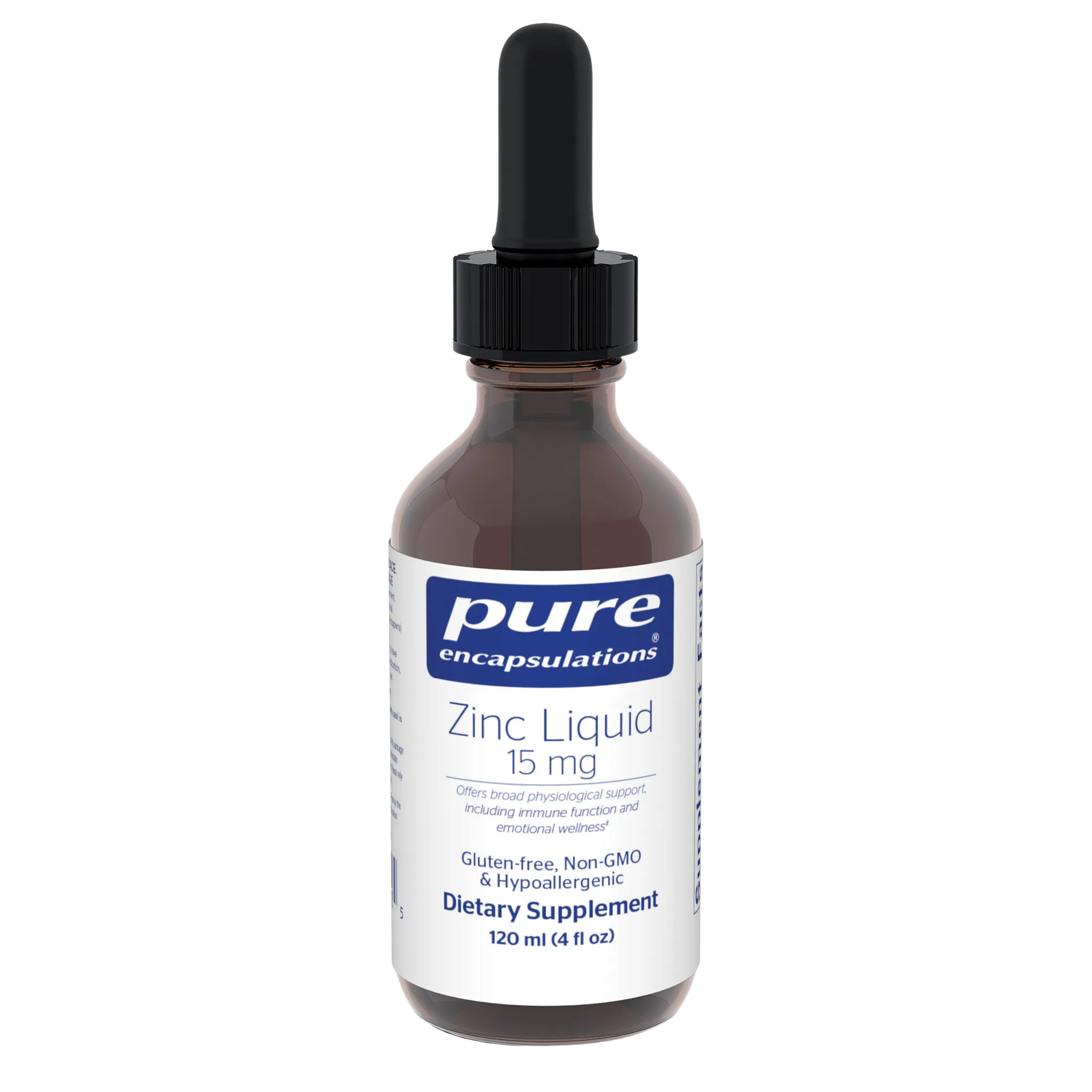
Supplementing with a highly absorbable form of liquid zinc provides the body with the critical raw materials needed to break the cycle of chronic inflammation and restore immune homeostasis. At the cellular level, zinc acts as a potent intracellular secondary messenger that directly modulates the immune response. One of its most vital mechanisms is the inhibition of the Nuclear Factor kappa-light-chain-enhancer of activated B cells (NF-κB) pathway. NF-κB is a protein complex that controls the transcription of DNA, cytokine production, and cell survival; it is essentially the master switch for inflammation. In chronic illnesses like Long COVID and ME/CFS, this switch is often stuck in the "on" position.
Zinc intervenes in this pathway by inhibiting the activity of IκB kinase (IKK). Normally, IKK phosphorylates an inhibitory protein called IκB, marking it for degradation and allowing NF-κB to travel into the cell nucleus to trigger the release of pro-inflammatory cytokines like Interleukin-6 (IL-6) and Tumor Necrosis Factor-alpha (TNF-α). By blocking IKK, zinc ensures that NF-κB remains safely sequestered and inactive in the cytoplasm. This targeted molecular action helps to quiet the "cytokine storm" and reduce the systemic, tissue-damaging inflammation that drives symptoms like joint pain, brain fog, and severe fatigue.
Direct Antiviral Mechanisms and Receptor Interactions
Beyond calming inflammation, zinc possesses direct, potent antiviral properties that are crucial for patients dealing with viral persistence or the reactivation of latent viruses like Epstein-Barr Virus (EBV). When zinc is transported into the intracellular environment, it acts as a molecular wrench in the gears of viral replication. Research indicates that high intracellular concentrations of zinc can directly inhibit the activity of RNA-dependent RNA polymerase (RdRp), the primary enzyme that many RNA viruses use to replicate their genetic material. By binding to the active site of this enzyme, zinc physically prevents the virus from multiplying and spreading to neighboring cells.
Furthermore, zinc interferes with viral entry into host cells. In the context of SARS-CoV-2, studies have demonstrated that zinc dose-dependently inhibits the enzymatic activity of angiotensin-converting enzyme 2 (ACE2)—the specific cellular receptor that the virus uses as a doorway to invade human tissue. By altering the conformation of the ACE2 receptor, zinc impedes the virus's ability to latch onto the host cell. Additionally, zinc supports the production of Zinc-finger antiviral protein (ZAP), a specialized host protein that selectively binds to and degrades viral RNA sequences, providing a multi-layered defense against viral persistence in Long COVID.
Antioxidant Defense via Superoxide Dismutase
Addressing the profound oxidative stress seen in ME/CFS and dysautonomia requires robust antioxidant support, and zinc is a foundational component of the body's primary antioxidant defense system. Zinc is a required structural cofactor for Copper-Zinc Superoxide Dismutase (CuZn-SOD), an enzyme located in the cytoplasm of nearly all human cells. Superoxide radicals are highly reactive, toxic byproducts of cellular metabolism and immune activity that can severely damage mitochondrial DNA and cellular membranes if left unchecked.
CuZn-SOD acts as a biological shield, catalyzing the dismutation (conversion) of these dangerous superoxide radicals into ordinary molecular oxygen and hydrogen peroxide, which is then further neutralized by other enzymes. By providing the necessary zinc to maintain optimal CuZn-SOD activity, supplementation helps protect the delicate mitochondria from oxidative damage. This protection is vital for restoring efficient cellular energy production (ATP synthesis) and alleviating the crushing post-exertional malaise (PEM) that leaves patients bedbound after minor physical or cognitive exertion.
Mast Cell Stabilization and Histamine Regulation
For patients navigating the unpredictable flares of mast cell activation syndrome (MCAS), zinc offers a supportive therapeutic angle. Mast cells are immune cells that release histamine and other inflammatory mediators in response to triggers. In MCAS, these cells become hyper-reactive, degranulating inappropriately and causing systemic symptoms ranging from hives and flushing to tachycardia and gastrointestinal distress. Research into mast cell disorders highlights that patients with MCAS exhibit high disease activity and poor quality of life, necessitating comprehensive management strategies.
Zinc plays a role in stabilizing the mast cell membrane and regulating the intracellular signaling pathways that trigger degranulation. While it is not a standalone management tool for MCAS, adequate intracellular zinc levels help raise the threshold for mast cell activation, making them less likely to spontaneously release their inflammatory payload. Additionally, zinc is involved in the enzymatic breakdown and clearance of histamine in the gut, helping to mitigate the systemic histamine burden. Patients managing these complex immune responses may also benefit from reading about Ketotifen: Unveiling Relief for the Hidden Battles of MCAS, Long COVID, ME/CFS, and Dysautonomia.

Symptoms Liquid Zinc May Help Manage
Targeting Complex Chronic Illness Symptoms
Because zinc is involved in over 300 enzymatic processes and regulates foundational immune and metabolic pathways, replenishing deficient levels can have a widespread, positive impact on the diverse symptoms of chronic invisible illnesses. While individual responses vary, clinical research and patient experiences suggest that highly absorbable liquid zinc may help manage the following specific symptoms:
Profound Fatigue and Post-Exertional Malaise (PEM): By protecting mitochondrial DNA from oxidative stress via the Superoxide Dismutase enzyme, zinc supports efficient ATP (cellular energy) production. This helps raise the baseline energy envelope and may reduce the severity of crashes following physical or cognitive exertion.
Cognitive Dysfunction (Brain Fog): Zinc is highly concentrated in the brain, particularly in the hippocampus, where it regulates neurotransmitter release and synaptic plasticity. Supplementation supports brain tissue metabolism and may help clear the neuroinflammation that drives brain fog and memory issues.
Loss of Taste and Smell (Dysgeusia and Dysosmia): Zinc is a critical component of gustin, a salivary protein required for the growth and maturation of taste buds. Clinical studies on Long COVID patients have strongly correlated severe zinc deficiency with persistent loss of taste and smell, making supplementation a targeted approach for sensory recovery.
Frequent Infections and Immune Vulnerability: By acting as a cofactor for the hormone thymulin, zinc promotes the maturation of T-cells and enhances the function of natural killer (NK) cells. This restores the adaptive immune system's ability to fight off opportunistic infections and keep latent viruses (like EBV) dormant.
Unpredictable Inflammatory Flares: Zinc inhibits the NF-κB signaling pathway, effectively turning down the production of pro-inflammatory cytokines like IL-6. This systemic calming effect can help alleviate the generalized joint pain, muscle aches, and low-grade fevers common in ME/CFS and Long COVID.
Hair Loss (Telogen Effluvium): Post-viral hair loss is a distressing symptom driven by physiological stress and nutrient depletion. Zinc is essential for healthy tissue development, collagen formation, and the rapid cellular division required in hair follicles, helping to halt shedding and promote regrowth.
Practical Considerations: Forms, Dosing, and Absorption
The Liquid Advantage and Zinc Gluconate Bioavailability
When selecting a zinc supplement, the chemical form and the delivery method are the two most critical factors determining how much of the mineral actually reaches your bloodstream. This product features zinc gluconate, an organic, chelated form of zinc created by binding zinc ions to gluconic acid. Pharmacokinetic studies demonstrate that zinc gluconate is highly bioavailable, yielding significantly higher peak serum concentrations and greater overall absorption compared to cheaper, inorganic forms like zinc oxide. Because it is an organic chelate, it is generally gentler on the stomach and more readily recognized by the body's intestinal transport proteins.
The liquid delivery format offers a distinct physiological advantage, particularly for patients with complex chronic illnesses. Before the body can absorb zinc from a hard, compressed tablet, the pill must be physically broken down and dissolved in the stomach—a process that requires strong gastric acid. Many patients with dysautonomia, MCAS, or Long COVID suffer from gastrointestinal dysmotility or low stomach acid (hypochlorhydria). Research cited by the Food and Agriculture Organization (FAO) indicates that zinc administered in simple aqueous solutions (liquids) to fasting subjects is efficiently absorbed at rates of 60% to 70%. Because liquid zinc is already dissolved in an aqueous solution, it bypasses the need for intensive gastric breakdown, allowing the zinc ions to be immediately ready for absorption in the duodenum and jejunum of the small intestine.
Maximizing Absorption and Avoiding Phytates
To get the most out of your liquid zinc supplement, timing and dietary pairings are essential. Zinc absorption is highly susceptible to competitive inhibitors in the diet, the most notorious being phytates (phytic acid). Phytates are naturally occurring compounds found in whole grains, legumes, beans, and nuts. In the digestive tract, phytates act like chemical magnets, binding tightly to zinc ions and forming insoluble complexes that the body cannot absorb. Taking zinc alongside a high-phytate meal can severely reduce its absorption rate to less than 15%.
For optimal bioavailability, it is generally recommended to take liquid zinc on an empty stomach, or at least one hour before or two hours after meals. However, because zinc on an empty stomach can sometimes cause mild, transient nausea, patients may choose to take it with a light, low-phytate snack (such as a piece of fruit or a small amount of animal protein). Additionally, high doses of other minerals—specifically calcium, iron, and copper—compete with zinc for the same intestinal absorption pathways (ZIP and ZnT transporters). If you are taking other mineral supplements, it is best to space them out by several hours to prevent absorption interference.
Navigating Dysautonomia Sensitivities and the Vagus Nerve
Patients living with dysautonomia, particularly Postural Orthostatic Tachycardia Syndrome (POTS), must approach all new supplements with care due to the hypersensitivity of their autonomic nervous system. While zinc is vital for maintaining the myelin sheath that protects nerves and modulating the autoimmune dynamics that can trigger dysautonomia, the gastrointestinal tract is heavily innervated by the vagus nerve. The vagus nerve serves as the primary communication highway between the gut and the brain, regulating heart rate, blood pressure, and digestion.
If a zinc supplement causes sudden gastrointestinal irritation or nausea—which is more common with high doses on an empty stomach—it can trigger a severe autonomic reflex via the vagus nerve. For a POTS patient, this vagal stimulation can result in sudden heart rate spikes (tachycardia), dizziness, shaking, and a worsening of orthostatic intolerance. The liquid form of zinc gluconate allows for highly precise, micro-dosing. Dysautonomia patients are advised to start with a fraction of the recommended dose, take it with a small amount of safe food, and slowly titrate up over several weeks to allow the gastrointestinal tract and the vagus nerve to acclimate without triggering a symptom flare.

Follow the Science
Zinc and Long COVID Recovery Trials
The scientific community has increasingly focused on zinc's therapeutic potential for managing the persistent symptoms of Long COVID. A pivotal 2023 study published in the Journal of Clinical Medicine Research by Matsuoka et al. analyzed outpatients experiencing Long COVID symptoms and discovered that a staggering 44.2% of symptomatic patients had low serum zinc levels. The researchers provided oral zinc acetate hydrate to the deficient patients and monitored their progress. The clinical results were striking: by week 8, fatigue had improved in 100% of the cases supplemented with zinc, showing a statistically significant difference compared to the untreated control group (P = 0.030). Furthermore, the zinc-supplemented group saw significant, measurable improvements in post-COVID hair loss across 4, 8, and 12-week intervals.
The long-term risks of leaving zinc deficiency unaddressed in post-viral patients were further highlighted in a 2024 retrospective cohort study published in Cureus by Hung et al.. Utilizing the massive TriNetX database, researchers evaluated adults diagnosed with COVID-19 to determine how their baseline zinc levels affected their post-acute outcomes. The data revealed that patients with diagnosed zinc deficiency faced significantly worse long-term trajectories. Deficient patients had a 31.4% increased risk of long-term hospitalization and a substantially higher risk of lingering cardiac and renal complications compared to patients with normal zinc levels, underscoring the systemic protective role this mineral plays during viral recovery.
The MelatoZinc and ME/CFS Clinical Evidence
For patients with myalgic encephalomyelitis/chronic fatigue syndrome (ME/CFS), finding scientifically validated support options for profound fatigue is a primary goal. A landmark 16-week, randomized, double-blind, placebo-controlled proof-of-concept trial investigated the synergistic effects of zinc and melatonin on 50 patients with ME/CFS. The trial administered a daily oral dose of 1 mg of melatonin plus 10 mg of zinc to the experimental group. The researchers hypothesized that this combination would restore circadian rhythm homeostasis and regulate the redox (oxidative) imbalances driving the illness.
The clinical results were highly encouraging. The trial found a significant reduction in the perception of physical fatigue in the melatonin-zinc group compared to the placebo group. Additionally, the experimental group showed a significant improvement in the "physical component summary"—a comprehensive metric of health-related quality of life—across all follow-up visits. Following the success of this initial trial, a larger Phase IV clinical trial (NCT05454683) involving over 100 ME/CFS patients was initiated to further evaluate how this specific combination impacts cardinal symptoms, including cognitive impairment, post-exertional malaise, and unrefreshing sleep.
Recent Breakthroughs in Post-Viral Fatigue and Brain Metabolism
Recent clinical trials have also explored how zinc, when combined with other gut-supporting therapies, can directly impact brain metabolism and exercise tolerance. The STOP-FATIGUE trial, published in the European Journal of Nutrition in late 2024, was a randomized, double-blind, placebo-controlled clinical trial involving adults suffering from post-COVID-19 ME/CFS. Participants were given either a placebo or a daily synbiotic capsule containing specific probiotic strains, prebiotics, and zinc for 3 months.
The findings provided fascinating insights into the gut-brain axis in chronic illness. The synbiotic plus zinc group was found to be superior to the placebo in attenuating post-exercise malaise (PEM), with a significant statistical difference. Even more remarkably, advanced brain imaging showed that the supplement significantly improved brain tissue metabolism. The intervention increased choline levels in the thalamus and creatine levels in the frontal white and grey matter—metabolic shifts that are clinically linked to reducing the severe cognitive "brain fog" that plagues so many post-viral patients.
The Path Forward
Integrating Zinc into Your Comprehensive Care Plan
Living with a complex chronic condition like Long COVID, ME/CFS, dysautonomia, or MCAS is an incredibly challenging journey that requires immense resilience. The daily reality of unpredictable symptoms, profound fatigue, and cognitive fog can feel overwhelming, especially when traditional medical paradigms struggle to offer definitive solutions. It is entirely valid to feel frustrated by the invisible nature of these illnesses. However, understanding the underlying biochemistry—such as the critical role of zinc in immune regulation, viral defense, and cellular energy—empowers you to take targeted, science-backed steps toward reclaiming your baseline health.
A Holistic Approach to Healing
While highly absorbable liquid zinc offers a potent tool for modulating inflammation and supporting enzymatic function, it is important to remember that no single supplement is a standalone solution for complex systemic illnesses. Zinc supplementation should be viewed as one vital piece of a comprehensive, multidisciplinary management strategy. This approach must include aggressive pacing to manage post-exertional malaise, meticulous symptom tracking to identify individual triggers, nervous system regulation techniques, and ongoing collaboration with a knowledgeable healthcare provider. By addressing the foundational building blocks of cellular health, you provide your body with the resources it needs to gradually restore balance and improve your daily quality of life.
Disclaimer: The information provided in this blog is for educational purposes only and is not intended as medical advice. Always consult with a qualified healthcare provider before starting any new supplement regimen, especially if you have a complex chronic condition, are taking prescription medications, or are navigating dysautonomia sensitivities.
Sources
Matsuda Y, Tokumasu K, Otsuka Y, et al. Symptomatic Characteristics of Hypozincemia Detected in Long COVID Patients. Nutrients. 2023; 15(5):1271.
Ruiz-Pablos CE, et al. Epstein–Barr virus-acquired immunodeficiency in myalgic encephalomyelitis—Is it present in long COVID?. Journal of Translational Medicine. 2023; 21:600.
Bae M, Kim H. Mini-Review on the Roles of Vitamin C, Vitamin D, and Selenium in the Immune System against COVID-19. Journal of Trace Elements in Medicine and Biology. 2023.
te Velthuis AJ, et al. Zn(2+) inhibits coronavirus and arterivirus RNA polymerase activity in vitro and zinc ionophores block the replication of these viruses in cell culture. PLoS Pathogens. 2010; 6(11):e1001176.
Buttgereit T, et al. Idiopathic mast cell activation syndrome is more often suspected than diagnosed—A prospective real-life study. Allergy. 2023.
Blancquaert L, et al. Comparative Absorption and Bioavailability of Various Chemical Forms of Zinc in Humans. Nutrients. 2024; 16(23):4269.
Food and Agriculture Organization of the United Nations (FAO). Human Vitamin and Mineral Requirements, Chapter 16: Zinc.
Matsuoka T, et al. Zinc Supplementation in Post-COVID-19 Conditions. Journal of Clinical Medicine Research. 2023.
Hung YC, et al. Zinc Deficiency and Post-acute Outcomes in Patients With COVID-19: A Retrospective Cohort Study. Cureus. 2024.
Castro-Marrero J, et al. Effect of Melatonin Plus Zinc Supplementation on Fatigue Perception in Myalgic Encephalomyelitis/Chronic Fatigue Syndrome: A Randomized, Double-Blind, Placebo-Controlled Trial. Nutrients. 2021; 13(8):2654.
ClinicalTrials.gov. The effects of 3-month supplementation with synbiotic on patient-reported outcomes, exercise tolerance, and brain and muscle metabolism in adult patients with post-COVID-19 chronic fatigue syndrome (STOP-FATIGUE). 2024.