Can Zinc Chewables Support Immune Function in Long COVID and ME/CFS?
March 5, 2026
ZincImmune SupportLong COVID
Share:
Disclaimer: The information provided here is for educational purposes only and is not intended as medical advice. It should not be used to diagnose, treat, cure, or prevent any medical condition. Instead, use it as a starting point for discussion with your healthcare provider. Always consult with a qualified healthcare provider before starting any new medication, supplement, device, or making changes to your health regimen.
Months or even years after recovering from an initial SARS-CoV-2 infection or other viral illnesses, many people find themselves fighting a daily, debilitating battle against invisible symptoms. The profound exhaustion, cognitive impairment, and unpredictable immune reactions characteristic of Long COVID, myalgic encephalomyelitis/chronic fatigue syndrome (ME/CFS), and mast cell activation syndrome (MCAS) can leave patients feeling isolated and frustrated by a lack of clear medical answers. But what is it that allows some individuals to recover swiftly while others remain trapped in a cycle of chronic inflammation and cellular energy failure? Emerging research is increasingly pointing toward severe metabolic and nutritional disruptions at the cellular level, particularly involving essential trace minerals that govern our immune and mitochondrial function.
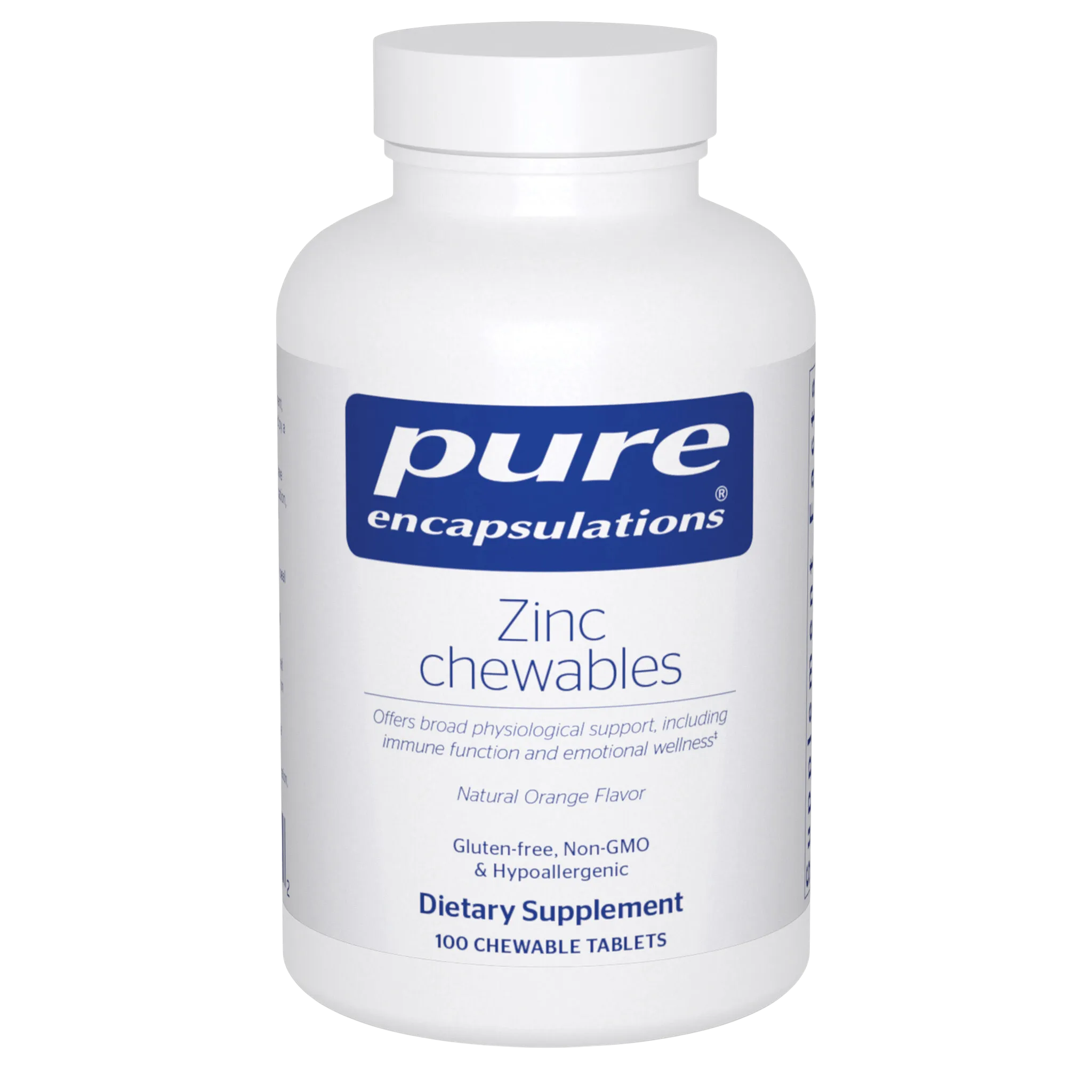
One of the most critical, yet frequently overlooked, pieces of this complex physiological puzzle is zinc. Long recognized as a simple nutritional building block, modern immunology has revealed that zinc is actually a highly dynamic signaling molecule that orchestrates the body's defense systems, stabilizes hyperactive mast cells, and protects the delicate mitochondria from oxidative destruction. In the wake of severe viral infections, systemic zinc levels often plummet, stripping the body of its natural ability to resolve inflammation and restore immune homeostasis. For individuals navigating the complex terrain of post-viral chronic illness, understanding how to properly replenish this vital mineral through highly bioavailable forms, such as zinc citrate chewables, can be a foundational step toward reclaiming cellular health and improving daily quality of life.
TL;DR
Zinc is a vital signaling molecule that supports immune function and mitochondrial health.
Viral infections can deplete zinc levels, potentially worsening Long COVID and ME/CFS symptoms.
Highly bioavailable zinc citrate may help manage fatigue, brain fog, and histamine reactions.
Always balance zinc supplementation with copper and consult your healthcare provider.
What is Zinc?
The Essential Trace Mineral and Enzymatic Cofactor
Zinc is an essential trace element, meaning the human body cannot synthesize it and must obtain it continuously through diet or supplementation. In a healthy body, zinc is traditionally recognized as a fundamental structural and catalytic cofactor for over 300 different metalloenzymes and more than 2,000 transcription factors. It plays a foundational role in DNA replication, RNA transcription, and protein synthesis, making it absolutely vital for cellular growth, tissue repair, and the daily maintenance of every organ system. Without adequate zinc, the basic biological processes required to rebuild damaged tissues and synthesize new immune cells simply cannot proceed efficiently.
At the molecular level, zinc is famous for forming "zinc finger" motifs—structural loops in proteins that allow them to bind directly to DNA and regulate gene expression. This means that zinc directly influences which genes are turned on or off in response to environmental stressors or infections. Furthermore, zinc is heavily involved in neurotransmitter synthesis and neurogenesis, playing a critical role in maintaining cognitive clarity, memory consolidation, and emotional regulation in the central nervous system. Its presence is required for the proper functioning of the brain's synaptic plasticity, which is often compromised in neuroinflammatory conditions.
The Intracellular Second Messenger
While its structural role is vital, recent advances in biochemistry have revealed that zinc is far more than a static building block. It acts dynamically as an intracellular "second messenger"—functioning very much like calcium—to actively regulate cellular signal transduction. Unlike the tightly bound zinc in structural proteins, signaling zinc exists as a labile (free or loosely bound) pool within the cellular cytosol. The concentration of this free zinc is tightly and rapidly regulated by a complex network of 14 ZIP transporters (which bring zinc into the cytosol) and 10 ZnT transporters (which pump zinc out of the cell or sequester it into internal organelles like lysosomes).
When a cell receives an external signal—such as a hormone binding to a receptor or an immune cell detecting a pathogen—these transporters rapidly shift zinc into the cytosol, creating a "zinc signal" or "zinc spark." This sudden influx of free zinc acts as a master switch, reversibly inhibiting specific enzymes, particularly protein tyrosine phosphatases (PTPs) and phosphodiesterases (PDEs). By inhibiting these off-switches, zinc sustains the phosphorylation and activation of crucial kinase pathways (like the MEK/ERK pathway), driving the cell to take immediate action, whether that is proliferating, migrating, or releasing inflammatory cytokines.
Orchestrating the Immune Response
Nowhere is zinc's role as a dynamic signaling molecule more critical than in the immune system. In the innate immune system, macrophages rely heavily on zinc homeostasis to detect and clear pathogens. When a macrophage encounters a viral or bacterial threat, Toll-Like Receptors (TLRs) are triggered, causing a rapid influx of extracellular zinc into the macrophage within minutes. This zinc burst promotes the activation of the NF-κB transcription factor, which drives the initial release of pro-inflammatory cytokines necessary to fight the infection. Remarkably, zinc also initiates the negative feedback loop required to stop the inflammation; it upregulates the A20 protein, which eventually suppresses NF-κB, helping to stop the immune system from spiraling into chronic, unchecked inflammation.
In the adaptive immune system, zinc exerts potent control over T-lymphocytes. Zinc is a mandatory cofactor for thymulin, a hormone produced by the thymus gland that is essential for the maturation and differentiation of naive T-cells into active, pathogen-fighting cells. When T-cells are activated, localized surges in cytosolic zinc drive their rapid proliferation and guide their polarization. Adequate zinc levels ensure a healthy balance between Th1 cells (which fight intracellular viruses) and Th2 cells (which handle extracellular pathogens and allergies). Research published in Molecules and Cells demonstrates that without sufficient zinc, this delicate balance collapses, leading to severe immune dysregulation and an inability to mount an effective defense against opportunistic infections.
How Long COVID and ME/CFS Impact Zinc Levels
The Post-Viral Zinc Crash
The relationship between chronic, complex illnesses and nutritional depletion is profound. During an acute viral infection, such as the initial phase of COVID-19 or an Epstein-Barr Virus (EBV) reactivation, the body's demand for zinc skyrockets. The immune system consumes massive amounts of zinc to fuel the rapid proliferation of T-cells, macrophages, and natural killer (NK) cells. Consequently, serum zinc levels often plummet. Unfortunately, for many individuals who go on to develop Long COVID or ME/CFS, these zinc levels never fully recover, leaving the body in a state of persistent, low-grade hypozincemia (zinc deficiency) that severely hampers the recovery process.
A 2023 study published in the Journal of Trace Elements in Medicine and Biology investigated patients managing Long COVID and found that over 27% had a clinically documented zinc deficiency. This deficiency was positively correlated with persistent systemic inflammation, marked by significantly elevated fibrinogen levels—a protein involved in blood clotting. Patients with depleted zinc were far more likely to suffer from prolonged neuropsychiatric symptoms, severe fatigue, and the enduring loss of taste and smell. The lack of zinc removes the biochemical brakes on the immune system, allowing acute inflammation to smolder into a chronic, debilitating state.
Immune Exhaustion and T-Cell Dysfunction
Both Long COVID and ME/CFS are characterized by a profound inability to achieve immune homeostasis following viral clearance. This manifests clinically as T-cell exhaustion, dysregulated monocyte populations, and persistent systemic myeloid inflammation. Because zinc is an absolute requirement for the development and proper functioning of T-cells, its absence exacerbates this autoimmunity and immune dysregulation. Without adequate zinc, the immune system shifts away from the antiviral Th1 response and becomes heavily skewed toward a Th2-dominant state, which is associated with heightened allergic responses, autoantibody production, and the reactivation of dormant viruses.
Landmark research by Maes et al. on ME/CFS cohorts established a strong link between low zinc status and chronic fatigue syndrome long before the COVID-19 pandemic. The researchers found that serum zinc was significantly lower in ME/CFS patients compared to healthy volunteers, and lowered serum zinc levels correlated with a decreased omega-3/omega-6 ratio, which negatively correlated with the severity of the patients' fatigue. Crucially, the study revealed that lowered zinc correlated with a decrease in mitogen-stimulated CD69 expression, a vital activation marker on T-cells. This established that zinc deficiency is not just a byproduct of ME/CFS, but a direct contributor to the defects in early T-cell activation that define the illness.
Mitochondrial Failure and Oxidative Stress
A defining trait bridging Long COVID and ME/CFS is a hypometabolic state driven by severe mitochondrial dysfunction. Viral infections manipulate and damage mitochondria, forcing the body to shift from efficient oxidative phosphorylation to inefficient anaerobic glycolysis, resulting in the debilitating post-exertional malaise (PEM) that patients experience after minor exertion. As mitochondria fail, they leak massive amounts of toxic reactive oxygen species (ROS), creating severe oxidative and nitrosative stress (O&NS). This unchecked oxidative stress degrades cellular membranes and further destroys mitochondrial integrity, locking the patient in a vicious cycle of energy failure. To understand more about how these viral triggers initiate this cascade, you can read about how Long COVID triggers ME/CFS.
Zinc is highly concentrated within the mitochondria and serves as a primary intracellular antioxidant. When zinc is depleted, the mitochondria lose their structural shield. The vital Copper-Zinc Superoxide Dismutase (Cu/Zn-SOD) enzyme cannot function without zinc, leaving toxic superoxide radicals free to ravage the cell. Furthermore, intracellular zinc deficiency disrupts the electron transport chain and triggers the opening of the mitochondrial permeability transition pore (mPTP), leading to cellular apoptosis (programmed cell death). In the context of Long COVID and ME/CFS, this zinc-depleted, high-oxidative-stress environment is what drives the profound physical exhaustion, muscle pain, and neurological brain fog that patients battle daily.
Zinc Chewables: Supporting Immune and Cellular Function
Restoring T-Cell and Macrophage Activity
Targeted zinc supplementation offers a mechanism-based approach to interrupting the vicious cycles of immune exhaustion and mitochondrial failure seen in complex chronic illnesses. By replenishing intracellular zinc pools, supplementation directly supports the MEK/ERK MAPK signaling pathways required for robust T-cell proliferation and activation. This helps to restore the critical balance between Th1 and Th2 immune responses, empowering the body to properly manage lingering viral fragments, help manage opportunistic viral reactivations (like EBV), and support the reduction of autoantibodies. In essence, zinc provides the biochemical fuel the adaptive immune system needs to transition from a state of chronic, confused hyper-activation back to a state of regulated surveillance.
Furthermore, zinc supplementation aids in the regulation of the innate immune system, specifically macrophage function. By upregulating the anti-inflammatory protein A20, zinc actively inhibits the NF-κB signaling pathway, which is the primary driver of systemic inflammation. This helps to quiet the constant release of pro-inflammatory cytokines, such as IL-6 and TNF-α, which are known to cause neuroinflammation and contribute heavily to the sensation of "brain fog" and systemic pain. By restoring the negative feedback loops that halt inflammation, zinc helps the body cool down the persistent immunological fire characteristic of Long COVID.
Stabilizing Mast Cells and Histamine Release
For patients dealing with mast cell activation syndrome (MCAS) or severe histamine intolerance—conditions frequently comorbid with Long COVID and dysautonomia—zinc is a highly potent, natural mast cell stabilizer. Mast cells store inflammatory mediators, including histamine, in intracellular granules. When triggered, calcium ions flood into the mast cell, prompting it to degranulate and dump histamine into the bloodstream, causing hives, tachycardia, brain fog, and gastrointestinal distress. Zinc acts as a direct, competitive antagonist to calcium. By blocking this calcium influx at the cellular membrane, research suggests physiological concentrations of zinc may help inhibit the mast cell from degranulating, supporting healthy histamine levels.
In addition to stabilizing the mast cell membrane, zinc is crucial for the breakdown of histamine that has already been released or ingested. Diamine oxidase (DAO) is the primary enzyme responsible for degrading dietary histamine in the gut. Zinc supports the expression and optimal function of the DAO enzyme. It also plays a vital role in maintaining the integrity of the intestinal mucosal lining, helping to avoid the "leaky gut" permeability that often allows undigested proteins to constantly trigger mast cells. For a deeper look at managing these hyperactive immune responses, explore our comprehensive guide on Ketotifen for MCAS and Long COVID.
Antioxidant Defense and Mitochondrial Repair
At the bioenergetic level, zinc supplementation provides a critical shield for damaged mitochondria. By restoring the function of the Copper-Zinc Superoxide Dismutase (Cu/Zn-SOD) enzyme, zinc enables the mitochondria to actively neutralize toxic superoxide radicals before they can damage mitochondrial DNA and lipid membranes. This reduction in oxidative and nitrosative stress (O&NS) is paramount for patients suffering from severe fatigue and post-exertional malaise (PEM), as it protects the cell's remaining energy-producing capacity and helps avoid premature cellular apoptosis.
Moreover, zinc upregulates the Nrf2 pathway, a master regulator of antioxidant gene expression, and induces the production of metallothioneins, which are intracellular proteins that scavenge free radicals and bind toxic heavy metals. By lowering the overall burden of neuro-oxidative toxicity, zinc helps to stabilize the vascular endothelium, potentially improving blood flow and oxygen delivery to oxygen-starved tissues. This comprehensive antioxidant support is why zinc is often considered a foundational element in mitochondrial recovery protocols, working synergistically alongside other nutrients to rebuild cellular energy reserves.
Symptoms Zinc May Help Manage
Targeted Symptom Relief
Because zinc is involved in hundreds of enzymatic pathways across multiple organ systems, replenishing depleted levels can have a broad, systemic impact on the complex symptom clusters seen in Long COVID, ME/CFS, and MCAS. While not a cure-all, targeted zinc supplementation may help manage the following specific symptoms by addressing their underlying biochemical drivers:
Debilitating Fatigue and Post-Exertional Malaise (PEM): By restoring the Cu/Zn-SOD antioxidant enzyme and protecting the mitochondrial electron transport chain from oxidative damage, zinc helps preserve cellular ATP (energy) production, potentially raising the threshold at which exertion triggers a metabolic crash.
Brain Fog and Cognitive Impairment: Zinc acts as a potent neuro-antioxidant, reducing the neuro-oxidative toxicity and neuroinflammation that disrupt synaptic plasticity and neurotransmitter synthesis, thereby supporting clearer cognition and memory consolidation.
Histamine Reactions and MCAS Flares: By acting as a competitive antagonist to calcium at the mast cell membrane, zinc inhibits spontaneous degranulation, reducing the sudden release of histamine that causes hives, flushing, gastrointestinal distress, and unpredictable allergic responses.
Frequent Infections and Immune Vulnerability: Zinc provides the necessary cofactor (thymulin) for T-cell maturation and restores the MEK/ERK signaling pathways, helping to support T-cell function and empower the adaptive immune system's defense against opportunistic infections and viral reactivations.
Loss of Taste (Ageusia) and Smell (Anosmia): Zinc is a critical component of gustin, a salivary protein required for the growth and maintenance of taste buds. Replenishing zinc is one of the primary, evidence-based interventions that may help support the recovery of post-viral sensory deficits.
Hair Loss (Telogen Effluvium): Post-viral hair loss is heavily linked to both the physical stress of infection and subsequent mineral depletion; zinc is required for the rapid cellular division in hair follicles and the synthesis of keratin, aiding in the restoration of normal hair growth cycles.
Practical Considerations: Forms, Dosing, and Absorption
The Bioavailability of Zinc Citrate
When selecting a zinc supplement, the chemical form (or "salt") of the zinc dictates how effectively it will be absorbed and utilized by the body—a concept known as bioavailability. Zinc is generally categorized into inorganic forms (like zinc oxide) and organic chelates (like zinc citrate, gluconate, and glycinate). Zinc oxide, often found in cheaper supplements, is notoriously difficult for the body to absorb because it is insoluble in water and requires highly acidic stomach conditions to break down. For patients with chronic illness who may already suffer from gastrointestinal distress or low stomach acid, inorganic forms can pass through the digestive tract largely unabsorbed.
Zinc citrate, however, is a highly bioavailable, organic form of zinc that is widely considered a top-tier option. A landmark double-blind, crossover study led by Wegmüller et al. (2014) in the Journal of Nutrition utilized a highly accurate double-isotope tracer method to test zinc absorption. The researchers found that the median fractional absorption of zinc citrate was an impressive 61.3%, statistically equivalent to the industry benchmark, zinc gluconate (60.9%), and vastly superior to zinc oxide (49.9%). Furthermore, zinc citrate yields roughly 31% elemental zinc by weight, allowing for a smaller, more convenient physical tablet, and it lacks the harsh, bitter, metallic taste associated with forms like zinc sulfate, making it ideal for chewable formulations.
The Crucial Zinc-Copper Balance
While zinc is incredibly beneficial, it must be supplemented with a deep understanding of mineral homeostasis, particularly the delicate balance between zinc and copper. Zinc and copper compete for the same absorption pathways in the intestines. If you consume high doses of zinc over a prolonged period, it can induce the production of metallothionein in the intestinal cells, which binds copper and blocks it from entering the bloodstream, leading to a severe copper deficiency. This is a critical consideration for MCAS patients, as copper is an absolute requirement for the function of the diamine oxidase (DAO) enzyme, which breaks down histamine. Over-supplementing zinc without monitoring copper can paradoxically worsen histamine intolerance by suppressing DAO activity.
To avoid this, it is generally recommended to stay within the Tolerable Upper Intake Level (UL) set by the National Institutes of Health, which is 40 mg of elemental zinc per day for adults from all sources combined. If a healthcare provider recommends high-dose zinc therapy to correct a severe deficiency, they will typically monitor your serum copper and ceruloplasmin levels, and may suggest supplementing with trace amounts of copper (usually in a 10:1 or 15:1 zinc-to-copper ratio) taken at a different time of day to avoid competitive inhibition.
Timing, Dosage, and Interactions
For optimal absorption, zinc is traditionally best taken on an empty stomach, either one hour before or two hours after meals. However, because zinc can occasionally cause mild nausea when taken without food, chewable forms like zinc citrate are often better tolerated and can be taken with a small, low-fiber snack if necessary. It is important to avoid taking zinc simultaneously with foods high in phytates (like whole grains, legumes, and seeds), as phytates tightly bind to zinc in the digestive tract and inhibit its absorption.
Zinc supplements can also significantly interact with certain prescription medications. Zinc binds tightly to quinolone antibiotics (like Ciprofloxacin) and tetracycline antibiotics in the gastrointestinal tract, blocking the body from absorbing the medication and rendering the antibiotic ineffective. If you are prescribed these antibiotics, you must take them at least two hours before or four to six hours after your zinc supplement. Additionally, thiazide diuretics (common blood pressure medications) increase the amount of zinc lost in the urine, meaning patients on these medications may require higher baseline zinc supplementation to maintain adequate levels. Always consult your healthcare provider or pharmacist to review potential interactions with your specific medication regimen.
Follow the Science
Clinical Trials in Post-Viral Syndromes
The scientific literature surrounding zinc's role in complex chronic illnesses is robust and rapidly expanding, particularly concerning post-viral fatigue syndromes. A seminal proof-of-concept study by Al-Hakeim et al. on Long COVID patients experiencing chronic fatigue and affective symptoms demonstrated that patients had severely depleted levels of serum zinc and glutathione peroxidase compared to healthy controls. This depletion was accompanied by massive increases in lipid peroxidation and nitric oxide production. The researchers identified that nearly 32% of Long COVID patients fell into a specific, severe cluster characterized by profound physiological abnormalities driven directly by a highly skewed ratio of oxidative toxicity to antioxidant defenses, highlighting zinc's critical absence in this protective mechanism.
Similarly, in the realm of ME/CFS, the foundational research by Maes et al. (2006) provided concrete evidence that serum zinc concentrations are significantly lower in ME/CFS patients and that this hypozincemia correlates directly with the severity of fatigue and immune dysfunction. The study documented that lowered zinc was correlated with defects in early T-cell activation pathways, specifically lowered mitogen-stimulated CD69 expression. This data firmly established that zinc deficiency is a driving mediator of the immune exhaustion seen in ME/CFS, rather than just a secondary consequence of being ill.
Mast Cell and Histamine Research
In the context of mast cell activation syndrome (MCAS) and allergic inflammation, zinc's role as a cellular stabilizer is well-documented. Physiological concentrations of zinc cause a dose-related inhibition of histamine release from human basophils and lung mast cells, with zinc directly competing with calcium at the cellular membrane to inhibit the secretion of histamine.
Furthermore, clinical reviews highlight that zinc chelation (the removal of zinc from the cellular environment) causes massive, spontaneous histamine release, a process that is immediately halted and reversed by the reintroduction of zinc. This body of evidence underscores zinc's potent, stabilizing properties on hyper-reactive immune responses and its therapeutic potential for patients managing severe histamine intolerance.
The Path Forward
Validating the Invisible Struggle
Living with complex, invisible illnesses like Long COVID, ME/CFS, and MCAS is an incredibly exhausting journey. The daily reality of navigating unpredictable crashes, severe brain fog, and a hyper-reactive immune system can feel overwhelming, especially when traditional medical tests often fail to capture the profound metabolic and cellular dysfunction occurring beneath the surface. It is deeply validating to understand that your symptoms are not in your head; they are rooted in measurable, physiological disruptions, such as mitochondrial energy failure, oxidative stress, and the depletion of critical signaling molecules like zinc. Acknowledging the biological reality of your condition is the first step toward finding targeted, effective management strategies.
Integrating Zinc into Your Protocol
While no single supplement is a miracle cure for complex chronic illness, replenishing foundational nutrients like zinc can be a powerful piece of a comprehensive management puzzle. By supporting your immune system's ability to regulate itself, stabilizing hyperactive mast cells, and providing your mitochondria with the antioxidant defense they desperately need, highly bioavailable zinc citrate can help raise your baseline and improve your daily quality of life. However, supplementation works best when combined with holistic strategies like aggressive resting, strict symptom tracking, pacing to avoid post-exertional malaise, and working closely with a dysautonomia-literate healthcare team.
If you are struggling with persistent immune dysregulation, chronic fatigue, or histamine intolerance, exploring a high-quality, easily absorbed zinc supplement may be a valuable addition to your recovery toolkit. As always, because zinc can interact with certain medications and must be balanced with other minerals like copper, please consult your healthcare provider before beginning any new supplement regimen to ensure it is safe and appropriate for your specific clinical needs.
Sources
Regulatory Role of Zinc in Immune Cell Signaling (Molecules and Cells, 2021)
Zinc signals promote IL-2-dependent proliferation of T cells (European Journal of Immunology, 2014)
The Role of Zinc and Zinc Homeostasis in Macrophage Function (Journal of Immunology Research, 2018)
Zinc: An Essential Micronutrient (National Library of Medicine, PMC, 2010)
NIH Office of Dietary Supplements: Zinc Fact Sheet for Health Professionals