Can Zinc Bisglycinate Support Immune Function and Tissue Repair in Long COVID and ME/CFS?
March 6, 2026
Zinc BisglycinateLong COVIDME/CFS
Share:
Disclaimer: The information provided here is for educational purposes only and is not intended as medical advice. It should not be used to diagnose, treat, cure, or prevent any medical condition. Instead, use it as a starting point for discussion with your healthcare provider. Always consult with a qualified healthcare provider before starting any new medication, supplement, device, or making changes to your health regimen.
Months or even years after recovering from an initial SARS-CoV-2 infection, many individuals find themselves battling a relentless array of symptoms. The transition from acute illness to complex chronic conditions like Long COVID, myalgic encephalomyelitis/chronic fatigue syndrome (ME/CFS), and dysautonomia can be profoundly isolating and confusing. Patients often describe a reality where their immune system feels simultaneously exhausted and overactive, leaving them vulnerable to frequent crashes, severe post-exertional malaise (PEM), and unpredictable inflammatory flares. In the search for validating answers and actionable management strategies, researchers and clinicians are increasingly focusing on the foundational building blocks of cellular health and immune regulation.
One such foundational element is zinc, an essential trace mineral that acts as a biological linchpin for over 300 enzymatic processes in the human body. While zinc is widely known for its general immune-supporting properties, its role in complex chronic illness goes much deeper. From modulating T-cell activation and driving the production of glutathione—the body's master antioxidant—to regulating connective tissue repair and hormonal balance, zinc is critical for systemic homeostasis. However, chronic viral infections and persistent inflammation can rapidly deplete the body's zinc reserves, creating a vicious cycle of oxidative stress and immune dysregulation. In this comprehensive guide, we will explore the intricate mechanisms of zinc bisglycinate, how chronic illness disrupts trace mineral balance, and why this highly bioavailable form of zinc may be a vital component of your recovery toolkit.
What is Zinc Bisglycinate?
Zinc is the second-most abundant trace mineral in the human body, surpassed only by iron. Unlike certain vitamins that the body can synthesize on its own or store in massive reserves for future use, zinc cannot be produced endogenously, nor does the body possess a specialized tissue storage system for it. This means that maintaining optimal zinc levels requires a continuous, daily dietary or supplemental intake. At the cellular level, zinc is an absolute prerequisite for life, serving as a structural component for approximately 10% of all human proteins. It is deeply embedded in the architecture of our DNA and RNA polymerases, making it essential for cellular division, genetic transcription, and the synthesis of new proteins. Without adequate zinc, the fundamental machinery that allows cells to repair themselves, replicate, and function simply grinds to a halt.
Beyond its structural role, zinc acts as a critical catalytic co-factor for over 300 distinct enzymatic reactions throughout the body. These enzymes govern a vast array of physiological processes, ranging from the digestion of complex carbohydrates and the regulation of metabolic rate to the synthesis of vital neurotransmitters in the brain. In the immune system, zinc is required for the development and maturation of innate and adaptive immune cells, including neutrophils, natural killer cells, and T-lymphocytes. It also plays a pivotal role in maintaining the integrity of physical barriers, such as the skin and the mucosal lining of the gastrointestinal and respiratory tracts, which serve as the body's first line of defense against invading pathogens. When zinc levels drop, these barriers become compromised, and the enzymatic pathways that sustain energy production and immune defense begin to falter.
When discussing zinc supplementation, the chemical form of the mineral is just as important as the dosage. In nature, zinc is a highly reactive metal ion that must be bound to another substance to stabilize it for oral consumption. Many standard supplements utilize inorganic zinc salts, such as zinc oxide or zinc sulfate, which are notoriously difficult for the human digestive tract to break down and absorb. Zinc bisglycinate, however, represents a significant advancement in nutritional science. It is a chelated form of zinc, meaning the elemental zinc molecule is chemically bound to two molecules of the amino acid glycine. Glycine is the smallest and simplest amino acid, naturally found in protein-rich foods and recognized by the body as a calming neurotransmitter that supports relaxation and cellular repair.
This unique chelated structure fundamentally alters how the body processes the supplement. When you ingest standard zinc salts, the zinc ion is released into the harsh, acidic environment of the stomach, where it frequently causes severe gastric irritation and nausea. Furthermore, once it reaches the intestines, the free zinc ion must compete with other minerals—like calcium, iron, and copper—for access to standard mineral absorption channels. Zinc bisglycinate bypasses these obstacles entirely. Because the zinc is securely "hugged" by the two glycine molecules, it survives stomach acid intact, minimizing gastrointestinal discomfort. More importantly, the entire chelated complex is absorbed through specialized peptide (protein) transport channels in the intestinal lining. This amino acid transport mechanism ensures that the zinc does not compete with other minerals, resulting in vastly superior absorption and utilization by the body's tissues.
To truly appreciate the power of zinc bisglycinate, we must look at how it interacts with the body's complex enzymatic networks. One of its most critical roles is acting as a structural co-factor for superoxide dismutase (Cu/Zn-SOD), a powerful antioxidant enzyme found in the cytoplasm of virtually every cell. Cu/Zn-SOD is responsible for neutralizing superoxide radicals—highly destructive oxygen molecules generated during normal cellular metabolism and immune responses. By catalyzing the conversion of these toxic radicals into less harmful substances, zinc-dependent SOD protects delicate cellular structures, including mitochondria and DNA, from catastrophic oxidative damage. This protective mechanism is especially vital in tissues with high metabolic demands, such as the brain, heart, and skeletal muscles.
Additionally, zinc is intimately involved in the regulation of the endocrine system. It is required for the synthesis, storage, and release of insulin by the pancreas, playing a key role in blood sugar regulation and metabolic stability. In the reproductive system, zinc acts as an essential intracellular co-factor for the enzymes that convert cholesterol into active hormones, including testosterone. It also regulates the activity of aromatase, the enzyme responsible for converting testosterone into estrogen, thereby helping to maintain an optimal hormonal balance. Through these diverse enzymatic pathways, zinc bisglycinate supports a holistic network of physiological functions, ensuring that the body has the biochemical resources it needs to maintain energy, fight off infections, and repair damaged tissues.
How Long COVID and ME/CFS Impact Zinc Levels and Immune Function
The pathophysiology of Long COVID and ME/CFS is incredibly complex, but emerging research consistently points to a state of chronic, unresolved inflammation driven by viral persistence and immune dysregulation. When the body is exposed to an acute viral infection like SARS-CoV-2, it rapidly mobilizes its zinc reserves to support the immune response. Zinc is known to inhibit viral RNA polymerase and modulate the expression of ACE2 receptors, making it a critical weapon in the body's antiviral arsenal. However, in patients who develop Long COVID, this initial immune response often fails to fully clear the virus, leading to the formation of persistent viral reservoirs in tissues such as the gut and the nervous system. This ongoing viral presence keeps the immune system locked in a state of high alert, continuously draining the body's already limited zinc stores.
As zinc levels plummet, a dangerous vicious cycle emerges. Zinc is a potent anti-inflammatory agent that helps keep the immune response in check. A deficiency in zinc dysregulates neutrophil activation and allows pro-inflammatory cytokines—such as interleukin-6 (IL-6) and tumor necrosis factor-alpha (TNF-alpha)—to proliferate unchecked. This systemic inflammation is a hallmark of Long COVID and ME/CFS, driving symptoms like profound fatigue, brain fog, and widespread joint pain. Furthermore, chronic inflammation triggers the liver to sequester remaining zinc from the bloodstream as an acute-phase response, further dropping serum zinc levels and depriving the central nervous system and other vital organs of the trace minerals they desperately need to function. This systemic depletion helps explain why diagnosing Long COVID often involves identifying markers of chronic, unresolved inflammatory stress.
One of the most profound impacts of zinc deficiency in chronic illness is its effect on T-cell function. T-cells are the specialized "special forces" of the adaptive immune system, responsible for identifying and destroying virus-infected cells and coordinating the overall immune response. In healthy individuals, zinc is required for the activation and proliferation of these crucial cells. However, in patients with ME/CFS and Long COVID, researchers have identified significant defects in T-cell homeostasis. A 2023 study highlighted pronounced CD8 T-cell dysfunction in both conditions, noting that these immune cells produced markedly fewer protective cytokines when stimulated, indicating a state of profound immune exhaustion.
This T-cell exhaustion is heavily exacerbated by low zinc levels. Zinc deficiency impairs Type 1 helper T (Th1) cells, which are essential for fighting intracellular pathogens, while simultaneously failing to inhibit Th17 cells, which are primary drivers of autoimmune responses. This Th1/Th17 imbalance creates a scenario where the immune system is too weak to clear lingering viral fragments but hyperactive enough to attack the body's own tissues. This autoimmunity and immune dysregulation in Long COVID is a major factor in the unpredictable symptom flares and severe post-exertional malaise (PEM) that patients experience. Without adequate zinc to restore T-cell function and balance the immune response, patients remain trapped in a state of chronic vulnerability to both new infections and internal inflammatory damage.
The impact of chronic illness on zinc levels extends beyond the immune system, heavily influencing the autonomic nervous system and mast cell function. Many patients with Long COVID and ME/CFS also develop dysautonomia, particularly Postural Orthostatic Tachycardia Syndrome (POTS), and mast cell activation syndrome (MCAS). Mast cells are immune cells that release histamine and other inflammatory mediators in response to triggers. In MCAS, these cells become hyper-reactive, constantly flooding the body with inflammation. This chronic mast cell degranulation can alter gastrointestinal permeability and increase the renal excretion of essential trace minerals, leading to a phenomenon known as trace mineral wasting. As the body loses zinc through the urine and struggles to absorb it through an inflamed gut, systemic deficiency worsens.
This trace mineral wasting has severe consequences for autonomic nerve function. Researchers hypothesize that intracellular iron deficiency—driven by the excessive sympathetic nervous system activity seen in POTS and compounded by zinc and copper imbalances—is a convergent mechanism explaining the severe fatigue and small fiber neuropathy seen in dysautonomia. Zinc is essential for maintaining proper iron metabolism and protecting neurons from oxidative stress. When zinc is depleted, inflammatory cytokines promote intracellular iron sequestration, linking the immune dysregulation directly to autonomic nerve dysfunction. This complex web of interactions highlights why managing conditions like MCAS with targeted therapies, such as ketotifen, often requires a foundational approach that includes restoring depleted trace minerals like zinc to stabilize cellular function and calm the nervous system.
Zinc Bisglycinate: Supporting Immunity, Antioxidant Defense, and Tissue Repair
One of the most powerful mechanisms by which zinc bisglycinate supports recovery in chronic illness is through its intimate relationship with glutathione, the body's master antioxidant. While zinc itself is a redox-inert metal and does not directly scavenge free radicals, it acts as a potent "pro-antioxidant" by stimulating the genetic pathways required to produce glutathione. Specifically, zinc activates the Nrf2 (Nuclear factor erythroid 2-related factor 2) signaling pathway. When activated by zinc, Nrf2 translocates to the cell's nucleus and binds to the Antioxidant Response Element (ARE). This action dramatically upregulates the transcription of glutamate-cysteine ligase (GCL), which is the rate-limiting enzyme required for the de novo synthesis of glutathione. Through this elegant biochemical cascade, optimal zinc levels directly result in higher intracellular concentrations of this vital antioxidant.
The synergy between zinc and glutathione is highly symbiotic and crucial for mitigating the severe oxidative stress seen in Long COVID and ME/CFS. Research has demonstrated that zinc administration significantly increases cellular glutathione levels by up to 70% in stressed tissues. Once synthesized, the thiol (-SH) group of glutathione acts as a primary intracellular chelator for zinc, helping to safely transport the metal, regulate cellular zinc homeostasis, and buffer against potential zinc toxicity. Together, this zinc-glutathione axis neutralizes reactive oxygen species, protects mitochondrial function, and prevents the rampant oxidative damage that drives severe physical and neuro-cognitive fatigue. By supplying zinc in the highly bioavailable bisglycinate form—which itself provides two molecules of glycine, a direct building block of glutathione—patients can effectively support this critical antioxidant defense system.
Many patients with complex chronic illnesses experience symptoms related to poor connective tissue health, including slow wound healing, easy bruising, and joint hypermobility. Zinc bisglycinate plays a foundational role in addressing these issues by regulating the synthesis and maintenance of the extracellular matrix (ECM). Zinc is a required cofactor for DNA and RNA polymerases, meaning the rapid cellular division and protein synthesis required to generate new collagen simply cannot occur efficiently without it. Furthermore, intracellular zinc transport, managed by proteins like the ZIP7 transporter, is vital for maintaining dermal thickness and structural integrity. A deficiency in these pathways leads to structurally weak connective tissue and delayed repair mechanisms.
Beyond accelerating the synthesis of new tissue, zinc exerts profound control over tissue remodeling through a family of enzymes known as Matrix Metalloproteinases (MMPs). MMPs are calcium-dependent, zinc-containing endopeptidases responsible for degrading and remodeling the extracellular matrix. The catalytic core of these enzymes relies entirely on a zinc ion to hydrolyze the tough peptide bonds of collagen fibers, clearing a path for new skin cells to migrate across a wound bed. Crucially, experimental studies tracking collagen formation have shown that zinc administration decreases the premature breakdown of newly formed collagen in early granulation tissue. By stabilizing MMP activity and preventing the excessive degradation of the ECM—often driven by chronic inflammation—zinc bisglycinate allows for a rapid net accumulation of strong, structural collagen, supporting healthy skin, blood vessels, and joint tissues.
Chronic illness imposes a massive physiological stress burden on the body, which frequently leads to the suppression of the hypothalamic-pituitary-gonadal axis and subsequent hormonal imbalances. In men, this often manifests as significantly lowered testosterone levels, contributing to muscle loss, profound lethargy, and cognitive difficulties. Zinc bisglycinate provides the fundamental biological building blocks and enzymatic support required to rescue and restore optimal testosterone production. Within the testes, zinc acts as a vital intracellular co-factor for Leydig cells, specifically enabling the activation of 17β-hydroxysteroid dehydrogenase, the enzyme responsible for converting precursor molecules into active testosterone. Without adequate zinc, this critical steroidogenic pathway is severely impaired.
Furthermore, zinc acts as a natural aromatase inhibitor. Aromatase is the enzyme that converts testosterone into estrogen; by blocking this conversion, zinc helps the body maintain higher levels of circulating, active testosterone. It also regulates Sex Hormone-Binding Globulin (SHBG), ensuring that testosterone remains in its free, biologically active form rather than being bound and rendered inert. Clinical trials, such as the landmark Prasad study, have definitively shown that zinc depletion causes a rapid plummet in serum testosterone, while targeted supplementation successfully doubles testosterone levels in deficient individuals, returning them to a normal, healthy range. By protecting Leydig cells from oxidative stress and supporting these enzymatic pathways, zinc bisglycinate is a powerful tool for promoting lean muscle mass and restoring vitality.

Symptoms Zinc Bisglycinate May Help Manage
Frequent Viral Infections: Zinc is required for the maturation and activation of T-cells and natural killer cells. By supporting these pathways, zinc bisglycinate helps restore the adaptive immune response, making the body more resilient against opportunistic infections and lingering viral fragments.
Systemic Inflammation and Joint Pain: Zinc acts as a potent anti-inflammatory agent by downregulating pro-inflammatory cytokines like IL-6 and TNF-alpha. This helps calm the hyperactive immune response seen in Long COVID and ME/CFS, potentially reducing widespread inflammatory pain and joint aching.
Histamine Intolerance and Allergic Flares: In conditions like MCAS, mast cells inappropriately release histamine. Zinc helps stabilize mast cell membranes and supports the enzymatic breakdown of histamine, mitigating the severity of allergic-type reactions and flushing.
Brain Fog and Cognitive Dysfunction: The brain requires massive amounts of zinc to regulate neurotransmission and neuroplasticity. By crossing the blood-brain barrier and supporting the zinc-glutathione antioxidant axis, zinc bisglycinate helps neutralize neuroinflammation, a primary driver of brain fog and cognitive fatigue.
Loss of Smell and Taste (Anosmia/Hypogeusia): Persistent loss of smell is heavily linked to a dysregulation of zinc transporters in the olfactory mucosa caused by viral damage. Supplementing with highly bioavailable zinc provides the necessary trace minerals to repair these sensory pathways and restore normal olfactory function.
Autonomic Nervous System Instability: Dysautonomia and POTS are exacerbated by intracellular iron deficiency and oxidative stress. Zinc protects neurons from peroxidative injury and helps regulate sympathetic nervous system tone, supporting a more stable heart rate and blood pressure response.
Severe Fatigue and Post-Exertional Malaise (PEM): By upregulating the Nrf2 pathway and increasing glutathione production, zinc protects cellular mitochondria from oxidative damage. Healthier mitochondria produce ATP more efficiently, helping to raise the baseline energy envelope and mitigate the severity of post-exertional crashes.
Slow Wound Healing and Easy Bruising: Zinc is a vital cofactor for Matrix Metalloproteinases (MMPs) and DNA polymerases, which are essential for collagen synthesis. Zinc bisglycinate accelerates the repair of the extracellular matrix, promoting faster wound closure and stronger connective tissue.
Muscle Loss and Low Libido (in Men): Chronic stress suppresses testosterone production. Zinc acts as a cofactor for Leydig cells and inhibits aromatase, naturally restoring healthy testosterone levels to support lean muscle mass maintenance, physical stamina, and reproductive health.
Practical Considerations: Forms, Dosing, and Absorption
When selecting a zinc supplement, understanding bioavailability—the proportion of the nutrient that actually enters systemic circulation and is able to have an active effect—is paramount. The market is flooded with various forms of zinc, including inorganic salts like zinc oxide and zinc sulfate. These inorganic forms have poor fractional absorption (often under 50%) and are notorious for causing severe stomach cramps and nausea. Organic zinc salts, such as zinc gluconate and zinc citrate, are significantly better, offering absorption rates of around 60%. They are widely used in clinical trials and cold lozenges, making them a reliable, albeit standard, choice for general immune support. However, they still rely on traditional mineral ion channels in the gut, meaning their absorption can be hindered by dietary factors.
Zinc bisglycinate stands apart as the premier choice for individuals with chronic illness or compromised digestion. Because the zinc molecule is chelated—bound to two molecules of the amino acid glycine—it is absorbed intact through specialized peptide transport channels in the intestinal tract. A landmark randomized crossover study demonstrated that this unique absorption pathway results in a 43.4% higher oral bioavailability compared to zinc gluconate. Furthermore, because the chelated complex does not break apart in the acidic environment of the stomach, zinc bisglycinate is exceptionally gentle on the gastrointestinal system. It minimizes the nausea and GI discomfort commonly associated with other zinc forms, ensuring that patients can consistently tolerate their daily dose without added distress.
While zinc is incredibly beneficial, long-term supplementation requires careful attention to mineral balance, specifically the relationship between zinc and copper. Zinc and copper are antagonistic trace minerals that compete for absorption in the gastrointestinal tract. When you consume high doses of zinc, it stimulates the intestinal cells to produce a protein called metallothionein. Metallothionein has a substantially higher affinity for binding to copper than it does for zinc. As dietary copper enters the intestine, it gets trapped by this protein and is eventually excreted through the feces when the intestinal cells naturally slough off. Over time, taking high doses of zinc without supplemental copper can lead to a severe zinc-induced copper deficiency, which manifests as unexplained anemia, neutropenia (low white blood cells), and neurological issues like sensory ataxia.
To prevent this dangerous imbalance, clinical guidelines strongly recommend maintaining a specific ratio when supplementing long-term. A 15:1 zinc-to-copper ratio (e.g., 15 mg of zinc to 1 mg of copper) is widely considered safe, effective, and optimal for preventing trace mineral depletion. This ratio provides an adequate safety margin, ensuring your body reaps the immune and hormonal benefits of zinc without starving your cells of essential copper. If you are taking Thorne's Zinc Bisglycinate 15 mg for an extended period, it is highly advised to monitor your copper intake through diet or a balanced multivitamin, and to consult your healthcare provider about incorporating a low-dose copper supplement to maintain this critical 15:1 balance.
To maximize the absorption of your zinc bisglycinate supplement, timing and dietary context are important considerations. Generally, zinc is best absorbed when taken on an empty stomach, ideally 30 minutes before a meal or two hours after eating. This prevents the zinc from binding to dietary inhibitors. The most potent of these inhibitors are phytates (phytic acid), which are naturally found in high concentrations in whole grains, legumes, nuts, and seeds. Phytates fiercely bind to zinc in the digestive tract, forming insoluble complexes that the body cannot absorb. While the chelated nature of zinc bisglycinate makes it far more resistant to phytate binding than zinc gluconate or oxide, separating your dose from high-phytate meals is still the best practice for optimal efficacy.
If taking zinc on an empty stomach causes mild nausea—even with the gentle bisglycinate form—it is perfectly acceptable to take it with a small, low-phytate meal or snack. The slight reduction in peak absorption is a worthwhile trade-off to ensure you can take the supplement consistently without discomfort. Additionally, be mindful of potential drug interactions. Zinc can interfere with the absorption of certain antibiotics, particularly tetracyclines and fluoroquinolones, as well as penicillamine (a medication used for rheumatoid arthritis). If you are prescribed these medications, you should separate your zinc dose by at least two to four hours. Always discuss your supplement timing and potential interactions with your prescribing physician or a knowledgeable practitioner to ensure a safe and effective regimen.

Follow the Science
The scientific community is increasingly recognizing the therapeutic potential of zinc in managing the complex neuroimmune symptoms of post-viral syndromes. A pivotal randomized, double-blind, placebo-controlled trial investigated the effects of combining zinc supplementation with melatonin in patients suffering from Myalgic Encephalomyelitis/Chronic Fatigue Syndrome (ME/CFS). Over a 16-week period, the researchers found that this targeted nutritional intervention was not only highly safe but resulted in a statistically significant reduction in the patients' perception of physical fatigue. Furthermore, the treatment led to a marked improvement in overall health-related quality of life. Crucially, when the supplementation was withdrawn at the end of the trial, patients experienced a symptomatic relapse, strongly reinforcing the continuous role these specific nutrients play in stabilizing the neuroimmune axis and managing chronic fatigue.
In the context of Long COVID, large-scale data analyses have further solidified the dangers of zinc deficiency. A comprehensive six-month retrospective cohort analysis utilizing the TriNetX database evaluated 3,726 COVID-19 patients to determine the long-term impact of their zinc status. The findings were stark: patients with documented zinc deficiency faced significantly higher risks of long-term hospitalization, all-cause mortality, and severe post-acute cardiac and renal complications compared to those with sufficient zinc levels. This robust dataset underscores the reality that zinc is not merely a supportive nutrient, but a critical biological factor in preventing the prolonged systemic damage characteristic of Post-Acute Sequelae of SARS-CoV-2 (PASC).
The superiority of the bisglycinate form is backed by rigorous pharmacokinetic research. The benchmark study in this field is a randomized crossover trial published in the International Journal for Vitamin and Nutrition Research by Gandia et al. In this highly controlled study, researchers administered a single oral dose of 15 mg of elemental zinc—either as zinc bisglycinate or zinc gluconate—to healthy adult women. By meticulously tracking serum zinc levels over time and calculating the Area Under the Curve (AUC), the researchers definitively proved that zinc bisglycinate was 43.4% more bioavailable than zinc gluconate. This significant difference in absorption highlights why chelated forms are the preferred choice for clinical applications where restoring deficient intracellular levels is the primary goal.
Further supporting this, studies utilizing highly accurate double-isotope tracer methods have established the baseline absorption rates for standard organic zinc salts. Research published in The Journal of Nutrition demonstrated that while zinc gluconate and zinc citrate are highly effective—both achieving roughly 61% fractional absorption—they still fall short of the enhanced uptake provided by amino acid chelation. These tracer studies also confirmed the poor performance of inorganic forms like zinc oxide, which only achieved a 49.9% absorption rate, cementing the clinical recommendation to avoid cheap, non-chelated zinc supplements when treating severe deficiencies or chronic illness.
Zinc's profound impact on connective tissue repair and collagen synthesis has been studied extensively for decades. Early landmark trials, such as the Pories et al. study, demonstrated that administering oral zinc sulfate to surgical patients nearly tripled the rate of wound closure, reducing complete healing time from an average of 80 days down to just 45 days. More recent molecular research has elucidated exactly how this occurs. Experimental studies tracking collagen formation in vivo have shown that zinc administration decreases the premature breakdown of newly formed collagen in early granulation tissue, allowing for a rapid net accumulation of the structural extracellular matrix.
This mechanism is heavily dependent on zinc's role as a required cofactor for Matrix Metalloproteinases (MMPs), the enzymes responsible for remodeling damaged tissue. A 2025 systematic review and meta-analysis evaluating the efficacy of zinc treatments on chronic ulcer healing yielded a statistically significant risk ratio, indicating that patients treated with targeted zinc therapies had a 41% higher likelihood of experiencing favorable, rapid healing outcomes compared to standard control treatments. Whether addressing the slow wound healing seen in ME/CFS or the vascular damage associated with Long COVID, the clinical evidence firmly supports zinc's role as a foundational element for tissue repair.
The Path Forward
Living with conditions like Long COVID, ME/CFS, dysautonomia, and MCAS is an exhausting, unpredictable journey. The profound fatigue, cognitive dysfunction, and systemic inflammation you experience are not just "in your head"—they are the result of measurable, physiological disruptions at the cellular level. When viral persistence and chronic immune activation drain your body of essential trace minerals like zinc, the very pathways required for energy production, antioxidant defense, and tissue repair begin to fail. Recognizing these biological mechanisms is the first step toward reclaiming your health. Your symptoms are valid, and understanding the science behind them empowers you to make informed, targeted decisions about your care.
It is important to remember that there is no single "magic pill" or overnight cure for complex chronic illness. True recovery requires a comprehensive, multi-faceted approach. Supplements like zinc bisglycinate are powerful tools designed to restore foundational cellular function, but they work best when integrated into a broader management strategy. This includes strict pacing to avoid post-exertional malaise, diligent symptom tracking to identify your unique triggers, prioritizing restorative sleep, and working closely with a medical team that understands the nuances of neuroimmune conditions. By addressing the root causes of cellular dysfunction, you are laying the groundwork for a more stable, resilient body.
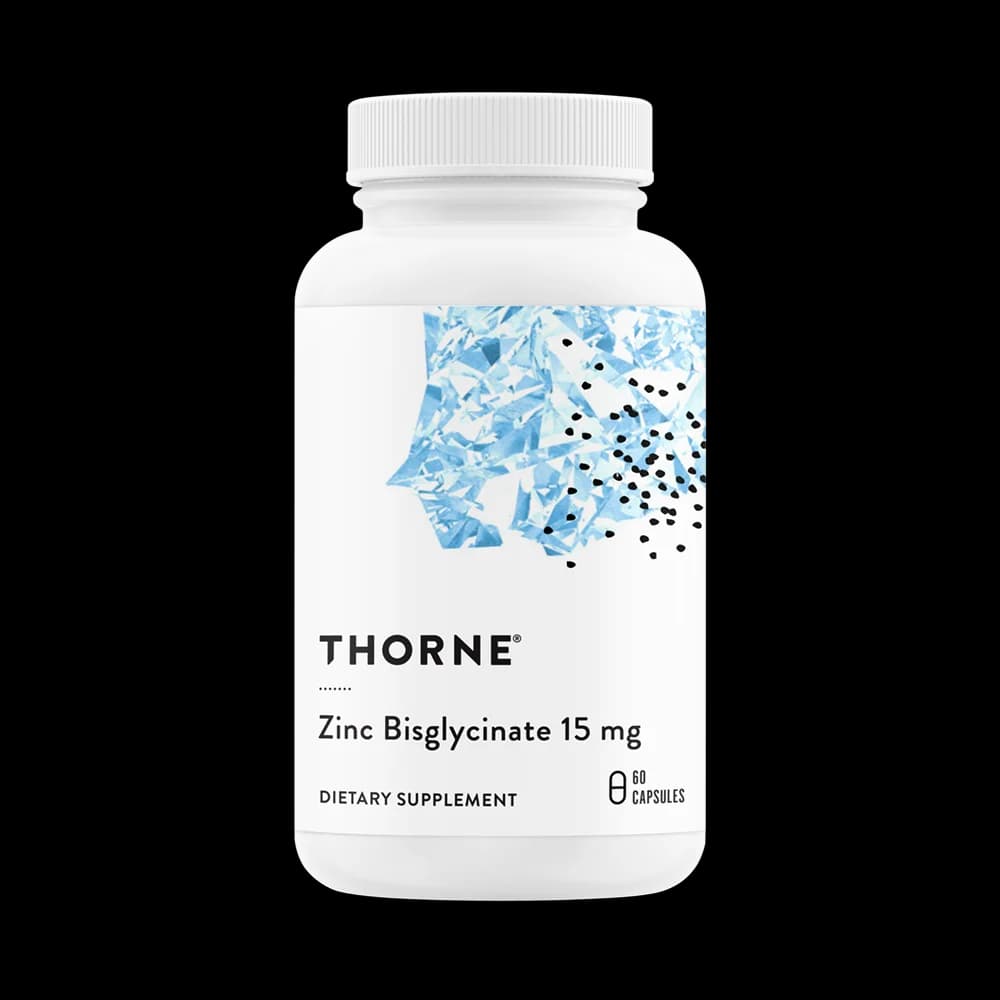
Thorne's Zinc Bisglycinate 15 mg offers a highly bioavailable, exceptionally well-tolerated option for restoring this critical trace mineral. By utilizing the TRAACS® Zinc Bisglycinate Chelate, it ensures that the zinc is absorbed intact through specialized amino acid channels, bypassing the gastrointestinal distress and poor absorption rates associated with standard zinc supplements. Whether you are looking to support T-cell activation, boost glutathione production to combat oxidative stress, accelerate connective tissue repair, or naturally restore healthy testosterone levels, this chelated form provides the targeted support your body needs without unnecessary fillers or contaminants.
As you consider adding zinc bisglycinate to your regimen, always prioritize safety and long-term balance. Remember the crucial 15:1 zinc-to-copper ratio to prevent mineral depletion, and be mindful of taking your supplement away from high-phytate foods or specific medications to maximize its efficacy. We strongly encourage you to discuss this, and any new supplement, with your healthcare provider to ensure it aligns safely with your individual health needs, current medications, and overall treatment plan. With patience, targeted nutritional support, and compassionate medical care, you can begin to rebuild your cellular resilience and improve your quality of life.