Can Zinc Picolinate Support Immune Recovery and Energy in Long COVID and ME/CFS?
March 5, 2026
Zinc PicolinateLong COVIDME/CFS
Share:
Disclaimer: The information provided here is for educational purposes only and is not intended as medical advice. It should not be used to diagnose, treat, cure, or prevent any medical condition. Instead, use it as a starting point for discussion with your healthcare provider. Always consult with a qualified healthcare provider before starting any new medication, supplement, device, or making changes to your health regimen.
Months or even years after an initial viral infection, many patients find themselves trapped in a bewildering maze of debilitating symptoms. The profound, unrefreshing fatigue, the unpredictable racing heart of dysautonomia, the sudden allergic flares of mast cell activation, and the thick cognitive fog can make daily life feel like an insurmountable mountain. If you are navigating the complex realities of Long COVID, myalgic encephalomyelitis/chronic fatigue syndrome (ME/CFS), mast cell activation syndrome (MCAS), or Postural Orthostatic Tachycardia Syndrome (POTS), you already know how frustrating it is to be told your lab results are "normal" when your body feels fundamentally broken. You are not alone, and your symptoms are not in your head—they are rooted in deep, microscopic physiological disruptions.
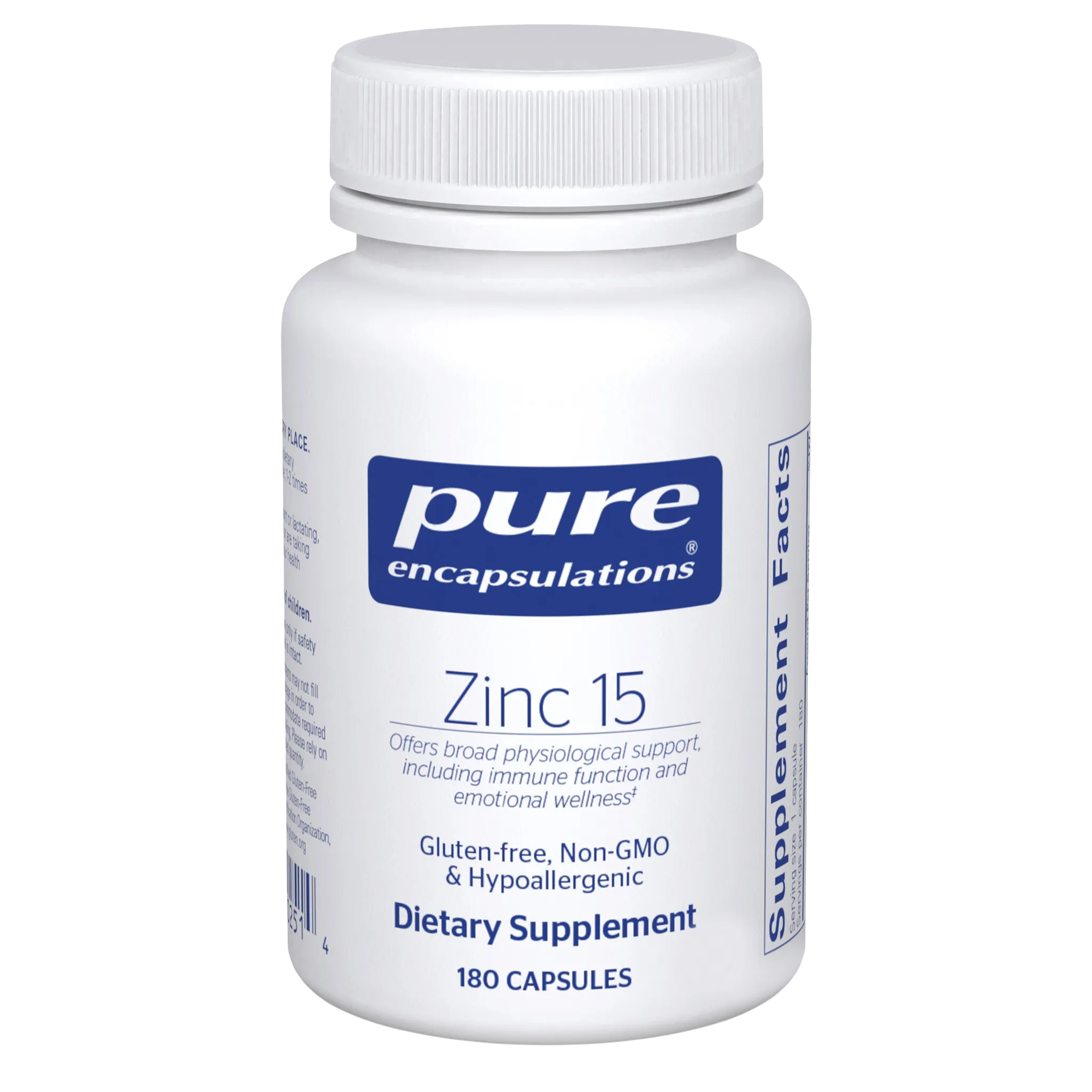
In the search for answers and stabilization, medical researchers are increasingly looking at the foundational building blocks of cellular health. One of the most critical, yet frequently overlooked, pieces of this complex puzzle is zinc. Far more than just a common cold remedy, zinc is a master regulator of immune function, metabolic energy production, and autonomic nervous system stability. However, chronic illness places massive metabolic demands on the body, rapidly depleting essential mineral stores and leaving patients in a state of profound deficiency. In this comprehensive guide, we will explore the science behind Zinc 15 by Pure Encapsulations, a highly bioavailable form of zinc picolinate. We will dive deep into how this essential mineral supports immune recovery, stabilizes hyperactive mast cells, and helps restore the broken cellular pathways driving Long COVID and ME/CFS.
TL;DR
Zinc picolinate is a highly absorbable supplement that supports cellular energy and immune function in chronic illness.
It may help manage Long COVID and ME/CFS symptoms by supporting tissue repair and metabolic pathways.
Zinc acts as a natural mast cell stabilizer, potentially reducing histamine intolerance and allergic flares.
Always take zinc with food and consult your doctor to balance it with copper and medications.
What is Zinc Picolinate?
The Essential Trace Mineral for Cellular Function
Zinc is an essential trace mineral, meaning the human body cannot synthesize it and must obtain it continuously through diet or supplementation. In a healthy body, zinc is far from a passive bystander; it is a highly active, fundamental structural and catalytic component that makes up approximately 10% of the entire human proteome. It acts as a necessary co-factor for over 300 distinct enzymatic reactions, governing everything from DNA synthesis and cellular division to immune defense and antioxidant protection. At the molecular level, zinc is required to stabilize the structure of proteins, forming what are known as "zinc fingers"—structural motifs that allow proteins to bind to DNA and regulate gene expression. Without adequate zinc, the body's ability to repair damaged tissues, mount an effective immune response, and produce cellular energy grinds to a halt.
Beyond its structural roles, zinc acts as a potent intracellular signaling molecule. Much like calcium, zinc ions function as secondary messengers within the cell, transmitting signals from the cell membrane to the nucleus to dictate cellular behavior. This signaling capacity is particularly crucial for the immune system, where zinc regulates the delicate balance between pro-inflammatory and anti-inflammatory responses. When a healthy body encounters a pathogen, intracellular zinc levels rapidly fluctuate to activate specific immune cells, such as T-lymphocytes and natural killer (NK) cells, ensuring a swift and targeted defense. Furthermore, zinc is a primary component of superoxide dismutase (Cu/Zn-SOD), one of the body's most powerful innate antioxidant enzymes, which neutralizes the harmful free radicals generated during immune battles and cellular metabolism.
The Power of Picolinic Acid Chelation
Not all zinc supplements are created equal, and the specific chemical form—or "chelate"—dictates how efficiently the mineral is absorbed in the gastrointestinal tract and utilized by your cells. Zinc 15 utilizes zinc picolinate, a formulation where elemental zinc is chemically bound to picolinic acid. Picolinic acid is a natural metabolite of the amino acid tryptophan and serves as a highly efficient transport molecule within the human body. By binding zinc to this specific organic acid, the mineral is essentially "smuggled" across the intestinal lining with remarkable ease, bypassing many of the common absorption barriers that plague cheaper, inorganic forms of zinc like zinc oxide or zinc sulfate.
The superiority of zinc picolinate is well-documented in clinical literature. In a benchmark double-blind crossover study, researchers compared the absorption of zinc picolinate, zinc citrate, and zinc gluconate in human subjects. The results demonstrated that only zinc picolinate led to a statistically significant increase in cellular and tissue zinc levels, successfully raising zinc concentrations in hair, urine, and red blood cells. This deep tissue retention is what makes zinc picolinate particularly valuable for individuals with chronic illnesses, who often suffer from gastrointestinal dysmotility or malabsorption issues that prevent standard supplements from reaching the bloodstream.
Zinc's Role in Carbohydrate Metabolism and Insulin Signaling
One of the most profound, yet under-discussed, functions of zinc is its role in carbohydrate metabolism and cellular energy production. Zinc exerts powerful "insulin-mimetic" (insulin-imitating) effects on the body, acting as a master regulator of how our cells absorb and utilize glucose. In the pancreas, a specific zinc transporter known as ZnT8 is heavily expressed in beta cells. Zinc is absolutely necessary for the structural synthesis, crystallization, and storage of insulin inside secretory vesicles prior to its release into the bloodstream. Without sufficient zinc, the pancreas cannot properly package or deploy insulin, leading to immediate dysregulation of blood sugar levels and systemic energy crashes.
At the cellular level, zinc is required to keep the insulin signaling cascade functioning smoothly. When insulin binds to a cell receptor, zinc ions directly activate the PI3K/Akt signaling pathway. This activation triggers the translocation of GLUT4 glucose transporters to the surfaces of skeletal muscle and fat cells, essentially "opening the doors" for glucose to enter the cell and be converted into adenosine triphosphate (ATP)—the currency of cellular energy. Furthermore, zinc protects insulin sensitivity by inhibiting protein tyrosine phosphatases (PTPs), enzymes that would otherwise turn off the insulin receptor. By maintaining this signaling pathway, zinc ensures that cells remain fed and energized, helping to prevent the profound muscular fatigue and weakness that occur when cells are starved of glucose.
How Complex Chronic Illness Impacts Zinc and Cellular Pathways
Viral Hijacking and the Depletion of Zinc Stores
To understand the complex pathophysiology of what causes Long COVID and ME/CFS, we must examine how severe viral infections manipulate host nutrition. During an acute viral infection, such as SARS-CoV-2, the body rapidly redistributes its zinc stores to fight the invading pathogen, leading to a massive drop in circulating serum zinc. This acute hypozincemia is a defense mechanism intended to starve the virus of the zinc it needs to replicate. However, viruses have evolved sophisticated counter-measures. Certain viruses trigger the host to upregulate metallothioneins—proteins that bind and sequester zinc inside the cell. By hijacking intracellular zinc distribution, the virus can inhibit cellular apoptosis (programmed cell death), effectively keeping the infected host cell alive to serve as a long-term viral factory.
This viral hijacking leads to a state of chronic, systemic zinc depletion that persists long after the acute infection has passed. Research shows that zinc deficiency is independently associated with worse COVID-19 outcomes and the subsequent development of Long COVID. Without adequate zinc, the adaptive immune system cannot mount the robust T-cell and B-cell responses required to fully clear the virus, leaving the host susceptible to chronic, low-grade viral persistence. This ongoing battle continuously drains the body's remaining zinc stores, creating a vicious cycle of immune exhaustion, systemic inflammation, and profound nutrient depletion that drives the debilitating symptoms of post-viral syndromes.
The Metabolic Trap and Insulin Resistance in ME/CFS
The profound, unrefreshing fatigue and post-exertional malaise (PEM) experienced by patients with ME/CFS and Long COVID are not simply extreme tiredness; they represent a fundamental failure of cellular energy production. Prominent researchers have proposed a "metabolic trap" theory to explain this phenomenon, suggesting that environmental triggers (like a virus) cause critical metabolic enzymes to become permanently stalled. Because zinc is an essential cofactor for hundreds of these enzymes—including phosphofructokinase and pyruvate kinase, which govern glycolysis—intracellular zinc dyshomeostasis perfectly aligns with this concept of a catastrophic metabolic bottleneck. When cells lack zinc, they cannot efficiently convert carbohydrates into ATP, leaving the patient trapped in a state of severe energy failure.
This metabolic crisis is further compounded by virus-induced insulin resistance. SARS-CoV-2 can directly infect pancreatic cells and actively impair the host's insulin/IGF-1 signaling pathways through a heightened immune interferon response. Because zinc is required for insulin receptors to function properly, the post-COVID zinc deficiency exacerbates this new-onset insulin resistance. Consequently, patients frequently present with elevated fasting glucose and high insulin resistance scores. With insulin signaling impaired, skeletal muscle and brain cells are literally starved of glucose. This cellular starvation, combined with the blunted glycolysis observed in the CD8+ T cells of ME/CFS patients, forms the biological foundation for the debilitating physical fatigue and cognitive dysfunction that define these conditions.
Carbonic Anhydrase Disruption in Dysautonomia and POTS
Dysautonomia, and specifically Postural Orthostatic Tachycardia Syndrome (POTS), frequently co-occurs with Long COVID and ME/CFS. While often viewed as a purely neurological or cardiovascular issue, emerging research links POTS to profound metabolic and respiratory abnormalities, specifically involving a zinc-dependent enzyme called carbonic anhydrase (CA). Carbonic anhydrase is abundantly found in red blood cells and the brain, and its primary job is to catalyze the rapid interconversion of carbon dioxide ($CO_2$) and water into carbonic acid and bicarbonate. This enzyme is the engine of "tissue respiration"—the cellular exchange of oxygen and $CO_2$. Under the physiological principle known as the Bohr Effect, hemoglobin requires sufficient levels of $CO_2$ (acidity) in the blood to "let go" of its oxygen and deliver it to the tissues.
In POTS and dysautonomia, this delicate balance is shattered. Research demonstrates that a vast majority of POTS patients suffer from chronic hypocapnia (low $CO_2$ levels in the blood), often driven by autonomic hyperventilation or breathing pattern disorders. Because zinc is the fundamental structural building block required to synthesize carbonic anhydrase, a systemic zinc deficiency severely impairs the body's ability to regulate these blood gases. With low $CO_2$ and impaired carbonic anhydrase function, the Bohr effect is blunted; hemoglobin holds onto oxygen too tightly, resulting in cerebral hypoperfusion (lack of oxygen to the brain). The autonomic nervous system panics in response to this brain starvation, severely spiking the heart rate upon standing in a desperate attempt to force more blood and oxygen upward—resulting in the hallmark tachycardia, dizziness, and brain fog of POTS.
Zinc Picolinate: Supporting Immune Function, Mast Cells, and Tissue Repair
Direct Antiviral Mechanisms and Immune Modulation
Supplementing with a highly bioavailable form like Zinc 15 offers a multi-faceted approach to restoring the broken cellular pathways in chronic illness. One of its most critical roles is as a direct antiviral agent and immune modulator. When successfully transported inside cells, intracellular zinc acts as a potent inhibitor of RNA-dependent RNA polymerase (RdRp)—the core enzyme that RNA viruses, including coronaviruses, use to replicate. By shutting down this replication machinery, zinc helps the immune system clear lingering viral reservoirs that may be driving autoimmunity and immune dysregulation in Long COVID. However, because zinc ions cannot easily cross the lipid cell membrane on their own, they often require the assistance of "zinc ionophores"—compounds like quercetin or EGCG that actively shuttle zinc into the cytoplasm where it can exert its antiviral effects.
Beyond direct viral inhibition, zinc is crucial for rebalancing a dysregulated immune system. In ME/CFS and Long COVID, patients often suffer from an imbalance between T-helper 1 (Th1) and Th2 cells, leading to a decrease in antiviral signaling and an increase in chronic, systemic inflammation. Zinc supplementation helps restore this Th1/Th2 balance, promoting the proper maturation and activation of T-lymphocytes and natural killer cells. By modulating the NF-κB signaling pathway, zinc helps prevent the excessive production of pro-inflammatory cytokines like IL-6 and TNF-alpha, effectively calming the "cytokine storms" that perpetuate systemic fatigue, muscle aches, and neuroinflammation.
Mast Cell Stabilization and Histamine Regulation
For patients battling mast cell activation syndrome (MCAS), zinc serves as a powerful, natural mast cell stabilizer and histamine modulator. Mast cells are immune cells that inappropriately release chemical mediators like histamine when triggered, causing severe allergic and inflammatory symptoms. For a mast cell to degranulate (break open and release histamine), calcium ions must rush into the cell. Zinc acts as a competitive antagonist to calcium at the cell membrane. By blocking this calcium uptake, physiological concentrations of zinc effectively help prevent the mast cell from degranulating, helping to halt the inflammatory cascade before it begins. Benchmark in vitro studies have demonstrated that preincubation of mast cells with zinc causes a dose-related inhibition of histamine and leukotriene release.
Furthermore, zinc is a vital co-factor for the production and function of Diamine Oxidase (DAO), the primary digestive enzyme responsible for breaking down extracellular histamine in the gut. Many patients with Long COVID and MCAS suffer from severe histamine intolerance because their bodies cannot produce enough DAO to clear dietary histamine. By providing the necessary zinc required to synthesize this enzyme, Zinc 15 helps restore the body's ability to degrade histamine, reducing the systemic burden that leads to hives, gastrointestinal distress, and neurological flares. This makes zinc a highly complementary intervention alongside other mast cell stabilizers like ketotifen or targeted antihistamines.
Restoring Tissue Respiration and Autonomic Balance
Addressing the autonomic dysfunction seen in POTS requires targeting the root metabolic and respiratory imbalances. By replenishing systemic zinc levels, Zinc 15 provides the raw materials necessary for the body to synthesize carbonic anhydrase. Restoring the function of this critical enzyme helps the body properly buffer carbon dioxide and bicarbonate levels in the blood. As carbonic anhydrase activity normalizes, the body can begin to correct the chronic hypocapnia (low $CO_2$) that plagues dysautonomia patients.
When $CO_2$ levels are properly regulated, the Bohr effect is restored, allowing hemoglobin to efficiently offload oxygen into the tissues and the brain. This improvement in cerebral tissue respiration directly addresses the cerebral hypoperfusion that triggers the exaggerated heart rate spikes in POTS. While zinc supplementation is just one piece of the dysautonomia puzzle—often utilized alongside electrolyte expansion, compression garments, and $CO_2$ breathwork—it is a foundational metabolic step required to ensure the autonomic nervous system has the biochemical tools it needs to regulate blood flow and oxygen delivery effectively.
Collagen Synthesis and Endothelial Repair
Chronic viral infections and systemic inflammation cause profound microscopic tissue damage, particularly to the endothelial lining of blood vessels and the epithelial barriers of the gut. Zinc is an absolute requirement for collagen synthesis, acting as a necessary co-factor for the enzymes involved in cross-linking collagen fibers. This cross-linking provides the structural strength and integrity needed to rebuild damaged blood vessels, mitigating the microangiopathy and vascular inflammation frequently observed in Long COVID. By supporting collagen formation, zinc helps restore the physical integrity of the cardiovascular system.
Additionally, zinc regulates a class of enzymes known as Matrix Metalloproteinases (MMPs). MMPs are zinc-dependent endopeptidases responsible for the turnover and degradation of extracellular matrix components. Severe COVID-19 causes a dysregulation of MMPs, leading to excessive breakdown of lung and vascular tissue. Restoring zinc homeostasis helps regulate MMP activity, stopping rampant tissue destruction and shifting the body back into a repair phase. In the gastrointestinal tract, this repair process is crucial for maintaining the "tight junctions" of the intestinal wall, helping to prevent the "leaky gut" permeability that allows inflammatory pathogens to enter the bloodstream and trigger ongoing immune responses.

Symptoms Zinc Picolinate May Help Manage
Targeted Relief for Multi-System Dysfunction
Because zinc is involved in hundreds of enzymatic pathways across the immune, metabolic, and autonomic nervous systems, targeted supplementation with Zinc 15 can help manage a wide array of complex symptoms associated with post-viral syndromes. While not a cure, restoring intracellular zinc levels addresses the root biochemical deficiencies driving these debilitating manifestations.
Here are the specific symptoms that highly bioavailable zinc picolinate may help manage:
Unrefreshing Fatigue and PEM: By supporting the PI3K/Akt insulin signaling pathway and providing the necessary co-factors for glycolytic enzymes, zinc helps restore cellular glucose uptake and ATP energy production, combating the profound metabolic exhaustion seen in ME/CFS and Long COVID.
Brain Fog and Cognitive Dysfunction: Zinc supports the synthesis of carbonic anhydrase, which regulates blood $CO_2$ levels and restores the Bohr effect. This improves oxygen offloading in the brain, alleviating the cerebral hypoperfusion that causes cognitive impairment and dizziness.
Histamine Intolerance and Allergic Flares: As a required co-factor for the Diamine Oxidase (DAO) enzyme and a competitive calcium channel antagonist, zinc helps stabilize hyperactive mast cells and improves the breakdown of dietary histamine, reducing MCAS-related hives, itching, and GI distress.
Loss of Taste and Smell (Dysgeusia/Anosmia): Zinc receptors in the submandibular gland regulate salivary secretion and olfactory nerve function. Replenishing zinc directly supports the neurological and sensory repair required to regain these senses after a viral infection.
Orthostatic Tachycardia (POTS Symptoms): By improving tissue respiration and oxygen delivery to the brain, zinc helps calm the autonomic nervous system's exaggerated sympathetic response to standing, potentially reducing the severity of heart rate spikes.
Frequent Infections and Immune Suppression: Zinc restores the critical balance between Th1 and Th2 immune cells and supports the maturation of natural killer (NK) cells, strengthening the body's innate defense against lingering viral reservoirs and secondary infections.
Gastrointestinal Permeability (Leaky Gut): Zinc is essential for collagen synthesis and the regulation of Matrix Metalloproteinases (MMPs), which are required to repair the epithelial tight junctions in the gut lining, reducing systemic inflammation triggered by intestinal permeability.
Practical Considerations: Forms, Dosing, and Absorption
Maximizing Bioavailability with Zinc Picolinate
When incorporating zinc into your management protocol, selecting the right form is paramount. As highlighted earlier, zinc picolinate is widely recognized in clinical literature as one of the most highly bioavailable forms of zinc on the market, particularly when measuring long-term cellular and tissue retention. This high absorption rate ensures that the 15 mg dose in Pure Encapsulations' Zinc 15 is effectively utilized by the body rather than passing unabsorbed through the digestive tract.
While zinc picolinate is the absorption favorite for deep tissue retention, it is highly potent. Because of this potency, taking it on an empty stomach can occasionally cause mild nausea or gastrointestinal upset in sensitive individuals. To mitigate this, it is strongly recommended to take zinc picolinate in the middle of a meal. If you have an exceptionally sensitive stomach or a history of severe gastritis, you might also consider alternating with zinc bisglycinate (a gentler chelate), though picolinate remains the gold standard for rapidly addressing systemic cellular deficiencies.
The Copper Paradox and Mineral Balance
A critical consideration when supplementing with zinc is its intricate relationship with copper. Zinc and copper compete for absorption in the small intestine. When you consume high doses of zinc over a prolonged period, it induces the production of metallothionein in the intestinal cells. This protein binds to copper and traps it in the gut, preventing it from entering the bloodstream and eventually causing it to be excreted. This phenomenon, known as the "copper paradox," means that long-term, high-dose zinc supplementation can inadvertently induce a severe secondary copper deficiency. Copper deficiency can lead to anemia, severe neurological issues, and ironically, an increase in mast cell proliferation and acute inflammation.
To maintain mineral homeostasis, medical guidelines advise not exceeding the Tolerable Upper Intake Level (UL) of 40 mg of elemental zinc per day without clinical supervision. The 15 mg dose in Zinc 15 is strategically formulated to provide robust immune and metabolic support while remaining well below this upper limit, minimizing the risk of copper depletion. However, if your healthcare provider recommends taking multiple doses of zinc daily for an extended period, they may also suggest monitoring your serum copper and ceruloplasmin levels, or adding a trace mineral supplement to maintain a healthy zinc-to-copper ratio (typically around 15:1).
Timing, Food Interactions, and Contraindications
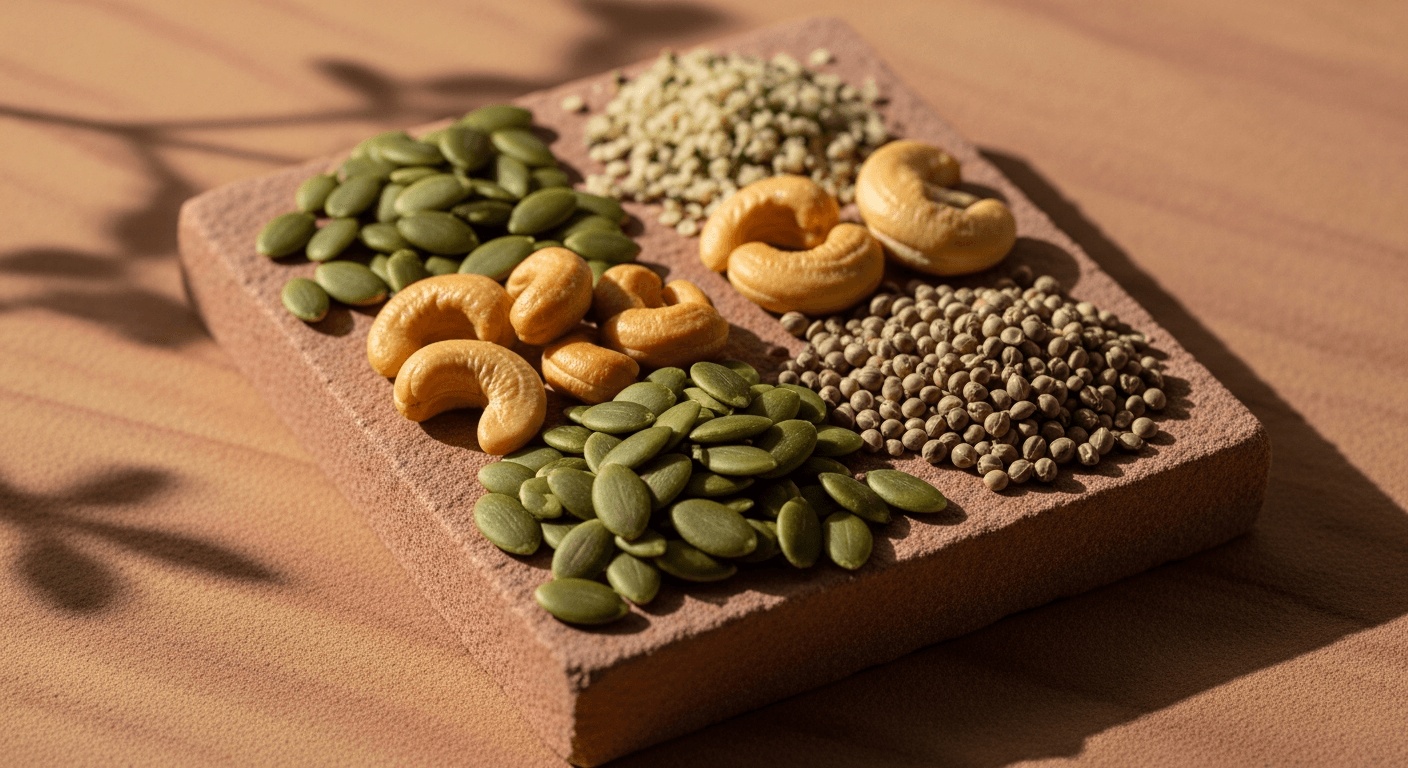
The timing of your zinc supplementation can significantly impact its efficacy and your safety. Zinc should generally be taken with food to prevent nausea, but be mindful of dietary interactions. Foods high in phytates (such as whole grains, legumes, and seeds) can bind to zinc in the digestive tract and inhibit its absorption. Similarly, high doses of calcium or iron supplements taken at the exact same time can compete with zinc for absorption pathways. For optimal results, take your zinc supplement with a balanced meal that contains some protein, which naturally enhances zinc uptake.
Crucially, zinc has significant interactions with several prescription medications. Zinc can bind to certain classes of antibiotics, specifically quinolones (e.g., Ciprofloxacin) and tetracyclines (e.g., Doxycycline), in the stomach, forming an insoluble complex that prevents both the zinc and the antibiotic from being absorbed. If you are prescribed these antibiotics, you must separate your zinc dose by at least 2 hours before or 4 to 6 hours after taking the medication. Additionally, zinc can reduce the absorption of penicillamine (used for rheumatoid arthritis) and can be depleted by long-term use of thiazide diuretics. Always consult with your prescribing physician or pharmacist to ensure zinc is safe to combine with your current medication regimen.
Follow the Science
Landmark Studies on Tissue Retention
The clinical superiority of zinc picolinate is anchored in rigorous comparative absorption studies. The most frequently cited benchmark trial, conducted by Barrie et al. (1987) and published in Agents and Actions, evaluated the efficacy of different zinc chelates in 15 healthy human volunteers. The subjects were given 50 mg of elemental zinc per day for 4-week periods in the form of zinc picolinate, zinc citrate, zinc gluconate, and a placebo. The results were definitive: at the end of the 4 weeks, only zinc picolinate led to a statistically significant increase in cellular and tissue zinc levels, specifically raising concentrations in hair, urine, and erythrocytes (red blood cells). Zinc citrate and gluconate showed no significant changes compared to the placebo, cementing picolinate's role as the premier form for deep cellular retention.
Clinical Evidence in Post-Viral Fatigue
The relevance of zinc in managing post-viral syndromes like ME/CFS and Long COVID is supported by growing clinical evidence. Foundational research by Maes et al. demonstrated that patients with ME/CFS have significantly lower serum zinc levels compared to healthy controls, and this hypozincemia correlates directly with immune dysfunctions and heightened oxidative stress. Similarly, recent clinical trials evaluating nutraceutical formulations for Long COVID have included zinc picolinate as a core ingredient, noting significant attenuation of multi-systemic symptoms, including fatigue and brain fog, within just a few weeks of targeted supplementation.
Mast Cell and Immunological Research
In the realm of immunology and mast cell activation, zinc's role as a cellular stabilizer is well-documented. A critical in vitro study by Marone et al. (1986) investigated the effects of zinc on human basophils and lung mast cells. The researchers discovered that physiological concentrations of zinc act as a competitive antagonist of calcium, causing a dose-related inhibition of histamine and leukotriene release. Interestingly, subsequent research published in Res Commun Chem Pathol Pharmacol highlighted a crucial caveat: zinc's stabilizing effects are non-linear. While moderate concentrations strongly depress histamine release, excessive, toxic concentrations can actually trigger mast cell degranulation. This underscores the importance of utilizing a moderate, highly absorbable dose like the 15 mg found in Zinc 15, rather than mega-dosing, to safely maintain mast cell homeostasis.
The Path Forward
A Foundational Piece of the Recovery Puzzle
Living with complex, invisible illnesses like Long COVID, ME/CFS, dysautonomia, and MCAS is an exhausting daily battle. It is entirely valid to feel overwhelmed by the sheer number of symptoms and the lack of straightforward medical answers. While no single supplement is a miracle cure for these deeply entrenched conditions, restoring foundational cellular health is a critical step toward reclaiming your quality of life. By addressing the root biochemical deficiencies—replenishing the zinc required for immune defense, mast cell stabilization, and cellular energy production—you provide your body with the essential tools it needs to shift from a state of chronic alarm back into a state of repair. Zinc picolinate serves as a vital piece of a comprehensive management strategy, working synergistically alongside pacing, symptom tracking, autonomic rehabilitation, and targeted medical care.
Next Steps for Your Health Journey
As you navigate your recovery, it is crucial to work with a healthcare provider who understands the nuances of post-viral syndromes and complex chronic illness. They can help you determine the optimal dosing strategy, monitor your mineral balance, and ensure that zinc supplementation safely complements your broader treatment plan. If you are ready to support your immune system, enhance your cellular energy, and stabilize your metabolic pathways with a highly bioavailable, clinically backed formulation, consider integrating Zinc 15 into your daily routine.