Can XanthOmega™ Krill Oil Support Energy and Vascular Health in Long COVID and Dysautonomia?
March 6, 2026
XanthOmega Krill OilLong COVIDDysautonomia
Share:
Disclaimer: The information provided here is for educational purposes only and is not intended as medical advice. It should not be used to diagnose, treat, cure, or prevent any medical condition. Instead, use it as a starting point for discussion with your healthcare provider. Always consult with a qualified healthcare provider before starting any new medication, supplement, device, or making changes to your health regimen.
Months or even years after a viral infection, many individuals find themselves battling a complex web of debilitating symptoms—crushing fatigue, brain fog, and a racing heart upon standing. If you are living with Long COVID, myalgic encephalomyelitis/chronic fatigue syndrome (ME/CFS), or dysautonomia, you already know that these conditions are far more than just "being tired." They represent a profound disruption of the body's most fundamental systems, from how cells generate energy to how blood vessels regulate blood flow. Navigating this reality can be incredibly frustrating, especially when standard laboratory tests often come back "normal" and clear medical answers remain elusive. It is a validating truth that your symptoms are rooted in real, measurable physiological dysfunction, not in your head.
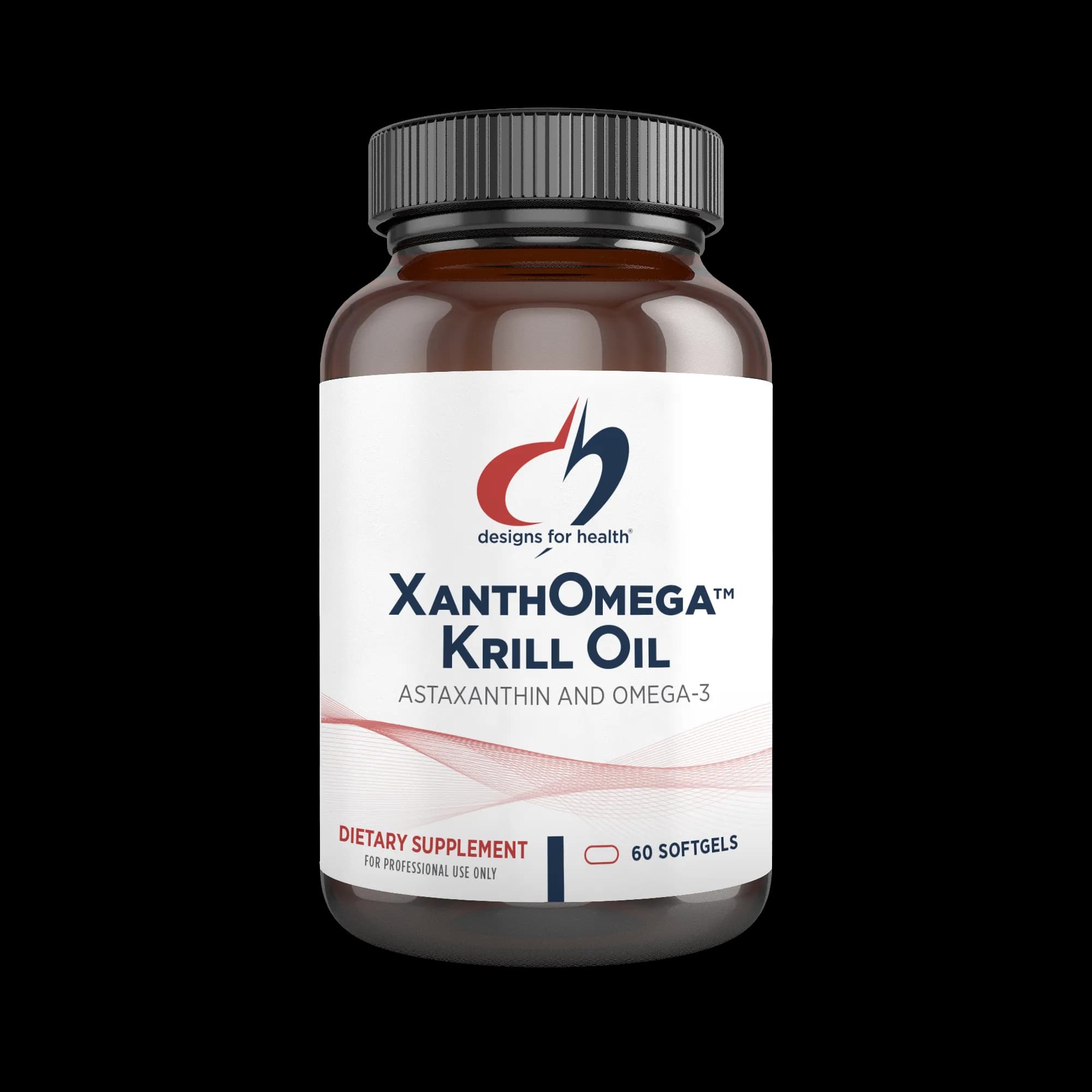
However, emerging research is shedding light on the underlying mechanisms driving these illnesses, pointing heavily toward chronic oxidative stress, widespread neuroinflammation, and endothelial dysfunction. As our understanding of these complex chronic conditions deepens, targeted nutritional interventions are becoming a crucial part of comprehensive management strategies. One such intervention is XanthOmega™ Krill Oil, a unique formulation that combines highly bioavailable, phospholipid-bound omega-3 fatty acids with a exceptionally potent 12 mg dose of astaxanthin. By addressing cellular damage at the molecular level, this powerful combination offers a promising avenue for supporting mitochondrial function, calming systemic inflammation, and promoting vascular health.
TL;DR
XanthOmega™ Krill Oil combines phospholipid-bound omega-3s and astaxanthin to support cellular and vascular health.
Research suggests it may help manage fatigue, brain fog, and dysautonomia symptoms in chronic conditions.
Its phospholipid delivery system enhances absorption, making it easier to digest than standard fish oil.
What is XanthOmega™ Krill Oil?
The Power of Phospholipid-Bound Omega-3s
XanthOmega™ Krill Oil is a specialized marine supplement derived from Euphausia superba, a species of Antarctic krill. At its core, it provides a rich source of the essential omega-3 fatty acids eicosapentaenoic acid (EPA) and docosahexaenoic acid (DHA). However, what sets krill oil apart from standard fish oil is its molecular structure. In traditional fish oil, EPA and DHA are predominantly bound to triglycerides or synthetic ethyl esters. To be absorbed by the human body, these triglyceride-bound fats must be heavily processed in the digestive tract, requiring pancreatic lipases and bile salts to break them down into free fatty acids before they can cross the intestinal wall. This multi-step enzymatic hydrolysis can be inefficient and often leads to gastrointestinal discomfort or the infamous "fishy burps."
In contrast, the omega-3s in XanthOmega™ Krill Oil are bound to a phospholipid backbone, primarily as phosphatidylcholine. Phospholipids are the exact same structural building blocks that make up the lipid bilayer of every human cell membrane. Because of this structural similarity, phospholipid-bound omega-3s are amphiphilic, meaning they can mix easily with both water and fats. This allows them to disperse rapidly in stomach fluids and bypass much of the complex enzymatic breakdown required by triglycerides. Clinical studies on krill oil bioavailability demonstrate that this phospholipid delivery system significantly enhances the absorption and cellular incorporation of EPA and DHA, delivering essential fatty acids directly to the tissues that need them most.
Astaxanthin: Nature's Most Potent Antioxidant
Beyond its omega-3 content, XanthOmega™ Krill Oil delivers a remarkable 12 mg of astaxanthin per serving. Astaxanthin is a naturally occurring, red-pigmented xanthophyll carotenoid synthesized primarily by the microalgae Haematococcus pluvialis as a survival mechanism against harsh environmental stress. When consumed by marine life like krill and wild salmon, it imparts their characteristic pinkish-red hue. In the realm of human nutrition, astaxanthin is widely recognized as one of the most potent natural antioxidants ever discovered, possessing a free-radical neutralizing capacity that is exponentially greater than that of vitamin C, vitamin E, or Coenzyme Q10.
What makes astaxanthin truly unique is its molecular geometry. Unlike many other antioxidants that float freely in the bloodstream or sit exclusively on the surface of cells, astaxanthin features polar ends (ion-rings) and a long, non-polar conjugated double-bond middle. This specific structure allows the molecule to achieve a "transmembrane alignment." It physically spans across biological cell membranes, anchoring its polar ends to the hydrophilic outer surfaces while its middle rests in the hydrophobic core. This allows astaxanthin to intercept reactive oxygen species (ROS) from both inside and outside the cell, providing unparalleled structural protection to delicate cellular membranes, particularly within the mitochondria and the central nervous system.
The Synergy of Krill Oil and Astaxanthin
The combination of phospholipid-bound omega-3s and high-dose astaxanthin in XanthOmega™ Krill Oil creates a profound synergistic effect. Omega-3 fatty acids, particularly DHA, are highly susceptible to lipid peroxidation—a process where free radicals attack and degrade the fragile double bonds of the fat molecules, rendering them rancid and biologically useless. Astaxanthin acts as a powerful natural preservative, neutralizing oxidative threats and protecting the EPA and DHA molecules both inside the supplement capsule and as they travel through the human bloodstream.
Furthermore, this combination ensures that the therapeutic compounds reach their intended targets. Because astaxanthin is highly fat-soluble, delivering it alongside the highly bioavailable phospholipid omega-3s of krill oil dramatically enhances its absorption in the digestive tract. Together, they form a comprehensive lipid-based therapeutic complex capable of crossing the blood-brain barrier, infiltrating the central nervous system, and embedding directly into the mitochondrial membranes where cellular energy is produced.
How Long COVID and Dysautonomia Impact the Body
Endothelial Dysfunction and Vascular Impairment
To understand why XanthOmega™ Krill Oil is so relevant to complex chronic illnesses, we must first examine how conditions like Long COVID and dysautonomia disrupt the body. A primary driver of symptoms in these conditions is endothelial dysfunction. The endothelium is the delicate, single-cell-thick inner lining of our blood vessels. In a healthy body, endothelial cells constantly release nitric oxide (NO), a signaling molecule that tells blood vessels to dilate or constrict, perfectly regulating blood pressure and ensuring adequate blood flow to the brain and organs. Learn more about What Causes Long COVID? and how viral infections trigger these systemic cascades.
In Long COVID, the SARS-CoV-2 virus directly attacks the ACE2 receptors located on these endothelial cells, causing severe vascular injury and inflammation. This damage impairs the endothelium's ability to produce nitric oxide. For patients with postural orthostatic tachycardia syndrome (POTS), a common form of dysautonomia, clinical studies on endothelial dysfunction have shown that blood vessels fail to constrict properly when the patient stands up. As a result, blood pools in the lower extremities, depriving the brain of oxygen. The autonomic nervous system panics, triggering a massive release of adrenaline that causes the heart to race uncontrollably in a desperate attempt to pump blood back upward.
Neuroinflammation and Microglial Activation
Another hallmark of Long COVID and ME/CFS is profound, unrelenting neuroinflammation. The brain is protected by the blood-brain barrier (BBB), a highly selective filter that prevents toxins and pathogens from entering the central nervous system. However, chronic systemic inflammation can degrade the integrity of the BBB, making it "leaky." When inflammatory cytokines and autoantibodies cross into the brain, they trigger the activation of microglia, the brain's resident immune cells. You can explore more about this process in our guide on Autoimmunity and Immune Dysregulation in Long COVID.
Once activated, microglia shift into a toxic, pro-inflammatory "M1 phenotype." They begin releasing a continuous stream of inflammatory chemicals, including interleukin-1 beta (IL-1β) and tumor necrosis factor-alpha (TNF-α). This localized brain inflammation disrupts neurotransmitter signaling, impairs neural connectivity, and slows down cognitive processing speed. For patients, this microscopic battle manifests as the debilitating, thick "brain fog," memory loss, and sensory overload that makes reading, working, or even holding a conversation feel impossibly difficult.
Mitochondrial Dysfunction and Oxidative Stress
At the very core of the severe fatigue and post-exertional malaise (PEM) seen in ME/CFS and Long COVID lies mitochondrial dysfunction. Mitochondria are the microscopic powerhouses inside our cells responsible for producing adenosine triphosphate (ATP), the chemical energy currency of the body. During the process of generating ATP via the electron transport chain (ETC), mitochondria naturally produce a small amount of reactive oxygen species (ROS), or free radicals. In a healthy state, the body's endogenous antioxidants easily neutralize these free radicals.
However, chronic viral infections and immune dysregulation trigger a massive overproduction of ROS, leading to severe oxidative stress. This oxidative storm damages the delicate inner membrane of the mitochondria, destroying the very enzymes needed to make ATP. The mitochondria become sluggish, fragmented, and unable to meet the body's energy demands. When a patient attempts even mild physical or cognitive exertion, their broken mitochondria cannot supply enough energy, leading to a catastrophic metabolic crash known as PEM. This is why pushing through the fatigue only makes the condition worse; the cellular engines are fundamentally damaged and leaking toxic free radicals.
XanthOmega™ Krill Oil: Supporting Cellular and Vascular Health
Healing the Endothelium with EPA and DHA
XanthOmega™ Krill Oil provides a targeted, dual-action approach to addressing these exact physiological breakdowns. First, the high-quality, phospholipid-bound EPA and DHA play a critical role in repairing endothelial dysfunction. When these omega-3 fatty acids incorporate into the endothelial cell membranes, they actively reduce vascular inflammation and improve the structural integrity of the blood vessels. This process is vital for patients struggling with dysautonomia and POTS, as a healthier endothelium is better equipped to regulate vascular tone.
At a molecular level, EPA and DHA serve as the direct precursors to a class of signaling molecules known as Specialized Pro-resolving Mediators (SPMs), which include resolvins, protectins, and maresins. Unlike basic anti-inflammatory drugs that merely block inflammation, SPMs actively "resolve" the inflammatory response, signaling the immune system to stand down and initiating tissue repair. Furthermore, omega-3s enhance the activity of endothelial nitric oxide synthase (eNOS), the enzyme responsible for producing nitric oxide. By restoring NO bioavailability, omega-3s help blood vessels respond appropriately to positional changes, reducing the severity of blood pooling and the subsequent tachycardic episodes characteristic of POTS.
Astaxanthin's Role in Mitochondrial Rescue
The 12 mg of astaxanthin in XanthOmega™ Krill Oil acts as a profound mitochondrial rescue agent. Because of its unique transmembrane alignment, astaxanthin embeds itself directly into the inner mitochondrial membrane, right alongside the electron transport chain. Here, it acts as an incredibly efficient electron donor, neutralizing the massive leakage of superoxide radicals before they can destroy the ATP-producing enzymes (Complexes I and II). By physically shielding the mitochondrial architecture, astaxanthin preserves the cell's ability to generate energy, helping to manage the metabolic exhaustion seen in ME/CFS and Long COVID.
Beyond direct free-radical scavenging, astaxanthin operates at the genomic level to reprogram the cell's antioxidant defenses. It activates the Nrf2/Keap1 signaling pathway. When astaxanthin enters the cell, it triggers the release of the Nrf2 transcription factor, which travels to the nucleus and commands the DNA to produce massive quantities of endogenous antioxidant enzymes, such as superoxide dismutase (SOD) and glutathione peroxidase. Simultaneously, astaxanthin activates the PGC-1α pathway, which stimulates mitochondrial biogenesis—the creation of fresh, healthy, new mitochondria to replace the damaged ones.
Quenching Neuroinflammation Across the Blood-Brain Barrier
Finally, the combination of phospholipid omega-3s and astaxanthin is uniquely equipped to address neuroinflammation. Because both compounds easily cross the blood-brain barrier, they can directly interact with the inflamed microglial cells in the central nervous system. Astaxanthin has been shown to inhibit the NF-κB inflammatory pathway, effectively shutting off the production of toxic cytokines like IL-1β and TNF-α. This helps force the microglia out of their destructive "M1 phenotype" and back into a resting, restorative state.
Meanwhile, the DHA from the krill oil is rapidly absorbed into the brain tissue, where it is used to repair the myelin sheaths (the protective coating around nerves) and support healthy synaptic transmission. By simultaneously reducing the inflammatory fire and providing the raw materials for neurological repair, XanthOmega™ Krill Oil offers comprehensive support for alleviating the cognitive impairment, sensory overload, and profound brain fog that plague patients with complex chronic illnesses.

Symptoms XanthOmega™ Krill Oil May Help Manage
By targeting oxidative stress, endothelial dysfunction, and neuroinflammation at the cellular level, the combination of phospholipid-bound omega-3s and high-dose astaxanthin in XanthOmega™ Krill Oil may help manage a variety of debilitating symptoms associated with complex chronic conditions:
Severe Fatigue and Post-Exertional Malaise (PEM): By protecting the mitochondrial electron transport chain and promoting the creation of new mitochondria, astaxanthin helps restore cellular ATP production, potentially raising the baseline energy threshold and reducing the severity of metabolic crashes after exertion.
Brain Fog and Cognitive Impairment: Because both astaxanthin and phospholipid DHA cross the blood-brain barrier, they directly suppress microglial activation and neuroinflammation, supporting clearer thinking, improved memory retrieval, and faster cognitive processing.
Tachycardia and Dizziness (POTS Symptoms): The EPA and DHA in krill oil help repair the endothelial lining and improve nitric oxide bioavailability. This supports healthier vascular tone and blood vessel constriction, which may reduce blood pooling in the legs and the subsequent racing heart rate upon standing.
Joint Pain and Systemic Inflammation: Omega-3 fatty acids serve as precursors to Specialized Pro-resolving Mediators (SPMs), which actively signal the immune system to halt chronic inflammatory responses, providing relief for widespread muscle aches and joint pain.
Exercise Intolerance and Muscle Weakness: Astaxanthin reduces lipid peroxidation in skeletal muscle tissue and prevents the rapid depletion of glycogen stores, helping to protect muscles from oxidative damage during mild physical activity.
Practical Considerations: Forms, Dosing, and Absorption
The Bioavailability Advantage of Phospholipids
When considering omega-3 supplementation, bioavailability is a crucial factor. XanthOmega™ Krill Oil is standardized to a minimum of 40% phospholipids, primarily in the form of phosphatidylcholine. This virgin krill oil formulation ensures that the EPA and DHA are delivered in a highly water-dispersible format. Because human cell membranes are also composed of phospholipids, the body recognizes and absorbs these molecules with remarkable efficiency. Clinical studies suggest that phospholipid-bound omega-3s achieve significantly greater biological incorporation into red blood cell membranes compared to standard triglyceride fish oils, meaning you can often achieve therapeutic blood levels with a lower overall milligram dose.
This amphiphilic (water-and-fat-loving) nature also provides a distinct practical advantage for patients with sensitive gastrointestinal tracts. Unlike standard fish oil, which floats on top of stomach fluids and requires heavy enzymatic breakdown—often leading to indigestion, nausea, and fishy burps—krill oil mixes immediately with gastric juices. This rapid dispersion makes XanthOmega™ Krill Oil exceptionally easy to digest and tolerate, even for individuals dealing with the gastrointestinal motility issues frequently seen in dysautonomia and Long COVID.
Optimal Dosing and Timing
The suggested use for XanthOmega™ Krill Oil is 2 softgels per day, which provides a total of 880 mg of krill oil, 352 mg of phospholipids, 105 mg of EPA, 48 mg of DHA, and a highly potent 12 mg of astaxanthin. Because astaxanthin and omega-3s are fat-soluble compounds, it is highly recommended to take these softgels alongside a meal that contains healthy fats (such as avocado, olive oil, or nuts) to maximize intestinal absorption.
When starting this supplement, it is important to maintain realistic expectations regarding the timeline for symptom improvement. While some patients may notice subtle improvements in cognitive clarity or energy within a few weeks, repairing cellular membranes, altering the omega-3 index in red blood cells, and downregulating systemic neuroinflammation is a slow biological process. Consistent daily supplementation for at least 8 to 12 weeks is typically required to fully evaluate the therapeutic benefits on vascular tone, mitochondrial energy output, and overall symptom burden.
Safety, Allergens, and Potential Interactions
While XanthOmega™ Krill Oil is generally well-tolerated, there are several critical safety considerations. Most importantly, this product contains krill, which is a crustacean. It is strictly contraindicated for anyone with a known shellfish allergy. If you have a history of anaphylaxis or severe allergic reactions to shellfish, you must avoid this supplement and seek algae-based omega-3 alternatives. Additionally, research on astaxanthin safety confirms that a 12 mg daily dose is highly safe for adults, though it may occasionally cause harmless, reddish discoloration of the stool due to the deep red pigment of the carotenoid.
Patients should also be aware of potential drug interactions. Both omega-3 fatty acids and astaxanthin can have mild blood-thinning (antithrombotic) properties and can naturally lower blood pressure. If you are currently taking prescription blood thinners (such as Warfarin or Plavix), NSAIDs, or antihypertensive medications for high blood pressure, combining them with XanthOmega™ Krill Oil could increase the risk of bruising or cause blood pressure to drop too low. Furthermore, astaxanthin may mildly inhibit the 5-alpha-reductase enzyme, which could interact with medications used for enlarged prostates or hair loss. Always consult your healthcare provider or a knowledgeable practitioner before adding high-dose krill oil to your regimen, especially if you are managing complex chronic conditions or taking multiple prescription medications.

Follow the Science
Omega-3s and Autonomic Regulation
The scientific understanding of how marine lipids influence the autonomic nervous system is rapidly expanding. For decades, POTS and dysautonomia were viewed purely as neurological anomalies. However, landmark studies, such as the 2021 research published in Hypertension, have confirmed that POTS is characterized by profound endothelial dysfunction, with patients showing significantly lower flow-mediated dilation compared to healthy controls. This vascular impairment is exactly what omega-3 fatty acids target.
Clinical trials evaluating omega-3 supplementation in dysautonomia patients have yielded highly promising results. Studies measuring Heart Rate Variability (HRV)—a key biomarker of autonomic health—demonstrate that daily supplementation with EPA and DHA significantly improves vagal modulation of the heart. By boosting parasympathetic ("rest and digest") activity, omega-3s act as a natural buffer against the hyper-sympathetic ("fight-or-flight") overdrive that triggers the racing heart rates and adrenaline dumps experienced by POTS patients.
Astaxanthin for Fatigue and Long COVID
Astaxanthin is increasingly being recognized as targeted nutritional support for the profound fatigue associated with post-viral syndromes. A pivotal randomized, double-blind, placebo-controlled study published in Nutrients evaluated the anti-fatigue effects of astaxanthin on healthy volunteers subjected to intense mental and physical stress. The researchers found that the astaxanthin group showed a significantly improved recovery from mental fatigue and a marked suppression of systemic oxidative stress biomarkers compared to the placebo group.
In the context of Long COVID, the medical community is actively integrating astaxanthin into recovery protocols. The International Society for Orthomolecular Medicine (ISOM) recently published a comprehensive nutritional protocol for Long COVID that specifically advocates for high-dose astaxanthin (up to 48 mg daily in severe cases). The protocol highlights astaxanthin's unique ability to neutralize ROS-mediated cell death, protect lipid membranes from damage, and help mitigate the progression of multi-organ damage propagated by the viral cytokine storm.
Emerging Research on Viral Pathologies
Recent immunological research continues to uncover the deep connections between Long COVID and ME/CFS. A 2023 study published in Brain, Behavior, and Immunity - Health identified a pronounced CD8 T-cell dysfunction in patients with both conditions, noting that immune cells produced markedly fewer protective cytokines after stimulation. Furthermore, comprehensive reviews on the complexities of ME/CFS and Long COVID emphasize that these are post-stressor syndromes driven by chronic systemic inflammation, microglial activation, and mitochondrial energy defects.
Additionally, researchers are exploring how latent viral reactivations, such as Epstein-Barr virus (EBV) reactivation, contribute to the acquired immunodeficiency and chronic innate inflammation seen in these patient populations. By utilizing potent, mitochondria-targeted antioxidants like astaxanthin and endothelium-healing omega-3s, clinicians aim to break the cycle of oxidative stress and immune exhaustion, providing the cellular foundations necessary for long-term recovery. You can learn more about these overlapping mechanisms in our article, Can Long COVID Trigger ME/CFS? Unraveling the Connection.
The Path Forward
Living with the unpredictable and debilitating symptoms of Long COVID, ME/CFS, and dysautonomia is an immense daily challenge. The crushing fatigue, the cognitive fog, and the racing heart are not just frustrating—they are life-altering. It is crucial to remember that your experience is valid, and these symptoms are the result of profound, measurable physiological disruptions in your cellular energy production and vascular health. While the journey to recovery is rarely linear, understanding the molecular mechanisms behind your illness is a powerful first step toward reclaiming your health.
Supplements like XanthOmega™ Krill Oil are not miracle cures, but they represent a scientifically grounded tool for addressing the root causes of cellular dysfunction. By delivering highly bioavailable, phospholipid-bound omega-3s alongside a potent 12 mg dose of astaxanthin, this formulation provides targeted support for repairing the delicate endothelial lining, rescuing damaged mitochondria, and quenching neuroinflammation across the blood-brain barrier. When integrated into a comprehensive management strategy that includes aggressive pacing, nervous system regulation, and personalized medical care, targeted nutritional support can help raise your baseline energy and improve your quality of life. Always consult with your healthcare provider to ensure this supplement aligns with your specific medical needs and current treatment protocols.
Sources
Clinical studies on krill oil bioavailability and phospholipid absorption
Clinical studies on endothelial dysfunction and flow-mediated dilation in POTS
Anti-fatigue effects of astaxanthin in randomized clinical trials
International Society for Orthomolecular Medicine (ISOM) nutritional protocol for Long COVID
Research on astaxanthin safety and therapeutic dosing profiles
Identification of CD8 T-cell dysfunction associated with symptoms in ME/CFS and Long COVID
Towards a Better Understanding of the Complexities of ME/CFS and Long COVID
Epstein–Barr virus-acquired immunodeficiency in ME/CFS and long COVID