Can Whole Body Collagen® Support Connective Tissue and Joint Health in Long COVID and Dysautonomia?
March 6, 2026
Whole Body CollagenConnective TissueHypermobility
Share:
Disclaimer: The information provided here is for educational purposes only and is not intended as medical advice. It should not be used to diagnose, treat, cure, or prevent any medical condition. Instead, use it as a starting point for discussion with your healthcare provider. Always consult with a qualified healthcare provider before starting any new medication, supplement, device, or making changes to your health regimen.
For many individuals navigating the complex landscape of post-viral illnesses, the symptoms often extend far beyond simple fatigue. Patients frequently describe a profound, systemic unraveling—joints that suddenly ache or subluxate, blood pooling in their legs when they stand, and a deep, structural weakness that makes everyday tasks feel insurmountable. This constellation of symptoms is not a coincidence, nor is it merely a byproduct of being bedbound. Emerging clinical research is increasingly pointing toward a fundamental disruption in the body's structural foundation: the connective tissue matrix. When the very scaffolding that holds your blood vessels, joints, and organs together is compromised by viral inflammation or genetic predisposition, the downstream effects can manifest as severe dysautonomia, chronic pain, and debilitating exhaustion.
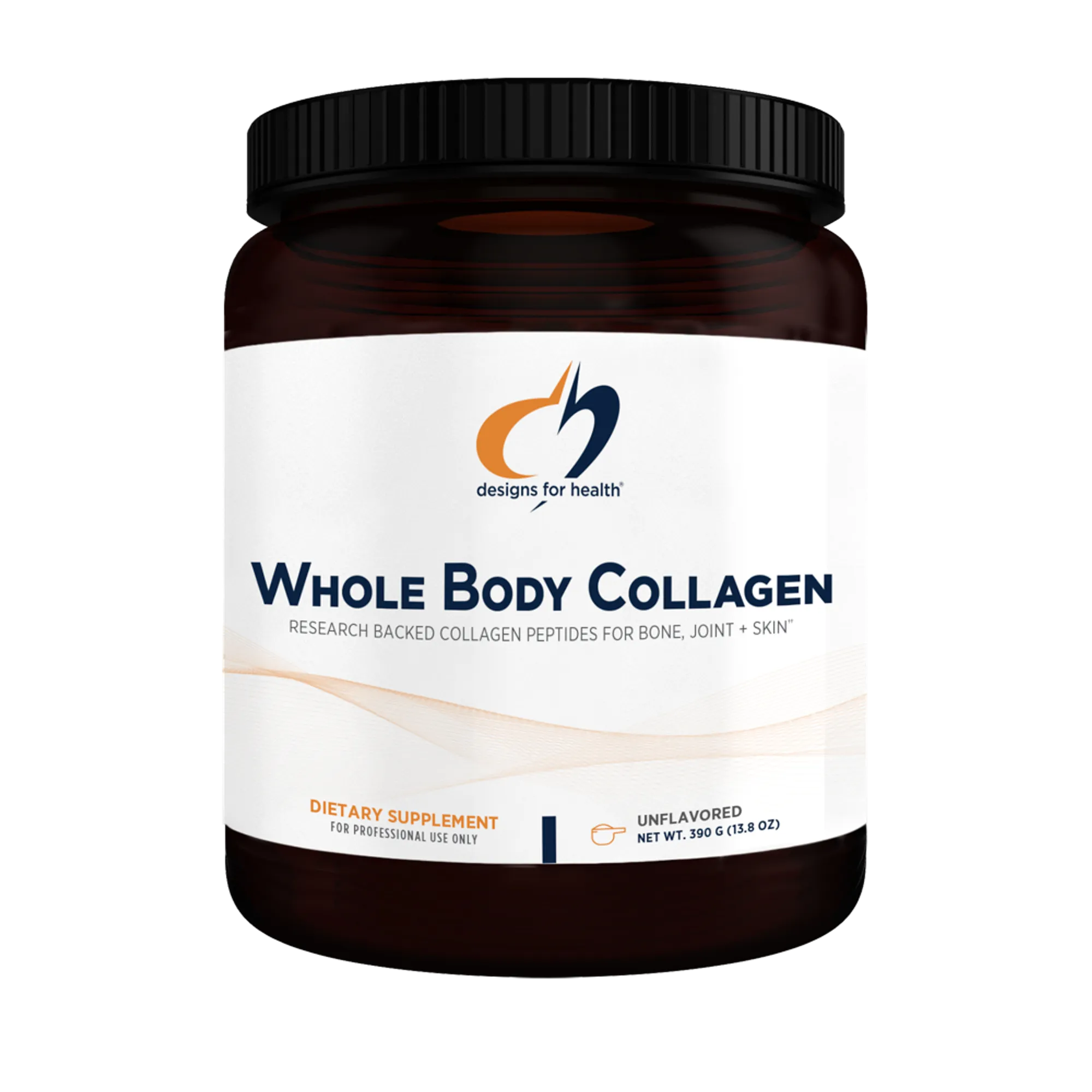
In the search for targeted nutritional support, generic protein powders often fall short of addressing these specific structural deficits. This is where specialized, clinically researched formulations like Whole Body Collagen® come into play. Unlike standard collagen supplements that are broken down randomly during digestion, Whole Body Collagen® features a highly specific blend of three patented Bioactive Collagen Peptides (BCPs)—FORTIGEL®, FORTIBONE®, and VERISOL®. These peptides are engineered to survive digestion and act as direct cellular messengers, targeting the specific tissues that require support. In this comprehensive guide, we will explore the intricate biochemistry of connective tissue, examine how chronic conditions like Long COVID and dysautonomia impact this vital system, and detail how the specific peptides in Whole Body Collagen® can support your body's structural integrity.
TL;DR
Whole Body Collagen® uses specific Bioactive Collagen Peptides to support connective tissue, joints, and skin.
Chronic illnesses like Long COVID and dysautonomia can severely compromise your body's collagen matrix.
Targeted peptides may help support structural repair, bone density, and joint comfort.
Clinical dosing and Vitamin C cofactors are essential for maximizing collagen synthesis and absorption.
What is Whole Body Collagen®?
Collagen is the most abundant protein in the human body, accounting for approximately 30% of our total protein mass. It serves as the primary structural component of the extracellular matrix (ECM), the intricate, three-dimensional network of macromolecules that provides structural and biochemical support to surrounding cells. You can think of the ECM as the biological scaffolding that holds your entire body together. It is composed of various types of collagen fibers, elastin, and proteoglycans, which work in concert to give tissues their tensile strength, elasticity, and resilience. Without a robust collagen network, our blood vessels would lose their ability to constrict, our joints would lack cushioning, and our bones would become brittle and prone to micro-fractures.
At the molecular level, collagen is a triple helix composed of three tightly wound polypeptide chains. These chains are rich in specific amino acids, primarily glycine, proline, and hydroxyproline, which are relatively scarce in the modern Western diet. In a healthy body, specialized cells—such as fibroblasts in the skin, chondrocytes in the cartilage, and osteoblasts in the bone—continuously synthesize new collagen to replace damaged or aging fibers. This continuous turnover is essential for maintaining the structural integrity of tissues subjected to daily mechanical stress. However, when the body is burdened by chronic illness, systemic inflammation, or simple aging, this delicate balance between collagen degradation and synthesis is disrupted, leading to a net loss of structural integrity.
Not all collagen supplements are created equal, and understanding the biochemistry of digestion is crucial for evaluating their efficacy. When you consume native, unhydrolyzed collagen—such as from bone broth or tough cuts of meat—your digestive enzymes break down the massive protein molecules into random, unpredictable amino acid fragments. While these fragments provide a source of dietary protein, they do not inherently trigger new collagen synthesis in the body. They are simply absorbed as generic building blocks, which the body may or may not use to rebuild connective tissue. This is a common limitation of many over-the-counter collagen products, which often fail to deliver targeted therapeutic benefits.
Whole Body Collagen® overcomes this limitation by utilizing Bioactive Collagen Peptides (BCPs). Through a highly controlled, patented enzymatic hydrolysis process, the raw collagen is cleaved into specific, precise peptide lengths with distinct molecular weights. This targeted sizing allows the peptides to survive the harsh environment of the gastrointestinal tract and cross intact through the intestinal wall into the bloodstream. Once in systemic circulation, these specific peptide chains are not just utilized as passive building blocks; they actively function as signaling molecules. They travel to specific target tissues and interact directly with the cellular machinery responsible for tissue regeneration.
The true innovation behind the ingredients in Whole Body Collagen® lies in their "lock and key" receptor signaling mechanism. The specific molecular weight of each patented peptide acts as a unique key that fits into specific cellular receptors. For example, FORTIGEL®, which has a mean molecular weight of approximately 3 kilodaltons (kDa), is uniquely recognized by the receptors on chondrocytes (cartilage cells). When these peptides bind to the chondrocytes, they trigger a false signal indicating that the extracellular matrix is actively breaking down. This biochemical "trick" stimulates the chondrocytes to dramatically ramp up their endogenous production of Type II collagen and proteoglycans, supporting the regeneration of the cartilage matrix.
Similarly, FORTIBONE® and VERISOL® are engineered to target different cell types. FORTIBONE® peptides interact with osteoblasts to stimulate bone matrix formation, while VERISOL® (at roughly 2.0 kDa) targets dermal fibroblasts to support skin elasticity from the inside out. This highly specific, receptor-mediated signaling is what differentiates clinically researched BCPs from generic protein powders. By delivering the exact peptide sequences required to activate specific cellular responses, Whole Body Collagen® provides a comprehensive, multi-tissue approach to structural support, addressing the diverse needs of patients managing complex, multi-systemic conditions.
How Chronic Illness Impacts Connective Tissue
In recent years, a profound paradigm shift has occurred in our understanding of infection-associated chronic illnesses. Historically, conditions like Long COVID, myalgic encephalomyelitis/chronic fatigue syndrome (ME/CFS), and postural orthostatic tachycardia syndrome (POTS) were viewed primarily as neurological or immune dysfunctions. However, emerging epidemiological data reveals a striking overlap between these conditions and underlying connective tissue disorders, such as hypermobile Ehlers-Danlos Syndrome (hEDS) and Hypermobility Spectrum Disorders (HSD). According to a landmark 2024 retrospective case-control study published in BMJ Public Health, individuals with generalized joint hypermobility have a significantly higher risk of developing Long COVID following a SARS-CoV-2 infection.
This overlap suggests that structural variations in collagen create a pre-existing vulnerability to severe post-viral illness. For individuals with hypermobility, the collagen matrix is inherently more lax and fragile. When a viral infection triggers a massive inflammatory response, the immune system releases matrix metalloproteinases (MMPs)—enzymes that actively degrade connective tissue. In a patient with an already vulnerable collagen framework, this virus-induced degradation can lead to widespread structural failure. This explains why many patients who previously considered themselves only "double-jointed" or mildly flexible suddenly develop severe, debilitating symptoms after a viral trigger, a phenomenon documented in recent neurological case series.
The connection between collagen degradation and dysautonomia, particularly POTS, is rooted in the structural mechanics of the cardiovascular system. Blood vessels rely on a robust collagen matrix to maintain their tone and elasticity. When a healthy person stands up, gravity pulls blood toward the lower extremities. The autonomic nervous system immediately signals the blood vessels to constrict, pushing blood back up to the brain and heart. However, in patients with compromised connective tissue—whether due to genetic hypermobility or post-viral collagen degradation—the blood vessels are overly stretchy and fail to constrict effectively. This leads to profound blood pooling in the legs and abdomen, a hallmark feature of POTS.
To compensate for this lack of venous return and the resulting drop in cerebral blood flow, the autonomic nervous system panics. It releases surges of adrenaline and norepinephrine, causing the heart rate to spike dramatically (tachycardia) in a desperate attempt to maintain blood pressure. This constant state of autonomic overdrive is exhausting and contributes heavily to the severe fatigue, brain fog, and palpitations experienced by dysautonomia patients. As noted in recent cardiovascular research on Long COVID cohorts, POTS is a functionally debilitating phenotype that drastically reduces physical capacity. Supporting the structural integrity of the vascular connective tissue is therefore a critical, yet often overlooked, component of managing dysautonomia.
The deterioration of connective tissue is further accelerated by the presence of mast cell activation syndrome (MCAS), a condition frequently comorbid with both hypermobility and Long COVID. Mast cells are immune sentinels that reside predominantly within connective tissues throughout the body. When the surrounding extracellular matrix is structurally abnormal or degrading, the mast cells housed within it become highly unstable and reactive. Upon exposure to a viral trigger, these mast cells degranulate inappropriately, releasing a flood of inflammatory mediators, including histamine, cytokines, and additional tissue-degrading enzymes.
This creates a vicious, self-perpetuating cycle of inflammation and structural breakdown. The mast cell mediators further degrade the collagen matrix, which in turn makes the mast cells even more unstable. This widespread connective tissue inflammation manifests clinically as deep, migratory joint pain, severe gastrointestinal dysmotility, and systemic allergic-like reactions. Managing this complex web of symptoms requires a multifaceted approach, and providing the body with the specific amino acid building blocks and signaling peptides necessary to repair the damaged extracellular matrix is a vital step in breaking the cycle of structural degradation. If you are struggling with these overlapping conditions, you can learn more about practical management strategies in our guide on How to Maintain Your Independence with Chronic Illness.
Whole Body Collagen®: Supporting Connective Tissue Repair
Whole Body Collagen® directly addresses the structural deficits seen in chronic illness by delivering a precise 12.5-gram blend of three distinct Bioactive Collagen Peptides. The first of these, FORTIGEL®, is specifically optimized to support joint health and mobility. Chronic systemic inflammation, common in Long COVID and ME/CFS, often leads to the accelerated breakdown of articular cartilage, resulting in severe, aching joint pain that exacerbates post-exertional malaise (PEM). FORTIGEL® peptides, with their specific 3 kDa molecular weight, bypass the general amino acid pool and target the chondrocytes directly.
Once bound to the chondrocyte receptors, FORTIGEL® stimulates the de novo (new) synthesis of both Type II collagen and proteoglycans, the two primary structural components that make up 90% of cartilage dry mass. This is a profound mechanistic advantage; rather than merely providing temporary analgesic relief or masking the pain, FORTIGEL® actively supports the regeneration of the cartilage matrix. By increasing the density of the proteoglycan network, it helps restore the shock-absorbing capacity of the joints, reducing friction and inflammation. This structural repair is critical for patients who experience severe joint subluxations or pain simply from performing basic activities of daily living.
The second key component of Whole Body Collagen® is FORTIBONE®, a peptide sequence engineered to target bone metabolism. For individuals living with severe chronic illness, prolonged periods of bed rest or vastly reduced physical activity are often unavoidable due to debilitating fatigue and orthostatic intolerance. Unfortunately, this lack of mechanical loading on the skeleton rapidly accelerates bone resorption, increasing the risk of osteopenia and osteoporosis. Bone tissue is highly dynamic and relies on a delicate balance between osteoblasts (cells that build bone) and osteoclasts (cells that break down bone).
FORTIBONE® intervenes in this process by directly stimulating osteoblast activity. The peptides signal these cells to increase the production of the collagenous bone matrix, which serves as the essential, flexible framework upon which calcium and other minerals are deposited. Simultaneously, FORTIBONE® has been shown to downregulate the activity of osteoclasts, which may help slow the rate of bone degradation. This dual-action mechanism results in a net anabolic (building) effect, promoting increased bone mineral density and structural stability. For patients unable to engage in traditional weight-bearing exercises to protect their bones, targeted nutritional support with FORTIBONE® offers a vital protective strategy.
The third peptide in the formulation, VERISOL®, focuses on the health and integrity of the dermal extracellular matrix. While skin health may seem like a purely aesthetic concern, it is a profound indicator of systemic connective tissue integrity. Patients with dysautonomia and hypermobility frequently experience skin fragility, easy bruising, poor wound healing, and a loss of skin elasticity due to underlying collagen defects. VERISOL® peptides, which are exceptionally small (roughly 2.0 kDa), are able to penetrate deep into the dermal layer via the bloodstream, a feat impossible for topical collagen creams.
Upon reaching the dermis, VERISOL® targets the fibroblasts, unlocking their cellular machinery to stimulate the endogenous production of Type I collagen, elastin, and hyaluronic acid. This internal biosynthesis helps support the structural network of the skin, improving its tensile strength, hydration, and elasticity. Furthermore, by bolstering the extracellular matrix throughout the body, VERISOL® contributes to the overall stability of the connective tissue network. This comprehensive, three-pronged approach ensures that Whole Body Collagen® provides targeted support to the joints, bones, and skin, addressing the widespread structural vulnerabilities inherent in complex chronic conditions.

Symptoms Whole Body Collagen® May Help Manage
Deep, Migratory Joint Pain: By utilizing FORTIGEL® to stimulate chondrocytes, the supplement helps regenerate the cartilage matrix and increase proteoglycan density, helping to reduce the friction and structural degradation that drives chronic joint discomfort.
Blood Pooling and Vascular Laxity (POTS Symptoms): While not a direct management strategy for dysautonomia, supporting the body's overall collagen synthesis provides the essential building blocks needed to maintain the structural integrity and elasticity of blood vessels, potentially aiding in better venous return.
Decreased Bone Mineral Density from Inactivity: For patients who are bedbound or severely limited in their physical activity, FORTIBONE® stimulates osteoblast activity to promote bone formation and reduce bone breakdown, helping to support bone density during prolonged rest.
Skin Fragility and Easy Bruising: VERISOL® targets dermal fibroblasts to increase the endogenous production of Type I collagen and elastin, improving the skin's structural resilience, elasticity, and hydration from the inside out.
Slow Wound Healing: By providing a highly bioavailable source of the specific amino acids (glycine, proline, hydroxyproline) required for tissue repair, the supplement supports the body's natural healing processes following injury or minor trauma.
Frequent Joint Subluxations (in Hypermobility): Strengthening the extracellular matrix and supporting the connective tissue structures around the joints may help provide better mechanical stability for individuals with hypermobility spectrum disorders.
Practical Considerations: Forms, Dosing, and Absorption
When incorporating a specialized supplement like Whole Body Collagen® into your routine, understanding the clinical dosing parameters is essential for achieving therapeutic outcomes. The formulation provides a total of 12.5 grams of Bioactive Collagen Peptides per serving. This specific dosage is not arbitrary; it is carefully calibrated to match the exact amounts used in the successful clinical trials for each patented peptide. Specifically, the clinical threshold for FORTIGEL® to stimulate cartilage regeneration is 5 grams per day, the threshold for FORTIBONE® to impact bone mineral density is also 5 grams per day, and VERISOL® requires 2.5 grams per day to effectively target dermal fibroblasts.
By combining these exact clinical doses into a single 12.5-gram scoop, Whole Body Collagen® ensures that you are receiving the scientifically validated amount necessary to trigger the "lock and key" receptor signaling in all three target tissues simultaneously. Taking lower doses of generic collagen often fails to reach the systemic concentration required to initiate this cellular response. It is recommended to mix one scoop (approximately 13 grams of powder) with 8 ounces of water or your preferred beverage daily. For optimal mixing and to prevent clumping, it is best to add the powder to your glass prior to adding the liquid.
The bioavailability of a supplement refers to the proportion of the active ingredient that successfully enters systemic circulation and is available to exert its biological effect. Because Whole Body Collagen® utilizes highly refined, enzymatically hydrolyzed peptides, its bioavailability is exceptionally high compared to native collagen sources. The specific molecular weights of the peptides (ranging from 2.0 to 3.0 kDa) allow them to resist further breakdown by gastric acids and pancreatic enzymes. Instead, they are rapidly absorbed across the intestinal mucosal barrier, often appearing in the bloodstream within hours of ingestion.
This rapid and efficient absorption is particularly beneficial for patients with chronic illnesses, who frequently suffer from concurrent gastrointestinal issues, such as delayed gastric emptying or malabsorption associated with dysautonomia and MCAS. Because the BCPs are pre-digested into easily assimilated peptide chains, they place minimal burden on the digestive system. The supplement is unflavored and highly soluble, making it easy to incorporate into smoothies, shakes, or even warm beverages without altering the taste or texture, ensuring consistent daily compliance.
While Whole Body Collagen® provides the essential peptide signals and amino acid building blocks for tissue repair, the actual synthesis of new collagen within the body requires specific nutritional cofactors. The most critical of these is Vitamin C. Vitamin C acts as an essential cofactor for the enzymes prolyl hydroxylase and lysyl hydroxylase, which are responsible for stabilizing the collagen triple helix structure. Without adequate Vitamin C, the body cannot cross-link the collagen fibers effectively, resulting in weak, structurally compromised tissue.
Patients managing complex chronic conditions often have depleted antioxidant reserves due to high levels of oxidative stress and systemic inflammation. Therefore, to maximize the efficacy of Whole Body Collagen®, it is highly recommended to consume it alongside a source of Vitamin C, whether through diet or a complementary supplement. Additionally, ensuring adequate hydration and maintaining a balanced intake of trace minerals like zinc and copper will further support the enzymatic pathways involved in extracellular matrix remodeling. Navigating these dietary strategies can be challenging during symptom flares, so consider reviewing our 5 Tips for Surviving the Holidays with a Chronic Illness for practical advice on maintaining your nutritional protocols during stressful periods.

Follow the Science
The efficacy of the specific Bioactive Collagen Peptides found in Whole Body Collagen® is supported by a robust body of peer-reviewed clinical research. One of the most significant studies validating the mechanism of FORTIGEL® was conducted at Tufts Medical Center and Harvard University (McAlindon et al., 2011). This 24-week, randomized, placebo-controlled trial utilized advanced Magnetic Resonance Imaging (MRI) to track cartilage regeneration in human subjects. The researchers found that participants taking 5 grams of FORTIGEL® daily exhibited a statistically significant increase in proteoglycan density in the knee cartilage compared to the placebo group, providing objective, visual proof that the peptides support structural repair and may help slow degeneration.
Further supporting these findings, a 2021 study from the University of Freiburg (Zdzieblik et al.) evaluated 180 physically active adults experiencing activity-related knee discomfort. Over a 12-week period, the cohort receiving 5 grams of FORTIGEL® daily reported a statistically significant, clinically relevant reduction in functional joint pain during activities such as walking and climbing stairs. These results underscore the practical, quality-of-life benefits of targeted chondrocyte stimulation, demonstrating that structural regeneration translates directly to improved mobility and decreased pain.
The impact of FORTIBONE® on skeletal health has been similarly well-documented. A landmark 12-month, double-blind, randomized, placebo-controlled trial (König et al., 2018) investigated the effects of FORTIBONE® on 180 postmenopausal women with reduced bone mass (osteopenia or osteoporosis). The study revealed that daily supplementation with 5 grams of FORTIBONE® resulted in a statistically significant increase in bone mineral density—specifically a 5% to 7% increase in the spine and femoral neck. In stark contrast, the placebo group continued to experience progressive bone loss over the same period.
A subsequent long-term, 4-year follow-up study tracked these participants and confirmed the sustained efficacy of the peptides. Women who continued taking FORTIBONE® saw an overall 5.79% increase in spine bone density, and notably, those who switched from the placebo to the active supplement experienced an impressive 8.16% increase. These findings are particularly relevant for chronic illness patients who are unable to perform weight-bearing exercises, offering a scientifically validated method for protecting skeletal integrity during prolonged periods of inactivity.
The aesthetic and structural benefits of VERISOL® have been extensively studied in the realm of dermatology. A pivotal double-blind, placebo-controlled study (Proksch et al., 2014) involving over 100 women demonstrated that just 2.5 grams of VERISOL® daily for 4 to 8 weeks led to a statistically significant increase in skin elasticity and a reduction in eye wrinkle depth by up to 21%. Crucially, the researchers noted a massive 65% increase in pro-collagen type I concentration in the dermal layer, suggesting the peptide's ability to support endogenous fibroblast activity.
Beyond skin elasticity, VERISOL® has also shown remarkable benefits for other connective tissue structures. A 24-week observational study (Hexsel et al., 2017) on women with brittle nails found that daily supplementation increased nail growth rates by 12% and decreased the frequency of broken or split nails by 42%. These diverse clinical outcomes across different tissue types highlight the profound, systemic impact of providing the body with the precise peptide signals required to rebuild and maintain its extracellular matrix.
The Path Forward
Living with conditions like Long COVID, ME/CFS, dysautonomia, and hypermobility is an incredibly complex and often isolating experience. When your symptoms range from severe orthostatic intolerance and brain fog to unpredictable joint pain and skin fragility, it can feel as though your entire body is working against you. It is vital to understand that these symptoms are not in your head, nor are they disconnected. The emerging scientific consensus clearly validates that a compromised connective tissue matrix is a profound, physiological driver of these overlapping conditions. Acknowledging this structural vulnerability is the first step toward implementing a more targeted and effective management strategy.
While there are no quick fixes for post-viral illness or genetic hypermobility, addressing the foundational health of your extracellular matrix can be a powerful tool for improving your quality of life. By providing your body with the specific, clinically researched signaling peptides found in Whole Body Collagen®, you are actively supporting the cellular machinery responsible for supporting your joints, protecting your bone density, and maintaining the structural integrity of your vascular system. This proactive approach to structural support can help mitigate the vicious cycles of inflammation and degradation that so often characterize these chronic conditions.
It is important to remember that nutritional supplementation is just one piece of a comprehensive, multidisciplinary management plan. Whole Body Collagen® should be utilized alongside other essential strategies, such as strict energy pacing to avoid post-exertional malaise, adequate hydration and sodium intake for dysautonomia management, and targeted mast cell stabilization protocols. Always consult with your healthcare provider before introducing any new supplement into your regimen, especially if you are managing complex, multi-systemic illnesses or taking prescription medications. Together, you can determine the most effective approach for your unique biological needs.