Can Whey Protein Isolate Support Muscle Recovery in Long COVID and ME/CFS?
March 6, 2026
Whey Protein IsolateLong COVIDME/CFS
Share:
Disclaimer: The information provided here is for educational purposes only and is not intended as medical advice. It should not be used to diagnose, treat, cure, or prevent any medical condition. Instead, use it as a starting point for discussion with your healthcare provider. Always consult with a qualified healthcare provider before starting any new medication, supplement, device, or making changes to your health regimen.
Months or even years after a viral infection, many individuals living with complex chronic conditions find themselves battling a profound and unexpected symptom: severe muscle weakness and physical deconditioning. For patients navigating Long COVID, myalgic encephalomyelitis/chronic fatigue syndrome (ME/CFS), and dysautonomia, the loss of muscle mass is not simply the result of prolonged bed rest or a lack of willpower. It is a complex, biologically driven process rooted in cellular metabolic failure, systemic inflammation, and mitochondrial dysfunction. When your body is trapped in a perpetual state of immune activation, it begins to cannibalize its own muscle tissue to harvest the raw materials needed for survival, leaving you feeling physically depleted and struggling to perform basic daily tasks.
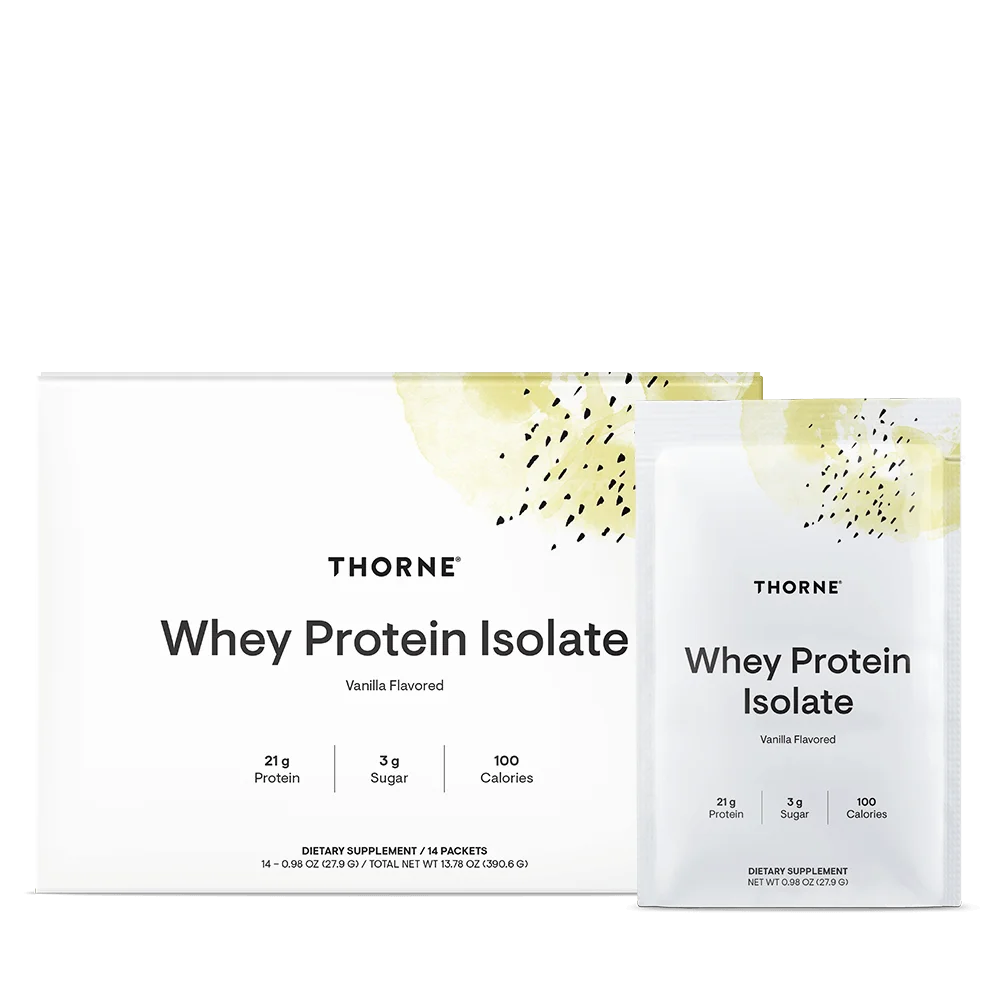
In the search for validating, science-backed strategies to rebuild strength and stabilize the body, targeted nutritional support has emerged as a critical tool. Whey protein isolate, particularly formulations enriched with specific amino acids and digestive enzymes, offers a highly bioavailable source of the exact building blocks required to halt muscle breakdown and stimulate cellular repair. By understanding the intricate biochemical pathways that govern muscle synthesis—and how chronic illness disrupts them—patients and practitioners can utilize high-quality protein supplementation as a foundational component of a comprehensive recovery strategy.
What is Whey Protein Isolate?
The Building Blocks of Cellular Repair
To understand the therapeutic potential of whey protein isolate (WPI), we must first examine its role in the healthy human body at a molecular level. Proteins are large, complex molecules composed of long chains of amino acids, which serve as the fundamental structural and functional components of every cell. When we consume dietary protein, our digestive system breaks these large molecules down into individual amino acids and small peptides. These microscopic building blocks are then absorbed into the bloodstream and transported to tissues throughout the body, where they are reassembled into new proteins to repair damaged muscle fibers, synthesize vital enzymes, and support immune function. Whey protein, derived from the liquid portion of milk that separates during cheese production, is considered one of the most biologically valuable protein sources available because it contains a complete profile of all nine essential amino acids—those that the human body cannot synthesize on its own and must obtain through diet.
Among the various forms of protein, whey is uniquely characterized by its rapid digestion kinetics and exceptionally high concentration of branched-chain amino acids (BCAAs). The three BCAAs—leucine, isoleucine, and valine—are metabolized directly within skeletal muscle tissue rather than the liver, allowing them to be utilized immediately for energy production and structural repair. This rapid influx of amino acids creates a swift and robust spike in blood plasma amino acid concentrations, providing the cellular machinery with an abundant supply of the raw materials necessary to initiate and sustain muscle protein synthesis (MPS). For individuals experiencing chronic physical depletion, this fast-acting nutrient delivery system is crucial for shifting the body out of a catabolic (tissue-breakdown) state and into an anabolic (tissue-building) state.
The Power of Leucine and the mTOR Pathway
The true metabolic powerhouse within whey protein is the amino acid leucine. Leucine is not merely a passive building block; it acts as an active, dynamic signaling molecule and nutrient sensor within the cell. When intracellular leucine levels rise following the ingestion of whey protein, leucine interacts with specific proteins called Rag GTPases. These proteins act as molecular switches that recruit and activate a central cellular command center known as the mechanistic target of rapamycin (mTOR), specifically the mTOR complex 1 (mTORC1). The mTOR pathway is the master regulator of cell growth, proliferation, and protein synthesis in the human body. It constantly monitors the cellular environment, assessing whether there are sufficient nutrients, oxygen, and energy available to safely build new tissue.
Once leucine successfully triggers the activation of mTORC1, a cascade of complex biochemical events unfolds. Activated mTORC1 phosphorylates (adds a phosphate group to) two critical downstream targets: the 70-kDa ribosomal protein S6 kinase (p70S6K) and the eukaryotic initiation factor 4E-binding protein 1 (4E-BP1). The phosphorylation of these specific targets directly drives the assembly of ribosomes—the cellular factories that manufacture proteins—and initiates the translation of messenger RNA (mRNA) into new muscle proteins. Research indicates that a specific threshold of leucine—approximately 2.2 to 3 grams per serving—is required to fully "flip the switch" on the mTOR pathway and maximize muscle protein synthesis. High-quality whey protein isolate naturally provides this optimal dose of leucine, making it a highly efficient trigger for cellular repair.
The Filtration Advantage: Isolate vs. Concentrate
Not all whey protein supplements are created equal, and the manufacturing process significantly impacts their clinical utility, especially for individuals with sensitive immune systems or gastrointestinal dysfunction. Whey protein concentrate (WPC) is the most common and least processed form, typically containing between 70% and 80% protein by weight, with the remaining percentage consisting of lactose (milk sugar), fats, and various immunoglobulins. While WPC is suitable for many healthy individuals, the residual lactose and dairy fats can provoke severe digestive distress, bloating, and systemic inflammation in patients with compromised gut barriers or specific food intolerances.
In contrast, whey protein isolate undergoes a rigorous, advanced microfiltration or ion-exchange process that systematically strips away almost all of the naturally occurring fats and carbohydrates. The resulting product yields a protein concentration of 90% or higher, delivering a remarkably pure, highly bioavailable source of essential amino acids. This extensive filtration process removes virtually all of the lactose, making WPI generally well-tolerated even by those with diagnosed lactose intolerance. Furthermore, by eliminating the fat content, WPI digests and enters the bloodstream even faster than concentrate, ensuring that the critical leucine trigger reaches the muscle tissue with maximum speed and efficiency. For patients managing complex chronic illnesses, this purity and rapid absorption are essential for minimizing digestive burden while maximizing therapeutic benefit.
How Long COVID and ME/CFS Impact Muscle Health
Hyper-Catabolism and the Cytokine Storm
To comprehend why muscle wasting is such a prevalent and debilitating feature of post-viral syndromes, we must explore What Causes Long COVID and ME/CFS at the cellular level. During an acute viral infection, such as SARS-CoV-2, the immune system launches a massive defensive response, releasing a flood of inflammatory signaling proteins known as cytokines (including TNF-α, IL-6, and IFN-γ). In a healthy recovery, this "cytokine storm" eventually subsides. However, in many patients who develop Long COVID or ME/CFS, the immune system remains locked in a state of chronic, low-grade hyper-activation. This persistent systemic inflammation fundamentally alters the body's metabolic priorities. The immune system requires immense amounts of energy and specific amino acids (particularly glutamine) to sustain its prolonged fight. To meet this demand, the body shifts into a hyper-catabolic state, actively breaking down its own skeletal muscle tissue to harvest the necessary amino acids, leading to rapid and profound muscle wasting (sarcopenia).
This catabolic shift is further exacerbated by the inflammatory suppression of the mTOR pathway. The constant presence of inflammatory cytokines acts as a biological brake on mTORC1, actively preventing the body from initiating muscle protein synthesis even when dietary protein is consumed. Consequently, patients find themselves trapped in a vicious cycle: their hyperactive immune system continuously dismantles muscle tissue for fuel, while systemic inflammation blocks the cellular machinery required to rebuild it. This explains why individuals with these conditions often experience severe physical deconditioning that cannot be reversed simply by trying to eat more or exercise harder. The underlying metabolic environment is fundamentally hostile to muscle preservation.
Mitochondrial Dysfunction and Post-Exertional Malaise (PEM)
The degradation of muscle health in these conditions is intimately linked to the dysfunction of mitochondria, the microscopic powerhouses responsible for generating adenosine triphosphate (ATP), the primary energy currency of the cell. Groundbreaking in vitro research on skeletal muscle tissues exposed to Long COVID and ME/CFS sera has revealed startling structural and metabolic abnormalities. When healthy muscle cells are exposed to the blood serum of these patients, they exhibit severe disturbances in calcium homeostasis and a forced shift away from efficient oxidative phosphorylation toward inefficient glycolysis. Over time, the mitochondria in these muscle cells physically deform, fragmenting into a toroidal (donut-like) conformation that signifies a progression from compensatory adaptation to total metabolic collapse.
This mitochondrial failure is the physiological bedrock of post-exertional malaise (PEM), a hallmark symptom of ME/CFS and Long COVID where symptoms dramatically worsen following minor physical or cognitive exertion. During an episode of PEM, the dysfunctional mitochondria cannot produce enough ATP to meet the demands of the exertion. Starved of energy, the muscle cells suffer acute, severe tissue damage and an accumulation of amyloid-containing deposits. Research indicates that early overexertion can prolong and worsen Long COVID symptoms precisely because pushing through this mitochondrial failure forces the body to aggressively break down even more muscle tissue to survive the energy deficit, leading to prolonged crashes and further physical deterioration.
The Role of Soluble IL-2 Receptor in Muscle Fatigue
Recent clinical investigations have identified specific biomarkers that bridge the gap between immune dysregulation and muscle fatigue. A pivotal study examining post-COVID patients with persistent fatigue discovered that these individuals exhibit dramatically elevated serum levels of the soluble interleukin-2 receptor (sIL-2R), sometimes up to five log-folds higher than healthy controls. This elevation is not merely a marker of inflammation; it directly mediates mitochondrial dysfunction within the skeletal muscle. The researchers demonstrated that physiologic doses of sIL-2R actively reduce basal and maximal ATP-linked respiration in muscle cells and specifically lower the activity of complex III in the mitochondrial electron transport chain.
Furthermore, these patients demonstrated approximately 30% lower mitochondrial oxygen consumption, primarily driven by defects in complex I of the electron transport chain, alongside reduced activities of critical enzymes like citrate synthase and cytochrome c oxidase. This profound impairment in the muscle's ability to utilize oxygen and generate energy explains the severe reduction in exercise capacity and the pervasive, heavy sensation of muscle fatigue that plagues individuals with Long COVID and ME/CFS. The muscle tissue is structurally present, but its internal power grid has been systematically dismantled by the chronic immune response, making targeted nutritional intervention absolutely critical for cellular rehabilitation.
Whey Protein Isolate: Supporting Muscle Synthesis and Recovery
Reigniting the mTOR Pathway for Muscle Protein Synthesis
In the face of the profound metabolic and mitochondrial disruptions characteristic of complex chronic illnesses, whey protein isolate serves as a highly targeted, therapeutic intervention designed to override the body's catabolic signaling. By delivering a concentrated, rapidly absorbed dose of the essential amino acid leucine, WPI acts as a potent pharmacological trigger to forcibly reignite the suppressed mTOR pathway. When a patient consumes a high-quality WPI supplement containing at least 2.2 grams of leucine, the resulting rapid spike in intracellular leucine concentrations is often sufficient to overcome the inhibitory effects of chronic inflammatory cytokines. This forces the mTORC1 complex to translocate to the lysosomal surface, activate downstream targets like p70S6K, and initiate the translation of new muscle proteins.
This process of actively stimulating muscle protein synthesis (MPS) is essential for arresting the vicious cycle of muscle wasting. By providing an abundant, immediate pool of all nine essential amino acids alongside the leucine trigger, WPI ensures that the cellular machinery has both the signal to build and the raw materials required to execute the construction. This is particularly vital during the delicate recovery phases following a PEM crash, where the body is desperately seeking amino acids to repair acute, exertion-induced muscle tissue damage. Regular, paced supplementation with WPI can help stabilize lean muscle mass, gradually improving the patient's baseline physical resilience and reducing the severity of subsequent deconditioning.
Glutathione Production and Antioxidant Defense
Beyond its role in structural muscle repair, whey protein isolate plays a critical, often overlooked role in modulating systemic oxidative stress and neuroinflammation. The profound mitochondrial dysfunction seen in Long COVID and ME/CFS generates massive amounts of reactive oxygen species (ROS)—unstable molecules that damage cellular membranes, proteins, and DNA. To neutralize these destructive free radicals, the body relies heavily on its master endogenous antioxidant: glutathione. However, the chronic oxidative burden in these post-viral conditions rapidly depletes the body's glutathione reserves, leaving tissues vulnerable to ongoing inflammatory damage, which frequently manifests neurologically as severe cognitive impairment or "brain fog."
Glutathione is a tripeptide synthesized in the body from three amino acids: glutamate, glycine, and cysteine. Of these, cysteine is the rate-limiting precursor, meaning the body can only produce as much glutathione as its available cysteine supply allows. High-quality whey protein isolate is exceptionally rich in highly bioavailable, disulfide-bonded cysteine residues (such as glutamylcysteine). By supplementing with WPI, patients provide their cells with the exact molecular precursors required to upregulate intracellular glutathione synthesis. Cysteine-rich whey protein isolates may support improvements in antioxidant capacity, potentially correlating with reductions in muscle fatigue and enhancements in cognitive domains such as sustained attention and memory in post-COVID populations.
Gut Barrier Repair and Immune Support
The therapeutic benefits of whey protein isolate also extend to the gastrointestinal tract, which is frequently compromised in complex chronic conditions. The gut lining is a highly active, rapidly regenerating tissue that requires immense amounts of energy and structural proteins to maintain its integrity. In Long COVID, persistent viral reservoirs or ongoing immune dysregulation can damage the intestinal epithelial barrier, leading to increased intestinal permeability (often referred to as "leaky gut"). This allows endotoxins and undigested food particles to enter the bloodstream, further fueling systemic inflammation and potentially triggering mast cell activation syndrome (MCAS).
Whey protein is an abundant source of glutamine, a conditionally essential amino acid that serves as the primary metabolic fuel for enterocytes (the cells lining the intestines) and rapidly dividing immune cells. By supplying high levels of bioavailable glutamine and other essential amino acids, WPI provides the necessary resources to repair the mucosal barrier, restore tight junction integrity, and support the proliferation of healthy immune cells. Furthermore, whey protein naturally contains bioactive peptides and immunoglobulins (even in the highly filtered isolate form) that exhibit direct antimicrobial and immunomodulatory properties, helping to stabilize the gut microbiome and reduce the overall inflammatory burden originating from the digestive tract.

Symptoms Whey Protein May Help Manage
Targeted Symptom Relief Through Amino Acid Repletion
Because complex chronic illnesses disrupt fundamental metabolic pathways at the cellular level, the symptoms experienced by patients are often systemic, widespread, and deeply interconnected. Supplementing with a high-quality, easily digestible source of essential amino acids like whey protein isolate does not merely target one specific organ; it provides foundational support that can alleviate a diverse array of debilitating symptoms. By stabilizing the body's amino acid pool, reducing catabolic stress, and supporting neurotransmitter and antioxidant production, WPI can be a powerful tool for improving daily quality of life.
It is important to remember that while nutritional support is critical, symptoms in conditions like Long COVID and ME/CFS naturally fluctuate. Understanding Do Long COVID Symptoms Come and Go? is essential for setting realistic expectations. Supplementation is designed to raise your baseline resilience and reduce the severity of crashes over time, rather than providing an immediate, permanent cure for fluctuating symptoms.
Key Symptoms Addressed by Whey Protein Isolate
Based on the physiological mechanisms of essential amino acids, leucine, and targeted digestive enzymes, whey protein isolate may help manage the following specific symptoms:
Severe Muscle Wasting (Sarcopenia): By delivering a concentrated dose of leucine to activate the mTOR pathway, WPI directly stimulates muscle protein synthesis, helping to halt the hyper-catabolic breakdown of skeletal muscle tissue and preserve lean body mass.
Prolonged Post-Exertional Malaise (PEM) Recovery: Following a crash, the body requires massive amounts of amino acids to repair acute, exertion-induced muscle damage. The rapid absorption kinetics of WPI provide immediate structural building blocks to accelerate cellular repair and shorten recovery windows.
Cognitive Impairment ("Brain Fog"): WPI is rich in cysteine, the rate-limiting precursor for glutathione. By boosting this master antioxidant, WPI helps neutralize the neuroinflammation and oxidative stress in the brain that drive severe cognitive fatigue and memory issues.
Blood Sugar Instability and Dysautonomia Spikes: High-protein intake helps stabilize blood glucose levels, preventing the rapid spikes and crashes that can trigger severe autonomic nervous system dysregulation, tachycardia, and adrenaline surges in patients with POTS and dysautonomia.
Gastrointestinal Distress and Permeability: The high glutamine content in WPI serves as the primary fuel for intestinal cells, supporting the repair of the mucosal barrier, reducing intestinal permeability ("leaky gut"), and soothing chronic gut inflammation.
Persistent Immune Exhaustion: Essential amino acids are mandatory for the production of immune cells and antibodies. WPI provides the necessary nutritional foundation to support a balanced, regulated immune response without further depleting the body's reserves.
Practical Considerations: Forms, Dosing, and Absorption
The Role of Bromelain and Papain in Digestion
Even the highest quality protein is only beneficial if the body can effectively digest and assimilate it. Many patients with complex chronic illnesses suffer from hypochlorhydria (low stomach acid) or exocrine pancreatic insufficiency, making it incredibly difficult to break down dense macronutrients. To combat this, advanced whey protein formulations often include bromelain and papain, powerful plant-based proteolytic enzymes derived from pineapple and papaya, respectively. These cysteine proteases act as highly efficient biological scissors, cleaving the complex peptide bonds of the whey protein into smaller, highly bioavailable dipeptides, tripeptides, and free amino acids. This enzymatic pre-digestion significantly reduces the workload on the gastrointestinal tract, preventing large, undigested protein molecules from reaching the lower intestine where they could trigger bloating, gas, or immune reactivity.
Fascinatingly, the benefits of these enzymes extend beyond the gut. Pharmacokinetic studies demonstrate that approximately 40% of functionally intact bromelain and a smaller percentage of papain can be absorbed directly across the intestinal wall into systemic circulation. Once in the bloodstream, these enzymes bind to specific transport proteins (like alpha-2-macroglobulin) and exhibit profound systemic anti-inflammatory and immunomodulatory effects. They actively degrade circulating immune complexes (CICs) and reduce systemic inflammatory markers like C-reactive protein (CRP). By combining whey protein isolate with bromelain and papain, patients receive both optimized amino acid assimilation and a targeted reduction in systemic inflammatory burden.
Navigating Dysautonomia and POTS Triggers
For patients managing dysautonomia, particularly Postural Orthostatic Tachycardia Syndrome (POTS), the timing and method of protein consumption require careful consideration. Digestion is an incredibly energy-intensive process that requires massive amounts of blood to be diverted to the splanchnic (abdominal) vascular bed. If a POTS patient rapidly consumes a large, dense liquid meal like a heavy protein shake, this sudden pooling of blood in the abdomen can cause a precipitous drop in blood volume elsewhere in the body. To compensate for this drop and maintain blood pressure to the brain, the autonomic nervous system triggers a massive release of adrenaline, resulting in severe postprandial tachycardia (a racing heart rate) and exacerbating dysautonomia symptoms.
To mitigate this physiological response, pacing your nutritional intake is just as important as pacing your physical activity. Dietitians specializing in dysautonomia strongly recommend against chugging large protein shakes on an empty stomach. Instead, patients should mix their whey protein isolate with a preferred beverage and sip it slowly over the course of 60 to 90 minutes. This slow, steady introduction of amino acids prevents the sudden, massive diversion of blood flow to the gut, allowing the body to absorb the nutrients without triggering an autonomic crisis. Additionally, because WPI is already highly filtered and rapidly absorbed, it inherently requires less digestive effort than heavy, solid protein meals, making it an excellent tool for stabilizing blood sugar and supporting vascular tone when consumed correctly.
The Importance of NSF Certified for Sport for MCAS
For individuals navigating Mast Cell Activation Syndrome (MCAS) or severe histamine intolerance, selecting a safe supplement is a complex challenge. Mast cells are highly sensitive immune sentinels that can inappropriately degranulate (release histamine and other inflammatory mediators) in response to trace environmental toxins, heavy metals, artificial sweeteners, gums, and hidden "proprietary blend" ingredients commonly found in commercial protein powders. Furthermore, while intact whey protein isolate is generally considered low-histamine, heavily hydrolyzed whey proteins may trigger mast cell degranulation in sensitive individuals, making product selection critical.
This is where the NSF Certified for Sport® designation becomes invaluable for the chronic illness community. While originally designed to ensure elite athletes do not consume banned performance-enhancing substances, this rigorous third-party certification guarantees absolute purity and label transparency. An NSF Certified product has been exhaustively tested to ensure it contains exactly what is on the label, with no hidden contaminants, unsafe levels of heavy metals, microbes, or mold. For an MCAS patient, this certification dramatically reduces the risk of triggering an unprovoked flare from an undisclosed additive. When choosing a WPI, highly sensitive individuals should look for unflavored, NSF Certified options to ensure they are receiving pure, intact amino acids without the chemical burden that destabilizes hyper-reactive mast cells.

Follow the Science
Clinical Trials on Amino Acids and Post-Viral Fatigue
The utilization of targeted protein and amino acid supplementation for post-viral recovery is supported by a growing body of robust clinical evidence. As researchers seek to understand How Long Does Long COVID Last?, they are simultaneously investigating interventions to accelerate the healing timeline. A highly cited multi-modal nutritional trial evaluated recovering COVID-19 patients who were administered a targeted oral nutritional supplement consisting of 20 grams of whey protein, 2.8 grams of leucine, vitamin D, and calcium, twice daily for up to 8 weeks. The results demonstrated that this specific combination of whey protein and high-dose leucine yielded highly significant improvements in skeletal muscle mass, overall physical function, and accelerated hospital discharge rates compared to the control group, proving the efficacy of overriding catabolic signaling with targeted nutrition.
Further supporting these findings, a 2022 pilot study conducted at the Fondazione Policlinico Universitario Agostino Gemelli investigated post-COVID patients suffering from chronic, debilitating fatigue. The researchers supplemented the intervention group with a specific blend of essential amino acids—the precise building blocks found abundantly in whey protein isolate. The clinical outcomes were objective and statistically significant: the supplemented group demonstrated measurable improvements in handgrip strength, an increase in their skeletal muscle index, and significantly better performance on the standardized six-minute walking test compared to those who did not receive the amino acid intervention. This highlights that supplying the body with readily available structural components directly translates to improved functional capacity.
Meta-Analyses on Fractional Synthetic Rate
To understand the precise dosing and timing required to maximize muscle repair, researchers look at the Fractional Synthetic Rate (FSR), which measures the exact speed at which new muscle proteins are built at the cellular level. A comprehensive 2025 systematic review and meta-analysis evaluated the effects of whey protein supplementation on the AKT/mTOR pathway and muscle protein synthesis. The analysis confirmed that consuming high-quality whey protein isolate immediately following any form of physical exertion or rehabilitation exercises increases the myofibrillar FSR by 1.3 to 1.6 folds.
The meta-analysis also reinforced the concept of the "leucine threshold," confirming that a minimum of roughly 2.5 to 3 grams of leucine per serving is required to fully saturate the mTOR pathway and achieve these elevated rates of synthesis. Furthermore, the data showed that while adding free leucine to a small amount of protein can temporarily spike synthesis, a complete profile of all essential amino acids—which is naturally provided by a full 20-25 gram dose of whey protein isolate—is absolutely mandatory to sustain that elevated rate of cellular repair over a prolonged 3 to 5 hour window.
In Vitro Studies on Muscle Tissue and Long COVID Sera
Some of the most compelling evidence regarding the necessity of nutritional intervention comes from advanced laboratory models. Recent in vitro research utilized 3D engineered human skeletal muscle tissues to observe the direct effects of chronic illness on cellular function. When these healthy muscle tissues were exposed to the blood sera of patients with ME/CFS and Long COVID, the researchers observed immediate and profound contractile dysfunction. Transcriptomic analysis revealed a forced upregulation of glycolytic enzymes and severe disturbances in calcium homeostasis, indicating that the inflammatory markers in the patients' blood were actively destroying the muscle's ability to generate energy and contract normally.
Additionally, research focusing on the soluble IL-2 receptor (sIL-2R) has provided a clear mechanistic link between immune dysregulation and mitochondrial failure. The study found that elevated sIL-2R in post-COVID patients directly reduces the activity of complex III in the mitochondrial electron transport chain, causing a 30% drop in mitochondrial oxygen consumption. These profound structural and metabolic failures at the cellular level underscore exactly why patients experience such debilitating fatigue and weakness, and why providing highly bioavailable, mTOR-stimulating nutrients like whey protein isolate is a critical step in repairing the fundamental architecture of the muscle tissue.
The Path Forward
Acknowledging the Reality of Chronic Deconditioning
Living with the severe physical deconditioning and muscle weakness associated with Long COVID, ME/CFS, and dysautonomia is an incredibly frustrating and often isolating experience. It is vital to validate that your loss of strength is not a personal failure, a lack of effort, or simply the result of being inactive. As the clinical research clearly demonstrates, your body is battling complex, biologically driven processes—from hyper-catabolic cytokine storms to profound mitochondrial dysfunction—that actively dismantle muscle tissue and suppress cellular repair. Understanding the physiological reality of your symptoms is the first step toward implementing compassionate, science-backed management strategies.
Integrating Nutrition into Your Pacing Strategy
While there is no single miracle cure for these complex conditions, targeted nutritional interventions like high-quality whey protein isolate can serve as a powerful foundational tool in your recovery arsenal. By delivering a rapid, highly bioavailable dose of leucine and essential amino acids, WPI helps override inflammatory signaling, reignite the mTOR pathway, and provide your body with the exact molecular building blocks it desperately needs to halt muscle breakdown and initiate cellular repair. When combined with added digestive enzymes like bromelain and papain, and protected by rigorous NSF Certified for Sport standards, it offers a safe, efficient way to support your physical resilience.
Supplementation should always be viewed as one piece of a comprehensive, individualized management plan. It works synergistically with strict energy pacing, autonomic nervous system regulation, and careful symptom tracking. Always consult with your healthcare provider or a specialized functional medicine practitioner before introducing new supplements, especially if you are navigating severe mast cell reactivity or complex medication regimens. By strategically supporting your body's fundamental metabolic pathways, you can gradually stabilize your physical baseline and improve your daily quality of life.