Can Whey Protein Isolate Support Muscle Health and Energy in Long COVID and ME/CFS?
March 6, 2026
Whey Protein IsolateLong COVIDME/CFS
Share:
Disclaimer: The information provided here is for educational purposes only and is not intended as medical advice. It should not be used to diagnose, treat, cure, or prevent any medical condition. Instead, use it as a starting point for discussion with your healthcare provider. Always consult with a qualified healthcare provider before starting any new medication, supplement, device, or making changes to your health regimen.
Months or even years after a viral infection, many individuals find themselves battling a complex web of debilitating symptoms. Conditions like Long COVID, myalgic encephalomyelitis/chronic fatigue syndrome (ME/CFS), and dysautonomia often trap patients in a vicious cycle of profound exhaustion, post-exertional malaise (PEM), and progressive muscle weakness. For those living with these invisible illnesses, the simple act of digesting a meal or standing up can feel like running a marathon. In this state of chronic metabolic dysfunction, maintaining healthy muscle mass and cellular energy becomes an immense, daily challenge.
In the search for validating, science-backed nutritional support, Whey Protein Isolate (WPI) has emerged as a compelling intervention. Far beyond its traditional association with sports nutrition and bodybuilding, highly purified whey protein isolate acts as a targeted delivery system for essential amino acids, cellular signaling molecules, and antioxidant precursors. By understanding the profound physiological shifts that occur in chronic post-viral syndromes, we can explore how specific nutrients—like the branched-chain amino acid L-leucine and the antioxidant precursor cysteine—may help combat muscle wasting, clear neurocognitive brain fog, and support a dysregulated immune system.
TL;DR
Whey Protein Isolate (WPI) may help support muscle repair and combat anabolic resistance in chronic illnesses.
WPI provides essential amino acids that may help clear brain fog and support cognitive clarity.
High-quality WPI supplies cysteine, which supports glutathione production for immune and mast cell stability.
Fast-absorbing WPI with digestive enzymes offers vital nutrition without draining your limited energy envelope.
What is Whey Protein Isolate?
The Evolution of Dairy Proteins: From Concentrate to Isolate
Whey protein is a complex mixture of globular proteins isolated from whey, the liquid material created as a byproduct of cheese production. In its raw form, whey contains water, proteins, peptides, lactose (milk sugar), minerals, and fat. To create a nutritional supplement, this liquid undergoes various filtration processes. Whey Protein Concentrate (WPC) is the first tier of filtration, typically yielding a powder that is roughly 70% to 80% protein, with the remaining percentage consisting of residual carbohydrates, lactose, and fats. While WPC is nutritionally dense, its residual lactose and fat content can slow down digestion and trigger gastrointestinal distress in sensitive individuals.
Whey Protein Isolate (WPI), on the other hand, undergoes advanced, intense processing techniques such as cross-flow microfiltration or ion exchange. This rigorous purification strips away almost all the fat and lactose, resulting in a highly refined powder that is 90% or more pure protein by weight. Because of its near-zero fat and lactose profile, WPI is digested exceptionally fast and is generally well-tolerated even by those with mild lactose sensitivities. This rapid gastric emptying and intestinal absorption allow WPI to deliver a swift, concentrated spike of amino acids directly into the bloodstream, making it a highly bioavailable therapeutic tool for those requiring immediate nutritional support.
The Molecular Profile: Essential Amino Acids and L-Leucine
At the molecular level, the human body requires twenty different amino acids to construct the thousands of unique proteins necessary for survival. Nine of these are considered "essential" amino acids (EAAs), meaning the body cannot synthesize them endogenously and must obtain them through diet. Whey protein isolate is considered a "complete" protein because it contains all nine EAAs in highly optimal ratios for human physiology. More importantly, WPI is exceptionally rich in branched-chain amino acids (BCAAs)—specifically valine, isoleucine, and L-leucine.
Among these, L-leucine is arguably the most critical. In clinical nutrition, leucine is no longer viewed merely as a passive "building block" for tissue repair. Instead, research explores whether branched-chain amino acids stimulating muscle protein synthesis in humans is a myth or reality. WPI is one of the richest natural sources of L-leucine available, containing up to 14 grams of leucine per 100 grams of protein. Because WPI digests so rapidly, post-meal plasma leucine concentrations reach peak levels very quickly, providing the acute biological surge necessary to "turn on" the body's anabolic (tissue-building) signaling pathways.
The mTORC1 Pathway: How Leucine Signals Muscle Growth
The primary mechanism by which WPI and L-leucine stimulate muscle protein synthesis (MPS) is through the activation of the mTORC1 (Mammalian Target of Rapamycin Complex 1) pathway. mTORC1 is a central regulatory kinase complex that acts as the master controller of cell growth, metabolism, and protein translation. When a person consumes WPI, L-leucine enters the skeletal muscle cells via specific amino acid transporters, predominantly the LAT1 transporter. Once inside the intracellular space, leucine is detected by specific amino acid sensors, most notably a protein called Sestrin2.
Under fasting conditions, Sestrin2 actively inhibits a complex known as GATOR2, which in turn keeps mTORC1 turned off. When leucine binds to Sestrin2, this inhibition is released, allowing GATOR2 to interact with other cellular machinery (Rag GTPases) to successfully localize and activate mTORC1 at the surface of the cell's lysosomes. Once activated, mTORC1 phosphorylates two critical downstream targets: p70S6K (70-kDa ribosomal protein S6 kinase) and 4E-BP1. The phosphorylation of these targets physically removes the blockade on mRNA translation and drives ribosomal assembly, effectively initiating the translation of mRNA into brand-new muscle proteins.
Beyond Muscle: The Precursors for Master Antioxidants
While the mTORC1 pathway governs muscle repair, WPI also plays a foundational role in cellular defense. High-quality, cold-pressed (undenatured) whey protein isolate is exceptionally rich in highly bioavailable cysteine, often in the form of glutamylcysteine. Cysteine is a relatively rare amino acid in the standard diet, yet it is the absolute rate-limiting factor in the body's production of glutathione (GSH). Glutathione is a tripeptide widely recognized as the body's "master antioxidant," responsible for neutralizing free radicals, detoxifying harmful compounds, and protecting cells from oxidative stress.
Because the delicate cysteine residues in whey can be easily destroyed by heat and heavy processing, utilizing a high-quality, carefully filtered WPI ensures that these precursors survive digestion and enter the bloodstream intact. Once inside the cells, this cysteine is rapidly converted into glutathione. This mechanism is particularly vital because, as we will explore, chronic illnesses like Long COVID and ME/CFS are characterized by profound oxidative stress and severe intracellular glutathione depletion, leaving the immune system vulnerable and dysregulated.
How Long COVID and ME/CFS Impact Muscle and Cellular Function
The Catabolic State: Muscle Wasting and Anabolic Resistance
Living with complex chronic conditions like Long COVID and ME/CFS profoundly alters the body's metabolic landscape. One of the most devastating physical impacts of these illnesses is the rapid onset of a catabolic state, where the body begins breaking down its own muscle tissue faster than it can rebuild it. This muscle wasting, or sarcopenia, is driven by a combination of prolonged bed rest, severe physical inactivity due to post-exertional malaise (PEM), and systemic inflammation. When patients are forced to drastically reduce their activity levels just to survive the day, their skeletal muscles rapidly lose mass and functional strength.
Furthermore, chronic systemic inflammation induces a state of anabolic resistance within the muscle tissue. In a healthy individual, eating a standard meal provides enough amino acids to trigger the mTORC1 pathway and stimulate muscle protein synthesis. However, in the presence of chronic viral persistence or high levels of inflammatory cytokines, the muscle cells become "deaf" to these normal signals. The threshold of amino acids required to trigger muscle repair becomes significantly higher. Consequently, even if a patient with ME/CFS or Long COVID is eating a standard diet, their muscles may still be actively wasting away because the baseline protein intake is no longer sufficient to overcome this inflammatory anabolic resistance.
Mitochondrial Dysfunction and The Metabolic Trap
At the core of conditions like ME/CFS and Long COVID lies severe mitochondrial dysfunction. Mitochondria are the powerhouses of the cells, responsible for generating adenosine triphosphate (ATP), the primary energy currency of the body. Recent in vitro studies on skeletal muscle tissues exposed to ME/CFS and Long COVID sera have revealed significant contractile dysfunction, disturbances in calcium homeostasis, and mitochondrial hyperfusion. The research suggests that while muscles initially try to adapt by increasing glycolysis (burning glucose without oxygen), prolonged exposure to this diseased sera leads to muscle fragility, weakness, and eventual metabolic collapse.
Because the mitochondria cannot produce ATP efficiently through normal aerobic respiration, the body enters a state of cellular starvation. To survive, the starving muscle tissues begin desperately searching for alternative fuel sources. They begin consuming peripheral branched-chain amino acids (BCAAs) directly out of the bloodstream for emergency energy. This creates a dangerous "metabolic trap." As the muscles siphon off the circulating BCAAs just to keep the lights on, the body's overall amino acid pool becomes severely depleted, halting tissue repair and triggering a cascade of neurological consequences.
The Tryptophan Flood and Central Nervous System Fatigue
The depletion of circulating BCAAs by starving muscles directly contributes to one of the most debilitating symptoms of these conditions: profound neurocognitive exhaustion, commonly known as "brain fog" or central fatigue. Under normal, healthy conditions, BCAAs and another amino acid called tryptophan compete with each other to cross the blood-brain barrier via the same transport proteins. This competition keeps the levels of tryptophan entering the brain carefully balanced.
However, when the starving muscles of an ME/CFS or Long COVID patient consume all the available peripheral BCAAs, this delicate balance is shattered. With no BCAAs left in the bloodstream to compete against, free tryptophan faces an open door and floods across the blood-brain barrier into the central nervous system. Once inside the brain, this massive influx of tryptophan is rapidly converted into serotonin and melatonin. This unnatural spike in inhibitory neurotransmitters alters brain chemistry, triggering profound central nervous system fatigue, lethargy, cognitive slowing, and the heavy, unyielding "brain fog" that patients experience daily.
Oxidative Stress and Immune Exhaustion
Alongside metabolic and neurological disruptions, patients with Long COVID and ME/CFS suffer from rampant, unchecked oxidative stress. Research indicates that post-COVID patients with persistent fatigue show dramatically elevated levels of inflammatory markers, such as serum soluble IL-2 receptor (sIL2R), which directly mediates immune-driven mitochondrial dysfunction. As the immune system remains chronically activated—fighting viral persistence or reacting to autoantibodies—it generates massive amounts of reactive oxygen species (ROS), or free radicals.
To neutralize these free radicals, the body rapidly consumes its stores of intracellular glutathione. Because the chronic illness state places such a high demand on the immune system, glutathione stores are quickly depleted, and the body cannot synthesize it fast enough due to a lack of dietary cysteine. Without adequate glutathione, the free radicals begin damaging cellular membranes, mitochondrial DNA, and endothelial linings. This unchecked oxidative stress further impairs energy production, damages blood vessels, and leaves the immune system exhausted and dysregulated, perpetuating the cycle of chronic illness.
Whey Protein Isolate: Supporting Muscle Repair and Immune Balance
Overriding Anabolic Resistance via the Leucine Threshold
Supplementing with a high-quality Whey Protein Isolate offers a targeted, multi-faceted approach to supporting the disrupted pathways seen in chronic post-viral illnesses. The first major therapeutic angle is addressing muscle wasting and anabolic resistance. Because WPI is exceptionally dense in L-leucine, it provides the massive, rapid spike in plasma amino acids necessary to override the inflammatory blockades in the muscle tissue. By delivering a concentrated dose of leucine (typically 2.2 to 3 grams per serving), WPI successfully meets the "leucine threshold" required to force the Sestrin2/GATOR2 complex to activate mTORC1.
Once mTORC1 is activated, the muscle cells shift from a catabolic (breaking down) state to an anabolic (building) state. This is crucial for patients who are bed-bound or severely limited by post-exertional malaise (PEM). Even in the absence of resistance training—which is often impossible for severe ME/CFS patients—meeting this leucine threshold through WPI can help preserve existing lean muscle mass, may help prevent further atrophy, and maintain the structural integrity of the body during prolonged periods of rest.
Clearing the Brain Fog: Balancing the Blood-Brain Barrier
WPI also directly addresses the mechanisms driving central nervous system fatigue and brain fog. By flooding the bloodstream with highly bioavailable branched-chain amino acids, WPI rapidly restores the peripheral BCAA pool that the starving muscles have depleted. This restoration has an immediate, secondary effect on the brain. With BCAA levels back to normal in the bloodstream, they can once again compete with free tryptophan at the blood-brain barrier.
By outcompeting tryptophan for the transport proteins, the BCAAs effectively block the massive influx of tryptophan into the central nervous system. This may help prevent the unnatural spike in serotonin and melatonin synthesis, thereby reducing the heavy, lethargic neurocognitive symptoms associated with central fatigue. For many patients, stabilizing this amino acid ratio is a critical step in lifting the dense brain fog and regaining a measure of cognitive clarity and mental stamina throughout the day.
Fueling Glutathione Production for Immune and Mast Cell Stability
Beyond muscle and brain support, WPI acts as a vital precursor for the immune system. The high levels of bioavailable cysteine (glutamylcysteine) in cold-pressed WPI provide the exact rate-limiting building blocks the cells need to synthesize intracellular glutathione. By restoring the body's master antioxidant, WPI helps neutralize the rampant oxidative stress damaging the mitochondria and endothelial tissues.
This glutathione boost is particularly relevant for patients dealing with mast cell activation syndrome (MCAS), a condition frequently comorbid with Long COVID and dysautonomia. Mast cells are immune cells that inappropriately release massive amounts of inflammatory mediators, like histamine, when triggered. Oxidative stress is a primary trigger for mast cell degranulation. By elevating intracellular glutathione, WPI helps scavenge the oxygen-centered free radicals that irritate mast cells, effectively stabilizing them. Furthermore, glutathione is strictly required for Phase II liver detoxification, helping the body efficiently clear excess histamine and inflammatory cytokines from the bloodstream.
The Power of Proteolytic Enzymes: Bromelain and Papain
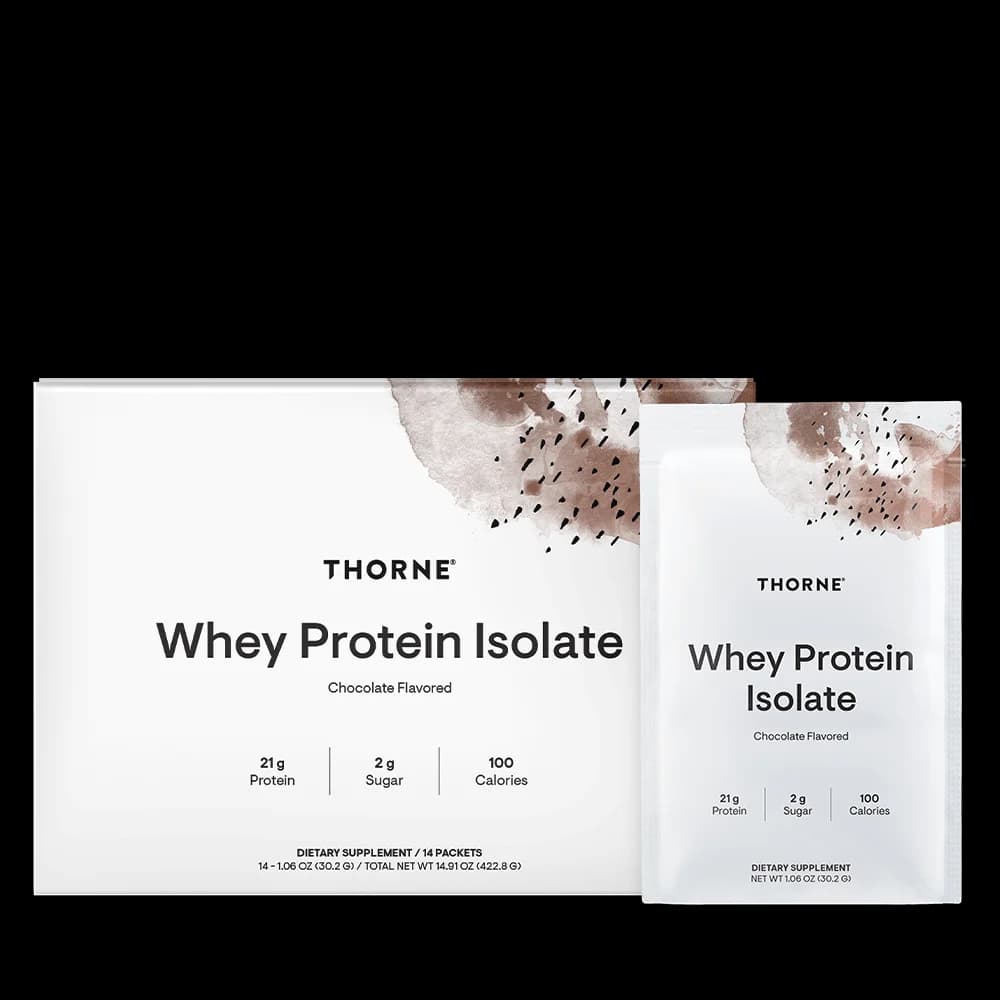
Even the highest quality protein is only beneficial if the body can actually absorb and utilize it. To maximize bioavailability and minimize gastrointestinal distress, premium WPI supplements, such as Thorne's Whey Protein Isolate, include added proteolytic enzymes like bromelain (derived from pineapple) and papain (derived from papaya). These plant-based enzymes act as biological catalysts, pre-digesting the complex protein structures and cleaving them into smaller, rapidly absorbable peptides and free amino acids.
Enzymatic hydrolysis of whey protein not only speeds up absorption but also releases "hidden" bioactive peptides within the whey that possess potent antihypertensive and antioxidant properties. Furthermore, by ensuring that the protein is fully digested in the upper GI tract, these enzymes may help prevent undigested proteins from fermenting in the lower gut, thereby reducing the bloating, gas, and discomfort often associated with protein supplementation.

Symptoms Whey Protein Isolate May Help Manage
Targeted Symptom Relief Through Amino Acid Therapy
When integrated into a comprehensive management plan, Whey Protein Isolate targets several core physiological dysfunctions simultaneously. By providing rapid amino acid delivery, mTOR activation, and antioxidant precursors, WPI may help manage the following specific symptoms associated with complex chronic illnesses:
Progressive Muscle Wasting (Sarcopenia): By delivering a high concentration of L-leucine (2.2g+ per serving), WPI successfully overrides inflammatory anabolic resistance and triggers the mTORC1 pathway, helping to preserve lean muscle mass and may help prevent atrophy during prolonged bed rest or periods of severe physical inactivity.
Central Fatigue and "Brain Fog": WPI floods the bloodstream with branched-chain amino acids, which outcompete free tryptophan at the blood-brain barrier. This may help prevent the unnatural spike of inhibitory neurotransmitters (serotonin/melatonin) in the brain, helping to lift heavy neurocognitive exhaustion and improve mental clarity.
Post-Exertional Malaise (PEM) Recovery: Because WPI (especially when paired with enzymes like bromelain and papain) digests incredibly fast, it provides an instantaneous pool of molecular fuel and muscle repair substrates to starving cells without draining the patient's severely limited energy envelope, aiding in faster recovery from crashes.
Immune Dysregulation and Frequent Infections: The high levels of bioavailable cysteine in WPI fuel the intracellular production of glutathione. This master antioxidant protects lymphocytes and macrophages from oxidative self-destruction, allowing the immune system to function more efficiently without spiraling into chronic hyper-inflammation.
Mast Cell Activation Syndrome (MCAS) Flare-Ups: By boosting systemic glutathione levels, WPI helps neutralize the oxidative stress free radicals that directly trigger mast cell degranulation. Additionally, enhanced glutathione supports the liver's Phase II detoxification pathways, aiding in the rapid clearance of excess circulating histamine.
Gastrointestinal Distress and Malabsorption: The inclusion of proteolytic enzymes like bromelain and papain ensures that the whey protein is rapidly and fully cleaved into absorbable peptides. This may help prevent undigested proteins from fermenting in the gut microbiome, significantly reducing the bloating, gas, and GI pain often experienced by patients with compromised digestion.
Practical Considerations: Forms, Dosing, and Absorption
Why Purity Matters: Isolate vs. Concentrate
When selecting a whey protein supplement for chronic illness management, the distinction between Whey Protein Concentrate (WPC) and Whey Protein Isolate (WPI) is critical. While WPC is a highly nutritious option for healthy individuals, its residual lactose and fat content can be problematic for patients with compromised gastrointestinal tracts, dysautonomia, or MCAS. The fats and sugars in WPC slow down gastric emptying, which can trigger bloating, nausea, and prolonged digestive effort.
WPI, having undergone rigorous microfiltration, is 90% or more pure protein with virtually zero lactose or fat. This purity ensures that the protein is rapidly assimilated into the bloodstream. For patients who struggle with appetite loss, nausea, or early satiety—common symptoms in Long COVID and ME/CFS—mixing a high-quality WPI powder into water or a simple smoothie provides a massive nutritional payload (typically 20+ grams of protein) with minimal stomach volume and virtually no gastrointestinal irritation.
The Energy Cost of Digestion in ME/CFS
A crucial and often overlooked factor in ME/CFS and Long COVID management is the "energy cost of digestion." Digesting solid food, particularly dense proteins like meat or standard dairy, requires a massive amount of ATP energy and blood flow directed to the splanchnic (gut) region. For a patient with severe dysautonomia or a broken cellular energy metabolism, the physical act of digesting a heavy meal can actually trigger a symptom crash or post-exertional malaise (PEM).
This is why fast-absorbing WPI, especially formulas enhanced with digestive enzymes like bromelain and papain, is so highly recommended by clinical dietitians. Because the protein is already isolated and the plant enzymes actively pre-digest the peptide bonds, the stomach and pancreas do not have to expend precious cellular energy breaking the food down. The amino acids passively diffuse into the bloodstream within 30 to 45 minutes, providing immediate metabolic fuel and repair substrates without draining the patient's limited daily energy envelope.
Optimal Dosing and the Leucine Threshold
To achieve the therapeutic benefits of muscle protein synthesis, dosing must be strategic. Clinical research shows that to activate the mTORC1 pathway, a specific "leucine threshold" must be met in a single sitting. Taking small amounts of protein throughout the day will not trigger this pathway. The threshold is generally around 2 to 3 grams of L-leucine.
A standard serving of high-quality WPI (around 25 grams of total powder, yielding 21 grams of pure protein) naturally contains approximately 2.2 to 2.5 grams of L-leucine, perfectly hitting this biological trigger point. For patients looking to maintain muscle mass, consuming one full serving of WPI daily, ideally in the morning to break the overnight catabolic fast, or immediately following any light physical exertion, is optimal. Shaking the powder with water or blending it into a low-fiber smoothie ensures the fastest possible absorption.
Navigating MCAS and Dairy Sensitivities
While WPI offers profound benefits, it is fundamentally a dairy derivative, which requires careful navigation for patients with Mast Cell Activation Syndrome (MCAS) or severe food allergies. WPI is generally considered low in histamine and does not inherently trigger the body's natural histamine release, making it vastly superior to casein or whey concentrate for those on a low-histamine diet.
However, MCAS patients often have hyper-reactive immune systems and may possess non-IgE sensitivities to the whey protein structures themselves. If a patient experiences flushing, hives, severe reflux, or tachycardia after consuming WPI, it should be discontinued. Practitioners often recommend that highly sensitive patients introduce WPI very slowly—starting with a quarter of a scoop—to monitor for mast cell reactions before advancing to a full therapeutic dose. For those who can tolerate it, the downstream glutathione-boosting benefits often lead to a net stabilization of mast cell reactivity over time.

Follow the Science
Clinical Trials on Whey Protein and Long COVID
The scientific community is actively investigating the therapeutic potential of whey protein derivatives for post-viral syndromes. One notable clinical trial, the Immunocal® Study (NCT07184398), evaluated 120 adults recovering from COVID-19 who suffered from severe post-COVID cognitive impairment (PCCI) and physical fatigue. The patients were administered 20 grams per day of a cysteine-rich whey protein isolate for 12 weeks.
The results were highly significant: the WPI group demonstrated a massive 46.6% increase in working memory and a 46.7% improvement in total memory scores, vastly outperforming the control group. Furthermore, physical endurance and lower-limb muscle fatigue, measured by the 30-second sit-to-stand test, showed profound improvement. The researchers concluded that the specific cysteine-rich profile of the WPI successfully boosted intracellular glutathione, providing powerful neuroprotective and physical benefits against the oxidative stress driving Long COVID symptoms. Additionally, major adaptive trials like the RECLAIM study are currently evaluating WPI as a primary intervention arm for lingering post-COVID cardiovascular and fatigue symptoms.
In Vitro Studies on ME/CFS Muscle Sera
Understanding why the muscles of chronic illness patients waste away requires looking at the cellular level. A groundbreaking 2024 study exposed healthy 3D in vitro skeletal muscle tissues to blood sera taken from patients with ME/CFS and Long COVID. The researchers observed that exposure to this diseased sera immediately induced significant contractile dysfunction in the muscle tissues.
Transcriptomic analysis revealed severe disturbances in calcium homeostasis and mitochondrial hyperfusion. The muscles initially tried to adapt by ramping up glycolysis, but prolonged exposure led to the mitochondria fragmenting into a toroidal (donut-like) conformation, resulting in structural fragility and metabolic collapse. This study provides concrete physiological evidence that the muscle weakness and PEM experienced by patients is not due to "deconditioning" or psychological factors, but rather a profound, serum-driven metabolic failure at the cellular level—highlighting the critical need for targeted amino acid therapies like WPI to bypass these broken energy pathways and force muscle repair.
The Science of Enzymatic Hydrolysis
The addition of proteolytic enzymes to WPI is backed by robust biochemical research on enzymatic breakdown of whey proteins. When researchers compared whey hydrolyzed with papain against the body's own stomach enzymes (pepsin and trypsin), papain achieved the highest degree of hydrolysis (33%) after just 3 hours.
This rapid breakdown not only increases the bioavailability of the amino acids but also releases specific bioactive peptides. The study noted that papain-derived whey hydrolysates exhibited massive antioxidant activity, scoring over 527 µmol Trolox equivalents/g in radical scavenging tests.
The Path Forward
Validating the Nutritional Struggle
Living with a complex chronic illness like Long COVID, ME/CFS, or dysautonomia often turns the basic necessity of eating into a daily battle. Between the profound exhaustion of preparing meals, the gastrointestinal distress of digesting them, and the anxiety of navigating MCAS food triggers, maintaining adequate nutrition can feel impossible. It is entirely valid to feel overwhelmed by the physical toll these conditions take on your body, particularly when you watch your muscle mass and physical strength slowly decline despite your best efforts. Understanding that this muscle wasting is driven by deep, cellular metabolic dysfunction—not simply a lack of willpower or "deconditioning"—is a crucial step in giving yourself grace.
Integrating Protein into Your Pacing Strategy
While there is no single miracle cure for these complex conditions, targeted nutritional interventions like Whey Protein Isolate can be a powerful tool in your management arsenal. By providing your body with the highly bioavailable L-leucine and cysteine it desperately needs, you can help override anabolic resistance, support glutathione production, and clear the neurocognitive brain fog driven by amino acid imbalances. Incorporating a fast-absorbing, enzyme-enhanced WPI into your daily routine offers a way to secure vital metabolic fuel without spending your precious energy envelope on heavy digestion.
A Collaborative Approach to Healing
Supplements should always be viewed as one piece of a comprehensive, holistic management strategy that includes aggressive pacing, symptom tracking, nervous system regulation, and expert medical care. If you are struggling with severe fatigue, muscle wasting, or immune dysregulation, we encourage you to discuss amino acid therapy and glutathione support with your healthcare provider to ensure it aligns with your specific clinical needs and sensitivities.