Can Vitamin K2 180 mcg Support Vascular Health and Dysautonomia in Long COVID?
March 6, 2026
Vitamin K2Long COVIDDysautonomia
Share:
Disclaimer: The information provided here is for educational purposes only and is not intended as medical advice. It should not be used to diagnose, treat, cure, or prevent any medical condition. Instead, use it as a starting point for discussion with your healthcare provider. Always consult with a qualified healthcare provider before starting any new medication, supplement, device, or making changes to your health regimen.
In the wake of the COVID-19 pandemic, a new health concern has emerged that continues to baffle the medical community: Long COVID. This complex condition, characterized by lingering, debilitating symptoms long after the acute phase of the virus has resolved, has left millions of patients searching desperately for answers. Patients often experience crushing fatigue, profound brain fog, and erratic heart rates—symptoms that overlap heavily with other complex chronic conditions like myalgic encephalomyelitis/chronic fatigue syndrome (ME/CFS), mast cell activation syndrome (MCAS), and dysautonomia. When navigating the daily reality of these invisible illnesses, understanding the root physiological causes, such as severe vascular damage and nervous system dysregulation, is absolutely crucial for finding effective, science-backed management strategies.
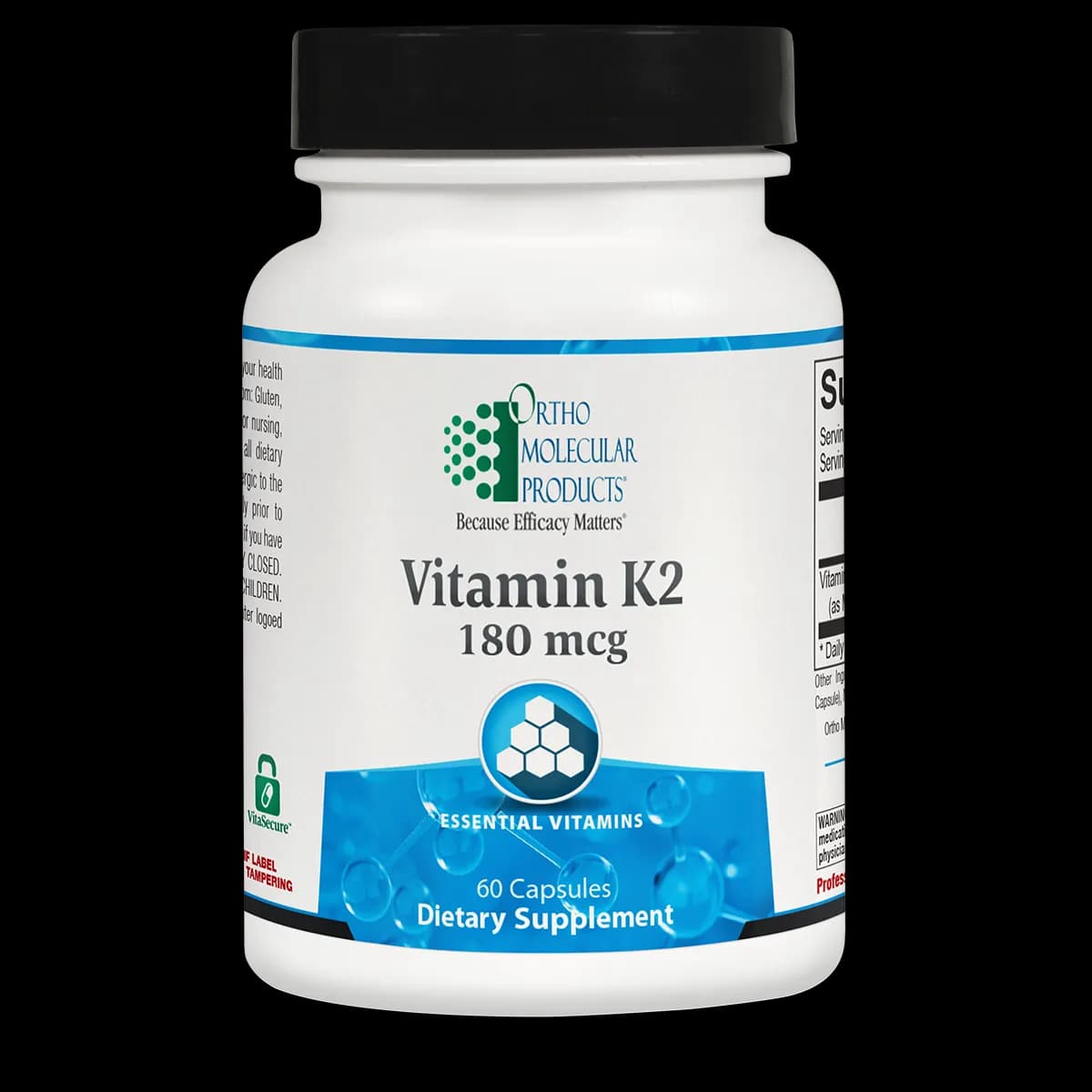
One area of emerging clinical research focuses heavily on the profound impact of endothelial dysfunction and systemic calcium dysregulation in these post-viral conditions. As researchers look for novel ways to repair the vascular system, reduce microclotting, and support autonomic nervous system balance, Vitamin K2 has taken center stage as a highly promising therapeutic target. Specifically, Vitamin K2 180 mcg, delivered in the highly bioavailable MK-7 form, is proving to be much more than just a traditional bone health supplement. By acting as a biological traffic cop for calcium metabolism, it offers a fascinating, multi-targeted mechanism of action that may help address the vascular stiffness, microvascular clotting, and peripheral nerve damage frequently seen in patients battling Long COVID and dysautonomia.
What is Vitamin K2 180 mcg?
The Biological Traffic Cop for Calcium
Vitamin K is a family of fat-soluble vitamins that are essential for human health, but it is critical to understand that not all forms of Vitamin K perform the same physiological functions. Vitamin K1 (phylloquinone) is primarily found in leafy green vegetables and is heavily utilized by the liver to manage standard blood coagulation pathways. In stark contrast, Vitamin K2 (menaquinone) works systemically in extrahepatic tissues—meaning it functions outside the liver, specifically targeting the skeletal system, blood vessels, and peripheral nervous system. The MK-7 (Menaquinone-7) form of Vitamin K2 is particularly notable for its long isoprenoid molecular structure, which allows it to remain highly active in the bloodstream for days rather than hours, providing sustained therapeutic benefits.
In a healthy, optimally functioning body, Vitamin K2 acts as a biological "traffic cop" for systemic calcium metabolism. It ensures that the calcium you consume from your daily diet or nutritional supplements is directed exactly where it is needed—into the skeletal system to maintain robust bone mineral density. Simultaneously, it actively prevents circulating calcium from depositing into the soft tissues and arterial walls, a dangerous and inflammatory process known as vascular calcification. This dual action is absolutely essential for preventing the "calcium paradox," a well-documented medical state where an individual can simultaneously suffer from osteoporosis (fragile, porous bones) and atherosclerosis (stiff, calcified, and narrowed arteries).
The Gamma-Carboxylation Process
To truly understand how Vitamin K2 achieves this remarkable physiological feat, we must look at its mechanism of action at the molecular and enzymatic level. Vitamin K2 acts as an essential, non-negotiable cofactor for a specific enzyme known as gamma-glutamyl carboxylase (GGCX). When the human body synthesizes certain proteins responsible for calcium transport and vascular protection, these proteins are initially created in a dormant, inactive, "undercarboxylated" state. In this inactive form, they contain glutamic acid (Glu) residues that are completely incapable of binding to calcium ions, rendering them useless for cellular transport.
When Vitamin K2 fuels the GGCX enzyme, it catalyzes a vital biochemical process called post-translational modification. This complex process converts the inactive Glu residues into active gamma-carboxyglutamic acid (Gla) residues. Once these proteins are fully carboxylated by the presence of Vitamin K2, they develop a remarkably high molecular affinity for calcium. They act like microscopic molecular claws, grabbing onto free-floating calcium ions in the bloodstream and safely transporting them to their proper physiological destinations. Without adequate Vitamin K2, these critical proteins remain permanently inactive, leaving calcium to roam freely, trigger oxidative stress, and cause severe cellular damage throughout the vascular system.
Osteocalcin and Matrix Gla Protein (MGP)
The two most critical Vitamin K-dependent proteins activated by this intricate carboxylation process are Osteocalcin and Matrix Gla Protein (MGP). Osteocalcin is a specialized protein secreted by osteoblasts, the cellular builders responsible for generating new bone tissue. Once activated by Vitamin K2, carboxylated osteocalcin binds tightly to circulating calcium and meticulously weaves it into the hydroxyapatite matrix of the bone, giving the human skeleton its structural strength, flexibility, and density. Furthermore, Vitamin K2 helps decrease the aggressive activity of osteoclasts, the cells that break down and resorb bone tissue, thereby preserving vital bone mass over time and preventing structural degradation.
On the cardiovascular side of the equation, Matrix Gla Protein (MGP) is synthesized directly within the vascular smooth muscle cells that line the interior of your blood vessels. MGP is currently recognized by modern medical science as the most potent naturally occurring inhibitor of vascular calcification. When Vitamin K2 successfully activates MGP, this powerful protein binds to rogue calcium ions within the arterial walls and escorts them entirely out of the vascular system. This continuous clearance process prevents the blood vessels from becoming stiff, brittle, and inflamed, thereby maintaining the crucial elasticity and flexibility required for healthy blood pressure regulation and optimal cardiovascular function.
How Long COVID and Dysautonomia Impact Vascular and Bone Health
Endothelial Dysfunction and Microvascular Damage
To understand why Vitamin K2 is highly relevant for patients battling complex chronic illnesses, we must first examine how conditions like Long COVID physically alter and damage the vascular system. Emerging clinical research has firmly established that COVID-19 is not merely a transient respiratory virus, but a profound, systemic vascular disease. The SARS-CoV-2 virus directly attacks and infiltrates the endothelium, the delicate, single-cell inner lining of the blood vessels. This aggressive viral assault triggers severe endothelial dysfunction, a pathological state characterized by chronic inflammation, massive oxidative stress, and a devastating loss of vascular elasticity.
In patients suffering from Long COVID, this endothelial damage persists for months or even years after the acute viral infection has cleared. The damaged, inflamed blood vessels struggle to dilate and constrict properly in response to the body's demands, leading to severely impaired blood flow and reduced oxygen delivery to the brain, organs, and skeletal muscles. This widespread microvascular dysfunction is now recognized as a primary driver of debilitating, life-altering symptoms like profound brain fog, severe physical fatigue, and post-exertional malaise (PEM). Furthermore, the persistent immune activation and inflammation actively degrade the elastic fibers within the lungs and blood vessels, accelerating cellular aging and promoting dangerous vascular stiffness.
The Triage Theory and Protein S Depletion
The physiological connection between viral-induced vascular damage and severe Vitamin K deficiency is best explained by a concept known as the Triage Theory. During a severe, systemic infection like COVID-19, the body enters a state of hypercoagulation, meaning the blood becomes thick, sticky, and highly prone to clotting. To manage this acute survival crisis, the liver aggressively hoards all available circulating Vitamin K to synthesize procoagulant factors (like Factor II, VII, IX, and X) to prevent internal bleeding. Because the liver monopolizes the body's limited Vitamin K supply, extrahepatic tissues—specifically the delicate blood vessels and pulmonary tissues—are left severely and dangerously deficient.
This localized tissue deficiency has catastrophic, long-term consequences for the vascular system. The endothelium relies heavily on a specific Vitamin K-dependent protein called Protein S to prevent inappropriate, excessive blood clotting. Without enough Vitamin K2 available to activate Protein S, the blood vessel walls completely lose their natural anti-thrombotic protection. This localized deficiency contributes heavily to the formation of microclots, tiny, persistent blood clots that block capillaries and starve surrounding tissues of vital oxygen. Additionally, the lack of Vitamin K2 leaves Matrix Gla Protein (MGP) entirely inactive, leaving the inflamed, damaged blood vessels highly vulnerable to rapid calcium deposition, further stiffening, and long-term structural degradation.
Autonomic Nervous System Dysregulation
The profound vascular damage caused by Long COVID frequently triggers or severely exacerbates dysautonomia, a complex dysfunction of the autonomic nervous system (ANS). The ANS acts as the body's master control center, regulating involuntary bodily functions, including heart rate, blood pressure, temperature, and digestion. In conditions like Postural Orthostatic Tachycardia Syndrome (POTS), the autonomic nervous system struggles to communicate effectively with the damaged blood vessels. When a patient attempts to stand up, their stiffened, dysfunctional blood vessels fail to constrict adequately against gravity, causing a massive volume of blood to pool abnormally in the lower extremities and abdomen.
To rapidly compensate for this dangerous lack of blood flow and oxygen to the brain, the sympathetic nervous system kicks into absolute overdrive, triggering a massive, systemic release of adrenaline and norepinephrine. This chemical surge results in the hallmark symptom of POTS: tachycardia, an abnormally fast, pounding, and erratic heart rate. The constant, exhausting state of sympathetic overactivity—often described by patients as being permanently stuck in a "fight or flight" survival mode—leaves individuals feeling wired, profoundly exhausted, and physically anxious. The structural damage to peripheral nerves, often driven by chronic neuroinflammation and poor microcirculation, further disrupts the delicate sympathovagal balance required for autonomic stability and daily functioning.
Vitamin K2: Supporting Vascular Integrity, Bone Density, and Autonomic Balance
Reversing the Calcium Paradox and Vascular Stiffness
Supplementing with an optimal, clinically validated dose of Vitamin K2 180 mcg offers a highly targeted, mechanistic approach to repairing the physiological pathways disrupted by Long COVID and dysautonomia. By providing the body with a consistent, highly bioavailable source of MK-7, patients can effectively overcome the localized extrahepatic deficiencies caused by the Triage Theory. The primary mechanism of action here is the systemic restoration of active Matrix Gla Protein (MGP). As Vitamin K2 successfully carboxylates MGP, the newly activated protein begins to actively bind and clear rogue calcium deposits from the inflamed, damaged endothelial walls, halting the progression of vascular calcification.
This intricate process of vascular decalcification is absolutely crucial for restoring normal vascular elasticity and endothelial health. When blood vessels regain their natural flexibility, they can dilate and constrict much more efficiently in response to autonomic nervous system signals. For patients struggling with dysautonomia, improved vascular compliance translates directly to better blood pressure regulation and significantly reduced blood pooling upon standing. Furthermore, by actively restoring Protein S function in the endothelium, Vitamin K2 helps rebuild the blood vessels' natural anti-thrombotic properties, potentially aiding in the prevention of further microclotting and drastically improving overall microcirculation to oxygen-starved muscles and neural tissues.
Modulating the Sympathovagal Balance
Beyond its well-documented cardiovascular benefits, exciting emerging research suggests that Vitamin K2 plays a direct, potent role in supporting and stabilizing the nervous system. Clinical observations and pharmacological studies have noted that Vitamin K2-7 has a marked, measurable effect on restoring sympathovagal balance. In individuals suffering from elevated sympathetic activity—a defining hallmark of POTS, ME/CFS, and Long COVID—Vitamin K2 has been shown to help downregulate this overactive, exhausting "fight or flight" response. By harmonizing the autonomic nervous system's signaling pathways, it helps reduce the erratic, chaotic nerve firing that leads to debilitating tachycardia and heart palpitations.
The cardioprotective effects of Vitamin K2 extend deeply into the electrical conduction system of the heart itself. Clinical research indicates that consistent MK-7 administration can help stabilize the heart's electrical intervals, specifically by shortening the QT interval and appropriately prolonging the RR interval (the time between heartbeats). For patients experiencing the unpredictable, terrifying heart rate spikes associated with dysautonomia, this stabilizing effect on cardiac output provides a vital physiological buffer against orthostatic stress. By improving cardiac efficiency and autonomic signaling, Vitamin K2 can make basic daily activities, such as standing, walking, and showering, significantly more tolerable and less symptom-provoking.
Peripheral Nerve Repair and the Gas6/TAM Pathway
Many patients battling complex chronic illnesses suffer from severe neuropathic symptoms, driven by underlying damage to the small peripheral nerves (often diagnosed as Small Fiber Neuropathy). Vitamin K2 is intrinsically and mechanistically involved in the health, maintenance, and repair of the peripheral nervous system through its direct modulation of the Gas6/TAM signaling pathway. Gas6 (Growth Arrest-Specific 6) is another critical Vitamin K-dependent protein that absolutely requires gamma-carboxylation to become biologically active. Once activated by the presence of Vitamin K2, Gas6 binds to TAM receptors, promoting the survival, growth, and repair of vulnerable neurons and glial cells.
Specifically, Schwann cells—the specialized glial cells responsible for producing and maintaining the protective myelin sheath around peripheral nerves—rely heavily on Vitamin K2 to synthesize new myelin and repair structural damage. By actively supporting remyelination and simultaneously downregulating aggressive neuroinflammatory cytokines like TNF-α and IL-1β, Vitamin K2 helps halt the inflammatory immune attacks on the nervous system. This profound neuroprotective mechanism is vital for patients experiencing the debilitating burning, tingling, numbness, and electrical shock sensations associated with neuropathic POTS and Long COVID-induced nerve damage.
The Crucial Synergy with Vitamin D3
In the complex realm of chronic illness management, Vitamin K2 is rarely discussed in clinical isolation; it is almost universally and necessarily paired with Vitamin D3. A vast majority of patients with ME/CFS and Long COVID present with severe Vitamin D deficiencies and frequently utilize high doses of D3 to support immune modulation, reduce viral persistence, and combat profound fatigue. However, high-dose Vitamin D3 heavily increases the intestinal absorption of calcium into the bloodstream. If a patient is concurrently deficient in Vitamin K2, this newly absorbed, massive influx of calcium has no biological direction and can rapidly deposit into the already inflamed, vulnerable blood vessels.
Vitamin K2 serves as the mandatory, non-negotiable biological safeguard in this common clinical scenario. By actively carboxylating osteocalcin and MGP, Vitamin K2 ensures that the high volumes of calcium absorbed via Vitamin D3 supplementation are safely and efficiently directed into the skeletal system, rather than accumulating dangerously in the cardiovascular system. This synergistic relationship is so critical to patient safety that functional medicine practitioners and specialists consider the D3 and K2 combination a foundational, inseparable protocol for safely managing the immune and autonomic symptoms of Long COVID without risking long-term vascular calcification and arterial stiffening.

Symptoms Vitamin K2 May Help Manage
Cardiovascular and Autonomic Symptoms
Because Vitamin K2 180 mcg operates at the critical intersection of vascular health, nervous system repair, and bone metabolism, it possesses the unique ability to help manage a wide, interconnected array of symptoms associated with complex chronic conditions. By actively restoring endothelial function, clearing vascular calcification, and promoting autonomic balance, patients may experience significant, measurable relief from several debilitating cardiovascular and neurological issues that drastically impact their daily quality of life.
Tachycardia and Palpitations: By directly modulating the sympathovagal balance and stabilizing the heart's delicate electrical intervals, Vitamin K2 helps calm the overactive, exhausted sympathetic nervous system. This downregulation of the "fight or flight" response can significantly reduce the erratic, pounding heart rate spikes and terrifying palpitations frequently seen in POTS and post-viral dysautonomia.
Brain Fog and Cognitive Fatigue: By improving overall vascular elasticity, reducing microvascular clotting, and clearing endothelial inflammation, Vitamin K2 supports vastly better cerebral blood flow. This increased, steady oxygen delivery to the brain helps alleviate the heavy, sluggish cognitive impairment, memory loss, and difficulty concentrating often reported by Long COVID patients.
Orthostatic Intolerance: Restoring natural flexibility and compliance to the blood vessels allows them to constrict properly and efficiently when a patient transitions from sitting to standing. This critical vascular response prevents severe blood pooling in the lower extremities, drastically reducing the dizziness, lightheadedness, and pre-syncope (near fainting) associated with postural changes.
Neurological and Musculoskeletal Symptoms
In addition to its profound cardiovascular benefits, the targeted neuroprotective and bone-building properties of Vitamin K2 provide essential support for the physical pain, structural degradation, and nerve dysfunction that frequently accompany long-term battles with ME/CFS and Long COVID.
Neuropathic Pain and Tingling: By activating the critical Gas6 protein and supporting Schwann cell remyelination, Vitamin K2 aids directly in the structural repair of damaged, inflamed peripheral nerves. This neuro-regenerative action can potentially reduce the severe burning, tingling, and numbness sensations characteristic of small fiber neuropathy.
Joint and Deep Bone Pain: By activating osteocalcin, Vitamin K2 ensures that circulating calcium is actively and continuously woven into the bone matrix. This essential process helps maintain bone mineral density and structural strength, alleviating the deep, aching bone pain and joint instability that can occur during prolonged periods of chronic illness, systemic inflammation, and physical inactivity.
Post-Exertional Malaise (PEM): While certainly not a standalone cure for PEM, improving microcirculation, clearing microclots, and restoring endothelial health ensures that muscle tissues receive adequate oxygen and can clear toxic metabolic waste much more efficiently during mild physical exertion. This improved cellular respiration can potentially reduce the severity and duration of debilitating crashes.
Practical Considerations: Forms, Dosing, and Absorption
Menaquinone-7 (MK-7) vs. Menaquinone-4 (MK-4)
When selecting a Vitamin K2 supplement for chronic illness management, understanding the profound biochemical differences between its molecular forms is absolutely critical for achieving desired therapeutic results. The two most common forms available are Menaquinone-4 (MK-4) and Menaquinone-7 (MK-7). While both forms ultimately activate the same Vitamin K-dependent proteins, they possess drastically different pharmacokinetic profiles and absorption rates. MK-4 has a very short, rapid half-life of approximately 1 to 1.5 hours. Because it clears from the bloodstream so quickly, maintaining stable, therapeutic levels of MK-4 requires taking vastly higher, pharmacological doses (often measured in milligrams rather than micrograms) multiple times throughout the day, which can be burdensome for patients.
In stark contrast, MK-7 (MenaQ7) boasts an extended, highly stable half-life of approximately 72 hours. The longer isoprenoid molecular structure of MK-7 allows it to bind securely to Low-Density Lipoproteins (LDL) in the blood, utilizing them as transport vehicles for prolonged systemic circulation. This extended half-life means that a single, convenient daily dose of MK-7 can build up a consistent, steady-state concentration in the blood. This ensures that the extrahepatic tissues—specifically the bones and blood vessels—are continuously supplied with the vital cofactor needed to activate osteocalcin and MGP around the clock. For this reason, MK-7 is widely considered by researchers to be the superior, most efficient form for over-the-counter cardiovascular and bone support.
Bioavailability, Lab Testing, and the 180 mcg Optimal Dose
The specific dosage of 180 mcg (micrograms) is highly intentional and clinically significant. This exact "nutritional dose" was utilized in the landmark 3-year human clinical trials that definitively proved Vitamin K2's ability to safely improve both bone density and arterial flexibility. Current, peer-reviewed research has found that this high-concentration supplementation results in vastly improved clinical outcomes compared to lower-dose supplementation (such as the standard 45 mcg or 90 mcg found in many multivitamins), ensuring that enough MK-7 actually reaches the extrahepatic tissues to overcome the severe localized deficiencies caused by the Triage Theory.
For patients and practitioners looking to measure the effectiveness of their Vitamin K2 supplementation, standard blood calcium tests are insufficient. Instead, advanced functional medicine testing looks at specific biomarkers like dp-ucMGP (desphospho-uncarboxylated Matrix Gla Protein) and PIVKA-II (Proteins Induced by Vitamin K Absence). Elevated levels of these uncarboxylated proteins directly indicate a severe tissue-level Vitamin K deficiency. Because Vitamin K2 is a fat-soluble vitamin, its bioavailability is heavily dependent on how it is consumed. To maximize intestinal absorption and ensure these biomarkers improve, it is highly recommended to take your Vitamin K2 supplement alongside a meal that contains healthy, whole-food fats, such as avocados, olive oil, or nuts. Taking it on a completely empty stomach can significantly reduce the amount of the vitamin that successfully enters the lymphatic system, diminishing its therapeutic potential.
Absorption Tips and Medication Interactions
While Vitamin K2 is exceptionally safe and well-tolerated by the vast majority of individuals, there are critical, potentially life-threatening medical contraindications to be aware of. The most significant and dangerous interaction involves prescription anticoagulant medications, specifically Warfarin (Coumadin). Warfarin functions as a direct Vitamin K antagonist; it prevents blood clots by intentionally inducing a severe, systemic Vitamin K deficiency to halt the coagulation cascade. Supplementing with Vitamin K2 will directly counteract the pharmacological effects of Warfarin, potentially leading to rapid, dangerous blood clotting and stroke risk. Patients actively taking Warfarin or similar Vitamin K antagonists must strictly avoid Vitamin K supplements unless explicitly directed, meticulously dosed, and heavily monitored by their prescribing cardiologist.
For patients dealing with Mast Cell Activation Syndrome (MCAS)—a highly common comorbidity of Long COVID, ME/CFS, and POTS—the specific source of the MK-7 is an important clinical consideration. MK-7 is traditionally derived from natto, a traditional Japanese fermented soybean product. Because fermented foods are naturally incredibly high in histamine, some highly sensitive MCAS patients may experience severe flushing, tachycardia, or allergic reactions when consuming natto-derived supplements. However, high-quality, clinical-grade formulations like MenaQ7 PRO are highly purified and isolated, which significantly reduces the risk of mast cell degranulation compared to eating the whole fermented food. Always consult your healthcare provider to ensure the supplement fits safely within your specific, individualized treatment protocol.

Follow the Science
The Landmark 3-Year MenaQ7 Trials
The clinical efficacy and safety profile of Vitamin K2 180 mcg is backed by exceptionally robust, long-term human trials. The most pivotal of these was a groundbreaking 3-year randomized, double-blind, placebo-controlled trial published in the prestigious journal Thrombosis and Haemostasis in 2015. Researchers meticulously monitored 244 healthy postmenopausal women taking exactly 180 mcg of MenaQ7 daily. The results were highly significant: the MK-7 group showed a massive 50% decrease in inactive circulating MGP levels. More importantly, advanced ultrasound and pulse-wave velocity (PWV) measurements revealed that the 180 mcg dose not only successfully halted age-related arterial stiffening but actually resulted in an unprecedented, statistically significant improvement in overall vascular elasticity and compliance.
A parallel 3-year study published in Osteoporosis International evaluated the comprehensive bone health of the exact same cohort of women. The researchers found that the 180 mcg dosage significantly decreased the typical, expected decline in Bone Mineral Content (BMC) and Bone Mineral Density (BMD) at the most vulnerable structural sites: the lumbar spine and the femoral neck. The MenaQ7 group also exhibited significantly decreased levels of uncarboxylated osteocalcin, providing definitive, measurable proof that the vitamin was successfully activating the specific proteins needed to bind calcium to the skeletal matrix and preserve bone strength.
Recent Breakthroughs in Long COVID Research
The profound relevance of Vitamin K2 in the context of viral-induced vascular damage has been a major, accelerating focus of recent scientific inquiry. A groundbreaking, highly anticipated randomized controlled trial published in January 2025 rigorously evaluated the use of Vitamin K2 combined with Vitamin D3 specifically for treating Long COVID. The comprehensive study enrolled 151 adults experiencing moderate to severe Long COVID symptoms for at least three months. Patients were given daily, targeted doses of pure Vitamin K2 (MK-7) alongside Vitamin D3 for a duration of 24 weeks, while researchers tracked their vascular and symptomatic progress.
The clinical findings provided incredibly compelling evidence for the vascular hypothesis of Long COVID. The active Vitamin K2/D3 group saw a highly significant, measurable reduction in oxidized LDL (ox-LDL), a primary, destructive driver of endothelial dysfunction, microvascular damage, and atherosclerosis. Furthermore, the active treatment group experienced a 7.1% decrease in the proportion of patients with a high Long COVID symptom index, reporting statistically significant reductions in severe muscle-related symptoms, widespread body pain, and systemic inflammatory markers. This robust data strongly supports the clinical use of Vitamin K2 to actively repair the endothelial damage left in the destructive wake of the SARS-CoV-2 virus.
Autonomic and Neuropathic Clinical Insights
Research into Vitamin K2's specific, targeted effects on the autonomic nervous system is an exciting, rapidly evolving field that holds great promise for dysautonomia patients. Comprehensive narrative reviews, such as a highly detailed 2022 analysis published in Frontiers in Pharmacology, have meticulously detailed the vitamin's intrinsic, biochemical role in peripheral nerve repair via the Gas6/TAM signaling pathway. The documented ability of MK-7 to actively support Schwann cell remyelination and reduce neuroinflammation offers a clear, mechanistic explanation for its profound neuroprotective benefits in patients with small fiber neuropathy.
Additionally, ongoing clinical observations regarding sympathovagal balance consistently highlight Vitamin K2's unique potential to downregulate sympathetic overactivity and restore autonomic calm. By stabilizing cardiac electrical intervals and significantly improving vascular compliance, Vitamin K2 directly addresses the fundamental hemodynamic issues that drive orthostatic intolerance and reflex tachycardia. While more large-scale, multi-center trials specifically targeting POTS and ME/CFS are currently needed, the existing biochemical and clinical data provide an exceptionally strong, science-backed rationale for incorporating Vitamin K2 into holistic dysautonomia management protocols.
The Path Forward
Validating Your Complex Symptoms
Living with complex, multi-system chronic conditions like Long COVID, ME/CFS, and dysautonomia is an incredibly challenging, often isolating journey. The invisible, unpredictable nature of symptoms like profound brain fog, severe post-exertional fatigue, and erratic, pounding heart rates can unfortunately often lead to deep frustration and medical gaslighting from those who do not understand post-viral illness. It is absolutely vital to remember that your symptoms are entirely real, and they are rooted in measurable, physiological disruptions, such as severe endothelial dysfunction, microvascular damage, and autonomic dysregulation. Understanding the deep biological mechanisms behind your illness is a powerful, validating first step toward reclaiming your quality of life and advocating for your health.
While the global medical community continues to search tirelessly for definitive cures, the rapidly emerging research surrounding vascular health and endothelial repair offers a genuine beacon of hope. By targeting the root physiological causes of systemic inflammation, microclotting, and calcium dysregulation, we can begin to untangle the complex, overlapping web of symptoms that characterize these debilitating conditions. You do not have to navigate this overwhelming path alone; finding a compassionate, highly knowledgeable healthcare team that truly understands the nuances of post-viral illness is essential for your long-term recovery and well-being.
A Comprehensive Management Strategy
It is critically important to approach any new supplementation with realistic, grounded expectations. Vitamin K2 180 mcg is not a magic bullet or a miracle cure, but rather a highly potent, science-backed tool designed to actively support your body's natural healing and regenerative pathways. Restoring vascular elasticity, rebuilding depleted bone density, and calming a severely overactive autonomic nervous system takes significant time, patience, and consistency. Supplements are always most effective when thoughtfully integrated into a comprehensive, holistic management strategy that includes aggressive pacing to avoid PEM, detailed symptom tracking, nervous system regulation techniques, and targeted, individualized medical care.
If you are actively struggling with the vascular, autonomic, or musculoskeletal symptoms of Long COVID, ME/CFS, or dysautonomia, discussing Vitamin K2 with your healthcare provider may be an incredibly valuable next step in your treatment journey. They can help you determine if this optimal, clinically studied dose of MenaQ7 is appropriate and safe for your specific clinical picture, especially if you are already utilizing high-dose Vitamin D3 therapies.