Can Vitamin E with Mixed Tocopherols Support Cellular Energy and Endothelial Function in Long COVID?
March 5, 2026
Vitamin EMixed TocopherolsLong COVID
Share:
Disclaimer: The information provided here is for educational purposes only and is not intended as medical advice. It should not be used to diagnose, treat, cure, or prevent any medical condition. Instead, use it as a starting point for discussion with your healthcare provider. Always consult with a qualified healthcare provider before starting any new medication, supplement, device, or making changes to your health regimen.
Months or even years after a viral infection, many individuals find themselves battling a complex web of debilitating symptoms—crushing fatigue, brain fog, racing heart rates, and unpredictable crashes. If you are living with Long COVID, myalgic encephalomyelitis/chronic fatigue syndrome (ME/CFS), dysautonomia, or mast cell activation syndrome (MCAS), you know firsthand how frustrating it is to navigate a medical system that often lacks clear answers. At the core of these invisible illnesses lies a profound disruption in how your cells produce energy and protect themselves from damage. One of the most critical, yet frequently misunderstood, components of this cellular defense system is Vitamin E, particularly when utilized as a comprehensive blend of mixed tocopherols.
In healthy individuals, the body maintains a delicate balance between energy production and the natural metabolic exhaust known as oxidative stress. However, in complex chronic conditions, this balance is shattered. Viral triggers, chronic inflammation, and immune dysregulation can cause a massive spike in reactive oxygen species, leading to a state of systemic oxidative stress that damages cellular membranes, impairs blood vessel function, and depletes the body's natural antioxidant reserves. Understanding how Vitamin E with mixed tocopherols works at a molecular level to halt this damage can provide a validating framework for why you feel the way you do, and offer a science-backed avenue for supporting your cellular and cardiovascular health.
TL;DR
Vitamin E with mixed tocopherols may help support cellular defense and manage oxidative stress in chronic conditions.
Chronic illnesses like Long COVID and ME/CFS can disrupt energy production and deplete natural antioxidant reserves.
Mixed tocopherols provide a broader spectrum of support for mitochondrial and endothelial health than isolated alpha-tocopherol.
Always consult your healthcare provider before starting new supplements, especially if taking anticoagulant medications.
What is Vitamin E (with Mixed Tocopherols)?
The Vitamin E Family: Beyond Alpha-Tocopherol
When we talk about Vitamin E, it is a common misconception to view it as a single, isolated compound. In reality, Vitamin E is a complex family of eight distinct fat-soluble antioxidant isomers synthesized by plants. This family is divided into two main groups: four tocopherols (alpha, beta, gamma, and delta) and four tocotrienols (alpha, beta, gamma, and delta). Each of these compounds shares a similar basic chemical structure, consisting of a chromanol ring, which is responsible for the antioxidant activity, and a hydrophobic (water-repelling) side chain that anchors the molecule into cellular membranes. While historically, medical research and commercial supplements have focused almost exclusively on alpha-tocopherol due to its high concentration in human blood, this narrow focus misses the profound, synergistic benefits provided by the entire family.
In a natural, whole-food diet, we consume a spectrum of these isomers. Gamma-tocopherol, for instance, is actually the most abundant form of Vitamin E in the typical human diet, found heavily in seeds, nuts, and their derived oils. Modern nutritional science has revealed that these different isomers are not just redundant backups for alpha-tocopherol; they possess unique biochemical properties and target different types of free radicals. A supplement that provides Vitamin E with mixed tocopherols aims to replicate this natural, broad-spectrum defense system, ensuring that the body has access to the specific tools it needs to combat various forms of oxidative damage.
The Cellular Membrane and Lipid Peroxidation
To understand the true power of Vitamin E, we must look at where it lives within the body. Because Vitamin E is lipophilic (fat-soluble), it naturally integrates into the lipid bilayers of our cellular and organelle membranes, including the highly sensitive membranes of our mitochondria. These membranes are primarily composed of polyunsaturated fatty acids (PUFAs), which are essential for cellular fluidity and function but are highly vulnerable to a destructive process known as lipid peroxidation. Lipid peroxidation is a catastrophic chain reaction initiated when reactive oxygen species (ROS) or free radicals steal electrons from the lipids in cell membranes.
When a free radical attacks a cellular membrane, it creates a lipid peroxyl radical, which then attacks the next lipid molecule, creating a domino effect that can rapidly degrade the structural integrity of the cell. This is where Vitamin E steps in as the body's premier chain-breaking antioxidant. According to recent studies on model cell membranes, Vitamin E strategically positions its active chromanol ring near the surface of the membrane. When a lipid peroxyl radical forms, Vitamin E intercepts it and donates a hydrogen atom and an electron. This neutralizes the radical and immediately halts the destructive chain reaction, helping to protect the cell from undergoing oxidative cell death (apoptosis or ferroptosis).
The Antioxidant Network Synergy
Vitamin E does not operate in isolation; it is a crucial player in a sophisticated, interconnected antioxidant network. When Vitamin E donates its electron to neutralize a free radical, it becomes oxidized itself, transforming into a relatively stable, non-reactive molecule known as a tocopheroxyl radical. In this state, it can no longer protect the cellular membrane. To continue functioning, it must be "recharged" or reduced back into its active antioxidant form.
This recycling process relies heavily on water-soluble antioxidants present in the cellular fluid (cytosol), most notably Vitamin C (ascorbate) and glutathione. Vitamin C interacts with the tocopheroxyl radical at the membrane interface, donating an electron to regenerate Vitamin E. Subsequently, glutathione helps to regenerate the oxidized Vitamin C. This elegant synergy highlights why comprehensive nutritional support is vital; a deficiency in one component of the antioxidant network can compromise the efficacy of the entire system, leaving cellular membranes vulnerable to the relentless assault of oxidative stress.
How Chronic Illness Impacts Cellular and Endothelial Function
The Vicious Cycle of Oxidative Stress in Long COVID and ME/CFS
In complex chronic illnesses like Long COVID and myalgic encephalomyelitis/chronic fatigue syndrome (ME/CFS), the body's baseline state of health is fundamentally altered. Research has increasingly pointed to a profound redox imbalance—a state where the production of reactive oxygen species vastly outpaces the body's antioxidant defenses. When a viral infection like SARS-CoV-2 enters the body, it triggers an intense immune response. While this is necessary to clear the virus, it also generates massive amounts of oxidative stress. In Long COVID, this oxidative stress fails to resolve even after the acute infection has passed, leading to a vicious, self-perpetuating cycle of cellular damage.
This chronic oxidative stress directly assaults the mitochondria, the powerhouses of our cells. As mitochondria become damaged by lipid peroxidation, they become less efficient at producing adenosine triphosphate (ATP), the energy currency of the body. Furthermore, damaged mitochondria leak even more free radicals, accelerating the depletion of endogenous antioxidants. You can learn more about the connection between Long COVID and ME/CFS in our detailed clinical overview. If you are wondering what causes Long COVID, redox imbalance is considered a primary driver.
Endothelial Dysfunction and Dysautonomia (POTS)
One of the most debilitating aspects of Long COVID is its impact on the cardiovascular system, specifically the endothelium. The endothelium is the delicate, single-cell thick inner lining of our blood vessels. It plays a critical role in regulating blood flow, blood pressure, and preventing inappropriate clotting. The SARS-CoV-2 spike protein is known to directly bind to ACE2 receptors on endothelial cells, causing severe inflammation known as endothelialitis. This damage severely impairs the endothelium's ability to produce nitric oxide (NO), a crucial signaling molecule that tells blood vessels to dilate and relax.
When systemic oxidative stress is high, superoxide radicals rapidly react with whatever nitric oxide is available, forming a highly toxic compound called peroxynitrite. This not only destroys the nitric oxide needed for vasodilation but also causes further damage to the blood vessel walls. This state of endothelial dysfunction is a primary driver of dysautonomia, including postural orthostatic tachycardia syndrome (POTS). Without adequate nitric oxide, blood vessels cannot constrict and dilate properly in response to gravity, leading to blood pooling in the lower extremities, racing heart rates, and poor oxygen perfusion to the brain—resulting in the severe brain fog many patients experience. This vascular damage is often a key factor when considering how a doctor diagnoses Long COVID.
Mast Cell Activation and Systemic Inflammation
The immune system's mast cells are another critical piece of the chronic illness puzzle. Mast cells are found throughout the body and are responsible for releasing histamine and other inflammatory mediators in response to threats. In conditions like mast cell activation syndrome (MCAS), which frequently co-occurs with Long COVID and dysautonomia, these cells become hyper-reactive, degranulating inappropriately and flooding the body with inflammatory cytokines.
This constant state of mast cell degranulation fuels systemic inflammation, which in turn generates more oxidative stress. The cellular membranes of mast cells themselves become destabilized by lipid peroxidation, making them even more "leaky" and prone to triggering. This creates a relentless feedback loop: inflammation causes oxidative stress, which damages cell membranes, which triggers more inflammation. Breaking this cycle requires potent, membrane-stabilizing antioxidants that can intercept free radicals before they perpetuate this inflammatory cascade.
Vitamin E: Supporting Antioxidant Defense and Mitochondrial Function
Neutralizing Free Radicals and Protecting Nitric Oxide
Supplementing with Vitamin E, particularly a formula containing mixed tocopherols, offers a targeted mechanism to intervene in the destructive cycles of chronic illness. At the vascular level, Vitamin E plays a critical role in restoring endothelial function. By aggressively scavenging reactive oxygen species like superoxide radicals, Vitamin E prevents them from reacting with and destroying nitric oxide. This protective shielding allows endothelial nitric oxide synthase (eNOS) to function properly, restoring the bioavailability of nitric oxide.
With nitric oxide levels protected, blood vessels can regain their ability to dilate appropriately, improving microcirculation and oxygen delivery to oxygen-starved tissues, including the brain.
Shielding Mitochondrial Respiration in Muscle Tissue
The profound, crushing fatigue and post-exertional malaise (PEM) experienced by patients with ME/CFS and Long COVID are deeply tied to mitochondrial failure in skeletal and cardiac muscle tissues. Cellular respiration—the process of making ATP—occurs along the inner mitochondrial membrane via the electron transport chain (ETC). Because muscle tissues have immense energy demands, they are densely packed with mitochondria. However, as electrons flow through the ETC, some naturally leak out and form superoxide radicals. If these radicals are not immediately neutralized, they cause lipid peroxidation right at the site of energy production, uncoupling the ETC and halting ATP synthesis.
Vitamin E is uniquely equipped to handle this threat. Because it is highly lipophilic, it physically embeds itself into both the inner and outer mitochondrial membranes. A study by Magalhães et al. (2007) demonstrated that under conditions of severe hypoxic stress (low oxygen), Vitamin E supplementation successfully preserved mitochondrial respiratory parameters, stabilized the membranes, and helped protect against oxidative cell death in skeletal muscle. By shielding the mitochondrial machinery from self-destruction, Vitamin E supports the cellular respiration required to rebuild energy reserves and manage the debilitating crashes associated with chronic fatigue.
The Superiority of Mixed Tocopherols (Gamma and Delta)
While alpha-tocopherol is a potent antioxidant against oxygen-based free radicals, it has a significant blind spot: it is largely ineffective against reactive nitrogen species (RNS), such as nitrogen dioxide. Overaccumulation of RNS causes nitrative stress, which is a major driver of neuroinflammation and aging. This is where the inclusion of mixed tocopherols becomes clinically vital. Gamma-tocopherol possesses a unique chemical structure that allows it to effectively trap and neutralize these reactive nitrogen species, providing a layer of neuroprotection that alpha-tocopherol alone cannot offer.
Additionally, gamma and delta-tocopherols exhibit profound anti-inflammatory properties that operate through distinct biochemical pathways. Research indicates that these specific isomers can directly inhibit cyclooxygenase-2 (COX-2), an enzyme responsible for promoting inflammation in the body. This mechanism is remarkably similar to how non-steroidal anti-inflammatory drugs (NSAIDs) work, but without the harsh gastrointestinal side effects. By utilizing a mixed tocopherol blend, patients receive a comprehensive spectrum of protection that addresses both lipid peroxidation and systemic inflammatory pathways simultaneously.

Symptoms Vitamin E May Help Manage
Targeting Post-Exertional Malaise and Fatigue
For patients navigating complex chronic conditions, symptom management is often the primary goal. While Vitamin E is not a cure, its mechanisms of action directly target several of the physiological disruptions that drive debilitating symptoms. By supporting mitochondrial integrity and vascular health, Vitamin E with mixed tocopherols may help manage the following:
Post-Exertional Malaise (PEM): By physically embedding in the mitochondrial membrane and helping to protect against lipid peroxidation during cellular respiration, Vitamin E helps support the electron transport chain. This supports more efficient ATP production and may help raise the threshold at which physical or cognitive exertion triggers a debilitating crash.
Severe, Unrelenting Fatigue: Chronic fatigue in ME/CFS and Long COVID is heavily linked to depleted antioxidant reserves and systemic oxidative stress. By replenishing these reserves and serving as a chain-breaking antioxidant, Vitamin E helps reduce the cellular energy expenditure required to constantly fight off free radical damage.
Muscle Weakness and Aching: Skeletal muscles are highly susceptible to oxidative damage during periods of stress or hypoxia. Vitamin E supports cellular respiration in skeletal muscles, helping to maintain structural integrity and potentially reducing the deep muscle aching associated with chronic systemic inflammation.
Addressing Cardiovascular and Cognitive Symptoms
The downstream effects of endothelial dysfunction and neuroinflammation manifest in highly disruptive autonomic and cognitive symptoms. Vitamin E's ability to protect nitric oxide and neutralize reactive nitrogen species offers targeted support for these areas:
Racing Heart Rate and Palpitations (Dysautonomia/POTS): By protecting endothelial nitric oxide from destruction by superoxide radicals, Vitamin E supports healthy blood vessel dilation. Improved vascular tone helps the autonomic nervous system regulate blood pressure and heart rate more effectively upon standing.
Brain Fog and Cognitive Dysfunction: Neuroinflammation is often driven by reactive nitrogen species (RNS) and poor cerebral blood flow. The gamma-tocopherol found in mixed blends specifically neutralizes RNS, while improved endothelial function ensures better oxygen and nutrient delivery to the brain, potentially alleviating the severity of brain fog.
Systemic Inflammatory Flare-ups (MCAS): The delta and gamma isomers in mixed tocopherols act as natural COX-2 inhibitors, helping to lower systemic inflammatory biomarkers. By stabilizing cellular membranes, Vitamin E may also help reduce the hyper-reactivity of mast cells, supporting a more balanced immune response.
Practical Considerations: Forms, Dosing, and Absorption
The "Depletion Problem" of Isolated Alpha-Tocopherol
When considering Vitamin E supplementation, understanding the difference between isolated alpha-tocopherol and mixed tocopherols is critical for both safety and efficacy. The human liver regulates Vitamin E levels via a specific transport protein called the alpha-tocopherol transfer protein ($\alpha$-TTP). This protein has a highly specific hydrophobic pocket that preferentially binds to alpha-tocopherol, secreting it back into the bloodstream while allowing other isomers to be metabolized and excreted more rapidly. Because of this physiological preference, taking high doses of isolated alpha-tocopherol creates a severe metabolic imbalance.
Modern clinical nutrition strongly advocates for mixed tocopherol formulations, which provide a balanced spectrum of isomers that work synergistically.
Bioavailability and Fat-Soluble Absorption
Because Vitamin E is a fat-soluble nutrient, its bioavailability and absorption are heavily dependent on how it is consumed. To maximize absorption through the intestinal wall, Vitamin E supplements should always be taken with a meal that contains healthy dietary fats, such as avocados, olive oil, nuts, or fatty fish. Taking a fat-soluble vitamin on an empty stomach significantly reduces its ability to be incorporated into chylomicrons (the lipid particles that transport dietary fats into the bloodstream), rendering the supplement largely ineffective.
Furthermore, the source of the Vitamin E matters immensely. Always look for the "d-" prefix on supplement labels (e.g., d-alpha-tocopherol), which indicates the naturally sourced, biologically active stereoisomer (RRR-alpha-tocopherol). Synthetic forms are denoted by a "dl-" prefix (e.g., dl-alpha-tocopheryl acetate). Synthetic Vitamin E contains a mixture of eight different stereoisomers, only one of which is identical to the natural form. The liver's $\alpha$-TTP has a very poor binding affinity for these synthetic isomers, meaning they are quickly excreted and provide a fraction of the antioxidant protection of natural, mixed tocopherols.
Safety, Contraindications, and Blood Thinning
While Vitamin E is generally well-tolerated, its potent physiological effects require careful consideration, particularly regarding cardiovascular health. Vitamin E possesses natural antiplatelet properties, meaning it mildly thins the blood by inhibiting platelet aggregation. While this can be beneficial for managing the microclotting associated with Long COVID and endothelial dysfunction, it presents a significant contraindication for individuals taking prescription anticoagulant or antiplatelet medications (such as Warfarin, Plavix, or Eliquis). Combining high doses of Vitamin E with these medications can increase the risk of bleeding.
Additionally, clinical guidelines advise against "mega-dosing" Vitamin E. The goal of supplementation in chronic illness is to gently restore redox balance and support the antioxidant network, not to overwhelm the system. Excessive doses of antioxidants can paradoxically act as pro-oxidants or blunt the necessary, mild cellular stress signals required for normal physiological adaptations. Always consult with your healthcare provider or a specialist familiar with complex chronic conditions before adding Vitamin E to your regimen, especially to determine the appropriate dosage for your specific clinical picture.

Follow the Science
Clinical Evidence in Post-Viral Fatigue and ME/CFS
The scientific understanding of how oxidative stress drives chronic illness has expanded dramatically in recent years.
This concept was brought to the forefront of modern medicine during the COVID-19 pandemic.
Studies on Mixed Tocopherols and Endothelial Health
When evaluating the specific benefits of mixed tocopherols versus isolated alpha-tocopherol, the clinical data is robust.
Patients often ask what drugs are used for COVID long haulers, but foundational nutritional support is equally critical.
Orthomolecular Protocols for Long COVID
Drawing on decades of research into ME/CFS and post-viral syndromes, clinical organizations are now formalizing treatment approaches that prioritize redox balance. The International Society for Orthomolecular Medicine (ISOM) published a 2024 protocol for Long COVID that heavily emphasizes the synergistic use of antioxidants. The protocol outlines the clinical rationale for utilizing Vitamin E in conjunction with Vitamin C, N-acetylcysteine (NAC), and alpha-lipoic acid to restore endothelial function, clear microclots, and repair damaged mitochondrial membranes. This evidence-based approach validates the necessity of comprehensive, network-based antioxidant support for complex chronic conditions.
The Path Forward
Integrating Vitamin E into a Comprehensive Plan
Living with a complex chronic condition like Long COVID, ME/CFS, dysautonomia, or MCAS requires a multifaceted approach to management. If you are struggling with how you can live with long-term COVID, understanding that supplements work best when integrated into a comprehensive management strategy is vital. While Vitamin E with mixed tocopherols offers profound, scientifically backed support for your cellular membranes, mitochondrial function, and endothelial health, it is not a standalone cure. This includes strict pacing to avoid post-exertional malaise, diligent symptom tracking to identify triggers, prioritizing restorative rest, and working closely with a medical team that understands the nuances of post-viral and autonomic disorders.
By providing your cells with the precise antioxidant tools they need to halt lipid peroxidation and protect delicate nitric oxide pathways, you are laying a critical foundation for healing. Restoring redox balance takes time, especially when your system has been locked in a vicious cycle of oxidative stress and inflammation for months or years. Consistency, patience, and a focus on high-quality, bioavailable formulations are key to allowing your cellular machinery to slowly repair and regain its efficiency.
A Validating Approach to Chronic Illness Management
At RTHM, we understand that the symptoms you experience are not "all in your head"—they are the result of measurable, physiological disruptions at the deepest cellular levels. The crushing fatigue, the racing heart, and the cognitive fog are real manifestations of mitochondrial strain and endothelial dysfunction. We know that patients constantly wonder how long Long COVID lasts, and by focusing on targeted, mechanistic support like mixed tocopherols, we aim to provide you with actionable strategies that validate your experience and improve your quality of life.
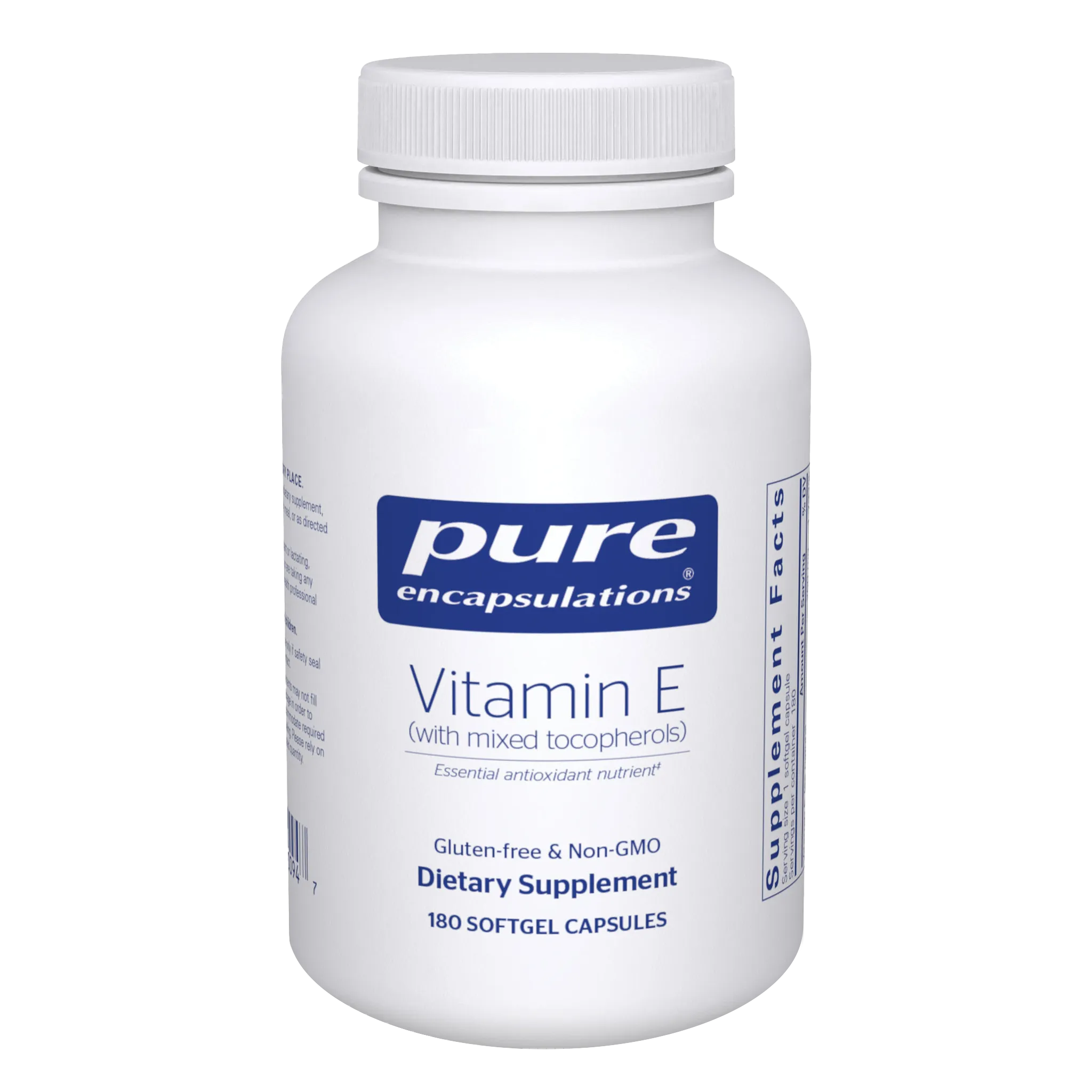
If you are ready to support your cellular and cardiovascular health with a comprehensive antioxidant formula, Explore Vitamin E with Mixed Tocopherols. As always, please consult your healthcare provider before beginning any new supplement regimen, especially if you are taking prescription medications or managing multiple complex conditions. Together, we can navigate the path forward toward better cellular health and more manageable days.