Can Vegan Vitamin D3 Support Immune and Autonomic Balance in Long COVID?
March 5, 2026
Vitamin D3Long COVIDME/CFS
Share:
Disclaimer: The information provided here is for educational purposes only and is not intended as medical advice. It should not be used to diagnose, treat, cure, or prevent any medical condition. Instead, use it as a starting point for discussion with your healthcare provider. Always consult with a qualified healthcare provider before starting any new medication, supplement, device, or making changes to your health regimen.
Months or even years after a mild acute infection, many people find themselves battling a bewildering array of debilitating symptoms—crushing fatigue, unpredictable heart rates, cognitive dysfunction, and sudden allergic reactions. If you are living with Long COVID, myalgic encephalomyelitis/chronic fatigue syndrome (ME/CFS), dysautonomia, or mast cell activation syndrome (MCAS), you already know how frustrating it is to navigate a medical system that often lacks clear answers. You might be doing everything "right," yet your body remains trapped in a state of chronic neuroimmune overdrive. In the search for foundational healing, researchers and clinicians are increasingly looking at the intricate biochemical pathways that govern our immune and autonomic systems.
One of the most critical, yet frequently misunderstood, components of this biological puzzle is Vitamin D. Long relegated to the simple realm of "bone health," modern immunology has revealed that Vitamin D is actually a potent, systemic neurosteroid hormone. It acts as the master rheostat for the immune system, dictating whether our cells fight a pathogen or stand down to prevent autoimmune damage. For patients with complex chronic illnesses, a deficiency or metabolic failure in the Vitamin D pathway can perpetuate a vicious cycle of inflammation, mast cell reactivity, and autonomic dysfunction. In this comprehensive guide, we will explore the molecular mechanisms of vegan Vitamin D3, how viral infections disrupt its pathways, and why optimizing this vital prohormone may be a crucial step in managing Long COVID and related conditions.
TL;DR
Vitamin D3 acts as a master hormone, supporting immune balance and autonomic nervous system function.
It may help stabilize mast cells, reducing unpredictable allergic reactions and histamine release.
Optimizing Vitamin D levels requires essential cofactors like magnesium and healthy fats for proper absorption.
Always consult your healthcare provider to test your levels and determine the right dosage for you.
What is Vitamin D3?
While commonly referred to as a vitamin, Vitamin D is biologically classified as a prohormone. In a healthy body, its primary natural function extends far beyond simply helping the gut absorb calcium and phosphorus for bone mineralization. It is a foundational regulatory molecule that dictates the behavior of thousands of genes across virtually every tissue in the body. The journey of Vitamin D begins either through epidermal synthesis—when ultraviolet B (UVB) radiation from the sun converts 7-dehydrocholesterol in the skin into cholecalciferol (Vitamin D3)—or through dietary and supplemental intake. However, this raw form of cholecalciferol is biologically inert. To become active, it must undergo a complex, two-step enzymatic conversion process that relies heavily on the health of the liver, the kidneys, and the availability of crucial cofactors like magnesium.
Once cholecalciferol enters the bloodstream, it is transported to the liver, where the enzyme 25-hydroxylase converts it into 25-hydroxyvitamin D, or 25(OH)D. This is the major circulating storage form of the vitamin and the biomarker most commonly measured on standard blood tests. However, 25(OH)D is still not the fully active hormone. It must travel to the kidneys, where another enzyme, 1-alpha-hydroxylase (CYP27B1), adds a final hydroxyl group to create 1,25-dihydroxyvitamin D, also known as calcitriol. Calcitriol is the potent, biologically active hormone that unlocks the physiological magic of Vitamin D. It circulates through the body and binds to the Vitamin D Receptor (VDR), a nuclear receptor present in almost all human cells, including immune cells, neurons, and the endothelial cells lining our blood vessels.
When active calcitriol binds to the VDR inside a cell's nucleus, it forms a heterodimer complex with the Retinoid X Receptor (RXR). This newly formed complex acts as a transcription factor, binding directly to specific DNA sequences known as Vitamin D Response Elements (VDREs). By attaching to these genetic switches, the calcitriol-VDR-RXR complex can upregulate or downregulate the expression of hundreds of target genes. This profound genetic influence is how Vitamin D controls cellular proliferation, differentiation, and apoptosis (programmed cell death), ensuring that tissues like the colon, breast, and prostate maintain healthy cellular life cycles.
The Immune System's Master Rheostat
Perhaps the most revolutionary discovery in recent decades is Vitamin D's role as a master immunomodulator. The immune system is broadly divided into two branches: the innate immune system (the rapid, non-specific first line of defense) and the adaptive immune system (the slower, highly specific, antibody-driven response). Vitamin D has the unique ability to simultaneously boost the innate response while suppressing and regulating the adaptive response. This dual action is essential for fighting off acute infections without triggering the runaway inflammation and tissue damage characteristic of autoimmune diseases. According to research published by the National Institutes of Health, immune cells like macrophages and dendritic cells actually possess their own CYP27B1 enzymes, allowing them to convert storage Vitamin D into active calcitriol locally, exactly where and when it is needed during an immune challenge.
When a macrophage (a type of innate immune cell) encounters a pathogen, its Toll-Like Receptors are activated. This activation dramatically upregulates the expression of both VDR and the CYP27B1 enzyme within the cell. The localized surge in active calcitriol stimulates the macrophage to produce potent antimicrobial peptides, specifically cathelicidin (LL-37) and beta-defensin 4. These peptides act as the body's natural antibiotics, physically disrupting the cell membranes of invading bacteria and viruses. Simultaneously, Vitamin D promotes the polarization of macrophages into the M2 phenotype, which is associated with anti-inflammatory signaling and tissue repair, rather than the tissue-damaging M1 phenotype.
While it arms the innate immune system, Vitamin D acts as a crucial "brake" on the adaptive immune system. It directly inhibits the proliferation of pro-inflammatory Th1 and Th17 helper T-cells, which are the primary drivers of chronic tissue inflammation and autoimmunity. More importantly, studies demonstrate that Vitamin D facilitates the maturation of Regulatory T-cells (Tregs). Tregs are the peacekeepers of the immune system; they suppress excessive immune responses, maintain tolerance to the body's own tissues, and secrete high levels of Interleukin-10 (IL-10), a powerful anti-inflammatory cytokine. By shifting the cytokine balance away from inflammation and toward resolution, Vitamin D prevents the immune system from destroying healthy host tissue in its attempt to clear a threat.
Cardiovascular and Autonomic Regulation
Beyond the immune system, Vitamin D plays a vital role in cardiovascular and autonomic health. The endothelial cells that line our blood vessels are rich in Vitamin D Receptors. When calcitriol binds to these receptors, it activates endothelial nitric oxide synthase (eNOS), the enzyme responsible for producing nitric oxide. Nitric oxide is a critical signaling molecule that causes blood vessels to dilate, ensuring smooth blood flow, healthy blood pressure, and adequate oxygen delivery to tissues. This vasodilatory effect is essential for maintaining overall cardiovascular health and preventing the microvascular dysfunction that can lead to tissue hypoxia.
Furthermore, Vitamin D is a recognized neurosteroid that influences the central and peripheral nervous systems. The brain's circumventricular organs, which help regulate the autonomic nervous system's control over heart rate and blood pressure, are highly sensitive to systemic inflammation and neuroendocrine signals. By maintaining a healthy gut microbiome and suppressing systemic inflammatory cytokines, Vitamin D indirectly supports the delicate balance between the sympathetic ("fight or flight") and parasympathetic ("rest and digest") branches of the autonomic nervous system. When this intricate web of immune, vascular, and neurological regulation is functioning optimally, the body can adapt to stressors and maintain homeostasis.
How Long COVID and Dysautonomia Impact Vitamin D Pathways
To understand how chronic illnesses like Long COVID, ME/CFS, and dysautonomia take root, we must look at how severe physiological stressors disrupt the body's foundational biochemical pathways. When the body is subjected to a severe viral insult—such as the SARS-CoV-2 virus—the immune system launches a massive, energy-intensive counterattack. This acute phase requires vast amounts of active Vitamin D to fuel macrophage activity and produce antimicrobial peptides. However, if the virus evades complete clearance or triggers a maladaptive immune response, the body can become stuck in a state of chronic neuroimmune overdrive, rapidly depleting its nutritional reserves and fracturing the very pathways Vitamin D normally regulates.
In Long COVID and ME/CFS, this disruption often manifests as a persistent "cytokine storm" or chronic low-grade inflammation. The immune system fails to transition from the aggressive Th1 inflammatory state back to the restorative, Treg-dominated state. Pro-inflammatory cytokines like Interleukin-6 (IL-6) and Tumor Necrosis Factor-alpha (TNF-α) flood the system. Recent neuroimmune research highlights that this chronic neuroinflammation can disrupt the blood-brain barrier, allowing inflammatory mediators to infiltrate the central nervous system. In this highly inflamed environment, the body's demand for active Vitamin D outpaces its supply, leading to a profound localized deficiency that prevents the immune system from hitting the "brakes." The lack of calcitriol means Tregs cannot mature properly, leaving the body vulnerable to the development of autoantibodies—a hallmark of both Long COVID and ME/CFS.
Autonomic Dysfunction and the Calcitriol Defect
The impact of this systemic disruption is perhaps most visible in patients with Postural Orthostatic Tachycardia Syndrome (POTS) and broader dysautonomia. These conditions are characterized by a severe imbalance in the autonomic nervous system, leading to debilitating orthostatic intolerance, erratic heart rates, and blood pooling upon standing. While many POTS patients exhibit traditional Vitamin D deficiency on standard blood tests, a fascinating and complex pathophysiology has emerged in recent clinical literature. Some patients with severe dysautonomia exhibit what is known as a "calcitriol defect."
In these specific cases, a patient's standard storage Vitamin D (25(OH)D) levels might appear perfectly normal. However, due to chronic inflammation, mitochondrial dysfunction, or genetic epigenetic changes, the kidneys and local tissues fail to convert that storage form into the active hormone, 1,25-dihydroxyvitamin D (calcitriol). Because the active hormone is missing, the Vitamin D Receptors in the endothelial cells and nervous system remain unactivated. This enzymatic failure deprives the autonomic nervous system of its crucial neurosteroid support, exacerbating the sympathetic nervous system's hyperarousal and worsening the tachycardia and dizziness associated with POTS.
Endothelial Damage and the Vicious Cycle of Hypoxia
The depletion of active Vitamin D also has devastating consequences for the cardiovascular system, specifically the endothelium. In Long COVID and ME/CFS, the endothelial lining of the blood vessels often becomes damaged and inflamed, a condition known as endothelialitis. Without sufficient calcitriol to activate endothelial nitric oxide synthase (eNOS), the blood vessels lose their ability to dilate effectively. This loss of vascular tone contributes to the formation of microclots and severely impairs microcirculation. When blood cannot flow smoothly through the smallest capillaries, tissues and muscles are starved of oxygen—a state known as tissue hypoxia.
This hypoxic state is a primary driver of the profound, crushing fatigue and post-exertional malaise (PEM) experienced by patients. The mitochondria, the powerhouses of the cells, cannot produce adequate ATP (energy) without sufficient oxygen. Furthermore, the synthesis of active Vitamin D itself requires magnesium as a cofactor. In chronic inflammatory states, magnesium is rapidly burned through to manage oxidative stress. This creates a vicious cycle: low magnesium prevents the activation of Vitamin D, low active Vitamin D worsens endothelial dysfunction and inflammation, and the resulting hypoxia further damages the mitochondria. Breaking this cycle requires a comprehensive approach that addresses both the nutrient deficiencies and the underlying neuroimmune dysfunction. You can learn more about managing fatigue with Long COVID through pacing and targeted support.
Vitamin D3: Supporting Immune Balance and Autonomic Function
When the body is trapped in the vicious cycles of chronic inflammation, autonomic hyperarousal, and mast cell reactivity, targeted nutritional support becomes a vital tool for restoring physiological balance. Supplementing with a high-quality, bioavailable form of Vitamin D3 is not about simply raising a number on a lab report; it is about providing the raw materials necessary to reignite the body's innate regulatory mechanisms. By ensuring an adequate supply of cholecalciferol, we can support the enzymatic pathways that produce active calcitriol, thereby delivering this master prohormone directly to the cellular receptors that desperately need it.
The therapeutic potential of Vitamin D3 in complex chronic illness is multi-faceted. Because Vitamin D Receptors are ubiquitous throughout the body, restoring optimal levels can simultaneously influence immune tolerance, vascular health, neurological function, and cellular energy production. This systemic approach is particularly crucial for conditions like Long COVID and ME/CFS, where multiple bodily systems are simultaneously dysregulated. By acting at the epigenetic level—literally turning protective genes on and inflammatory genes off—Vitamin D3 provides a foundational layer of support that can enhance the efficacy of other treatments and lifestyle interventions.
Stabilizing Mast Cells in MCAS
For patients dealing with Mast Cell Activation Syndrome (MCAS), Vitamin D3 offers profound, mechanistically proven support. Mast cells are the immune system's first responders, packed with granules containing histamine, leukotrienes, and inflammatory cytokines. In MCAS, these cells become hyper-excitable, degranulating inappropriately in response to minor triggers like foods, temperature changes, or stress. Immunological research published in the journal Allergy has mapped exactly how Vitamin D acts as a molecular "brake" on this pathological degranulation. Mast cells express both VDRs and the CYP27B1 enzyme, allowing them to synthesize active calcitriol locally.
When active Vitamin D binds to the VDR inside a mast cell, it increases the expression of the receptor, which then forms a physical complex with a non-receptor tyrosine kinase called Lyn kinase. By binding to Lyn, the VDR-Lyn complex physically blocks Lyn from attaching to the high-affinity IgE receptor (FcεRI). This blockade interrupts the entire allergic cascade. Because Lyn is blocked, it cannot phosphorylate downstream targets like Syk (spleen tyrosine kinase), effectively shutting down the MAPK and NF-κB inflammatory signaling pathways. Furthermore, VDR enters the mast cell's nucleus and suppresses the transcription of the TNF-α gene. The net result is a drastic reduction in the release of histamine and inflammatory mediators, raising the threshold required for mast cells to degranulate and providing systemic relief from unpredictable allergic flares.
Promoting Tregs and Halting Autoimmunity
In the context of Long COVID and ME/CFS, where post-viral autoimmunity is a significant concern, Vitamin D3's ability to modulate T-cell behavior is paramount. Chronic illness is often characterized by an overactive, tissue-damaging Th1 and Th17 immune response. Vitamin D3 supplementation provides the substrate needed to shift this aggressive immune posture back toward a protective, tolerant state. Active calcitriol directly inhibits the proliferation of these pro-inflammatory T-cells while simultaneously promoting the differentiation and maturation of CD4+ CD25+ FoxP3+ Regulatory T-cells (Tregs).
These Tregs act as the immune system's peacekeepers. By increasing the Treg population, Vitamin D helps suppress the production of autoantibodies—such as those targeting the adrenergic and muscarinic receptors in dysautonomia patients. Furthermore, Tregs secrete high levels of Interleukin-10 (IL-10) and Transforming Growth Factor-beta (TGF-β), which are potent anti-inflammatory cytokines that help resolve the lingering "cytokine storm." This immunomodulatory shift is essential for reducing the systemic inflammation that drives symptoms like severe joint pain, muscle aches, and general malaise. Understanding what causes Long COVID often points back to this exact type of post-viral immune dysregulation.
Restoring Endothelial Nitric Oxide and Vascular Tone
For patients battling the orthostatic intolerance of POTS and the microvascular hypoxia of ME/CFS, Vitamin D3 provides critical cardiovascular support. The endothelial cells lining the blood vessels rely on active calcitriol to maintain their structural integrity and functional responsiveness. When Vitamin D levels are optimized, calcitriol binds to the endothelial VDRs, directly upregulating the activity of endothelial nitric oxide synthase (eNOS). This enzyme produces nitric oxide, the primary signaling molecule responsible for vasodilation—the widening of blood vessels.
By enhancing nitric oxide production, Vitamin D helps restore healthy vascular tone, allowing blood vessels to constrict and dilate appropriately in response to positional changes. This is particularly beneficial for POTS patients, whose blood vessels often fail to constrict properly upon standing, leading to blood pooling in the lower extremities and compensatory tachycardia. Additionally, improved vasodilation enhances microcirculation, ensuring that oxygen and vital nutrients can reach the deep muscle tissues and the brain. This improved oxygen delivery helps mitigate the cellular hypoxia that drives post-exertional malaise and cognitive dysfunction, supporting a gradual return to better functional capacity.

Symptoms Vitamin D3 May Help Manage
Because Vitamin D receptors are located in virtually every tissue type, optimizing your levels can have a widespread impact on the complex, overlapping symptoms of chronic neuroimmune conditions. While it is not a standalone cure, supporting the body's foundational prohormone pathways can help manage the following specific symptoms:
Profound Fatigue and Post-Exertional Malaise (PEM): By supporting endothelial nitric oxide production and improving microcirculation, Vitamin D helps deliver crucial oxygen to starving tissues, mitigating the cellular hypoxia that drives severe crashes after physical or cognitive exertion.
Cognitive Dysfunction ("Brain Fog"): Vitamin D acts as a neurosteroid that helps reduce neuroinflammation and supports the integrity of the blood-brain barrier. Lowering systemic inflammatory cytokines can improve mental clarity, focus, and memory retrieval.
Orthostatic Intolerance and Tachycardia: In patients with POTS and dysautonomia, Vitamin D supports autonomic balance and vascular tone. By enhancing eNOS activity, it helps blood vessels respond more appropriately to positional changes, reducing the severity of dizziness and rapid heart rate upon standing.
Unpredictable Allergic Flares and Hives: For those with MCAS, Vitamin D directly stabilizes mast cells by blocking the Lyn kinase signaling pathway. This raises the threshold for degranulation, reducing the frequency and severity of histamine dumps, skin rashes, and gastrointestinal reactivity.
Deep Muscle and Bone Pain: Vitamin D is essential for intestinal calcium and phosphorus absorption, maintaining healthy bone density and mineralization. Correcting a deficiency can alleviate the deep, aching bone pain (osteomalacia) and generalized muscle weakness frequently reported in chronic fatigue syndromes.
Frequent Infections and Immune Dysregulation: By boosting the innate immune system's production of antimicrobial peptides (like cathelicidin) while simultaneously promoting anti-inflammatory Tregs, Vitamin D helps the body fight off opportunistic infections without triggering autoimmune flare-ups.
Practical Considerations: Forms, Dosing, and Absorption
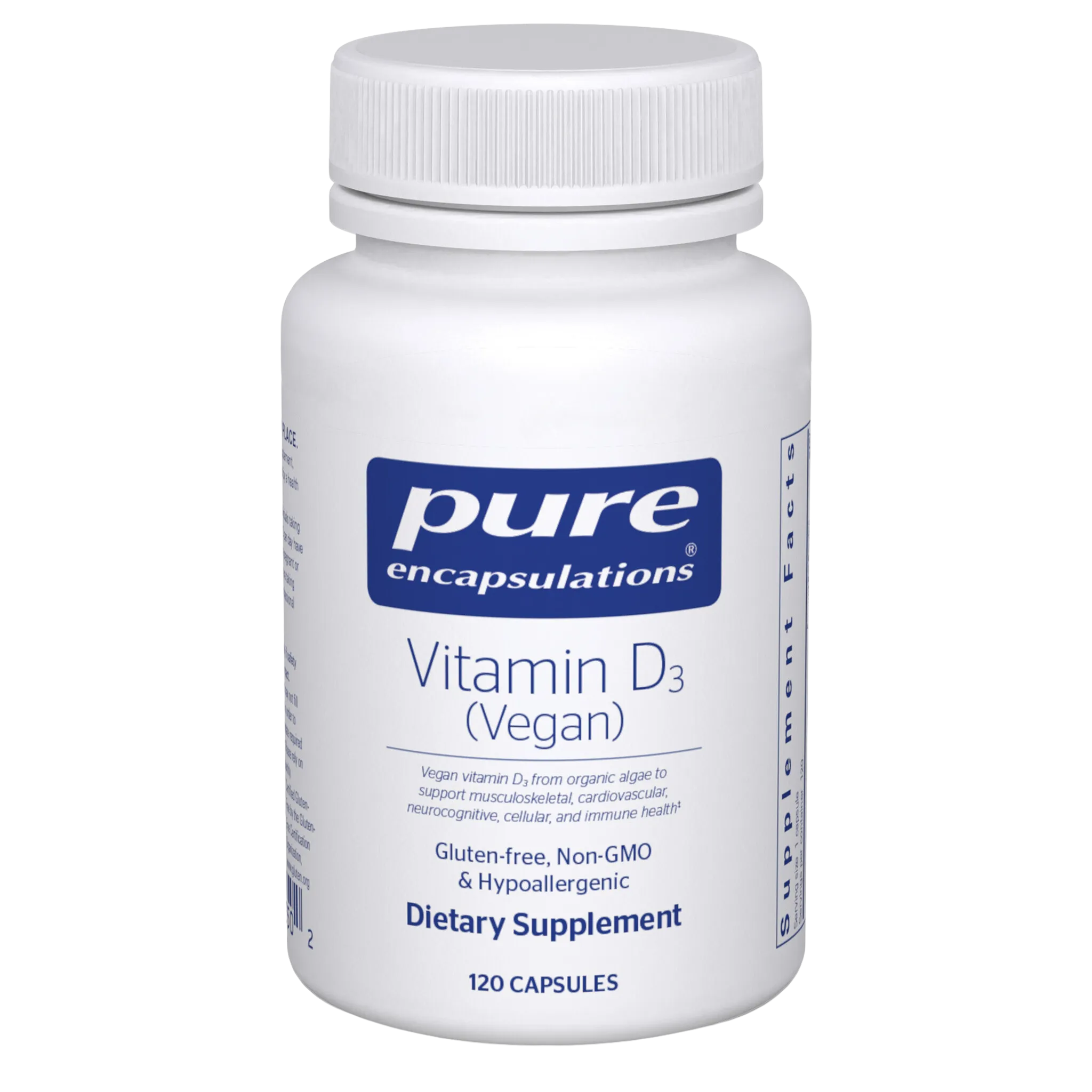
When selecting a Vitamin D supplement, understanding the nuances of sourcing, bioavailability, and essential cofactors is critical for achieving therapeutic results. Historically, most commercial Vitamin D3 (cholecalciferol) has been derived from lanolin, a waxy substance extracted from sheep's wool. While effective, the industrial processing of lanolin involves harsh chemical detergents and raises environmental and ethical concerns for many consumers. Fortunately, advancements in nutritional science have led to the development of highly pure, sustainable, plant-based alternatives derived from organic microalgae or lichen.
Vegan Algae vs. Lanolin: The Bioavailability Truth
A common misconception is that plant-based Vitamin D is inherently less bioavailable than animal-derived forms. This confusion often stems from conflating Vitamin D2 (ergocalciferol, found in mushrooms) with vegan Vitamin D3. High-quality vegan supplements utilize specific strains of microalgae that naturally produce 7-dehydrocholesterol. When exposed to UV light—mimicking the process that occurs in human skin—this compound converts into pure cholecalciferol. Clinical bioavailability studies have repeatedly confirmed through Nuclear Magnetic Resonance (NMR) testing that algae-derived cholecalciferol is 100% molecularly identical to lanolin-derived cholecalciferol.
Because the molecules are indistinguishable, the human body absorbs and utilizes them in the exact same way. A benchmark 2020 clinical trial (the "VegD3" study) demonstrated that participants taking a modest dose of algae-derived D3 experienced a 77.3% increase in their blood plasma levels in just seven days, effectively resolving clinical deficiencies. Therefore, when choosing a vegan D3 supplement, you are not sacrificing efficacy; you are simply opting for a cleaner, more sustainable production process that avoids animal byproducts and pesticide residues.
The Crucial Role of Magnesium and Fat
The true determining factors for Vitamin D absorption are how you take it and the presence of vital cofactors. Vitamin D is a fat-soluble vitamin. Taking a dry capsule on an empty stomach will result in poor intestinal absorption. To maximize bioavailability, Vitamin D3 should always be taken with a meal containing healthy fats (such as avocado, olive oil, or nuts), or chosen in a formulation that is already suspended in a high-quality lipid base.
Equally important is the role of magnesium. Magnesium is an absolute, non-negotiable cofactor for the metabolism of Vitamin D. Research indicates that all the enzymes involved in synthesizing active calcitriol in the liver and kidneys are magnesium-dependent. If you are severely deficient in magnesium—a common scenario in chronic inflammatory conditions—your body may exhibit "Vitamin D resistance," meaning standard supplementation will fail to raise your active blood levels. Ensuring adequate magnesium intake alongside your Vitamin D3 is essential for unlocking the prohormone's full therapeutic potential and preventing the calcification of soft tissues.
Dosage Guidelines and Safety Monitoring
While the baseline Recommended Dietary Allowance (RDA) for adults is 600-800 IU, functional medicine practitioners often recommend higher doses (such as 2,000 to 5,000 IU daily) to correct deficiencies and support immune modulation in chronically ill patients. However, because Vitamin D is fat-soluble, it can accumulate in the body. The primary risk of excessive Vitamin D is hypercalcemia—a dangerous buildup of calcium in the blood that can cause kidney stones, severe weakness, and cardiac arrhythmias. Toxicity is rare and typically only occurs with massive, prolonged megadosing (e.g., >40,000 IU daily for months).
It is strongly recommended that individuals taking more than 50 mcg (2,000 IU) of Vitamin D per day have their 25(OH)D blood levels regularly monitored by a healthcare professional. A generally accepted optimal functional range is between 40 and 70 ng/mL, though individual targets may vary. Additionally, Vitamin D can interact with certain medications. Thiazide diuretics (used for high blood pressure) decrease calcium excretion, and combining them with high-dose Vitamin D increases the risk of hypercalcemia. Fat-absorption inhibitors (like Orlistat) or bile acid sequestrants can block the absorption of Vitamin D and should be taken several hours apart. Always consult your care team to tailor the dosage to your specific lab results and medical history.

Follow the Science
The clinical evidence supporting the use of Vitamin D in the management of post-viral syndromes, dysautonomia, and mast cell disorders has grown exponentially in recent years. Researchers are moving beyond simple epidemiological correlations to uncover the precise molecular mechanisms that link Vitamin D deficiency to the severity and perpetuation of complex chronic illnesses. This robust body of literature provides a strong scientific rationale for prioritizing Vitamin D optimization as a foundational therapeutic strategy.
Clinical Trials in Long COVID
Recent clinical studies have highlighted a stark correlation between Vitamin D status and Long COVID outcomes. A 2023 study published in the Journal of Clinical Endocrinology & Metabolism evaluated COVID-19 survivors six months post-hospitalization. The researchers found that patients who developed Long COVID had significantly lower 25(OH)D levels compared to those who fully recovered. Most notably, lower Vitamin D levels were heavily correlated with severe neurocognitive symptoms, often referred to as "brain fog." Patients suffering from cognitive dysfunction had an average Vitamin D level of just 14.6 ng/mL, compared to 20.6 ng/mL in those without such symptoms. Furthermore, a separate 2023 MDPI study involving 170 patients found that individuals with a Vitamin D deficiency were 5.80 times more likely to develop Long COVID signs and symptoms, particularly prolonged respiratory issues and systemic fatigue.
Research on POTS and Autonomic Disorders
The intersection of Vitamin D and dysautonomia is an area of active, fascinating research. A retrospective review published in the AHA journal Circulation analyzed 180 patients with Postural Orthostatic Tachycardia Syndrome (POTS). The findings were striking: 51% of the POTS patients had Vitamin D3 levels below 20 ng/mL (clinically deficient), and 56% were insufficient (below 30 ng/mL). Beyond standard deficiency, emerging case reports have documented POTS patients who exhibit entirely normal storage 25(OH)D levels but possess significantly low levels of the active hormone, calcitriol. When these specific patients were treated with active calcitriol, their orthostatic intolerance and tachycardia symptoms drastically improved, suggesting that enzymatic conversion failures play a critical role in autonomic dysfunction.
Mast Cell Activation Evidence
For patients with MCAS, the scientific validation of Vitamin D's stabilizing effects is profound. A landmark 2017 study published in the journal Allergy by Zheng, Liu, et al., definitively mapped the intracellular mechanism by which Vitamin D prevents mast cell degranulation. The researchers demonstrated that the active Vitamin D receptor (VDR) forms a complex with Lyn kinase, effectively blocking the signaling pathway required for the release of histamine and inflammatory cytokines like TNF-α. The study concluded that "mast cells activated automatically in a VitD-deficient environment" and that maintaining optimal Vitamin D levels is an absolute biological requirement for preserving mast cell stability. This mechanistic proof elevates Vitamin D from a general wellness supplement to a targeted therapeutic intervention for mast cell-driven diseases.
The Path Forward
Living with a complex chronic illness like Long COVID, ME/CFS, dysautonomia, or MCAS is an arduous journey that requires immense resilience. It is entirely valid to feel overwhelmed by the sheer number of symptoms and the lack of straightforward medical answers. However, as our understanding of neuroimmune pathophysiology deepens, so does our ability to intervene meaningfully. Recognizing the foundational role of prohormones like Vitamin D in regulating your immune system, stabilizing your mast cells, and supporting your autonomic nervous system is a powerful step toward reclaiming your health.
Integrating Vitamin D3 into Your Protocol
It is important to remember that while Vitamin D3 is a potent and necessary biological tool, it is not a standalone miracle cure. True healing in complex chronic illness requires a comprehensive, multi-disciplinary approach. Optimizing your Vitamin D levels should be viewed as laying a strong physiological foundation—one that makes your cells more resilient, reduces systemic inflammation, and enhances the effectiveness of other management strategies. This includes diligent pacing to avoid post-exertional malaise, identifying and avoiding MCAS triggers, prioritizing restorative sleep, and ensuring you have adequate intake of essential cofactors like magnesium. You can explore more about how a doctor diagnoses Long COVID and the various drugs used for COVID long haulers to build a well-rounded protocol.
Consulting Your Care Team
Before starting any new supplement regimen, especially if you have a complex medical history or are taking prescription medications, it is crucial to consult with your healthcare provider. They can help you perform the necessary blood work to determine your baseline 25(OH)D levels, assess your magnesium status, and tailor a dosage that is safe and effective for your unique biology. Regular monitoring is the best way to ensure you achieve the optimal functional range without risking hypercalcemia. If you are ready to support your immune, cardiovascular, and cellular health with a clean, highly bioavailable, plant-based formula, Shop Vitamin D3 today.