Can Vitamin D3 Liquid Support Immune and Autonomic Function in Long COVID and ME/CFS?
March 5, 2026
Vitamin D3Long COVIDME/CFS
Share:
Disclaimer: The information provided here is for educational purposes only and is not intended as medical advice. It should not be used to diagnose, treat, cure, or prevent any medical condition. Instead, use it as a starting point for discussion with your healthcare provider. Always consult with a qualified healthcare provider before starting any new medication, supplement, device, or making changes to your health regimen.
For many individuals living with complex chronic conditions like Long COVID, myalgic encephalomyelitis/chronic fatigue syndrome (ME/CFS), dysautonomia, and mast cell activation syndrome (MCAS), the simple act of stepping outside into the sunlight can feel like an insurmountable challenge. Heat intolerance triggers severe dizziness and rapid heart rates, while the sun's rays can inexplicably provoke hives and systemic allergic reactions. As a result, many patients find themselves largely housebound, inadvertently cutting off their body's primary source of a crucial neuro-immune modulator: sunlight-derived vitamin D. This forced isolation creates a vicious cycle where the very illness keeping you indoors deepens a nutritional deficiency that further exacerbates your most debilitating symptoms, from profound bone pain to unyielding brain fog.
When navigating the unpredictable landscape of post-viral illness, it is easy to dismiss vitamin D as just a basic bone supplement. However, modern neuro-immunology paints a vastly different picture. Vitamin D is not merely a vitamin; it is a potent steroid hormone that dictates the behavior of your immune cells, stabilizes hyperactive mast cells, and helps regulate the autonomic nervous system. For patients whose bodies are locked in a state of chronic inflammation and immune exhaustion, restoring optimal levels through highly bioavailable forms like Vitamin D3 Liquid by Pure Encapsulations can be a foundational step in reclaiming cellular stability. In this comprehensive guide, we will explore the intricate biochemical pathways of vitamin D3, how chronic illness disrupts these systems, and the clinical science supporting its role in your comprehensive management strategy.
What is Vitamin D3 Liquid?
To truly understand the therapeutic potential of Vitamin D3, we must first recognize its true biological identity. Despite its name, vitamin D is not technically a vitamin—a substance the body cannot make and must acquire from food. Instead, it is a pro-hormone that the human body synthesizes when ultraviolet B (UVB) radiation from sunlight strikes the skin, converting a cholesterol derivative (7-dehydrocholesterol) into cholecalciferol, or vitamin D3. In a healthy body, this newly minted cholecalciferol, or the D3 absorbed from dietary sources and supplements, travels through the bloodstream to the liver. Here, it undergoes its first enzymatic transformation into 25-hydroxyvitamin D [25(OH)D], the primary circulating storage form that doctors measure during standard blood tests.
However, this storage form is biologically inactive. To exert its profound effects on the body, 25(OH)D must undergo a second conversion into its active hormonal form, 1,25-dihydroxyvitamin D3 [1,25(OH)2D3], also known as calcitriol. Historically, scientists believed this final activation occurred exclusively in the kidneys to regulate systemic calcium and phosphorus levels for bone health. We now know that immune cells, including macrophages, dendritic cells, and T-cells, possess the specific enzyme (CYP27B1) required to locally convert vitamin D into its active form. This localized activation allows the immune system to use vitamin D as a direct, intracrine signaling molecule to rapidly respond to threats and modulate inflammation on a cellular level.
The true magic of active vitamin D3 lies in its interaction with the Vitamin D Receptor (VDR). The VDR is a member of the nuclear steroid hormone receptor superfamily, and it is found in almost every tissue in the human body, including the brain, heart, gut, and immune cells. When active calcitriol binds to the VDR inside a cell, it triggers a profound structural change. The VDR pairs up with another receptor called the Retinoid X Receptor (RXR) to form a heterodimer complex. This VDR-RXR complex then acts as a master key, entering the cell's nucleus and binding directly to specific DNA sequences known as Vitamin D Response Elements (VDREs).
By binding to these DNA sequences, the vitamin D complex acts as a master transcription factor, capable of upregulating or suppressing the expression of over 900 different genes. These genes control a vast array of biological processes, from cellular proliferation and differentiation to the production of endogenous antimicrobial peptides and anti-inflammatory cytokines. Research published in the Proceedings of the Nutrition Society demonstrates that when the VDR pathway is disrupted or deficient, the body loses its ability to put the brakes on inflammatory cascades, leading to a heightened state of immune reactivity and susceptibility to autoimmune dysfunction.
Because vitamin D3 is a highly lipophilic (fat-soluble) molecule, it cannot dissolve in water and requires dietary fats to be absorbed through the watery environment of the human gastrointestinal tract. In its natural state, the body packages fat-soluble vitamins into tiny lipid spheres called mixed micelles, which ferry the vitamins to the intestinal lining for absorption. This is why taking dry powder vitamin D capsules on an empty stomach often results in poor clinical outcomes and persistently low blood levels. The body simply cannot absorb the nutrient without a lipid carrier to facilitate transport across the intestinal barrier.
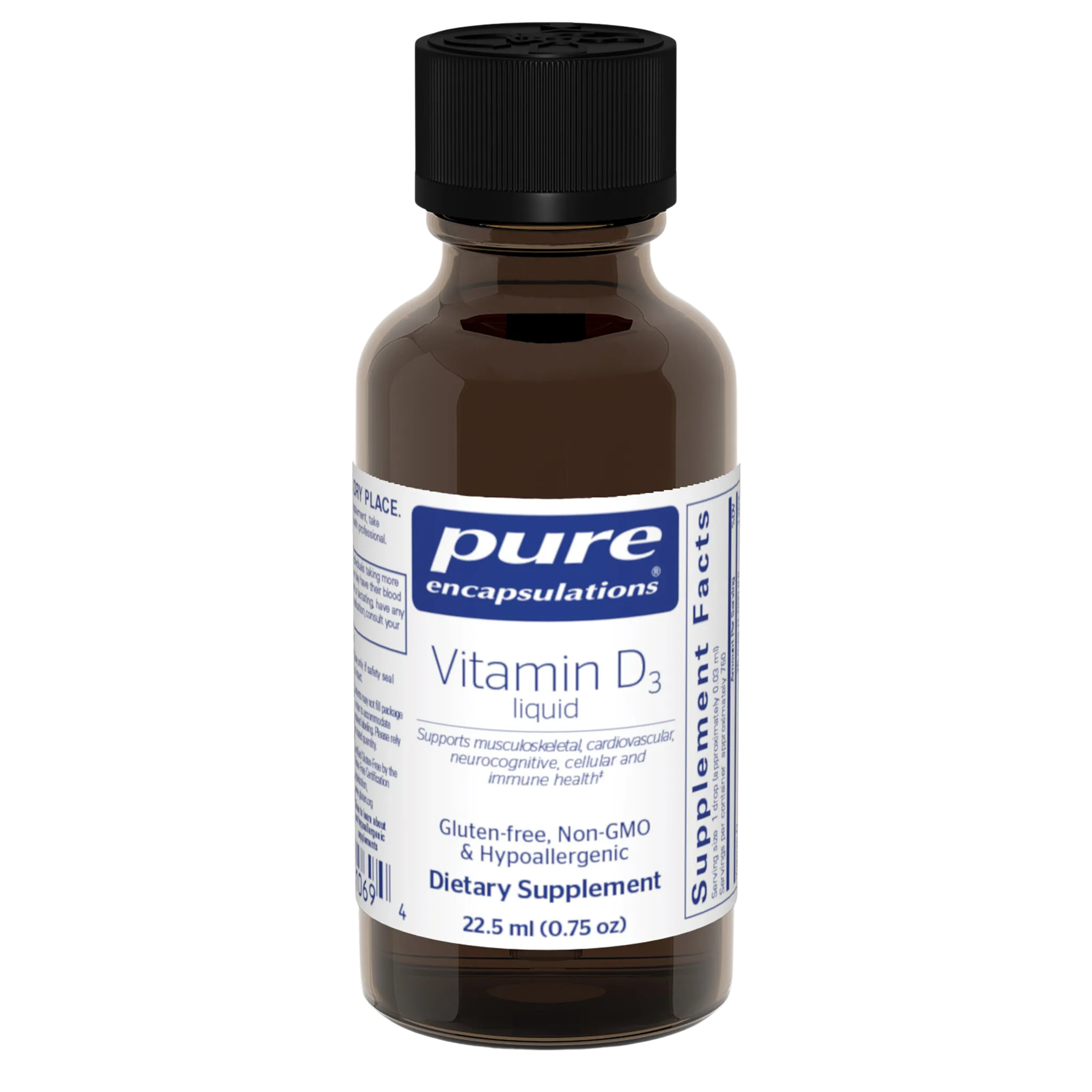
To overcome this physiological hurdle, Pure Encapsulations formulates its Vitamin D3 Liquid in a base of medium-chain triglycerides (MCTs). MCTs are specialized fatty acids that are rapidly broken down and absorbed by the digestive system, providing an immediate lipid matrix for the cholecalciferol molecules. While we will discuss the nuances of lipid absorption later in this guide, the inclusion of an MCT base ensures that the vitamin D3 is pre-dissolved and ready for micelle integration, significantly enhancing its bioaccessibility compared to dry, compressed tablets. This delivery system is particularly crucial for patients with complex chronic illnesses who frequently suffer from gastrointestinal dysmotility and malabsorption issues.
How Chronic Illness Impacts Vitamin D Pathways
The onset of Long COVID is often characterized by a severe, acute viral infection that leaves the immune system in a state of chronic hyper-activation and exhaustion. When investigating What Causes Long COVID?, researchers frequently point to persistent viral reservoirs, systemic endothelial inflammation, and a failure of the immune system to return to a baseline state of rest. During the acute phase of a SARS-CoV-2 infection, the body rapidly consumes its circulating stores of vitamin D to fuel the massive production of immune cells and antimicrobial peptides required to fight the virus. If these stores are not adequately replenished, the patient enters the post-viral phase with a profound nutritional deficit.
This depletion creates a dangerous physiological environment. Without sufficient vitamin D to activate the VDR pathways, the immune system loses its primary regulatory "brake." Inflammatory cytokines, particularly Interleukin-6 (IL-6) and Tumor Necrosis Factor-alpha (TNF-α), continue to be produced unchecked, driving the persistent neuroinflammation and systemic fatigue that define Long COVID. Furthermore, studies suggest that low vitamin D levels impair the body's antioxidant defenses, specifically reducing the activity of Glutathione Peroxidase (GPx), which leaves mitochondria vulnerable to oxidative damage and further deepens the cellular energy crisis.
Dysautonomia, particularly postural orthostatic tachycardia syndrome (POTS), involves a severe dysfunction of the autonomic nervous system, which controls involuntary processes like heart rate and blood vessel constriction. Patients with POTS frequently experience blood pooling in their lower extremities upon standing, leading to a rapid, compensatory spike in heart rate and profound dizziness. Vitamin D plays a surprisingly critical role in maintaining autonomic tone and cardiovascular stability. The central and peripheral nervous systems are rich in Vitamin D Receptors, where the hormone acts as a neuro-modulator to balance sympathetic (fight-or-flight) and parasympathetic (rest-and-digest) signaling.
When chronic illness depletes vitamin D levels, this delicate autonomic balance is disrupted. Furthermore, vitamin D is the master regulator of calcium homeostasis in the body. Calcium is not just for bones; it is the primary signaling ion used by smooth muscle cells in blood vessels to contract and maintain vascular tone. A deficiency in vitamin D impairs this calcium signaling, contributing to the poor blood vessel constriction and orthostatic intolerance seen in POTS. This physiological reality makes managing daily life incredibly difficult, a struggle often explored when discussing How Can You Live with Long-Term COVID and its associated dysautonomic complications.
Mast cell activation syndrome (MCAS) adds another complex layer to the pathophysiology of vitamin D deficiency. Mast cells are the immune system's first responders, packed with granules containing histamine and other inflammatory mediators. In MCAS, these cells become highly unstable and degranulate inappropriately in response to minor triggers, including sunlight, heat, and certain foods. Because many MCAS patients experience severe dermatological or systemic reactions to UV exposure, they are forced to avoid the sun entirely, completely halting their natural production of cholecalciferol and guaranteeing a state of deficiency unless aggressively supplemented.
This creates a devastating vicious cycle. Research indicates that mast cells possess Vitamin D Receptors, and adequate vitamin D is required to structurally stabilize these cells and prevent spontaneous degranulation. By avoiding the sun to prevent MCAS flares, patients inadvertently deprive their bodies of the very hormone needed to calm their hyperactive mast cells. Compounding this issue, MCAS and dysautonomia frequently cause severe gastrointestinal distress, including delayed gastric emptying and intestinal permeability (leaky gut). This gut dysfunction severely impairs the absorption of dietary fats and fat-soluble vitamins, making it incredibly difficult for these patients to maintain adequate vitamin D levels through diet alone, necessitating highly bioavailable liquid supplement formats.
Vitamin D3: Supporting Immune, Neurological, and Cellular Function
The therapeutic power of vitamin D3 lies in its dual ability to simultaneously boost the innate immune system's defense mechanisms while suppressing the adaptive immune system's tendency toward autoimmunity and chronic inflammation. When macrophages encounter a pathogen, they upregulate their expression of the VDR and the CYP27B1 enzyme, pulling in circulating vitamin D to produce active calcitriol locally. This localized activation triggers the transcription of endogenous antimicrobial peptides, most notably cathelicidin (LL-37) and beta-defensin 2. These powerful peptides act as the body's natural antibiotics, disrupting the cell membranes of invading pathogens and promoting autophagy, the cellular process of clearing out damaged proteins and viral debris.
Conversely, in the adaptive immune system, vitamin D acts as a master peacekeeper. It actively suppresses the proliferation of pro-inflammatory T helper 1 (Th1) and Th17 cells, which are notorious for driving autoimmune tissue damage. Simultaneously, vitamin D promotes the development of Regulatory T-cells (Tregs). Tregs are essential for maintaining immune tolerance, essentially telling the rest of the immune system that the threat has passed and it is time to stand down. By shifting the immune landscape from a state of hyper-vigilance to one of tolerogenic calm, vitamin D helps break the cycle of systemic inflammation that plagues patients with Long COVID and ME/CFS.
At a molecular level, the vitamin D/VDR complex achieves this profound anti-inflammatory effect by inhibiting the NF-κB signaling pathway. NF-κB is a master transcription factor that, when activated, enters the cell nucleus and triggers a massive release of inflammatory cytokines. Recent immunological research demonstrates that vitamin D stabilizes the inhibitory proteins that keep NF-κB locked outside the nucleus, effectively shutting down the systemic cytokine storms associated with post-viral syndromes and severe allergic responses.
For patients battling MCAS, vitamin D3 offers a targeted, mechanistic approach to symptom management. Mast cells are heavily reliant on VDR signaling to maintain their structural integrity and regulate their reactivity. When active vitamin D binds to the VDRs on the surface and inside of mast cells, it acts as a stabilizing force, raising the threshold required for the cell to degranulate. This means that environmental triggers that would normally cause a massive release of histamine are less likely to provoke a severe systemic reaction when vitamin D levels are optimized.
Furthermore, vitamin D actively suppresses IgE-dependent mast cell activation. Immunoglobulin E (IgE) is the antibody responsible for classic allergic reactions; when it binds to mast cells, it triggers explosive degranulation. By interfering with this specific signaling pathway, vitamin D helps reduce the overall burden of histamine and leukotrienes dumped into the bloodstream. While vitamin D itself does not contain or degrade histamine, correcting a deficiency is widely considered a mandatory baseline therapy in functional medicine for safely lowering systemic histamine levels and reducing the frequency and severity of MCAS flares over time.
In the context of dysautonomia and POTS, vitamin D3 supplementation provides critical support for cardiovascular stability through its regulation of calcium homeostasis and endothelial function. The endothelium, the thin membrane lining the inside of the heart and blood vessels, requires adequate vitamin D to maintain its structural integrity and produce nitric oxide, a molecule essential for healthy blood flow. By reducing oxidative stress and endothelial inflammation, vitamin D helps repair the vascular damage often sustained during acute viral infections, a key factor in addressing Do Long COVID Symptoms Come and Go?.
More importantly for POTS patients, vitamin D ensures that smooth muscle cells in the blood vessels have the precise intracellular calcium concentrations required to contract efficiently. When a healthy person stands up, their blood vessels rapidly constrict to push blood back up to the brain, preventing dizziness. In POTS, this mechanism is blunted, leading to peripheral blood pooling. By optimizing calcium signaling pathways, vitamin D supports the vascular tone necessary for improved orthostatic tolerance, helping to mitigate the severe tachycardia and presyncope that make standing and walking so difficult for dysautonomia patients.

Symptoms Vitamin D3 May Help Manage
Vitamin D receptors are densely packed in the brain, particularly in areas governing memory, emotion, and executive function. By reducing neuroinflammation and supporting neurotransmitter synthesis, supplementation targets several debilitating cognitive symptoms:
Brain Fog and Cognitive Impairment: By suppressing microglial activation (the brain's immune cells) and reducing oxidative stress in neural tissues, vitamin D helps clear the persistent cognitive clouding and memory issues common in post-viral syndromes.
Anxiety and Depression: Vitamin D is crucial for the enzymatic conversion of tryptophan into serotonin, the brain's primary mood-stabilizing neurotransmitter. Restoring optimal levels can significantly improve the severe mood dysregulation and depressive symptoms associated with chronic illness isolation.
Sleep Disturbances: The brainstem regions that control sleep-wake cycles are rich in VDRs. Adequate vitamin D helps regulate circadian rhythms, promoting deeper, more restorative sleep and reducing the frequency of unrefreshing sleep cycles.
By acting as a master regulator of the immune response and stabilizing hyperactive mast cells, vitamin D3 directly addresses the systemic inflammation that drives many physical symptoms:
Post-Exertional Malaise (PEM): By supporting mitochondrial antioxidant defenses (like GPx) and reducing systemic IL-6 levels, vitamin D helps mitigate the severe cellular energy crashes and prolonged recovery times that follow minor physical or cognitive exertion.
Unpredictable Allergic Reactions and Hives: Through its direct stabilization of mast cells and suppression of IgE-mediated degranulation, vitamin D raises the threshold for allergic responses, reducing the frequency of spontaneous rashes, flushing, and histamine-driven gastrointestinal distress.
Chronic Joint and Muscle Pain: Vitamin D deficiency is a well-documented cause of deep bone pain and proximal muscle weakness. Supplementation helps resolve this specific musculoskeletal pain while broadly reducing the systemic inflammatory cytokines that amplify nerve pain signaling.
Vitamin D's foundational role in calcium homeostasis and vascular health provides targeted relief for symptoms related to physical stability and autonomic control:
Orthostatic Intolerance and Dizziness: By optimizing calcium signaling in vascular smooth muscle, vitamin D improves blood vessel constriction upon standing, reducing peripheral blood pooling and mitigating the severe dizziness and rapid heart rates characteristic of POTS.
Muscle Weakness and Deconditioning: Vitamin D is required for optimal muscle fiber function and contraction. Restoring levels helps combat the profound physical deconditioning and muscle atrophy that occur when patients are bedbound or housebound for extended periods.
Bone Density Loss: For patients unable to perform weight-bearing exercises due to severe fatigue or PEM, vitamin D is absolutely essential for maximizing intestinal calcium absorption and maintaining bone mineralization, preventing the early onset of osteopenia.
Practical Considerations: Forms, Dosing, and Absorption
When selecting a vitamin D supplement, the delivery format dictates how much of the active hormone actually reaches your systemic circulation. Scientific evidence consistently demonstrates that liquid formulations, such as oil drops and oral solutions, offer superior and faster absorption compared to traditional dry powder capsules and compressed tablets. A 2018 clinical trial published in the International Journal of Basic & Clinical Pharmacology found that liquid vitamin D3 achieved significantly higher maximum serum concentrations than solid formats. This is because liquid drops bypass the need for physical breakdown and dissolution in the stomach, presenting the cholecalciferol in a highly bioaccessible state ready for immediate intestinal uptake.
This rapid bioaccessibility is particularly crucial for patients with dysautonomia and MCAS, who frequently suffer from gastroparesis (delayed stomach emptying) and low stomach acid. When a dry capsule sits in a sluggish digestive tract, the active ingredients can degrade before they ever reach the absorptive surfaces of the small intestine. Liquid vitamin D3 eliminates this barrier, ensuring that the delicate pro-hormone survives the gastric environment and is efficiently delivered to the enterocytes for absorption into the lymphatic system.
Because vitamin D3 is a large, fat-soluble molecule, it must be packaged into lipid spheres called mixed micelles during digestion to cross the intestinal water barrier. Pure Encapsulations utilizes a base of medium-chain triglycerides (MCTs) for its liquid D3. MCTs are highly advantageous because they are easily digested without the need for complex bile salt interactions, providing a clean, hypoallergenic lipid matrix that is well-tolerated by patients with severe chemical sensitivities and MCAS. However, the biochemical reality of micelle formation requires a strategic approach to timing your dosage.
While MCTs provide an excellent base, gastrointestinal research indicates that long-chain triglycerides (LCTs)—found in foods like olive oil, avocados, and fish—form much larger mixed micelles that more efficiently accommodate the bulky vitamin D3 molecule. Therefore, to maximize the absorption of your MCT-based liquid supplement, it is highly recommended to take your daily drops alongside your largest meal of the day, specifically one containing healthy dietary fats. The presence of these dietary LCTs triggers the release of bile and creates the optimal physiological environment for maximum vitamin D3 extraction and absorption.
One of the primary advantages of Pure Encapsulations Vitamin D3 Liquid is the flexibility of its dosing. Providing 25 mcg (1,000 IU) per single drop allows patients to precisely titrate their dosage based on their specific lab results and individual tolerability. For patients with severe deficiencies, this format allows for achieving therapeutic doses (such as 5,000 to 10,000 IU daily) without the burden of swallowing multiple large capsules, which can be difficult for those with fatigue or swallowing issues. However, because vitamin D is fat-soluble, it accumulates in the body's tissues, meaning regular blood testing (measuring Serum 25-OH levels) is mandatory to prevent toxicity and hypercalcemia.
Furthermore, high-dose vitamin D supplementation should never be undertaken in a vacuum. Vitamin D dramatically increases the absorption of calcium from your diet. To ensure this calcium is deposited safely into your bones and teeth—rather than calcifying in your arteries or soft tissues—it must be paired with adequate Vitamin K2. Additionally, the enzymatic conversion of vitamin D into its active form requires magnesium as a critical co-factor. Because magnesium deficiency is rampant in chronic illness populations, failing to support magnesium levels can render even the best vitamin D supplement ineffective. Finally, it is critical to note the safety warnings: accidental overdose of highly concentrated liquid vitamin D can lead to serious adverse effects in infants, and this specific product is strictly intended for adult use.

Follow the Science
The clinical landscape regarding vitamin D's role in post-viral recovery has expanded significantly in recent years. A major breakthrough occurred with the UHCMC Vitamin K2 and D3 Randomized Controlled Trial (NCT05356936), which concluded in 2024. This trial enrolled 151 participants suffering from established Long COVID and administered a daily co-formulated supplement of Vitamin K2 and Vitamin D3 for 24 weeks. The results were striking: participants in the active treatment group experienced a statistically significant reduction in the total number of Long COVID symptoms, with specific, marked improvements in body pain and post-exertional malaise (PEM). Biologically, the researchers noted a decrease in oxidized LDL cholesterol and a reduction in gut permeability, highlighting vitamin D's ability to heal systemic endothelial and mucosal damage.
Further supporting these findings, a 2024 clinical study published in MDPI's Medicina evaluated the impact of different vitamin D3 dosing strategies on patients with Post-COVID-19 Condition (PCC). The study found that daily supplementation was uniquely associated with a significant reduction in anxiety and depression scores. At a cellular level, the supplementation successfully lowered elevated levels of Interleukin-6 (IL-6)—a primary driver of post-viral neuroinflammation—and significantly increased the antioxidant activity of Glutathione Peroxidase (GPx), providing vital protection against mitochondrial dysfunction.
The intersection of vitamin D deficiency and myalgic encephalomyelitis is a complex area of study, particularly when exploring Can Long COVID Trigger ME/CFS? Unraveling the Connection. Historically, massive megadoses of vitamin D failed to cure traditional ME/CFS, establishing that deficiency is an exacerbating factor rather than the sole root cause. However, recent cutting-edge research out of Japan has reignited interest in targeted replacement therapy. A 2026 randomized controlled trial by Kodama et al. evaluated 91 participants who developed ME/CFS following a COVID-19 infection or vaccination and presented with deficient vitamin D levels (<30 ng/mL).
The intervention group received comprehensive vitamin D replacement therapy, including daily supplementation, dietary counseling, and lifestyle modifications. After 12 weeks, the intervention arm saw a dramatic reduction in diagnostic symptom scores compared to the control group. Strikingly, over a third of the patients in the intervention group experienced such significant symptom relief that they no longer met the strict diagnostic criteria for ME/CFS. While experts caution that comprehensive management (including pacing) is still required, these findings underscore the profound clinical impact of restoring optimal vitamin D levels in post-viral cohorts.
In the realms of dysautonomia and mast cell activation syndrome, research heavily focuses on the structural and functional roles of the VDR. A landmark 2014 immunological study by Yip et al. provided the mechanistic proof that vitamin D3 actively suppresses IgE-dependent mast cell activation. The researchers demonstrated that adequate vitamin D physically reduces the degranulation process, directly lowering the amount of histamine released into the surrounding tissues. This provided the scientific rationale for why correcting vitamin D deficiency is now a cornerstone of MCAS management protocols.
For POTS and dysautonomia, the data highlights the severe consequences of deficiency. A retrospective review published in Neurology analyzed POTS patients and found that those with concurrent clinical vitamin D deficiency exhibited a significantly lower VO2 max—a measure of cardiovascular fitness and aerobic endurance—compared to POTS patients with normal levels. This indicates that while vitamin D deficiency may not cause POTS, it directly drives the severe physical deconditioning, profound fatigue, and worsening orthostatic intolerance that keep patients bedbound, making supplementation a critical tool for cardiovascular rehabilitation.
The Path Forward
Living with invisible, unpredictable illnesses like Long COVID, ME/CFS, POTS, and MCAS is an exhausting daily battle. When your body feels like it is constantly betraying you, and the simple act of going outside is fraught with the risk of symptom flares, it is entirely valid to feel overwhelmed by the sheer complexity of your health. It is important to recognize that while no single supplement is a miracle cure for these intricate neuro-immune conditions, addressing foundational physiological deficits is a critical step toward stability. Vitamin D3 is not a superficial band-aid; it is a powerful, biologically active hormone that your immune and autonomic systems desperately need to regulate inflammation, stabilize mast cells, and maintain vascular tone.
By choosing a highly bioavailable, hypoallergenic format like Pure Encapsulations Vitamin D3 Liquid, you are bypassing the digestive hurdles that often plague chronic illness patients. You are providing your cells with the direct molecular instructions they need to stop the cycle of hyper-reactivity and begin the slow, complex process of cellular repair. This targeted nutritional support is a vital component of the comprehensive diagnostic and management strategies often discussed when exploring How Does a Doctor Diagnose Long COVID?.
Successfully integrating vitamin D3 into your management plan requires patience, precision, and a holistic approach. Because these conditions make your body incredibly sensitive to change, it is crucial to start with a low dose and titrate slowly, utilizing the flexibility that a liquid drop format provides. Always pair your supplementation with a meal containing healthy fats to maximize micelle formation and intestinal absorption. Furthermore, remember that vitamin D operates within a complex biological web; ensure you are also supporting your body with adequate magnesium and vitamin K2 to facilitate proper enzymatic activation and safe calcium distribution.
Most importantly, supplementation must be combined with aggressive pacing and meticulous symptom tracking. Vitamin D will help raise your physiological baseline and improve your cellular energy production, but it will not protect you from the devastating crashes of post-exertional malaise if you continuously push beyond your energy envelope. Listen to your body, track your responses to the liquid drops, and celebrate the small, incremental improvements in your cognitive clarity, joint pain, and orthostatic tolerance.
As you continue to build your personalized toolkit for managing chronic illness, empowering yourself with high-quality, science-backed interventions is key. Always consult with your primary healthcare provider or a functional medicine specialist before beginning any new supplement regimen, especially to establish your baseline 25-OH vitamin D levels and monitor your progress safely. With the right support, targeted nutrition, and compassionate care, you can help your body find its way back to a state of balance.